Support our educational content for free when you purchase through links on our site. Learn more
Is Rolex the Ultimate Luxury Brand? (2026) 🏆

Rolex is not just a luxury watch brand; it is the definitive benchmark for durability, status, and value retention in the entire industry. When you ask What is a watch luxury brand rolex, the answer lies in its unique ability to function as a rugged tool while simultaneously serving as a high-value financial asset. Unlike competitors that rely on fleeting trends, Rolex has mastered the art of vertical integration, controlling everything from their own gold foundry to their proprietary 904L steel.
Consider this: a vintage Rolex Submariner from the 1960s often commands a higher price today than a brand-new one did back then. This isn’t just marketing; it’s a cultural phenomenon where the watch transcends timekeeping to become a symbol of achievement. We’ve seen collectors wait years at authorized dealers, only to walk away empty-handed, while others flip models on the grey market for massive profits.
So, what separates the crown from the rest? It’s the perfect storm of scarcity, craftsmanship, and unshakeable brand equity. Whether you are a first-time buyer or a seasoned horologist, understanding the true nature of this brand is essential before you make a move.
Key Takeaways
-
Rolex defines the luxury standard through vertical integration, manufacturing its own metals, movements, and crystals to ensure unmatched quality.
-
Value retention is exceptional, with many sports models like the Daytona and GMT-Master II often selling above retail price on the secondary market.
-
Scarcity drives demand, as controlled production and high global interest create long waitlists and a robust grey market.
-
Durability meets elegance, making Rolex the ultimate “one-watch” solution for both professional diving and formal events.
-
👉 Shop Rolex Submariner: Amazon | The 1916 Company
-
👉 Shop Rolex GMT-Master II: Amazon | Bob’s Watches
-
👉 Shop Rolex Datejust: Amazon | Crown & Caliber
Table of Contents
- ⚡️ Quick Tips and Facts
- 🕰️ The Rolex Legacy: From Wills to Wristwatches
- 🏆 Defining the Crown: What Actually Makes Rolex a Luxury Brand?
- 🔍 The Rolex Hierarchy: Which Models Define True Luxury?
-
- The Entry-Level Luxury: Oyster Perpetual and Air-King
-
- The Professional Powerhouses: Submariner, GMT-Master II, and Daytona
-
- The Dress Watch Elite: Datejust, Day-Date, and Cellini
-
- The Ultimate Status Symbols: Pearlmaster and Sky-Dweller
- 💎 Materials and Craftsmanship: Why Rolex Costs What It Costs
- 📈 The Financial Reality: Investment, Appreciation, and Market Volatility
- 🛒 The Hunt: Authorized Dealers, Waitlists, and the Grey Market
- ⚖️ Rolex vs. The Competition: How It Stacks Up Against Patek, AP, and Omega
- 👤 The One-Watch Collection: Why Rolex is the Ultimate Daily Driver
- 🕰️ Patina vs. Perfection: Aging Gracefully or Staying Frozen in Time?
- 📉 Market Dynamics: Speculators, Supply Shortages, and the “Luxury” Inflation
- 🤔 So, When Did Rolex Cross the Threshold into True Luxury?
- 🎯 Final Verdict: Is Rolex Right for Your Wrist?
- 📚 Recommended Links
- ❓ Frequently Asked Questions (FAQ)
- 📖 Reference Links
⚡️ Quick Tips and Facts
Before we dive into the deep end of the Rolex ocean, let’s hit the high notes. If you’re here because you’ve heard the whispers about the “Holy Grail” of watches, you need to know that Rolex is not just a watch; it’s a cultural phenomenon.
Here is the cheat sheet you need before you even think about walking into a boutique:
- ✅ The “Always Luxury” Myth: Contrary to popular belief, Rolex didn’t suddenly decide to become fancy in the 20s. As noted by experts at Fratellowatches, Rolex has always been a luxury brand, defined by the “experience” of ownership rather than pure utility. Even during WWII, pilots bought their own Air-King predecessors out of pocket because the issued gear just wouldn’t do.
- ❌ The “Investment” Trap: While some models appreciate, buying a Rolex solely to flip it is a gamble. The market is volatile, and speculators have distorted prices, making it hard for genuine enthusiasts to get a fair deal.
- ✅ The “One-Watch” Mentality: Historically, Rolex owners were “one-watch people.” They wore their Subs to the beach, the office, and the dinner table. Today, many treat them as sacred artifacts to be kept in safes, a shift that has changed the brand’s soul.
- ✅ Material Mastery: Rolex doesn’t just buy steel; they make their own. From their proprietary 904L steel (Oystersteel) to their in-house Cerachrom bezels, they control the entire supply chain.
- ❌ The “Waitlist” Reality: You generally cannot walk into an authorized dealer (AD) and buy a current-production Submariner or Daytona at retail price without a long history of purchases. The “waitlist” is often a myth; it’s more of a “relationship queue.”
For a deeper dive into the philosophy behind high-end timepieces, check out our guide on What is a watch luxury brand? to understand where Rolex fits in the grand hierarchy.
🕰️ The Rolex Legacy: From Wills to Wristwatches
Hans Wilsdorf didn’t set out to create a status symbol; he wanted to create a reliable timepiece that could survive the rigors of daily life. In 1905, he founded Wilsdorf and Davis in London. The name “Rolex” was coined in 1908, reportedly because it was short, easy to pronounce in any language, and looked symetrical on a dial.
But the real turning point for the brand’s “luxury” status wasn’t a marketing campaign; it was innovation.
The First Waterproof Watch
In 1926, Rolex introduced the Oyster, the world’s first waterproof and dustproof wristwatch. To prove it, they sent a Rolex on the wrist of Mercedes Gleitze as she swam the English Channel in 1927. The watch kept perfect time. This wasn’t just a cool story; it was a functional revolution that justified a higher price point.
“Very few people actually need a Rolex from a functional point of view… It was ‘the watch to have’ rather than ‘the watch you needed’.” — Fratellowatches
The Perpetual Movement
Just a few years later, in 1931, they introduced the Perpetual rotor, the first self-winding mechanism with a perpetual calendar. This meant you didn’t have to wind it every morning. It was a leap in convenience that set the standard for the industry.
The Dive into the Deep
In 1953, the Submariner was born. It was the first watch waterproof to 10 meters. Then came the GMT-Master for Pan Am pilots, and the Daytona for racers. Each model solved a specific problem, but over time, the solution became the status symbol.
If you want to explore the history of other giants, take a look at our Luxury Watch Brands category.
🏆 Defining the Crown: What Actually Makes Rolex a Luxury Brand?
So, what separates a Rolex from a $20 Seiko or a $1,0 Omega? Is it the logo? The price? The waitlist?
It’s a combination of vertical integration, brand equity, and perceived value.
1. Vertical Integration: They Make Everything
Most watch brands buy movements from ETA or Sellita. Rolex? They make everything.
- Movements: In-house calibers, often certified as Superlative Chronometers (a standard stricter than COSC).
- Metals: They have their own foundry to cast gold alloys.
- Sapphires: They manufacture their own synthetic sapphire crystals.
- Straps: They produce their own Oyster and Jubilee bracelets.
This control allows them to maintain a level of quality consistency that is nearly impossible for competitors to match.
2. The “Superlative Chronometer” Standard
While many brands use COSC certification, Rolex goes further. Every single movement is cased, tested, and certified by Rolex itself to be accurate to -2/+2 seconds per day. That’s double the precision of the industry standard.
3. Brand Equity and Scarcity
Rolex has mastered the art of artificial scarcity. By limiting supply and maintaining high demand, they create a secondary market where prices often exceed retail. This creates a feedback loop: the harder it is to get, the more “luxurious” it feels.
4. Resale Value
Few consumer goods retain value like a Rolex. A new Rolex often sells for 20% to 10% more on the grey market. This financial resilience cements its status as a “store of value,” a key trait of luxury assets.
🔍 The Rolex Hierarchy: Which Models Define True Luxury?
Not all Rolexes are created equal. The brand has a distinct hierarchy, ranging from entry-level “luxury” to the pinnacle of horological art.
1. The Entry-Level Luxury: Oyster Perpetual and Air-King
These are the gateways. They offer the Oyster case and the Perpetual movement but lack the complications of the professional models.
- Oyster Perpetual: The purest form of Rolex. No date, no bezel, just a clean dial. It’s the “sleeper” of the lineup.
- Air-King: Originally a pilot’s watch, now a quirky, aviation-themed piece with a unique dial layout.
2. The Professional Powerhouses: Submariner, GMT-Master II, and Daytona
This is where the hype lives. These are the “sports models” that define the modern Rolex image.
- Submariner: The dive watch that became a symbol of success.
- GMT-Master II: The “Pepsi” or “Batman” bezel is instantly recognizable.
- Daytona: The chronograph that is arguably the most difficult to buy at retail.
3. The Dress Watch Elite: Datejust, Day-Date, and Cellini
- Datejust: The best-selling watch in the world. It’s the perfect balance of sport and dress.
- Day-Date (The President): Only available in precious metals. It’s the watch of presidents and CEOs.
- Cellini: Rolex’s attempt at a pure dress watch, often overlooked but incredibly elegant.
4. The Ultimate Status Symbols: Pearlmaster and Sky-Dweller
- Pearlmaster: A jewelry-first approach with a fluted bezel and gem-setting.
- Sky-Dweller: The most complex Rolex, featuring annual calendar and a dual time zone.
| Model Category | Key Features | Target Audience | Difficulty to Buy |
|---|---|---|---|
| Oyster Perpetual | Clean dial, no date, 36mm/41mm | Minimalists, First-time buyers | Moderate |
| Submariner | Rotating bezel, 30m water resistance | Divers, Collectors | Extremely High |
| GMT-Master II | Dual time zone, ceramic bezel | Travelers, Enthusiasts | Extremely High |
| Daytona | Chronograph, tachymeter bezel | Racers, Investors | Insane |
| Day-Date | Day/Date display, precious metals only | Executives, VIPs | High (but easier than sports) |
| Sky-Dweller | Annual calendar, dual time zone | Frequent travelers, Complication lovers | High |
💎 Materials and Craftsmanship: Why Rolex Costs What It Costs
You might ask, “Why does a steel Submariner cost so much more than a steel Omega?” The answer lies in the materials and the finishing.
Oystersteel (904L)
While most brands use 316L steel, Rolex uses 904L steel (Oystersteel). It’s more corrosion-resistant and takes a higher polish. Rolex is one of the few watchmakers to have its own foundry to cast this alloy.
Cerachrom Bezels
Rolex introduced Cerachrom, a ceramic material that is virtually scratch-proof and fade-resistant. Unlike aluminum bezels that fade over time, a Cerachrom bezel looks the same in 20 years as it did on day one. This durability is a key selling point.
The Fluted Bezel
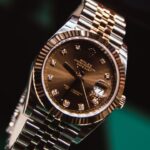
Originally designed to screw the bezel onto the case for water resistance, the fluted bezel is now purely aesthetic. It’s a hallmark of the Datejust and Day-Date, adding a layer of jewelry-like refinement.
The Bracelet
Rolex bracelets are legendary for their comfort and durability. The Oysterlock safety clasp and the Glidelock extension system (on sports models) allow for micro-adjustments without tools. This attention to detail on the wrist is often what converts a skeptic into a believer.
Pro Tip: If you’re looking for a watch that can survive a dive and a board meeting, the Submariner or GMT-Master II in Oystersteel is the ultimate daily driver.
📈 The Financial Reality: Investment, Appreciation, and Market Volatility
Let’s address the elephant in the room: Is a Rolex an investment?
The short answer: Sometimes. The long answer: It’s complicated.
The “Investment” Narrative
In the last decade, certain models (Daytona, “Pepsi” GMT, “Hulk” Submariner) have skyrocketed in value. A watch bought for $10,0 might sell for $25,0 on the grey market. This has attracted speculators who treat watches like stocks.
The Risks
- Market Correction: The grey market is volatile. Prices can drop as quickly as they rise.
- Liquidity: Selling a watch takes time and often involves fees to dealers.
- Condition Matters: A scratched, unpolished, or serviced watch loses significant value.
- The “Retail” Problem: You can only make money if you buy at retail. If you buy at market price, you’re already at a disadvantage.
The “One-Watch” vs. “Safe” Mentality
As noted in our earlier section, the perception of Rolex has shifted.
- Old School: Wear it, beat it, enjoy it.
- New School: Keep it in the safe, wear it once a year, treat it like an asset.
This shift has created a disconnect. The brand was built on reliability, but the market treats it as a speculative asset.
🛒 The Hunt: Authorized Dealers, Waitlists, and the Grey Market
So, you want a Rolex. How do you get one?
The Authorized Dealer (AD) Route
This is the “holy grail” of buying. You pay retail price.
- The Catch: You usually need a purchase history. ADs prioritize customers who have bought other watches from them.
- The Waitlist: It’s not a list you sign up for; it’s a relationship you build. You might be “on the list” for a Submariner for 5 years, only to be told “we don’t have any.”
The Grey Market
This is where you pay market price (often 20-10% over retail).
- Pros: Immediate availability.
- Cons: You pay a premium. No “dealership” relationship.
- Where to look: Trusted grey market dealers like Bob’s Watches, Crown & Caliber, or The 1916 Company.
👉 CHECK PRICE on:
- Rolex Submariner: Amazon | The 1916 Company | Bob’s Watches
- Rolex GMT-Master II: Amazon | The 1916 Company | Crown & Caliber
The “Flipping” Game
Some people buy at retail and immediately sell on the grey market for a profit. This is a high-risk game that fuels the scarcity.
⚖️ Rolex vs. The Competition: How It Stacks Up Against Patek, AP, and Omega
Rolex doesn’t exist in a vacuum. How does it compare to the giants?
Rolex vs. Omega
- Omega: Offers more innovation (Co-Axial escapement, Master Chronometer certification) and often better value for money.
- Rolex: Wins on brand recognition and resale value. If you want a dive watch that holds its value, Rolex wins. If you want technical innovation, Omega might be the better choice.
Rolex vs. Patek Philippe
- Patek: The pinnacle of haute horlogerie. More complications, more hand-finishing, more exclusivity.
- Rolex: The king of robustness and daily wear. Patek is for the collector; Rolex is for the wearer.
Rolex vs. Audemars Piguet (AP)
- AP: The Royal Oak is the original luxury sports watch. It’s more niche and artistic.
- Rolex: The Submariner is the mass-market luxury sports watch. AP is more exclusive, but Rolex is more versatile.
Expert Opinion: If you want a watch that will turn heads at a bar, go Rolex. If you want a watch that will impress a fellow horologist, go Patek or AP.
👤 The One-Watch Collection: Why Rolex is the Ultimate Daily Driver
Why do so many people own only one watch, and why is it usually a Rolex?
Versatility
A steel Submariner or Datejust can be worn with a tuxedo or a wetsuit. It’s the ultimate Swiss Army Knife of watches.
Durability
Rolex watches are built to last. The Oyster case is virtually indestructible. You can drop it, scratch it, and it will keep ticking.
The “No-Worry” Factor
With a Rolex, you don’t have to baby it. You don’t have to take it off to wash your hands. It’s a tool that happens to look good.
Personal Story: I remember meeting a guy at a dive shop wearing a beat-up 1980s Submariner. He told me, “I bought this for $2,0 in 190. It’s been to the bottom of the ocean, I’ve used it to change tires, and it still keeps perfect time.” That’s the Rolex spirit.
🕰️ Patina vs. Perfection: Aging Gracefully or Staying Frozen in Time?
This is a philosophical debate in the watch world.
The Case for Patina
Vintage Rolexes with tropical dials (faded to brown) or ghost bezels are highly sought after. They tell a story. They show that the watch was lived in.
- Quote: “Whereas the old Rolexes are loved because their appearance tells a story of a life well-lived, modern Rolexes are supposed to remain pristine forever.” — Fratellowatches
The Case for Perfection
Modern Rolexes use Cerachrom and sapphire to ensure they look new forever. For many, the value of a Rolex is in its pristine condition.
- The “Fauxtina” Trend: Some collectors even buy “sticker sets” to prevent scratches on new watches, or buy vintage-style parts to make new watches look old.
Which is Better?
It depends on your philosophy. Do you want a watch that ages with you, or a watch that stays perfect?
📉 Market Dynamics: Speculators, Supply Shortages, and the “Luxury” Inflation
The Rolex market is a perfect storm of factors.
The Speculator Class
Since the mid-2010s, speculators have entered the market, buying up stock to hold in safes. This has created a shortage at authorized dealers.
Supply Constraints
Rolex has not increased production significantly to meet demand. They seem to prefer scarcity over volume. This keeps the brand exclusive.
The “Luxury” Inflation
As prices rise, Rolex becomes less accessible to the “average” consumer. It moves from a “high-end option” to a status object.
Question: Is this good for the brand? Some argue it alienates the core customer. Others say it cements the brand’s position at the top.
🤔 So, When Did Rolex Cross the Threshold into True Luxury?
We’ve danced around this question, but let’s answer it.
There is no single date. It was a gradual trajectory.
- Post-Quartz Crisis (1980s): Rolex repositioned itself as a mechanical alternative to cheap quartz watches.
- 20-2010: Aesthetic shifts (Ceramic bezels, larger cases) made the watches feel more like jewelry.
- Mid-2010s to Present: The speculator boom and supply shortages cemented Rolex as an unobtainable luxury object.
As Fratellowatches puts it, Rolex has always been a luxury brand, but the perception has shifted from “a nice watch” to “a sacred artifact.”
🎯 Final Verdict: Is Rolex Right for Your Wrist?
So, should you buy a Rolex?
Yes, if:
- ✅ You want a watch that holds its value.
- ✅ You want a durable, reliable daily driver.
- ✅ You appreciate the brand’s history and craftsmanship.
- ✅ You can navigate the grey market or build a relationship with an AD.
No, if:
- ❌ You want a unique, artisanal piece (look at Jaeger-LeCoultre or Cartier).
- ❌ You hate the idea of waiting or paying a premium.
- ❌ You don’t care about brand recognition.
- ❌ You prefer technological innovation over brand heritage.
The Verdict: Rolex is the ultimate luxury brand for the modern era. It balances function, style, and investment better than almost any other brand. But remember: buy what you love, not what you think will make money.
Conclusion

We’ve journeyed from the early days of Hans Wilsdorf to the modern-day frenzy of the grey market. We’ve explored the materials, the hierarchy, and the philosophy behind the crown.
The question “What is a watch luxury brand Rolex?” has many answers. It’s a tool, a jewel, an investment, and a status symbol. But at its core, it’s a reliable timepiece that has stood the test of time.
Whether you’re a “one-watch person” who wears their Submariner to the beach, or a collector who keeps their Daytona in a safe, the Rolex legacy is undeniable. It’s not just about the time; it’s about the experience.
So, are you ready to join the club? Or will you stick to the “one-watch” mentality of the past? The choice is yours.
📚 Recommended Links
Ready to take the plunge? Here are some trusted resources to help you find your perfect Rolex.
- 👉 Shop Rolex on Amazon: Search for Rolex Watches
- 👉 Shop Rolex on The 1916 Company: Rolex Collection
- 👉 Shop Rolex on Bob’s Watches: Rolex Inventory
- 👉 Shop Rolex on Crown & Caliber: Rolex Selection
- Read More: Guide to Buying Watches
- Explore: Luxury Watch Investments
❓ Frequently Asked Questions (FAQ)

Which Rolex model holds its value best?
The Rolex Daytona and the GMT-Master II “Pepsi” are historically the strongest performers. However, the Submariner (especially the “Hulk” or “Starbucks” green bezel) also holds value exceptionally well.
Read more about “⌚ Premium vs. Luxury Watches: 10 Shocking Differences Revealed (2026)”
How can you tell if a Rolex is authentic?
Look for the serial number between the lugs, the hologram sticker on the case back (older models), and the quality of the finishing. The best way is to buy from an Authorized Dealer or a reputable grey market dealer.
Read more about “🚀 15 Best Watches to Invest in (2026): The Ultimate Guide”
What makes a Rolex watch so expensive?
Vertical integration (making their own parts), 904L steel, in-house movements, and brand equity all contribute to the high price.
Read more about “⏳ The Evolution of Watch Case Shapes: 10 Icons That Changed Time (2026)”
Why is Rolex considered a top luxury watch brand?
It combines reliability, recognition, and resale value better than any other brand. It’s the “safe” choice in the luxury world.
Read more about “⌚ Luxury vs. Normal Watches: The Real Difference (2026)”
What watch brand is below Rolex?
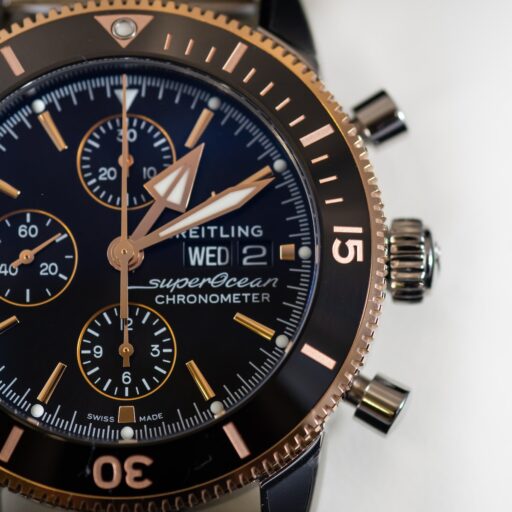
Brands like Omega, Tudor, and Breitling are often considered “entry-level” luxury, sitting just below Rolex in terms of price and prestige.
Read more about “🏆 15 Best Luxury Watches for Men (2026): The Ultimate Guide”
Which brand is better than Rolex?
“Better” is subjective. Patek Philippe and Audemars Piguet are considered “higher” in terms of horological complexity and exclusivity, but Rolex wins on daily wearability and value retention.
Read more about “🏆 12 Brands Closer to Rolex Than You Think (2026)”
What kind of brand is Rolex?
Rolex is a Swiss luxury watch manufacturer known for its robustness, innovation, and status symbol appeal.
Read more about “15 Best Casio Watches for Men: Ultimate Guide (2026) ⌚️”
Why is Rolex so special?
It’s the only watch brand that has successfully bridged the gap between tool watch and luxury jewelry.
Read more about “🏆 Which Brand Is Best for Men’s Watch? (2026)”
Why is Rolex so expensive?
High production costs, in-house manufacturing, and controlled supply drive up the price.
Read more about “🕰️ The Complete History of Perpetual Calendar Watches: From 1762 to 210”
What makes Rolex a luxury watch brand?
The experience of ownership, the brand recognition, and the resale value define it as a luxury brand.
Read more about “🏆 15 Best Watches for Men in 2026: The Ultimate Guide”
How much does a Rolex watch cost?
Prices vary widely. Entry-level models start around $6,0 at retail, while sports models can go for $15,0+ on the grey market.
Read more about “💰 What Price Range is a Luxury Watch? (2026)”
Are Rolex watches a good investment?
They can be, but it’s not guaranteed. Only buy if you love the watch. The market is volatile.
Read more about “🏆 What Is the Best Luxury Watch to Buy? (2026 Top 15)”
What is the history of the Rolex brand?
Founded in 1905 by Hans Wilsdorf, Rolex introduced the first waterproof watch (Oyster) in 1926 and the first self-winding mechanism (Perpetual) in 1931.
Read more about “What Makes a Watch Brand Luxury? 50+ Secrets Revealed 🕰️”
📖 Reference Links