Support our educational content for free when you purchase through links on our site. Learn more
15 Best Watch Brands for Chronograph Models ⏱️

The best watch brands for chronograph models include Omega, Rolex, TAG Heuer, Breitling, and Zenith for luxury mechanical icons, while Seiko, Citizen, Tissot, and Casio offer practical chronographs for everyday wear. Our top advice: choose by fit, movement, and how you’ll use the stopwatch—not by logo alone.
A chronograph is more than a dial crowded with tiny circles: it’s a wearable stopwatch, built for timing everything from a quick lap to the pasta you forgot was boiling. We’ve seen enthusiasts fall for the history of an Omega Speedmaster, then reach for a solar Seiko because it’s ready whenever they are. That’s the charm of this category: there’s no single right answer, just a watch that suits your wrist and your life.
Key Takeaways
- Best-known luxury icons: Consider the Rolex Cosmograph Daytona, Omega Speedmaster Moonwatch, and TAG Heuer Carrera.
- Standout mechanical movement appeal: Explore Zenith Chronomaster and Breitling chronographs.
- Everyday practicality: Compare Seiko Speedtimer, Citizen Eco-Drive chronographs, and Casio Edifice.
- Swiss value and heritage: Add Tissot and Hamilton to your shortlist.
- Choose for your use case: Quartz and solar chronographs suit low-maintenance wear; mechanical models offer hands-on watchmaking appeal.
- Check more than the dial: Case thickness, legibility, water-resistance guidance, service support, and wrist comfort matter just as much as brand prestige.
👉 Shop chronograph brands: Seiko on Amazon | Citizen on Amazon | Tissot on Amazon | Omega Official | TAG Heuer Official
Table of Contents
- ⚡️ Quick Tips and Facts
- 🕰️ How Chronograph Watches Work
- Chronograph vs. chronometer: What’s the difference?
- A brief history of the chronograph
- Mechanical, automatic, and quartz chronographs
- 🏆 15 Best Watch Brands for Chronograph Models
- 1. Rolex: Iconic luxury chronographs
- 2. Omega: Precision and space-age heritage
- 3. TAG Heuer: Motorsport chronograph specialists
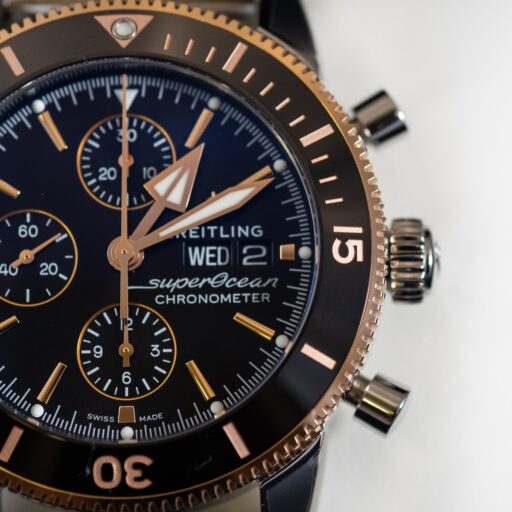
- 4. Breitling: Aviation chronographs and the Navitimer
- 5. Zenith: High-frequency El Primero chronographs
- 6. Longines: Heritage chronographs with broad appeal
- 7. Seiko: Reliable chronographs at every level
- 8. Citizen: Practical Eco-Drive chronograph watches
- 9. Tissot: Swiss chronographs for everyday wear
- 10. Hamilton: American spirit, Swiss-made timing
- 11. IWC Schaffhausen: Refined pilot chronographs
- 12. Patek Philippe: Haute horlogerie chronographs
- 13. Audemars Piguet: Bold luxury chronographs
- 14. Casio: Ruged digital and ana-digi chronographs
- 15. Bulova: Distinctive precision chronographs
- 📊 Chronograph Watch Brands Compared
- Best brands by movement, style, and intended use
- Swiss, Japanese, and German chronograph makers
- 🔍 How to Choose the Right Chronograph Watch
- Movement type and accuracy
- Case size, thickness, and comfort
- Dial layout, subdials, and legibility
- Tachymeter, telemeter, and other chronograph scales
- Water resistance, materials, and everyday durability
- Bracelets, straps, and service considerations
- 🧭 Popular Chronograph Styles and Complications
- Racing and tachymeter chronographs
- Pilot and aviation chronographs
- Dress and everyday chronograph watches
- Flyback, rattrapante, and monopusher chronographs
- ✅ Chronograph Buying Tips and Common Mistakes
- 🛠️ How to Use and Care for a Chronograph Watch
- How to start, stop, and reset the chronograph
- Servicing, water resistance, and magnetism
- 🎁 Best Chronograph Watches for Different Wearers
- Best first chronograph
- Best affordable chronograph
- Best luxury chronograph
- Best chronograph for racing, travel, and daily wear
- 🔗 Recommended Links
- ❓ FAQ
- Which watch brand makes the best chronograph?
- Are automatic or quartz chronographs better?
- What does a tachymeter bezel do?
- Can you swim while wearing a chronograph watch?
- How often should a chronograph watch be serviced?
- 📚 Reference Links
- 🏁 Conclusion
Quick Tips and Facts
In our wider guide to watch brands, chronographs are the watches that bring a stopwatch along for the ride. The best chronograph brand for you depends less on prestige alone and more on movement type, case comfort, dial legibility, intended use, and how much watch you actually want on your wrist.
The short version
| If you want… | Start with… | Why it stands out |
|---|---|---|
| An iconic motorsport chronograph | Rolex Cosmograph Daytona | A famous tachymeter-bezel design with an in-house automatic movement |
| A space-history classic | Omega Speedmaster Moonwatch | A manual-wind chronograph with deep NASA history |
| High-frequency timing | Zenith Chronomaster | El Primero models can display elapsed time to one-tenth of a second |
| Aviation heritage | Breitling Navitimer | A chronograph paired with a distinctive circular slide rule |
| Strong Swiss value | Tissot chronographs | A broad lineup spanning sporty quartz and mechanical designs |
| Everyday solar convenience | Seiko Prospex Speedtimer | Solar-powered timing in a compact, sporty package |
| A bold square case | TAG Heuer Monaco | A distinctive case shape and motorsport-linked history |
| Digital toughness | Casio Edifice | Practical digital and ana-digi chronographs with feature-rich designs |
Quick tip: A chronograph is a stopwatch function, not a certification of accuracy. A chronometer is a watch that has passed a defined accuracy test; the Swiss COSC describes its certification process here.
Facts worth knowing before you buy
- ✅ A conventional chronograph usually has pushers to start, stop, and reset elapsed-time measurement.
- ✅ A tachymeter can estimate speed over a known distance; it is not just decorative bezel furniture. (Though, let’s be honest, it does look good.)
- ✅ Quartz chronographs are often more accurate and lower-maintenance than mechanical ones.
- ✅ Mechanical chronographs offer intricate engineering, tactile pushers, and a strong appeal for movement enthusiasts.
- ❌ More subdials do not automatically mean more useful functions. Check what each register measures.
- ❌ Water resistance does not mean a watch is safe for every water activity. Follow the manufacturer’s guidance and keep pushers untouched underwater unless the manual explicitly says otherwise.
For broader shopping advice, see our guide to buying watches, affordable watches, and luxury watch brands.
🕰️ How Chronograph Watches Work
A chronograph combines ordinary timekeeping with a stopwatch mechanism. Press the upper pusher to start timing, press it again to stop, then use the lower pusher to reset—though exact operation varies by movement, so the manual gets the final say.
Most chronographs show elapsed time using a central seconds hand and one or more smaller registers. One register may count elapsed minutes; another may show elapsed hours. A separate small seconds hand often runs continuously to show that the watch itself is operating.
Chronograph vs. chronometer: What’s the difference?
These terms sound like a matched set. They are not.
| Term | What it describes | Does it mean the watch has a stopwatch? |
|---|---|---|
| Chronograph | A watch with a stopwatch complication | Yes |
| Chronometer | A watch movement certified to meet a defined accuracy standard | No |
| Chronograph chronometer | A chronograph whose movement also meets a chronometer standard | Yes, plus certified accuracy |
COSC tests Swiss movements under set conditions; its certification information outlines criteria including mean daily rate and performance across positions and temperatures (COSC). A watch can be a chronograph without being COSC-certified, and a certified chronometer can have no stopwatch function at all.
A brief history of the chronograph
Early chronograph development was driven by a simple human urge: measure an event while it happens. Watchmaking histories often trace important early stopwatch developments to the 19th century, including Nicolas Rieusec’s ink-marking timing device of 1821. Later, chronographs became useful in navigation, aviation, sport, science, and spaceflight.
The design stories still matter. The Omega Speedmaster is associated with NASA’s crewed spaceflight program, while the Breitling Navitimer is famous for its aviation slide-rule bezel. Motorsport fans tend to gravitate toward the TAG Heuer Carrera and Rolex Daytona.
That history is part of the fun, but it should not outvote comfort. We once spent an afternoon admiring a gorgeous, oversized chronograph in a shop, then discovered its pushers dug into the wrist every time we bent a hand. Romance is lovely; wrist comfort is more persuasive.
Mechanical, automatic, and quartz chronographs
| Movement type | How it’s powered | Benefits | Trade-offs |
|---|---|---|---|
| Manual mechanical | Wound by hand | Traditional interaction, visible mechanical craft, often slim relative to comparable automatic designs | Needs regular winding; can require specialist servicing |
| Automatic mechanical | Wound by wrist movement and/or hand-winding | Convenient for frequent wear; complex movement appeal | Often thicker and more expensive to maintain than quartz |
| Quartz | Battery-powered | Generally accurate, practical, and low-maintenance | Battery changes; less traditional mechanical character |
| Solar quartz | Light charges a rechargeable cell | Long running time between charges and no routine battery replacement in normal use | Needs adequate light exposure; still an electronic movement |
For examples, compare the mechanical Omega Speedmaster Moonwatch, automatic TAG Heuer Carrera, and solar Seiko Prospex Speedtimer. Seiko’s official product page provides the model’s specifications; check your exact reference, as details vary across Speedtimer versions.
🏆 15 Best Watch Brands for Chronograph Models
This is not a strict ranking from “best” to “least best.” A hand-finished split-seconds chronograph and a solar everyday timer solve different problems. We’ve chosen brands with recognizable chronograph histories, noteworthy movements, useful designs, or compelling entry points.
Rating snapshot
Scores are our editorial assessment of each brand’s chronograph strengths, not laboratory measurements or a promise about every model. Design, usability, movement, range, and overall enthusiast appeal all count.
| Brand | Design | Functionality | Movement appeal | Range | Overall |
|---|---|---|---|---|---|
| Rolex | 10 | 9 | 9 | 7 | 9.0 |
| Omega | 9 | 9 | 9 | 8 | 9.0 |
| TAG Heuer | 9 | 9 | 8 | 9 | 8.8 |
| Breitling | 9 | 10 | 9 | 9 | 9.3 |
| Zenith | 9 | 9 | 10 | 7 | 8.9 |
| Longines | 8 | 8 | 8 | 9 | 8.3 |
| Seiko | 8 | 9 | 8 | 10 | 8.8 |
| Citizen | 8 | 9 | 7 | 9 | 8.3 |
| Tissot | 8 | 8 | 8 | 9 | 8.3 |
| Hamilton | 8 | 8 | 8 | 8 | 8.0 |
| IWC Schaffhausen | 9 | 8 | 9 | 7 | 8.3 |
| Patek Philippe | 10 | 9 | 10 | 5 | 8.8 |
| Audemars Piguet | 9 | 9 | 9 | 6 | 8.3 |
| Casio | 7 | 10 | 7 | 10 | 8.5 |
| Bulova | 8 | 9 | 8 | 8 | 8.3 |
1. Rolex: Iconic luxury chronographs
The Rolex Cosmograph Daytona is one of the most recognizable racing chronographs in watchmaking. Its tachymeter scale, three-register layout, and compact 40 mm case give it a clear identity. Rolex’s current Daytona range uses the in-house Calibre 4131; consult Rolex’s official pages for specifications by reference.
Why we like it
- Strong motorsport heritage and a very recognizable design.
- Carefully engineered case and bracelet construction.
- A tachymeter scale that fits the watch’s racing identity.
Trade-offs
- Availability can be difficult, and brand demand can overshadow practical comparisons.
- The design is more sport-luxury than discreet or dressy.
- It may be too visually familiar if you want an unusual chronograph.
One of our team has tried on a Daytona after years of seeing it in photographs. The surprise was not the dial; it was how balanced the case felt. Still, wrist fit and availability are personal, so try one on rather than buying the legend sight unseen.
👉 Shop the brand: Rolex Official Website
2. Omega: Precision and space-age heritage
The Omega Speedmaster Moonwatch is a manual-wind chronograph with one of watch collecting’s best-known stories. The modern Moonwatch is powered by Calibre 3861, and Omega identifies it as a Master Chronometer movement. Specifications can differ between hesalite- and sapphire-crystal versions, so compare references carefully on Omega’s site.
Why it belongs on your shortlist
- Balanced, legible tricompax dial.
- A hand-wound movement makes daily interaction part of its appeal.
- The Speedmaster family includes many designs beyond the Moonwatch.
Trade-offs
- Manual winding is part of the charm, but not everyone wants another daily ritual.
- Water resistance is modest compared with a dedicated dive chronograph.
- The broad Speedmaster range can make choosing a reference confusing.
If a chronograph’s history matters to you, few models have a stronger narrative. If you mainly want a low-fuss swim-and-travel watch, start by comparing water-resistance specifications rather than buying based on lunar mythology alone.
3. TAG Heuer: Motorsport chronograph specialists
TAG Heuer’s chronograph identity is rooted in racing, with the Carrera and Monaco as its most recognizable families. The Carrera leans toward a round, open dial; the Monaco answers with a striking square case.
Why we like the range
- A strong motorsport design language.
- Choices from clean daily chronographs to assertive statement pieces.
- The Monaco’s unusual case makes it instantly distinctive.
What to consider
- Some automatic models wear thick, so try one on.
- A square case can feel larger than its dimensions suggest.
- TAG Heuer movement specifications depend on model and generation; check the reference, not just the collection name.
TAG Heuer says the Monaco debuted in 1969 and later became closely associated with actor Steve McQueen and the film Le Mans (TAG Heuer’s Monaco history). That’s a lovely bit of horological cinema, but comfort still gets the last word.
4. Breitling: Aviation chronographs and the Navitimer
The Breitling Navitimer is famous for its circular slide rule, which can perform certain flight-related calculations when used correctly. Other Breitling chronographs, including the Chronomat and Premier, offer different balances of sport, aviation cues, and dressier styling.
Strengths
- Clear aviation identity and a long chronograph heritage.
- Manufacture Caliber 01 models offer column-wheel architecture and a long power reserve, according to Breitling’s model specifications.
- A wide selection of case sizes and styles.
Limitations
- Navitimer dials can look crowded if you prefer minimalist layouts.
- Larger models may feel imposing on smaller wrists.
- The slide rule is useful only if you learn how to operate it; otherwise, it’s a handsome bezel with homework attached.
If you like instruments with a purpose-built look, Breitling is a natural stop. If the dial already feels busy in photographs, the wrist view will not magically become calmer.
5. Zenith: High-frequency El Primero chronographs
Zenith’s El Primero is a landmark high-frequency automatic chronograph movement. Modern Chronomaster models use the high beat rate to display fractions of a second, with the exact function depending on the model.
What makes Zenith distinctive
- Deep expertise in high-frequency chronograph movements.
- Bold, colorful subdials on many Chronomaster references.
- Enthusiast appeal that feels less ubiquitous than some better-known luxury sports chronographs.
Potential drawbacks
- The dial’s multiple colors and scales are not for every taste.
- Model naming and specifications can be complex across the collection.
- Some Chronomaster watches are thick and visually busy.
Zenith is a persuasive choice if the movement itself is part of the pleasure. Before buying, verify exactly what the central chronograph hand measures: a scale that reads tenths of a second is not the same as a standard seconds hand with a decorative flourish.
6. Longines: Heritage chronographs with broad appeal
Longines offers chronographs with aviation, racing, and classic dress-watch influences. The Longines Spirit and Heritage collections are useful places to start browsing. The Avigation BigEye is particularly known for its oversized minute counter and pilot-watch cues.
Why it’s a strong pick
- A broad catalog spanning heritage and contemporary styles.
- Generally clear, practical dial layouts.
- Attractive options for buyers stepping into Swiss mechanical chronographs.
Trade-offs
- Some heritage-inspired cases are larger or thicker than vintage proportions suggest.
- Movement details differ by model; do not assume every Longines chronograph has the same architecture.
- A restrained design may appeal less if you want a conspicuous status piece.
Longines is a sensible brand to investigate if you want classic styling without making the logo the whole conversation. Compare case diameter, thickness, and lug-to-lug length: those numbers tell you more about wearability than the word “heritage.”
7. Seiko: Reliable chronographs at every level
Seiko’s chronograph lineup stretches from solar quartz Prospex Speedtimer models to mechanical Speedtimers and other enthusiast references. That range is the point: you can choose convenience, mechanical engagement, or a vintage-inspired design without leaving the brand.
Benefits
- Broad selection of solar, quartz, and automatic chronographs.
- Strong practical value across much of the lineup.
- Familiar, serviceable designs and a serious history of chronograph development.
Drawbacks
- Model names and reference numbers can be hard to keep straight.
- Some mechanical models are noticeably thick.
- The exact features and crystal type vary by reference.
The Seiko Prospex Speedtimer SSC813 is a strong starting point for buyers who want solar convenience. Seiko also documents its history of Japanese chronograph development in its company history.
8. Citizen: Practical Eco-Drive chronograph watches
Citizen’s Eco-Drive chronographs use light as their power source, while the brand also offers aviation-inspired and radio-controlled models in selected markets.
Why Citizen works for everyday wear
- Eco-Drive reduces the need for routine battery replacement.
- Many models emphasize clear timing functions and practical features.
- The collection covers sporty, aviation, and dress-casual looks.
What might not suit you
- Large cases are common in some sport and pilot lines.
- Eco-Drive is quartz technology, so it won’t deliver the mechanical movement experience.
- Technology and radio-control features vary by region and model.
Citizen explains its Eco-Drive technology and light-powered operation on its official technology page. For a grab-and-go chronograph, that convenience is hard to argue with; for mechanical-watch romance, it’s the wrong kind of magic.
9. Tissot: Swiss chronographs for everyday wear
Tissot’s PRX Chronograph, Supersport, and heritage models give the brand a broad reach. The PRX offers an integrated-bracelet look, while other collections lean more overtly into sport or vintage inspiration.
Pros
- Wide range of styles and movement types.
- Established Swiss watchmaking identity.
- The PRX’s integrated-bracelet silhouette stands apart from conventional round sports watches.
Cons
- The PRX Chronograph is large and thick on some wrists.
- Integrated bracelets can make fit adjustments less flexible than standard lugs.
- Not every Tissot chronograph has the same movement or feature set.
Tissot publishes specifications by collection and reference on its official site. Check the exact case size, water resistance, and movement before purchase; “PRX” describes a family, not a single watch.
10. Hamilton: American spirit, Swiss-made timing
Hamilton’s American Classic Intra-Matic Auto Chrono pairs vintage-inspired design with a modern automatic movement. The Intra-Matic’s panda and reverse-panda layouts are especially popular among racing-watch fans.
Why enthusiasts recommend it
- Strong retro chronograph styling.
- Often offered in dial and strap combinations that shift its personality.
- A useful bridge between accessible Swiss brands and higher-end mechanical chronographs.
Possible drawbacks
- The case can wear tall and broad.
- Vintage-inspired looks may be less versatile with formal clothing.
- Confirm dimensions by reference; specifications can change between versions.
Hamilton is a good reminder that a watch can look old-school without being delicate or difficult to live with. We recommend trying the strap and bracelet versions if both are available: strap choice changes the wrist feel more than product photos suggest.
11. IWC Schaffhausen: Refined pilot chronographs
IWC’s Pilot’s Watch Chronograph and Portugieser Chronograph show two distinct sides of the brand. One favors cockpit-inspired legibility; the other has a more elegant, balanced dial.
Highlights
- Strong design separation between tool-watch and dressier chronograph families.
- Manufacture movements appear in selected models.
- Thoughtful case finishing and recognizable collection identities.
Trade-offs
- Some pilot chronographs are large.
- Portugieser models can look dressy but are not necessarily formal-dress thin.
- The movement and power reserve vary by reference.
IWC’s official collection pages are the best place to compare current specifications. The brand suits buyers who want a refined watchmaking identity without the racing graphics of a Daytona or Carrera.
12. Patek Philippe: Haute horlogerie chronographs
Patek Philippe’s chronographs include the manually wound Chronograph 5172 and more complex models with additional complications. These are objects for people who value traditional movement construction, fine finishing, and restrained design.
Why collectors admire them
- High-end finishing and carefully executed mechanical architecture.
- A long tradition of complicated watchmaking.
- Elegant, relatively timeless styling on many references.
Why they aren’t for everyone
- The watches are highly specialized luxury purchases.
- Ownership may involve a different level of insurance and servicing planning.
- Their understatement can be a disadvantage if you want a sport chronograph with robust water resistance.
Patek Philippe’s official page gives the 5172G’s details and movement information. We’d recommend treating a watch of this class as a long-term ownership decision, not an impulse purchase prompted by a particularly persuasive display case.
13. Audemars Piguet: Bold luxury chronographs
Audemars Piguet offers chronographs within its Royal Oak and Royal Oak Offshore families. The Offshore in particular brings a larger, more muscular case to the chronograph format.
Strengths
- Strong design identity and detailed finishing.
- Sport-luxury styling with recognizable case architecture.
- A choice of chronograph models within established collections.
Trade-offs
- The visual presence can be substantial.
- Integrated-bracelet designs may not fit every wrist comfortably.
- Demand and brand prestige can make objective comparisons harder.
For real-world wear, focus on bracelet fit, case thickness, and how the watch sits when your wrist bends. The Audemars Piguet site lists current collections and reference-specific details.
14. Casio: Ruged digital and ana-digi chronographs
Casio’s Edifice collection is the first place to look for automotive-inspired analog chronographs, while G-SHOCK offers rugged digital models with stopwatch functions and other timing tools.
Why Casio is practical
- Broad digital and ana-digi selection.
- Strong feature sets, including alarms and timers on many models.
- A straightforward option for active use and hard wear.
Potential downsides
- Some dials are crowded with small indicators.
- Large cases are common in sport-focused designs.
- Digital displays may not deliver the traditional chronograph aesthetic you have in mind.
Casio’s product pages list functions by reference. Check whether you want a true analog chronograph hand-and-register layout, a digital stopwatch, or both. The word “chronograph” gets used across a surprisingly broad family of designs.
15. Bulova: Distinctive precision chronographs
Bulova’s Lunar Pilot and Precisionist families offer a different route into timing watches. The Lunar Pilot draws on Bulova’s space-related history, while Precisionist models focus on high-frequency quartz technology.
Benefits
- Recognizable designs and a distinctive brand story.
- Quartz precision without the upkeep of a mechanical chronograph.
- Models that stand apart from the usual Swiss sports-watch shortlist.
Drawbacks
- The Lunar Pilot’s case is large; small-wrist buyers should try it on.
- The brand’s design language can be more assertive than minimalist.
- Solar or battery-powered quartz and mechanical watches appeal to different kinds of owners.
Bulova recounts the Lunar Pilot story on its official collection page. The watch is a compelling choice if you like its dimensions and history; don’t assume a “Moon” connection automatically makes it a substitute for an Omega Speedmaster.
📊 Chronograph Watch Brands Compared
A good comparison starts with the job you want the watch to do. “Best chronograph” could mean a rugged daily timer, an automatic racing icon, a highly accurate quartz tool, or an elaborate mechanical complication.
Best brands by movement, style, and intended use
| Your priority | Brands to compare | Good place to start |
|---|---|---|
| High-end motorsport identity | Rolex, TAG Heuer, Breitling | Daytona, Carrera, Navitimer |
| Space and exploration history | Omega, Bulova | Speedmaster Moonwatch, Lunar Pilot |
| High-frequency mechanical timing | Zenith, Grand Seiko | Chronomaster, Tentagraph |
| Aviation-inspired design | Breitling, IWC, Longines | Navitimer, Pilot’s Watch, Avigation BigEye |
| Solar convenience | Seiko, Citizen | Prospex Speedtimer, Eco-Drive chronographs |
| Digital stopwatch functions | Casio | Edifice or G-SHOCK models |
| Classic Swiss value | Tissot, Hamilton, Longines | PRX, Intra-Matic, Heritage models |
| High-end traditional finishing | Patek Philippe, Audemars Piguet, A. Lange & Söhne | Reference-specific manufacture chronographs |
Swiss, Japanese, and German chronograph makers
National origin can help explain design traditions, but it does not tell you whether a watch suits your wrist or whether a particular movement is well made. Brand, model, movement, and service support matter more than a flag on the dial.
| Watchmaking tradition | Common strengths | Brands to explore |
|---|---|---|
| Swiss | Wide range from mass-market to haute horlogerie; strong mechanical-chronograph heritage | Omega, TAG Heuer, Breitling, Longines, Tissot, Zenith |
| Japanese | Strong quartz and solar technology; broad practical selection; notable mechanical options | Seiko, Citizen, Casio |
| German | Distinctive engineering and high-end movement finishing in selected makers | A. Lange & Söhne, Sinn, Junghans |
| British heritage and independents | Military and aviation influences, with modern independent makers | Bremont, Vertex |
At the accessible end, an expert video guide cited in our brief makes a useful point: “This is where the price starts to sting a little more. That is a trade-off though: we now begin to see mechanical movements, iconic designs and more brand power recognition.” That is a perspective, not a rule. A quartz Citizen or Seiko may be the more capable everyday purchase; a mechanical Omega or Zenith may be the more rewarding enthusiast purchase.
For further style inspiration, browse our men’s watches and fashion trends in watches categories.
🔍 How to Choose the Right Chronograph Watch
Before falling for a dial, decide how you’ll wear the watch. Every extra complication takes up space, and chronographs often have more visual density, more pushers, and more thickness than a simple three-hand watch.
Movement type and accuracy
Ask yourself three questions:
- Do you want a mechanical movement? Choose manual or automatic if the engineering and interaction are part of the appeal.
- Do you want low-maintenance convenience? Consider quartz or solar quartz.
- Do you care about certified accuracy? Look for a specific certification, such as COSC, rather than assuming a premium brand guarantees it.
Mechanical accuracy varies with movement, regulation, wear, temperature, and maintenance. COSC explains the scope of its chronometer testing here. Manufacturer accuracy claims and certification standards are not always presented in the same way, so compare like with like.
Case size, thickness, and comfort
Do not shop by diameter alone. A 40 mm watch with long, straight lugs can feel bigger than a well-shaped 42 mm case. Check:
- Case diameter
- Lug-to-lug length
- Thickness
- Bracelet end-link fit
- Pusher position against the back of your hand
- Weight and balance
A 15 mm chronograph can slide under a cuff poorly even if the dial looks elegant. If possible, try it on for several minutes and move your wrist naturally. A watch that feels comfortable while your arm hangs at your side may press into your hand when you type.
Dial layout, subdials, and legibility
A tricompax layout, with three registers, is classic but not automatically the easiest to read. Look for:
- Clear contrast between the main hands and dial.
- Registers that can be distinguished at a glance.
- A chronograph seconds hand that is easy to follow.
- Luminous material if you expect low-light use.
- Date placement that doesn’t make the dial feel cluttered.
Some chronographs use a central minute counter or unusual display layouts. Those can be highly legible once learned, but try to read the elapsed time without a salesperson explaining the dial.
Tachymeter, telemeter, and other chronograph scales
| Scale or feature | What it can do | Practical note |
|---|---|---|
| Tachymeter | Estimate average speed over a known distance | Start timing at the beginning and stop at the end of the unit distance |
| Telemeter | Estimate distance to an event that is both visible and audible | Common example: timing the gap between lightning and thunder |
| Pulsometer | Estimate heart rate over a stated number of beats | A medical device is more suitable for health monitoring |
| Slide rule | Perform certain calculations, including aviation-related conversions | Learn the specific scale and use instructions for your model |
These scales are only useful when their assumptions match the task. A tachymeter won’t tell your speed over a random, unknown distance, and a telemeter needs a sound-and-light event. Breitling describes its Navitimer’s slide-rule bezel and aviation identity on its official Navitimer page.
Water resistance, materials, and everyday durability
Use the manufacturer’s water-resistance guidance for the exact model. A stated rating does not automatically mean every pusher can be operated underwater, and water resistance can decline as seals age. The Seiko watch-use guide explains why care matters.
Consider materials too:
- Stainless steel: robust, familiar, and easy to pair with a bracelet or strap.
- Titanium: lighter on the wrist, but it can show marks differently from steel.
- Ceramic: scratch-resistant in ordinary use, but vulnerable to impact damage.
- Sapphire crystal: highly scratch-resistant, but not indestructible.
- Acrylic or Hesalite: can scratch more easily, but may be polished and offers a warmer vintage look.
No crystal is “scratch-proof,” and case material alone does not make a watch indestructible.
Bracelets, straps, and service considerations
A bracelet can make a watch feel more secure and versatile, but it can also add weight. Leather can soften the look, though it is less suited to persistent moisture. Rubber and textile straps can be comfortable for sport, but quality and fit vary.
Before buying, ask:
- Can the bracelet be sized without damaging it?
- Is there a quick-change system?
- Are replacement straps easy to source?
- Where can the watch be serviced?
- Does the manufacturer publish service guidance?
For a broader buying checklist, see our guide to buying watches.
🧭 Popular Chronograph Styles and Complications
Chronographs have grown far beyond the racing timer. Their style often signals what the designer thought timing should look like: cockpit instrument, dashboard gauge, formal complication, or all-purpose sports watch.
Racing and tachymeter chronographs
Racing chronographs often pair high-contrast dials with a tachymeter scale. The Rolex Daytona, TAG Heuer Carrera, and Omega Speedmaster are well-known examples, each with a different case shape and history.
Look for:
- A readable central chronograph hand.
- A tachymeter scale you can actually see.
- Pushers that are easy to operate without catching on sleeves.
- A case that feels secure during movement.
Pilot and aviation chronographs
Pilot chronographs tend to value legibility, prominent hands, and useful elapsed-time displays. The Breitling Navitimer, IWC Pilot’s Watch Chronograph, and Longines Avigation BigEye show how differently aviation-inspired watches can interpret the same theme.
Some are clean instrument-style watches; others, like the Navitimer, are dense with calculation scales. Pick the dial you can read quickly, not the one with the most pilot-themed typography.
Dress and everyday chronograph watches
A dress chronograph usually tones down the bezel, case aggression, and dial contrast. The IWC Portugieser Chronograph and selected Longines Heritage models lean this way. For daily wear, seek a case size and thickness that work with your clothes, plus useful water resistance for ordinary life.
A practical test: imagine the watch with a sweatshirt, a work shirt, and a jacket. If it only works with one outfit, it may be a fun specialist rather than your everyday watch.
Flyback, rattrapante, and monopusher chronographs
| Complication | How it works | Why enthusiasts care |
|---|---|---|
| Flyback | Resets and restarts the chronograph with one pusher action while it is running | Useful when timing consecutive events quickly |
| Rattrapante / split-seconds | Uses an additional hand to time an intermediate event alongside the main chronograph | Lets you compare two elapsed intervals |
| Monopusher | Combines start, stop, and reset control in one pusher, often integrated into the crown | Compact, elegant, and mechanically engaging |
| Column wheel | A control component used in some chronograph movements to coordinate functions | Often valued for its traditional architecture and pusher feel |
| Vertical clutch | Couples the chronograph mechanism to the movement through a vertical interface | Can support smooth engagement and reduce hand jump in suitable designs |
Flyback is helpful if you use the function repeatedly; it is not a must-have for casual timing. A split-seconds mechanism is genuinely complex, but most owners will use it less often than they admire it.
✅ Chronograph Buying Tips and Common Mistakes
A chronograph can be a superb daily watch, but it is easy to buy the wrong one for the right reasons. Here’s our short list.
Before you commit
- Try the pushers. They should feel deliberate, not mushy or awkward.
- Check the reset. The chronograph hands should return correctly according to the manufacturer’s instructions.
- Read the subdials. Ask what each register measures.
- Compare dimensions. Include lug-to-lug and thickness, not just diameter.
- Check the exact reference. Similar names can hide different movements and specifications.
- Verify the warranty and service route. Brand reputation does not eliminate maintenance.
- Set a use case. Racing, travel, office wear, hiking, collecting, and water use suggest different priorities.
Mistakes we’d rather you avoid
❌ Buying by brand name alone. A famous logo can’t fix a case that wears badly.
❌ Assuming every chronograph is water-ready. Check the model’s resistance rating and the manufacturer’s instructions.
❌ Confusing a chronometer with a chronograph. One concerns tested timekeeping accuracy; the other describes stopwatch functionality.
❌ Overvaluing complication count. A split-seconds function is fascinating, but a simple, clear chronograph may suit daily use better.
❌ Ignoring serviceability. Mechanical chronographs have more components than basic three-hand watches, so maintenance matters.
❌ Treating online user reviews as test results. Reviews can flag recurring comfort or quality issues, but they usually cannot establish long-term accuracy or movement reliability. Look for patterns across many owners, then confirm specifications with the manufacturer.
Watchmaking journalist Teddy Baldassarre describes chronographs as combining “everyday usefulness with visual appeal” in his broad chronograph guide. Two Broke Watch Snobs take a more personal tack, observing that the function lets owners “write your own story” while timing events in their chronograph overview. Both perspectives ring true: the stopwatch may be occasional, but the dial and interaction are part of the daily experience.
🛠️ How to Use and Care for a Chronograph Watch
A chronograph is simple once you understand its controls. The complication’s exact layout varies, so treat these steps as a general guide and follow your model’s manual.
How to start, stop, and reset the chronograph
- Read the instruction manual. Confirm which pusher controls each function and whether your model has special operating instructions.
- Make sure the crown is in its normal position. A pulled-out crown may interrupt timekeeping or affect another setting.
- Press the start/stop pusher once. Usually this is the pusher above the crown, but verify your watch.
- Read the elapsed time. Follow the central seconds hand and the appropriate minute or hour register.
- Press the same pusher to stop timing.
- Read and record the result. Some displays use a central minute counter or a 24-hour register that is not part of the stopwatch function.
- Press the reset pusher only after the chronograph is stopped. On many mechanical watches, resetting while running is not the intended operating procedure.
- Confirm the hands return to zero. If they do not, consult the manual or an authorized service center; some watches allow hand-position adjustment, but procedures differ.
Water warning: Do not operate chronograph pushers underwater unless the watch manufacturer explicitly permits it. Water resistance is model-specific; Seiko’s guidance explains the role of seals and proper use (Seiko water-resistance guide).
Servicing, water resistance, and magnetism
Mechanical chronographs require periodic maintenance, but a single universal service interval would be misleading. Follow the manufacturer’s guidance and seek service if the watch runs erratically, the pushers feel abnormal, the chronograph fails to reset, or moisture appears beneath the crystal.
For all watch types:
- Rinse salt or dirt from suitable water-resistant watches after exposure, following brand instructions.
- Have water resistance checked when seals are serviced or before demanding water use.
- Keep watches away from strong magnetic sources if the movement is not designed to resist magnetism.
- Avoid dropping or sharply knocking the watch, especially when the chronograph is running.
- Store mechanical watches in a dry, stable environment.
Omega outlines care and maintenance advice for its watches through its customer-service resources. Always use the relevant brand’s guidance for your model.
🎁 Best Chronograph Watches for Different Wearers
“Best” depends on the wearer. A collector who loves column wheels and a commuter who wants solar charging are not asking for the same watch.
Best first chronograph
Consider: Seiko Prospex Speedtimer, Tissot PRX Chronograph, or Hamilton Intra-Matic Auto Chrono.
- Choose Seiko for solar practicality.
- Choose Tissot for an integrated-bracelet look.
- Choose Hamilton for vintage-inspired mechanical character.
Our advice: if this is your first chronograph, prioritize legibility and fit before movement prestige. You’ll learn more from wearing a comfortable watch every day than admiring an uncomfortable one from a box.
Best affordable chronograph
Consider: Casio Edifice, Citizen Eco-Drive chronographs, and Seiko solar Speedtimer models.
These options put convenience and dependable timing ahead of elaborate mechanical construction. “Affordable” is relative, so check current product specifications and authorized-retailer warranty terms rather than judging only by the logo.
Best luxury chronograph
Consider: Omega Speedmaster Moonwatch, Rolex Cosmograph Daytona, Zenith Chronomaster, and Breitling Premier.
- Omega brings a celebrated spaceflight story and manual-wind character.
- Rolex offers a famous motorsport design and a strong brand identity.
- Zenith puts high-frequency timing front and center.
- Breitling balances manufacture chronograph engineering with varied styling.
The first video’s presenter calls the Rolex Daytona one they “absolutely love,” and describes a high-end piece as “pure art.” That enthusiasm is fair; so is the reminder that a compelling watch is not automatically the right one for your wrist or priorities.
Best chronograph for racing, travel, and daily wear
| Use | Strong candidates | What to prioritize |
|---|---|---|
| Racing-inspired daily wear | TAG Heuer Carrera, Rolex Daytona, Tissot PRX Chronograph | Readable timing, comfortable bracelet, practical case |
| Travel and aviation styling | Breitling Navitimer, IWC Pilot’s Watch, Citizen Promaster models | Legibility, useful scales, reliable movement |
| Low-maintenance everyday timing | Seiko solar Speedtimer, Citizen Eco-Drive, Casio Edifice | Solar/quartz convenience, clear functions |
| Collecting and movement interest | Omega Speedmaster, Zenith Chronomaster, Longines chronographs | Movement architecture, service support, history |
For visual inspiration, the first video’s creator particularly praises a Hanhart, saying, “I feel like I should talk about Hanhart more than I do. I really like them.” Hanhart’s Pioneer collection is worth considering if you want a distinctive German pilot chronograph rather than another familiar racing icon.
❓ FAQ

How do chronograph complications enhance the functionality of a watch?
A chronograph lets you measure elapsed time without carrying a separate stopwatch. That can help with timing a commute, cooking, sports intervals, presentations, parking, or short work tasks. Depending on the scale, the watch may also support speed or distance calculations.
Its usefulness depends on the layout. A clear central seconds hand and readable minute counter may be more valuable in daily life than several specialized registers. For a technical explanation of the complication, see the Federation of the Swiss Watch Industry’s watch glossary.
Read more about “⌚ The Hidden Language of Time: Cultural Impact and Symbolism of Watches (2026)”
Which watch brands provide the best value for chronograph enthusiasts?
“Value” can mean low ownership friction, useful features, movement quality, or strong design for the money. We’d compare Seiko, Citizen, Casio, Tissot, Hamilton, and Longines first, while recognizing that individual models differ substantially.
- Seiko and Citizen: strong choices for solar and quartz practicality.
- Casio: extensive digital and ana-digi functions.
- Tissot and Hamilton: accessible routes into Swiss mechanical chronographs.
- Longines: a useful step up for heritage styling and mechanical options.
Compare reference-level specifications and warranty support, not just brand reputation. Our affordable watches category has broader buying context.
Read more about “🕰️ 15 Watch Brands Specializing in Limited Edition Releases (2026)”
Are there any vintage watch brands famous for their chronograph models?
Yes. Heuer, Breitling, Omega, Zenith, Longines, Universal Genève, and Seiko all have important chronograph histories. Vintage models can be compelling, but they require careful authentication and condition checks.
Before buying vintage:
- Confirm the reference and movement.
- Check whether the dial, hands, bezel, and case are original.
- Ask for movement and service documentation.
- Factor in water resistance: a vintage watch should not be assumed safe for swimming.
- Use a reputable specialist for inspection.
Brand heritage is not a guarantee of originality. A well-preserved modern reissue may be a safer daily wearer, while an authentic vintage piece offers a different kind of charm.
Read more about “⏳ The Complete History of Watches: 10 Eras That Changed Time (2026)”
What features should I look for in a reliable chronograph watch?
Start with legible timing displays, comfortable dimensions, a dependable movement, appropriate water resistance, and a credible service route. If you need certified accuracy, look for a named certification and verify the specific reference.
Also check:
- Pusher feel and operation.
- Reset alignment.
- Crystal material and replacement support.
- Strap or bracelet comfort.
- Manufacturer instructions for use around water.
No single movement type is best for everybody. Quartz is often easier to maintain; mechanical watches offer a more involved ownership experience.
Read more about “15 Top Watch Brands for Outdoor Adventures 🏕️”
How do chronograph watches differ between Swiss and Japanese brands?
There is no simple quality divide. Swiss brands such as Omega, Breitling, Zenith, and TAG Heuer are well known for mechanical chronograph traditions and luxury finishing, while Japanese makers such as Seiko, Citizen, and Casio offer strong quartz, solar, digital, and mechanical choices.
Compare the specific watch’s movement, materials, accuracy claims, service network, and fit. A solar Seiko may be more practical than a Swiss automatic for someone who wants a grab-and-go timer; a Swiss column-wheel chronograph may be more appealing to someone who values traditional mechanics.
Read more about “🏆 The 25 Best Watch Brands in the World (2026): Craftsmanship Over Sales”
Which watch brands hold their value best?
Resale value depends on the specific model, condition, demand, production, purchase channel, service history, and broader market conditions. It can change, and no brand guarantees an investment return.
Rolex, Patek Philippe, and some sought-after Omega models often attract strong secondary-market interest, but that does not mean every reference will retain value or that paying a premium is financially sensible. Buy the watch you enjoy wearing, keep its paperwork, and maintain it properly. For current market comparisons, use multiple reputable dealers and auction records rather than a single online listing.
Read more about “What Is the Big 4 Swiss Watch? ⌚”
Which chronograph models are easiest to read?
Legibility comes from contrast, hand shape, register size, and how much information competes on the dial. The Omega Speedmaster Moonwatch, selected IWC Pilot’s Watch Chronographs, and Longines Avigation BigEye are good examples to compare, but individual references vary.
Try reading elapsed time under indoor lighting and outdoors. A high-contrast dial that looks busy in a product photo may prove intuitive in person; a beautiful low-contrast dial may not.
Is a solar chronograph a good choice for everyday wear?
For many people, yes. Solar chronographs from Seiko and Citizen combine stopwatch functionality with less routine battery maintenance. They suit wearers who want the watch ready when picked up and don’t need a mechanical movement experience.
Make sure the watch receives adequate light according to its manual. Solar does not mean maintenance-free forever; rechargeable cells and seals may eventually require attention.
Read more about “🎨 20 Watch Brands Collaborating With Artists and Designers (2026)”
Are mechanical chronographs difficult to maintain?
They need more specialized care than a basic quartz watch because the movement contains additional moving components. Service needs depend on the caliber, usage, condition, and manufacturer guidance. Avoid treating any one interval as universal.
Signs that warrant professional attention include inconsistent running, abnormal pusher feel, hands failing to reset correctly, or visible condensation. Use the brand or a qualified watchmaker with experience in the specific movement.
🔗 Recommended Links
Browse chronograph brands and models
- Omega Speedmaster: Amazon search | Omega Official
- Rolex Cosmograph Daytona: Amazon search | Rolex Official
- TAG Heuer Carrera: Amazon search | TAG Heuer Official
- Breitling Navitimer: Amazon search | Breitling Official
- Zenith Chronomaster: Amazon search | Zenith Official
- Seiko Prospex Speedtimer: Amazon search | Seiko Official
- Citizen Eco-Drive chronographs: Amazon search | Citizen Official
- Tissot PRX Chronograph: Amazon search | Tissot Official
- Hamilton Intra-Matic Chronograph: Amazon search | Hamilton Official
- Casio Edifice chronographs: Amazon search | Casio Official
- Bulova Lunar Pilot: Amazon search | Bulova Official
Further reading
- Watch Brands™: Watch Brands
- Watch Brands™: Guide to Buying Watches
- Teddy Baldassarre: Chronograph Watches
- Two Broke Watch Snobs: Chronograph Watches
- Feature: 10 Chronographs Every Watch Enthusiast Must Experience
- The Watch Book: Rolex
- A Man and His Watch
- The Wristwatch Handbook
📚 Reference Links
Official brand specifications and histories
- Rolex Cosmograph Daytona
- Omega Speedmaster Moonwatch
- TAG Heuer Carrera
- TAG Heuer Monaco
- Breitling Navitimer
- Zenith Chronomaster
- Longines Heritage
- Seiko Prospex Speedtimer SSC813
- Seiko water-resistance guidance
- Citizen Eco-Drive technology
- Tissot official watch collections
- Hamilton American Classic
- IWC Pilot’s Watches
- Patek Philippe Chronograph 5172G
- Audemars Piguet Royal Oak
- Casio Edifice
- Bulova Lunar Pilot
Independent and technical sources