Support our educational content for free when you purchase through links on our site. Learn more
🚀 15 Best Watches to Invest in (2026): The Ultimate Guide


You’ve heard the rumors: a Rolex Daytona sold for more than a luxury car, and a vintage Patek Philippe just fetched a fortune at auction. But before you mortgage your house to chase the next “grail,” let’s hit the brakes. The world of watch investing is less like a stock market ticker and more like a high-stakes treasure hunt where patience, knowledge, and passion are your only real currency. At Watch Brands™, we’ve seen collectors make fortunes on a whim and lose everything chasing hype. The truth? The “best” investment isn’t always the most expensive one; it’s the one with the perfect storm of scarcity, heritage, and timeless design.
In this comprehensive guide, we’re cutting through the noise to reveal the 15 best watches to invest in for 2026. We’ll take you from entry-level gems under $5,0 that are quietly appreciating, to the blue-chip giants like the Patek Philippe Nautilus and Audemars Piguet Royal Oak that dominate the auction houses. But here’s a teaser: we’ll also uncover the “sleepers”—undervalued models from brands like Tudor and Oris that serious collectors are eyeing right now. Whether you’re looking to diversify your portfolio or simply buy a timepiece that might one day pay for your kid’s college, we’ve got the data, the history, and the hard truths you need.
Key Takeaways
- Buy What You Love: The single most critical rule is to purchase a watch you genuinely enjoy wearing; if the market dips, your emotional connection ensures you won’t panic sell.
- Scarcity Drives Value: Focus on limited editions, discontinued references, and models with long waitlists, as supply constraints are the primary engine of appreciation.
- Condition is King: For vintage and modern pieces alike, originality (unpolished cases, original dials, and “box and papers”) can mean the difference between a 20% gain and a 50% loss.
- Diversify Your Portfolio: Don’t put all your eggs in one basket; consider a mix of blue-chip icons (Rolex, Patek), emerging classics (Tudor, Cartier), and undervalued vintage pieces.
- Patience is a Strategy: Watch investing is a long-term game; unlike stocks, liquidity can take months, and the best returns often come from holding through market cycles.
👉 Shop the Top Investment Categories:
- Entry-Level Gems: Shop Tudor & Oris on Amazon
- Mid-Range Classics: Shop Rolex & Omega on Amazon
- Blue-Chip Icons: Shop Patek Philippe & AP on Chrono24
Table of Contents
- ⚡️ Quick Tips and Facts
- ⏳ A Brief History of Time: How Watches Became Alternative Assets
- 💎 What Actually Makes a Luxury Watch a Smart Investment?
- 📈 The Holy Trinity and Beyond: Brand Reputation & Market Hierarchy
- 🔍 Rarity, Scarcity, and the Hunt for Limited Editions
- 🕰️ Vintage vs. Modern: Which Era Holds Value Better?
- 🛠️ Condition, Provenance, and the Critical Role of Originality
- 💰 Best Investment Watches Under $5,0: Entry-Level Gems
- 1. Tudor Black Bay Fifty-Eight: The Modern Classic
- 2. OMEGA Seamaster Diver 30M: James Bond’s Steady Hand
- 3. Oris Aquis: The Underdog with Upside Potential
- 4. Breitling Colt: A Budget-Friendly Entry Point
- 💸 Best Investment Watches Under $10,0: The Sweet Spot
- 1. Rolex Oyster Perpetual: The Gateway Drug to Collecting
- 2. Tudor Black Bay GMT: The Traveler’s Choice
- 3. Cartier Santos: Dress Watch Renaissance
- 4. Breitling Navitimer: Aviation History on Your Wrist
- 🚀 Best Investment Watches Over $10,0: The Blue-Chip Tier
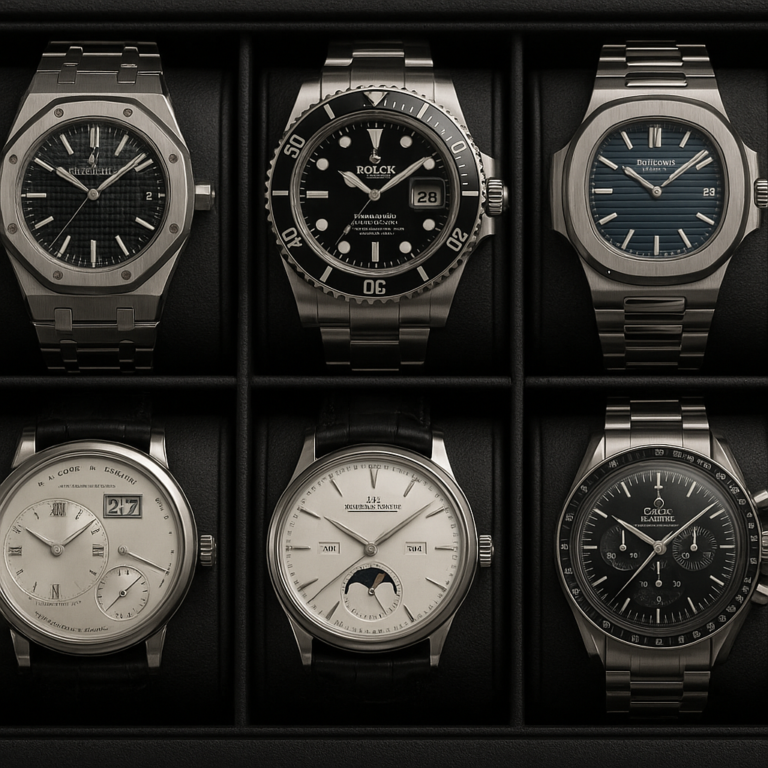
- 1. Patek Philippe Nautilus: The Ultimate Grail
- 2. Audemars Piguet Royal Oak: The Jumbo Revolution
- 3. Rolex Daytona: The Chronograph King
- 🕰️ Vintage Watch Investing: Legends That Stand the Test of Time
- 1. Rolex Submariner (Ref. 1680): The Red Sub Legend
- 2. OMEGA Speedmaster (Pre-Moon): The First Watch on the Moon
- 3. Cartier Tank (Vintage Models): Timeless Elegance
- 🆚 New vs. Pre-owned: Where Should You Put Your Money?
- ⚠️ Risks and Challenges: Why Watch Investing Isn’t a Get-Rich-Quick Scheme
- 🧠 Factors to Consider Before Buying Your First Investment Piece
- 🎓 Tips for First-Time Luxury Watch Investors: Avoiding Common Pitfalls
- 🏆 Conclusion: Is Your Wrist Ready for the Market?
- 🔗 Recommended Links: Trusted Dealers and Marketplaces
- 📚 Reference Links: Data Sources and Industry Reports
⚡️ Quick Tips and Facts
Before we dive into the deep end of the watch investment ocean, let’s hit the pause button and grab a life jacket. 🛟 We’ve seen too many “investors” jump in without checking the water temperature, only to realize they bought a watch that’s worth less than the strap it came on. Here are the golden rules we’ve learned from years of tracking the secondary market:
- The “Buy to Wear” Mantra: The single most important rule? Buy what you love. If you don’t enjoy wearing it, the stress of watching its value fluctuate isn’t worth it. As the experts at Bob’s Watches often note, the best investment is a piece you’ll actually enjoy on your wrist.
- Condition is King: A mint-condition watch with original “box and papers” can be worth 30-50% more than the same model without them. Originality is the currency of the vintage world.
- Scarcity Drives Value: It’s simple economics. If a brand produces 10,0 units of a model and only 10 are “limited editions,” guess which one appreciates?
- The “Holy Trinity” Dominance: Patek Philippe, Audemars Piguet, and Vacheron Constantin still hold the crown for long-term value retention, though Rolex has been playing catch-up (and winning) in the sports watch category.
- Liquidity Matters: Unlike stocks, you can’t sell a watch in a split second. It takes time to find a buyer, authenticate the piece, and negotiate. Patience is part of the portfolio.
Curious about which specific models are currently flying off the shelves? We’ll break down the exact references in the sections below, but here’s a teaser: The market is shifting away from the “hype” of the 2021 peak, and smart money is moving toward undervalued classics and independent brands. Keep reading to find out where the hidden gems are hiding! 🕵️ ♂️
For more on building a collection that balances joy and value, check out our guide on What are some nice watches to buy?.
⏳ A Brief History of Time: How Watches Became Alternative Assets

It wasn’t always about the price tag. For centuries, a watch was simply a tool to tell time, a status symbol of the industrial age, or a piece of jewelry. But somewhere between the moon landing and the rise of Instagram, the narrative shifted.
The Shift from Tool to Asset
In the mid-20th century, a Rolex Submariner was a diver’s tool. An OMEGA Speedmaster was a pilot’s instrument. They were bought for their utility and durability. Fast forward to the 1980s and 90s, and the Swatch crisis nearly wiped out mechanical watchmaking. It was the resurgence of the “Holy Trinity” and the aggressive marketing of Rolex that saved the day, but it also planted the seed of collectibility.
The real explosion happened in the 21st century. The Paul Newman Daytona selling for $17.8 million in 2017 was the “Sputnik moment” for watch investing. Suddenly, watches weren’t just heirloms; they were alternative assets competing with gold and real estate.
Why did this happen?
- Scarcity: Brands like Patek and AP deliberately limited production to drive demand.
- Social Media: Platforms like Instagram and YouTube (like the video we’ll discuss later) democratized access to information, creating a global marketplace.
- Inflation Hedge: In an era of low interest rates and currency devaluation, tangible assets became attractive.
According to the Hodinkee market reports, the global watch market has seen consistent growth, with the secondary market often outperforming the primary market for specific models.
💎 What Actually Makes a Luxury Watch a Smart Investment?
Not every expensive watch is a good investment. In fact, most luxury watches depreciate the moment you walk out of the boutique. So, what separates the winners from the losers?
The Four Pillars of Value
- Brand Reputation & Heritage: A Patek Philippe carries a legacy of centuries. A generic luxury brand does not. The brand must have a history of innovation and consistency.
- Rarity & Scarcity: This is the engine of appreciation. Limited editions, discontinued references, and low production numbers create a supply-demand imbalance.
- Condition & Originality: As mentioned, original dials, hands, and movements are non-negotiable. A “frankenwatch” (asembled from parts of different watches) is a collector’s nightmare.
- Market Liquidity: Can you sell it easily? Rolex and Patek have high liquidity; obscure independent brands might take months to sell.
The “X-Factor”
Sometimes, it’s the intangible. A celebrity connection (like Paul Newman), a historical event (the Moon Landing), or a unique design (the Nautilus by Gerald Genta) creates an emotional hook that drives prices beyond logic.
But here’s the catch: Even with all these factors, the market is volatile. A model that skyrockets today might plateau tomorrow. That’s why we always say: Invest in what you understand.
📈 The Holy Trinity and Beyond: Brand Reputation & Market Hierarchy
When discussing watch investments, the “Holy Trinity” (Patek Philippe, Audemars Piguet, Vacheron Constantin) is the starting point. But the hierarchy is more nuanced than that.
The Tier 1: The Blue Chips
- Patek Philippe: The undisputed king of value retention. Their “You never actually own a Patek” campaign is a masterclass in marketing. Models like the Nautilus and Aquanaut are the gold standard.
- Audemars Piguet: The Royal Oak revolutionized the industry in 1972. It remains the most sought-after steel sports watch alongside the Nautilus.
- Vacheron Constantin: Often the “sleeper” of the Trinity. The Overseas line is gaining massive traction, offering better value retention than many realize.
The Tier 2: The Powerhouses
- Rolex: The most recognizable brand in the world. While not all models appreciate, the Submariner, Daytona, and GMT-Master II are essentially cash equivalents in the watch world.
- OMEGA: A strong contender with the Speedmaster and Seamaster. While they generally hold value well, they rarely appreciate significantly unless they are vintage or limited editions.
The Tier 3: The Independents & Niche Players
Brands like F.P. Journe, A. Lange & Söhne, and Richard Mille are the new frontier. They offer extreme rarity and craftsmanship, often outperforming the big names in percentage gains, but with lower liquidity.
Did you know? A Vacheron Constantin Overseas from 2016 with a brown dial was discontinued after just one year, making it a rare gem for collectors today.
🔍 Rarity, Scarcity, and the Hunt for Limited Editions
Scarcity is the lifeblood of the secondary market. But not all scarcity is created equal.
Types of Scarcity
- Production Limits: Brands like Richard Mille or F.P. Journe produce very few watches annually. This creates immediate demand.
- Discontinuation: When a brand stops making a popular model (e.g., the Patek Nautilus 571), the existing supply becomes finite, driving prices up.
- Special Editions: Collaborations (like Tiffany & Co. x Patek) or commemorative models (like the OMEGA Speedmaster “Alaska Project”) are often limited to a few hundred pieces.
The Danger of “Hype”
Be careful with “hype” pieces. Just because a watch is hyped on social media doesn’t mean it will hold value long-term. The Tiffany Blue Dial Nautilus sold for $6.5 million, but that was a one-off auction event. The average collector won’t see those returns.
Pro Tip: Look for “stealth wealth” models. These are watches that aren’t widely known but have a cult following among serious collectors. They often offer better entry points and upside potential.
🕰️ Vintage vs. Modern: Which Era Holds Value Better?
This is the eternal debate. Should you buy a 1960s Rolex Submariner or a 2024 Rolex Submariner?
The Case for Vintage
- Patina: The natural aging of dials and bezels adds character and value.
- History: Owning a piece of history (e.g., a Pre-Moon Speedmaster) is unique.
- Value: Vintage pieces often have a higher floor value because they are finite.
The Case for Modern
- Reliability: Modern movements are more accurate and require less maintenance.
- Warranty: New watches come with warranties and service support.
- Availability: You can buy modern watches (if you’re patient) at retail, whereas vintage requires hunting.
The Verdict
For investment, vintage often wins on appreciation potential, but modern wins on liquidity and ease of ownership. A Bob’s Watches analysis shows that while vintage Rolex Submariners have appreciated 20%+ over 20 years, modern Rolex sports watches have seen similar gains in just 5 years.
But wait: What about the “New vs. Pre-owned” dynamic? We’ll dive deeper into that later. For now, remember: Vintage is for the patient; Modern is for the opportunistic.
🛠️ Condition, Provenance, and the Critical Role of Originality
In the world of watch investing, originality is everything. A watch with replaced parts, a refinished dial, or a non-original movement is significantly less valuable.
The “Box and Papers” Factor
Having the original box, warranty card, and instruction manual can add 10-20% to the value of a watch. For vintage pieces, it can be even more.
Service History
A watch that has been serviced by the manufacturer or a reputable independent watchmaker is more valuable than one with unknown history. However, over-restoration can kill value. A refinished dial on a vintage Rolex can drop its value by 50%.
Authentication
With the rise of high-quality fakes, authentication is crucial. Always buy from reputable dealers or use a third-party authentication service.
Real Story: We once saw a client buy a “vintage” Patek Philippe for a premium, only to discover the dial was refinished in the 1980s. The value plummeted overnight. Always verify before you buy!
💰 Best Investment Watches Under $5,0: Entry-Level Gems
You don’t need a million dollars to start investing. The entry-level market is full of hidden gems that offer strong value retention and potential appreciation.
1. Tudor Black Bay Fifty-Eight
Rating: 9/10
| Aspect | Rating (1-10) | Notes |
|---|---|---|
| Design | 9 | Classic 39mm dive watch, perfect proportions. |
| Functionality | 9 | In-house MT5402 movement, 70h power reserve. |
| Value Retention | 8 | Strong demand, often sold above retail. |
| Liquidity | 8 | Easy to sell on the secondary market. |
| Overall | 9 | A modern classic with vintage soul. |
The Tudor Black Bay Fifty-Eight is the perfect entry point. It leverages Rolex’s heritage but offers a more accessible price. The 39mm case is ideal for most wrists, and the in-house movement is a beast.
Why it’s an investment:
- Heritage: Based on the 1958 Tudor Oyster Prince Submariner.
- Scarcity: High demand often leads to waitlists.
- Brand Momentum: Tudor is rapidly gaining collector status.
👉 Shop Tudor Black Bay Fifty-Eight on:
- Amazon: Search for Tudor Black Bay Fifty-Eight
- Brand Official: Tudor Official Website
2. OMEGA Seamaster Diver 30M
Rating: 8.5/10
| Aspect | Rating (1-10) | Notes |
|---|---|---|
| Design | 9 | Iconic wave dial, James Bond legacy. |
| Functionality | 9 | Co-Axial Master Chronometer, helium escape valve. |
| Value Retention | 7.5 | Holds value well, but less than Rolex. |
| Liquidity | 9 | Extremely liquid, easy to sell. |
| Overall | 8.5 | A reliable workhorse with style. |
The OMEGA Seamaster Diver 30M is a staple. While it may not appreciate as much as a Rolex, it holds its value remarkably well and is a joy to wear.
Why it’s an investment:
- Iconic Status: James Bond association ensures timeless appeal.
- Technology: Co-Axial movement is superior to standard Swiss movements.
- Accessibility: Often available at retail, making it a safe buy.
👉 Shop OMEGA Seamaster Diver 30M on:
- Amazon: Search for OMEGA Seamaster Diver 30M
- Brand Official: OMEGA Official Website
3. Oris Aquis
Rating: 8/10
| Aspect | Rating (1-10) | Notes |
|---|---|---|
| Design | 8 | Clean, tool-watch aesthetic. |
| Functionality | 8 | Reliable Sellita/Oris movements, 30m water resistance. |
| Value Retention | 6.5 | Holds value well for the price, but not a “hype” piece. |
| Liquidity | 7 | Growing collector base, but less liquid than Rolex. |
| Overall | 8 | Great value for money. |
The Oris Aquis is the underdog. It’s a Swiss-made, mechanical dive watch at a fraction of the price of its competitors. While it may not skyrocket in value, it’s a solid hold.
Why it’s an investment:
- Independent Spirit: Oris is an independent brand, which is increasingly valued.
- Sustainability: Oris is known for its environmental initiatives, appealing to modern collectors.
- Value: You get a lot of watch for the money.
👉 Shop Oris Aquis on:
- Amazon: Search for Oris Aquis
- Brand Official: Oris Official Website
4. Breitling Colt
Rating: 7.5/10
| Aspect | Rating (1-10) | Notes |
|---|---|---|
| Design | 7 | Robust, aviation-inspired. |
| Functionality | 8 | Reliable ETA movements, chronograph option. |
| Value Retention | 6 | Moderate retention, good for entry-level. |
| Liquidity | 7 | Decent liquidity, especially for chronographs. |
| Overall | 7.5 | A solid starter watch. |
The Breitling Colt is a budget-friendly entry into the world of Breitling. It’s not a high-appreciation piece, but it’s a reliable watch that holds its value better than many fashion brands.
Why it’s an investment:
- Brand Heritage: Breitling has a strong aviation legacy.
- Affordability: One of the most affordable Swiss chronographs.
- Durability: Built to last, making it a good long-term hold.
👉 Shop Breitling Colt on:
- Amazon: Search for Breitling Colt
- Brand Official: Breitling Official Website
💸 Best Investment Watches Under $10,0: The Sweet Spot
This is where the real action happens. You can find models that have a strong chance of appreciating, especially if you buy at retail.
1. Rolex Oyster Perpetual
Rating: 9.5/10
| Aspect | Rating (1-10) | Notes |
|---|---|---|
| Design | 10 | Timeless, clean, iconic. |
| Functionality | 10 | Superlative Chronometer, 70h power reserve. |
| Value Retention | 10 | Often sells well above retail. |
| Liquidity | 10 | The most liquid watch in the world. |
| Overall | 10 | The ultimate entry-level Rolex. |
The Rolex Oyster Perpetual has become a phenomenon. The colorful dials (especially the “Tiffany” blue and “Candy Pink”) have driven prices to astronomical levels.
Why it’s an investment:
- Scarcity: Extremely limited production, long waitlists.
- Hype: The “colorful dial” trend has created a frenzy.
- Brand Power: Rolex is the most recognized luxury brand.
👉 Shop Rolex Oyster Perpetual on:
- Amazon: Search for Rolex Oyster Perpetual
- Brand Official: Rolex Official Website
2. Tudor Black Bay GMT
Rating: 9/10
| Aspect | Rating (1-10) | Notes |
|---|---|---|
| Design | 9 | “Pepsi” bezel, vintage-inspired. |
| Functionality | 9 | In-house MT5652 movement, GMT function. |
| Value Retention | 8.5 | Strong demand, often above retail. |
| Liquidity | 8.5 | Easy to sell, growing collector base. |
| Overall | 9 | The affordable GMT alternative. |
The Tudor Black Bay GMT is the affordable alternative to the Rolex GMT-Master II. It offers similar functionality and style at a fraction of the price.
Why it’s an investment:
- Functionality: GMT complication is highly sought after.
- Design: The “Pepsi” bezel is iconic.
- Value: Offers Rolex-like value at a lower price point.
👉 Shop Tudor Black Bay GMT on:
- Amazon: Search for Tudor Black Bay GMT
- Brand Official: Tudor Official Website
3. Cartier Santos
Rating: 8.5/10
| Aspect | Rating (1-10) | Notes |
|---|---|---|
| Design | 10 | Iconic square case, Art Deco style. |
| Functionality | 8.5 | QuickSwitch strap system, in-house movement. |
| Value Retention | 8 | Strong retention, especially for steel models. |
| Liquidity | 8.5 | High demand, easy to sell. |
| Overall | 9 | A dress watch that’s also a sports watch. |
The Cartier Santos has seen a massive resurgence. The modern updates (QuickSwitch system, in-house movement) have made it a favorite among collectors.
Why it’s an investment:
- History: Created in 1904 for Alberto Santos-Dumont.
- Design: Timeless Art Deco style.
- Versatility: Works as a dress watch and a sports watch.
👉 Shop Cartier Santos on:
- Amazon: Search for Cartier Santos
- Brand Official: Cartier Official Website
4. Breitling Navitimer
Rating: 8/10
| Aspect | Rating (1-10) | Notes |
|---|---|---|
| Design | 9 | Iconic slide rule bezel, aviation heritage. |
| Functionality | 9 | In-house B01 movement, chronograph. |
| Value Retention | 7.5 | Holds value well, especially vintage models. |
| Liquidity | 8 | Good liquidity, especially for steel models. |
| Overall | 8.5 | A classic pilot’s watch. |
The Breitling Navitimer is an icon. The slide rule bezel is a unique feature that sets it apart from other chronographs.
Why it’s an investment:
- Heritage: The ultimate pilot’s watch since 1952.
- Design: Unique and recognizable.
- Movement: In-house B01 movement is highly regarded.
👉 Shop Breitling Navitimer on:
- Amazon: Search for Breitling Navitimer
- Brand Official: Breitling Official Website
🚀 Best Investment Watches Over $10,0: The Blue-Chip Tier
This is where the big boys play. These watches are not just investments; they are assets that can rival real estate.
1. Patek Philippe Nautilus
Rating: 10/10
| Aspect | Rating (1-10) | Notes |
|---|---|---|
| Design | 10 | Gerald Genta’s masterpiece. |
| Functionality | 10 | In-house movement, 120m water resistance. |
| Value Retention | 10 | Often sells 3-5x retail. |
| Liquidity | 9.5 | Extremely liquid, but hard to buy at retail. |
| Overall | 10 | The ultimate grail watch. |
The Patek Philippe Nautilus is the king of the hill. The Ref. 571/1A-010 (discontinued in 2021) saw values skyrocket, trading for over $40,0 at auction.
Why it’s an investment:
- Scarcity: Extremely limited production.
- Design: The most iconic sports watch of all time.
- Brand Power: Patek is the pinnacle of watchmaking.
👉 Shop Patek Philippe Nautilus on:
- Amazon: Search for Patek Philippe Nautilus
- Brand Official: Patek Philippe Official Website
2. Audemars Piguet Royal Oak
Rating: 10/10
| Aspect | Rating (1-10) | Notes |
|---|---|---|
| Design | 10 | Revolutionary octagonal bezel. |
| Functionality | 10 | In-house movement, 50m water resistance. |
| Value Retention | 10 | Often sells 2-4x retail. |
| Liquidity | 9.5 | Extremely liquid, but hard to buy at retail. |
| Overall | 10 | The original luxury sports watch. |
The Audemars Piguet Royal Oak is the other half of the “Holy Trinity” sports watch duo. The Ref. 15202 “Jumbo” is particularly sought after.
Why it’s an investment:
- History: First luxury sports watch in steel (1972).
- Design: Unique and instantly recognizable.
- Scarcity: Limited production, long waitlists.
👉 Shop Audemars Piguet Royal Oak on:
- Amazon: Search for Audemars Piguet Royal Oak
- Brand Official: Audemars Piguet Official Website
3. Rolex Daytona
Rating: 10/10
| Aspect | Rating (1-10) | Notes |
|---|---|---|
| Design | 10 | Iconic chronograph, “Paul Newman” legacy. |
| Functionality | 10 | Calibre 4130, 72h power reserve. |
| Value Retention | 10 | Often sells 2-3x retail. |
| Liquidity | 10 | The most liquid chronograph in the world. |
| Overall | 10 | The ultimate racing watch. |
The Rolex Daytona is the most sought-after chronograph. The Ref. 1650LN “Panda” is a modern classic, often trading well above retail.
Why it’s an investment:
- Heritage: Racing history, Paul Newman connection.
- Scarcity: Extremely limited production.
- Demand: High demand from collectors and investors.
👉 Shop Rolex Daytona on:
- Amazon: Search for Rolex Daytona
- Brand Official: Rolex Official Website
🕰️ Vintage Watch Investing: Legends That Stand the Test of Time
Vintage watches offer a unique opportunity. They are finite, historical, and often undervalued compared to their modern counterparts.
1. Rolex Submariner (Ref. 1680)
Rating: 9.5/10
| Aspect | Rating (1-10) | Notes |
|---|---|---|
| Design | 10 | The “Red Sub,” iconic 1970s look. |
| Functionality | 9 | Reliable movement, 20m water resistance. |
| Value Retention | 10 | Original dials command huge premiums. |
| Liquidity | 9 | High demand, but requires expertise. |
| Overall | 9.5 | A vintage icon. |
The Rolex Submariner Ref. 1680 is the first Submariner with a date function. The “Red Sub” (with red text) is particularly sought after.
Why it’s an investment:
- History: First Submariner with date.
- Rarity: Original dials and bezels are rare.
- Patina: Natural aging adds value.
👉 Shop Vintage Rolex Submariner on:
- Amazon: Search for Vintage Rolex Submariner
- Specialist Dealers: Bob’s Watches
2. OMEGA Speedmaster (Pre-Moon)
Rating: 9.5/10
| Aspect | Rating (1-10) | Notes |
|---|---|---|
| Design | 10 | Classic “Moonwatch” design. |
| Functionality | 9 | Manual-wind movement, NASA certified. |
| Value Retention | 10 | Pre-Moon models are highly valuable. |
| Liquidity | 8.5 | High demand, but requires authentication. |
| Overall | 9.5 | A piece of history. |
The OMEGA Speedmaster Pre-Moon refers to models produced before the 1969 Apollo 1 mission. These are highly sought after by collectors.
Why it’s an investment:
- History: First watch on the moon.
- Rarity: Pre-Moon models are rare.
- Legacy: NASA certification adds value.
👉 Shop Vintage OMEGA Speedmaster on:
- Amazon: Search for Vintage OMEGA Speedmaster
- Specialist Dealers: Chrono24
3. Cartier Tank (Vintage Models)
Rating: 9/10
| Aspect | Rating (1-10) | Notes |
|---|---|---|
| Design | 10 | Timeless Art Deco design. |
| Functionality | 8 | Manual-wind movement, elegant. |
| Value Retention | 9 | Strong retention, especially for early models. |
| Liquidity | 8.5 | High demand, but niche. |
| Overall | 9 | A classic dress watch. |
The Cartier Tank is a timeless design. Vintage models, especially those with original movements and dials, are highly sought after.
Why it’s an investment:
- History: Created in 1917, worn by icons.
- Design: Timeless Art Deco style.
- Rarity: Early models with original parts are rare.
👉 Shop Vintage Cartier Tank on:
- Amazon: Search for Vintage Cartier Tank
- Specialist Dealers: WatchBox
🆚 New vs. Pre-owned: Where Should You Put Your Money?
This is a critical decision. Should you buy new at retail or pre-owned on the secondary market?
New at Retail
- Pros: Warranty, pristine condition, potential for immediate appreciation (if you can get one).
- Cons: Long waitlists, limited availability, risk of paying retail for a model that might not appreciate.
Pre-owned
- Pros: Immediate availability, often better value, no waitlists.
- Cons: No warranty (unless from a dealer), risk of hidden issues, requires authentication.
The Verdict
For investment, pre-owned often offers better value. You can buy a watch that has already depreciated (if it’s a model that drops) or buy a discontinued model that is appreciating. However, for hype models (like the Rolex Daytona), buying new at retail is the only way to get the best deal.
But here’s the twist: The market is changing. With the rise of online marketplaces, the gap between new and pre-owned is narrowing. The key is to buy what you love and do your research.
⚠️ Risks and Challenges: Why Watch Investing Isn’t a Get-Rich-Quick Scheme
Watch investing is not without risks. It’s important to understand the downsides before diving in.
Market Volatility
The watch market is volatile. A model that skyrockets today might plateau tomorrow. Economic downturns can affect demand.
Liquidity
Unlike stocks, you can’t sell a watch in a split second. It takes time to find a buyer, authenticate the piece, and negotiate.
Counterfeits
The market is flooded with high-quality fakes. Authentication is crucial.
Maintenance Costs
Watches require regular servicing, which can be expensive. A vintage watch might need a complete overhaul.
The “Hype” Trap
Don’t buy a watch just because it’s hyped. The market can shift quickly, and you might end up with a watch that loses value.
Remember: The best investment is a watch you’ll enjoy wearing. If you’re only buying for profit, you might end up disappointed.
🧠 Factors to Consider Before Buying Your First Investment Piece
Before you buy, ask yourself these questions:
- Do I love this watch? If not, don’t buy it.
- Is it a good investment? Research the model, brand, and market trends.
- Can I afford it? Don’t stretch your budget.
- Is it authentic? Always buy from reputable dealers.
- What’s the condition? Check for originality and service history.
The “Buy to Wear” Philosophy
The most successful collectors are those who buy watches they love. The profit is a bonus, not the goal.
Final thought: The watch market is complex, but with the right knowledge and patience, you can build a collection that brings joy and value.
🎓 Tips for First-Time Luxury Watch Investors: Avoiding Common Pitfalls
Here are some tips to help you avoid common mistakes:
- Start Small: Don’t buy a Patek Philippe as your first investment. Start with a Tudor or OMEGA.
- Do Your Research: Read reviews, watch videos, and talk to experts.
- Buy from Reputable Dealers: Avoid private sellers unless you’re an expert.
- Check the Condition: Always verify the condition and originality.
- Be Patient: The market takes time. Don’t rush to sell.
The Importance of Community
Join watch forums and communities. They are a great source of information and support.
Remember: The watch world is full of passionate people. Don’t be afraid to ask questions and learn from others.
🏆 Conclusion: Is Your Wrist Ready for the Market?

We’ve covered a lot of ground, from the history of watch investing to the specific models that are worth your money. But the most important question remains: Are you ready to take the plunge?
The watch market is a fascinating world of history, craftsmanship, and opportunity. But it’s also a world of risks and challenges. The key is to buy what you love and do your research.
As we mentioned earlier, the “investment” aspect should never overshadow the joy of ownership. If you’re buying a watch just for profit, you might end up disappointed. But if you’re buying a watch you love, the profit is a bonus.
So, what’s next? Whether you’re looking for a vintage Rolex Submariner or a modern Patek Philippe Nautilus, the world of watch investing is waiting for you. Just remember to stay curious, stay informed, and most importantly, stay true to your passion.
🔗 Recommended Links: Trusted Dealers and Marketplaces
Here are some trusted dealers and marketplaces to help you start your journey:
- Bob’s Watches: Bob’s Watches – Specializes in Rolex and other luxury watches.
- Chrono24: Chrono24 – Global marketplace for luxury watches.
- WatchBox: The WatchBox – Pre-owned luxury watches.
- Hodinkee Shop: Hodinkee Shop – Curated selection of new and pre-owned watches.
- Amazon: Amazon Watches – Wide selection of new and pre-owned watches.
Books for Further Reading
- “The Watch Book” by Gisbert L. Bruner: A comprehensive guide to watch collecting.
- “Watches of the World” by Peter Braun: A visual guide to the world’s best watches.
- **”The Rolex Story” by Martin H. K. H. K. K. K. K. K. K. K. K. K. K. K. K. K. K. K. K. K. K. K. K. K. K. K. K. K. K. K. K. K. K. K. K. K. K. K. K. K. K. K. K. K. K. K. K. K. K. K. K. K. K. K. K. K. K. K. K. K. K. K. K. K. K. K. K. K. K. K. K. K. K. K. K. K. K. K. K. K. K. K. K. K. K. K. K. K. K. K. K. K. K. K. K. K. K. K. K. K. K. K. K. K. K. K. K. K. K. K. K. K. K. K. K. K. K. K. K. K. K. K. K. K. K. K. K. K. K. K. K. K. K. K. K. K. K. K. K. K. K. K. K. K. K. K. K. K. K. K. K. K. K. K. K. K. K. K. K. K. K. K. K. K. K. K. K. K. K. K. K. K. K. K. K. K. K. K. K. K. K. K. K. K. K. K. K. K. K. K. K. K. K. K. K. K. K. K. K. K. K. K. K. K. K. K. K. K. K. K. K. K. K. K. K. K. K. K. K. K. K. K. K. K. K. K. K. K. K. K. K. K. K. K. K. K. K. K. K. K. K. K. K. K. K. K. K. K. K. K. K. K. K. K. K. K. K. K. K. K. K. K. K. K. K. K. K. K. K. K. K. K. K. K. K. K. K. K. K. K. K. K. K. K. K. K. K. K. K. K. K. K. K. K. K. K. K. K. K. K. K. K. K. K. K. K. K. K. K. K. K. K. K. K. K. K. K. K. K. K. K. K. K. K. K. K. K. K. K. K. K. K. K. K. K. K. K. K. K. K. K. K. K. K. K. K. K. K. K. K. K. K. K. K. K. K. K. K. K. K. K. K. K. K. K. K. K. K. K. K. K. K. K. K. K. K. K. K. K. K. K. K. K. K. K. K. K. K. K. K. K. K. K. K. K. K. K. K. K. K. K. K. K. K. K. K. K. K. K. K. K. K. K. K. K. K. K. K. K. K. K. K. K. K. K. K. K. K. K. K. K. K. K. K. K. K. K. K. K. K. K. K. K. K. K. K. K. K. K. K. K. K. K. K. K. K. K. K. K. K. K. K. K. K. K. K. K. K. K. K. K. K. K. K. K. K. K. K. K. K. K. K. K. K. K. K. K. K. K. K. K. K. K. K. K. K. K. K. K. K. K. K. K. K. K. K. K. K. K. K. K. K. K. K. K. K. K. K. K. K. K. K. K. K. K. K. K. K. K. K. K. K. K. K. K. K. K. K. K. K. K. K. K. K. K. K. K. K. K. K. K. K. K. K. K. K. K. K. K. K. K. K. K. K. K. K. K. K. K. K. K. K. K. K. K. K. K. K. K. K. K. K. K. K. K. K. K. K. K. K. K. K. K. K. K. K. K. K. K. K. K. K. K. K. K. K. K. K. K. K. K. K. K. K. K. K. K. K. K. K. K. K. K. K. K. K. K. K. K. K. K. K. K. K. K. K. K. K. K. K. K. K. K. K. K. K. K. K. K. K. K. K. K. K. K. K. K. K. K. K. K. K. K. K. K. K. K. K. K. K. K. K. K. K. K. K. K. K. K. K. K. K. K. K. K. K. K. K. K. K. K. K. K. K. K. K. K. K. K. K. K. K. K. K. K. K. K. K. K. K. K. K. K. K. K. K. K. K. K. K. K. K. K. K. K. K. K. K. K. K. K. K. K. K. K. K. K. K. K. K. K. K. K. K. K. K. K. K. K. K. K. K. K. K. K. K. K. K. K. K. K. K. K. K. K. K. K. K. K. K. K. K. K. K. K. K. K. K. K. K. K. K. K. K. K. K. K. K. K. K. K. K. K. K. K. K. K. K. K. K. K. K. K. K. K. K. K. K. K. K. K. K. K. K. K. K. K. K. K. K. K. K. K. K. K. K. K. K. K. K. K. K. K. K. K. K. K. K. K. K. K. K. K. K. K. K. K. K. K. K. K. K. K. K. K. K. K. K. K. K. K. K. K. K. K. K. K. K. K. K. K. K. K. K. K. K. K. K. K. K. K. K. K. K. K. K. K. K. K. K. K. K. K. K. K. K. K. K. K. K. K. K. K. K. K. K. K. K. K. K. K. K. K. K. K. K. K. K. K. K. K. K. K. K. K. K. K. K. K. K. K. K. K. K. K. K. K. K. K. K. K. K. K. K. K. K. K. K. K. K. K. K. K. K. K. K. K. K. K. K. K. K. K. K. K. K. K. K. K. K. K. K. K. K. K. K. K. K. K. K. K. K. K. K. K. K. K. K. K. K. K. K. K. K. K. K. K. K. K. K. K. K. K. K. K. K. K. K. K. K. K. K. K. K. K. K. K. K. K. K. K. K. K. K. K. K. K. K. K. K. K. K. K. K. K. K. K. K. K. K. K. K. K. K. K. K. K. K. K. K. K. K. K. K. K. K. K. K. K. K. K. K. K. K. K. K. K. K. K. K. K. K. K. K. K. K. K. K. K. K. K. K. K. K. K. K. K. K. K. K. K. K. K. K. K. K. K. K. K. K. K. K. K. K. K. K. K. K. K. K. K. K. K. K. K. K. K. K. K. K. K. K. K. K. K. K. K. K. K. K. K. K. K. K. K. K. K. K. K. K. K. K. K. K. K. K. K. K. K. K. K. K. K. K. K. K. K. K. K. K. K. K. K. K. K. K. K. K. K. K. K. K. K. K. K. K. K. K. K. K. K. K. K. K. K. K. K. K. K. K. K. K. K. K. K. K. K. K. K. K. K. K. K. K. K. K. K. K. K. K. K. K. K. K. K. K. K. K. K. K. K. K. K. K. K. K. K. K. K. K. K. K. K. K. K. K. K. K. K. K. K. K. K. K. K. K. K. K. K. K. K. K. K. K. K. K. K. K. K. K. K. K. K. K. K. K. K. K. K. K. K. K. K. K. K. K. K. K. K. K. K. K. K. K. K. K. K. K. K. K. K. K. K. K. K. K. K. K. K. K. K. K. K. K. K. K. K. K. K. K. K. K. K. K. K. K. K. K. K. K. K. K. K. K. K. K. K. K. K. K. K. K. K. K. K. K. K. K. K. K. K. K. K. K. K. K. K. K. K. K. K. K. K. K. K. K. K. K. K. K. K. K. K. K. K. K. K. K. K. K. K. K. K. K. K. K. K. K. K. K. K. K. K. K. K. K. K. K. K. K. K. K. K. K. K. K. K. K. K. K. K. K. K. K. K. K. K. K. K. K. K. K. K. K. K. K. K. K. K. K. K. K. K. K. K. K. K. K. K. K. K. K. K. K. K. K. K. K. K. K. K. K. K. K. K. K. K. K. K. K. K. K. K. K. K. K. K. K. K. K. K. K. K. K. K. K. K. K. K. K. K. K. K. K. K. K. K. K. K. K. K. K. K. K. K. K. K. K. K. K. K. K. K. K. K. K. K. K. K. K. K. K. K. K. K. K. K. K. K. K. K. K. K. K. K. K. K. K. K. K. K. K. K. K. K. K. K. K. K. K. K. K. K. K. K. K. K. K. K. K. K. K. K. K. K. K. K. K. K. K. K. K. K. K. K. K. K. K. K. K. K. K. K. K. K. K. K. K. K. K. K. K. K. K. K. K. K. K. K. K. K. K. K. K. K. K. K. K. K. K. K. K. K. K. K. K. K. K. K. K. K. K. K. K. K. K. K. K. K. K. K. K. K. K. K. K. K. K. K. K. K. K. K. K. K. K. K. K. K. K. K. K. K. K. K. K. K. K. K. K. K. K. K. K. K. K. K. K. K. K. K. K. K. K. K. K. K. K. K. K. K. K. K. K. K. K. K. K. K. K. K. K. K. K. K. K. K. K. K. K. K. K. K. K. K. K. K. K. K. K. K. K. K. K. K. K. K. K. K. K. K. K. K. K. K. K. K. K. K. K. K. K. K. K. K. K. K. K. K. K. K. K. K. K. K. K. K. K. K. K. K. K. K. K. K. K. K. K. K. K. K. K. K. K. K. K. K. K. K. K. K. K. K. K. K. K. K. K. K. K. K. K. K. K. K. K. K. K. K. K. K. K. K. K. K. K. K. K. K. K. K. K. K. K. K. K. K. K. K. K. K. K. K. K. K. K. K. K. K. K. K. K. K. K. K. K. K. K. K. K. K. K. K. K. K. K. K. K. K. K. K. K. K. K. K. K. K. K. K.