Support our educational content for free when you purchase through links on our site. Learn more
⌚ The Hidden Language of Time: Cultural Impact and Symbolism of Watches (2026)


Your watch is not merely a tool to check the hour; it is a silent ambassador of your identity, history, and values that speaks volumes before you even say a word. We explore the profound cultural impact and symbolism of watches, revealing how a simple band on your wrist can signal rebellion, royalty, or a connection to the cosmos.
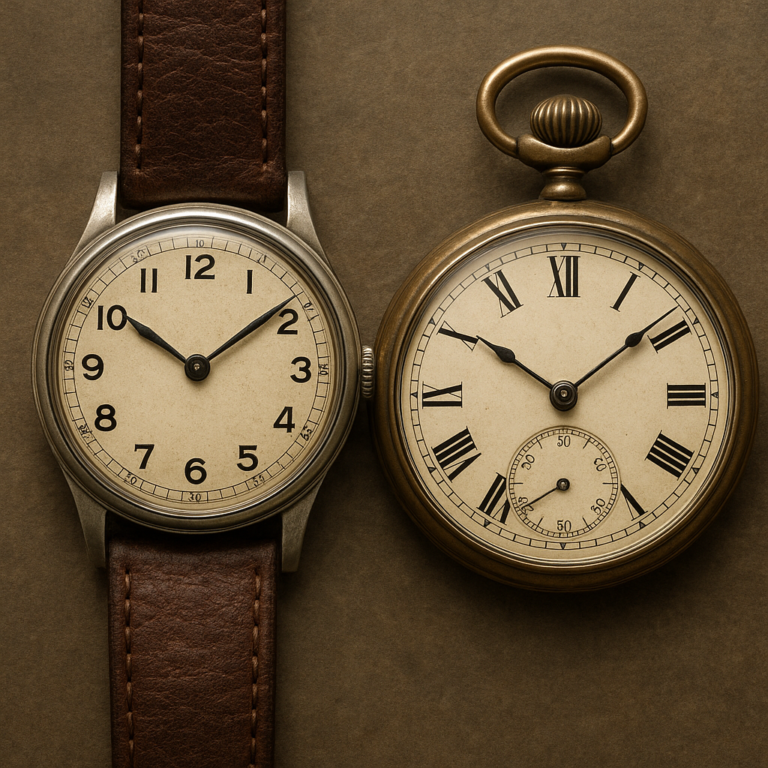
Consider the story of a soldier in the trenches of World War I, strapping a pocket watch to his wrist to survive. That single act transformed the timepiece from a femine accessory into a badge of courage and utility, forever altering how humanity perceives time and status. Today, that legacy lives on, from the Omega Speedmaster that walked on the moon to the custom Patek Philippe worn by Bad Bunny to declare Puerto Rican pride.
In an era where smartphones tell us everything, choosing to wear a mechanical watch is a deliberate act of defiance against the disposable nature of modern life. It is a declaration that you value craftsmanship over convenience and story over speed.
Key Takeaways
- Watches are Cultural Artifacts: They serve as tangible symbols of historical events, from the Space Race to military conflicts, acting as wearable history books.
- Status is Subtle: Unlike flashy cars, a luxury watch offers a quiet signal of success and refinement, recognized by those who understand the nuances of horology.
- Identity and Rebellion: Whether it’s a vintage Seiko representing counter-culture or a Rolex signifying corporate achievement, your timepiece defines your personal narrative.
- The Enduring Legacy: Despite the rise of smartwatches, mechanical timepieces remain ireplaceable symbols of human ingenuity and artistic expression.
Table of Contents
- ⚡️ Quick Tips and Facts
- ⏳ A Brief History of Timekeeping: From Sundials to Symbolism
- 👑 The Royal Watch: How Timepieces Defined Monarchy and Power
- 🕵️ ♂️ The Spy’s Secret: Watches as Tools of Espionage and Intrigue
- 🚀 The Space Race: How Wristwatches Conquered the Cosmos
- 🎬 Hollywood’s Leading Men: Iconic Watches in Cinema History
- 🏎️ The Racing Connection: Speed, Precision, and Automotive Culture
- 🎸 The Rock Star’s Wrist: Music Legends and Their Signature Timepieces
- 🌍 Global Traditions: How Different Cultures View Time and Watches
- 💼 The Corporate Cuff: Business Etiquette and Status Symbols
- 🎨 Art and Design: When Watches Become Wearable Sculptures
- 📱 The Digital Shift: Smartwatches and the Evolution of Cultural Relevance
- 🔄 The Vintage Revival: Why Old Watches Are the New Cool
- 🛠️ How to Choose a Watch That Tells Your Story
- 🧐 Common Myths About Watch Symbolism Debunked
- 📚 Recommended Links
- ❓ FAQ: Your Burning Questions About Watch Culture Answered
- 📖 Reference Links
⚡️ Quick Tips and Facts
Before we dive into the deep end of horological history and cultural symbolism, let’s hit the ground running with some essential truths about the world of watches. Whether you’re a seasoned collector or just bought your first timepiece, these nugets of wisdom will set the stage for our journey.
- It’s Not Just About Telling Time: In an age where your smartphone screams the time at you every time you unlock it, wearing a mechanical watch is a rebellion against convenience. It’s a statement that you value craftsmanship over utility.
- The “Sweep” Matters: Did you know the movement of the second hand tells a story? Quartz watches tick (one beat per second), while mechanical watches sweep (multiple beats per second). That smooth glide is the heartbeat of a machine made by human hands.
- Status is Subtle: Unlike a flashy car that screams “look at me,” a watch whispers. It’s the silent handshake of the luxury world. A $50,0 Patek Philippe often goes unnoticed by the untrained eye but is instantly recognized by those in the know.
- Investment Potential: While not all watches appreciate, certain models from brands like Rolex, Patek Philippe, and Audemars Piguet have historically outperformed the stock market. But remember, buy what you love, not just what you think will make money.
- The “First Video” Insight: As we’ll explore later, the psychological impact of wearing a watch is profound. It’s one of the few items you wear decade after decade against your skin, shaping your posture and self-perception.
Pro Tip: Never judge a book by its cover, and never judge a watch by its price tag alone. A $20 Seiko can have more soul than a $20,0 piece if it tells your story.
⏳ A Brief History of Timekeeping: From Sundials to Symbolism

Time has always been a human obsession. We’ve tried to measure it with shadows, water, and fire, but nothing stuck quite like the watch. To understand the cultural impact of watches today, we have to look back at where it all began.
The Dawn of Time: Sundials and Water Clocks
Long before the wristwatch, ancient Egyptians and Babylonians used sundials to track the sun’s movement. It was accurate, but useless at night or on cloudy days. Enter the water clock (clepsydra), which measured time by the flow of water. These were marvels of engineering but lacked portability.
The Pocket Watch Era: A Symbol of Wealth
Fast forward to the 16th century, and the pocket watch was born. Initially, these were heavy, ornate, and reserved for the ultra-wealthy. Owning a pocket watch wasn’t just about knowing the time; it was a badge of status. If you had a pocket watch, you were likely a merchant, a noble, or someone with serious clout.
Fun Fact: The first pocket watches were so large they were often worn on a chain around the neck, earning them the nickname “Nuremberg Eggs.”
The Shift to the Wrist: From Novelty to Necessity
The real game-changer came in the late 19th and early 20th centuries. Wristwatches were initially seen as femine accessories, with men sticking to pocket watches. But then, World War I happened.
Soldiers in the trenches needed their hands free to fire rifles and operate machinery. They started strapping pocket watches to their wrists with leather straps. The trench watch was born. Suddenly, the wristwatch wasn’t just a fashion statement; it was a tool of survival.
The Cultural Shift
By the 1920s, the wristwatch had shed its “femine” label and become the standard for men. It symbolized modernity, efficiency, and progress. The watch was no longer just a tool; it was a cultural icon.
For a deeper dive into the evolution of timekeeping, check out our comprehensive guide on the history of watches.
👑 The Royal Watch: How Timepieces Defined Monarchy and Power
If there’s one thing royalty loves, it’s a good timepiece. From the Breguet watches of Marie Antoinette to the Patek Philippe collections of the British Royal Family, watches have always been a symbol of power and prestige.
The Art of the Royal Gift
Monarchs have long used watches as diplomatic gifts. Giving a watch to a foreign dignitary wasn’t just a gesture of friendship; it was a statement of trust and alliance. The intricate craftsmanship and high value of these timepieces made them the perfect token of royal favor.
The Crown Jewels of Horology
Some of the most famous watches in history belong to royalty. The Henry Graves Supercomplication, a Patek Philippe pocket watch, was commissioned by a banker but later owned by the Saudi Royal Family. It holds the record for the most expensive watch ever sold at auction.
The Modern Monarchy
Today, royal families still favor traditional brands. Prince William is often seen wearing a Omega Seamaster, a nod to his father, Prince Charles, who wore one. King Charles III has been spotted with Jaeger-LeCoultre and Patek Philippe pieces. These choices aren’t random; they reflect a respect for tradition and a connection to history.
Did You Know? The Royal Collection Trust houses some of the most exquisite timepieces in the world, including watches made by Vacheron Constantin and Breguet.
🕵️ ♂️ The Spy’s Secret: Watches as Tools of Espionage and Intrigue
If you’ve ever watched a James Bond movie, you know that watches are more than just timekeepers. They’re tools of espionage, packed with gadgets that can save lives (or end them).
The Gadget Watch
From the Omega Seamaster in GoldenEye to the Seiko 07 in Live and Let Die, watches have been used to disguise weapons, detect bombs, and even communicate with allies. While real-life spies might not have laser-cuting watches, the symbolism remains: the watch is a tool of the trade for the modern spy.
Real-Life Espionage
In the Cold War, watches were used to hide microfilm and transmit secret messages. The Omega Speedmaster was even used by the CIA to time the duration of a mission. These watches weren’t just accessories; they were essential equipment.
The Cultural Legacy
The spy watch has become a cultural archetype. It represents mystery, danger, and sophistication. When you wear a watch with a chronograph or a GMT function, you’re tapping into that legacy. You’re not just telling time; you’re living the adventure.
🚀 The Space Race: How Wristwatches Conquered the Cosmos
The Space Race of the 1960s was a battle for supremacy between the US and the USSR. But it was also a battle of the watches. Which timepiece could survive the harsh conditions of space?
The Omega Speedmaster: The Moon Watch
In 1965, NASA tested several watches to find the perfect spaceworthy timepiece. The Omega Speedmaster Professional emerged victorious. It was the first watch worn on the moon during the Apollo 1 mission in 1969.
Fun Fact: The Speedmaster is still the only watch certified by NASA for extravehicular activity (EVA).
The Symbolism of the Moon Watch
The Omega Speedmaster isn’t just a watch; it’s a symbol of human achievement. It represents courage, innovation, and the spirit of exploration. When you wear a Speedmaster, you’re wearing a piece of history.
Other Space Watches
While the Speedmaster stole the show, other brands like Seiko and Bulova also made significant contributions to space exploration. The Seiko 6139 was worn by Soviet cosmonauts, and the Bulova Chronograph was used in the Apollo 15 mission.
🎬 Hollywood’s Leading Men: Iconic Watches in Cinema History

Hollywood has always had a soft spot for watches. From James Bond to Terminator, watches have played a crucial role in shaping the cultural narrative of cinema.
The James Bond Effect
No discussion of watches in film is complete without mentioning James Bond. The Omega Seamaster has been Bond’s watch of choice since GoldenEye (195). But before that, Bond wore Seiko, Longines, and even Heuer (now TAG Heuer).
Did You Know? The Omega Seamaster worn by Daniel Craig in Casino Royale was a limited edition that sold out in minutes.
The Terminator’s Timepiece
In The Terminator, Arnold Schwarzenegger’s character wears a Casio F-91W. This affordable, digital watch became a cultural icon in its own right. It represented the future and the machine that would eventually take over the world.
The Watch as a Character
In many films, the watch is more than just a prop; it’s a character. It tells a story about the protagonist’s personality, status, and journey. Whether it’s a luxury timepiece or a rugged tool watch, the watch adds depth to the narrative.
🏎️ The Racing Connection: Speed, Precision, and Automotive Culture
The world of motorsports and watches go hand in hand. From the Le Mans race to the Formula 1 circuit, watches have been a symbol of speed, precision, and performance.
The Chronograph: A Driver’s Best Friend
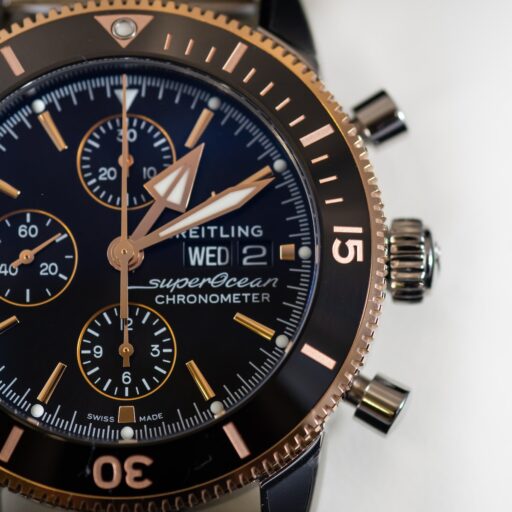
The chronograph (stopwatch function) was originally designed for racing drivers to time laps and measure speed. Brands like TAG Heuer, Breitling, and Rolex have all created iconic racing watches.
The Rolex Daytona
The Rolex Daytona is perhaps the most famous racing watch in history. Originally designed for professional racers, it has become a symbol of luxury and performance. The Daytona is so popular that it often has a waiting list of years.
The TAG Heuer Monaco
The TAG Heuer Monaco was made famous by Steve McQueen in the movie Le Mans. Its square case and bold design made it a cultural icon in the world of racing and fashion.
🎸 The Rock Star’s Wrist: Music Legends and Their Signature Timepieces
Music legends have always had a unique relationship with watches. From Elvis Presley to Bad Bunny, musicians have used watches to express their style and connect with their fans.
The Bad Bunny Effect
Bad Bunny’s Super Bowl halftime show was a cultural phenomenon, and his watch choices were no exception. He wore a custom Patek Philippe that featured Puerto Rican symbolism, including the light blue triangle representing independence.
Did You Know? Bad Bunny’s performance was a masterclass in cultural storytelling, using his watch as a symbol of resistance and pride.
The Rock Star’s Style
From Elvis wearing a Rolex Datejust to Kurt Cobain sporting a Casio, musicians have used watches to define their image. Whether it’s a luxury timepiece or a budget-friendly digital watch, the choice reflects the artist’s personality and message.
🌍 Global Traditions: How Different Cultures View Time and Watches
Time is a universal concept, but how we perceive and value it varies across cultures. In some cultures, time is linear and precise, while in others, it’s fluid and flexible.
The Western View: Time is Money
In Western cultures, time is often seen as a comodity. “Time is money” is a common saying, and punctuality is highly valued. Watches in these cultures are often precise, functional, and status-driven.
The Eastern View: Time is Cyclical
In many Eastern cultures, time is seen as cyclical. The focus is on harmony and balance rather than precision and efficiency. Watches in these cultures often feature traditional designs and symbolic motifs.
The African View: Time is Community
In many African cultures, time is community-driven. Events are scheduled based on social interactions rather than clock time. Watches in these cultures are often ornate and symbolic, reflecting the cultural heritage of the wearer.
💼 The Corporate Cuff: Business Etiquette and Status Symbols
In the corporate world, a watch is more than just a timepiece; it’s a symbol of professionalism, status, and success.
The Dress Watch
The dress watch is the cornerstone of business etiquette. It’s slim, elegant, and understated, designed to be worn with a suit and tie. Brands like Patek Philippe, Vacheron Constantin, and Jaeger-LeCoultre are favorites in the corporate world.
The Power of the Watch
Wearing a luxury watch in a business setting can signal confidence, competence, and success. It’s a non-verbal cue that says, “I’m serious about my career.”
The Modern Professional
In today’s digital age, the corporate watch is evolving. Many professionals are opting for smartwatches that blend functionality with style. But the traditional dress watch remains a symbol of timeless elegance.
🎨 Art and Design: When Watches Become Wearable Sculptures
Watches are not just functional tools; they’re works of art. From intricate engravings to innovative materials, watches have pushed the boundaries of design and craftsmanship.
The Art of Complications
Complications are extra features on a watch, such as moon phases, tourbillons, and perpetual calendars. These features are not just functional; they’re artistic expressions of horological mastery.
The Role of Materials
Modern watches use innovative materials like carbon fiber, ceramic, and titanium. These materials not only enhance performance but also add to the aesthetic appeal of the watch.
The Watch as a Canvas
Some watchmakers treat the watch as a canvas, using enamel, gem-setting, and hand-painting to create unique pieces. These watches are one-of-a-kind and often fetch high prices at auction.
📱 The Digital Shift: Smartwatches and the Evolution of Cultural Relevance
The rise of smartwatches has challenged the traditional watch industry. But rather than replacing mechanical watches, smartwatches have expanded the cultural relevance of timepieces.
The Smartwatch Revolution
Brands like Apple, Samsung, and Garmin have created smartwatches that offer health tracking, notifications, and connectivity. These devices have atracted a new generation of watch enthusiasts.
The Coexistence of Analog and Digital
While smartwatches have gained popularity, mechanical watches remain relevant. Many people own both a smartwatch for daily use and a mechanical watch for special occasions.
The Future of Watches
The future of watches is hybrid. Brands like Tag Heuer and Montblanc are creating smart-mechanical hybrids that blend traditional craftsmanship with modern technology.
🔄 The Vintage Revival: Why Old Watches Are the New Cool
In a world of fast fashion and disposable technology, vintage watches are experiencing a renaissance. People are drawn to the history, craftsmanship, and uniqueness of older timepieces.
The Appeal of Vintage
Vintage watches offer a connection to the past. They tell a story of design, innovation, and cultural significance. Wearing a vintage watch is like wearing a piece of history.
The Investment Potential
Many vintage watches have appreciated in value over the years. Brands like Rolex, Patek Philippe, and Omega have vintage models that are highly sought after by collectors.
The Challenge of Authenticity
Buying a vintage watch requires knowledge and caution. There are many replicas and fakes on the market. It’s important to buy from reputable dealers and verify the authenticity of the watch.
🛠️ How to Choose a Watch That Tells Your Story
Choosing a watch is a personal journey. It’s about finding a timepiece that resonates with your personality, lifestyle, and values.
Step 1: Define Your Style
Are you a minimalist who prefers clean lines and simple designs? Or are you a maximalist who loves bold colors and intricate details? Your style will guide your watch choice.
Step 2: Consider Your Lifestyle
Do you need a durable, water-resistant watch for outdoor adventures? Or do you prefer a slim, elegant watch for formal events? Your lifestyle will determine the type of watch you need.
Step 3: Set a Budget
Watches come in a wide range of prices. Set a budget that fits your financial situation and priorities. Remember, quality is more important than price.
Step 4: Research Brands
Do your research on brands that align with your values and preferences. Look for reviews, testimonials, and expert opinions to make an informed decision.
Step 5: Try It On
Nothing beats trying on a watch in person. Visit a local store or attend a watch event to see how the watch feels on your wrist.
🧐 Common Myths About Watch Symbolism Debunked
There are many misconceptions about the symbolism of watches. Let’s debunk some of the most common myths.
Myth 1: Expensive Watches Are Always Better
Fact: Price does not always equal quality or symbolism. A modestly priced watch can have more meaning than a luxury timepiece if it resonates with your story.
Myth 2: Only Men Wear Watches
Fact: Watches are unisex. Many women wear watches as fashion statements and symbols of empowerment.
Myth 3: Smartwatches Are Replacing Mechanical Watches
Fact: While smartwatches are popular, mechanical watches remain relevant and culturally significant. Many people own both for different purposes.
Myth 4: Vintage Watches Are Always a Good Investment
Fact: Not all vintage watches appreciate in value. It’s important to research and verify the authenticity of a vintage watch before investing.
Conclusion

So, what’s the final verdict on the cultural impact and symbolism of watches?
Watches are more than just timekeepers. They are symbols of power, status, adventure, and identity. From the royal courts of Europe to the trenches of World War I, from the moon to the movie screen, watches have shaped our culture in profound ways.
Whether you’re a collector, a casual wearer, or a first-time buyer, your watch is a reflection of your story. It’s a piece of history, a work of art, and a tool for the future.
Remember: You don’t need to spend a fortune to find a watch that tells your story. The best watch is the one that resonates with you and makes you feel like the best version of yourself.
Final Thought: As we saw with Bad Bunny’s performance, watches can be powerful symbols of cultural identity and resistance. Whether you’re wearing a custom Patek Philippe or a vintage Seiko, your watch is a statement of who you are and where you come from.
📚 Recommended Links
Looking to expand your collection or learn more about the world of watches? Here are some handpicked recommendations from the team at Watch Brands™.
Luxury Timepieces
- Rolex Submariner: Amazon | Official Site
- Omega Speedmaster Professional: Amazon | Official Site
- Patek Philippe Nautilus: Amazon | Official Site
Affordable Gems
- Seiko 5 Sports: Amazon | Official Site
- Citizen Eco-Drive: Amazon | Official Site
- Timex Weekender: Amazon | Official Site
Books on Watch Culture
❓ FAQ: Your Burning Questions About Watch Culture Answered

How do luxury watches symbolize social status in modern culture?
Luxury watches are silent indicators of success and sophistication. Unlike cars or jewelry, which can be overtly flashy, a luxury watch is a subtle signal of refinement and taste. It’s a non-verbal cue that says, “I appreciate craftsmanship and history.”
Why do some people prefer mechanical watches over smartwatches?
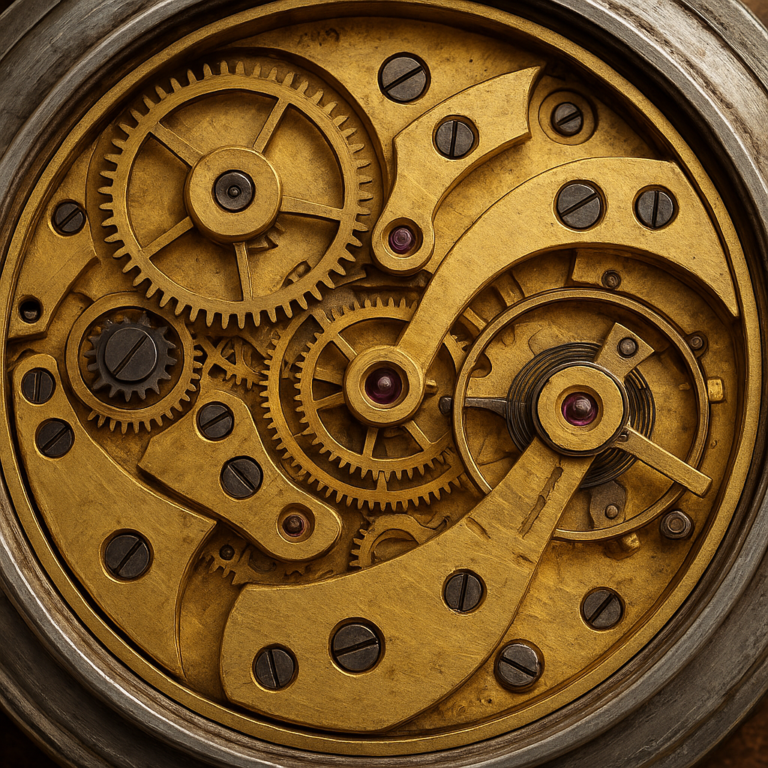
Mechanical watches are **appreciated for their artistry and heritage. They are handcrafted with hundreds of moving parts, representing human ingenuity and tradition. Smartwatches, while functional, lack the emotional connection and timeless appeal of mechanical timepieces.
What is the historical significance of the wristwatch in military history?
The wristwatch became essential during World War I when soldiers needed hands-free timekeeping. It evolved from a novelty to a tool of survival, symbolizing courage and precision.
Read more about “🕰️ Who Invented the First Watch and When? (2026)”
Why are vintage watches considered cultural artifacts today?
Vintage watches are pieces of history that reflect the design, technology, and culture of their time. They are collectible and **appreciated for their unique stories and craftsmanship.
Read more about “⏳ 20 Ancient Timekeeping Methods: From Sundials to Atoms”
How do watch brands influence fashion trends and personal identity?
Watch brands shape fashion trends by introducing new designs and materials. They also influence personal identity by offering a range of styles that resonate with different personalities and lifestyles.
What role do watches play in different cultural rituals and ceremonies?
In many cultures, watches are gifted during significant life events like graduations, weddings, and promotions. They symbolize milestones, achievements, and transitions.
How has the perception of watches changed with the rise of smartwatches?
The rise of smartwatches has expanded the definition of a watch. While mechanical watches are still **valued for their artistry and heritage, smartwatches are **appreciated for their functionality and connectivity.
What symbolic meanings do specific watch complications hold in horology?
Complications like moon phases, tourbillons, and perpetual calendars are **symbols of horological mastery and innovation. They represent the complexity and beauty of mechanical engineering.
📖 Reference Links
- The Cultural Impact of Bad Bunny’s Super Bowl Halftime Show
- From Ship Navigators to Agent 07: Cultural and Engineering Significance of Mechanical Watches
- Bad Bunny’s Performance Was Packed with Cultural Storytelling and Symbolism
- Rolex Official Website
- Omega Official Website
- Patek Philippe Official Website
- Seiko Official Website
- Citizen Official Website
- Timex Official Website