Support our educational content for free when you purchase through links on our site. Learn more
⌚ Premium vs. Luxury Watches: 10 Shocking Differences Revealed (2026)

The core difference between premium and luxury watch brands isn’t just the price tag; it’s that premium brands prioritize value and reliability using mass-produced movements, while luxury brands chase exclusivity, heritage, and hand-finished in-house calibers that often hold their value.
You might be wondering, What is the difference between premium and luxury watch brands? The answer lies in the soul of the machine, not just the sticker. A Tissot will tell you the time with Swiss precision for a fraction of the cost, but a Patek Philippe is designed to be passed down to your grandchildren as a family heirloom.
Consider this: a Rolex Submariner can often sell for more on the secondary market than its original retail price, whereas a Hamilton Khaki will likely lose half its value the moment you unbox it. This isn’t a flaw in the Hamilton; it’s simply the nature of the game.
We once watched a friend spend his entire bonus on a “luxury” entry-level watch, only to realize years later that a Seiko with a unique movement offered him more mechanical joy for half the cost. It’s a tale as old as horology itself: are you buying a tool or a trophy?
Key Takeaways
- Movement Mastery: Premium brands rely on reliable, mass-produced engines (like ETA or Sellita), while luxury brands invest heavily in proprietary, in-house calibers.
- Value Retention: Luxury watches often hold or increase in value due to scarcity and brand prestige, whereas premium watches depreciate like most consumer goods.
- Craftsmanship: Luxury timepieces feature hand-finishing and exotic materials, while premium watches offer machine-perfect durability at an accessible price.
- Exclusivity: You can walk into a store and buy a premium watch today, but acquiring a luxury icon often requires a waiting list or a relationship with an authorized dealer.
Ready to find your perfect timepiece? Explore our guides on Affordable Watches or dive into the world of Luxury Watch Investments.
Table of Contents
- ⚡️ Quick Tips and Facts
- ⏳ A Brief History of Watch Tiering: From Pocket Watches to Modern Status Symbols
- Defining the Spectrum: What Actually Separates Premium from Luxury?
- The Price Tag Paradox: Why Cost Doesn’t Always Equal Quality
- 10 Key Differences Between Premium and Luxury Watch Brands
- 1. Movement Mastery: In-House Calibers vs. Reliable Workhorses
- 2. Material Science: Sapphire, Titanium, and Exotic Aloys
- 3. Craftsmanship and Finishing: Hand-Beveled vs. Machine-Perfect
- 4. Brand Heritage and Provenance: Centuries of History vs. Modern Innovation
- 5. Exclusivity and Production Numbers: Scarcity Drives Desire
-
- After-Sales Service and Warranty Expectations
-
- Resale Value and Investment Potential
-
- The Role of Complications: Chronographs, Tourbillons, and Perpetual Calendars
-
- Design Philosophy: Timeless Classics vs. Trend-Driven Styles
-
- The “Halo Effect”: How Marketing Shapes Perception
- Swiss Watch Brands: The Gold Standard of Luxury and Premium Manufacturing
- Top Premium Watch Brands: The Sweet Spot of Value and Performance
- Top Luxury Watch Brands: The Pinnacle of Horological Art
- Automatic vs. Quartz Movements: Does the Engine Define the Tier?
- Common Mistakes Buyers Make When Confusing Premium with Luxury
- How to Choose: Aligning Your Lifestyle with the Right Watch Tier
- Conclusion
- Recommended Links
- FAQ
- Reference Links
⚡️ Quick Tips and Facts
Before we dive into the deep end of the horological pool, let’s get the lay of the land. You might think the line between a premium watch and a luxury watch is drawn in stone, but in reality, it’s more like a fogy morning on Lake Geneva—hard to see, but you know you’re there.
Here are the non-negotiables to keep in mind as we navigate this topic:
- Price is a Signal, Not a Rule: While luxury watches generally cost more, a $4,0 Tissot (Premium) can sometimes outbuild a $3,50 entry-level Rolex (Luxury) in terms of raw durability, even if the Rolex holds its value better.
- The “Swiss-Made” Label: This isn’t just a marketing sticker. To legally use it, 60% of the production costs must be incurred in Switzerland, and the final inspection must happen there. Both premium and luxury brands use this, but the quality of the Swiss components varies wildly.
- Movement Matters Most: The heart of the watch defines the tier. Premium brands often use reliable, mass-produced movements (like the ETA or Sellita). Luxury brands frequently develop in-house calibers, which are engineered, finished, and regulated by the brand itself.
- Heritage vs. Hype: Luxury brands often lean on centuries of history (think Patek Philippe). Premium brands often lean on modern innovation and sports sponsorships (think Tag Heuer).
If you’ve ever wondered, “Is my $1,50 watch actually a luxury piece, or just a really good premium one?”, you’re asking the right question. The answer lies in the details we’re about to uncover. For a deeper dive into the philosophy, check out our guide on What is a watch luxury brand?.
⏳ A Brief History of Watch Tiering: From Pocket Watches to Modern Status Symbols

To understand where we are today, we have to look at where we started. The concept of “tiers” in watchmaking is surprisingly modern. In the 19th century, if you could afford a watch, it was a luxury. Pocket watches were handcrafted by artisans, and the distinction between “good” and “great” was subtle.
The real shift happened in the 20th century, specifically after World War II. As industrialization took hold, brands began to segment their markets.
The Rise of the “Accessible” Watch
Brands like Seiko and Citizen in Japan, and Swatch in Switzerland, revolutionized the industry by making accurate, reliable timepieces available to the masses. This created the Consumer Tier. These weren’t “cheap” in a bad way; they were reliable workhorses. As noted industry analyses, these are the watches you wear every day without worrying about a scratch.
The Birth of the “Premium” Category
By the 1980s and 90s, a new middle class emerged. They wanted something better than a basic quartz watch but couldn’t justify spending $10,0 on a Rolex. Enter the Premium tier. Brands like Tissot, Certina, and Hamilton began offering Swiss-made automatic movements, sapphire crystals, and sleek designs at accessible price points. They were the “gateway drugs” to the world of horology.
The Consolidation of Luxury
Meanwhile, the Luxury tier doubled down on exclusivity. Brands like Patek Philippe and Audemars Piguet stopped trying to sell to everyone. They focused on complications (extra functions like moon phases or perpetual calendars) and hand-finishing. The narrative shifted from “telling time” to “owning a piece of art.”
This historical divergence is why, today, a Seiko Presage feels like a triumph of engineering, while a Vacheron Constantin feels like a triumph of history. One is a marvel of modern manufacturing; the other is a relic of a bygone era of craftsmanship.
Defining the Spectrum: What Actually Separates Premium from Luxury?
So, what is the actual difference? Is it the price tag? The materials? The movement?
It’s a combination of all three, but the defining factor is intent.
- Premium Brands are engineered for value. They ask: “How can we make the best possible watch for $2,0?”
- Luxury Brands are engineered for legacy. They ask: “How can we make a watch that will be cherished for 10 years, regardless of cost?”
When you buy a premium watch, you are buying a product. When you buy a luxury watch, you are buying a brand story and a financial asset.
Let’s look at the four pillars that separate them, based on the criteria often cited by horological experts:
- Build Quality & Finishing: Premium watches are machine-perfect. Luxury watches are hand-finished.
- Exclusivity: Premium watches are available in stores. Luxury watches often require a waiting list or a “relationship” with an authorized dealer.
- Brand Perception: Everyone knows Omega. Only watch nerds know F.P. Journe.
- Uniqueness: Premium watches often share movements with other brands. Luxury watches often use proprietary, in-house movements.
Pro Tip: Don’t let the “Swiss Made” label fool you. A Swiss-made watch can still be a mass-produced premium item. The label guarantees origin, not necessarily exclusivity.
The Price Tag Paradox: Why Cost Doesn’t Always Equal Quality
Here is a truth that might sting: You can spend $5,0 on a premium watch and get less “watch” than someone spending $8,0 on a luxury entry-level piece.
Why? Because of economies of scale.
Premium brands like Tissot or Mido produce thousands of units. They buy movements in bulk, case components in bulk, and crystals in bulk. This drives the cost down, allowing them to offer incredible value. A Tissot Gentleman might cost $60, but it uses a high-quality Swatch Group movement that is reliable and accurate.
Luxury brands like IWC or Cartier produce far fewer units. Their costs per unit are astronomical. They don’t just buy a movement; they make it. They don’t just buy a case; they cast and finish it by hand.
The “Sweet Spot” Confusion
There is a massive overlap in the $3,0 to $6,0 range. This is where the confusion lives.
- You can buy a high-end premium watch (e.g., Longines Master Collection) here.
- You can buy an entry-level luxury watch (e.g., Tudor Black Bay) here.
Which is better?
- If you want reliability and style, the Longines (Premium) might actually serve you better.
- If you want resale value and brand prestige, the Tudor (Luxury) wins hands down.
The price tag is a proxy for quality, but it’s not a guarantee. Sometimes, the “luxury” premium is just paying for the logo.
10 Key Differences Between Premium and Luxury Watch Brands
Let’s break this down into a definitive list. We’ve identified 10 critical areas where these two tiers diverge.
1. Movement Mastery: In-House Calibers vs. Reliable Workhorses
This is the single biggest differentiator.
- Premium: Most use ETA, Sellita, or Miyota movements. These are the “Toyota engines” of the watch world. They are bulletproof, easy to service, and accurate. Brands like Hamilton and Tissot use these with pride.
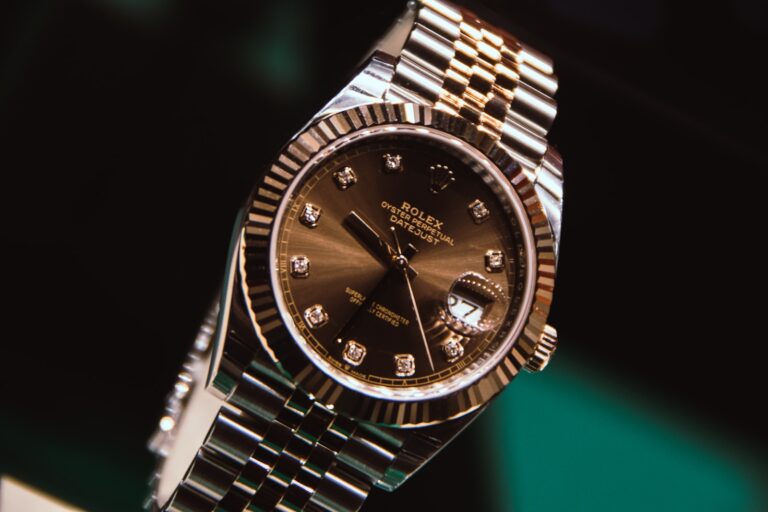
- Luxury: They use In-House movements. Omega uses the Co-Axial Caliber 80. Rolex uses the 3235. These are designed, manufactured, and regulated by the brand. They often feature proprietary technologies (like the Parachrom hairspring in Rolex) that competitors can’t copy.
2. Material Science: Sapphire, Titanium, and Exotic Aloys
- Premium: Standard 316L Stainless Steel, Sapphire Crystal (usually), and sometimes Ceramic bezels.
- Luxury: 904L Stainless Steel (Rolex’s “Oystersteel”), Platinum, Titanium, Carbon, and even Magic Gold (a scratch-resistant gold alloy by Hublot). The finishing on luxury metals is often mirror-polished to a degree that requires hours of hand labor.
3. Craftsmanship and Finishing: Hand-Beveled vs. Machine-Perfect
- Premium: The finishing is done by machines. It looks great, but if you look under a loupe, you might see uniform, machine-made lines.
- Luxury: The finishing is hand-beveled. Look at the edges of a Patek Philippe movement. Every edge is chamfered by hand. The bridges are Geneva Striped (Côtes de Genève) by hand. This level of detail is invisible to the naked eye but defines the soul of the watch.
4. Brand Heritage and Provenance: Centuries of History vs. Modern Innovation
- Premium: Often founded in the 20th century or rebranded. Tissot (1853) has history, but Seiko (181) is often seen as a “modern” innovator. Their stories are about accessibility and technology.
- Luxury: Often founded in the 18th or 19th century. Vacheron Constantin (175) is the oldest continuously operating manufacturer. Their stories are about royal patronage, exploration, and survival.
5. Exclusivity and Production Numbers: Scarcity Drives Desire
- Premium: You can walk into a department store or an authorized dealer and buy a Seiko Presage or Tissot Le Locle today. No waiting.
- Luxury: You might wait years for a Patek Philippe Nautilus or a Rolex Daytona. This artificial scarcity (or genuine low production) drives the secondary market prices sky-high.
6. After-Sales Service and Warranty Expectations
- Premium: Service is straightforward. You send it in, they fix it, it comes back. Cost is reasonable.
- Luxury: Service is an experience. You might need to ship it to a specialized center. The cost is high, but the watch is often returned in “better than new” condition. Some brands offer lifetime warranties on specific components.
7. Resale Value and Investment Potential
- Premium: Depreciates the moment you take it off the counter. A $1,0 Hamilton might sell for $60 used.
- Luxury: Can hold value or even appreciate. A Rolex Submariner often sells for more on the secondary market than its retail price. This is the investment aspect of luxury.
8. The Role of Complications: Chronographs, Tourbillons, and Perpetual Calendars
- Premium: Usually stick to Date, Day, and simple Chronographs.
- Luxury: Master the Perpetual Calendar, Minute Repeater, and Tourbillon. These are mechanical marvels that require hundreds of hours of assembly.
9. Design Philosophy: Timeless Classics vs. Trend-Driven Styles
- Premium: Often follows trends. If “dive watches” are in, they make a dive watch. If “minimalist” is in, they make a minimalist watch.
- Luxury: Often creates the trends. The Rolex Submariner (1953) set the standard for dive watches. The Audemars Piguet Royal Oak (1972) invented the “luxury sports watch” category. They don’t follow; they lead.
10. The “Halo Effect”: How Marketing Shapes Perception
- Premium: Marketing focuses on lifestyle and sports. Tag Heuer sponsors F1. Seiko sponsors Formula E.
- Luxury: Marketing focuses on exclusivity and heritage. Patek Philippe doesn’t show a car; they show a grandfather handing a watch to a grandson. The message is: “You never actually own a Patek Philippe, you merely look after it for the next generation.”
Swiss Watch Brands: The Gold Standard of Luxury and Premium Manufacturing
You cannot talk about this topic without mentioning Switzerland. The Swiss Made label is the global benchmark for quality.
However, not all Swiss watches are created equal.
- Swiss Premium: Brands like Swatch, Tissot, and Certina are part of the Swatch Group. They share technology and movements, creating a highly efficient ecosystem.
- Swiss Luxury: Brands like Rolex, Patek Philippe, and Audemars Piguet operate as independent entities (mostly). They control every aspect of their supply chain, from the gold foundry to the final polishing.
The Swiss Watch Industry is a complex web. A premium watch might use a movement made by ETA (a Swatch Group company), while a luxury watch might use a movement made by Valjoux (also Swatch Group) but modified extensively, or a completely in-house caliber.
Fun Fact: Did you know that Swatch started as a reaction to the Quartz Crisis? They saved the Swiss industry by proving that a Swiss watch could be fun, affordable, and stylish. Today, they sit at the bottom of the premium tier, but their impact on the industry is immeasurable.
Top Premium Watch Brands: The Sweet Spot of Value and Performance
If you are looking for the best bang for your buck, these are the brands you need to know. They offer Swiss quality without the luxury markup.
1. Tissot
- Why they shine: The king of entry-level Swiss. The Tissot Gentleman and Le Locle are industry standards.
- Best for: First-time automatic watch buyers.
- Key Feature: Powermatic 80 movement (80-hour power reserve).
2. Hamilton
- Why they shine: American heritage with Swiss engineering. Famous for their Khaki Field and Jazzmaster lines.
- Best for: Military and aviation enthusiasts.
- Key Feature: Rugged, legible designs with great history.
3. Seiko (Presage & Prospex Lines)
- Why they shine: While Seiko is Japanese, their Presage and Prospex lines compete directly with Swiss premium brands.
- Best for: Value seekers who want unique movements (like the Spring Drive).
- Key Feature: Unbeatable durability and innovation at low prices.
4. Longines
- Why they shine: The bridge between premium and luxury. They offer elegant designs and historical models (like the HydroConquest).
- Best for: Dress watches and diving.
- Key Feature: High-quality finishing that rivals entry-level luxury.
5. Mido
- Why they shine: Often overlooked, but they offer incredible value. The Mido Ocean Star is a beast.
- Best for: Divers and daily wearers.
- Key Feature: COSC-certified chronometers at affordable prices.
👉 Shop Premium Watches on:
- Tissot: Amazon | Official Site
- Hamilton: Amazon | Official Site
- Seiko: Amazon | Official Site
Top Luxury Watch Brands: The Pinnacle of Horological Art
These are the brands that define status. They are the ones you see in movies, on the wrists of CEOs, and in the vaults of collectors.
1. Rolex
- Why they shine: The ultimate status symbol. Unrivaled brand recognition and resale value.
- Best for: Investment and daily luxury.
- Key Feature: The Oyster case and Perpetual movement.
2. Omega
- Why they shine: The Speedmaster (Moonwatch) and Seamaster (James Bond) are icons. They balance history with modern tech (Co-Axial).
- Best for: Sports and space enthusiasts.
- Key Feature: Master Chronometer certification (anti-magnetic and high precision).
3. Tudor
- Why they shine: Rolex’s “little brother.” Offers in-house movements and luxury build quality at a lower price point.
- Best for: Those who want the Rolex vibe without the wait.
- Key Feature: Black Bay series and robust in-house calibers.
4. Cartier
- Why they shine: The jewelers’ watchmaker. Focuses on design, art, and elegance.
- Best for: Dress watches and fashion-forward individuals.
- Key Feature: The Tank and Santos designs.
5. IWC Schaffhausen
- Why they shine: The engineer’s watch. Known for pilot watches and complications.
- Best for: Men who appreciate mechanical complexity.
- Key Feature: Pilot chronographs and Big Pilot designs.
👉 Shop Luxury Watches on:
- Rolex: Official Site (Note: No direct sales on Amazon)
- Omega: Amazon | Official Site
- Tudor: Amazon | Official Site
Automatic vs. Quartz Movements: Does the Engine Define the Tier?
A common misconception is that Automatic = Luxury and Quartz = Premium. This is false.
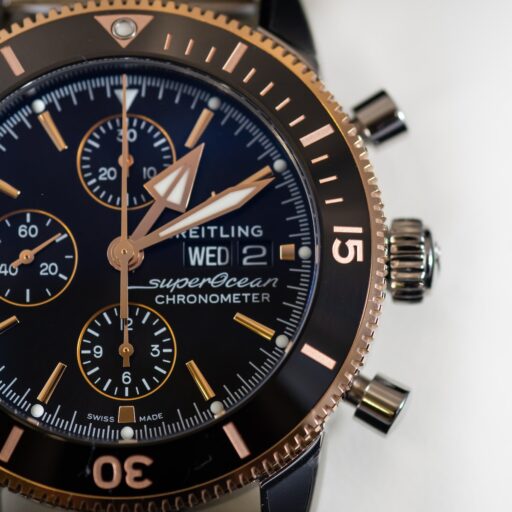
- Quartz: Uses a battery and a quartz crystal to keep time. It is more accurate than almost any mechanical movement. Premium brands like Tissot make excellent quartz watches. Luxury brands like Cartier and Breitling also make high-end quartz watches (e.g., the Breitling Emergency).
- Automatic: Uses the motion of your wrist to wind the mainspring. It is less accurate but more romantic. It is the heart of the luxury industry.
The Verdict:
- If you want accuracy and low maintenance, go Quartz.
- If you want craftsmanship, heritage, and mechanical beauty, go Automatic.
The tier is defined by the quality of the movement, not the type. A Rolex quartz (if they made one) would still be luxury because of the finishing and brand. A Casio automatic (if they made one) would still be premium because of the mass production.
Common Mistakes Buyers Make When Confusing Premium with Luxury
We’ve seen it all at Watch Brands™. Here are the top blunders people make when trying to navigate this market:
- Chasing the Logo: Buying a Tag Heuer just because it’s “luxury,” without realizing it’s often a rebranded ETA movement with a high markup. Sometimes a Longines (Premium) offers better value.
- Ignoring the Resale Value: Buying a premium watch as an “investment.” Unless it’s a limited edition, it will lose 40-50% of its value immediately.
- Overpaying for “Swiss Made”: Assuming all Swiss watches are luxury. A Swatch is Swiss, but it’s not a luxury investment.
- Neglecting Service Costs: Buying a luxury watch without budgeting for the $1,0+ service every 5-7 years.
- Buying the “Hype” Model: Buying a Rolex or Patek on the secondary market at a massive premium without understanding the risks.
Question: Have you ever bought a watch thinking it was a “steal,” only to realize later it was just a premium watch with a luxury price tag?
How to Choose: Aligning Your Lifestyle with the Right Watch Tier
So, how do you decide? It depends on who you are and what you need.
The “Daily Driver”
- Need: Durability, accuracy, low maintenance.
- Recommendation: Premium (e.g., Seiko Prospex, Tissot PRX).
- Why: You can wear it to the gym, the beach, and the office without worry.
The “Special Occasion”
- Need: Elegance, status, conversation starter.
- Recommendation: Entry Luxury (e.g., Omega Seamaster, Tudor Black Bay).
- Why: It elevates your outfit and signals success.
The “Heirloom”
- Need: Longevity, investment, family legacy.
- Recommendation: High Luxury (e.g., Patek Philippe, Vacheron Constantin).
- Why: It’s a piece of art that will outlive you.
The “Collector”
- Need: Uniqueness, complications, rarity.
- Recommendation: Ultra Luxury (e.g., Richard Mille, F.P. Journe).
- Why: You are buying a piece of horological history.
Final Thought: The best watch is the one that makes you feel confident. Whether it’s a $50 Hamilton or a $50,0 Patek, the joy comes from wearing it.
Conclusion

We started this journey asking, “What is the difference between premium and luxury watch brands?” and we’ve uncovered a world of nuance.
The premium tier is about value, reliability, and accessibility. It’s the Swiss-made promise of quality at a price that makes sense for the modern professional. Brands like Tissot, Hamilton, and Seiko are the unsung heroes of the industry, providing incredible watches that serve us well every day.
The luxury tier is about heritage, exclusivity, and art. It’s the in-house movement, the hand-finishing, and the brand story that transcends time. Brands like Rolex, Patek Philippe, and Omega are not just telling time; they are telling a story of human achievement.
Is one better than the other?
- If you want a tool, go Premium.
- If you want a treasure, go Luxury.
Don’t let the price tag dictate your happiness. A Tissot on your wrist can bring just as much joy as a Rolex, provided you understand what you are buying. The luxury premium is real, but so is the premium value.
Our Recommendation:
If you are new to watches, start with a Premium brand. Learn the mechanics, the styles, and your own preferences. Once you know what you love, you can step up to the Luxury tier with confidence. And remember, the best watch is the one that fits your lifestyle and your heart.
Recommended Links
Ready to start your journey? Here are some curated picks and resources:
- Best Premium Daily Wear: Tissot Gentleman Powermatic 80 | Official Site
- Best Entry Luxury: Tudor Black Bay Fifty-Eight | Official Site
- Best Value Automatic: Seiko Presage Cocktail Time | Official Site
- Best Investment Piece: Rolex Submariner Date (Check Authorized Dealers)
- Must-Read Book: Watch Buying Guide: The Ultimate Guide to Buying a Watch
FAQ

What is a premium watch?
A premium watch is a timepiece that offers high-quality materials (like sapphire crystal and stainless steel), reliable movements (often ETA or Sellita), and solid craftsmanship, typically at a price point between $50 and $3,0. They are designed for daily wear and offer excellent value for money. Brands like Tissot, Hamilton, and Longines fall into this category.
Read more about “⌚ Luxury vs. Normal Watches: The Real Difference (2026)”
What is the difference between luxury brand and premium brand?
The primary difference lies in exclusivity, movement origin, and brand heritage. Luxury brands often use in-house movements, have a long history of hand-finishing, and maintain scarcity to drive demand. Premium brands focus on efficiency, use reliable third-party movements, and are widely available. Luxury watches often hold their value better, while premium watches offer better immediate value.
Read more about “💰 What Price Range is a Luxury Watch? (2026)”
Is premium better than luxury?
“Better” is subjective. If you value reliability, affordability, and low maintenance, a premium watch is better. If you value status, investment potential, and mechanical artistry, a luxury watch is better. For most daily wearers, a premium watch is the smarter choice.
Read more about “🏆 15 Best Watches for Men in 2026: The Ultimate Guide”
What is the difference between luxury and premium watches?
Luxury watches are defined by in-house movements, hand-finishing, exclusivity, and brand heritage. Premium watches are defined by reliable mass-produced movements, machine-finishing, availability, and value. The price gap is significant, but the quality gap is often smaller than the price gap suggests.
Read more about “🏆 25 Best Men’s Watch Brands Ranked: Who Really Wins in 2026?”
What defines a luxury watch brand compared to a premium one?
A luxury watch brand is defined by its ability to create in-house movements, its historical significance, its exclusivity (limited production), and its resale value. It often carries a “halo effect” where the brand name itself adds value. Premium brands lack these specific traits, focusing instead on accessibility and performance.
Read more about “🏆 15 Best Luxury Watches for Men (2026): The Ultimate Guide”
Are premium watch brands worth the investment over luxury brands?
As an investment, premium brands are generally not worth it. They depreciate quickly. Luxury brands, particularly Rolex, Patek Philippe, and Audemars Piguet, can appreciate in value. However, if you view the purchase as a consumable (enjoyment), premium brands offer far better value.
Read more about “🏆 Which Brand Is Best for Men’s Watch? (2026)”
How does brand heritage influence the price of premium versus luxury watches?
Heritage is a massive driver of luxury prices. A brand like Patek Philippe can charge a premium because of its 250-year history and association with royalty. Premium brands like Tissot have history, but it is less of a marketing driver. The “story” of a luxury brand is part of the product’s value.
Read more about “Which Watch Brands Are Truly the Best? Top 20 Revealed (2026) ⌚️”
What are the key differences in materials and craftsmanship between premium and luxury watches?
Premium watches use 316L steel, sapphire crystal, and machine-finishing. Luxury watches often use 904L steel, platinum, titanium, and hand-finishing (beveling, polishing, Geneva stripes). The difference is often invisible to the naked eye but significant to a collector.
Reference Links
- Swiss Watch Industry Statistics: Federation of the Swiss Watch Industry (FH)
- Understanding Watch Movements: Hodinkee – The Basics of Watch Movements
- The History of Swiss Watchmaking: Swiss Time
- Quora Discussion: What are the differences between a premium and luxury watch?
- Brand Official Sites:
- Rolex
- Omega
- Tissot
- Seiko
- Patek Philippe