Support our educational content for free when you purchase through links on our site. Learn more
⏳ The History of Watches in the World: 10 Eras That Changed Time

Ever wonder how humanity went from watching shadows dance on a stone to checking a device that syncs with atomic clocks in space? The story of the history of watches in the world is far more dramatic than a simple timeline of inventions; it’s a saga of war, revolution, and the relentless human drive to conquer the ticking clock. From the heavy “Nuremberg Eggs” of the 16th century to the sleek smartwatches of today, timekeeping has shaped our history just as much as history shaped our timepieces.
In this deep dive, we’ll unravel the secrets behind the Quartz Crisis that nearly wiped out the Swiss industry, discover why men only started wearing watches on their wrists because of World War I, and reveal the 10 iconic timepieces that literally changed the course of human events. We’ll also separate fact from fiction regarding the “first watch” and explore how a tiny crystal vibrating at 8,192 Hz sparked a global revolution. Whether you’re a seasoned collector or just curious about the gear on your wrist, this journey through the gears will forever change how you look at the time.
Key Takeaways
-
The Wristwatch Revolution: Contrary to popular belief, the wristwatch was originally a women’s jewelry accessory in the 19th century before World War I forced soldiers to adopt it for practical battlefield coordination.
-
The Quartz Shock: The invention of the Seiko Astron in 1969 didn’t just improve accuracy; it caused the Quartz Crisis, decimating the mechanical watch industry and forcing a pivot toward luxury and heritage.
-
From Sundials to Satellites: Timekeeping evolved from sundials and water clocks to mechanical escapements, quartz crystals, and finally atomic synchronization, shrinking from room-sized devices to wrist-worn computers.
-
Craftsmanship Endures: Despite digital dominance, mechanical watches remain highly valued for their artistry, engineering complexity, and emotional connection, with brands like Patek Philippe and Rolex leading the resurgence.
-
👉 Shop Iconic History: Rolex | Omega | Seiko | Apple Watch
Table of Contents
- ⚡️ Quick Tips and Facts
- 🕰️ The Dawn of Time: From Sundials to the First Portable Clocks
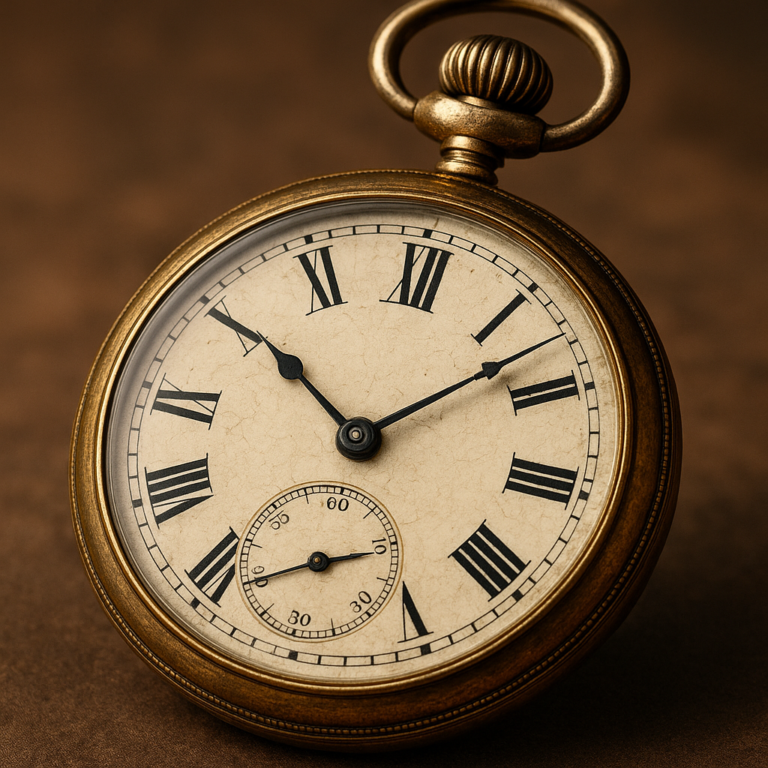
- 🎒 The Pocket Watch Era: How Time Became a Personal Accessory
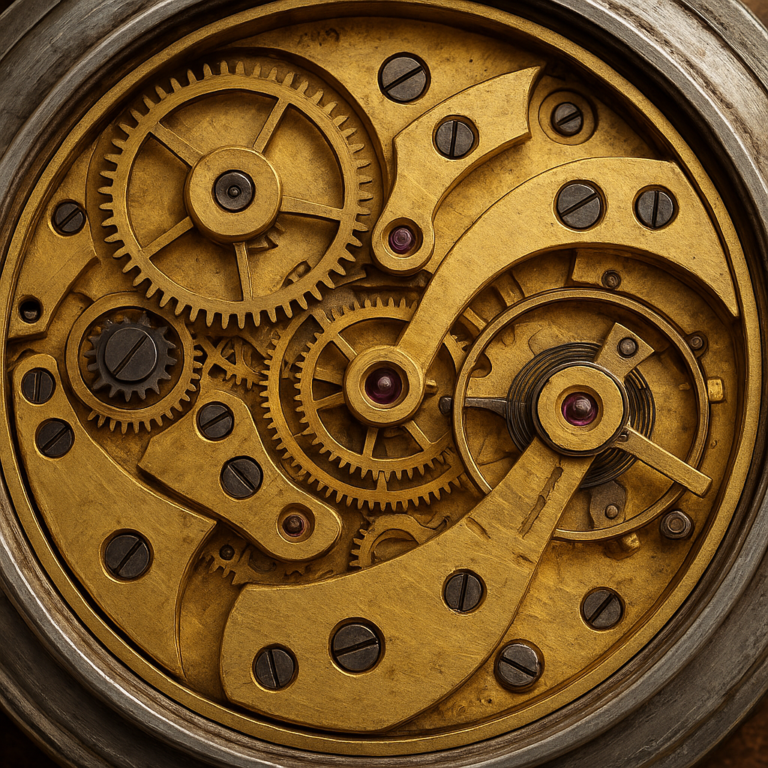
- ⚙️ The Mechanics of Mastery: Balance Springs, Escapements, and Chronometers
- 🏭 The Industrial Revolution: Mass Production and the Rise of Swiss Dominance
- ✈️ The Great Shift: How War and Aviation Birthed the Modern Wristwatch
- ⚡️ The Electric Spark: Early Attempts at Battery-Powered Timekeeping
- 🔮 The Quartz Crisis: How a Tiny Crystal Shook the World of Horology
- 📡 The Digital Age: Radio-Controled, Atomic, and Smartwatch Evolution
- 🏆 Iconic Milestones: 10 Watches That Changed History Forever
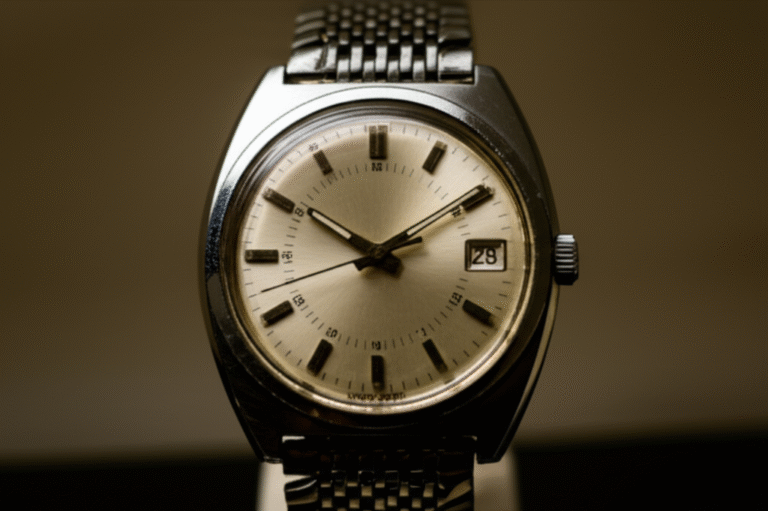
- 🔍 Collecting 101: How to Identify and Value Vintage Timepieces
- 🛠️ Maintenance Myths: What Your Grandfather’s Watch Really Needs Today
- 🌍 Future Horology: Where Does the History of Watches Go Next?
- 🏁 Conclusion
- 🔗 Recommended Links
- ❓ FAQ
- 📚 Reference Links
⚡️ Quick Tips and Facts
Before we dive into the gears, springs, and silicon chips that define our obsession with time, let’s hit the rewind button on some common misconceptions. We’ve spent decades in the workshop and at the auction block, and we’ve seen enough “vintage” fakes to know that history is often stranger than fiction.
- The “First” Watch Myth: While Peter Henlein is often credited with inventing the watch in the 16th century, recent scholarship suggests he was part of a broader German movement of clockmakers. He didn’t work in a vacuum; he was the most famous, but not necessarily the only one.
- Women Wore Them First: Contrary to the “men’s tool” narrative, the very first wristwatches (like the 1810 Breguet for the Queen of Naples) were designed as jewelry for women. Men only adopted them en masse when the trenches of WWI made pocket watches impractical.
- Accuracy Evolution: Early “clock-watches” could lose several hours a day. By the late 19th century, a good pocket watch was accurate to within seconds per day. Today, a standard quartz watch is accurate to seconds per month, and high-end atomic watches are accurate to seconds per year.
- The Quartz Shock: The Quartz Crisis of the 1970s didn’t just kill mechanical watches; it nearly wiped out the entire Swiss industry, with employment dropping by over 50% in a decade.
- Smartwatch Reality: While smartwatches dominate sales volume, the mechanical watch market has seen a resurgence as a luxury and hobbyist sector, proving that “timeless” craftsmanship still holds value in a digital age.
For a deeper dive into the origins of these timepieces, check out our comprehensive guide on the history of watches.
🕰️ The Dawn of Time: From Sundials to the First Portable Clocks
How did humanity go from casting shadows on a rock to measuring the split-second? It started with the sun.
The Ancient Foundations
Long before the first gear turned, the Egyptians were using sundials, and the Babylonians and Greeks were mastering the clepsydra (water clock). These were the great-grandfathers of modern timekeeping. As one historian noted, “They were the first steps toward understanding time.” These devices were crucial for agriculture, religious ceremonies, and governance, but they were stationary. You couldn’t carry a water clock in your pocket.
The Mechanical Revolution (14th Century)
The game changed in 14th-century Europe. The invention of the verge escapement allowed for the creation of mechanical clocks. These were massive, often installed in church towers, driven by heavy weights. They were loud, unwieldy, and definitely not portable.
Did you know? The first mechanical clocks didn’t even have faces or hands initially; they just rang a bell to mark the hours!
Enter the “Clock-Watch” (16th Century)
By the 150s, blacksmiths and locksmiths began miniaturizing these mechanisms. The result? The clock-watch.
- Form: Heavy, drum-shaped brass boxes, often called “Nuremberg Eggs” (though they weren’t actually eggs).
- Mechanism: Powered by a mainspring (a revolutionary invention that allowed for portability) and a verge and foliot escapement.
- Features: Usually just an hour hand. No minute hand! The accuracy was abysmal, often off by hours per day.
- Status: These were luxury items for the nobility, worn as pendants or carried in bags. They were more about status than precision.
Quote: “Peter Hele, still a young man, fashions works which even the most learned mathematicians admire. He shapes many-wheled clocks out of small bits of iron, which run and chime the hours without weights forty hours, whether carried at the breast or in a handbag.” — Johann Cochläus (151).
If you want to see how these early mechanisms evolved, check out this video on the history of watches which breaks down the transition from sundials to mechanical marvels.
🎒 The Pocket Watch Era: How Time Became a Personal Accessory
If the 16th century was about invention, the 17th and 18th centuries were about refinement. The pocket watch became the ultimate accessory for the gentleman.
The Fashion Shift
In 1675, King Charles II of England introduced the waistcoat. Suddenly, men needed a place to put their watches. No longer pendants, they were tucked into pockets. This shift also popularized the crown for winding, replacing the key that was previously required.
The Glass Revolution
Before the 160s, watch faces were often covered by hinged brass grillwork. By the 1610s, glass began to replace these covers, allowing for better visibility of the dial. This small change was huge for readability.
The Rise of the Minute Hand
With the invention of the balance spring in 1657 (a battle between Robert Hooke and Christiaan Huygens), accuracy improved dramatically. Error rates dropped from hours to minutes per day. This precision necessitated the addition of the minute hand to dials around 1680 in Britain and 170 in France.
The Golden Age of Craftsmanship
This era saw the rise of legendary names:
- Thomas Tompion: Known as the “Father of English Clockmaking,” he invented the cylinder escapement in 1695.
- George Graham: Refined the cylinder escapement and invented the deadbeat escapement.
- Abraham-Louis Breguet: A genius who invented the tourbillon in 1795 to counteract gravity’s effect on accuracy.
Pro Tip: If you own a vintage pocket watch, never try to open the case yourself unless you have the right tools. The hinges on these old cases are fragile, and the glass is often crystal, which shatters easily.
For those looking to start a collection, our Guide to Buying Watches is an essential read.
⚙️ The Mechanics of Mastery: Balance Springs, Escapements, and Chronometers
Why do some watches cost $50 and others $50,0? It all comes down to the escapement and the balance wheel.
The Balance Spring: The Heartbeat
The balance spring (or hairspring) is the most critical component for accuracy. It controls the oscillation of the balance wheel.
- Before 1657: Watches were erratic, losing hours a day.
- After 1657: Accuracy improved to minutes per day.
- Temperature Compensation: In 1765, Pierre Le Roy invented the bimetalic temperature-compensated balance wheel. This solved the issue of metal expanding and contracting with temperature changes, which previously caused watches to run fast or slow.
The Escapement: The Regulator
The escapement releases energy from the mainspring in controlled bursts.
- Verge Escapement: The original, but inaccurate.
- Cylinder Escapement: Invented by Tompion, smoother but less durable.
- Duplex Escapement: Invented by Jean Baptiste Dutertre in 1724, offering better accuracy but complex to make.
- Lever Escapement: Invented by Thomas Mudge in 1754 and perfected by Josiah Emery in 1785. By 190, this was the standard for almost every quality watch. It’s robust, accurate, and relatively easy to service.
The Chronometer: The Gold Standard
A chronometer isn’t just a fancy word; it’s a certification. To earn this title, a movement must pass rigorous tests by an official body (like the COSC in Switzerland).
- Temperature Tests: Must keep time in varying temperatures.
- Positional Tests: Must keep time in 5 different positions.
- Accuracy: Must stay within -4/+6 seconds per day.
Fun Fact: The Railroad Chronometer standards established by Web C. Ball in 1891 were so strict that they influenced the entire industry. A train conductor’s watch had to be accurate to within 30 seconds per week.
| Feature | Verge Escapement | Lever Escapement | Tourbillon |
|---|---|---|---|
| Inventor | Unknown (Ancient) | Thomas Mudge (1754) | Breguet (1795) |
| Accuracy | Poor (Hours/day) | Good (Seconds/day) | Excellent (Seconds/day) |
| Complexity | Low | Medium | Very High |
| Usage | 15th-17th Century | 19th Century-Present | Luxury/High-End |
🏭 The Industrial Revolution: Mass Production and the Rise of Swiss Dominance
For centuries, watches were made by hand, one at a time. Then came the Industrial Revolution, and everything changed.
The American Innovation
In the US, Aaron Lufkin Dennison started a factory in Massachusetts in 1851, using interchangeable parts. This was a game-changer. It meant that if a gear broke, you didn’t need a master watchmaker to hand-fit a new one; you could just pop in a standard part.
- Waltham Watch Company: Incorporated in 1861, Waltham became the largest watch manufacturer in the world by the late 19th century.
- Georges-Auguste Leschot: At Vacheron Constantin in 1830, he pioneered machine tools for watchmaking, bringing Swiss precision to the industrial age.
The Swiss Response
Initially, the Swiss were slow to adopt mass production, fearing it would ruin their reputation for quality. However, by the 1870s, they realized they had to adapt. They combined American efficiency with Swiss craftsmanship, creating a hybrid model that dominated the global market.
The “Dollar Watch”
In 1876, Georges Frederic Roskopf invented the pin pallet escapement for inexpensive “Dollar watches.” This allowed ordinary workers to own a reliable timepiece for the first time. It was the democratization of time.
Did you know? In 1876, at the first international watch precision contest in Philadelphia, the winning watches were randomly selected from mass production lines. This proved that mass-produced watches could be just as accurate as hand-made ones.
For more on affordable options that don’t compromise on quality, explore our Affordable Watches category.
✈️ The Great Shift: How War and Aviation Birthed the Modern Wristwatch
Why do wear watches on our wrists? It wasn’t a fashion choice; it was a military necessity.
The Early Adopters
- 1810: Abraham-Louis Breguet created the first wristwatch for Caroline Murat, Queen of Naples. It was a bracelet watch, viewed as jewelry.
- 1868: Patek Philippe made a bracelet watch for Countess Koscowicz of Hungary.
- 1890s: British Army officers began using “sapper watches” during colonial campaigns.
- 1904: Louis Cartier designed the Santos for aviator Alberto Santos-Dumont, who needed to check the time while flying without fumbling for a pocket watch.
World War I: The Turning Point
The trenches of WWI changed everything. Soldiers needed to synchronize attacks (the “creping barrage”) and check the time while holding a rifle. Pocket watches were dangerous and impractical.
- 1915: The British War Department began issuing trench watches (pocket movements in leather straps).
- 1917: Wristwatches became standard issue.
- 1930: The ratio of wristwatches to pocket watches was 50 to 1.
Quote: “The turning point came in 1916, when The New York Times published an article acknowledging the wristwatch’s emergence as a permanent fixture in modern life.” — The 1916 Company.
The Rise of the “Silly Ass Fad”
Before WWI, men wearing wristwatches were mocked. After the war, the “silly ass fad” became the standard. The Cartier Santos, Omega, and Rolex (founded by Hans Wilsdorf in 1905) led the charge. Wilsdorf even sent a waterproof watch to a diver in 1927 to prove its durability, cementing the Rolex Oyster as a legend.
For the ultimate guide to men’s timepieces, visit our Men’s Watches section.
⚡️ The Electric Spark: Early Attempts at Battery-Powered Timekeeping
Before quartz, there was electric. It was a bridge between the mechanical and the digital, but it was a bumpy ride.
The Tuning Fork Watch
In the 1950s, Bulova developed the Accutron, the first electric watch. Instead of a balance wheel, it used a tuning fork vibrating at 360 Hz.
- Pros: Extremely accurate (1 second per day) and smooth sweeping second hand.
- Cons: Expensive, required a battery, and the tuning fork was fragile.
The Solenoid Watches
Other companies tried using a solenoid to drive a traditional balance wheel. These were often less accurate and prone to failure.
Why They Failed
Electric watches were a stopgap. They offered better accuracy than mechanical but couldn’t match the reliability and low cost of the upcoming quartz revolution. By the late 1960s, they were largely obsolete.
Check Price on:
- Bulova Accutron: Amazon | Bulova Official
🔮 The Quartz Crisis: How a Tiny Crystal Shook the World of Horology
If you think the smartphone killed the camera, wait until you hear about the Quartz Crisis.
The Birth of Quartz
In 1959, Seiko (via Epson) began developing a quartz wristwatch. By 1964, they used a portable quartz watch for the Tokyo Olympics.
- 1969: The Seiko 35 SQ Astron launched on December 25. It was the world’s most accurate wristwatch, using a quartz crystal vibrating at 8,192 Hz.
- Accuracy: It was accurate to ±5 seconds per month, compared to ±10 seconds per day for the best mechanical watches.
The Crisis
The impact was devastating.
- Swiss Industry: Employment in the Swiss watch industry dropped by 50% in a decade.
- Brand Collapse: Hundreds of Swiss brands went bankrupt.
- The Shift: Mechanical watches were relegated to the realm of luxury and hobby, while quartz took over the mass market.
The Digital Boom
The 1970s also saw the rise of digital watches.
- 1970: Pulsar (owned by Hamilton) launched the first LED digital watch.
- 1974: Omega introduced the Marine Chronometer, a quartz watch accurate to 12 seconds per year.
The Rebirth
Ironically, the crisis saved the Swiss industry. By focusing on luxury, craftsmanship, and heritage, brands like Rolex, Patek Philippe, and Audemars Piguet survived. Today, mechanical watches are valued not for their accuracy, but for their artistry and emotion.
Did you know? In 2019, Citizen Watch achieved ±1 second per year accuracy using an AT-cut crystal oscillating at 8.4 MHz.
📡 The Digital Age: Radio-Controled, Atomic, and Smartwatch Evolution
We’ve come a long way from the sundial. Now, our watches talk to satellites and track our heartbeats.
Radio-Controled and Atomic Watches
- 190: Junghans released the MEGA 1, the first radio-controlled analog wristwatch. It receives signals from atomic clocks (like DCF7 in Germany or WWVB in the US) to sync time automatically.
- 2013: Bathys Hawaii introduced the Cesium 13 Atomic Watch, the first to contain an internal atomic clock. It uses a Chip Scale Atomic Clock (CSAC) and is accurate to one second in 1,0 years.
Constraint: It’s large, rectangular, and needs recharging every 30 hours.
The Smartwatch Revolution
- 1980s: Early prototypes like the Seiko Ruputer and IBM WatchPad tried to turn watches into computers.
- 204: Microsoft SPOT smartwatches used FM waves (subscription required).
- 2012: Peble raised $10.3 million on Kickstarter, proving there was a market for smartwatches.
- 2015: Apple Watch launched, changing the game forever. It combined fitness tracking, health monitoring (EKG, blood oxygen), and connectivity.
The Future
Today, smartwatches dominate sales, but mechanical watches remain a symbol of status and tradition. The two worlds are even merging, with brands like Tag Heuer and Montblanc creating hybrid watches that offer the best of both worlds.
👉 Shop Smartwatches on:
- Apple Watch: Amazon | Apple Official
- Garmin: Amazon | Garmin Official
🏆 Iconic Milestones: 10 Watches That Changed History Forever

We’ve talked about eras and technologies, but what are the specific timepieces that defined them? Here are the 10 watches that changed the game.
- Breguet No. 160 (The Marie Antoinette): Commissioned in 1783, completed in 1827. The ultimate grand complication of its time.
- Patek Philippe Henry Graves Supercomplication: Held the record for the most complicated watch for decades.
- Cartier Santos (1904): The first modern wristwatch for men, born from aviation.
- Rolex Oyster (1926): The first waterproof watch, proven by Mercedes Gleitze’s English Channel swim.
- Omega Speedmaster Professional (1957): The first watch on the moon. A legend of space exploration.
- Seiko 35 SQ Astron (1969): The first quartz wristwatch, sparking the Quartz Crisis.
- Pulsar P1 (1972): The first LED digital watch, the future of timekeeping.
- Swatch (1983): Saved the Swiss industry by making watches fun, colorful, and affordable.
- Apple Watch (2015): The device that turned the watch into a computer.
- Bathys Cesium 13 (2013): The first wristwatch with an internal atomic clock.
👉 Shop Iconic Watches:
- Rolex: Amazon | Rolex Official
- Omega: Amazon | Omega Official
- Seiko: Amazon | Seiko Official
🔍 Collecting 101: How to Identify and Value Vintage Timepieces
So, you found a “vintage” watch in your grandfather’s attic. Is it a treasure or a trinket? Here’s how to tell.
Step 1: Check the Hallmarks
Look for stamps on the case back.
- Swiss Made: Indicates quality.
- Gold Marks: 14k, 18k, 750, etc.
- Serial Numbers: Can help date the watch.
Step 2: Inspect the Movement
Open the case back (carefully!).
- Signs of Wear: Look for scratches, corrosion, or replaced parts.
- Originality: Did the dial or hands get replaced? Original parts add significant value.
Step 3: Research the Brand
Some brands hold value better than others.
- High Value: Patek Philippe, Audemars Piguet, Vacheron Constantin, Rolex.
- Mid Value: Omega, Breitling, IWC, Jaeger-LeCoultre.
- Entry Level: Seiko, Citizen, Tissot, Hamilton.
Step 4: Condition is King
A watch in mint condition can be worth 10x a similar model in poor condition.
- Polishing: Over-polishing can ruin the case shape and reduce value.
- Service History: A watch with a full service history is more desirable.
Pro Tip: Always get a professional appraisal before buying or selling. Our Guide to Buying Watches has more tips on spotting fakes.
🛠️ Maintenance Myths: What Your Grandfather’s Watch Really Needs Today
You’ve inherited a beautiful vintage piece. Do you need to service it every year? Or can you just let it sit?
Myth 1: “If it’s not running, it doesn’t need service.”
False. Lubricants dry out over time, even if the watch isn’t running. A watch that has sat for 20 years needs a full service before it’s wound again.
Myth 2: “I can clean it myself with a cloth.”
False. Dust and moisture can get inside the movement. Only a professional should open the case.
Myth 3: “Waterproof means water-resistant forever.”
False. Gaskets degrade over time. A watch that was waterproof in 1950 might not be today. Always check the water resistance rating and have gaskets replaced every 2-3 years.
Myth 4: “Quartz watches never need service.”
False. While they don’t need winding, the movement can corrode, and the battery can leak. Service every 5-7 years.
Service Recommendation:
- Mechanical: Every 5-7 years.
- Quartz: Every 5-7 years (battery change included).
- Smartwatch: Battery replacement every 2-3 years.
🌍 Future Horology: Where Does the History of Watches Go Next?

We’ve covered the past, but where are we going?
The Hybrid Future
The line between mechanical and digital is blurring. Brands like Withings and Garmin are creating watches that look traditional but offer smart features.
New Materials
- Carbon Fiber: Lightweight and durable.
- Ceramic: Scratch-resistant and hypoallergenic.
- Sapphire Crystal: Used for cases, not just crystals, for ultimate durability.
The Sustainability Movement
Watchmakers are increasingly focusing on sustainable materials and ethical sourcing. The future of luxury is not just about price, but about responsibility.
The End of Time?
With smartphones and smartwatches, do we still need watches?
- Yes. For the emotional connection, the craftsmanship, and the status.
- No. For pure timekeeping, the phone is more accurate.
The future of watches is not about replacing the phone, but about complementing it. The watch is becoming a statement piece, a piece of art, and a legacy to be passed down.
👉 Shop Future Trends:
- Hybrid Watches: Amazon | Withings Official
- Sustainable Watches: Etsy | Brand Official
🏁 Conclusion

From the sundials of ancient Egypt to the atomic clocks of the 21st century, the history of watches is a testament to humanity’s relentless pursuit of precision and connection. We started with shadows and water, moved to gears and springs, and now we have silicon and satellites.
But here’s the thing: despite all the technology, the mechanical watch still holds a special place in our hearts. It’s a reminder that time is not just a number; it’s a moment, a memory, a legacy.
Our Recommendation:
Whether you’re a collector, a casual wearer, or a tech enthusiast, there’s a watch for you.
- For the Purist: Go for a mechanical watch from Rolex, Omega, or Patek Philippe.
- For the Tech Lover: Choose a smartwatch from Apple or Garmin.
- For the Budget-Conscious: Look at Seiko, Citizen, or Hamilton.
Final Thought: The next time you glance at your wrist, remember the centuries of innovation that brought you that moment. Time is precious; make it count.
🔗 Recommended Links
Ready to find your perfect timepiece? Here are our top picks and resources.
Luxury Mechanical Watches:
- Rolex Submariner: Amazon | Rolex Official
- Omega Speedmaster: Amazon | Omega Official
- Patek Philippe Nautilus: Brand Official
Affordable & Entry-Level:
- Seiko 5: Amazon | Seiko Official
- Citizen Eco-Drive: Amazon | Citizen Official
- Hamilton Khaki Field: Amazon | Hamilton Official
Smartwatches:
- Apple Watch Series 9: Amazon | Apple Official
- Garmin Fenix 7: Amazon | Garmin Official
Books on Watch History:
❓ FAQ

What innovations have shaped the watch industry today?
The balance spring, lever escapement, quartz movement, and smart technology are the key innovations. Each revolutionized accuracy, accessibility, or functionality.
Read more about “⌚ How the Quartz Crisis Saved Swiss Watchmaking (2026)”
How do luxury watch brands maintain their quality over time?
By using high-quality materials, rigorous testing, and hand-finishing. They also maintain strict quality control and offer after-sales service.
Read more about “⏳ When Were Watches Invented? The Shocking Truth (2026)”
What role did watches play in historical events?
Watches were crucial in WWI for synchronization, in space exploration for timing, and in railroad safety for scheduling.
How did watch technology develop over the centuries?
From sundials to mechanical clocks, then to portable watches, wristwatches, quartz, and finally smartwatches.
Read more about “🏆 The Most Famous Watch in History: The Ultimate Verdict (2026)”
What are the most iconic watch brands in history?
Rolex, Patek Philippe, Omega, Cartier, Seiko, and Breguet.
Read more about “⏳ History of Watches: The Untold Story (2026)”
How did pocket watches evolve into modern wristwatches?
Driven by military necessity in WWI, where soldiers needed hands-free timekeeping.
Read more about “⏳ The History of Luxury Watches: From Queens to Space (2026)”
When were the first wristwatches invented?
The first known wristwatch was made by Abraham-Louis Breguet in 1810 for the Queen of Naples.
Read more about “What Is the History of the Wristwatch? ⌚️ 10 Milestones You Must Know (2026)”
What are some of the most iconic and influential watch brands in the world today?
Rolex, Patek Philippe, Audemars Piguet, Omega, Cartier, Seiko, and Apple.
Read more about “How the Quartz Crisis Shook Watchmaking Forever ⏳ (2026)”
How did the invention of quartz watches impact the traditional mechanical watch industry?
It caused the Quartz Crisis, leading to the collapse of many Swiss brands and a shift towards luxury and craftsmanship for mechanical watches.
What role did watches play in historical events and cultural movements?
They were essential in warfare, aviation, space exploration, and railroad safety.
Read more about “👑 12 Luxury Watch Brands with Vintage Collections You Must Know (2026)”
Who are some of the key figures that contributed to the development of modern watches?
Peter Henlein, Christiaan Huygens, Thomas Mudge, Abraham-Louis Breguet, Louis Cartier, Hans Wilsdorf, and Kikuo Ibe (Seiko).
Read more about “7 Watchmaking Pioneers Who Changed History Forever ⌚️”
How have watches evolved over time in terms of technology and design?
From heavy, inaccurate devices to lightweight, precise, and multi-functional tools.
What is the origin of the first watch in the world?
The first portable timepieces appeared in 16th-century Europe, with Peter Henlein often credited as the inventor.
Read more about “The Big 5 Watch Brands: Who Really Rules the Crown in 2026? 🏆”
When did people start using watches?
Portable watches became common in the 16th century, with wristwatches gaining popularity in the early 20th century.
Read more about “What is a Watch Luxury Brand? The 2026 Ultimate Guide 🕰️”
What is the most famous watch in the world?
The Rolex Submariner or the Omega Speedmaster (Moonwatch) are often cited as the most famous.
Read more about “🌍 The Ultimate List: All Watch Brands in the World (2026)”
What was the first watch in the world?
The first portable timepiece was the Nuremberg Egg (clock-watch) in the 16th century.
Read more about “⚙️ The Evolution of Automatic Self-Winding Watch Movements (2026)”
📚 Reference Links
- Wikipedia: History of watches
- The 1916 Company: The Invention of the Wristwatch: How It Changed Timekeeping
- Rolex: Official Website
- Omega: Official Website
- Seiko: Official Website
- Apple: Official Website
- Breguet: Official Website
- Patek Philippe: Official Website
- Cartier: Official Website
- Citizen: Official Website