Support our educational content for free when you purchase through links on our site. Learn more
🌍 All Watch Brands in the World: 200+ Names to Know

There’s no official master list of all watch brands in the world: new microbrands launch, historic names return, and some “watch brands” are actually fashion labels, manufacturers, or movement makers. This guide brings together more than 200 names, organized by country, specialty, and watch type, so you can find the brands that fit your interests—not just the famous ones.
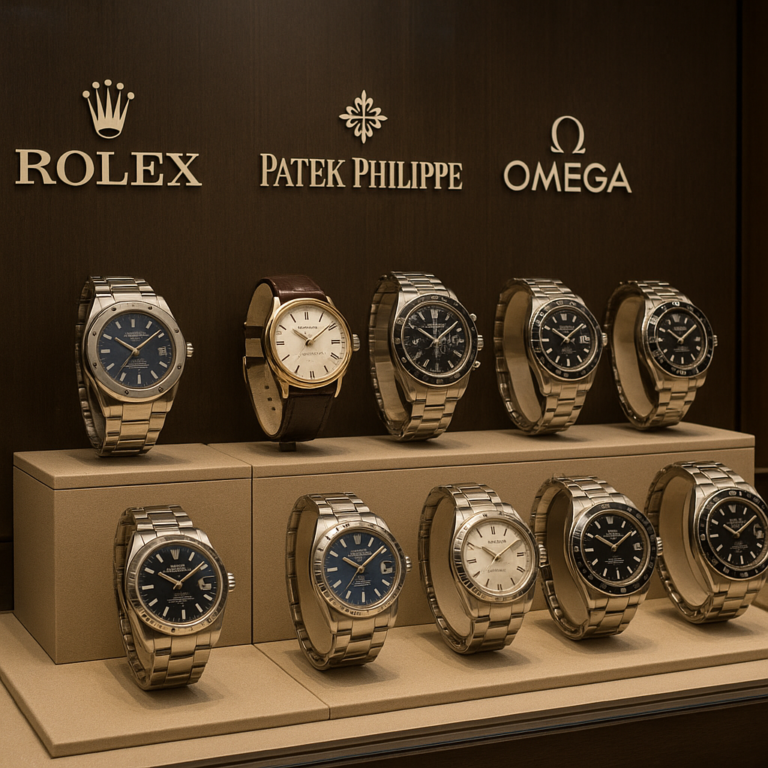
We’ve seen the same watch-shop moment countless times: you head in knowing you want “a good watch,” then discover a wall of Swiss icons, Japanese workhorses, German instrument watches, and digital wonders. The trick is to look beyond the logo and compare the specific watch’s movement, fit, warranty, and service options.
Key Takeaways
- There’s no definitive count of watch brands worldwide; directories vary in whether they include historic names, microbrands, licensed labels, and smartwatch makers.
- A brand’s home country doesn’t tell the whole manufacturing story. Check the individual model’s origin and specifications.
- Watch brands span many styles and purposes, from luxury mechanical watches by Rolex, Patek Philippe, and A. Lange & Söhne to practical picks from Seiko, Citizen, Casio, and Timex.
- Choose by your needs, not by reputation alone. Movement, comfort, durability, service access, and warranty all matter.
- Verify sellers and luxury watches before buying. A logo, box, or warranty card alone doesn’t prove authenticity.
Table of Contents
- ⚡️ Quick Tips and Facts: All Watch Brands in the World
- ⌚ What Counts as a Watch Brand?
- 📜 A Brief History of Watchmaking Around the World
- 🌍 Watch Brands by Country and Region
- 🇨🇭 Swiss Watch Brands
- 🇯🇵 Japanese Watch Brands
- 🇩🇪 German Watch Brands
- 🇺🇸 American Watch Brands
- 🇫🇷 French Watch Brands
- 🇬🇧 British Watch Brands
- 🌐 Watch Brands from Italy, Scandinavia, China, and Beyond
- 🏷️ Watch Brands by Type and Specialty
- Luxury and Haute Horlogerie Watchmakers
- Independent and Microbrand Watchmakers
- Fashion, Designer, and Jewelry Watch Brands
- Smartwatch and Connected Watch Brands
- Military, Aviation, and Tool-Watch Specialists
- 📚 The Global Watch Brand Directory: 200+ Names to Know
- Established Luxury and Heritage Brands
- Accessible, Everyday, and Value-Focused Brands
- Independent, Boutique, and Microbrands
- Smartwatch and Wearable Technology Makers
- ⚙️ How Watch Brands Differ: Movements, Materials, and Design
- Mechanical, Automatic, and Quartz Watchmakers
- In-House Movements and Third-Party Calibres
- Case Materials, Water Resistance, and Complications
- 🧭 How to Choose a Watch Brand That Fits You
- Match a Brand to Your Budget and Lifestyle
- Compare Brand Reputation, Warranty, and After-Sales Service
- Choose Between New, Pre-Owned, and Vintage Watches
- 🔎 How to Verify a Watch Brand and Find Its Official Website
- 🚫 Watch Brand Myths, Fakes, and Common Buying Mistakes
- 🔮 The Future of Watchmaking and Emerging Brands
- 🏁 Conclusion
- 🔗 Recommended Links
- ❓ FAQ: All Watch Brands in the World
- How many watch brands are there worldwide?
- Which country has the most famous watch brands?
- What are the best-known watch brands?
- Are all Swiss-made watches from Swiss brands?
- Which watch brands make their own movements?
- What are the best affordable and reliable watch brands?
- How can you tell if a watch brand is legitimate?
- 📖 Reference Links
⚡️ Quick Tips and Facts: All Watch Brands in the World
If you’ve ever searched for all watch brands in the world, you’ve probably discovered the catch: there’s no single, definitive roll call. New microbrands launch, historic names disappear or return, and some companies make watches while others license a fashion label or supply movements to other makers.
At Watch Brands™, we think the useful question isn’t just “How many are there?” It’s which brands make the kind of watch you’ll enjoy wearing, servicing, and keeping? 🔍
Quick fact: Watch-brand directories aren’t necessarily comprehensive. Wikipedia describes its list of watch manufacturers as potentially incomplete and notes that it overlaps with its watch-brand category.
| Quick fact | What it means for you |
|---|---|
| There’s no universally accepted total | “Every brand” depends on whether you include dormant companies, private labels, fashion licenses, microbrands, and smartwatch makers. |
| A brand’s country isn’t always its manufacturing location | Check the particular watch’s origin and specifications rather than relying on a flag or brand story. |
| Brand and manufacturer are different terms | A watch brand may design or market watches made partly or entirely by another company. |
| The movement matters, but it isn’t everything | Reliability, servicing, case construction, warranty, comfort, and design also count. |
| More famous doesn’t automatically mean better for you | A Seiko, Casio, Citizen, or Timex may suit everyday wear better than a prestigious but delicate dress watch. |
| Watch collecting is wonderfully varied | You can enjoy a mechanical luxury watch or an inexpensive quartz watch without needing to defend your choice. |
Our practical starting points:
- ✅ Decide what you need: dress watch, dive watch, everyday watch, smartwatch, or a little of everything.
- ✅ Compare official specifications, warranty terms, and service access.
- ✅ For a luxury purchase, review our guide to 12 Ways to Authenticate a Luxury Watch before buying.
- ❌ Don’t treat a long brand history, “Swiss-made” wording, or an influencer’s wrist shot as proof that a specific watch is right for you.
- ✅ Browse our guide to buying watches before narrowing down your shortlist.
One question will keep coming back as we tour the watchmaking map: does a name on the dial tell you who actually made the watch? The answer is more complicated—and more useful—than you might expect.
⌚ What Counts as a Watch Brand?
A watch brand is a name used to identify and sell watches. That sounds simple until you meet the industry’s many different business models.
Some companies design and manufacture movements, cases, and finished watches. Others specialize in design, assembly, or marketing; source components from suppliers; or license a fashion or jewelry name for watches made by a specialist partner. Each model can produce perfectly legitimate watches. The distinction matters when you’re judging craftsmanship, serviceability, provenance, and value.
| Term | What it usually means | Examples |
|---|---|---|
| Watch brand | A name associated with watches sold to consumers | Rolex, Seiko, Casio, Timex |
| Watch manufacturer | A company that makes watches or substantial components | Citizen, Swatch Group companies, Seiko |
| Watchmaker | A craftsperson or firm involved in making, assembling, or repairing watches | Independent watchmakers, watchmaking ateliers |
| Movement maker | A company that makes watch calibres for its own or other brands’ watches | ETA, Sellita, Miyota, Seiko Instruments |
| Parent group | A company that owns or manages brands | Swatch Group, Richemont, LVMH |
| Licensed label | A name used on watches under a licensing or brand partnership arrangement | Some fashion and designer watch lines |
Brand name versus manufacturing origin
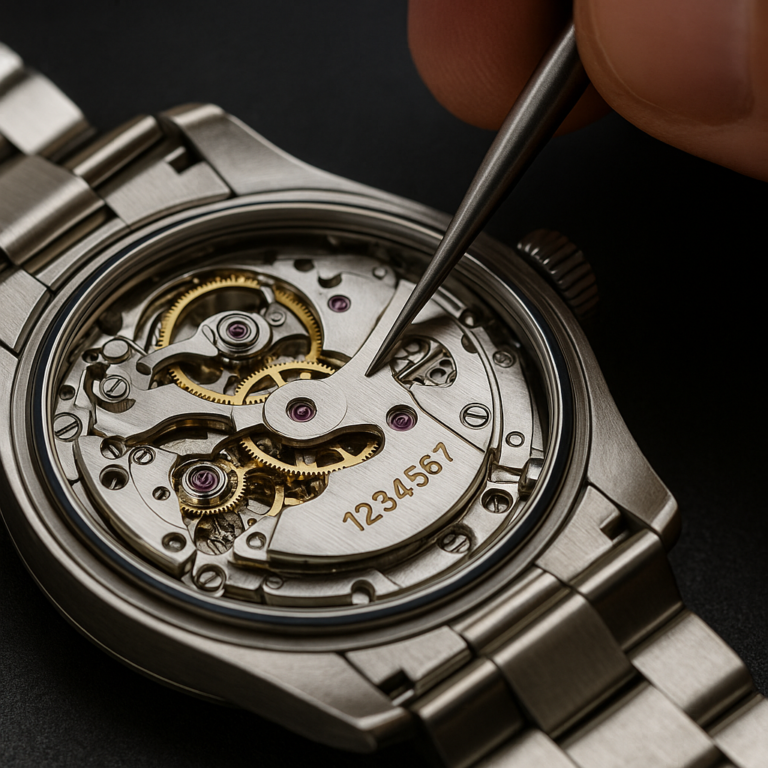
The logo on the dial is a starting clue, not a complete supply-chain report. A brand might design the watch, use a movement from an external supplier, and contract specialist factories for cases or assembly. Another brand may make many components itself but still rely on outside suppliers for particular parts.
That’s not automatically a drawback. A third-party movement can be robust, widely serviceable, and well proven. Conversely, “in-house” doesn’t mean a movement is automatically more accurate, cheaper to repair, or better suited to your needs.
When we compare watches, we look at the exact model’s published specifications and warranty—not just the brand’s reputation. The Federation of the Swiss Watch Industry, for instance, explains the legal criteria behind the “Swiss made” designation. It’s a useful reminder that country-of-origin claims have definitions, rather than being purely decorative language.
Active, historic, and revived watch brands
An “all brands” list can mix very different things:
- Active brands currently offer watches.
- Historic brands have ceased operations or no longer make watches.
- Revived brands have returned under new ownership, licensing, or a new production model.
- Private labels may be sold by retailers or specialist companies without broad recognition.
- Microbrands are often small, direct-to-consumer watch businesses with focused collections.
That’s why two directories can disagree without either one being wholly useless. One may include companies that supply movements; another may list only consumer-facing brands; a third may include defunct watchmakers. The key is to check what the name represents today.
📜 A Brief History of Watchmaking Around the World
Watchmaking developed across borders. European makers shaped many early traditions in mechanical horology, while American manufacturers helped establish large-scale production. Japanese brands later became major forces in quartz and mechanical watches, and today’s industry also includes Chinese manufacturers, smartwatch companies, independent ateliers, and online-first microbrands.
A timeline gives the broad picture, though no single country or company gets to claim the whole story.
| Period | Broad development | Why it matters |
|---|---|---|
| 16th–18th centuries | Portable timepieces develop from earlier clockmaking traditions | The roots of modern horology extend well before today’s famous brands. |
| 18th–19th centuries | European watchmakers refine precision, complications, and pocket watches | Many historic Swiss, French, and German names trace their origins to this period. |
| 19th century | Industrial manufacturing expands, especially in the United States and Europe | Standardized parts and factory production make watches more widely available. |
| Early–mid-20th century | Wristwatches become common; specialized watches serve military, aviation, diving, and sport | Tool-watch categories and enduring designs take shape. |
| Late 20th century | Quartz technology transforms watch production and consumer expectations | Japanese makers such as Seiko and Citizen become central to the quartz era. |
| 21st century | Mechanical luxury, accessible quartz, microbrands, and smartwatches coexist | There are more ways than ever to choose what “a watch” means to you. |
A note on history claims
Brand histories are part of their identity, but they can also be simplified in marketing. Claims such as “oldest,” “first,” and “invented” can depend on how a product or milestone is defined. We recommend checking a brand’s official history alongside independent sources and looking for the exact claim being made.
The National Association of Watch and Clock Collectors offers educational resources on horology and the history of timekeeping. For a more specific starting point, the British Museum collection and the Smithsonian’s National Museum of American History hold historical timepieces that place brand stories in a wider context.
Why the “first” question gets tricky
Watchmaking innovations often emerged through a chain of inventors, workshops, patents, and later refinements. A company may be credited with popularizing a feature, making it commercially successful, or introducing a particular version—not necessarily creating every form of it from scratch.
So when a watch brand says it was first, ask: first at what, in which year, and according to which source? That small habit makes watch research much more rewarding.
🌍 Watch Brands by Country and Region
Country labels can help you discover a watchmaking tradition, but they don’t tell the entire manufacturing story. Brand headquarters, design studios, movement suppliers, component makers, and final assembly may be located in different places.
Here’s a useful regional map—not a claim that every brand listed makes every component in its home country.
| Region | Well-known brands | Common associations |
|---|---|---|
| Switzerland | Rolex, Omega, Tissot, Longines, TAG Heuer, Patek Philippe | Mechanical watchmaking, luxury, precision, and a broad range of price tiers |
| Japan | Seiko, Grand Seiko, Citizen, Casio, Orient | Quartz innovation, dependable everyday watches, and strong mechanical offerings |
| Germany | A. Lange & Söhne, Glashütte Original, NOMOS Glashütte, Sinn, Junghans | Distinctive engineering, clean design, and regional watchmaking traditions |
| United States | Timex, Hamilton’s American heritage, Shinola, Weiss Watch Company | Industrial history, military associations, and contemporary American identity |
| France | Cartier, Breguet’s French origins, Lip, Yema, Bell & Ross | Jewelry design, historic horology, and modern sport or aviation styles |
| United Kingdom | Bremont, Christopher Ward, Farer, Roger W. Smith | Heritage-led design and a growing contemporary watch scene |
| Other regions | Baltic, Venezianico, CIGA Design, Sea-Gull, Titan, Norqain | A diverse mix of independent, regional, and large-scale makers |
🇨🇭 Swiss Watch Brands
Switzerland hosts a wide range of watch companies, from prestige maisons to accessible everyday brands. Well-known names include Rolex, Omega, Patek Philippe, Audemars Piguet, Longines, Tissot, TAG Heuer, Swatch, Oris, Rado, Mido, Certina, and Victorinox.
Swiss branding is not a substitute for checking the specifications of an individual watch. The Federation of the Swiss Watch Industry outlines the rules for the Swiss-made label, while the Swiss Federal Institute of Intellectual Property provides background on Swissness and origin claims.
A helpful distinction: Swiss watches span very different movements, finishing levels, purposes, and service needs. A practical Tissot or Swatch and a highly finished Patek Philippe are not interchangeable just because they share a country association.
🇯🇵 Japanese Watch Brands
Japan is home to household names and specialist watchmakers alike. Seiko, Grand Seiko, Citizen, Casio, Orient, Orient Star, and Minase cover a remarkable spread—from digital and solar-powered watches to high-end mechanical pieces.
Japanese makers are particularly strong in:
- Quartz and solar timekeeping
- Practical, robust everyday watches
- Digital watches and multifunction designs
- Mechanical watches at multiple levels
- Consistent manufacturing and broad service networks
Seiko and Citizen publish brand and collection information on their official sites. For a practical shortlist, explore our affordable watches category.
🇩🇪 German Watch Brands
German watchmaking is often associated with precise engineering and a distinct visual language. Brands include A. Lange & Söhne, Glashütte Original, NOMOS Glashütte, Sinn, Junghans, Laco, Mühle Glashütte, Damasko, Hanhart, and Tutima.
Glashütte, in Saxony, is one of Germany’s best-known watchmaking centres. When researching a German watch, look beyond the location on the dial and compare:
- Movement origin and construction
- Case materials and finishing
- Water-resistance rating
- Service arrangements
- Whether the watch is made for dress, aviation, diving, or everyday use
The official pages of NOMOS Glashütte and Sinn Spezialuhren illustrate how varied German design can be: one can be spare and architectural, the other technical and instrument-like.
🇺🇸 American Watch Brands
American watchmaking has a deep industrial past, alongside a present-day mix of heritage brands and newer companies. Names to know include Timex, Hamilton, Bulova, Shinola, Weiss Watch Company, RGM, and Brew.
Brand history and present-day production shouldn’t be confused. A company may have American roots but manufacture some or all watches elsewhere today. Check the specific model’s origin statements, rather than assuming the location in a brand name tells you where a watch was made.
The American Watchmakers-Clockmakers Institute is a useful source for information about professional watchmaking and repair. For everyday models, Timex and Casio also make popular choices in our men’s watches selection.
🇫🇷 French Watch Brands
French watchmaking brings together historic names, luxury houses, jewelry design, and contemporary sport watches. Brands include Cartier, Breguet, Lip, Yema, Bell & Ross, Serica, and Trilobe.
French identity can refer to a brand’s origin, design, headquarters, or production—not necessarily all four. That makes checking each collection’s specifications worthwhile. Cartier’s official site, for example, showcases the company’s watch collections and its distinctive blend of watchmaking and jewelry design.
🇬🇧 British Watch Brands
British watch brands combine heritage, modern design, and independent craft. Bremont, Christopher Ward, Farer, Garrick, Schofield, and Roger W. Smith are among the names watch enthusiasts may encounter.
Production models vary. Some brands make watches in the UK, some assemble or finish particular components there, and others are British-founded or designed with manufacturing partners abroad. If origin is important to you, look for model-specific manufacturing information, not just a flag in an advertisement.
🌐 Watch Brands from Italy, Scandinavia, China, and Beyond
The global watch scene extends far beyond the best-known Swiss, Japanese, German, American, French, and British names.
- Italy: Panerai, Venezianico, Locman, Unimatic
- Scandinavia: Skagen, Triwa, Sjöö Sandström, Bravur
- China: Sea-Gull, Beijing Watch Factory, Shanghai Watch, CIGA Design
- India: Titan, HMT, Bangalore Watch Company
- Russia and the former Soviet watch tradition: Vostok, Raketa, Poljot
- Australia: Bausele, Melbourne Watch Company
- Canada: Marathon, Solios
These labels cover very different businesses, from established manufacturers to independent or design-led brands. For watches from smaller companies, review warranty coverage, movement sourcing, return terms, and repair arrangements before committing.
🏷️ Watch Brands by Type and Specialty
A country is one way to organize watchmakers. A watch’s purpose and business model are often more helpful. A collector looking for intricate finishing and someone who needs a rugged digital watch for a trail run are solving different problems—and they should not have to shop from the same shortlist.
| Type | Examples | Usually worth comparing |
|---|---|---|
| Luxury and haute horlogerie | Patek Philippe, Vacheron Constantin, A. Lange & Söhne | Finishing, complications, provenance, servicing |
| Independent and microbrand | F.P. Journe, MB&F, Christopher Ward, Baltic | Design originality, production scale, support |
| Fashion and jewelry | Cartier, Chanel, Hermès, Michael Kors | Design, materials, movement, warranty |
| Smartwatch and connected | Apple, Garmin, Samsung, Google | Compatibility, battery life, health and fitness features |
| Military, aviation, and tool watches | Hamilton, Sinn, Marathon, Luminox, CWC | Legibility, durability, water resistance, usability |
Luxury and Haute Horlogerie Watchmakers
Luxury watch brands range from globally recognized manufacturers to small ateliers producing complicated watches in limited quantities. Names often associated with haute horlogerie include Patek Philippe, Vacheron Constantin, Audemars Piguet, A. Lange & Söhne, Jaeger-LeCoultre, Breguet, F.P. Journe, and Greubel Forsey.
What you may be paying for includes:
- Fine movement finishing and decoration
- Complex mechanical functions
- Hand assembly or adjustment
- Specialized materials and casework
- Design heritage and limited production
- Brand reputation and after-sales infrastructure
But those qualities don’t guarantee a purchase will suit your daily life. Some complicated watches need more careful handling or specialist servicing than a straightforward three-hand model. Browse Watch Brands™’ luxury watch brands and compare the exact watch’s service guidance before making a decision.
Collector perspective: The appeal may be movement architecture, hand-finishing, history, or rarity.
Everyday-wear perspective: Comfort, legibility, water resistance, and repair access may matter more than the number of complications.
The featured video’s luxury-focused perspective, anchored at #featured-video, highlights prestigious names including Jaeger-LeCoultre, Rolex, Jacob & Co., Blancpain, Vacheron Constantin, Breguet, A. Lange & Söhne, Patek Philippe, Audemars Piguet, and Richard Mille. It frames such watches as craftsmanship, status, and sometimes collectible objects. That perspective is useful for understanding haute horlogerie, but it represents an exclusive slice of a much wider industry—not a universal ranking of the “best” watches.
Independent and Microbrand Watchmakers
An independent brand is generally not part of a large corporate group, while a microbrand often produces smaller collections and sells directly to customers. The labels overlap, and there isn’t one universal definition.
Examples include F.P. Journe, MB&F, H. Moser & Cie., Laurent Ferrier, Ressence, Ming, Baltic, Farer, Zelos, Formex, and Christopher Ward.
Why enthusiasts seek them out:
- More distinctive designs and focused collections
- Personal communication with a smaller company
- Fresh interpretations of familiar watch styles
- Limited production runs or unusual collaborations
What to examine carefully:
- How long the company has operated
- The movement supplier and repair pathway
- Whether parts and service are available in your region
- Warranty exclusions and shipping arrangements
- Return policy and customer-support responsiveness
Smaller does not mean inferior, and big does not mean boring. It simply changes the questions you should ask. A microbrand may offer a thoughtful design and strong specifications, while a larger brand may provide a wider service network and easier access to parts.
Fashion, Designer, and Jewelry Watch Brands
Fashion and jewelry houses—including Cartier, Chanel, Hermès, Gucci, Michael Kors, Emporio Armani, Fossil, and Tissot’s fashion-oriented competitors—can produce attractive watches with a range of movement types and construction choices.
The category is not a quality verdict. A fashion label’s watch may be exactly right if you value the design and the model’s specifications meet your needs. The smart move is to compare:
- The movement type and manufacturer, where disclosed
- Case and bracelet materials
- Crystal type
- Water-resistance rating
- Warranty and local service availability
- Whether the watch can be repaired economically
If style is your first priority, our fashion trends in watches category may help you explore shapes, colours, and current design directions. If long-term mechanical serviceability is your priority, compare the same details with traditional watchmakers as well.
Smartwatch and Connected Watch Brands
Smartwatches bring notifications, fitness tracking, GPS, payments, and health-related features to the wrist. Major names include Apple, Garmin, Samsung, Google, Fitbit, Huawei, and Xiaomi.
A smartwatch is not simply a watch with more buttons. It is a connected device, so the phone ecosystem and support period matter.
| Consideration | Questions to ask |
|---|---|
| Compatibility | Does it pair fully with your phone? |
| Battery | How often will you need to charge it? |
| Health and fitness features | Which functions are available in your country and model? |
| Software support | How long does the manufacturer provide updates? |
| Comfort | Is it comfortable for sleep or exercise tracking? |
| Longevity | Will the watch remain useful if the battery or software ages? |
For official feature and compatibility details, start with the makers’ sites: Apple Watch, Garmin, and Samsung Galaxy Watch. Health features may be useful, but they should not be treated as a substitute for professional medical advice.
Military, Aviation, and Tool-Watch Specialists
Tool watches prioritize practical use: legibility, toughness, water resistance, timing functions, or easy operation with gloves. Brands associated with these categories include Sinn, Marathon, Hamilton, Luminox, CWC, Bell & Ross, Breitling, and Seiko.
A rugged-looking case doesn’t prove a watch is suitable for a specific activity. Check the actual rating and manufacturer guidance. For diving, for example, a water-resistance number alone doesn’t establish that a watch is appropriate for scuba use. Consult the watchmaker and relevant standards, and use purpose-built equipment when safety depends on it.
Our wrist-level test: Can you read it quickly? Does the strap stay comfortable? Are the controls easy to use? Is the watch still practical once it’s wet, cold, or dusty? A tool watch that answers “yes” to those questions earns its keep.
📚 The Global Watch Brand Directory: 200+ Names to Know
Below is a broad directory of established, historic, independent, fashion, and technology-associated names. It is not a guarantee that every name is currently active or still sells watches. Ownership, licensing, production, and availability can change, so check the official site or a trusted retailer for current collections.
We’ve organized the names by general category to make browsing less like hunting through a filing cabinet. Some brands could reasonably fit more than one group.
Established Luxury and Heritage Brands
| Brand | Common association |
|---|---|
| A. Lange & Söhne | German haute horlogerie |
| A. Favre & Fils | Swiss luxury watchmaking |
| Arnold & Son | Complicated mechanical watches |
| Audemars Piguet | Swiss luxury, including the Royal Oak |
| Baume & Mercier | Swiss heritage and dress watches |
| Blancpain | Swiss mechanical watchmaking and dive-watch history |
| Breguet | Historic horology and complications |
| Breitling | Aviation and chronographs |
| Bulgari | Italian design and Swiss watchmaking |
| Cartier | Jewelry design and iconic watches |
| Chopard | Swiss luxury and jewelry |
| Czapek & Cie | Independent Swiss watchmaking |
| F.P. Journe | Independent haute horlogerie |
| Franck Muller | Complicated and expressive designs |
| Girard-Peregaux | Swiss heritage and mechanical watches |
| Glashütte Original | German manufacture |
| Grand Seiko | Japanese precision and finishing |
| Greubel Forsey | High-end independent complications |
| H. Moser & Cie. | Independent Swiss mechanical watches |
| Hermès | French luxury and design |
| IWC Schaffhausen | Swiss aviation and instrument-inspired watches |
| Jaeger-LeCoultre | Swiss movements and complications |
| Jaquet Droz | Historic mechanical and decorative watches |
| Laurent Ferrier | Independent Swiss watchmaking |
| Longines | Swiss heritage and sports timing |
| Omega | Swiss sports, space, and dive-watch associations |
| Oris | Independent Swiss mechanical watches |
| Panerai | Italian design and Swiss manufacture |
| Parmigiani Fleurier | Swiss luxury manufacture |
| Patek Philippe | Swiss haute horlogerie |
| Piaget | Luxury watchmaking and jewelry |
| Rolex | Swiss sports and classic watches |
| TAG Heuer | Sport timing and chronographs |
| Tudor | Swiss sports watches |
| Vacheron Constantin | Historic Swiss haute horlogerie |
| Zenith | Swiss manufacture and chronographs |
| Jaquet Droz | Decorative and complicated watches |
| Richard Mille | Avant-garde materials and design |
| Jacob & Co. | Expressive luxury and complicated designs |
| Romain Gauthier | Independent Swiss watchmaking |
| Speake-Marin | Independent luxury watchmaking |
| Ressence | Contemporary independent design |
| MB&F | Experimental horological creations |
Accessible, Everyday, and Value-Focused Brands
| Brand | Common association |
|---|---|
| Accurist | British watch brand |
| Alba | Accessible watches from Seiko’s wider ecosystem |
| Armitron | Digital and everyday watches |
| Casio | Digital, analog, and G-Shock watches |
| Citizen | Quartz, Eco-Drive, and mechanical watches |
| Orient | Japanese mechanical watches |
| Seiko | Broad watch range and in-house movement expertise |
| Timex | Everyday watches and heritage designs |
| Tissot | Swiss watches across many styles |
| Swatch | Colourful Swiss quartz and automatic watches |
| Bulova | American heritage and modern designs |
| Certina | Swiss sports and everyday watches |
| Festina | Accessible sport and dress watches |
| Hamilton | American heritage and Swiss production |
| Laco | German pilot-style watches |
| Mido | Swiss mechanical watches |
| Mondaine | Swiss rail-inspired design |
| Pulsar | Accessible quartz watches |
| Rado | Materials-led design |
| Rotary | British-founded watch brand |
| Victorinox | Swiss watches and tool-oriented design |
| Wenger | Swiss everyday and outdoor watches |
| Timex Group | Parent company associated with several watch lines |
| Q&Q | Accessible watches from the Citizen group |
| Lorus | Accessible watches from Seiko’s wider portfolio |
| G-Shock | Casio’s rugged watch family |
| Orient Star | Higher-end Orient collection |
| Skagen | Danish-inspired design |
| Nixon | Lifestyle and sport watches |
| Roamer | Swiss watch brand |
| Zodiac | Swiss heritage and sport watches |
| Yema | French watch brand |
| Vostok | Russian mechanical and tool-style watches |
| Sea-Gull | Chinese movement maker and watch brand |
| Titan | Indian watchmaker |
| Fastrack | Indian youth-oriented watch brand |
Independent, Boutique, and Microbrands
| Brand | Common association |
|---|---|
| Baltic | Vintage-inspired independent designs |
| Brew | Design-led chronographs |
| Christopher Ward | British-founded direct-to-consumer watches |
| Farer | Colourful British design |
| Formex | Swiss sport and tool watches |
| Ming | Independent contemporary design |
| Nomos Glashütte | German minimalism and manufacture movements |
| Sinn | German instrument-style watches |
| Stowa | German heritage designs |
| Damasko | Technical German watches |
| Mühle Glashütte | German tool and marine watches |
| Hanhart | German chronograph heritage |
| Junghans | German design and timekeeping |
| Bremont | British-founded aviation and field watches |
| Garrick | British watchmaking |
| Roger W. Smith | Independent English watchmaking |
| Unimatic | Italian minimal sport watches |
| Venezianico | Italian design-led watches |
| Serica | French independent sport watches |
| Traska | Modern everyday tool watches |
| Zelos | Design-led independent watches |
| Lorier | Vintage-inspired independent watches |
| Nodus | Independent sport watches |
| Doxa | Swiss diving-watch heritage |
| Squale | Swiss dive-watch specialist |
| Aquastar | Swiss dive-watch heritage |
| Anordain | Scottish independent watchmaking |
| H. Moser & Cie. | Independent Swiss manufacture |
| Ressence | Modern mechanical displays |
| CIGA Design | Chinese design-led watches |
| Melbourne Watch Company | Australian-founded brand |
| Bausele | Australian design identity |
| Marathon | North American military and tool watches |
| Weiss Watch Company | American independent watchmaking |
| RGM | American mechanical watchmaking |
Smartwatch and Wearable Technology Makers
| Brand | Common association |
|---|---|
| Apple | Apple Watch ecosystem |
| Garmin | GPS, sports, and outdoor wearables |
| Samsung | Galaxy Watch smartwatches |
| Pixel Watch and Fitbit technology | |
| Fitbit | Fitness trackers and smartwatches |
| Huawei | Connected watches and fitness wearables |
| Xiaomi | Smart bands and connected watches |
| Polar | Sports and training wearables |
| Sunto | Outdoor and sports watches |
| Amazfit | Connected watches and fitness wearables |
| OnePlus | Smartwatches and connected devices |
| Withings | Health-focused connected watches |
| Coros | Sports and endurance watches |
More Names Found in Watch Directories
The following names also appear in historical, manufacturer, or broad watch-brand lists. Some are parent companies, movement makers, defunct manufacturers, retailers, licensed labels, or technology firms rather than active, standalone watch brands.
A–C: 88 Rue du Rhone, A.L.B, Adidas, ADINA Watches, Adriatica, Anonimo, Ansonia, Apple, Aquastar, Aragon, Armand Nicolet, Ateliers deMonaco, Backes & Strauss, Ball Watch Company, Balmain, Bausele, Bedat & Co, Beijing Watch Factory, Bell & Ross, Benrus, Bianchet, Binda Group, Blancpain, Bovet Fleurier, Breil, Buccellati, Calvin Klein, Candino, Carl F. Bucherer, Catorex, Century, Certina, Chanel, Chaumet, Chopard, Chronoswiss, Citizen, Concord, Corum, Cyma, CWC.
D–F: D. Dornblüth & Sohn, D1 Milano, Damasko, Dan Henry, Daniel Wellington, Dent, Diesel, Dior, DKNY, Doxa, Dubey & Schaldenbrand, Roger Dubuis, Ebel, Eberhard & Co., Edox, Epos, Eterna, Louis Erard, ETA, Fendi, Ferragamo, Fila, Fortis, Frédérique Constant, Fossil, Folli Follie, Fitbit, French Connection.
G–L: Gallet, Garmin, George Daniels, Glashütte Original, Glycine, Graff, Grand Seiko, Gucci, Guess, Halda, Hamilton, Hanhart, Hanowa, Harry Winston, Hermès, HMT, Hublot, IWC, Ikepod, Ingersoll, Invicta, Itay Noy, Jacob & Co., Georg Jensen, Jowissa, Junghans, Junkers, Jorg Gray, Kienzle, Lacoste, Laco, Lang & Heyne, Laurent Ferrier, Lip, Locman, Longines, Lorus, Luminox.
M–R: Maurice Lacroix, MB&F, MeisterSinger, Mido, Ming, Molnija, Mondaine, Montblanc, Mühle Glashütte, Movado, Nautica, Newgate, Nixon, Nivada Grenchen, NOMOS Glashütte, O. B. A. G., Ochs und Junior, Olevs, Omega, Oris, Panerai, Parmigiani Fleurier, Patek Philippe, Pequignet, Piaget, Poljot, PRIM, Rado, Raketa, Raymond Weil, Revue Thommen, Richard Mille, Rotary, Rolex.
S–Z: Sea-Gull, Seiko, Sekonda, Shinola, Sinn, Skagen, Slava, Slow, Speake-Marin, Squale, Stowa, Swatch, TAG Heuer, Timex, Tissot, Titan, Titoni, Tudor, Tutima, Ulyse Nardin, Universal Genève, Vacheron Constantin, Venezianico, Victorinox, Vostok, Waltham, Wenger, Westclox, Wittnauer, Yema, Zenith, Zeno-Watch Basel, Zodiac.
For another broad directory, consult Wikipedia’s list of watch manufacturers—with the same caveat Wikipedia itself makes: it is dynamic and non-exhaustive. That’s a useful index, not a final census.
⚙️ How Watch Brands Differ: Movements, Materials, and Design
A brand’s identity becomes clearer when you look inside the watch and at the parts you actually touch. Two watches can share a similar silhouette but differ greatly in movement, crystal, case material, servicing, and day-to-day practicality.
Mechanical, Automatic, and Quartz Watchmakers
| Movement type | How it works | Advantages | Trade-offs |
|---|---|---|---|
| Manual mechanical | Wound by hand; mainspring stores energy | Engaging ritual, traditional mechanics | Needs regular winding; mechanical servicing required |
| Automatic mechanical | Rotor winds the mainspring as the watch moves | No daily hand-winding when worn regularly | Can stop when unworn; mechanical service required |
| Quartz | Battery powers an electronic oscillator and motor | Accurate, convenient, often low maintenance | Battery replacement; fewer mechanical interactions |
| Solar quartz | Light charges a rechargeable energy cell | Less frequent battery-related service | Still has an aging cell and electronic components |
| Smartwatch | Electronic device with software, sensors, and a rechargeable battery | Connected features, fitness tools, notifications | Frequent charging, software and device compatibility |
A quartz watch is not a “lesser” watch. For many people it’s a better everyday choice: accurate, simple to use, and easy to grab on the way out. Mechanical watches offer another pleasure—the slow, satisfying business of tiny gears doing their thing.
For movement basics, the Horological Society of New York and National Association of Watch and Clock Collectors offer educational material about horology and timekeeping.
In-House Movements and Third-Party Calibres
“In-house movement” usually means the brand makes or develops a movement within its own organization or a closely connected production network. The exact meaning varies, so read the brand’s explanation carefully.
Potential benefits of an in-house calibre:
- A movement tailored to the watch’s design
- More control over development and finishing
- A closer connection to the brand’s technical identity
Potential drawbacks:
- Repairs may require brand-authorized service
- Replacement parts might be less widely available
- Servicing may be more specialized
Potential benefits of a third-party calibre:
- Familiarity among independent watchmakers
- Established designs with a service history
- Easier access to technical information or parts in some cases
Potential drawbacks:
- Less unique to the brand
- Specifications and finishing can vary by watch
- “Common” doesn’t necessarily mean “basic”—many respected watches use supplier-made movements
Our advice: Don’t buy a movement label. Buy the complete watch, including its accuracy specification, service plan, warranty, and the way it feels on your wrist.
Case Materials, Water Resistance, and Complications
Case materials affect weight, appearance, comfort, and durability:
- Stainless steel: Versatile and commonly used
- Titanium: Usually lighter than steel, with a different surface feel
- Ceramic: Scratch-resistant but can be vulnerable to hard impacts
- Gold and platinum: Precious metals with distinctive weight and appearance
- Bronze: Develops a changing surface patina
- Carbon composites: Lightweight options used in some sport and luxury watches
The crystal matters too. Sapphire crystal is highly scratch-resistant, while mineral glass and acrylic have different trade-offs in toughness, cost, and ease of polishing or replacement.
Water resistance: Treat the rating as a manufacturer specification, not an invitation to test a watch in the pool. Gaskets age, crowns may be left unsecured, and impact can affect water resistance. Follow the maker’s instructions and have the watch tested if it is expected to get wet regularly.
Complications are functions beyond basic time display, such as:
- Date or day-date
- Chronograph
- GMT or second time zone
- Moon phase
- Power-reserve indicator
- Perpetual calendar
- Minute repeater
More functions can make a watch more interesting—and more complex to use or service. We once watched a friend set a mechanical calendar by enthusiastically turning every crown and pusher he could find. The watch survived. The conversation about reading the manual lasted longer than the setting process.
🧭 How to Choose a Watch Brand That Fits You
Choosing a brand gets easier when you start with your actual life instead of a list of status names. Do you need a watch for swimming, office wear, travel, training, or a black-tie event? Perhaps you just want something that makes you smile when you glance at it. All are valid.
Match a Brand to Your Budget and Lifestyle
Use this step-by-step shortlist to avoid buying a watch for an imaginary version of your life:
- Name the main job. Daily wear? Diving? Hiking? Formal occasions? Fitness tracking?
- Choose a movement. Mechanical for traditional watchmaking, quartz for easy accuracy, smartwatch for connected features.
- Set a firm spending ceiling. Include tax, shipping, servicing, straps, and insurance where relevant.
- Check fit. Consider case diameter, lug-to-lug length, thickness, bracelet adjustment, and wrist comfort.
- Compare the model, not just the brand. Two watches from one maker can have very different construction and specifications.
- Check service and warranty. Confirm where you can get support, how the warranty works, and what it excludes.
- Try it on if possible. A watch that looks great online may wear too large, too heavy, or too shiny in person.
- Sleep on it. If the choice still makes sense after the excitement fades, you’re probably closer to a good decision.
| If you want… | Brands worth exploring |
|---|---|
| Simple, dependable daily wear | Citizen, Seiko, Casio, Timex, Orient |
| Mechanical starter watches | Seiko, Orient, Tissot, Hamilton, Certina |
| Sports and dive-inspired styles | Seiko, Citizen, Tissot, Doxa, Oris |
| Dress-watch design | Tissot, Longines, Junghans, Cartier, Nomos Glashütte |
| Smart features and exercise tracking | Apple, Garmin, Samsung, Google, Polar |
| High-end mechanical craft | Patek Philippe, Vacheron Constantin, A. Lange & Söhne, Jaeger-LeCoultre |
| Distinctive small-brand design | Baltic, Farer, Ming, Christopher Ward, Unimatic |
Compare Brand Reputation, Warranty, and After-Sales Service
A good brand should make it reasonably clear how to get help. Before buying, check:
- Written warranty terms: What’s covered, for how long, and where?
- Service location: Is there an authorized centre nearby?
- Repair pathway: Can the watch be serviced by independent watchmakers?
- Replacement parts: Are straps, bracelets, links, and crowns available?
- Support responsiveness: Does customer service answer practical questions?
- Documentation: Are the model specifications and instructions easy to find?
Warranty length alone doesn’t tell the whole story. Read the exclusions and understand whether you need authorized service to retain coverage.
For a pre-owned luxury watch, authentication is only one part of due diligence. Check the seller, watch condition, serial and reference information, service history, and return protection. Our luxury-watch authentication guide walks through the key checks.
Choose Between New, Pre-Owned, and Vintage Watches
| Buying route | Benefits | Risks and checks |
|---|---|---|
| New from an authorized seller | Clear provenance, current warranty, straightforward returns | Confirm seller authorization and the exact warranty terms |
| Pre-owned | Wider selection and access to discontinued models | Verify authenticity, condition, service history, and seller protections |
| Vintage | Historic design and character | Parts, originality, water resistance, and service can be complicated |
For a first luxury purchase: buying from an authorized retailer is often the simplest route.
For a discontinued reference: a reputable pre-owned specialist may offer better access, but check its return window and authentication process.
For vintage: budget attention, not just money. A beautiful old watch may need a service, a replacement crystal, or a careful decision about whether to keep its original parts.
🔎 How to Verify a Watch Brand and Find Its Official Website
Brand names, websites, and social accounts can be copied. A polished storefront doesn’t prove it belongs to the company. Use this process before buying:
- Search for the official site independently. Don’t rely only on a seller’s link or an advertisement.
- Check the domain and contact information. Look for consistent company details and functioning customer support.
- Find the specific model on the official site. Compare its reference number, dial, case, movement, and specifications.
- Confirm authorized-retailer status. Use the brand’s own store locator or contact the brand directly.
- Compare warranty terms. A seller’s promise may not equal the manufacturer’s warranty.
- Look for sensible documentation. Manuals, serial guidance, return terms, and service details should be clear.
- For a luxury watch, inspect more than the logo. Case finishing, movement, bracelet, documents, and seller history all matter.
✅ Helpful: Rolex’s official site, Omega’s official site, and Seiko’s official site provide model and brand information.
❌ Not enough on its own: a warranty card photo, a box, a seller’s “100% authentic” claim, or a serial number without proper verification.
For a detailed checklist, follow Watch Brands™’ 12 Ways to Authenticate a Luxury Watch. The best time to check authenticity is before you pay—not while the courier is already ringing the bell.
🚫 Watch Brand Myths, Fakes, and Common Buying Mistakes
Watch lore is part of the fun, but a few myths can lead you into an expensive detour.
| Myth | Better way to think about it |
|---|---|
| “Swiss-made” means every part was made in Switzerland | Origin claims have specific rules; check the model and the applicable criteria. |
| In-house always means better | It describes a production relationship, not a universal quality ranking. |
| A high water-resistance figure makes any watch a dive watch | Follow the maker’s instructions and verify the watch’s intended use. |
| More complications equal a better watch | Complications add functions, but also complexity and servicing needs. |
| Famous brands always keep their value | Resale varies by model, condition, demand, completeness, and market conditions. |
| A costly watch is automatically accurate | Accuracy depends on its movement, regulation, condition, and use. |
| A fashion-brand watch is automatically poor quality | Judge the specific watch’s construction, movement, service, and value. |
| A watch with papers and a box must be genuine | Accessories can be copied or mismatched; inspect the watch and seller too. |
Mistakes worth avoiding
- Buying purely because a watch is trending
- Confusing brand prestige with everyday suitability
- Ignoring lug-to-lug length and case thickness
- Assuming a watch will fit without trying it on
- Forgeting service costs and warranty exclusions
- Treating water resistance as permanent
- Buying from an unclear seller because the deal feels urgent
- Relying on a single online review as proof of quality
- Overlooking import, return, and shipping rules
Reading reviews with a cool head
Consumer reviews can help reveal recurring issues—such as bracelet comfort, customer-service delays, or poor app connectivity—but they are not laboratory tests. A useful review gives context: the exact model, length of ownership, use, and what happened when something went wrong.
We also recommend comparing several sources. A watch enthusiast may focus on movement finishing; a commuter may care most about legibility and convenience; a smartwatch user may judge the same product by battery life and phone compatibility. Different priorities can produce different, honest verdicts.
🔮 The Future of Watchmaking and Emerging Brands

Watchmaking is not heading in a single direction. Mechanical watches remain compelling to enthusiasts, quartz continues to deliver convenience and precision, and smartwatches add functions that traditional watches were never designed to provide.
The next wave of brand discovery is likely to come from:
- Independent makers with small, focused collections
- Digital-first brands selling directly to customers
- Regional watchmakers reaching international audiences
- Hybrid watches combining classic looks with connected features
- Materials and manufacturing research that change how cases and movements are made
- Greater scrutiny of supply chains, repair, and long-term serviceability
For enthusiasts, the most exciting part may be the variety. A watch can be a carefully finished mechanical object, a tough solar-powered companion, a fashion accessory, or a tiny computer. There isn’t one correct answer—and a collection can make room for several.
When you see a new name, look beyond a dramatic launch campaign. Ask the same sensible questions you’d ask of a century-old manufacturer: Who makes it? Who services it? What happens if you need parts? The brands that answer those questions clearly are the ones worth watching.