Support our educational content for free when you purchase through links on our site. Learn more
18 Luxury Watch Brands That Changed Horology ⌚

Breguet, Patek Philippe, Rolex, Omega, Cartier, Seiko, and other influential maisons helped shape wristwatch history through landmark inventions, practical tool watches, and designs that still set the pace. So, which luxury watch brands have been instrumental in shaping the history of wristwatches and pushing the boundaries of horology? The answer spans Swiss maisons, French design houses, and Japanese innovators—and it isn’t a contest that mechanical watches win by default.
Consider Seiko’s 1969 Astron: the world’s first commercially available quartz wristwatch. It challenged the industry’s assumptions about accuracy and changed what millions of people expected from a watch. Seiko’s history
We’ll trace the brands and breakthroughs that mattered, from Cartier’s Santos and Rolex’s Oyster case to Omega’s spacefaring Speedmaster and Audemars Piguet’s Royal Oak. The best pick depends on what you value most: engineering, design, durability, complications, or a watch you’ll love wearing every day.
Key Takeaways
- Breguet, Patek Philippe, Rolex, Omega, and Cartier helped establish foundational mechanical, technical, and design traditions.
- Seiko and Citizen prove that quartz and light-powered technologies belong in horological history, too.
- Blancpain, IWC, Breitling, Longines, and TAG Heuer advanced purpose-built dive, pilot, and sports watches.
- Audemars Piguet’s Royal Oak and Patek Philippe’s Nautilus helped make the luxury steel sports watch a lasting category.
- Choose by contribution and fit: a brand’s history is fascinating, but movement, comfort, legibility, maintenance, and service support matter when you wear the watch.
Table of Contents
- ⚡️ Quick Tips and Facts
- ⌚ How Luxury Watch Brands Shaped Wristwatch History and Horology
- From Pocket Watches to the First Wristwatches
- The Milestones That Changed Watchmaking
- 🏆 18 Luxury Watch Brands That Changed the History of Horology
- 1. Breguet: Early Wristwatches and Revolutionary Complications
- 2. Patek Philippe: Perpetual Calendars and Haute Horlogerie
- 3. Rolex: The Oyster Case, Precision, and Tool Watches
- 4. Omega: Precision Timing, Spaceflight, and the Co-Axial Escapement
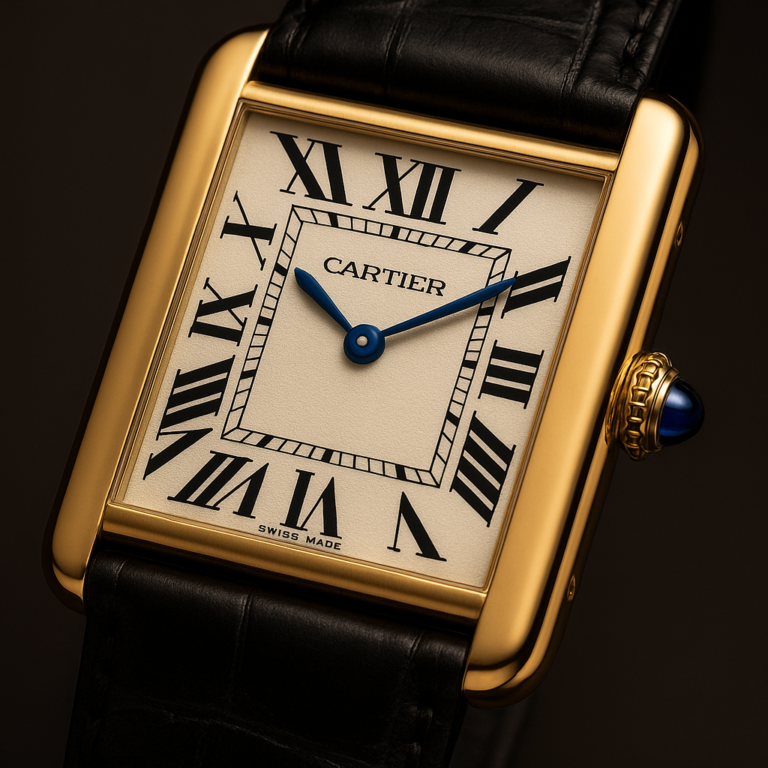
- 5. Cartier: The Santos, the Tank, and Modern Watch Design
- 6. Longines: Aviation, Sports Timing, and Chronograph Innovation
- 7. Jaeger-LeCoultre: Movements, Reverso, and Technical Ingenuity
- 8. Audemars Piguet: The Royal Oak and the Luxury Sports Watch
- 9. Vacheron Constantin: Continuous Craft and Complicated Watches
- 10. IWC Schaffhausen: Pilot Watches and Enginered Calibres
- 11. Zenith: The El Primero and High-Frequency Chronographs
- 12. Seiko: Mechanical Innovation and the Quartz Revolution
- 13. Citizen: Eco-Drive and Practical Watchmaking Technology
- 14. Breitling: Chronographs and the Rise of the Pilot’s Watch
- 15. TAG Heuer: Sports Timing and Carrera Design
- 16. Blancpain: Dive Watches and the Fifty Fathoms
- 17. A. Lange & Söhne: German Precision and Contemporary Revival
- 18. Richard Mille: Advanced Materials and Modern Complications
- 🔧 The Innovations That Pushed Watchmaking Forward
- Water-Resistant Cases and the Modern Dive Watch
- Automatic Movements, Chronographs, and Precision Timing
- Quartz, Solar, and the Changing Meaning of Luxury
- Tourbillons, Perpetual Calendars, and Other Complications
- New Materials: Ceramic, Silicon, Titanium, and Carbon
- 🧭 How to Compare Influential Luxury Watch Brands
- Movement Heritage and In-House Calibres
- Design, Craftsmanship, and Signature Collections
- Innovation, Reliability, and Service Support
- 💡 Choosing a Historically Significant Watch for Your Collection
- Best Brands for First-Time Luxury Watch Buyers
- Best Brands for Complications and Hand Finishing
- Best Brands for Dive, Pilot, and Sports Watches
- Questions to Ask Before You Buy Pre-Owned
- 🔮 What’s Next for Luxury Watchmaking?
- Conclusion
- Recommended Links
- FAQ
- Reference Links
⚡️ Quick Tips and Facts
The short answer: Breguet, Patek Philippe, Rolex, Omega, Cartier, Jaeger-LeCoultre, Seiko, and several other maisons changed what a wristwatch could do, look like, or represent. No single brand owns horological history; the story is a relay race, and the baton has changed hands many times.
For a broader timeline, start with our guide to the history of the wristwatch. Then explore our Luxury Watch Brands coverage and Guide to Buying Watches before choosing a piece.
| Quick fact | Why it matters |
|---|---|
| Breguet’s 1810 commission for Caroline Murat is widely recognized as one of the earliest documented wristwatches. | It shows wrist-worn timekeeping existed before the modern mass-market wristwatch. Breguet’s history |
| Cartier’s Santos-Dumont, developed in 1904 for aviator Alberto Santos-Dumont, helped make the wristwatch practical and fashionable for men. | A design solution for reading time in flight became a lasting style icon. Cartier’s Santos history |
| Rolex introduced the Oyster case in 1926. | Its dust- and water-resistant design helped establish the modern robust wristwatch. Rolex Oyster history |
| Seiko launched the Astron in 1969, the world’s first quartz wristwatch. | Quartz technology dramatically changed accuracy, production, and the global watch market. Seiko’s history |
| Blancpain’s Fifty Fathoms, introduced in 1953, helped define the modern dive watch. | Its rotating bezel, luminous display, and water-resistant construction addressed divers’ real needs. Blancpain Fifty Fathoms |
| The Royal Oak (1972) and Nautilus (1976) helped make luxury steel sports watches a serious horological category. | Gérald Genta’s bold integrated-bracelet designs challenged the idea that prestige required precious metal. Audemars Piguet Royal Oak · Patek Philippe Nautilus |
Our quick take: Choose Breguet for foundational invention, Patek Philippe for complicated watchmaking, Rolex for durable everyday utility, Omega for precision and exploration, Cartier for design history, and Seiko for technology that reshaped the industry. The interesting twist? Some of the most influential “luxury” innovations were built to solve ordinary problems, not to impress a display case.
⌚ How Luxury Watch Brands Shaped Wristwatch History and Horology
The history of wristwatches is not a neat march from “old” to “better.” It is a collection of practical fixes, daring designs, scientific advances, and occasional near-disasters. The same industry that celebrates hand-finished tourbillons also learned to mass-produce accurate quartz watches and build cases for pilots, divers, and explorers.
Our watch-enthusiast view at Watch Brands™: a brand’s historical importance is strongest when its innovations outlive the marketing campaign. A famous name matters, but a lasting technical or design influence matters more.
From Pocket Watches to the First Wristwatches
Early portable watches were pocket-sized, relatively delicate, and often inaccurate by modern standards. Improvements to mainsprings, escapements, and balance springs gradually made portable timekeeping more practical. By the 19th century, wrist-worn watches existed, but they were commonly treated as jewelry or specialized instruments rather than universal daily wear.
Breguet’s records include an 1810 commission for a wristwatch for Caroline Murat, Queen of Naples. Later, Cartier’s 1904 Santos-Dumont design brought a distinctly modern use case: an aviator could read the time without fishing a pocket watch out of his clothing. The practical idea was simple. The cultural shift was enormous. Breguet’s history and Cartier’s Santos collection document those milestones.
A useful caution: “the first wristwatch” depends on what the source means by first—a recorded commission, a commercially available model, a men’s wristwatch, or a mass-produced design. That is why brand histories and museum accounts may phrase the claim differently.
The Milestones That Changed Watchmaking
| Period | Milestone | Brands and figures associated | Lasting influence |
|---|---|---|---|
| 18th century | Tourbillon patented by Abraham-Louis Breguet in 1801, following earlier development | Breguet | A celebrated response to positional errors in portable clocks; today it is also a demonstration of mechanical craft. Breguet |
| 1904 | Santos-Dumont wristwatch designed for aviation use | Cartier | Helped establish the wristwatch as a practical men’s accessory. Cartier |
| 1926 | Oyster case introduced | Rolex | Advanced the public’s expectations for a sealed, durable wristwatch. Rolex |
| 1931 | Perpetual rotor automatic movement introduced by Rolex | Rolex | Helped popularize self-winding wristwatches. Rolex |
| 1953 | Fifty Fathoms introduced | Blancpain | Helped establish design conventions for purpose-built dive watches. Blancpain |
| 1969 | First quartz wristwatch introduced commercially | Seiko | Made high accuracy available in compact, reliable wristwatches. Seiko |
| 1969 | El Primero automatic chronograph unveiled | Zenith | Set a benchmark for high-frequency automatic chronograph design. Zenith |
| 1972 | Royal Oak launched | Audemars Piguet | Helped legitimize the luxury steel sports watch. Audemars Piguet |
| 1980s onward | Silicon and advanced materials enter mechanical watchmaking | Multiple manufactures | Improved resistance to magnetism and wear in selected components. Patek Philippe Advanced Research |
Dates can vary slightly depending on whether a source refers to a prototype, patent, announcement, or retail launch. That is not a scandal; watch history, like watchmaking, rewards careful adjustment.
🏆 18 Luxury Watch Brands That Changed the History of Horology

The list below is not a strict ranking. We weigh technical invention, design influence, cultural reach, and the extent to which other makers followed the brand’s lead. Several firms outside the traditional Swiss luxury circle, notably Seiko and Citizen, belong in this conversation because their innovations changed the industry rather than simply adding another complication.
| Brand | Landmark contribution | Why collectors still care |
|---|---|---|
| Breguet | Early wristwatch commission; tourbillon | Foundational inventions and recognizable craft |
| Patek Philippe | Complications and enduring design | Benchmark haute horlogerie |
| Rolex | Oyster case and automatic wristwatch popularization | Robust, recognizable everyday watches |
| Omega | Precision timing and exploration | Strong link between engineering and public achievement |
| Cartier | Santos and Tank design | Wristwatch as functional object and design icon |
| Longines | Aviation instruments and sports timing | Precision applied beyond the wrist |
| Jaeger-LeCoultre | Reverso and movement manufacture | Technical breadth and inventive case design |
| Audemars Piguet | Royal Oak | Luxury steel sports-watch landmark |
| Vacheron Constantin | Continuous tradition and high complications | Long-running Geneva watchmaking heritage |
| IWC Schaffhausen | Pilot watches and engineering-led design | Legible, purpose-driven instruments |
| Zenith | El Primero chronograph | High-frequency mechanical timing |
| Seiko | Quartz revolution and broad technical range | High accuracy and accessible innovation |
| Citizen | Eco-Drive light-powered watches | Reduced reliance on battery replacement |
| Breitling | Chronographs and aviation instruments | Strong pilot-watch identity |
| TAG Heuer | Sports timing and Carrera | Racing-focused design and chronographs |
| Blancpain | Fifty Fathoms dive-watch legacy | Purpose-built underwater design |
| A. Lange & Söhne | German precision and modern revival | Distinctive movement architecture and finishing |
| Richard Mille | Advanced materials and contemporary mechanics | Experimental construction and striking design |
1. Breguet: Early Wristwatches and Revolutionary Complications
Abraham-Louis Breguet’s influence runs far beyond the wrist. The company associates him with the tourbillon, Breguet hands, the Breguet overcoil, and a broad catalogue of precision-minded inventions. His 1810 commission for a wristwatch for Caroline Murat is a landmark in the transition from pocket timepieces to wrist-worn watches. Breguet’s official history
The modern Classique collection keeps the design language visible through guilloché dials, coin-edge casebands, and open-tipped hands. These details are not just costume jewelry for the movement: they connect contemporary production to a recognizable historical vocabulary.
Why Breguet matters: It helped turn watchmaking into a discipline where mechanical ingenuity and visual elegance could reinforce one another.
The caveat: A tourbillon is fascinating, but it is not automatically more accurate in everyday wear than a well-made conventional movement. Buy it for its engineering and craft, not because the word sounds like a superpower.
2. Patek Philippe: Perpetual Calendars and Haute Horlogerie
Founded in Geneva in 1839, Patek Philippe built its reputation on precision, complications, and long-term stewardship. Its collections span slim dress watches, perpetual calendars, chronographs, minute repeaters, and the steel-bracelet Nautilus, designed by Gérald Genta and introduced in 1976. Patek Philippe history · Nautilus collection
The brand’s Calibre 89, created for its 150th anniversary, contained 33 complications, not 39. This is a useful example of why specific records deserve checking: articles sometimes repeat different complication counts, often because counting conventions or later supercomplicated watches get mixed together. Patek’s own historical materials are the better source for its model facts.
Why Patek Philippe matters: The company demonstrates how traditional finishing, technical complexity, and a coherent design identity can coexist over generations.
The trade-off: Its restrained models can look almost plain beside more theatrical haute horlogerie. That understatement is part of the appeal for some collectors—and a reason others prefer a louder wrist presence.
Shop Patek Philippe Official Website
3. Rolex: The Oyster Case, Precision, and Tool Watches
Rolex’s 1926 Oyster case helped popularize the idea that a wristwatch could be protected from dust and water through a sealed case construction. The brand later strengthened its reputation with the Perpetual rotor system, the Submariner, the Explorer, and the GMT-Master. Rolex Oyster history · Rolex Perpetual movement
The 1927 swim across the English Channel by Mercedes Gleitze, wearing an Oyster, became a famous publicity moment. The demonstration mattered because it made durability visible to consumers—not just a claim buried in a brochure.
Why Rolex matters: Rolex helped establish the modern expectation that a luxury watch could be precise, robust, and suitable for daily wear.
The trade-off: Rolex’s reach and recognizable styling are strengths, but they also make its watches frequent targets for counterfeiting and resale speculation. Buy from an authorized dealer or a reputable specialist, verify documentation, and have a pre-owned watch independently authenticated.
4. Omega: Precision Timing, Spaceflight, and the Co-Axial Escapement
Omega’s history includes competition chronometers, sports timing, the Speedmaster, the Seamaster, and the Co-Axial escapement developed by George Daniels and adopted by Omega in modern production. NASA flight-tested several watches before selecting the Speedmaster for crewed space missions; NASA’s records detail that testing and the watch’s role in the Apollo program. NASA’s Speedmaster account · Omega history
The Speedmaster’s lunar association can make it seem like a watch designed only for astronauts. In practice, it is also a manually wound chronograph with a versatile, readable layout. The Seamaster line adds the brand’s dive-watch and water-resistance story.
Why Omega matters: It connects chronometer testing and movement development to public milestones in sport and space exploration.
The trade-off: Some modern Omega models are substantial on the wrist. Try the case size and thickness in person if you prefer a discreet watch.
5. Cartier: The Santos, the Tank, and Modern Watch Design
Cartier helped change the wristwatch from an ornament into a designed object with an unmistakable silhouette. The Santos traces to the 1904 watch made for aviator Alberto Santos-Dumont. The Tank, introduced in 1917, translated the visual geometry of military vehicles into a refined rectangular wristwatch. Cartier Santos · Cartier Tank
The first YouTube video linked in this article makes a useful point: the success of the Santos helped popularize wristwatches among men. We agree with the broad argument, while adding a little nuance. The change was gradual and involved military use, fashion, manufacturing, and consumer habits—not one heroic watch alone. Watch the featured video.
Why Cartier matters: It proved that watchmaking history is also design history. Shape, proportion, and wearability can be as influential as the movement beneath the dial.
The trade-off: Cartier’s design-led models may prioritize a slim profile and visual character over the sports-watch specifications some buyers expect.
6. Longines: Aviation, Sports Timing, and Chronograph Innovation
Longines has a long record in sports timing and aviation, with historical links to pioneers including Charles Lindbergh. Its Lindbergh Hour Angle watch grew from aviation navigation needs, while collections such as Spirit, Legend Diver, and Master Collection carry forward different branches of its heritage. Longines history · Longines Spirit
Its contribution is broader than any single iconic model: Longines helped make accurate timing useful in competition and flight, and developed instruments that addressed real technical demands.
Why Longines matters: It is a strong example of a brand whose historical influence reaches beyond luxury styling into precision timing and navigation.
The trade-off: Longines’ wide range means a buyer should compare individual movements and specifications rather than assume every model has the same level of technical ambition.
Shop Longines Official Website
7. Jaeger-LeCoultre: Movements, Reverso, and Technical Ingenuity
Jaeger-LeCoultre has long combined watchmaking manufacture with a willingness to experiment. The Reverso, introduced in 1931, was designed with a swiveling case that could protect its dial during polo. Its reversible construction became an enduring design signature rather than a one-purpose novelty. Jaeger-LeCoultre Reverso history
The manufacture has also produced a remarkable range of movements and complications, earning its reputation as a “watchmaker’s watchmaker.” That phrase is affectionate shorthand, not a formal technical designation—but it reflects the brand’s role as a movement supplier and innovator.
Why Jaeger-LeCoultre matters: The Reverso shows how a functional case solution can become a design classic; the brand’s movement work shows influence behind the scenes as well as on the dial.
The trade-off: The rectangular Reverso wears differently from a round watch. Its elegant proportions appeal to many wrists, but trying one on is especially worthwhile.
Shop Jaeger-LeCoultre Official Website
8. Audemars Piguet: The Royal Oak and the Luxury Sports Watch
The Royal Oak, introduced in 1972 and designed by Gérald Genta, was a sharp departure from conventional precious-metal dress watches. Its octagonal bezel, exposed screws, integrated bracelet, and steel construction helped make the luxury sports watch a serious prestige category. Audemars Piguet Royal Oak
The Royal Oak Offshore and Code 11.59 extend the brand’s design and complication work, while the Royal Oak remains the clearest symbol of its influence.
Audemars Piguet’s history is also shaped by people beyond the famous designer. The company’s family leadership, technical teams, and contemporary executives have influenced how the manufacture develops complications, materials, and new collections. Revolution’s profile of influential women in watchmaking highlights leaders including Jasmine Audemars, Ilaria Resta, and technical director Anne-Gaëlle Quinet, illustrating that a maison’s progress is not the work of one celebrated name alone. Revolution’s industry profile
Why AP matters: It changed the visual grammar of luxury watches: steel could be prestigious, sporty could be sophisticated, and the bracelet could be as important as the dial.
The trade-off: Its bold design and high visibility are not for every taste. We recommend trying the bracelet and case profile rather than choosing from photographs alone.
Shop Audemars Piguet Official Website
9. Vacheron Constantin: Continuous Craft and Complicated Watches
Founded in Geneva in 175, Vacheron Constantin is widely recognized as the oldest watch manufacturer with continuous operation. Its history includes complex pocket watches, decorative crafts, and modern collections such as Patrimony, Traditionelle, and Overseas. Vacheron Constantin heritage
The Overseas brings the manufacture’s finishing into a sporty format, while the Patrimony leans toward classic, thin dress-watch design. That range matters: heritage is not simply a museum label when a company can translate it into different contemporary forms.
Why Vacheron Constantin matters: Its long continuity offers a rare view of how fine watchmaking adapts across changing technologies, styles, and markets.
The trade-off: Its name is less universally recognized than Rolex or Cartier outside collector circles. For enthusiasts who value subtlety and finishing, that can be a feature rather than a flaw.
Shop Vacheron Constantin Official Website
10. IWC Schaffhausen: Pilot Watches and Enginered Calibres
IWC’s identity is closely linked to pilot watches, clear displays, and engineering-led construction. The Big Pilot’s Watch and Pilot’s Watch Mark XX draw on aviation instrument design, while the Portugieser is known for its open, legible dial layout. IWC pilot watches · IWC company history
Why IWC matters: It helped establish the pilot’s watch as a distinct tool-watch genre, where readability and robust construction are central rather than decorative afterthoughts.
The trade-off: Some models have large cases designed for instrument-like visibility. Check lug-to-lug length and wrist fit, not just the diameter printed on a spec sheet.
11. Zenith: The El Primero and High-Frequency Chronographs
Zenith unveiled the El Primero in 1969, an automatic chronograph movement operating at 36,000 vibrations per hour. Its high frequency supports measurement to one-tenth of a second, a technical achievement that became a defining part of the brand’s identity. Zenith history
The movement’s survival story is almost as compelling as its launch. During the quartz-era downturn, Zenith employee Charles Vermot reportedly preserved tools and plans that later allowed El Primero production to resume. Brand history tells the tale; collectors value it because it links preservation of craft to a practical manufacturing decision.
Why Zenith matters: El Primero helped keep high-frequency mechanical chronographs relevant through a period when quartz seemed poised to make them obsolete.
The trade-off: A high-frequency chronograph is mechanically impressive, but it can require careful servicing. Factor in maintenance and use an experienced watchmaker.
12. Seiko: Mechanical Innovation and the Quartz Revolution
Seiko is essential to any honest history of modern watchmaking. In 1969, it introduced the Astron, the first quartz wristwatch sold commercially. Quartz technology offered a major leap in everyday accuracy and changed what consumers expected from a watch. Seiko’s corporate history
That shift became known as the Quartz Crisis in Switzerland, though “quartz revolution” is often a fairer description from a global perspective. The first YouTube video linked in this article notes that quartz watches were far more accurate and affordable than many mechanical alternatives, putting tremendous pressure on Swiss makers. We agree, with one caveat: the change was not simply “quartz versus tradition.” It also involved manufacturing scale, labor, global competition, and how buyers valued convenience. Watch the featured video.
Seiko also continues to make mechanical watches, from Presage to Prospex and Grand Seiko, whose Spring Drive combines a mechanical power source with an electronic regulator. Grand Seiko Spring Drive
Why Seiko matters: It challenged the assumption that mechanical watchmaking was the only path to serious precision, then continued refining both mechanical and hybrid technologies.
The trade-off: Seiko’s broad catalogue ranges from accessible daily watches to high-end watchmaking. Compare the specific line and movement rather than treating the brand as one uniform tier.
13. Citizen: Eco-Drive and Practical Watchmaking Technology
Citizen helped push practical watch technology forward with Eco-Drive, a light-powered system that converts light into energy and stores it for later use. The technology reduces the need for routine battery replacement, making it particularly appealing for a dependable everyday watch. Citizen Eco-Drive
Why Citizen matters: Horological progress includes reliability and convenience. A watch that keeps running with minimal fuss can be an important innovation even if it does not contain a traditional escapement.
The trade-off: Eco-Drive is not a mechanical movement, so it will not appeal to collectors seeking gears, springs, and hand-finished components. It is a practical alternative, not a mechanical substitute.
14. Breitling: Chronographs and the Rise of the Pilot’s Watch
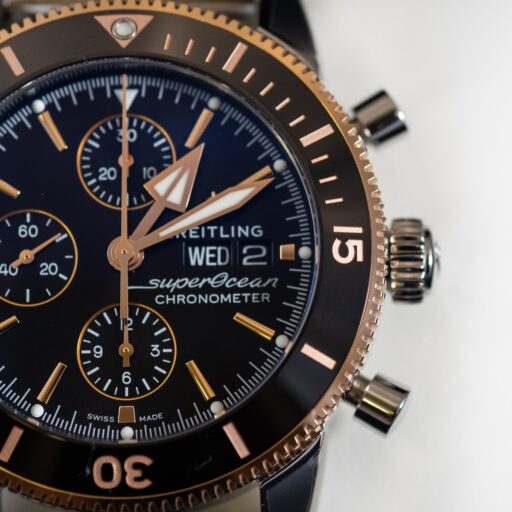
Breitling’s history is closely tied to chronographs, aviation, and cockpit instruments. The Navitimer, introduced in 1952, combined a chronograph with a circular slide rule intended to assist pilots with calculations. Breitling Navitimer
The Navitimer is not a modern flight computer; it is a mechanical instrument whose scale rewards practice. That historical function gives the dial its distinctive density, though it can be a lot to process if you prefer uncluttered displays.
Why Breitling matters: It helped make the pilot’s chronograph a recognizable genre and tied a wristwatch to the technical culture of aviation.
The trade-off: Busy dials and generous case sizes are signature traits, not universal comforts. Try one on and check legibility under your usual lighting.
Shop Breitling Official Website
15. TAG Heuer: Sports Timing and Carrera Design
TAG Heuer’s history includes precision sports timing and the Carrera, introduced in 1963 for motorsport enthusiasts. Its clean dial was designed for legibility at speed, while later models and technologies continued the company’s focus on chronographs and racing. TAG Heuer Carrera
Movement development has also evolved through technical leadership. Revolution’s profile of influential women in watchmaking discusses Carole Forestier-Kasapi’s work on advanced movements and her role at TAG Heuer, a reminder that modern horology depends on design, engineering, and the people coordinating both. Revolution’s profile
Why TAG Heuer matters: It brought motorsport timing and sporty chronograph design into the wider watch market.
The trade-off: The range includes both mechanical and quartz models with different levels of technical complexity. Check the reference and movement rather than relying on the name alone.
Shop TAG Heuer Official Website
16. Blancpain: Dive Watches and the Fifty Fathoms
Blancpain’s Fifty Fathoms, introduced in 1953, was developed for professional divers and helped establish the modern dive-watch template. A rotating bezel allowed elapsed dive time to be tracked, while luminous markers and a water-resistant case supported underwater use. Blancpain Fifty Fathoms
The watch’s early development is associated with French naval divers, including Bob Maloubier and Claude Riffaud. The broader lesson is straightforward: tool watches often emerged from collaboration between manufacturers and people who needed dependable instruments in demanding environments.
Why Blancpain matters: It helped turn the dive watch from a novel waterproof watch into a purpose-built instrument category.
The trade-off: Many Fifty Fathoms models have substantial case dimensions. If you want the heritage without a large wrist presence, compare available sizes and related models carefully.
Shop Blancpain Official Website
17. A. Lange & Söhne: German Precision and Contemporary Revival
A. Lange & Söhne traces its origins to Ferdinand Adolph Lange’s watchmaking work in Saxony and was revived after German reunification. Its modern watches are known for three-quarter plates, German silver, hand-finished movement components, and the distinctive Lange 1 layout. A. Lange & Söhne history
Why Lange matters: The brand demonstrates that high horology is not exclusively Swiss. Its movement architecture and finishing offer a distinct German approach to precision and craft.
The trade-off: Some designs, especially the off-centre Lange 1, are intentionally unconventional. Their appeal tends to grow with familiarity; they are not designed to disappear on the wrist.
Shop A. Lange & Söhne Official Website
18. Richard Mille: Advanced Materials and Modern Complications
Richard Mille represents a younger, more experimental chapter of luxury watchmaking. The brand is known for skeletonized movements, unusual case constructions, and materials such as titanium alloys and carbon composites. Its watches often emphasize shock resistance and lightweight engineering alongside visual drama. Richard Mille collections
Why Richard Mille matters: It treats the watch as a modern engineering object, using contemporary materials and architecture to challenge traditional case and movement conventions.
The trade-off: Its technical achievements and distinctive design are not universally appealing, and the skeletonized displays can prioritize spectacle over quick, simple time reading. The brand is best judged by the engineering details of a specific model, not by its boldest marketing images.
Shop Richard Mille Official Website
🔧 The Innovations That Pushed Watchmaking Forward
A historic watch brand does not need to invent a new complication every year to matter. Sometimes the decisive step is a sealed case, a clearer dial, a more dependable winding system, or a material that solves an old weakness.
| Innovation | Example | Main benefit | Common misconception |
|---|---|---|---|
| Sealed watch case | Rolex Oyster | Better protection against water and dust | “Waterproof” means immune to every water-related risk |
| Self-winding mechanism | Harwood and Rolex systems | Reduces manual winding in regular wear | Any automatic watch winds perfectly on every wrist |
| Quartz regulation | Seiko Astron | Strong everyday accuracy | Quartz watches have no horological value |
| Co-Axial escapement | Omega | Designed to reduce sliding friction in the escapement | It eliminates servicing |
| Silicon components | Multiple manufactures | Resistance to magnetism and corrosion in selected parts | Silicon makes every movement indestructible |
| Light-powered charging | Citizen Eco-Drive | Convenient operation with less battery replacement | The watch never needs maintenance |
Water-Resistant Cases and the Modern Dive Watch
Water resistance is a system, not a magic number. Case construction, crown seals, crystal gaskets, and maintenance all matter. A watch’s rating should be read as a test standard—not a promise that every activity is safe in every condition.
- Check the manufacturer’s stated rating before swimming, diving, or exposing the watch to hot water.
- Do not operate crowns or pushers underwater unless the manufacturer explicitly says the design supports it.
- Have water resistance tested periodically, particularly after service or impact.
- Treat vintage watches cautiously. Old seals may be compromised even when the case looks pristine.
Rolex’s Oyster history and Blancpain’s Fifty Fathoms development show two complementary sides of this story: a more resilient everyday case and a purpose-built diver’s instrument. Rolex Oyster · Blancpain Fifty Fathoms
Automatic Movements, Chronographs, and Precision Timing
An automatic movement uses the wearer’s motion to wind a mainspring. It still requires service, and its rate can vary with position, temperature, condition, and use. A chronograph adds a stopwatch function; a chronometer, by contrast, is a watch movement that has passed a defined precision test. The terms are not interchangeable.
To compare a mechanical watch sensibly:
- Identify the movement and whether it is automatic or manual.
- Check the power reserve, but remember that a longer reserve does not automatically mean better accuracy.
- Look for a clear accuracy standard such as COSC certification or the manufacturer’s published testing.
- Ask about service intervals and authorized service options.
- Try the chronograph controls if you expect to use them; pushers should feel deliberate, not mushy.
Zenith’s El Primero illustrates the technical ambition of high-frequency chronographs, while Omega’s Co-Axial movements show how manufacturers continue refining escapement design. Zenith El Primero · Omega Co-Axial
Quartz, Solar, and the Changing Meaning of Luxury
The Quartz Crisis is often told as a battle in which quartz “defeated” mechanical watchmaking. That version leaves out the more interesting ending: quartz reset consumer expectations, forced manufacturers to adapt, and clarified that people value watches for different reasons.
A mechanical watch can be prized for its construction, tradition, and serviceable movement. A quartz watch can offer excellent accuracy and low-maintenance convenience. A solar-powered watch adds another practical advantage by harvesting light. Luxury is not one technology; it is a combination of quality, design, experience, and intent.
| Type | Strengths | Drawbacks | Good fit for |
|---|---|---|---|
| Mechanical | Craft, heritage, repairable movement culture | More sensitive to wear and often needs periodic service | Enthusiasts who enjoy mechanical construction |
| Quartz | Accuracy, reliability, low day-to-day fuss | Less tactile mechanical appeal for some collectors | A dependable, grab-and-go daily watch |
| Solar/light-powered | Convenient charging from light; reduced battery changes | May still need care or component replacement over time | Practical wear with minimal routine winding |
Seiko’s Astron helped make quartz wristwatches a serious commercial force; Citizen’s Eco-Drive shows how light-powered technology can keep improving the everyday watch. Seiko history · Citizen Eco-Drive
Tourbillons, Perpetual Calendars, and Other Complications
A complication is any mechanical function beyond displaying hours, minutes, and seconds. Some complications solve real-use problems; others mainly showcase the watchmaker’s ability to fit intricate mechanisms into a small space.
- Chronograph: Measures elapsed time.
- Annual calendar: Usually needs correction once a year.
- Perpetual calendar: Accounts for calendar variations, including leap years, within its programmed cycle.
- Minute repeater: Chimes the time on demand.
- Tourbillon: Rotates the escapement assembly; originally intended to compensate for positional effects in pocket watches.
- Equation of time: Displays the difference between mean solar time and apparent solar time.
A complication should be judged by execution, reliability, legibility, and serviceability, not by the length of its name. Patek Philippe, Breguet, Jaeger-LeCoultre, Vacheron Constantin, and A. Lange & Söhne all have notable complication histories, but each expresses that craft differently.
New Materials: Ceramic, Silicon, Titanium, and Carbon
Modern watchmakers use materials for measurable benefits, not just futuristic marketing.
- Ceramic resists scratches well, though it can chip or crack under a sharp impact.
- Titanium is light and corrosion-resistant, but its surface can show marks depending on the finish.
- Silicon can help selected movement components resist magnetism and corrosion.
- Carbon composites can be light and strong, though their appearance and repair characteristics differ from metal.
- Gold and platinum remain prized for their properties, feel, and traditional status, despite being softer or heavier than some alternatives.
Before choosing a material, ask how the watch will be worn. The most advanced material is not necessarily the best one if you dislike its weight, texture, or repair options. For more style-led context, see our Fashion Trends in Watches category.
🧭 How to Compare Influential Luxury Watch Brands
Historical importance is only one part of a good buying decision. A watch can be a milestone in horology and still be wrong for your wrist, lifestyle, or maintenance preferences.
| What to compare | Questions to ask | Why it matters |
|---|---|---|
| Movement | Mechanical, quartz, solar, or hybrid? | Defines how the watch works and what upkeep it needs |
| Case and fit | What are the diameter, thickness, and lug-to-lug dimensions? | Determines comfort more accurately than diameter alone |
| Water resistance | What does the rating support, and when was it last tested? | Helps prevent avoidable damage |
| Legibility | Can you read it quickly in your usual conditions? | A watch is still a timekeeping tool |
| Service | Who can service it, and are parts available? | Long-term ownership depends on support |
| Design | Will you enjoy wearing it after the novelty fades? | The best watch is one you actually wear |
Movement Heritage and In-House Calibres
“In-house” can mean different things in practice. Some brands develop and manufacture movements internally; others use proven external calibres, then modify, decorate, or regulate them. Neither approach is automatically superior.
When comparing movements:
- Ask what is made in-house—design, components, assembly, regulation, or all of the above.
- Check the movement’s service history and the availability of trained watchmakers.
- Compare testing standards rather than relying on vague claims of precision.
- Consider your priorities: a robust, widely serviceable calibre may suit daily wear better than a rare, complex movement.
A movement’s provenance is interesting, but how it performs and can be maintained matters just as much.
Design, Craftsmanship, and Signature Collections
Iconic collections often distill a brand’s identity into a recognizable form: Cartier’s Tank, Rolex’s Submariner, Audemars Piguet’s Royal Oak, Jaeger-LeCoultre’s Reverso, and Patek Philippe’s Nautilus. Their influence is visible in the many watches that borrowed, adapted, or reacted against their design language.
On your wrist, evaluate:
- Case shape and proportions: Round watches are common, but square and rectangular cases can wear compactly—or surprisingly wide.
- Bracelet and strap: Integrated bracelets, leather straps, and rubber options create very different experiences.
- Dial readability: Decorative finishing should not make the time difficult to read.
- Versatility: Ask whether the watch suits your usual clothing and daily routine.
We once expected an integrated-bracelet watch to feel heavy because it looked substantial. The surprise came at the fitting: bracelet articulation and case balance mattered more than raw size. Your wrist will have its own vote.
Innovation, Reliability, and Service Support
Innovation is exciting, but ownership happens between launches. A technically adventurous watch should still be serviceable, wearable, and clear about its warranty.
Before buying, follow this checklist:
- Read the official specification sheet, not just a retailer summary.
- Confirm the exact reference number and movement.
- Ask what the warranty covers and where service is performed.
- For a pre-owned watch, request service records and verify the seller’s return policy.
- Check the fit in person if possible, especially for large pilot, dive, or integrated-bracelet designs.
- Keep purchase records and service documents together.
If you are comparing everyday options, browse our Men’s Watches and Affordable Watches categories. A meaningful watch does not have to be the most complicated one in the room.
💡 Choosing a Historically Significant Watch for Your Collection
Start with the reason you want the watch. Is it the engineering, the design, the heritage, the connection to aviation or diving, or simply the pleasure of wearing it? A clear answer keeps a famous name from making the decision for you.
Best Brands for First-Time Luxury Watch Buyers
For a first significant watch, prioritize fit, service access, and everyday usability.
| Your priority | Brands to explore | Why they may suit you |
|---|---|---|
| Everyday versatility | Omega, Rolex, Longines | Broad ranges with established sports and classic models |
| Distinctive design | Cartier, Jaeger-LeCoultre | Strong silhouettes with a clear design story |
| Mechanical heritage | Tudor, Longines, Omega | A range of mechanical options and accessible brand histories |
| Technology and utility | Seiko, Citizen | Strong choices across quartz, solar, and mechanical watches |
| Understated finishing | Vacheron Constantin, A. Lange & Söhne | Refined designs and substantial horological depth |
Tudor deserves a mention for combining historic identity with contemporary manufacture. According to the retailer profile supplied by Razny, Tudor’s Le Locle manufacture was completed in 2021, and the brand introduced its first Manufacture Caliber in 2015, with a stated 70-hour power reserve for that movement family. Treat these as brand-specific details and confirm the exact specification for the model you are considering. Tudor information at Razny
Best Brands for Complications and Hand Finishing
For intricate mechanical craft, begin with Patek Philippe, Breguet, Jaeger-LeCoultre, Vacheron Constantin, A. Lange & Söhne, and Blancpain. Look beyond the complication count: hand finishing, dial work, movement architecture, case construction, and long-term service matter too.
Decorative crafts are part of horology’s living tradition. Revolution’s profile highlights master enameller Anita Porchet, whose work includes cloisoné, champlevé, and miniature painting for brands including Patek Philippe, Vacheron Constantin, and Hermès. It also profiles women leading technical, design, and executive work across the industry. That broader perspective matters: a watch is not made by a founder’s legend alone, but by teams of designers, engineers, watchmakers, finishers, and leaders. Revolution’s profile of women in watchmaking
Best Brands for Dive, Pilot, and Sports Watches
| Watch type | Brands to consider | Landmark examples |
|---|---|---|
| Dive watch | Rolex, Omega, Blancpain, Longines, Seiko | Submariner, Seamaster, Fifty Fathoms, Legend Diver, Prospex |
| Pilot watch | IWC, Breitling, Longines, Zenith | Big Pilot, Navitimer, Spirit, Pilot collections |
| Racing chronograph | TAG Heuer, Omega, Zenith, Breitling | Carrera, Speedmaster, El Primero, Chronomat |
| Integrated-bracelet sports watch | Audemars Piguet, Patek Philippe, Vacheron Constantin | Royal Oak, Nautilus, Overseas |
For sports watches, look beyond water-resistance claims or vintage references. Case fit, bracelet comfort, legibility, and service support will shape your ownership far more often than the model’s origin story.
Questions to Ask Before You Buy Pre-Owned
Pre-owned watches can offer access to discontinued designs and important references, but condition varies enormously.
- Is the serial and reference information consistent with the model?
- Has the watch been authenticated by a reputable specialist?
- Are the dial, hands, bezel, and bracelet original, or have parts been replaced?
- When was it last serviced, and by whom?
- Does the seller provide a written return policy?
- Has water resistance been tested recently?
- Are photographs clear enough to show wear and details?
- Does the seller’s description match the manufacturer’s records?
Avoid assuming that “box and papers” guarantee authenticity or that a watch without them is necessarily fake. Documentation helps, but the watch itself and the seller’s credibility require scrutiny. Our Guide to Buying Watches covers more buying considerations.
🔮 What’s Next for Luxury Watchmaking?
The next chapter of horology will likely be a two-track story: traditional mechanical craft will continue to deepen, while new materials, electronic regulation, connected functions, and more sustainable manufacturing reshape what a watch can do.
Several directions are worth watching:
- Advanced materials: Manufacturers continue experimenting with ceramic, silicon, titanium, and carbon composites.
- Greater precision testing: Brands increasingly publish model-specific accuracy and resistance standards.
- Independent watchmaking: Small ateliers are drawing attention to original movement architecture and handcraft.
- More visible technical leadership: Designers, engineers, craftspeople, and executives from a wider range of backgrounds are shaping product development. Revolution’s industry profile makes that point especially clearly. Revolution profile
- A broader definition of innovation: Solar charging, robust quartz, serviceability, and sustainable production can be as meaningful to owners as a new mechanical complication.
One industry question remains open: will the next defining wristwatch innovation be a radically new mechanism, or a quieter improvement that makes watches easier to own for decades? History suggests it could be either. After all, the Oyster case, the Santos, the Astron, and the Royal Oak each answered very different questions—and each changed what people expected from a watch.