Support our educational content for free when you purchase through links on our site. Learn more
🕰️ Watch Brands History: 15 Legendary Makers That Shaped Time (2026)

Have you ever wondered what stories lie behind the tick of your wristwatch? The history of watch brands is a captivating saga of innovation, artistry, and resilience stretching back nearly three centuries. From the pioneering mechanical marvels of Blancpain in 1735 to the space-age precision of Omega’s Moonwatch, these brands didn’t just tell time—they made history.
In this article, we unravel the fascinating evolution of the 15 oldest and most influential watch brands in the world. Along the way, you’ll discover how these horological giants survived wars, embraced revolutions like the Quartz Crisis, and influenced culture, cinema, and fashion. Plus, we’ll share insider tips on spotting authentic vintage watches and reveal how these historic names continue to inspire modern watchmaking trends. Ready to wear a piece of history on your wrist? Let’s dive in!
Key Takeaways
- Blancpain (1735) and Vacheron Constantin (1755) are among the oldest watch brands with continuous legacies, setting the foundation for mechanical watchmaking excellence.
- The “Holy Trinity” of Swiss watchmaking—Patek Philippe, Audemars Piguet, and Vacheron Constantin—represent the pinnacle of craftsmanship and innovation.
- Historic brands like Breguet invented game-changing technologies such as the tourbillon, while Seiko revolutionized the industry with the quartz watch.
- Understanding watch brands history helps collectors identify authentic vintage pieces and appreciate the artistry behind every timepiece.
- These brands’ designs and innovations continue to shape modern watch trends, blending tradition with cutting-edge technology.
Curious which brand created the world’s most complicated watch? Or how a humble pilot’s watch became a style icon? Keep reading to uncover these stories and more!
Table of Contents
- ⚡️ Quick Tips and Facts About Watch Brands History
- ⏳ The Evolution of Watchmaking: A Journey Through Time
- 🏆 15 Oldest Watch Brands in the World: Legends That Shaped Horology
- 1. Blancpain: The Pioneer of Mechanical Excellence
- 2. Vacheron Constantin: Crafting Time Since 1755
- 3. Breguet: The Innovator of Watchmaking Technology
- 4. Patek Philippe: The Epitome of Luxury and Precision
- 5. Jaeger-LeCoultre: The Watchmaker’s Watchmaker
- 6. Audemars Piguet: Royalty on Your Wrist
- 7. Longines: Elegance Meets Innovation
- 8. Omega: The Watch of Champions and Space Explorers
- 9. Rolex: The Iconic Symbol of Success
- 10. Cartier: Where Jewelry Meets Horology
- 11. IWC Schaffhausen: Precision Engineering and Style
- 12. Zenith: The Master of High-Frequency Movements
- 13. Girard-Perregaux: Tradition and Innovation United
- 14. Seiko: The Japanese Giant Revolutionizing Watchmaking
- 15. TAG Heuer: Racing Heritage and Swiss Precision
- 🔍 How to Identify Authentic Vintage Watches from Historic Brands
- 🛠️ The Craftsmanship Behind Legendary Watch Brands: Movements, Materials, and Mastery
- 🌍 Influence of Historic Watch Brands on Modern Watchmaking Trends
- 💡 Collecting Vintage Watches: Tips, Tricks, and What to Watch Out For
- 📈 Investment Potential of Watches from Historic Brands
- 🎥 Watch Brands History in Pop Culture and Cinema
- 🛒 Where to Buy Authentic Watches from Historic Brands: Trusted Dealers and Marketplaces
- 🤝 Join the Watch Enthusiast Community: Forums, Clubs, and Events
- 🔚 Conclusion: Why Knowing Watch Brands History Makes You a Better Collector
- 🔗 Recommended Links for Deepening Your Watch Brands Knowledge
- ❓ Frequently Asked Questions About Watch Brands History
- 📚 Reference Links and Sources
⚡️ Quick Tips and Facts About Watch Brands History

Welcome, fellow time-travelers and horology enthusiasts! At Watch Brands™, we live and breathe watches, and nothing gets our gears turning quite like diving into the rich, intricate tapestry of watch brands history. It’s a journey filled with ingenious inventors, daring innovations, and timeless designs that have shaped not just how we tell time, but how we perceive luxury, precision, and personal style. Ready for some quick, mind-bending facts? Let’s wind up! 🚀
- The Oldest Contender: While claims vary, Blancpain, founded in 1735, is widely recognized as the oldest continuously operating watch brand. Imagine, a company older than the United States itself! As Teddy Baldassarre aptly puts it, “Blancpain is the oldest existing watchmaker.” [Source: Teddy Baldassarre]
- Swiss Dominance, But Not Exclusively: While Switzerland is the undisputed heartland of haute horlogerie, brands from other nations, like Japan’s Seiko (founded 1881), have profoundly impacted watchmaking history, particularly with the quartz revolution.
- From Pockets to Wrists: The early days of watchmaking were dominated by pocket watches. The shift to wristwatches was largely driven by practicality, especially for military use and aviation, with Cartier’s Santos (1904) often cited as one of the first purpose-built pilot’s watches.
- The “Holy Trinity”: This revered trio – Patek Philippe, Audemars Piguet, and Vacheron Constantin – represents the pinnacle of traditional Swiss watchmaking, known for their exquisite craftsmanship, complex movements, and enduring legacy.
- Innovation Never Stops: From Abraham-Louis Breguet’s invention of the tourbillon in 1801 to Ulysse Nardin’s Freak with its revolutionary movement, watch brands have consistently pushed the boundaries of mechanical engineering and design.
- More Than Just Time-Telling: Watches from historic brands are often seen as wearable art, engineering marvels, and even tangible investments. They tell stories, mark milestones, and connect us to centuries of human ingenuity.
Curious about how these time-honored brands managed to survive wars, economic crises, and technological revolutions? Stick around, because we’re about to embark on an epic journey through the evolution of watchmaking that will reveal their secrets! For a deeper dive into the broader narrative of timekeeping, check out our comprehensive article on the history of watches.
⏳ The Evolution of Watchmaking: A Journey Through Time
Imagine a world without precise timekeeping. Chaos, right? For centuries, humanity yearned for accurate, portable time. Our journey into watch brands history isn’t just about companies; it’s about this relentless pursuit, a fascinating evolution of watchmaking that began with rudimentary clocks and blossomed into the intricate marvels we adore today.
The story truly begins in the 16th century, primarily in Germany and then France, with the advent of spring-driven clocks. These were clunky, often inaccurate, and certainly not “wearable” by today’s standards. But they were a start! By the 17th century, the first pocket watches emerged, primarily for the wealthy elite. These early pieces were more about status than precision, often adorned with elaborate engravings and precious metals.
Then came the Swiss. Oh, the Swiss! 🇨🇭 With their meticulous craftsmanship and burgeoning industrialization, they transformed watchmaking from a scattered craft into a global industry. The 18th century saw the birth of many of the legendary names we still celebrate. This was the era of true innovation:
- Escapement mechanisms improved accuracy dramatically.
- Jewel bearings reduced friction, extending lifespan.
- Complications like perpetual calendars and minute repeaters began to appear, showcasing incredible mechanical ingenuity.
As we moved into the 19th century, industrialization brought about more standardized production, making watches more accessible. But it was the 20th century that truly revolutionized personal timekeeping. The horrors of World War I, where soldiers needed to coordinate attacks precisely, accelerated the adoption of wristwatches. No more fumbling in pockets! This shift marked a pivotal moment, transforming watches from mere instruments into essential tools and fashion statements.
Then came the Quartz Crisis of the 1970s. For a moment, it seemed like centuries of mechanical watchmaking might be swept away by cheap, accurate, battery-powered quartz movements, largely pioneered by Japanese brands like Seiko. Many traditional Swiss brands faced existential threats. It was a nail-biting period for enthusiasts like us! But, as you’ll soon discover, the resilience and enduring appeal of mechanical artistry ensured its survival, leading to a renaissance of luxury mechanical watches that continues to thrive today.
My own grandfather, a man of simple tastes, always wore a sturdy, no-nonsense mechanical watch. He’d wind it every morning, a ritual that connected him to the passage of time. He used to say, “A watch isn’t just for telling time, son. It’s a reminder that every second counts.” That sentiment, that deep connection to the craft, is precisely why the history of these brands resonates so strongly with us at Watch Brands™. It’s not just about gears and springs; it’s about legacy, passion, and the relentless pursuit of perfection.
🏆 15 Oldest Watch Brands in the World: Legends That Shaped Horology
Alright, buckle up, because this is where the rubber meets the road – or rather, where the gears meet the springs! We’re diving deep into the historical roots of watchmaking to celebrate the 15 oldest watch brands that didn’t just tell time, but truly defined it. These are the titans, the pioneers, the legends whose innovations and unwavering commitment to craftsmanship have left an indelible mark on the world of horology.
You’ll notice some fascinating nuances in their founding stories. As YourWatchHub points out, “Founding years often disputed; some claims are based on historical or marketing narratives.” We’ll navigate these historical currents, focusing on brands with a clear, impactful lineage that continues to shape the industry today.
1. Blancpain: The Pioneer of Mechanical Excellence
- Founded: 1735
- Origin: Villeret, Switzerland 🇨🇭
When we talk about the oldest watch brands, Blancpain almost always tops the list. Founded by Jehan-Jacques Blancpain in 1735, this brand proudly boasts an uninterrupted legacy of mechanical watchmaking, predating the very concept of mass production. They’ve famously declared, “Since 1735, there has never been a quartz Blancpain watch. And there never will be.” Talk about commitment!
Blancpain is synonymous with high complications and a dedication to traditional craftsmanship. Their most iconic contribution? The Fifty Fathoms dive watch, introduced in 1953. It wasn’t just a dive watch; it was arguably the first purpose-built modern diver’s watch, setting standards for water resistance, legibility, and rotating bezels that are still followed today. My colleague, a seasoned diver, swears by its robust heritage. “It’s not just a watch,” he once told me, “it’s a piece of history on your wrist that you can actually take to the depths.”
Key Innovations & Legacy:
- Pioneered the modern dive watch with the Fifty Fathoms.
- Known for intricate complications like carrousels and perpetual calendars.
- Strong emphasis on traditional Swiss watchmaking techniques.
👉 Shop Blancpain on: Amazon | Blancpain Official Website
2. Vacheron Constantin: Crafting Time Since 1755
- Founded: 1755
- Origin: Geneva, Switzerland 🇨🇭
If Blancpain is the oldest, Vacheron Constantin is the oldest in continuous operation without interruption, a claim they hold with immense pride. Founded by Jean-Marc Vacheron in Geneva, and later joined by François Constantin, this brand is a cornerstone of the “Holy Trinity” of Swiss watchmaking. Their motto, “Do better if possible, and that is always possible,” perfectly encapsulates their relentless pursuit of horological perfection.
Vacheron Constantin is celebrated for its exquisite finishing, elegant designs, and incredibly complex movements. Remember the Ref. 57260? In 2015, they unveiled this masterpiece, the most complicated watch ever made, boasting an astonishing 57 complications! It’s a testament to their unparalleled mastery. Their collections like Patrimony, Traditionnelle, and Overseas showcase a blend of classic elegance and contemporary robustness.
Key Innovations & Legacy:
- Uninterrupted production since 1755.
- Creator of the world’s most complicated watch (Ref. 57260).
- Renowned for métiers d’art and exceptional finishing.
👉 Shop Vacheron Constantin on: Amazon | Vacheron Constantin Official Website
3. Breguet: The Innovator of Watchmaking Technology
- Founded: 1775
- Origin: Paris, France 🇫🇷 (later Swiss-owned)
Abraham-Louis Breguet wasn’t just a watchmaker; he was a horological genius, a true visionary whose inventions are still fundamental to mechanical watches today. Founded in Paris in 1775, Breguet quickly became the watchmaker to royalty, scientists, and military leaders. Marie-Antoinette, Napoleon Bonaparte, and Winston Churchill were among his illustrious clientele.
Breguet’s list of contributions is staggering: he invented the tourbillon (patented in 1801) to counteract gravity’s effects on accuracy, the Breguet overcoil hairspring, and the first shock protection system (pare-chute). He also created the first crown-wound watch in 1830 and designed the iconic “Breguet hands” and “Breguet numerals” that are still instantly recognizable. My personal favorite anecdote is about the “Marie-Antoinette” pocket watch, a legendary piece commissioned for the queen, so complex it wasn’t finished until years after her death!
Key Innovations & Legacy:
- Inventor of the tourbillon, Breguet overcoil, and pare-chute.
- Pioneered the first crown-wound watch.
- Iconic “Breguet hands” and numerals.
👉 Shop Breguet on: Amazon | Breguet Official Website
4. Patek Philippe: The Epitome of Luxury and Precision
- Founded: 1839
- Origin: Geneva, Switzerland 🇨🇭
No discussion of luxury watch brands is complete without Patek Philippe. Founded by Antoine Norbert de Patek and Adrien Philippe, this brand is another pillar of the “Holy Trinity” and is arguably the most coveted watch brand in the world. As TheWatchCompany.com states, “Patek Philippe is a name guaranteed to be mentioned in Haute Horology.” They are renowned for their intricate complications, impeccable finishing, and incredible resale value.
Patek Philippe holds over 100 patents and has produced some of the most complicated and expensive watches ever sold at auction, including the Grandmaster Chime Ref. 6300A-010, which fetched over $31 million in 2019. Their iconic models like the Nautilus and Calatrava are instantly recognizable and highly sought after. Owning a Patek is often seen as a generational investment, a piece of art passed down through families.
Key Innovations & Legacy:
- Over 100 patents in watchmaking.
- Creator of some of the world’s most complicated and valuable watches.
- Iconic designs like the Nautilus and Calatrava.
👉 Shop Patek Philippe on: Amazon | Patek Philippe Official Website
5. Jaeger-LeCoultre: The Watchmaker’s Watchmaker
- Founded: 1833
- Origin: Le Sentier, Switzerland 🇨🇭
Often referred to as “The Watchmaker of Watchmakers,” Jaeger-LeCoultre (JLC) has an astonishing history of innovation and in-house movement production. Founded by Antoine LeCoultre, the brand has created over 1,242 different calibers and holds hundreds of patents. If you’re looking for a brand that truly understands the mechanics of time, JLC is it.
Their most famous creation is undoubtedly the Reverso, introduced in 1931. Originally designed for British polo players in India who needed a watch that could withstand the rigors of a match without shattering its crystal, its reversible case became an instant icon. It’s a brilliant blend of form and function, a true testament to ingenious design. My colleague once described the Reverso as “the ultimate chameleon – elegant one moment, robust the next.”
Key Innovations & Legacy:
- Developed over 1,200 in-house calibers.
- Invented the Millionomètre for precise measurement.
- Iconic Reverso watch with its reversible case.
👉 Shop Jaeger-LeCoultre on: Amazon | Jaeger-LeCoultre Official Website
6. Audemars Piguet: Royalty on Your Wrist
- Founded: 1875
- Origin: Le Brassus, Switzerland 🇨🇭
The third member of the “Holy Trinity,” Audemars Piguet (AP) was founded by Jules Louis Audemars and Edward Auguste Piguet. Unlike many brands, AP has remained in the hands of its founding families, a rare feat in the watch industry. This independence allows them to maintain an unwavering commitment to their unique vision and uncompromising quality.
While they produced many complicated movements throughout their history, AP truly cemented its legendary status with the introduction of the Royal Oak in 1972. Designed by the legendary Gérald Genta, it was the world’s first luxury steel sports watch, a revolutionary concept at a time when luxury meant gold. Its octagonal bezel, integrated bracelet, and visible screws were controversial then, but now they are iconic. It single-handedly created a new category of watches and remains one of the most sought-after timepieces globally.
Key Innovations & Legacy:
- Remains family-owned since 1875.
- Created the world’s first luxury steel sports watch, the Royal Oak.
- Known for intricate finishing and high complications.
👉 Shop Audemars Piguet on: Amazon | Audemars Piguet Official Website
7. Longines: Elegance Meets Innovation
- Founded: 1832
- Origin: Saint-Imier, Switzerland 🇨🇭
Longines has a rich and diverse history, blending elegant design with pioneering innovation, particularly in sports timing and aviation. Founded by Auguste Agassiz, the brand adopted its famous winged hourglass logo in 1867, making it the oldest registered trademark for a watchmaker.
Longines was instrumental in early aviation, providing timepieces for famous aviators like Charles Lindbergh, who even helped design the Hour Angle watch in 1931. They were also pioneers in sports timing, serving as the official timekeeper for numerous Olympic Games and sporting events. Their current collections, like the Spirit and HydroConquest, continue to honor this heritage, offering robust and stylish watches for adventurers and enthusiasts alike. Longines is a fantastic entry point into Luxury Watch Brands for many collectors.
Key Innovations & Legacy:
- Oldest registered trademark for a watchmaker.
- Pioneered in sports timing and aviation watches.
- Developed early chronograph movements.
👉 Shop Longines on: Amazon | Longines Official Website
8. Omega: The Watch of Champions and Space Explorers
- Founded: 1848
- Origin: La Chaux-de-Fonds, Switzerland 🇨🇭
Omega is a brand synonymous with precision, exploration, and iconic cultural moments. Founded by Louis Brandt, Omega quickly gained a reputation for accuracy, winning numerous chronometry competitions. But it was their association with some of humanity’s greatest achievements that truly cemented their legendary status.
The Speedmaster Professional, affectionately known as the “Moonwatch,” was the first watch worn on the moon in 1969, during the Apollo 11 mission. This alone secures its place in history! Beyond space, Omega has been the official timekeeper of the Olympic Games since 1932 and is famously the watch of choice for James Bond since 1995. Their Seamaster collection is a dive watch icon, while the Constellation offers timeless elegance. Omega’s commitment to innovation is also seen in their “Master Chronometer” certification, setting new industry standards for anti-magnetism and accuracy.
Key Innovations & Legacy:
- First watch worn on the moon (Speedmaster Professional).
- Official Olympic timekeeper since 1932.
- Pioneered co-axial escapement and Master Chronometer certification.
👉 Shop Omega on: Amazon | Omega Official Website
9. Rolex: The Iconic Symbol of Success
- Founded: 1905
- Origin: London, England 🇬🇧 (later Geneva, Switzerland 🇨🇭)
While not as old as some of the 18th-century pioneers, Rolex has arguably become the most recognized and influential watch brand in the world. Founded by Hans Wilsdorf and Alfred Davis in London (and later moving to Geneva), Rolex’s history is one of relentless innovation aimed at practicality, robustness, and precision.
Rolex pioneered several fundamental advancements: the first waterproof wristwatch (the Oyster, 1926), the first self-winding wristwatch with a perpetual rotor (Perpetual, 1931), and the first wristwatch with an automatically changing date on the dial (Datejust, 1945). Their tool watches, like the Submariner (dive watch), GMT-Master (pilot’s watch), and Daytona (chronograph), are not just iconic; they are benchmarks in their respective categories. A Rolex isn’t just a watch; it’s a statement, a symbol of achievement and enduring quality.
Key Innovations & Legacy:
- Invented the Oyster waterproof case.
- Pioneered the Perpetual self-winding movement.
- Iconic tool watches like the Submariner and Daytona.
👉 Shop Rolex on: Amazon | Rolex Official Website
10. Cartier: Where Jewelry Meets Horology
- Founded: 1847 (as a jeweler); 1904 (first wristwatch)
- Origin: Paris, France 🇫🇷
Cartier began as a jewelry house in Paris in 1847, quickly becoming the “King of Jewelers, Jeweler of Kings.” While their horological journey started later than some, their impact on wristwatch design is undeniable. TheWatchCompany.com notes they “entered horology in 1904.”
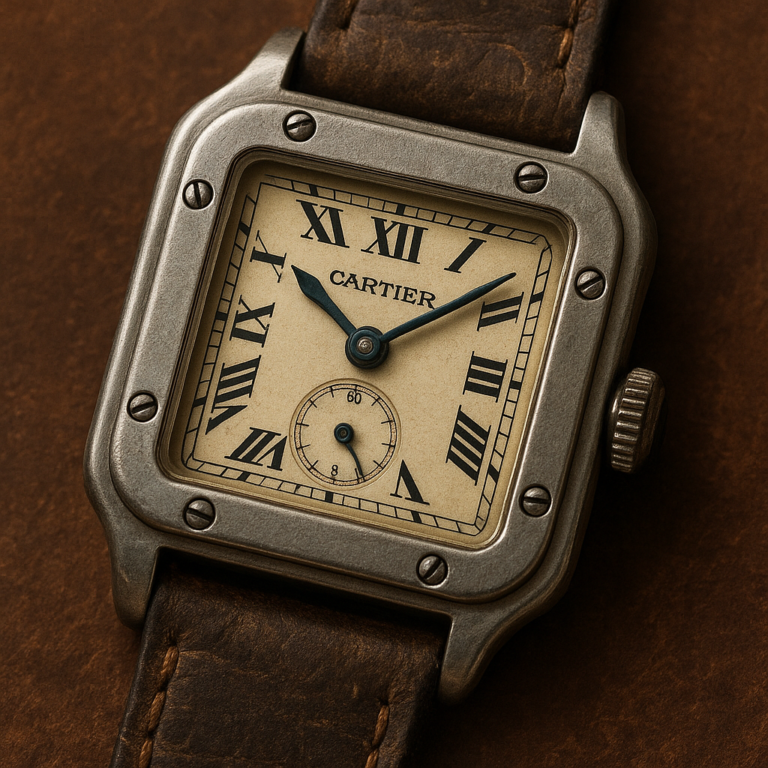
Their foray into watchmaking was sparked by a request from Brazilian aviator Alberto Santos-Dumont, who needed a practical wristwatch for flying. The result was the Santos (1904), often credited as one of the first purpose-built men’s wristwatches. This square-cased marvel broke away from the round pocket watch aesthetic and set a new trend. Other iconic designs followed, like the Tank (1917), inspired by the Renault tanks of WWI, and the Pasha (1932). Cartier watches are a perfect blend of Parisian elegance, artistic design, and serious watchmaking, increasingly featuring impressive in-house movements. For those interested in Fashion Trends in Watches, Cartier is always at the forefront.
Key Innovations & Legacy:
- Pioneered the modern wristwatch with the Santos.
- Iconic designs like the Tank and Pasha.
- Seamlessly blends jewelry artistry with horological expertise.
👉 Shop Cartier on: Amazon | Cartier Official Website
11. IWC Schaffhausen: Precision Engineering and Style
- Founded: 1868
- Origin: Schaffhausen, Switzerland 🇨🇭
The International Watch Company, or IWC Schaffhausen, has a unique story. Founded by American watchmaker Florentine Ariosto Jones, IWC aimed to combine traditional Swiss craftsmanship with modern American industrial production methods. This vision, set in the German-speaking part of Switzerland, resulted in a brand known for its robust, precise, and highly legible timepieces.
IWC is particularly celebrated for its pilot’s watches and ingenieur (engineer’s) watches, which embody a functional, tool-watch aesthetic. Models like the Big Pilot’s Watch and the Portugieser (originally a large wristwatch for Portuguese businessmen) are instantly recognizable. They are masters of complex movements, including perpetual calendars and chronographs, all housed in beautifully engineered cases. My colleague, an engineer, often praises IWC for their “no-nonsense, built-to-last approach.”
Key Innovations & Legacy:
- Pioneered American industrial methods in Swiss watchmaking.
- Renowned for pilot’s watches and robust engineering.
- Developed complex in-house movements like perpetual calendars.
👉 Shop IWC Schaffhausen on: Amazon | IWC Schaffhausen Official Website
12. Zenith: The Master of High-Frequency Movements
- Founded: 1865
- Origin: Le Locle, Switzerland 🇨🇭
Zenith, founded by Georges Favre-Jacot, chose its name to evoke the highest point in the sky, symbolizing the pinnacle of achievement. And achieve they did! Zenith is most famous for creating the El Primero movement in 1969, the world’s first integrated automatic high-frequency chronograph caliber.
The El Primero was a game-changer, beating at 36,000 vibrations per hour (vph), allowing for tenth-of-a-second accuracy – a feat unmatched by many competitors even today. It was so revolutionary that even Rolex used a modified version of the El Primero in their Daytona watches for many years! Zenith’s Defy and Pilot collections showcase their commitment to precision and robust design. The brand’s history is a testament to pushing the boundaries of mechanical accuracy.
Key Innovations & Legacy:
- Created the El Primero, the first integrated automatic high-frequency chronograph.
- Known for exceptional accuracy and chronometry.
- Pioneered high-frequency movements for greater precision.
👉 Shop Zenith on: Amazon | Zenith Official Website
13. Girard-Perregaux: Tradition and Innovation United
- Founded: 1791
- Origin: La Chaux-de-Fonds, Switzerland 🇨🇭
Girard-Perregaux boasts a rich history dating back to 1791 with Jean-François Bautte, later merging with Constant Girard’s company in 1854. This brand is a fascinating blend of deep tradition and daring innovation, known for its technical prowess and distinctive designs.
Their most iconic creation is undoubtedly the Three Gold Bridges Tourbillon, a movement so beautiful and architecturally significant that it was patented as a design in 1884. This piece elevated the tourbillon from a mere technical device to a work of art. In more recent times, their Laureato sports watch, first introduced in 1975 and relaunched in 2016, has become a modern classic, showcasing their ability to adapt to contemporary tastes while honoring their heritage.
Key Innovations & Legacy:
- Patented the iconic Three Gold Bridges Tourbillon design.
- Long history of producing high-quality, complicated movements.
- Known for the distinctive Laureato sports watch.
👉 Shop Girard-Perregaux on: Amazon | Girard-Perregaux Official Website
14. Seiko: The Japanese Giant Revolutionizing Watchmaking
- Founded: 1881
- Origin: Tokyo, Japan 🇯🇵
While many of the oldest brands hail from Switzerland, Seiko stands as a monumental force from Japan, forever changing the landscape of watchmaking. Founded by Kintaro Hattori, Seiko’s history is a testament to relentless innovation and a commitment to making high-quality timepieces accessible.
Seiko’s journey from early pocket watches to wristwatches, including the “Laurel” in 1913, demonstrates a strategic adaptation to changing consumer needs and technological advancements. They introduced groundbreaking features like the 1959 “Diashock” shock-absorbent system. But their most significant contribution, and one that sent shockwaves through the entire industry, was the introduction of the Astron in 1969 – the world’s first commercial quartz wristwatch. This sparked the “Quartz Crisis” and forced the Swiss industry to re-evaluate its future.
Seiko’s influence extended globally, becoming official timekeepers for the Olympics and expanding into new materials like titanium. Their commitment to research and development, coupled with strategic marketing, has enabled them to compete effectively with established Swiss watchmakers, ultimately capturing significant market share. As the first YouTube video embedded in this article highlights, Seiko’s history showcases a relentless pursuit of innovation and market expansion. They truly are a brand that has consistently placed themselves at the forefront of the watch industry.
Key Innovations & Legacy:
- Introduced the world’s first commercial quartz wristwatch (Astron).
- Pioneered many advancements in mechanical and quartz technology.
- Offers a vast range of watches from affordable to high-end Grand Seiko.
👉 Shop Seiko on: Amazon | Walmart | Seiko Official Website
15. TAG Heuer: Racing Heritage and Swiss Precision
- Founded: 1860
- Origin: Saint-Imier, Switzerland 🇨🇭
TAG Heuer, originally founded as Heuer by Edouard Heuer, has built an enduring legacy around precision chronographs and a deep connection to motorsport. Their innovations in timing mechanisms have made them a favorite among racing enthusiasts and professionals alike.
Heuer patented the oscillating pinion in 1887, a crucial component for chronographs, and later developed the first dashboard chronographs for cars and aircraft. Their iconic models, like the Carrera (1963), named after the dangerous Carrera Panamericana race, and the square-cased Monaco (1969), famously worn by Steve McQueen in the film Le Mans, are deeply intertwined with racing history. TAG Heuer continues to innovate, even venturing into the smartwatch market with the TAG Heuer Connected, proving that heritage can coexist with cutting-edge technology. For fans of Men’s Watches with a sporty edge, TAG Heuer is a perennial favorite.
Key Innovations & Legacy:
- Pioneered many chronograph innovations, including the oscillating pinion.
- Iconic motorsport-inspired watches like the Carrera and Monaco.
- Strong presence in sports timing and modern smartwatches.
👉 Shop TAG Heuer on: Amazon | TAG Heuer Official Website
🔍 How to Identify Authentic Vintage Watches from Historic Brands
So, you’ve been bitten by the vintage bug? Excellent choice! There’s nothing quite like the charm and history of a timepiece from a legendary brand. But navigating the world of vintage watches can feel like a minefield. Fakes, “frankenwatches” (watches made from mismatched parts), and over-restored pieces are common. How do you ensure you’re getting an authentic slice of history and not a costly lesson? We’ve got you covered with our expert guide to identifying authentic vintage watches.
My first vintage purchase was a beautiful, seemingly pristine 1960s Omega Seamaster. I was ecstatic! Only later, after joining a local watch club, did I learn that the dial had been “redone” – repainted to look new. While not a fake, it significantly impacted its collector value. Lesson learned: due diligence is paramount!
Here’s a step-by-step approach to help you spot the real deal:
-
Research, Research, Research! 📚
- Know the Model: Before you even look at a watch, become an expert on the specific model you’re interested in. What were the correct dial configurations, hand styles, case shapes, and movements for that year?
- Original Catalogs & Forums: Consult old brand catalogs, reputable watch books, and dedicated online forums (like Watchuseek or Omega Forums for specific brands). These are treasure troves of information.
- Serial Numbers: Understand the brand’s serial number system. Most historic brands have databases or resources that can help date a watch based on its serial number, often found on the movement or case back.
-
Examine the Dial and Hands (The Face of the Watch) 👀
- Originality is Key: A watch’s dial is its most important feature for collectors. Look for signs of redialing (repainting).
- ✅ Authentic: Crisp, sharp printing; even lume application (if applicable) that shows natural aging (patina); correct font and spacing for the era.
- ❌ Redial: Fuzzy or thick printing; uneven or too-bright lume (especially if the rest of the watch looks old); incorrect fonts or logos; lacquer that looks too glossy or uneven.
- Hands: Ensure the hands match the dial and the era. Are they the correct style? Do they show consistent aging with the dial?
- Originality is Key: A watch’s dial is its most important feature for collectors. Look for signs of redialing (repainting).
-
Inspect the Case and Case Back (The Body) 🛡️
- Condition: Look for excessive polishing. While some polishing is normal over decades, heavy polishing can erase sharp edges, bevels, and even serial numbers, significantly reducing value.
- Hallmarks & Engravings: Check for correct hallmarks (for precious metals) and engravings on the case back. Are they sharp and clear, or worn down?
- Crown & Pushers: Are they original and signed correctly for the brand and model? Replacements are common but can affect originality.
-
Verify the Movement (The Heart) ❤️
- Match the Model: The movement inside should be the correct caliber for that specific watch model and year.
- Serial Numbers: Cross-reference the movement’s serial number with the case/model.
- Condition & Authenticity: Look for proper finishing, correct markings (brand name, caliber number), and signs of tampering or replacement parts. A reputable seller will always provide clear photos of the movement.
- Servicing: Ask about service history. A well-maintained vintage movement is crucial for longevity.
-
Check the Provenance and Documentation 📜
- Paperwork: Original box and papers (warranty cards, service records) significantly add to a watch’s value and authenticity. While rare for very old pieces, they are a huge plus.
- Seller Reputation: This is perhaps the most crucial step. Buy from reputable dealers with strong reviews and a clear return policy. Ask for references.
- “Story” of the Watch: A good seller can often provide a history of the watch, which adds to its charm and helps confirm its authenticity.
Table: Red Flags vs. Green Lights in Vintage Watch Authenticity
| Feature | ❌ Red Flags (Proceed with Caution!) | ✅ Green Lights (Good Signs!) |
|---|---|---|
| Dial | Fuzzy printing, too-bright lume on an old watch, incorrect fonts, “perfect” condition for its age. | Crisp printing, consistent patina/aging, correct fonts/logos, subtle imperfections from age. |
| Case | Over-polished (rounded edges), missing serial numbers, incorrect case back engravings. | Sharp edges/bevels, clear serial numbers, correct hallmarks, original crown/pushers. |
| Movement | Incorrect caliber for the model, mismatched parts, poor finishing, signs of rust/neglect. | Correct caliber, proper brand markings, clean condition, evidence of recent servicing. |
| Documentation | No papers, vague history, seller unwilling to provide movement photos. | Original box/papers, service history, clear provenance, transparent seller. |
| Price | “Too good to be true” price for a rare or desirable model. | Price consistent with market value for condition and originality. |
Identifying an authentic vintage watch requires patience and a keen eye. Don’t rush into a purchase. If something feels off, it probably is. For more detailed advice on making smart purchases, explore our Guide to Buying Watches. Happy hunting!
🛠️ The Craftsmanship Behind Legendary Watch Brands: Movements, Materials, and Mastery
What truly sets these historic watch brands apart isn’t just their age, but the unparalleled craftsmanship that goes into every single timepiece. We’re talking about a level of dedication, precision, and artistry that borders on obsession. This isn’t mass production; this is haute horlogerie, where every component, every finish, every tiny screw tells a story of human mastery.
Let’s pull back the curtain and explore the intricate world of movements, materials, and mastery that defines these legends.
The Heartbeat: Movements and Their Magic ✨
At the core of every mechanical watch is its movement, the intricate engine that powers the hands and complications. This is where the true genius of watchmakers shines.
-
Mechanical Movements (Manual-Wind): These are the purest form of traditional watchmaking. You, the wearer, manually wind the crown, tightening a mainspring that slowly unwinds, powering the gears. Brands like Breguet and Patek Philippe have mastered these for centuries, creating incredibly complex manual-wind calibers with multiple complications.
- Benefits: Direct connection to the watch, often thinner profiles, a nod to tradition.
- Drawbacks: Requires daily winding.
-
Automatic Movements (Self-Winding): A marvel of convenience, these movements incorporate a rotor that swings with the motion of your wrist, automatically winding the mainspring. Rolex’s Perpetual rotor was a groundbreaking innovation in 1931, making daily winding a thing of the past for many.
- Benefits: No manual winding needed (as long as you wear it), consistent power delivery.
- Drawbacks: Can be thicker due to the rotor, less “interactive” than manual-wind.
-
Quartz Movements: While the Quartz Crisis nearly decimated the Swiss industry, quartz movements, pioneered by Seiko, offered incredible accuracy and affordability. They use a battery to send an electrical current through a quartz crystal, causing it to vibrate at a precise frequency.
- Benefits: Extremely accurate, highly affordable, low maintenance.
- Drawbacks: Lacks the mechanical soul, often less collectible (though vintage quartz can be interesting!).
Table: Key Movement Types Compared
| Feature | Mechanical (Manual) | Mechanical (Automatic) | Quartz |
|---|---|---|---|
| Power Source | Mainspring (hand-wound) | Mainspring (rotor-wound by wrist motion) | Battery & Quartz Crystal |
| Accuracy | Good (can be excellent with high-end calibers) | Good (can be excellent with high-end calibers) | Excellent (highly precise) |
| Complexity | High (especially with complications) | High (especially with complications) | Low (fewer moving parts) |
| Maintenance | Regular servicing (every 5-7 years) | Regular servicing (every 5-7 years) | Battery changes, less frequent servicing |
| Cost | Varies, often higher for complex/luxury | Varies, often higher for complex/luxury | Generally lower |
| “Soul” | High (visible gears, intricate mechanics) | High (visible gears, intricate mechanics) | Low (electronic, smooth sweep often absent) |
The Skin: Materials and Their Allure 💎
The materials used in a watch are not just about aesthetics; they contribute to its durability, feel, and perceived value. Historic brands often push boundaries here too.
- Precious Metals: Gold (yellow, white, rose), platinum, and sometimes silver are mainstays for luxury watch brands. They offer timeless elegance and inherent value. Patek Philippe and Vacheron Constantin frequently craft their most exquisite pieces in these materials.
- Stainless Steel: The workhorse of the watch world. Rolex perfected the use of 904L stainless steel for its superior corrosion resistance, while Audemars Piguet revolutionized luxury with the steel Royal Oak. It’s robust, versatile, and relatively affordable.
- Titanium: Lightweight, hypoallergenic, and incredibly strong, titanium is favored by brands like Seiko and Omega for dive and tool watches where reduced weight and extreme durability are crucial.
- Ceramics: Modern, scratch-resistant, and lightweight, ceramics are increasingly used for cases and bezels by brands like Omega and TAG Heuer, offering a contemporary edge and extreme durability.
- Sapphire Crystal: Almost universally used for watch crystals in quality watches, sapphire is incredibly scratch-resistant, ensuring clear visibility for decades.
The Hand: Mastery and Finishing Touches 🎨
This is where the true artistry lies. The difference between a good watch and a great watch often comes down to the finishing – the meticulous handwork applied to every component.
- Côtes de Genève: Parallel stripes applied to bridges and rotors, a hallmark of fine Swiss movements.
- Perlage: Circular graining, often found on baseplates, adding a subtle texture.
- Anglage (Chamfering): Hand-beveling and polishing the edges of movement components, a time-consuming process that showcases extreme skill.
- Black Polishing: Achieving a mirror-like finish so perfect it appears black from certain angles, a sign of ultimate craftsmanship.
- Guilloché: Intricate, repetitive patterns engraved onto dials (often by hand), a specialty of Breguet and Girard-Perregaux.
- Enameling & Engraving: The métiers d’art – artistic crafts like miniature painting, grand feu enameling, and hand-engraving – elevate watches to true works of art, seen in the most exclusive pieces from brands like Vacheron Constantin.
The mastery of these techniques is passed down through generations, a living legacy within these historic brands. It’s why a watch isn’t just a device; it’s a testament to human skill, patience, and an unwavering pursuit of perfection.
🌍 Influence of Historic Watch Brands on Modern Watchmaking Trends
It’s often said that to know where you’re going, you need to know where you’ve been. In the dynamic world of horology, this couldn’t be truer. The influence of historic watch brands isn’t just a footnote in history books; it’s a living, breathing force that continually shapes modern watchmaking trends. From design aesthetics to technological advancements, the echoes of the past resonate loudly in today’s timepieces.
Think about it: almost every “new” trend you see today has roots in the innovations and designs of these legendary houses.
The Enduring Power of Design Icons 🕰️
One of the most obvious influences is the vintage revival or neo-vintage trend. Brands are constantly reissuing or drawing inspiration from their archives.
- Rolex Submariner: Its iconic dive watch aesthetic, established in the 1950s, is still the blueprint for countless dive watches across all price points.
- Audemars Piguet Royal Oak: The revolutionary luxury steel sports watch of 1972 sparked an entire genre that dominates the market today, with integrated bracelet designs being incredibly popular.
- Cartier Tank & Santos: These early wristwatch designs continue to be bestsellers, proving that truly great design is timeless. Their distinct shapes and elegant proportions are constantly referenced.
- Omega Speedmaster: The “Moonwatch” design is virtually unchanged, a testament to its perfect form and function, and its legacy inspires new generations of chronographs.
This isn’t just about nostalgia; it’s about recognizing designs that achieved a perfect balance of form, function, and cultural relevance. As one industry analyst recently put it, “The past isn’t just a reference point for watch brands; it’s their most valuable intellectual property.”
Technological Legacies and Continuous Innovation ⚙️
Beyond aesthetics, the technical innovations of historic brands continue to drive progress.
- Complications: The tourbillon, perpetual calendar, and minute repeater, perfected by Breguet, Patek Philippe, and Vacheron Constantin centuries ago, are still the ultimate showcases of mechanical prowess. Modern brands strive to create their own versions or push these complications further.
- Material Science: While steel and gold remain staples, the pursuit of lighter, stronger, and more durable materials (like titanium, ceramics, and even carbon fiber) is a modern extension of the historical quest for robustness, seen in brands like IWC Schaffhausen and Omega.
- Precision: Zenith’s El Primero set a benchmark for high-frequency chronographs, and the ongoing pursuit of chronometric accuracy, exemplified by Omega’s Master Chronometer certification, is a direct lineage from the early chronometry trials.
Balancing Tradition with Modernity 🤝
The challenge for modern watchmaking is to honor this rich heritage while staying relevant in a rapidly changing world.
- Smartwatch Integration: Brands like TAG Heuer have bravely ventured into the smartwatch arena, attempting to bridge the gap between traditional horology and digital technology. It’s a bold move that acknowledges the shifting landscape of personal tech.
- Sustainability: Many historic brands are now focusing on ethical sourcing of materials, sustainable manufacturing practices, and reducing their environmental footprint, reflecting a growing consumer demand for responsible luxury.
- Direct-to-Consumer Models: While traditional distribution remains strong, some brands are experimenting with online sales and engaging directly with consumers, a far cry from the exclusive boutiques of yesteryear.
The influence is a two-way street. While historic designs inspire new collections, modern manufacturing techniques and materials allow brands to create watches that are more robust, accurate, and accessible than ever before. It’s a beautiful dance between respecting the past and embracing the future.
What do you think is the next big trend that will emerge from the archives of these legendary watchmakers? Will it be a resurgence of ultra-thin dress watches, or perhaps a new take on intricate pocket watch complications adapted for the wrist? The possibilities are as endless as time itself!
💡 Collecting Vintage Watches: Tips, Tricks, and What to Watch Out For
So, you’re ready to dive headfirst into the captivating world of collecting vintage watches? Fantastic! It’s a hobby that offers immense satisfaction, a tangible connection to history, and the thrill of the hunt. But let’s be honest, it can also be a minefield for the uninitiated. As we discussed in our authenticity guide, there are plenty of pitfalls. Here at Watch Brands™, we’ve seen it all, and we’re here to arm you with the tips, tricks, and what to watch out for to make your collecting journey a rewarding one.
My first foray into serious vintage collecting was a bit of a disaster. I bought a “rare” military watch online, only to discover later that its movement was a mismatched Frankenstein, and the case had been polished to within an inch of its life. It was a tough lesson, but it taught me the importance of patience and knowledge. Don’t make my mistakes!
Smart Strategies for the Vintage Watch Collector 🧐
-
Define Your Niche (Initially): The world of vintage watches is vast. Trying to collect everything will overwhelm your budget and knowledge.
- ✅ Focus: Start with a specific brand (e.g., vintage Seiko divers, Longines chronographs), a specific era (1960s dress watches), or a type of watch (e.g., military watches, pilot’s watches). This helps you become an expert in that area.
- ❌ Avoid: Spreading yourself too thin.
-
Condition is King (Mostly): While “patina” is desirable, damage is not.
- ✅ Look for: Original, unpolished cases; clean, unrestored dials (even with some natural aging); movements that are clean and well-maintained.
- ❌ Watch out for: Heavily polished cases (losing original lines), redials (repainted dials), water damage, rust, mismatched hands or crowns. These significantly devalue a watch.
-
Buy the Seller, Then the Watch: This is perhaps the most crucial advice.
- ✅ Seek out: Reputable dealers with a long history, excellent reviews, and a clear return policy. Engage with sellers on forums; their reputation often precedes them.
- ❌ Beware of: Sellers with limited history, poor communication, or “too good to be true” deals. Always ask for high-resolution photos from multiple angles, including the movement.
-
Budget Wisely: Vintage watches can range from Affordable Watches to astronomical sums.
- ✅ Set a realistic budget: And stick to it. Factor in potential servicing costs after purchase.
- ❌ Don’t overpay: Research market values thoroughly. A watch is only worth what someone is willing to pay.
-
Patience is a Virtue: The perfect vintage watch won’t appear overnight.
- ✅ Take your time: Learn, observe, and wait for the right piece at the right price.
- ❌ Don’t rush: Impulse buys are often regretted.
Common Pitfalls and What to Watch Out For ⚠️
- Frankenwatches: As mentioned, these are watches assembled from parts of different watches, often from different brands or eras. The movement might be correct, but the dial, hands, or case might be wrong. Always verify all components.
- Redials: A repainted dial can drastically reduce a watch’s value. Look for uneven printing, incorrect fonts, or a “too perfect” appearance for its age.
- Over-Polishing: This destroys the original lines and sharp edges of a watch case, which are crucial for collector value. An unpolished case, even with minor scratches, is often more desirable than a heavily polished one.
- Water Damage: Rust on the movement or dial discoloration can indicate past water intrusion, which can lead to costly repairs or irreversible damage.
- Incorrect Parts: A watch might have a genuine movement and case, but incorrect replacement hands, crown, or bezel. While sometimes acceptable if original parts are unobtainable, it affects originality.
- Lack of Service History: A vintage watch, especially a mechanical one, needs regular servicing. If there’s no record, assume it needs a service, and factor that cost into your purchase.
Collecting vintage watches is a journey of continuous learning. It connects you to the rich watch brands history and allows you to own a piece of that legacy. By being informed and cautious, you can build a truly remarkable collection. For more insights into the market, check out our section on Luxury Watch Brands.
📈 Investment Potential of Watches from Historic Brands
Can a watch be more than just a time-telling device or a fashion statement? Absolutely! For many enthusiasts, watches from historic brands also represent a fascinating and sometimes lucrative investment potential. While we at Watch Brands™ always advocate buying watches because you love them, it’s undeniable that certain timepieces, particularly those with a rich history and strong brand pedigree, can appreciate significantly over time.
However, let’s be clear: not all watches are investments. This isn’t a get-rich-quick scheme, and the watch market, like any other, has its fluctuations. But with careful selection and a bit of luck, a well-chosen vintage or limited-edition piece can certainly hold its value, and sometimes even soar.
Factors Influencing Investment Value 📊
Several key elements contribute to a watch’s potential as an investment:
- Brand Pedigree & Heritage: This is paramount. Brands like Patek Philippe, Rolex, Audemars Piguet, and Vacheron Constantin consistently top the charts for value retention and appreciation. Their long histories, commitment to quality, and limited production create inherent desirability.
- Rarity & Scarcity: Limited editions, discontinued models, or watches produced in small numbers are often more collectible. Unique dials, specific references, or rare complications can also drive up demand.
- Condition & Originality: As discussed, an unpolished case, original dial, and correct movement are crucial. A watch in excellent, original condition will always command a premium over a heavily restored or “frankenwatch.”
- Provenance: A documented history of ownership, especially if it includes a famous personality or a significant event, can dramatically increase a watch’s value. Think of Paul Newman’s Daytona!
- Market Trends: The watch market is influenced by trends. Currently, luxury steel sports watches (like the Royal Oak or Nautilus) are incredibly hot, but trends can shift. Diversification can be a smart strategy.
- Complications & Craftsmanship: Watches with intricate complications (tourbillons, perpetual calendars, minute repeaters) or exceptional hand-finishing often represent a higher level of horological artistry and tend to hold their value better.
Examples of Investment-Grade Watches (General Categories) 💰
While we don’t list specific prices, certain categories and brands have a proven track record:
- Patek Philippe: Especially models like the Nautilus and Aquanaut, and highly complicated pieces. Their auction results are legendary.
- Rolex: Iconic sports models like the Submariner, Daytona, and GMT-Master consistently perform well. Vintage Rolex pieces, particularly those with rare dial variations, are highly sought after.
- Audemars Piguet Royal Oak: The original luxury steel sports watch continues to be one of the most desirable and appreciating assets.
- Vintage Omega Speedmaster: Particularly pre-moon or early “Moonwatch” references, which have a strong collector base due to their historical significance.
- Independent Watchmakers: While riskier, some pieces from highly respected independent watchmakers (e.g., F.P. Journe, Philippe Dufour) can see incredible appreciation due to extreme rarity and craftsmanship.
Table: Factors for Investment Potential
| Factor | High Potential ✅ | Low Potential ❌ |
|---|---|---|
| Brand | Patek Philippe, Rolex, AP, Vacheron Constantin, specific vintage Omega/Cartier/IWC | Mass-produced fashion brands, brands with inconsistent quality or history |
| Rarity | Limited editions, discontinued models, rare dial variants, unique complications | Common production models, readily available |
| Condition | Excellent, original, unpolished, full set (box & papers) | Heavily polished, redialed, frankenwatches, significant damage, missing parts |
| Provenance | Documented history, celebrity ownership, historical significance | Unknown history, no documentation |
| Market Trend | Currently in high demand, strong collector interest | Out of favor, declining interest, oversupply |
| Movement | In-house, highly complicated, historically significant (e.g., El Primero) | Generic, mass-produced, simple quartz |
Expert Advice:
- Buy with your heart, invest with your head. If you only buy for investment, you might miss out on the joy of collecting.
- Do your homework. Research market trends, auction results, and specific model histories.
- Consult experts. Get opinions from reputable dealers, auction houses, and seasoned collectors.
- Factor in costs. Remember insurance, servicing, and potential selling fees.
While the allure of a watch appreciating in value is strong, the true reward of collecting often lies in the passion, the history, and the sheer beauty of these mechanical marvels. But hey, if it also turns out to be a smart financial move, that’s just the cherry on top!
🎥 Watch Brands History in Pop Culture and Cinema

Beyond their intricate mechanics and historical significance, watches from historic brands have carved out an indelible niche in the fabric of pop culture and cinema. They’re not just props; they’re character statements, plot devices, and iconic symbols that often become as famous as the stars who wear them. This intertwining of horology and entertainment adds another fascinating layer to watch brands history, making these timepieces even more desirable.
Who hasn’t seen a watch on the big screen and thought, “I need that!”? My own obsession with the Omega Seamaster began the moment I saw Pierce Brosnan’s James Bond sporting it in GoldenEye. It wasn’t just a watch; it was an extension of his suave, capable persona. That’s the power of cinema!
Iconic Watches, Iconic Characters 🌟
- James Bond’s Omega Seamaster & Rolex Submariner: The most famous watch-wearing spy has a storied history with both brands. Sean Connery’s Bond famously wore a Rolex Submariner, establishing it as the ultimate tough-guy watch. Later, starting with Pierce Brosnan, Bond switched to Omega Seamaster models, solidifying Omega’s image as a sophisticated, adventurous choice. These appearances have undoubtedly boosted sales and cemented both brands’ places in popular imagination.
- Steve McQueen’s TAG Heuer Monaco: The square-cased TAG Heuer Monaco became an instant legend when Steve McQueen wore it in the 1971 racing film Le Mans. It perfectly captured the cool, rebellious spirit of motorsport and remains one of TAG Heuer’s most iconic and sought-after models.
- Paul Newman’s Rolex Daytona: While not a film appearance, the legendary actor Paul Newman famously wore a Rolex Daytona (specifically a “Paul Newman” dial variant). This personal choice elevated the watch to mythical status, leading to record-breaking auction prices and making it one of the most collectible watches ever.
- Audrey Hepburn’s Cartier Tank: The epitome of elegance, Audrey Hepburn was often photographed wearing a Cartier Tank, cementing its status as a timeless symbol of sophistication and grace.
- Apollo 13 and the Omega Speedmaster: While not a movie per se, the real-life drama of Apollo 13, where the Omega Speedmaster was crucial for timing a critical engine burn, was immortalized in the film Apollo 13. This event solidified the “Moonwatch’s” legendary status.
Product Placement and Cultural Impact 🎬
The strategic placement of watches in films, TV shows, and even music videos is a powerful marketing tool. It allows brands to:
- Associate with desirable traits: Adventure, sophistication, power, precision.
- Reach a global audience: Millions see these watches on screen, creating aspirational desires.
- Create cultural touchstones: Certain watches become shorthand for specific characters or eras.
Beyond the silver screen, watches from historic brands are frequently seen on the wrists of celebrities, athletes, and musicians, further amplifying their cultural resonance. From rappers flaunting diamond-set Audemars Piguet Royal Oaks to athletes endorsing Rolex or Omega, these brands are deeply embedded in the aspirational landscape of modern society.
This constant presence in pop culture ensures that the legacy of these watch brands history continues to evolve, captivating new generations and reinforcing the idea that a watch is far more than just a device to tell time – it’s a piece of history, a statement of identity, and a star in its own right.
🛒 Where to Buy Authentic Watches from Historic Brands: Trusted Dealers and Marketplaces
So, you’ve been inspired by the incredible watch brands history and are ready to make a purchase? Excellent! Whether you’re eyeing a brand-new masterpiece or a vintage gem, knowing where to buy authentic watches is absolutely critical. The market is vast, and unfortunately, it’s also rife with fakes and unscrupulous sellers. At Watch Brands™, we prioritize helping you make informed, safe purchases.
My personal rule of thumb: If the deal seems too good to be true, it probably is. Always err on the side of caution, especially when dealing with high-value items from historic brands.
1. Authorized Dealers (ADs) – For New Watches 🆕
For brand-new watches from historic brands, an Authorized Dealer (AD) is your safest bet. These are official retailers approved by the watch brand itself.
- ✅ Pros: Guaranteed authenticity, full manufacturer’s warranty, access to the latest models, professional after-sales service.
- ❌ Cons: Often full retail price, limited discounts, popular models can have long waiting lists.
How to Find Them:
- Brand Official Websites: Every major watch brand (e.g., Rolex, Omega, Patek Philippe, Cartier, IWC Schaffhausen, TAG Heuer) has a “Store Locator” or “Find a Retailer” section on their official website. This is the most reliable way.
2. Reputable Pre-Owned Dealers – For New & Vintage Watches 🔄
The pre-owned market is where you’ll find a wider selection, including discontinued models and vintage pieces, often at more competitive prices than new. This is also where the risk is higher, so choose wisely!
- ✅ Pros: Wider selection (including vintage), potentially better prices, immediate availability for many models.
- ❌ Cons: Requires careful vetting of the seller, warranty might be from the dealer (not manufacturer), potential for fakes or “frankenwatches” if not careful.
Trusted Online Platforms & Dealers:
- Chrono24: A global marketplace for new and pre-owned watches. They offer a “Trusted Seller” program and buyer protection. Always check seller reviews and insist on escrow services.
- 👉 Shop Watches on: Chrono24
- WatchBox: A major player in the pre-owned luxury watch market, known for its extensive inventory, in-house authentication, and warranty.
- 👉 Shop Watches on: WatchBox
- Bob’s Watches: Specializes in pre-owned Rolex watches, known for transparency and authenticity.
- 👉 Shop Rolex on: Bob’s Watches
- Crown & Caliber (now part of Hodinkee): Another highly reputable platform for pre-owned luxury watches, offering authentication and warranty.
- 👉 Shop Watches on: Hodinkee Shop
- eBay (with extreme caution): While you can find great deals, eBay requires significant due diligence. Look for sellers with thousands of positive reviews, high-value sales, and clear return policies. Use eBay’s Authenticity Guarantee program for eligible watches.
- 👉 Shop Watches on: eBay
3. Auction Houses – For Rare & High-Value Vintage Pieces 🏛️
For truly rare, historically significant, or high-value vintage watches, major auction houses are the go-to.
- ✅ Pros: Access to unique and historically important pieces, expert authentication, detailed condition reports.
- ❌ Cons: High buyer’s premiums, no returns, prices can skyrocket.
Major Auction Houses:
- Christie’s: Christie’s Watches
- Sotheby’s: Sotheby’s Watches
- Phillips: Phillips Watches
4. Online Retailers (e.g., Amazon, Walmart, Etsy) – For Entry-Level & Specific Brands 🌐
For certain brands, especially those with a wider distribution or more Affordable Watches, general online retailers can be an option.
- ✅ Pros: Convenience, competitive pricing, easy returns.
- ❌ Cons: Authenticity can be a concern for high-end brands (ensure it’s sold directly by Amazon or a reputable third-party with strong reviews), limited selection for true luxury/vintage.
Block-Level CTA Examples:
- 👉 Shop Seiko on: Amazon | Walmart | Seiko Official Website
- 👉 Shop Tissot on: Amazon | Jomashop | Tissot Official Website
- 👉 Shop Longines on: Amazon | Jomashop | Longines Official Website
Key Takeaways for Safe Buying:
- Always verify the seller’s reputation.
- Insist on clear, high-resolution photos from all angles, including the movement.
- Ask for provenance and service history.
- Educate yourself on the specific model you’re buying (refer back to our authenticity guide!).
- If buying vintage, assume it needs a service unless documented otherwise.
Navigating the market for watches from historic brands can be daunting, but with these guidelines, you’ll be well-equipped to find your next authentic timepiece. For more comprehensive buying advice, don’t forget to check out our Guide to Buying Watches. Happy hunting!
🤝 Join the Watch Enthusiast Community: Forums, Clubs, and Events
You’ve delved into the captivating watch brands history, explored the intricate craftsmanship, and even learned how to spot an authentic vintage piece. Now what? The next logical step, and arguably one of the most rewarding aspects of this hobby, is to join the watch enthusiast community! At Watch Brands™, we believe that sharing knowledge, passion, and even a few friendly debates is what truly enriches the experience.
My journey into serious watch collecting truly took off when I joined a local watch club. Suddenly, I wasn’t just admiring watches alone; I was surrounded by people who spoke the same language of calibers, complications, and patina. The insights, the camaraderie, and the sheer joy of seeing rare pieces in person were invaluable. It’s where I learned the difference between a “redial” and a “tropical dial” firsthand!
Why Join the Community? 🤔
- Expand Your Knowledge: Learn from seasoned collectors, ask questions, and discover brands or models you never knew existed.
- Network & Connect: Meet like-minded individuals, make friends, and find potential buying/selling opportunities with trusted members.
- See Watches Up Close: Experience watches in person that you might only see online, allowing you to appreciate their true size, weight, and finish.
- Get Expert Advice: Before a big purchase, you can often get unbiased opinions and authentication help from community members.
- Share Your Passion: There’s nothing quite like discussing your latest acquisition or dream watch with someone who truly understands.
Where to Connect: Forums, Social Media, and Local Clubs 🌐
-
Online Forums – The Digital Hubs of Horology:
- Watchuseek (WUS): One of the largest and most comprehensive watch forums globally, with dedicated sections for almost every brand and type of watch imaginable. It’s a fantastic resource for learning, buying/selling, and general discussion.
- Visit: Watchuseek Forums
- Omega Forums: A highly respected and knowledgeable community specifically for Omega enthusiasts. Invaluable for authenticating vintage Speedmasters and Seamasters.
- Visit: Omega Forums
- Rolex Forums: A dedicated space for Rolex collectors and enthusiasts, offering deep dives into models, history, and market trends.
- Visit: Rolex Forums
- The PuristSPro: Known for its high-end focus and in-depth reviews, often frequented by collectors of Patek Philippe, Audemars Piguet, and other haute horlogerie brands.
- Visit: The PuristSPro
- Watchuseek (WUS): One of the largest and most comprehensive watch forums globally, with dedicated sections for almost every brand and type of watch imaginable. It’s a fantastic resource for learning, buying/selling, and general discussion.
-
Social Media Groups – Quick Connections & Visual Feasts:
- Facebook Groups: Search for “Watch Enthusiasts,” “Vintage Watch Collectors,” or specific brand groups (e.g., “Seiko Collectors”). These can be very active for quick questions and sharing photos.
- Instagram: Follow prominent watch accounts, photographers, and brands. Use hashtags like #watchfam, #horology, #vintagewatch, #watchcollector to discover new content and connect.
- Reddit (r/Watches): A massive and active subreddit for all things watches, from entry-level to high-end. Great for beginners and seasoned collectors alike.
- Visit: r/Watches on Reddit
-
Local Watch Clubs & Meetups – Real-World Connections:
- Search Online: A quick Google search for “watch club [your city/region]” can often yield results.
- Meetup.com: Many local watch enthusiast groups organize through platforms like Meetup.com.
- Ask at ADs: Sometimes authorized dealers host events or can point you towards local clubs.
- Benefits: These are fantastic for “grail watch” spotting, trying on different models, and getting hands-on advice. Nothing beats seeing a Breguet tourbillon or a vintage Longines chronograph in person!
-
Watch Shows & Exhibitions – The Grand Stage:
- Watches and Wonders (Geneva): The premier international watch exhibition, showcasing the latest releases from major brands. While primarily industry-focused, public days or online coverage offer immense insight.
- Local Watch Fairs/Shows: Many cities host smaller watch fairs where dealers and collectors gather to buy, sell, and trade. These are excellent opportunities for discovery.
Joining the watch enthusiast community is like unlocking a whole new dimension to your hobby. It transforms a solitary passion into a shared adventure, enriching your understanding and appreciation for the incredible world of watch brands history. So, don’t be shy – dive in and start connecting!
🔚 Conclusion: Why Knowing Watch Brands History Makes You a Better Collector

What a whirlwind journey through centuries of innovation, craftsmanship, and timeless style! From the pioneering spirit of Blancpain in 1735 to the modern marvels of TAG Heuer and Seiko, the history of watch brands is a fascinating saga of human ingenuity and passion. Knowing this history doesn’t just make you a more informed buyer—it transforms you into a true connoisseur, able to appreciate the stories behind every tick and tock.
We started with quick facts and ended up exploring the deepest roots of horology, uncovering how these brands survived wars, embraced revolutions (mechanical to quartz and beyond), and influenced culture and fashion worldwide. Remember the question we teased earlier: How did these brands survive the Quartz Crisis? The answer lies in their resilience, innovation, and the emotional connection collectors and wearers have with mechanical artistry—qualities that no quartz chip can replicate.
Whether you’re hunting for a vintage gem or eyeing a modern masterpiece, understanding the legacy behind each brand helps you make smarter, more confident choices. It’s why a Rolex isn’t just a watch but a symbol of achievement, why a Breguet tourbillon is a marvel of engineering, and why a Cartier Tank is an icon of elegance.
So, next time you glance at your wrist, remember: you’re not just telling time—you’re wearing history.
🔗 Recommended Links for Deepening Your Watch Brands Knowledge
Ready to explore or shop some of the legendary watch brands we discussed? Here’s your curated list of trusted shopping links and must-read books to deepen your horological journey:
👉 Shop Legendary Watch Brands:
- Blancpain: Amazon | Blancpain Official Website
- Vacheron Constantin: Amazon | Vacheron Constantin Official Website
- Breguet: Amazon | Breguet Official Website
- Patek Philippe: Amazon | Patek Philippe Official Website
- Jaeger-LeCoultre: Amazon | Jaeger-LeCoultre Official Website
- Audemars Piguet: Amazon | Audemars Piguet Official Website
- Longines: Amazon | Longines Official Website
- Omega: Amazon | Omega Official Website
- Rolex: Amazon | Rolex Official Website
- Cartier: Amazon | Cartier Official Website
- IWC Schaffhausen: Amazon | IWC Official Website
- Zenith: Amazon | Zenith Official Website
- Girard-Perregaux: Amazon | Girard-Perregaux Official Website
- Seiko: Amazon | Walmart | Seiko Official Website
- TAG Heuer: Amazon | TAG Heuer Official Website
Must-Read Books on Watch History and Collecting:
- “A Man and His Watch” by Matt Hranek — A beautifully illustrated collection of stories behind iconic watches and their owners.
Buy on Amazon - “The Wristwatch Handbook” by Ryan Schmidt — A detailed guide to watch brands, movements, and collecting tips.
Buy on Amazon - “Vintage Rolex Sports Models” by Martin Skeet & Nick Urul — The definitive guide to vintage Rolex sports watches.
Buy on Amazon - “The Story of the Watch” by Gisbert L. Brunner — A comprehensive history of watchmaking.
Buy on Amazon
❓ Frequently Asked Questions About Watch Brands History

How has watchmaking evolved through different brands over time?
Watchmaking evolved from simple spring-driven clocks in the 16th century to intricate mechanical pocket watches, then to wristwatches driven by military and aviation needs. Brands like Breguet introduced key innovations such as the tourbillon, while Rolex revolutionized waterproof cases. The Quartz Crisis introduced battery-powered watches, pioneered by Seiko, forcing traditional brands to innovate or perish. Today, watchmaking balances heritage with modern materials and technology.
Why are some watch brands considered more prestigious historically?
Prestige comes from a combination of longevity, innovation, craftsmanship, and cultural impact. Brands like Patek Philippe and Vacheron Constantin have centuries of uninterrupted production, creating complex, hand-finished movements and supplying royalty and celebrities. Their limited production and consistent quality build mystique and desirability, elevating their status beyond mere timekeeping.
What historical innovations came from specific watch brands?
- Breguet: Invented the tourbillon and the first crown-wound watch.
- Rolex: Developed the first waterproof Oyster case and the Perpetual self-winding movement.
- Zenith: Created the El Primero, the first integrated automatic high-frequency chronograph.
- Seiko: Introduced the first commercial quartz watch, revolutionizing accuracy and affordability.
What are the most iconic watch brands and their origins?
- Blancpain (1735): Oldest registered watchmaker, known for mechanical mastery.
- Vacheron Constantin (1755): Oldest continuously operating brand, famous for complications.
- Patek Philippe (1839): Synonymous with luxury and innovation.
- Rolex (1905): Icon of robustness and status.
- Cartier (1847): Jewelry house turned watchmaker, famous for the Santos and Tank.
How did famous watch brands get their start?
Most started as small workshops or family businesses in Switzerland or France, focusing on handcrafted mechanical watches. For example, Blancpain began in a small Swiss village, while Breguet started in Paris. Over time, they innovated and expanded, often gaining royal patronage or military contracts that boosted their reputations.
Which luxury watch brands have the longest history?
Brands like Blancpain (1735), Vacheron Constantin (1755), Breguet (1775), Girard-Perregaux (1791), and Patek Philippe (1839) have the longest continuous histories, often spanning nearly three centuries.
What is the oldest watch brand still in production?
Blancpain is widely recognized as the oldest watch brand still in production, founded in 1735, with continuous operations and a commitment to mechanical watchmaking.
What are the oldest watch brands in the world?
The oldest include Blancpain (1735), Favre-Leuba (1737), Vacheron Constantin (1755), Breguet (1775), and Girard-Perregaux (1791). These brands have documented histories and continuous or near-continuous operations.
How did luxury watch brands become popular?
Luxury watch brands gained popularity through a combination of royal patronage, military contracts, technical innovation, and cultural visibility (e.g., cinema, sports). Their association with status, craftsmanship, and exclusivity helped cement their desirability.
What is the history behind Rolex watches?
Founded in 1905 in London by Hans Wilsdorf, Rolex moved to Geneva and pioneered waterproof cases (Oyster, 1926) and automatic winding (Perpetual, 1931). Rolex became synonymous with durability and precision, popularizing tool watches like the Submariner and Daytona, and establishing itself as a global luxury icon.
Which watch brands are known for their craftsmanship?
Brands like Patek Philippe, Vacheron Constantin, Audemars Piguet, Breguet, and Jaeger-LeCoultre are renowned for their hand-finished movements, complex complications, and artistic dial work, representing the pinnacle of watchmaking craftsmanship.
How have watch brands evolved over the centuries?
From handcrafted mechanical pocket watches to wristwatches, then quartz and smartwatches, watch brands have continuously adapted. Many historic brands survived by innovating while preserving traditional craftsmanship, blending heritage with modern materials, technology, and marketing strategies.
What makes Swiss watch brands stand out in history?
Swiss brands benefited from a concentration of skilled artisans, political stability, and early industrialization. Their focus on precision, quality control, and innovation, combined with strong branding and export strategies, established Switzerland as the global watchmaking capital.
How do watch brands maintain quality over time?
Through rigorous quality control, in-house movement production, skilled craftsmanship, continuous innovation, and after-sales service, historic brands maintain their reputation. Many also limit production to ensure exclusivity and invest in training the next generation of watchmakers.
📚 Reference Links and Sources
- Blancpain Official Website
- Vacheron Constantin Official Website
- Breguet Official Website
- Patek Philippe Official Website
- Jaeger-LeCoultre Official Website
- Audemars Piguet Official Website
- Longines Official Website
- Omega Official Website
- Rolex Official Website
- Cartier Official Website
- IWC Schaffhausen Official Website
- Zenith Official Website
- Girard-Perregaux Official Website
- Seiko Official Website
- TAG Heuer Official Website
- YourWatchHub: The Oldest Watch Brands in the World
- Teddy Baldassarre’s Oldest Watch Brands Article
- TheWatchCompany’s Oldest Watch Brands Guide
We hope this deep dive into watch brands history has inspired you to appreciate your next timepiece even more. Remember, every watch tells a story — what will yours say? ⌚️✨