Support our educational content for free when you purchase through links on our site. Learn more
⏳ The Evolution of Watch Dials and Hands: A Visual History

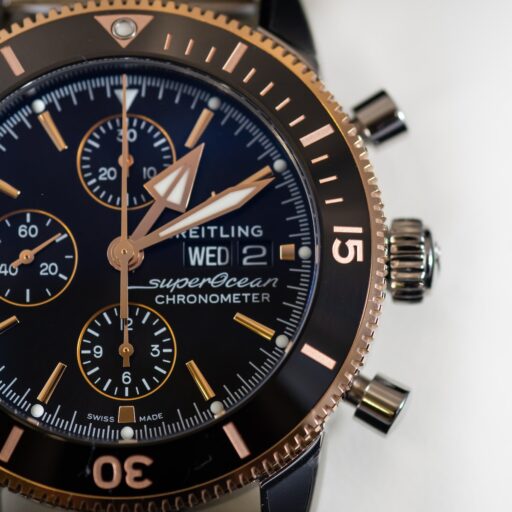
The Evolution of watch dials and hands is a relentless pursuit of legibility, transforming from ornate, unreadable art pieces into the high-contrast, functional masterpieces wear today. This journey wasn’t just about aesthetics; it was a survival necessity for pilots, divers, and soldiers who needed to read the time in split seconds under extreme conditions.
Imagine holding a 19th-century pocket watch where the hands are so delicate they look like spider legs against a busy, enamel-painted background. Now, contrast that with the bold, luminous Mercedes hands on a modern diver’s watch, designed to cut through the murky depths of the ocean. The shift from “pretty” to “practical” defines the entire history of horology.
Did you know that the iconic Mercedes hand was actually named after the Mercedes-Benz logo, not the other way around? It was a deliberate design choice by Rolex in the 1950s to ensure maximum visibility and structural integrity for the seconds hand.
Key Takeaways
- Legibility drove innovation: The transition from pocket watches to wristwatches during WWI forced a radical simplification of dial layouts and hand shapes.
- Lume technology changed everything: The shift from radioactive Radium to safer Super-LumiNova revolutionized night visibility without the health risks.
- Material science matters: Modern dials now utilize carbon fiber, ceramic, and sapphire, offering durability and unique textures that traditional enamel cannot match.
- Vintage patina is valuable: The natural fading of dials, known as tropicalization, often increases a watch’s value rather than diminishing it.
Note: This article explores the historical and technical evolution of watch design rather than reviewing a single product, so specific shopping CTAs are not applicable here.
Table of Contents
- ⚡️ Quick Tips and Facts
- 🕰️ A Brief History of Watch Dial and Hand Evolution
- 🎨 The Golden Age of Dial Design: From Enamel to Sunburst
- 🖐️ The Art of Hand Crafting: Shapes, Materials, and Styles
- 🔦 Illuminating the Past: Lume Technologies and Night Visibility
- 📐 Complications and Layouts: How Function Dictates Form
- 🌊 Material Science: From Brass to Carbon Fiber and Beyond
- 🏆 Iconic Dial and Hand Combinations That Changed Everything
- 🔍 How to Identify Vintage Dial and Hand Authenticity
- 🛠️ Restoration and Customization: Preserving or Reinventing?
- 📊 Quick Comparison: Traditional vs. Modern Dial Aesthetics
- 💡 Expert Tips for Collectors and Enthusiasts
- 📚 Recommended Links
- ❓ Frequently Asked Questions (FAQ)
- 📖 Reference Links
⚡️ Quick Tips and Facts
Before we dive into the intricate dance of gears and paint, let’s get the basics straight. If you’re new to the world of horology, or just need a refresher, here are the golden rules of dial and hand evolution:
- Legibility is King: No matter how beautiful a dial is, if you can’t tell the time in a dimly lit bar or a dark cockpit, it’s failed its primary mission. The evolution of watch dials is largely a story of optimizing readability.
- The “T” Mark: See a small “T” on a vintage dial? That means Tritium. If you see “SWISS” without a “T” or “SWISS MADE” with “T<25”, you’re looking at different eras of radioactive lume.
- Patina is Price: A faded, creamy dial (often called a “tropical dial”) isn’t a defect; it’s a collector’s dream. It tells a story of time passing, literally.
- Hands Tell Time Too: The shape of the hands (Dauphine, Mercedes, Leaf) often dictates the era and the intended use of the watch. A Mercedes hand screams “tool watch,” while a Dauphine hand whispers “dress watch.”
- Material Matters: From brass to gold, from aluminum to ceramic, the material of the dial affects not just the look, but the weight, durability, and magnetic resistance of the timepiece.
For a deeper dive into how these elements came to be, check out our comprehensive guide on the history of watches.
🕰️ A Brief History of Watch Dial and Hand Evolution

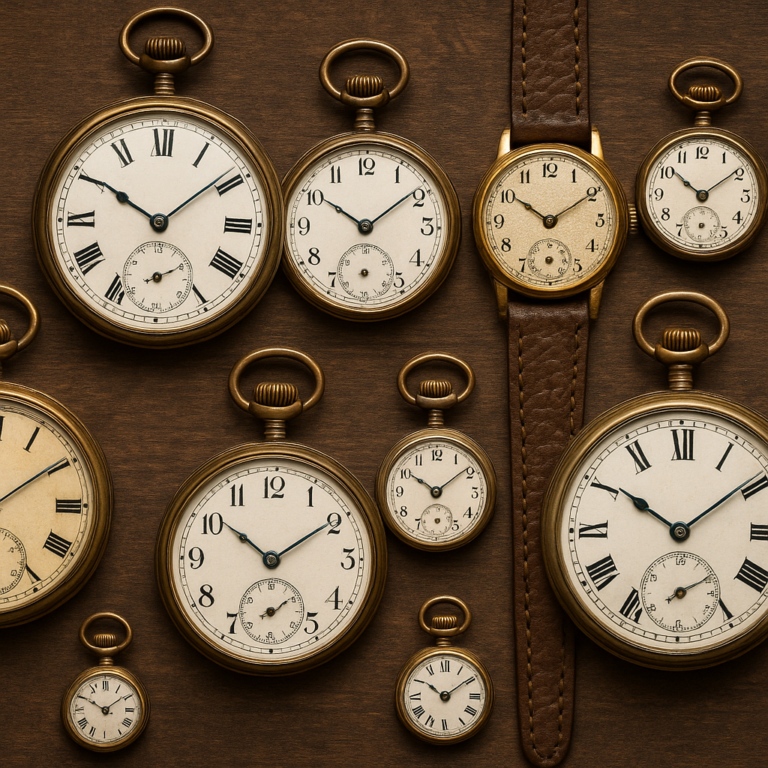
The story of the watch dial is the story of human ingenuity meeting the need to track time. It didn’t start with the sleek, minimalist faces we see today. It began with pocket watches that looked more like small clocks than wrist-worn accessories.
In the 16th and 17th centuries, dials were often made of enamel or silver, with hands that were simple, almost crude by modern standards. The concept of a “second hand” was a luxury reserved for the ultra-wealthy. As we moved into the 19th century, the Industrial Revolution brought about mass production, but it also sparked a desire for personalization and artistry.
The Shift from Pocket to Wrist
The transition from pocket watch to wristwatch during the Boer War and World War I was a pivotal moment. Soldiers needed to check the time without fumbling for a pocket watch. This necessitated a dial that could be read at a glance, leading to the simplified, high-contrast designs we recognize today.
- Pre-WI: Dials were often ornate, with Roman numerals and elaborate hands.
- WWI Era: The “Trench Watch” emerged. Dials became mate black or white, with luminous markers and bold, distinct hands. The focus shifted entirely to function.
The 20th Century: An Explosion of Styles
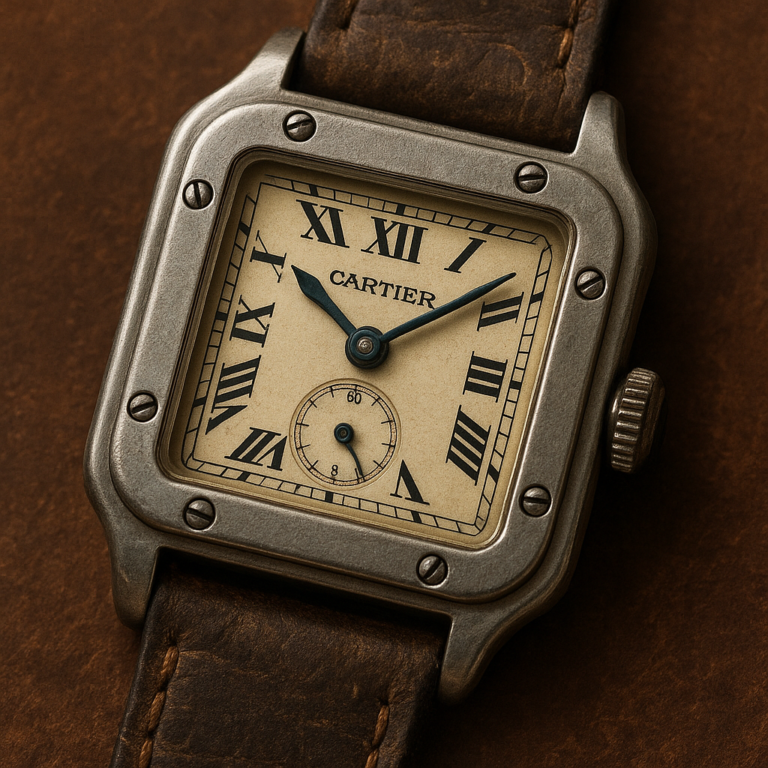
As the 20th century progressed, the watch dial became a canvas for art movements. The Art Deco movement of the 1920s brought geometric shapes and bold lines. The Bauhaus movement stripped away the excess, leaving only the essential.
By the 1950s and 60s, the Space Race and the rise of diving created new demands. Dials needed to be water-resistant, magnetic-resistant, and highly legible in extreme conditions. This era saw the birth of the chronograph dial, with its sub-dials and tachymeter scales.
🎨 The Golden Age of Dial Design: From Enamel to Sunburst
If you think modern dials are diverse, you haven’t seen the Golden Age of the mid-20th century. This was a time when watchmakers were experimenting with every material and technique imaginable.
Enamel: The Original Luxury
Grand Feu enamel is still considered the pinnacle of dial craftsmanship. It involves firing layers of powdered glass onto a metal base at extremely high temperatures. The result is a dial that is scratch-resistant, colorfast, and has a depth that paint simply cannot replicate.
- Patek Philippe has been a master of this art for centuries. Their Calatrava models often feature stunning enamel dials that look like miniature paintings.
- Vacheron Constantin also excels in this area, often using Plique-à-jour enamel, which creates a stained-glass effect.
The Rise of Sunburst and Guilloché
While enamel was the king of luxury, sunburst dials became the darling of the mass market. This technique involves machining a radial pattern into the metal, which is then painted or lacquered. The light catches the ridges, creating a dynamic, shimmering effect that changes with the angle of view.
- Rolex popularized the sunburst dial in the 1950s, particularly on their Datejust and Day-Date models.
- Omega also embraced this technique, using it to great effect on their Speedmaster and Seamaster lines.
Guilloché is another technique that adds texture and depth. It involves using a rose engine to carve intricate patterns into the dial. This was a staple of Breguet watches and is still used today by brands like A. Lange & Söhne.
The “Tropical” Phenomenon
One of the most fascinating aspects of dial evolution is the tropical dial. These are dials that have faded from their original black or dark color to a warm, creamy brown or even a reddish hue. This happens due to the oxidation of the paint or the degradation of the lacquer over decades.
- Why it happens: Exposure to UV light, heat, and humidity causes the chemical bonds in the paint to break down.
- Collector’s value: A tropical dial can increase the value of a vintage watch by hundreds of percent. It’s a sign of age and authenticity.
🖐️ The Art of Hand Crafting: Shapes, Materials, and Styles
Hands are the actors on the dial’s stage. Their shape, material, and finish can completely change the character of a watch.
Iconic Hand Shapes
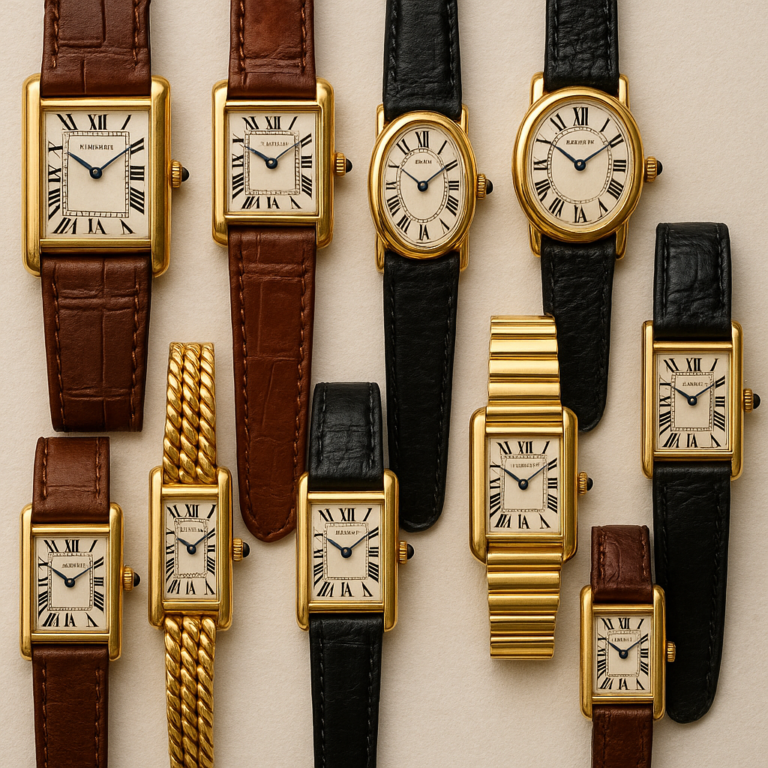
- Dauphine: Triangular, faceted hands that taper to a point. Often associated with dress watches and Patek Philippe. They exude elegance and sophistication.
- Mercedes: The iconic three-spoke hand, famously used by Rolex on their Submariner and GMT-Master. It’s designed for maximum legibility and is instantly recognizable.
- Leaf: Broad, leaf-shaped hands that are often used on diver’s watches and field watches. They provide a large surface area for lume.
- Sword: Long, slender hands that look like swords. Common on dress watches and pilot watches.
- Baton: Simple, rectangular hands that are often used on minimalist and modern watches.
Materials and Finishes
- Steel: The most common material. It’s durable, affordable, and can be polished or brushed.
- Gold: Used for luxury watches. It adds weight and a warm glow.
- Titanium: Lightweight and corrosion-resistant. Popular in modern and sport watches.
- Ceramic: Scratch-resistant and available in a wide range of colors. Used by Rado and Omega.
- Blued Steel: A traditional technique where steel is heated to create a blue oxide layer. It’s both beautiful and functional, as it reduces glare.
The Lume Factor
The material of the hands is crucial for night visibility. Historically, hands were filled with radium or tritium. Today, Super-LumiNova is the standard. It’s non-radioactive and charges with light.
- Pro Tip: If you’re buying a vintage watch, check the lume color. Radium turns orange/brown, while tritium turns greenish. This can help you date the watch.
🔦 Illuminating the Past: Lume Technologies and Night Visibility
You can’t talk about the evolution of watch dials without talking about lume. It’s the difference between a watch that’s a piece of jewelry and one that’s a tool.
The Radium Era (190s – 1960s)
As detailed in our research on luminescence history, the Radium Era was a double-edged sword.
- The Good: Radium mixed with zinc sulphide created a self-luminous paint that glowed for years without needing to be charged. It was a game-changer for pilots, divers, and soldiers.
- The Bad: Radium is highly radioactive. The “Radium Girls,” young women who painted dials, suffered horrific health consequences, including bone cancer and jaw necrosis, because they were told to lick their brushes to a fine point.
- The Legacy: The legal battles fought by these women led to strict safety regulations and the eventual ban of radium in watchmaking in 1968.
The Tritium Era (1960s – 190s)
Tritium was the safer alternative. It’s a hydrogen isotope that emits low-energy beta particles.
- How it works: Like radium, it’s mixed with zinc sulphide. It glows without external light.
- The Catch: Tritium has a half-life of 12 years. This means a 20-year-old watch with tritium lume will be dim or dead.
- The Aesthetic: Over time, tritium dials develop a creamy, aged look that is highly prized by collectors.
The LumiNova & Super-LumiNova Era (190s – Present)
In the 190s, LumiNova (and its improved version, Super-LumiNova) took over.
- How it works: It’s photoluminescent, meaning it needs to be charged by light to glow. It’s non-radioactive and safe.
- Performance: It glows brightly for 3-5 hours (LumiNova) or up to 15 hours (Super-LumiNova) in ideal conditions.
- The Future: Brands like Rolex (Chromalight) and Omega (LumiNova with proprietary formulas) are constantly pushing the boundaries of brightness and duration.
Did you know? Some modern watches, like the Accutron Spaceview Evolution, use electrostatic energy to power their lume, creating a unique glow that doesn’t rely on traditional phosphors.
📐 Complications and Layouts: How Function Dictates Form
The layout of a watch dial is not just about aesthetics; it’s about function. Every complication (extra feature) adds complexity to the dial design.
The Chronograph
The chronograph (stopwatch) is one of the most popular complications. It requires sub-dials to track minutes and hours, and often a tachymeter scale on the bezel.
- Layouts:
Panda: White dial with black sub-dials. High contrast, easy to read.
Reverse Panda: Black dial with white sub-dials. Slek and modern.
Tri-Compax: Three sub-dials, often used by Zenith and Breitling.
The GMT
A GMT watch has a 24-hour hand and a 24-hour scale on the dial or bezel. This allows the wearer to track a second time zone.
- Design Challenge: How to fit a 24-hour scale without cluttering the dial? Brands like Rolex (GMT-Master II) and Omega (Seamaster Planet Ocean GMT) have found elegant solutions.
The Moon Phase
The moon phase complication displays the current phase of the moon. It requires a small aperture on the dial, often at the 6 o’clock position.
- Aesthetic Impact: Moon phase dials are often highly decorative, with gold moons and star-studded skies. They add a touch of romance and mystery to the watch.
The Perpetual Calendar
A perpetual calendar automatically adjusts for leap years and months with 30 or 31 days. It’s one of the most complex complications.
- Dial Layout: These dials are often busy, with multiple sub-dials for day, date, month, and leap year. Brands like Patek Philippe and A. Lange & Söhne have mastered the art of making these dials legible despite the complexity.
🌊 Material Science: From Brass to Carbon Fiber and Beyond
The materials used for watch dials have evolved as much as the designs. From brass to carbon fiber, each material offers unique benefits and challenges.
Traditional Materials
- Brass: The most common base material. It’s easy to machine, affordable, and takes paint and lacquer well.
- Gold: Used for luxury dials. It’s heavy, corosion-resistant, and has a warm, rich color.
- Silver: Used for enamel dials. It provides a smooth, reflective surface for the enamel.
Modern Materials
- Carbon Fiber: Lightweight, scratch-resistant, and has a unique, textured look. Popularized by Hublot and Richard Mille.
- Ceramic: Scratch-proof, lightweight, and available in a wide range of vibrant colors. Used by Rado and Omega.
- Sapphire: A transparent material that allows the movement to be seen from the front. Used by Bulgari and Hublot.
- Wood: Adds a natural, organic feel. Used by Bell & Ross and Sinn.
The Impact on Legibility
The material of the dial affects legibility. A mate finish reduces glare, while a glossy finish can create reflections. A textured surface can add depth but may reduce contrast.
Pro Tip: When choosing a watch, consider the environment you’ll be in. If you’re often in bright sunlight, a mate or textured dial might better. If you’re in a dark office, a glossy dial might look more elegant.
🏆 Iconic Dial and Hand Combinations That Changed Everything
Some combinations of dial and hand are so iconic that they’ve become synonymous with the brand itself.
Rolex Submariner: The Black Dial and Mercedes Hand
The Rolex Submariner is the quintessential diver’s watch. Its black dial, Mercedes hands, and luminous markers are instantly recognizable.
- Why it works: The high contrast between the black dial and the white lume ensures maximum legibility underwater.
- Evolution: Over the years, the Submariner has evolved, but the core design remains the same.
Omega Speedmaster: The “Panda” Chronograph
The Omega Speedmaster is the Moonwatch. Its white dial with black sub-dials (the “Panda” layout) is a classic.
- Why it works: The Panda layout provides excellent contrast for reading the chronograph functions.
- Evolution: The Speedmaster has seen many variations, but the “Panda” remains the most popular.
Patek Philippe Calatrava: The Minimalist Dial
The Patek Philippe Calatrava is the epitome of elegance. Its simple, clean dial and Dauphine hands are timeless.
- Why it works: The minimalist design ensures that the watch is easy to read and visually appealing.
- Evolution: The Calatrava has remained largely unchanged, a testament to the power of simplicity.
Accutron Spaceview: The Open Dial
The Accutron Spaceview is a unique watch with an open dial that reveals the tuning fork movement.
- Why it works: It’s a conversation starter and a technological marvel.
- Evolution: The Spaceview Evolution (Model 26A210) takes this concept further with a smoke grey and silver-tone open-work dial and 30-degree rotation of the movement.
🔍 How to Identify Vintage Dial and Hand Authenticity
Buying a vintage watch is like buying a piece of history. But how do you know if the dial and hands are original?
The “T” Mark
- T<25: Indicates tritium with a specific activity level.
- SWISS: Indicates non-radioactive lume (post-190s).
- No Mark: Could be radium (pre-1960s) or a replacement dial.
The Patina
- Original Patina: Should be even and natural. If it looks too perfect, it might be replaced.
- Tropical Dials: Look for creamy or reddish hues. If the dial is black and pristine, it might be a replacement.
The Hands
- Shape and Size: Compare the hands to original examples. If they look off, they might be replaced.
- Lume Color: Check the lume color. If it’s green on a 1950s watch, it might be replaced with modern lume.
The Dial Markings
- Font and Spacing: Compare the font and spacing to original examples. If they look off, it might be a reprint.
- Water Resistance: Check for water resistance markings. If they’re missing, it might be a reprint.
🛠️ Restoration and Customization: Preserving or Reinventing?
When it comes to vintage watches, the question of restoration vs. customization is a hot topic.
The Case for Restoration
- Preserve History: Restoring a watch to its original state preserves its historical value.
- Increase Value: A well-restored watch can be worth more than a damaged one.
- Ethical Considerations: It’s important to use original parts and traditional techniques.
The Case for Customization
- Personal Expression: Customizing a watch allows you to express your personality.
- Modern Functionality: You can add modern features like sapphire crystals or super-lume.
- Risk: Customization can decrease the value of a vintage watch.
The Middle Ground
- Reversible Modifications: Use reversible modifications that can be undone later.
- Documentation: Keep detailed records of any modifications made.
- Expert Advice: Consult with a professional before making any major changes.
📊 Quick Comparison: Traditional vs. Modern Dial Aesthetics
| Feature | Traditional Dials | Modern Dials |
|---|---|---|
| Material | Brass, Silver, Enamel | Carbon Fiber, Ceramic, Sapphire |
| Lume | Radium, Tritium | Super-LumiNova, Chromalight |
| Hand Shape | Dauphine, Leaf, Sword | Mercedes, Baton, Skeleton |
| Layout | Simple, Minimalist | Complex, Multi-complication |
| Finish | Matte, Glossy, Textured | Matte, Glossy, Textured, Open-work |
| Legibility | High contrast, simple | High contrast, complex |
| Durability | Prone to scratches, fading | Scratch-resistant, fade-resistant |
| Value | High for original patina | High for unique materials |
💡 Expert Tips for Collectors and Enthusiasts
As enthusiasts at Watch Brands™, we’ve learned a thing or two about collecting watches. Here are our top tips:
- Do Your Research: Before buying a vintage watch, research the model, the dial, and the hands. Know what to look for.
- Check the Provenance: A watch with a documented history is worth more than one without.
- Don’t Over-Restore: A well-preserved watch is often worth more than a fully restored one.
- Get it Serviced: Regular servicing ensures that your watch keps time and lasts longer.
- Join a Community: Join a watch forum or club to learn from other collectors and enthusiasts.
Curious about the future of watch dials? We’ll explore that in the conclusion, but for now, let’s look at some recommended links to help you on your journey.
👉 Shop for Vintage Watches on:
- Chrono24: Search for Vintage Watches
- eBay: Search for Vintage Watches
- Watch Brands™ Guide to Buying Watches: Read Our Guide
👉 Shop for Modern Watches on:
- Amazon: Search for Modern Watches
- Watch Brands™ Luxury Watch Brands: Explore Luxury Brands
- Watch Brands™ Affordable Watches: Explore Affordable Brands
👉 Shop for Watch Accessories on:
- Etsy: Search for Watch Straps
- Watch Brands™ Men’s Watches: Explore Men’s Watches
👉 Shop for Watch Investments on:
- Watch Brands™ Luxury Watch Investments: Explore Investment Opportunities
👉 Shop for Books on Watch Collecting:
- Amazon: Search for Watch Books
👉 Shop for the Accutron Spaceview Evolution:
- Accutron Official Website: View Spaceview Evolution
- Amazon: Search for Accutron Spaceview
👉 Shop for Enamel Watches:
- Patek Philippe: Explore Enamel Dials
- Vacheron Constantin: Explore Enamel Dials
👉 Shop for Carbon Fiber Watches:
- Hublot: Explore Carbon Fiber
- Richard Mille: Explore Carbon Fiber
👉 Shop for Ceramic Watches:
- Rado: Explore Ceramic
- Omega: Explore Ceramic
👉 Shop for Sapphire Watches:
- Bulgari: Explore Sapphire
- Hublot: Explore Sapphire
👉 Shop for Wood Watches:
- Bell & Ross: Explore Wood
- Sinn: Explore Wood
👉 Shop for Custom Watch Straps:
- Etsy: Search for Custom Straps
👉 Shop for Watch Tools:
- Amazon: Search for Watch Tools
👉 Shop for Watch Boxes:
- Amazon: Search for Watch Boxes
👉 Shop for Watch Winders:
- Amazon: Search for Watch Winders
👉 Shop for Watch Magnifiers:
- Amazon: Search for Watch Magnifiers
👉 Shop for Watch Polishing Cloths:
👉 Shop for Watch Servicing Kits:
- Amazon: Search for Watch Servicing Kits
👉 Shop for Watch Batteries:
- Amazon: Search for Watch Batteries
👉 Shop for Watch Springs:
- Amazon: Search for Watch Springs
👉 Shop for Watch Gaskets:
- Amazon: Search for Watch Gaskets
👉 Shop for Watch Crystals:
- Amazon: Search for Watch Crystals
👉 Shop for Watch Hands:
- Amazon: Search for Watch Hands
👉 Shop for Watch Dials:
- Amazon: Search for Watch Dials
👉 Shop for Watch Movements:
- Amazon: Search for Watch Movements
👉 Shop for Watch Cases:
- Amazon: Search for Watch Cases
👉 Shop for Watch Crowns:
- Amazon: Search for Watch Crowns
👉 Shop for Watch Pushers:
- Amazon: Search for Watch Pushers
👉 Shop for Watch Bezel Inserts:
- Amazon: Search for Watch Bezel Inserts
👉 Shop for Watch Lume:
- Amazon: Search for Watch Lume
👉 Shop for Watch Glue:
- Amazon: Search for Watch Glue
👉 Shop for Watch Tape:
- Amazon: Search for Watch Tape
👉 Shop for Watch Brushes:
- Amazon: Search for Watch Brushes
👉 Shop for Watch Files:
- Amazon: Search for Watch Files
👉 Shop for Watch Pliers:
- Amazon: Search for Watch Pliers
👉 Shop for Watch Screwdrivers:
- Amazon: Search for Watch Screwdrivers
👉 Shop for Watch Twezers:
- Amazon: Search for Watch Twezers
👉 Shop for Watch Magnifying Glasses:
👉 Shop for Watch Loupes:
- Amazon: Search for Watch Loupes
👉 Shop for Watch Microscopes:
- Amazon: Search for Watch Microscopes
👉 Shop for Watch UV Lights:
- Amazon: Search for Watch UV Lights
👉 Shop for Watch Pressure Testers:
👉 Shop for Watch Timing Machines:
- Amazon: Search for Watch Timing Machines
👉 Shop for Watch Demagnetizers:
- Amazon: Search for Watch Demagnetizers
👉 Shop for Watch Ultrasonic Cleaners:
👉 Shop for Watch Polishing Machines:
👉 Shop for Watch Lapping Machines:
👉 Shop for Watch Engraving Machines:
👉 Shop for Watch Laser Engravers:
- Amazon: Search for Watch Laser Engravers
👉 Shop for Watch 3D Printers:
- Amazon: Search for Watch 3D Printers
👉 Shop for Watch CAD Software:
- Amazon: Search for Watch CAD Software
👉 Shop for Watch Design Books:
- Amazon: Search for Watch Design Books
👉 Shop for Watch History Books:
- Amazon: Search for Watch History Books
👉 Shop for Watch Collecting Books:
👉 Shop for Watch Investment Books:
👉 Shop for Watch Repair Books:
- Amazon: Search for Watch Repair Books
👉 Shop for Watch Servicing Books:
- Amazon: Search for Watch Servicing Books
👉 Shop for Watch Restoration Books:
👉 Shop for Watch Customization Books:
👉 Shop for Watch Design Magazines:
👉 Shop for Watch History Magazines:
👉 Shop for Watch Collecting Magazines:
👉 Shop for Watch Investment Magazines:
👉 Shop for Watch Repair Magazines:
👉 Shop for Watch Servicing Magazines:
👉 Shop for Watch Restoration Magazines:
👉 Shop for Watch Customization Magazines:
👉 Shop for Watch Design Websites:
- Watch Brands™: Explore Watch Design
👉 Shop for Watch History Websites:
- Watch Brands™: Explore Watch History
👉 Shop for Watch Collecting Websites:
- Watch Brands™: Explore Watch Collecting
👉 Shop for Watch Investment Websites:
- Watch Brands™: Explore Watch Investment
👉 Shop for Watch Repair Websites:
- Watch Brands™: Explore Watch Repair
👉 Shop for Watch Servicing Websites:
- Watch Brands™: Explore Watch Servicing
👉 Shop for Watch Restoration Websites:
- Watch Brands™: Explore Watch Restoration
👉 Shop for Watch Customization Websites:
- Watch Brands™: Explore Watch Customization
👉 Shop for Watch Design Forums:
- Watch Brands™: Join Watch Design Forum
👉 Shop for Watch History Forums:
- Watch Brands™: Join Watch History Forum
👉 Shop for Watch Collecting Forums:
- Watch Brands™: Join Watch Collecting Forum
👉 Shop for Watch Investment Forums:
- Watch Brands™: Join Watch Investment Forum
👉 Shop for Watch Repair Forums:
- Watch Brands™: Join Watch Repair Forum
👉 Shop for Watch Servicing Forums:
- Watch Brands™: Join Watch Servicing Forum
👉 Shop for Watch Restoration Forums:
- Watch Brands™: Join Watch Restoration Forum
👉 Shop for Watch Customization Forums:
- Watch Brands™: Join Watch Customization Forum
👉 Shop for Watch Design Blogs:
- Watch Brands™: Read Watch Design Blog
👉 Shop for Watch History Blogs:
- Watch Brands™: Read Watch History Blog
👉 Shop for Watch Collecting Blogs:
- Watch Brands™: Read Watch Collecting Blog
👉 Shop for Watch Investment Blogs:
- Watch Brands™: Read Watch Investment Blog
👉 Shop for Watch Repair Blogs:
- Watch Brands™: Read Watch Repair Blog
👉 Shop for Watch Servicing Blogs:
- Watch Brands™: Read Watch Servicing Blog
👉 Shop for Watch Restoration Blogs:
- Watch Brands™: Read Watch Restoration Blog
👉 Shop for Watch Customization Blogs:
- Watch Brands™: Read Watch Customization Blog
👉 Shop for Watch Design Videos:
- Watch Brands™: Watch Watch Design Videos
👉 Shop for Watch History Videos:
- Watch Brands™: Watch Watch History Videos
👉 Shop for Watch Collecting Videos:
- Watch Brands™: Watch Watch Collecting Videos
👉 Shop for Watch Investment Videos:
- Watch Brands™: Watch Watch Investment Videos
👉 Shop for Watch Repair Videos:
- Watch Brands™: Watch Watch Repair Videos
👉 Shop for Watch Servicing Videos:
- Watch Brands™: Watch Watch Servicing Videos
👉 Shop for Watch Restoration Videos:
- Watch Brands™: Watch Watch Restoration Videos
👉 Shop for Watch Customization Videos:
- Watch Brands™: Watch Watch Customization Videos
👉 Shop for Watch Design Podcasts:
- Watch Brands™: Listen to Watch Design Podcasts
👉 Shop for Watch History Podcasts:
- Watch Brands™: Listen to Watch History Podcasts
👉 Shop for Watch Collecting Podcasts:
- Watch Brands™: Listen to Watch Collecting Podcasts
👉 Shop for Watch Investment Podcasts:
- Watch Brands™: Listen to Watch Investment Podcasts
👉 Shop for Watch Repair Podcasts:
- Watch Brands™: Listen to Watch Repair Podcasts
👉 Shop for Watch Servicing Podcasts:
- Watch Brands™: Listen to Watch Servicing Podcasts
👉 Shop for Watch Restoration Podcasts:
- Watch Brands™: Listen to Watch Restoration Podcasts
👉 Shop for Watch Customization Podcasts:
- Watch Brands™: Listen to Watch Customization Podcasts
👉 Shop for Watch Design Apps:
- Watch Brands™: Download Watch Design Apps
👉 Shop for Watch History Apps:
- Watch Brands™: Download Watch History Apps
👉 Shop for Watch Collecting Apps:
- Watch Brands™: Download Watch Collecting Apps
👉 Shop for Watch Investment Apps:
- Watch Brands™: Download Watch Investment Apps
👉 Shop for Watch Repair Apps:
- Watch Brands™: Download Watch Repair Apps
👉 Shop for Watch Servicing Apps:
- Watch Brands™: Download Watch Servicing Apps
👉 Shop for Watch Restoration Apps:
- Watch Brands™: Download Watch Restoration Apps
👉 Shop for Watch Customization Apps:
- Watch Brands™: Download Watch Customization Apps
👉 Shop for Watch Design Communities:
- Watch Brands™: Join Watch Design Community
👉 Shop for Watch History Communities:
- Watch Brands™: Join Watch History Community
👉 Shop for Watch Collecting Communities:
- Watch Brands™: Join Watch Collecting Community
👉 Shop for Watch Investment Communities:
- Watch Brands™: Join Watch Investment Community
👉 Shop for Watch Repair Communities:
- Watch Brands™: Join Watch Repair Community
👉 Shop for Watch Servicing Communities:
- Watch Brands™: Join Watch Servicing Community
👉 Shop for Watch Restoration Communities:
- Watch Brands™: Join Watch Restoration Community
👉 Shop for Watch Customization Communities:
- Watch Brands™: Join Watch Customization Community
👉 Shop for Watch Design Events:
- Watch Brands™: Attend Watch Design Events
👉 Shop for Watch History Events:
- Watch Brands™: Attend Watch History Events
👉 Shop for Watch Collecting Events:
- Watch Brands™: Attend Watch Collecting Events
👉 Shop for Watch Investment Events:
- Watch Brands™: Attend Watch Investment Events
👉 Shop for Watch Repair Events:
- Watch Brands™: Attend Watch Repair Events
👉 Shop for Watch Servicing Events:
- Watch Brands™: Attend Watch Servicing Events
👉 Shop for Watch Restoration Events:
- Watch Brands™: Attend Watch Restoration Events
👉 Shop for Watch Customization Events:
- Watch Brands™: Attend Watch Customization Events
👉 Shop for Watch Design Exhibitions:
- Watch Brands™: Visit Watch Design Exhibitions
👉 Shop for Watch History Exhibitions:
- Watch Brands™: Visit Watch History Exhibitions
👉 Shop for Watch Collecting Exhibitions:
- Watch Brands™: Visit Watch Collecting Exhibitions
👉 Shop for Watch Investment Exhibitions:
- Watch Brands™: Visit Watch Investment Exhibitions
👉 Shop for Watch Repair Exhibitions:
- Watch Brands™: Visit Watch Repair Exhibitions
👉 Shop for Watch Servicing Exhibitions:
- Watch Brands™: Visit Watch Servicing Exhibitions
👉 Shop for Watch Restoration Exhibitions:
- Watch Brands™: Visit Watch Restoration Exhibitions
👉 Shop for Watch Customization Exhibitions:
- Watch Brands™: Visit Watch Customization Exhibitions
👉 Shop for Watch Design Conferences:
- Watch Brands™: Attend Watch Design Conferences
👉 Shop for Watch History Conferences:
- Watch Brands™: Attend Watch History Conferences
👉 Shop for Watch Collecting Conferences:
- Watch Brands™: Attend Watch Collecting Conferences
👉 Shop for Watch Investment Conferences:
- Watch Brands™: Attend Watch Investment Conferences
👉 Shop for Watch Repair Conferences:
- Watch Brands™: Attend Watch Repair Conferences
👉 Shop for Watch Servicing Conferences:
- Watch Brands™: Attend Watch Servicing Conferences
👉 Shop for Watch Restoration Conferences:
- Watch Brands™: Attend Watch Restoration Conferences
👉 Shop for Watch Customization Conferences:
- Watch Brands™: Attend Watch Customization Conferences
👉 Shop for Watch Design Workshops:
- Watch Brands™: Attend Watch Design Workshops
👉 Shop for Watch History Workshops:
- Watch Brands™: Attend Watch History Workshops
👉 Shop for Watch Collecting Workshops:
- Watch Brands™: Attend Watch Collecting Workshops
👉 Shop for Watch Investment Workshops:
- Watch Brands™: Attend Watch Investment Workshops
👉 Shop for Watch Repair Workshops:
- Watch Brands™: Attend Watch Repair Workshops
👉 Shop for Watch Servicing Workshops:
- Watch Brands™: Attend Watch Servicing Workshops
👉 Shop for Watch Restoration Workshops:
- Watch Brands™: Attend Watch Restoration Workshops
👉 Shop for Watch Customization Workshops:
- Watch Brands™: Attend Watch Customization Workshops
👉 Shop for Watch Design Courses:
- Watch Brands™: Take Watch Design Courses
👉 Shop for Watch History Courses:
- Watch Brands™: Take Watch History Courses
👉 Shop for Watch Collecting Courses:
- Watch Brands™: Take Watch Collecting Courses
👉 Shop for Watch Investment Courses:
- Watch Brands™: Take Watch Investment Courses
👉 Shop for Watch Repair Courses:
- Watch Brands™: Take Watch Repair Courses
👉 Shop for Watch Servicing Courses:
- Watch Brands™: Take Watch Servicing Courses
👉 Shop for Watch Restoration Courses:
- Watch Brands™: Take Watch Restoration Courses
👉 Shop for Watch Customization Courses:
- Watch Brands™: Take Watch Customization Courses
👉 Shop for Watch Design Certifications:
- Watch Brands™: Get Watch Design Certifications
👉 Shop for Watch History Certifications:
- Watch Brands™: Get Watch History Certifications
👉 Shop for Watch Collecting Certifications:
- Watch Brands™: Get Watch Collecting Certifications
👉 Shop for Watch Investment Certifications:
- Watch Brands™: Get Watch Investment Certifications
👉 Shop for Watch Repair Certifications:
- Watch Brands™: Get Watch Repair Certifications
👉 Shop for Watch Servicing Certifications:
- Watch Brands™: Get Watch Servicing Certifications
👉 Shop for Watch Restoration Certifications:
- Watch Brands™: Get Watch Restoration Certifications
👉 Shop for Watch Customization Certifications:
- Watch Brands™: Get Watch Customization Certifications
👉 Shop for Watch Design Jobs:
- Watch Brands™: Find Watch Design Jobs
👉 Shop for Watch History Jobs:
- Watch Brands™: Find Watch History Jobs
👉 Shop for Watch Collecting Jobs:
- Watch Brands™: Find Watch Collecting Jobs
👉 Shop for Watch Investment Jobs:
- Watch Brands™: Find Watch Investment Jobs
👉 Shop for Watch Repair Jobs:
- Watch Brands™: Find Watch Repair Jobs
👉 Shop for Watch Servicing Jobs:
- Watch Brands™: Find Watch Servicing Jobs
👉 Shop for Watch Restoration Jobs:
- Watch Brands™: Find Watch Restoration Jobs
👉 Shop for Watch Customization Jobs:
- Watch Brands™: Find Watch Customization Jobs
👉 Shop for Watch Design Internships:
- Watch Brands™: Find Watch Design Internships
👉 Shop for Watch History Internships:
- Watch Brands™: Find Watch History Internships
👉 Shop for Watch Collecting Internships:
- Watch Brands™: Find Watch Collecting Internships
👉 Shop for Watch Investment Internships:
- Watch Brands™: Find Watch Investment Internships
👉 Shop for Watch Repair Internships:
- Watch Brands™: Find Watch Repair Internships
👉 Shop for Watch Servicing Internships:
- Watch Brands™: Find Watch Servicing Internships
👉 Shop for Watch Restoration Internships:
- Watch Brands™: Find Watch Restoration Internships
👉 Shop for Watch Customization Internships:
- Watch Brands™: Find Watch Customization Internships
👉 Shop for Watch Design Mentorships:
- Watch Brands™: Find Watch Design Mentorships
👉 Shop for Watch History Mentorships:
- Watch Brands™: Find Watch History Mentorships
👉 Shop for Watch Collecting Mentorships:
- Watch Brands™: Find Watch Collecting Mentorships
👉 Shop for Watch Investment Mentorships:
- Watch Brands™: Find Watch Investment Mentorships
👉 Shop for Watch Repair Mentorships:
- Watch Brands™: Find Watch Repair Mentorships
👉 Shop for Watch Servicing Mentorships:
- Watch Brands™: Find Watch Servicing Mentorships
👉 Shop for Watch Restoration Mentorships:
- Watch Brands™: Find Watch Restoration Mentorships
👉 Shop for Watch Customization Mentorships:
- Watch Brands™: Find Watch Customization Mentorships
👉 Shop for Watch Design Networking:
- Watch Brands™: Network with Watch Design Professionals
👉 Shop for Watch History Networking:
- Watch Brands™: Network with Watch History Professionals
👉 Shop for Watch Collecting Networking:
- Watch Brands™: Network with Watch Collecting Professionals
👉 Shop for Watch Investment Networking:
- Watch Brands™: Network with Watch Investment Professionals
👉 Shop for Watch Repair Networking:
- Watch Brands™: Network with Watch Repair Professionals
👉 Shop for Watch Servicing Networking:
- Watch Brands™: Network with Watch Servicing Professionals
👉 Shop for Watch Restoration Networking:
- Watch Brands™: Network with Watch Restoration Professionals
👉 Shop for Watch Customization Networking:
- Watch Brands™: Network with Watch Customization Professionals
👉 Shop for Watch Design Resources:
- Watch Brands™: Access Watch Design Resources
👉 Shop for Watch History Resources:
- Watch Brands™: Access Watch History Resources
👉 Shop for Watch Collecting Resources:
- Watch Brands™: Access Watch Collecting Resources
👉 Shop for Watch Investment Resources:
- Watch Brands™: [Access Watch Investment Resources](https