Support our educational content for free when you purchase through links on our site. Learn more
🏆 25 Best Watch Brands in 2026

Rolex, Omega, Grand Seiko, Seiko, Citizen, Casio, Cartier, and Patek Philippe are among the best watch brands, but the right choice depends on your priorities. Rolex leads in recognition and resale demand, Omega excels in technical performance, Grand Seiko delivers remarkable finishing, and Seiko, Citizen, and Casio offer outstanding everyday reliability.
So, what are the best brand of watch? The honest answer is not one logo stamped on every dial. It is the brand that matches your lifestyle, wrist size, movement preference, budget, and taste. A rugged Casio G-Shock may be a better watch for a construction site than a delicate haute horlogerie masterpiece, while a Cartier Tank can outshine both at a formal dinner. ⌚
We have compared 25 leading watchmakers across craftsmanship, accuracy, durability, design, heritage, innovation, service, and long-term value. Along the way, we separate genuine quality from clever marketing, because a famous name should not get a free pass simply for wearing a crown.
Key Takeaways
- Rolex is the strongest all-round luxury choice for recognition, durability, service access, and resale demand.
- Omega is our top technical recommendation, especially for chronographs, dive watches, anti-magnetic performance, and everyday versatility.
- Grand Seiko stands out for exceptional dials, case finishing, precision, and Spring Drive technology.
- Patek Philippe, Audemars Piguet, and Vacheron Constantin lead traditional haute horlogerie and high-end complications.
- Cartier is the standout brand for elegant, design-led dress watches and jewelry-inspired timepieces.
- Tudor, Longines, Tissot, Hamilton, and Oris offer compelling Swiss quality without requiring the most exclusive collector budget.
- Seiko, Citizen, Casio, and SWATCH are excellent choices for dependable, affordable, and distinctive everyday watches.
- Apple, Garmin, and Samsung are the leading smartwatch choices, depending on your phone ecosystem and fitness needs.
- Mechanical watches offer craftsmanship and character; quartz and solar watches offer superior convenience and accuracy.
- The best watch brand is the one that fits your lifestyle, wrist, service needs, and personal style—not simply the most expensive name.
👉 Shop leading watch brands:
- Rolex: Amazon search | Rolex Official Website
- Omega: Amazon search | Omega Official Website
- Grand Seiko: Amazon search | Grand Seiko Official Website
- Seiko: Amazon search | Seiko Official Website
- Citizen: Amazon search | Citizen Official Website
- Casio G-Shock: Amazon search | Casio Official Website
- Cartier: Amazon search | Cartier Official Website
- Tissot: Amazon search | Tissot Official Website
Table of Contents
- ⚡️ Quick Tips and Facts: Choosing the Best Watch Brand
- 🧭 What Makes a Watch Brand the “Best”?
- Craftsmanship, Heritage, and Brand Reputation
- Mechanical, Automatic, Quartz, and Smartwatch Movements
- Materials, Accuracy, Durability, and Water Resistance
- Luxury, Affordable, Independent, and Fashion Watch Categories
- 🏛️ A Brief History of the World’s Most Influential Watchmakers
- Swiss Watchmaking and the Rise of Haute Horlogerie
- Japanese Precision and the Quartz Revolution
- Modern Watch Design, Innovation, and Sustainability
- 🏆 The 25 Best Watch Brands for Every Budget and Style
- Rolex: The Benchmark for Luxury Sports Watches
- Patek Philippe: Traditional Haute Horlogerie at Its Finest
- Omega: Best All-Round Swiss Luxury Watch Brand
- Audemars Piguet: Iconic High-End Sports Watches
- Vacheron Constantin: Historic Geneva Watchmaking
- Cartier: Best Jewelry and Dress Watch Brand
- Breguet: Classical Complications and Watchmaking Heritage
- Jaeger-LeCoultre: The Watchmaker’s Watchmaker
- IWC Schaffhausen: Engineering-Led Pilot and Dress Watches
- Grand Seiko: Japanese Finishing and Exceptional Precision
- Tudor: Best Value in Swiss Luxury Sports Watches
- TAG Heuer: Motorsport-Inspired Chronographs
- Zenith: High-Beat Chronograph Innovation
- Bulgari: Bold Italian Design and Ultra-Thin Movements
- H. Moser & Cie.: Minimalist Independent Watchmaking
- Longines: Elegant Swiss Watches with Strong Heritage
- Tissot: Best Swiss Watch Brand for Everyday Value
- Seiko: Reliable Watches for Every Experience Level
- Citizen: Eco-Drive Technology and Practical Innovation
- Casio: Tough Digital Watches and Iconic G-Shock Designs
- SWATCH: Colorful, Accessible Swiss Watch Design
- Hamilton: American Heritage with Swiss Manufacturing
- Oris: Independent Mechanical Watches for Enthusiasts
- Nomos Glashütte: Modern German Minimalism
- Apple, Garmin, and Samsung: Leading Smartwatch Brands
- 📊 Best Watch Brands by Budget, Purpose, and Personal Style
- Best Luxury Watch Brands
- Best Affordable Watch Brands
- Best Swiss Watch Brands
- Best Japanese Watch Brands
- Best German Watch Brands
- Best Independent Watch Brands
- Best Watch Brands for Men
- Best Watch Brands for Women
- Best Unisex Watch Brands
- Best Dress Watch Brands
- Best Dive Watch Brands
- Best Field and Everyday Watch Brands
- Best Pilot and Aviation Watch Brands
- Best Chronograph Watch Brands
- Best GMT and Travel Watch Brands
- Best Quartz Watch Brands
- Best Solar-Powered Watch Brands
- Best Smartwatch Brands
- ⚙️ Watch Movements Explained: Which Type Is Right for You?
- Mechanical and Hand-Wound Movements
- Automatic Movements
- Quartz Movements
- Solar and Kinetic Movements
- Smartwatch and Hybrid Movements
- 🧪 Watch Materials, Features, and Technical Specifications
- Stainless Steel, Titanium, Ceramic, Gold, and Platinum Cases
- Sapphire Crystal, Mineral Glass, and Acrylic
- Water Resistance and Dive Watch Ratings
- Bracelets, Straps, Clasps, and Comfort
- Case Size, Thickness, Lug-to-Lug, and Wrist Fit
- Complications: Date, Moon Phase, Chronograph, GMT, and Tourbillon
- 💰 Are Expensive Watch Brands Worth It? Value, Prestige, and Ownership Costs
- Luxury Watch Pricing and What You Actually Pay For
- Resale Value, Collectibility, and Brand Demand
- Servicing, Repairs, Insurance, and Long-Term Maintenance
- New, Pre-Owned, Vintage, and Certified Pre-Owned Watches
- 🛒 How to Buy the Best Watch Brand Safely
- Authorized Dealers, Brand Boutiques, and Reputable Retailers
- Online Watch Shopping and Seller Verification
- How to Spot Counterfeit Watches and Frankenwatches
- Warranty Coverage, Returns, Authentication, and Documentation
- 🎁 Choosing a Watch as a Gift
- Best Watch Brands for Birthdays, Graduations, and Anniversaries
- How to Choose the Right Case Size and Style
- Watch Gift Ideas for Collectors and First-Time Buyers
- 🧼 Watch Care and Maintenance Guide
- How to Clean a Watch Safely
- How Often Should a Mechanical Watch Be Serviced?
- Storing, Winding, and Wearing Automatic Watches
- Protecting Watches from Magnets, Shock, Heat, and Moisture
- ❓ Frequently Asked Questions About the Best Watch Brands
- What Is the Number-One Watch Brand in the World?
- Which Watch Brand Has the Best Quality?
- Is Rolex Better Than Omega?
- Which Watch Brand Holds Its Value Best?
- What Is the Best Watch Brand for Beginners?
- Are Swiss Watches Better Than Japanese Watches?
- What Is the Best Watch Brand for Everyday Wear?
- How Many Watches Should You Own?
- ✅ Final Watch Brand Checklist
- Conclusion
- 🔗 Recommended Links
- 📚 Reference Links
If you want the short answer to “What are the best brand of watch?”, start with Rolex, Omega, Grand Seiko, Tudor, Seiko, Citizen, Casio, Cartier, Patek Philippe, and Longines. But “best” depends on what you actually need: prestige, accuracy, durability, design, resale value, or simply a watch that survives your morning commute and an overenthusiastic washing-up session.
Our team at Watch Brands™ has found that the best watch brand is rarely the most expensive one. It is the brand whose movement, case, design, service network, and ownership experience match your lifestyle.
| Your priority | Best brands to consider | Why |
|---|---|---|
| Best overall luxury reputation | Rolex | Strong recognition, robust movements, broad model range, excellent demand |
| Best technical all-rounder | Omega | Master Chronometer certification, space and diving heritage, excellent sports watches |
| Best traditional haute horlogerie | Patek Philippe, Vacheron Constantin, Audemars Piguet | Hand finishing, complications, heritage, exclusivity |
| Best Japanese luxury watchmaker | Grand Seiko | Dial craftsmanship, precision, Spring Drive, distinctive finishing |
| Best first mechanical watch | Seiko, Hamilton, Tissot | Accessible automatic movements, broad styles, easy ownership |
| Best affordable everyday watch | Citizen, Casio, Timex | Reliability, low maintenance, practical designs |
| Best smartwatch | Apple Watch, Garmin, Samsung Galaxy Watch | Health tracking, notifications, fitness tools |
| Best design-led luxury watch | Cartier | Iconic shapes, jewelry expertise, timeless dress-watch appeal |
| Best value-oriented Swiss luxury | Longines, Tudor | Heritage, quality construction, strong everyday versatility |
Five facts worth remembering
- Quartz watches are generally more accurate than mechanical watches, while mechanical watches offer craftsmanship and emotional appeal. The National Institute of Standards and Technology explains how modern timekeeping standards are maintained.
- Water resistance is not the same as waterproofing. The International Organization for Standardization sets testing standards for water-resistant watches.
- Sapphire crystal is highly scratch-resistant, but it can still chip under a sharp impact.
- A famous logo does not automatically mean the best watch for you.
- A watch’s model matters as much as its brand. A Rolex Submariner, Rolex Datejust, and Rolex 1908 serve very different purposes.
✅ Our first practical rule: decide how you will wear the watch before deciding which logo belongs on the dial.
The phrase best watch brand sounds simple, but it hides several different questions:
- Best for what budget?
- Best for which wrist?
- Best for mechanical craftsmanship or accuracy?
- Best for daily wear, formal events, diving, travel, or fitness?
- Best for resale value or personal enjoyment?
A watch enthusiast may call Patek Philippe the best because of its complications and finishing. A nurse working twelve-hour shifts may quite reasonably choose a Casio G-Shock because it is legible, tough, and does not require a tiny mechanical orchestra to keep running.
That is why we evaluate watch brands across seven practical dimensions.
| Evaluation factor | What we examine | Why it matters |
|---|---|---|
| Design | Proportion, legibility, originality, versatility | You must enjoy looking at it |
| Movement | Accuracy, architecture, serviceability, power reserve | The movement is the watch’s engine |
| Build quality | Case, crystal, crown, bracelet, clasp | Determines comfort and durability |
| Heritage | Historical importance and continuity | Adds context, identity, and collector appeal |
| Innovation | Materials, calibers, technology, engineering | Shows the brand is progressing |
| Value | Features relative to ownership cost | Prevents paying only for marketing |
| Support | Warranty, service centers, parts availability | Matters after the honeymoon period |
Craftsmanship, Heritage, and Brand Reputation
A brand’s reputation usually comes from a mixture of history, consistency, cultural relevance, and product quality. Rolex has become a global shorthand for success. Omega carries associations with NASA, the Olympic Games, and James Bond. Cartier’s Tank is as much a design object as it is a timekeeper.
But heritage can be used in two ways:
- Substantive heritage: historical designs supported by current engineering and service.
- Decorative heritage: vintage-looking styling used mainly as a marketing costume.
The strongest brands connect the past to the present. Longines draws on aviation, racing, and early wristwatch history, while continuing to develop modern automatic movements. Seiko has a history spanning mechanical watches, quartz, digital technology, and Spring Drive.
What should you look for?
✅ A clear design language
✅ Reliable movement families
✅ Transparent warranty and servicing
✅ Consistent quality across collections
✅ A genuine reason for the brand’s historical importance
❌ A logo doing all the heavy lifting
❌ “Limited edition” used as a substitute for innovation
❌ A vintage story with no meaningful modern execution
Mechanical, Automatic, Quartz, and Smartwatch Movements
The movement determines how a watch behaves, how often it needs attention, and what kind of ownership experience you receive.
| Movement type | Typical strengths | Typical drawbacks | Best for |
|---|---|---|---|
| Hand-wound mechanical | Thiness, interaction, traditional charm | Requires regular winding | Enthusiasts and dress-watch buyers |
| Automatic mechanical | Self-winding, sweeping seconds hand, craftsmanship | Less accurate; needs servicing | Everyday mechanical-watch wearers |
| Quartz | High accuracy, low maintenance, affordability | Less mechanical romance | Practical daily use |
| Solar quartz | Long battery life, low maintenance | Limited movement decoration | Travel, outdoors, everyday wear |
| Smartwatch | Health data, GPS, notifications, apps | Requires charging; shorter product cycle | Fitness and connected lifestyles |
| Hybrid | Traditional dial with smart features | Compromises on both sides | Users wanting subtle technology |
The Swiss Federal Institute of Metrology and the Federation of the Swiss Watch Industry provide useful context on precision and Swiss watchmaking standards.
Mechanical does not automatically mean better
A mechanical watch can beautifully made and still be less accurate than an inexpensive quartz watch. That is not a contradiction. Mechanical watches are valued for:
- Hand-finished components
- Traditional engineering
- Visible motion
- Historical continuity
- Repairability
- Emotional connection
Quartz watches win on accuracy and convenience. Mechanical watches win on craft and character. Smartwatches win on information. The best choice depends on which victory you actually want.
Materials, Accuracy, Durability, and Water Resistance
A quality watch is a system. A superb movement inside a poorly designed case is still a poor everyday watch.
Key specifications to compare
| Specification | Strong everyday benchmark | Why it matters |
|---|---|---|
| Crystal | Sapphire | Excellent scratch resistance |
| Case | Stainless steel, titanium, ceramic, or precious metal | Affects weight, durability, and appearance |
| Water resistance | At least 50 meters for general use | Provides a margin for splashes and rain |
| Bracelet | Solid links with a secure clasp | Improves comfort and longevity |
| Accuracy | Brand-specific tolerance | Helps compare mechanical movements honestly |
| Power reserve | Around 40 hours or more for mechanical watches | Reduces resetting after removal |
| Warranty | Five years is common among leading luxury brands | Indicates manufacturer confidence |
A 100-meter rating does not mean you should automatically take the watch 100 meters underwater. The ISO 22810 standard concerns laboratory testing, while real-world use includes temperature changes, aging seals, crown position, and impact.
Luxury, Affordable, Independent, and Fashion Watch Categories
We divide watch brands into four broad groups.
Luxury watch brands
Examples include:
- Rolex
- Omega
- Cartier
- Patek Philippe
- Audemars Piguet
- Vacheron Constantin
- Jaeger-LeCoultre
- Grand Seiko
Luxury usually involves better finishing, stronger service infrastructure, more expensive materials, and greater brand recognition. It does not guarantee that every model offers better practical timekeeping.
Affordable and accessible watch brands
Examples include:
- Seiko
- Citizen
- Casio
- Timex
- Tissot
- Orient
- Swatch
These brands often deliver excellent utility. The Watch Brands™ affordable watches category is useful when your priority is dependable ownership rather than prestige.
Independent watch brands
Examples include:
- H. Moser & Cie.
- Oris
- Nomos Glashütte
- Christopher Ward
- Ressence
- Furlan Mari
- anOrdain
Independent brands often take greater creative risks. Their challenge is usually smaller service networks and lower resale liquidity.
Fashion watch brands
Fashion brands can offer attractive styling, but you should inspect the movement, crystal, case construction, and warranty before buying. A stylish watch is not automatically a bad watch, but a high logo premium with a basic movement deserves scrutiny.
The modern watch industry is a fascinating tug-of-war between tradition and disruption.
Swiss Watchmaking and the Rise of Haute Horlogerie
Swiss watchmaking became internationally influential through specialist craftsmanship, export networks, and the development of mechanical complications. Brands such as Breguet, Patek Philippe, and Vacheron Constantin helped establish the language of high watchmaking: repeaters, perpetual calendars, tourbillons, chronographs, and elaborate finishing.
The Swiss industry also developed a powerful ecosystem of suppliers, movement makers, case manufacturers, dial specialists, and independent finishers. That ecosystem explains why “Swiss Made” carries weight, although the label has specific legal requirements rather than meaning that every component originated in Switzerland. The Federation of the Swiss Watch Industry explains Swiss Made criteria here.
Japanese Precision and the Quartz Revolution
Japanese manufacturers changed the industry dramatically. Seiko’s history includes the launch of one of the world’s first quartz watches, the Astron, in 1969. Quartz technology delivered remarkable accuracy and challenged the economics of traditional mechanical watchmaking.
Citizen later developed Eco-Drive, using light to power quartz watches. Casio pushed digital watches into rugged, feature-rich territory with G-Shock.
The result was not the death of mechanical watches. Instead, mechanical watches moved further toward luxury, craftsmanship, and identity, while quartz became the practical champion.
Modern Watch Design, Innovation, and Sustainability
Today’s innovation includes:
- Silicon escapement components
- Anti-magnetic movements
- Ceramic cases
- Titanium construction
- Solar charging
- Advanced smartwatch sensors
- Recycled and upcycled materials
- New approaches to display and case architecture
Omega’s Master Chronometer testing demonstrates the modern emphasis on anti-magnetism and precision. Grand Seiko’s Spring Drive blends mechanical energy with electronic regulation.
The question is no longer “mechanical or electronic?” It is which technology creates the best experience for the wearer?
The following list is not a simplistic “most expensive wins” ranking. We have included brands for craftsmanship, design, reliability, innovation, heritage, value, and daily usefulness.
1. Rolex: The Benchmark for Luxury Sports Watches
Rolex remains one of the safest recommendations for a luxury watch because it combines:
- Strong global recognition
- Robust in-house movements
- Excellent bracelet construction
- Broad service availability
- High demand for major models
- Clear design identity
Best Rolex collections
| Collection | Character | Best for |
|---|---|---|
| Submariner | Professional dive watch | Sport, travel, daily wear |
| Datejust | Versatile classic | Office, formal, everyday use |
| GMT-Master II | Dual-time travel watch | Frequent travelers |
| Daytona | Racing chronograph | Collectors and motorsport fans |
| Oyster Perpetual | Simple, colorful, durable | First Rolex buyers |
| Day-Date | Precious-metal prestige | Formal luxury |
| 1908 | Refined dress watch | Traditional elegance |
Strengths
✅ Excellent case and bracelet engineering
✅ Strong brand recognition
✅ Reliable automatic movements
✅ Broad model ecosystem
✅ Generally strong resale demand
Drawbacks
❌ Brand hype can overshadow alternatives
❌ Availability may be frustrating
❌ Some buyers dislike the attention
❌ Pricing can reflect demand more than technical uniqueness
A competing enthusiast video places Rolex in a separate “Rolex Tier,” praising its desirability while criticizing perceived overpricing and limited innovation. That criticism is useful, but it should be balanced against Rolex’s exceptional manufacturing consistency and service network. Watchmaking is not a courtroom where one dramatic verdict settles everything.
👉 CHECK PRICE on:
- Rolex Submariner: Amazon search | Rolex Official Website
- Rolex Datejust: Amazon search | Rolex Official Website
2. Patek Philippe: Traditional Haute Horlogerie at Its Finest
Patek Philippe represents the upper tier of traditional Swiss watchmaking. Its reputation rests on:
- Complicated movements
- Hand finishing
- Long-term design continuity
- Low production relative to mass-market brands
- Strong collector interest
Notable collections
- Calatrava
- Nautilus
- Aquanaut
- Grand Complications
- Complications
- Golden Ellipse
Patek Philippe is particularly compelling if you value movement architecture, finishing, and generational ownership. Its famous slogan about never truly owning the watch is marketing, certainly, but it also captures the emotional logic of heirloom watchmaking.
Strengths
✅ Exceptional finishing and complications
✅ Strong historical credibility
✅ Highly collectible references
✅ Distinctive dress and sports-watch designs
Drawbacks
❌ Very high ownership costs
❌ Scarcity complicates buying
❌ Some models attract speculation more than appreciation
❌ Not necessarily the most practical daily watch
The enthusiast video places Patek Philippe in a “Take My Money” tier, while market analysts often rank it among the strongest brands for value retention. Both perspectives can be true: a watch may be technically excellent and financially desirable without being the right watch for your wrist.
👉 CHECK PRICE on:
- Patek Philippe Calatrava: Amazon search | Patek Philippe Official Website
- Patek Philippe Nautilus: Amazon search | Patek Philippe Official Website
3. Omega: Best All-Round Swiss Luxury Watch Brand
Omega is one of our most confident recommendations because it offers a rare combination of technical credibility, historical depth, and everyday usability.
Signature collections
- Speedmaster
- Seamaster Diver 300M
- Seamaster Planet Ocean
- Aqua Terra
- Constellation
- De Ville
The Speedmaster’s association with NASA and lunar missions gives it unmatched cultural history. The Seamaster family offers robust diving and travel watches. The Aqua Terra is one of the best “one-watch collections” for buyers who want something polished but not delicate.
Strengths
✅ Master Chronometer-certified movements
✅ Strong anti-magnetic performance
✅ Excellent chronograph and dive-watch heritage
✅ More technical variety than many competitors
✅ Strong bracelet and case construction
Drawbacks
❌ Some models are thick
❌ Collection names can be confusing
❌ Resale performance varies by reference
❌ The brand’s breadth can make choosing difficult
The Metas Master Chronometer program tests watches for precision, water resistance, power reserve, and magnetic resistance. That does not make every Omega perfect, but it provides a meaningful technical benchmark.
👉 CHECK PRICE on:
- Omega Speedmaster Moonwatch: Amazon search | Omega Official Website
- Omega Seamaster Diver 300M: Amazon search | Omega Official Website
4. Audemars Piguet: Iconic High-End Sports Watches
Audemars Piguet transformed luxury sports-watch design with the Royal Oak. Its integrated-bracelet architecture, octagonal bezel, and textured dial created a template that competitors still imitate.
Best-known collections
- Royal Oak
- Royal Oak Offshore
- Code 11.59
Strengths
✅ Iconic design language
✅ High-level movement finishing
✅ Strong collector demand
✅ Excellent sports-watch presence
Drawbacks
❌ Integrated bracelets can be less versatile
❌ Servicing is specialized
❌ Prices can be driven heavily by scarcity
❌ The Royal Oak dominates the brand conversation
Audemars Piguet is a strong choice for someone who wants a luxury watch that is immediately recognizable to enthusiasts. It is less ideal for someone seeking quiet, understated elegance.
👉 CHECK PRICE on:
- Audemars Piguet Royal Oak: Amazon search | Audemars Piguet Official Website
- Audemars Piguet Royal Oak Offshore: Amazon search | Audemars Piguet Official Website
5. Vacheron Constantin: Historic Geneva Watchmaking
Vacheron Constantin is one of the oldest continuously operating Swiss watch manufacturers. Its appeal is quieter than Rolex’s and more traditionally refined than many sports-watch brands.
Signature collections
- Patrimony
- Traditionelle
- Overseas
- Historiques
- Métiers d’Art
Strengths
✅ Exceptional hand finishing
✅ Deep historical continuity
✅ Elegant dress watches and complications
✅ Strong high-horology credibility
Drawbacks
❌ Smaller service footprint than Rolex or Omega
❌ Less instantly recognizable outside watch circles
❌ High complexity can increase maintenance demands
The Overseas is the obvious sports-watch option, while Patrimony and Traditionelle offer a more formal experience. If Patek Philippe is the famous orchestra conductor, Vacheron Constantin is the quietly brilliant composer whose score rewards close listening.
👉 CHECK PRICE on:
- Vacheron Constantin Overseas: Amazon search | Vacheron Constantin Official Website
- Vacheron Constantin Patrimony: Amazon search | Vacheron Constantin Official Website
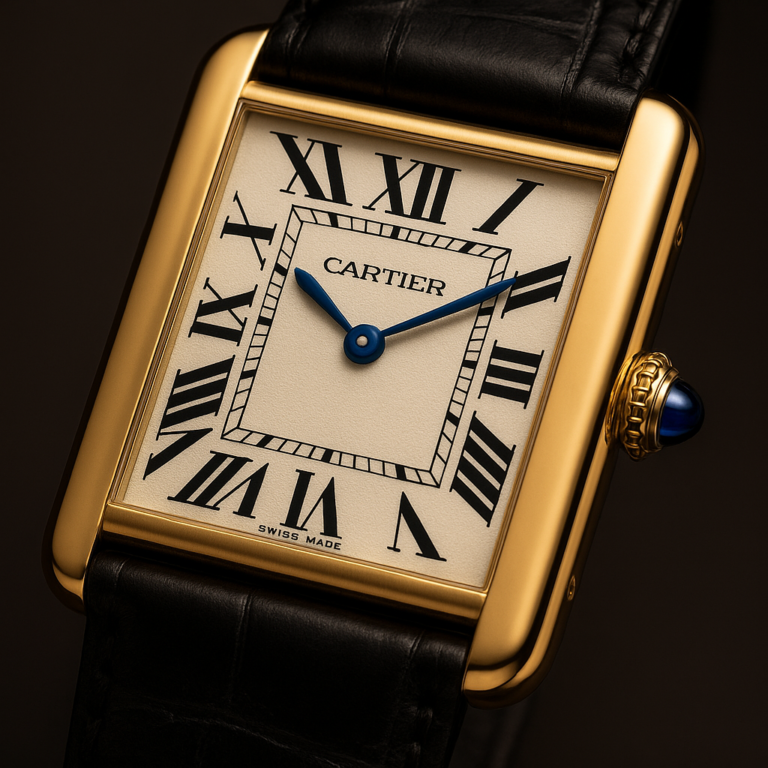
6. Cartier: Best Jewelry and Dress Watch Brand
Cartier excels at design. The Tank, Santos, Panthère, and Pasha are not merely watches; they are recognizable silhouettes with deep cultural roots.
Best Cartier collections
| Collection | Design identity | Ideal wearer |
|---|---|---|
| Tank | Rectangular, elegant, architectural | Dress and formal wear |
| Santos | Square case with exposed screws | Everyday luxury |
| Panthère | Jewelry-forward bracelet watch | Style-conscious buyers |
| Pasha | Rounded, distinctive sports-dress design | Bold personal style |
| Ballon Bleu | Soft, rounded, polished | Versatile luxury |
Strengths
✅ Iconic design
✅ Excellent jewelry expertise
✅ Strong options for all genders
✅ Easy to dress up or down
✅ Distinctive without being loud
Drawbacks
❌ Some models prioritize design over movement spectacle
❌ Bracelet sizing can be specialized
❌ Brand premium may exceed technical specifications
The GQ perspective describes Cartier as wealth that “whispers,” a useful contrast with the louder status language surrounding some sports watches. We agree: a Tank often communicates taste rather than technical obsession.
👉 CHECK PRICE on:
- Cartier Tank: Amazon search | Cartier Official Website
- Cartier Santos: Amazon search | Cartier Official Website
7. Breguet: Classical Complications and Watchmaking Heritage
Breguet is central to the history of mechanical watchmaking. Abraham-Louis Breguet is associated with innovations including the Breguet overcoil, the pare-chute shock-protection system, and the tourbillon patent.
Notable collections
- Classique
- Marine
- Type XX
- Reine de Naples
- Tradition
Strengths
✅ Extraordinary historical importance
✅ Elegant guilloché dials
✅ Complication expertise
✅ Distinctive hands and case details
Drawbacks
❌ Formal styling may not suit casual wear
❌ Brand recognition is lower outside enthusiast circles
❌ Complicated models require specialist servicing
Breguet is ideal for someone who wants a watch with intellectual depth. It is less about shouting “luxury” and more about quietly carrying a chapter of horological history on your wrist.
👉 CHECK PRICE on:
- Breguet Classique: Amazon search | Breguet Official Website
- Breguet Type XX: Amazon search | Breguet Official Website
8. Jaeger-LeCoultre: The Watchmaker’s Watchmaker
Jaeger-LeCoultre has earned its nickname through movement production, technical expertise, and the iconic Reverso.
Signature collections
- Reverso
- Master Control
- Polaris
- Duometre
- Atmos
The Reverso began as a practical design for polo players, allowing the case to flip and protect the crystal. Today, it is one of the most recognizable rectangular watches ever made.
Strengths
✅ Excellent movement engineering
✅ Reverso offers genuine design originality
✅ Strong dress-watch range
✅ Deep technical history
Drawbacks
❌ Rectangular watches are not universally comfortable
❌ Some models are visually conservative
❌ Complications can be expensive to maintain
The enthusiast video places JLC in a “Take My Money” tier, specifically praising reversible watches and movement expertise. That is a subjective ranking, but it captures why enthusiasts often admire JLC even when the wider public does not recognize the name.
👉 CHECK PRICE on:
- Jaeger-LeCoultre Reverso: Amazon search | JLC Official Website
- Jaeger-LeCoultre Master Control: Amazon search | JLC Official Website
9. IWC Schaffhausen: Engineering-Led Pilot and Dress Watches
IWC Schaffhausen is known for clean engineering, pilot watches, and practical complications.
Best-known collections
- Pilot’s Watches
- Portugieser
- Portofino
- Ingenieur
- Aquatimer
Strengths
✅ Excellent legibility
✅ Strong pilot-watch identity
✅ Robust cases and useful complications
✅ Distinctive Portugieser designs
Drawbacks
❌ Some models are large
❌ Pricing can be high relative to movement architecture
❌ Design language is more restrained than flashy
IWC is a good fit for buyers who want a serious, grown-up watch without excessive ornament. The Big Pilot is a statement, but it is a statement written in block capitals rather than glitter.
👉 CHECK PRICE on:
- IWC Pilot’s Watch: Amazon search | IWC Official Website
- IWC Portugieser: Amazon search | IWC Official Website
10. Grand Seiko: Japanese Finishing and Exceptional Precision
Grand Seiko is one of the strongest alternatives to Swiss luxury watchmaking. Its appeal comes from:
- Zaratsu polishing
- Highly detailed dials
- Spring Drive technology
- High-beat mechanical movements
- Japanese seasonal inspiration
- Excellent legibility
Movement families
| Movement | Type | Character |
|---|---|---|
| 9F | Quartz | Extremely precise, beautifully finished |
| 9S | Mechanical | High-beat and conventional automatic movements |
| 9R | Spring Drive | Mechanical power with electronic regulation |
Strengths
✅ Exceptional dial work
✅ Distinctive case finishing
✅ Strong technical credibility
✅ Excellent accuracy in Spring Drive models
✅ Understated brand identity
Drawbacks
❌ Some bracelets lag behind the cases and dials
❌ Designs can feel similar across collections
❌ Servicing may be less convenient depending on location
Grand Seiko is especially compelling for buyers who want craftsmanship without the most obvious luxury branding. The enthusiast video praises Grand Seiko’s execution while criticizing the broader Seiko range as inconsistent. That distinction is exactly right: Seiko and Grand Seiko share history, but they target very different buyers.
👉 CHECK PRICE on:
- Grand Seiko Spring Drive: Amazon search | Grand Seiko Official Website
- Grand Seiko Snowflake: Amazon search | Grand Seiko Official Website
11. Tudor: Best Value in Swiss Luxury Sports Watches
Tudor offers robust sports watches with strong historical ties to Rolex, but it has developed a more independent identity.
Best Tudor collections
- Black Bay
- Pelagos
- Black Bay Chrono
- Ranger
- 1926
- Royal
Strengths
✅ Excellent dive and field watches
✅ Strong bracelet and clasp engineering
✅ Good movement performance
✅ Distinctive vintage-modern styling
✅ Pelagos FXD offers genuine tool-watch purpose
Drawbacks
❌ Some models are thick
❌ Snowflake hands are divisive
❌ Brand direction can feel uneven
❌ Certain designs sit close to Rolex territory
The enthusiast video places Tudor in a “Mid” tier because of concerns about brand direction, while many buyers see Tudor as one of the best practical luxury choices. The disagreement comes down to enthusiast originality versus ownership value.
👉 CHECK PRICE on:
- Tudor Black Bay: Amazon search | Tudor Official Website
- Tudor Pelagos: Amazon search | Tudor Official Website
12. TAG Heuer: Motorsport-Inspired Chronographs
TAG Heuer is deeply connected to motorsport, chronographs, and racing design.
Signature collections
- Carrera
- Monaco
- Formula 1
- Aquaracer
- Autavia
Strengths
✅ Strong motorsport identity
✅ Excellent chronograph designs
✅ Broad range of modern and vintage-inspired models
✅ Good entry point into Swiss luxury
Drawbacks
❌ Collection quality varies
❌ Some models rely heavily on branding
❌ Certain movements are less distinctive than the cases
The Carrera and Monaco are the stars. The Carrera is versatile and clean; the Monaco is unapologetically square and cinematic. If you want a watch that looks like it has a racing soundtrack, start here.
👉 CHECK PRICE on:
- TAG Heuer Carrera: Amazon search | TAG Heuer Official Website
- TAG Heuer Monaco: Amazon search | TAG Heuer Official Website
13. Zenith: High-Beat Chronograph Innovation
Zenith is famous for the El Primero, introduced in 1969 as one of the first automatic chronograph movements.
Best Zenith collections
- Chronomaster
- Defy
- Pilot
- Elite
Strengths
✅ Historically important automatic chronograph
✅ High-beat movement technology
✅ Distinctive open and skeletonized designs
✅ Strong technical identity
Drawbacks
❌ Some dials are visually busy
❌ Pricing can challenge perceived value
❌ Brand recognition is lower than Rolex or Omega
Zenith is a strong choice for the enthusiast who wants something technically interesting and less predictable. It is not the obvious answer, which is precisely why it can be the fun answer.
👉 CHECK PRICE on:
- Zenith Chronomaster: Amazon search | Zenith Official Website
- Zenith Defy: Amazon search | Zenith Official Website
14. Bulgari: Bold Italian Design and Ultra-Thin Movements
Bulgari combines Roman-inspired design with serious movement engineering. Its Octo Finissimo collection has become a landmark in ultra-thin watchmaking.
Signature collections
- Octo Finissimo
- Bulgari Bulgari
- Serpenti
- Aluminium
- Divas’ Dream
Strengths
✅ Strong Italian design identity
✅ Impressive ultra-thin engineering
✅ Excellent jewelry and watch integration
✅ Distinctive case architecture
Drawbacks
❌ Some designs are polarizing
❌ Thin watches can be more delicate
❌ Brand identity spans jewelry, accessories, and watches
The enthusiast video places Bulgari in a “Sleeper” tier because of its technical achievements, despite reservations about some designs. That is a fair assessment: Bulgari is often underestimated by buyers who equate watchmaking prestige only with traditional Swiss names.
👉 CHECK PRICE on:
- Bulgari Octo Finissimo: Amazon search | Bulgari Official Website
- Bulgari Serpenti: Amazon search | Bulgari Official Website
15. H. Moser & Cie.: Minimalist Independent Watchmaking
H. Moser & Cie. is known for minimalist dials, fumé finishes, provocative marketing, and technically sophisticated movements.
Strengths
✅ Beautiful gradient dials
✅ Strong independent identity
✅ Excellent movement finishing
✅ Willingness to challenge industry conventions
Drawbacks
❌ Minimalist displays are not for everyone
❌ Limited service access compared with major brands
❌ High prices reflect low production and specialist work
The enthusiast video ranks H. Moser & Cie. in “God Tier,” calling it “goated.” That is a personal judgment, but the enthusiasm makes sense: Moser offers a clear point of view rather than a committee-designed luxury product.
👉 CHECK PRICE on:
- H. Moser & Cie. Endeavour: Amazon search | H. Moser Official Website
- H. Moser & Cie. Streamliner: Amazon search | H. Moser Official Website
16. Longines: Elegant Swiss Watches with Strong Heritage
Longines is one of the best recommendations for a first serious Swiss watch.
Best Longines collections
- Spirit
- HydroConquest
- Legend Diver
- Master Collection
- Conquest
- DolceVita
- Flagship Heritage
Strengths
✅ Strong historical identity
✅ Broad selection
✅ Elegant and sporty designs
✅ Good movement performance
✅ Excellent first-luxury-watch appeal
Drawbacks
❌ Some models share design cues with competitors
❌ Resale value is not the primary strength
❌ Large collections can overwhelm new buyers
The Luxury Bazaar analysis calls Longines an “entry-level luxury watch brand” and highlights it as an accessible route into Swiss watchmaking. The enthusiast video calls it a “sleeper,” which may be the more exciting description. Longines is not always the loudest recommendation, but it is often the one that leaves buyers happiest.
👉 CHECK PRICE on:
- Longines Spirit: Amazon search | Longines Official Website
- Longines HydroConquest: Amazon search | Longines Official Website
17. Tissot: Best Swiss Watch Brand for Everyday Value
Tissot has been producing watches since 1853 and offers a compelling blend of Swiss identity, modern movements, and accessible design.
Best Tissot collections
- PRX
- Gentleman
- Seastar
- Le Locle
- Heritage
- Supersport
Strengths
✅ Strong Swiss heritage
✅ Broad range of styles
✅ Good automatic and quartz options
✅ Excellent everyday versatility
✅ PRX offers a distinctive integrated-bracelet design
Drawbacks
❌ Popular models can feel ubiquitous
❌ Some quartz models are visually less distinctive
❌ Bracelet finishing varies by collection
The PRX became a major success because it delivers a recognizable 1970s-inspired design without requiring a collector’s budget. It is a good example of how design clarity can matter more than technical extravagance.
👉 CHECK PRICE on:
- Tissot PRX: Amazon search | Tissot Official Website
- Tissot Gentleman: Amazon search | Tissot Official Website
18. Seiko: Reliable Watches for Every Experience Level
Seiko is one of the most versatile watch brands in the world. Its range includes inexpensive quartz watches, automatic field watches, dive watches, solar models, and high-end mechanical pieces.
Best Seiko collections
- Seiko 5 Sports
- Presage
- Prospex
- Astron
- King Seiko
Strengths
✅ Huge variety
✅ Strong Japanese manufacturing history
✅ Excellent entry-level mechanical watches
✅ Good dive-watch options
✅ Easy to find and service
Drawbacks
❌ Quality varies widely across the range
❌ Factory regulation can vary on some affordable models
❌ Bracelet and clasp quality may be basic
The enthusiast video calls Seiko “Mid” because the brand spans such a wide quality range, while praising Grand Seiko’s execution. That criticism is not really an indictment; it is a reminder to judge the specific Seiko collection, not the logo alone.
👉 CHECK PRICE on:
- Seiko 5 Sports: Amazon search | Seiko Official Website
- Seiko Prospex: Amazon search | Seiko Official Website
19. Citizen: Eco-Drive Technology and Practical Innovation
Citizen is a superb choice for buyers who want low maintenance and dependable daily wear.
Why Eco-Drive matters
Citizen’s Eco-Drive watches use light to generate and store energy. They can run for long periods without a conventional battery replacement, although the rechargeable cell will eventually age.
Best Citizen collections
- Promaster
- Eco-Drive
- Tsuyosa
- Super Titanium
- Attesa
- Series 8
Strengths
✅ Solar-powered convenience
✅ Strong titanium options
✅ Excellent dive and field watches
✅ Low ownership maintenance
✅ Good accuracy
Drawbacks
❌ Less mechanical charm
❌ Some designs are oversized
❌ Eco-Drive technology is less visually engaging for movement enthusiasts
The enthusiast video praises Citizen’s Eco-Drive and titanium cases but places the brand in a middle tier. That is a classic example of technical usefulness versus collector excitement. Citizen may not make your heart race like a hand-finished tourbillon, but it may be the watch you trust most.
👉 CHECK PRICE on:
- Citizen Eco-Drive: Amazon search | Citizen Official Website
- Citizen Promaster Diver: Amazon search | Citizen Official Website
20. Casio: Tough Digital Watches and Iconic G-Shock Designs
Casio makes some of the most practical and recognizable watches available.
Best Casio families
- G-Shock
- Pro Trek
- Edifice
- Vintage Digital
- Oceanus
- Classic analog watches
Strengths
✅ Exceptional durability
✅ Excellent digital functionality
✅ Solar and radio-controlled options
✅ Huge design variety
✅ Low maintenance
Drawbacks
❌ Some models are bulky
❌ Formal styling is limited outside Oceanus and select Edifice models
❌ Digital interfaces can feel less traditional
The G-Shock DW-560 is a particularly strong everyday recommendation. It is not trying to be a miniature cathedral of gears. It is trying to survive.
👉 CHECK PRICE on:
- Casio G-Shock DW-560: Amazon search | Casio Official Website
- Casio G-Shock GA-210: Amazon search | Casio Official Website
21. SWATCH: Colorful, Accessible Swiss Watch Design
SWATCH helped make Swiss quartz watches colorful, affordable, and culturally relevant.
Best-known collections
- Originals
- Irony
- Skin
- Big Bold
- MoonSwatch
Strengths
✅ Playful design
✅ Swiss manufacturing identity
✅ Easy entry into watch collecting
✅ Frequent collaborations
✅ Lightweight and comfortable
Drawbacks
❌ Many models use basic quartz movements
❌ Plastic cases can feel less premium
❌ Limited editions can attract speculation
The Omega x Swatch MoonSwatch collaboration brought enormous attention to watches, although it should not be confused with a mechanical Omega Speedmaster. It is a Swatch product inspired by Omega design language, and that distinction matters.
👉 CHECK PRICE on:
- SWATCH Originals: Amazon search | SWATCH Official Website
- MoonSwatch: Amazon search | SWATCH Official Website
22. Hamilton: American Heritage with Swiss Manufacturing
Hamilton combines American historical identity with Swiss production under the Swatch Group.
Best Hamilton collections
- Khaki Field
- Khaki Aviation
- Khaki Navy
- Jazzmaster
- Ventura
- American Classic
Strengths
✅ Excellent field-watch heritage
✅ Strong mechanical entry point
✅ Distinctive military designs
✅ Good strap and case options
✅ Film and popular-culture recognition
Drawbacks
❌ Some models are thick
❌ Design range can feel uneven
❌ Certain movements are shared across the wider group
The Khaki Field Mechanical is a particularly honest watch: legible, purposeful, and free of unnecessary decoration. It is the horological equivalent of a well-made denim jacket.
👉 CHECK PRICE on:
- Hamilton Khaki Field: Amazon search | Hamilton Official Website
- Hamilton Ventura: Amazon search | Hamilton Official Website
23. Oris: Independent Mechanical Watches for Enthusiasts
Oris is an independent Swiss brand with a strong reputation for mechanical watches and practical sports designs.
Best Oris collections
- Aquis
- Divers Sixty-Five
- Big Crown Pointer Date
- ProPilot
- Artelier
Strengths
✅ Independent identity
✅ Strong dive and pilot watches
✅ Distinctive designs
✅ Calibre 400 offers long power reserve and extended warranty conditions on eligible models
✅ Good enthusiast community
Drawbacks
❌ Resale value can be softer
❌ Some models are large
❌ Design experimentation is not universally appealing
The Big Crown Pointer Date is especially charming because it looks unlike the usual dive-watch crowd. The ProPilot X Kermit adds humor to a serious mechanical watch, proving that watchmaking does not need to wear a permanently stern expression.
👉 CHECK PRICE on:
- Oris Aquis: Amazon search | Oris Official Website
- Oris Big Crown Pointer Date: Amazon search | Oris Official Website
24. Nomos Glashütte: Modern German Minimalism
NOMOS Glashütte offers Bauhaus-inspired watches with clean dials, slim cases, and increasingly capable in-house movements.
Best Nomos collections
- Tangente
- Orion
- Club
- Metro
- Tetra
- Ahoi
- Zürich
Strengths
✅ Excellent minimalist design
✅ German manufacturing identity
✅ Slim, attractive cases
✅ Strong in-house movement development
✅ Good dress and casual versatility
Drawbacks
❌ Minimalism can feel too restrained
❌ Lug shapes require careful wrist fitting
❌ Water resistance varies significantly by model
Nomos is a strong choice for someone who wants a watch that looks intelligent without looking desperate for attention.
👉 CHECK PRICE on:
- NOMOS Tangente: Amazon search | NOMOS Official Website
- NOMOS Club: Amazon search | NOMOS Official Website
25. Apple, Garmin, and Samsung: Leading Smartwatch Brands
Smartwatches deserve a place in any serious discussion of the best watch brands because they solve problems mechanical watches cannot.
| Brand | Best for | Key strengths | Main limitation |
|---|---|---|---|
| Apple Watch | iPhone users | Health, apps, notifications, safety | Requires frequent charging |
| Garmin | Athletes and outdoor users | GPS, training metrics, battery life | Less formal styling |
| Samsung Galaxy Watch | Android users | Health, Wear OS, integration | Battery and ecosystem considerations |
| Fitbit | Wellness-focused users | Activity and sleep tracking | Less traditional smartwatch depth |
| Withings | Hybrid-watch buyers | Analog appearance, health tracking | Fewer smartwatch features |
The FDA explains that smartwatch health features are not all equivalent to medical devices. Treat health data as useful guidance, not an automatic diagnosis.
👉 CHECK PRICE on:
- Apple Watch: Amazon search | Apple Official Website
- Garmin Forerunner: Amazon search | Garmin Official Website
- Samsung Galaxy Watch: Amazon search | Samsung Official Website
Best Luxury Watch Brands
For luxury, we recommend matching the brand to the type of luxury you value.
| Luxury preference | Recommended brands |
|---|---|
| Recognition and liquidity | Rolex |
| Technical sports watches | Omega |
| Traditional complications | Patek Philippe, Vacheron Constantin, Breguet |
| Integrated-bracelet sports watches | Audemars Piguet, Vacheron Constantin |
| Design and jewelry heritage | Cartier, Bulgari |
| Independent creativity | H. Moser & Cie., Ressence |
| Japanese finishing | Grand Seiko |
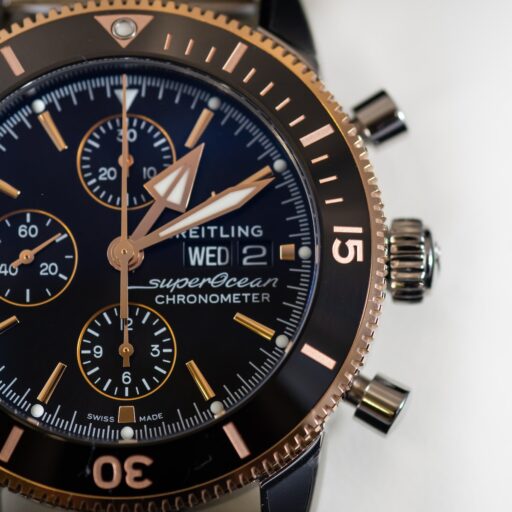
| Aviation engineering | IWC, Breitling |
| Ultra-exclusive engineering | Richard Mille |
The Luxury Bazaar analysis identifies Rolex as the market leader, while Patek Philippe, Audemars Piguet, and Vacheron Constantin occupy the highest traditional horology tier. Those are different measurements: market dominance is not identical to watchmaking complexity.
Best Affordable Watch Brands
Our strongest accessible recommendations are:
- Seiko
- Citizen
- Casio
- Tissot
- Timex
- Orient
- Swatch
- Hamilton
For more practical buying guidance, see our Guide to Buying Watches and Affordable Watches categories.
Best affordable choices by use
| Use | Recommended model families |
|---|---|
| First automatic watch | Seiko 5, Orient Bambino, Tissot Gentleman |
| Tough digital watch | Casio G-Shock |
| Solar everyday watch | Citizen Eco-Drive |
| Field watch | Hamilton Khaki Field, Timex Expedition |
| Affordable dive watch | Seiko Prospex, Citizen Promaster, Orient Kamasu |
| Colorful casual watch | SWATCH Originals |
| Integrated-bracelet style | Tissot PRX |
Best Swiss Watch Brands
Swiss brands remain particularly strong in:
- Mechanical movement development
- Complications
- Hand finishing
- Luxury service networks
- Historical continuity
- Sports-watch design
Our shortlist:
- Rolex
- Omega
- Patek Philippe
- Vacheron Constantin
- Audemars Piguet
- Cartier
- Breguet
- Jaeger-LeCoultre
- IWC
- Longines
- Tissot
- Oris
- Tudor
- TAG Heuer
- Zenith
Best Japanese Watch Brands
Japanese watchmaking is not merely a cheaper alternative to Switzerland. It has its own strengths:
- Quartz innovation
- Solar technology
- High-volume reliability
- Dial artistry
- Spring Drive
- Practical design
- Excellent value
Recommended brands:
- Grand Seiko
- Seiko
- Citizen
- Casio
- Orient
Best German Watch Brands
German watchmaking often emphasizes:
- Clean typography
- Functional design
- Three-quarter plates
- Distinctive movement architecture
- Saxon finishing
- Bauhaus minimalism
Recommended brands:
- A. Lange & Söhne
- Glashütte Original
- NOMOS Glashütte
- Sinn
- Junghans
- Tutima
Best Independent Watch Brands
Independent brands can be more adventurous than large groups.
| Brand | What makes it interesting |
|---|---|
| H. Moser & Cie. | Fumé dials and provocative minimalism |
| Oris | Independent sports-watch expertise |
| Ressence | Rotating-disc time display |
| Nomos | In-house German movements and Bauhaus design |
| anOrdain | Handcrafted enamel dials |
| Christopher Ward | Strong specifications and value |
| Furlan Mari | Vintage-inspired chronograph design |
The trade-off is simple: more personality can mean less convenience. Before buying, check service arrangements, warranty terms, and parts availability.
Best Watch Brands for Men
The phrase “men’s watches” often refers to larger cases and traditionally masculine styling, but fit matters more than gender labels. Our Men’s Watches category covers broader options.
Recommended brands:
- Rolex
- Omega
- Tudor
- Hamilton
- Seiko
- Grand Seiko
- IWC
- Breitling
- Longines
- Oris
- Casio
- Garmin
Strong men’s watch styles
- Dive watches: Omega Seamaster, Tudor Black Bay, Seiko Prospex
- Field watches: Hamilton Khaki Field, Seiko 5
- Dress watches: Cartier Tank, Longines Flagship, Nomos Tangente
- Chronographs: Omega Speedmaster, TAG Heuer Carrera, Zenith Chronomaster
- Travel watches: Rolex GMT-Master II, Tudor Black Bay GMT, Longines Spirit Zulu Time
Best Watch Brands for Women
Excellent choices include:
- Cartier
- Rolex
- Omega
- Longines
- Grand Seiko
- Nomos
- Citizen
- Seiko
- Apple
- Garmin
- Bulgari
- Tissot
The best women’s watch is not necessarily small or jeweled. Many women prefer 36–40 mm sports watches, while others prefer compact dress watches or smartwatches. Measure the lug-to-lug distance, not just the diameter.
Best Unisex Watch Brands
Unisex-friendly brands include:
- Cartier
- Nomos
- Rolex
- Omega
- Grand Seiko
- Seiko
- Tissot
- Casio
- Swatch
- Hamilton
- Apple
- Garmin
A 34–38 mm watch may wear beautifully on a larger wrist if the design is balanced, while a 40–42 mm watch may suit a smaller wrist if the lugs are short and curved.
Best Dress Watch Brands
Our top dress-watch recommendations:
- Patek Philippe
- Vacheron Constantin
- Breguet
- Cartier
- Jaeger-LeCoultre
- Nomos
- Longines
- Grand Seiko
- Piaget
- Chopard
- A. Lange & Söhne
Dress-watch checklist
✅ Thin enough to slide under a cuff
✅ Clear, restrained dial
✅ Leather strap or refined bracelet
✅ Moderate case diameter
✅ Minimal bezel bulk
✅ Appropriate water resistance for daily life
Best Dive Watch Brands
Recommended dive-watch brands include:
- Rolex
- Omega
- Tudor
- Blancpain
- Seiko
- Citizen
- Oris
- Longines
- Doxa
- Zodiac
- Casio G-Shock Frogman
A proper dive watch should have a legible dial, a secure bezel, suitable water resistance, and a reliable strap or bracelet. The ISO 6425 dive-watch standard provides technical requirements for diver’s watches.
Best Field and Everyday Watch Brands
For everyday wear, choose brands with:
- Strong legibility
- Comfortable dimensions
- Durable crystals
- Easy servicing
- Versatile straps
- Sensible water resistance
Top choices:
- Hamilton
- Seiko
- Citizen
- Longines
- Rolex
- Tudor
- Casio
- Timex
- Christopher Ward
- Oris
Best Pilot and Aviation Watch Brands
Recommended aviation-watch brands:
- IWC
- Breitling
- Zenith
- Longines
- Hamilton
- Sinn
- Bell & Ross
- Citizen
- Seiko
Pilot watches traditionally emphasize legibility, large numerals, strong lume, and easy operation. Modern aviation watches may add GMT functions, chronographs, slide rules, or anti-magnetic protection.
Best Chronograph Watch Brands
Top chronograph brands:
- Omega
- Rolex
- Zenith
- TAG Heuer
- Breitling
- Longines
- Seiko
- Citizen
- Hamilton
- Patek Philippe
A chronograph is a stopwatch function integrated into a watch. It is useful for timing laps, cooking, parking meters, and pretending you are at Le Mans while waiting for the kettle.
Best GMT and Travel Watch Brands
Recommended GMT brands:
- Rolex
- Omega
- Tudor
- Longines
- Grand Seiko
- Seiko
- Breitling
- Christopher Ward
- Nomos
- Oris
GMT buying tip
A caller GMT is usually designed for tracking a second time zone, while a traveler GMT allows the local hour hand to jump independently. Frequent travelers should pay attention to this distinction.
Best Automatic Watch Brands
For automatic watches, consider:
- Rolex
- Omega
- Tudor
- Grand Seiko
- Seiko
- Orient
- Hamilton
- Tissot
- Longines
- Oris
- Nomos
Look beyond the word “automatic.” Compare:
- Accuracy tolerance
- Power reserve
- Anti-magnetic protection
- Shock resistance
- Service access
- Winding efficiency
- Date-change behavior
Best Quartz Watch Brands
Quartz specialists include:
- Citizen
- Casio
- Seiko
- Tissot
- Bulova
- Timex
- Longines
- Grand Seiko
Grand Seiko’s 9F quartz movements demonstrate that quartz can be refined, beautifully finished, and enthusiast-worthy. Quartz is not the villain in the watch story. It is simply a different protagonist.
Best Solar-Powered Watch Brands
Our recommendations:
- Citizen Eco-Drive
- Seiko Solar
- Casio Tough Solar
- Garmin solar models
- Tissot T-Touch Solar
- Junghans Mega Solar
Solar watches are ideal for people who want to avoid regular battery changes. Keep in mind that the rechargeable cell and seals still require eventual service.
Best Smartwatch Brands
Choose:
- Apple for iPhone integration
- Garmin for serious training
- Samsung for Android and Wear OS
- Fitbit for wellness simplicity
- Withings for hybrid styling
Before buying, check:
- Phone compatibility
- Battery life
- Health features
- GPS accuracy
- Subscription requirements
- Replacement-band availability
- Software-support expectations
Mechanical and Hand-Wound Movements
A hand-wound movement stores energy in a mainspring. You wind the crown manually, and the spring gradually releases energy through the gear train and escapement.
Benefits
- Thin case potential
- Traditional interaction
- Visible craftsmanship
- Long service life when maintained
- No battery required
Drawbacks
- Requires regular winding
- Sensitive to shocks and magnetism
- Less accurate than quartz
- Service can be complex
Hand-wound watches are ideal for people who enjoy a ritual. If you like turning the crown each morning while your coffee brews, this may be your movement.
Automatic Movements
Automatic movements use a rotor to wind the mainspring as your wrist moves.
Benefits
- Convenient daily winding
- Mechanical character
- Broad model availability
- Strong enthusiast appeal
Drawbacks
- Can stop after sitting unused
- Accuracy varies
- Rotor and winding systems add thickness
- Still require periodic service
Do not buy an automatic watch because someone told you it is “better.” Buy one because you want the experience.
Quartz Movements
Quartz movements use a battery or electrical source to regulate a quartz crystal oscillator.
Benefits
- Excellent accuracy
- Low maintenance
- Affordable ownership
- Thin case options
- Easy everyday use
Drawbacks
- Battery replacement for conventional models
- Less mechanical spectacle
- Electronics may become difficult to repair decades later
Quartz is the right answer for many people. A watch that keeps excellent time and never demands attention is not boring; it is efficient.
Solar and Kinetic Movements
Solar watches convert light into electrical energy. Kinetic watches use wrist motion to generate electricity.
Solar benefits
✅ Long battery intervals
✅ Excellent for travel
✅ Low routine maintenance
✅ Available in rugged and dress styles
Solar drawbacks
❌ Rechargeable cells eventually age
❌ Some dials need light exposure after long storage
❌ Less movement decoration
Citizen Eco-Drive remains one of the most mature solar-watch systems, while Casio Tough Solar is particularly strong for digital and outdoor watches.
Smartwatch and Hybrid Movements
Smartwatches combine processors, sensors, batteries, displays, and wireless connectivity. Hybrids retain analog hands while adding discreet tracking.
Choose a smartwatch if you need:
- Notifications
- GPS
- Heart-rate tracking
- Workout data
- Emergency features
- Music control
- Contactless payments
Choose a hybrid if you want:
- Traditional appearance
- Longer battery life
- Basic health tracking
- Fewer distractions
Stainless Steel, Titanium, Ceramic, Gold, and Platinum Cases
| Material | Advantages | Drawbacks |
|---|---|---|
| Stainless steel | Durable, versatile, easy to service | Heavier than titanium |
| Titanium | Lightweight, corrosion-resistant | Can scratch and feel less substantial |
| Ceramic | Scratch-resistant, lightweight, modern | Can chip under severe impact |
| Gold | Warm appearance, precious, highly polishable | Softer and heavier |
| Platinum | Dense, prestigious, corrosion-resistant | Very heavy and expensive |
| Carbon composite | Lightweight and technical | Finishing and repair can be specialized |
For most buyers, stainless steel remains the best all-round case material. Titanium is excellent if weight matters. Ceramic is attractive for people who dislike scratches but accept greater impact sensitivity.
Sapphire Crystal, Mineral Glass, and Acrylic
Sapphire crystal
✅ Highly scratch-resistant
✅ Clear and premium
❌ Can chip under sharp impact
❌ More expensive to replace
Mineral glass
✅ More impact-tolerant than sapphire in some situations
✅ Less expensive
❌ Scratches more easily
Acrylic or Hesalite
✅ Warm vintage appearance
✅ Can be polished
✅ Less likely to shatter
❌ Scratches easily
Omega uses Hesalite on selected Speedmaster models because it reflects historical design and can offer a softer visual character. Sapphire is the practical choice; acrylic is the romantic one.
Water Resistance and Dive Watch Ratings
| Marking | Practical interpretation |
|---|---|
| 30 meters | Splash resistance; avoid swimming |
| 50 meters | Rain, handwashing, cautious surface use |
| 100 meters | Suitable for swimming if seals are healthy |
| 200 meters | Strong recreational-water capability |
| Diver’s 200 meters | Tested to a dive-watch standard |
| 300 meters or more | Professional-style dive-watch capability |
Water-resistance steps
- Check the rating and standard.
- Ensure the crown is fully closed.
- Avoid operating pushers underwater unless designed for it.
- Rinse saltwater with fresh water.
- Replace seals during service.
- Test older watches before swimming.
Water resistance declines with aging seals and impacts. A watch can be rated for 300 meters and still fail if the crown is not secured.
Bracelets, Straps, Clasps, and Comfort
The bracelet is where you interact with the watch all day. Look for:
- Solid links
- Smooth edges
- Micro-adjustment
- Secure clasp
- Taper toward the clasp
- Replaceable spring bars
- Comfortable articulation
Leather straps are elegant but dislike water and sweat. Rubber is practical for sport. NATO straps are inexpensive and secure, though they can add height. Bracelets usually offer the most durable long-term ownership.
Case Size, Thickness, Lug-to-Lug, and Wrist Fit
Case diameter is only one measurement.
| Measurement | What it tells you |
|---|---|
| Diameter | Overall case width |
| Thickness | How high the watch sits |
| Lug-to-lug | How far the watch spans across the wrist |
| Lug width | Strap and bracelet compatibility |
| Crown size | Comfort and visual balance |
How to test fit
- Measure your wrist circumference.
- Measure the flat top of your wrist.
- Compare lug-to-lug length.
- Check whether the lugs extend beyond the wrist.
- Move your hand and bend your wrist.
- Try the watch with the intended strap or bracelet.
A 42 mm watch with short, curved lugs may fit better than a 39 mm watch with long, straight lugs. Numbers help, but your wrist gets the final vote.
Complications: Date, Moon Phase, Chronograph, GMT, and Tourbillon
| Complication | Function | Practical value |
|---|---|---|
| Date | Displays calendar date | High |
| Day-date | Displays day and date | High |
| Chronograph | Stopwatch | Moderate to high |
| GMT | Tracks another time zone | High for travelers |
| Power reserve | Shows remaining energy | Useful for mechanical watches |
| Moon phase | Displays lunar cycle | Mostly aesthetic |
| Perpetual calendar | Accounts for calendar variations | High horological complexity |
| Minute repeater | Chimes the time | Technical and artistic |
| Tourbillon | Rotating escapement assembly | Primarily technical spectacle |
A complication should earn its place on your wrist. If you travel, a GMT may matter more than a tourbillon. If you love classical watchmaking, the reverse may be true.
Luxury Watch Pricing and What You Actually Pay For
When you buy a luxury watch, you may be paying for:
- Movement development
- Hand finishing
- Case and bracelet machining
- Quality control
- Research and testing
- Brand heritage
- Retail infrastructure
- Warranty and service
- Scarcity
- Marketing
- Cultural recognition
The key question is not “Is this watch expensive?” It is “Which part of the price matters to me?”
A Rolex buyer may value recognition and liquidity. A Grand Seiko buyer may value dial finishing and Spring Drive. A Cartier buyer may value design. A Casio buyer may value reliability. None of these priorities is inherently foolish.
Resale Value, Collectibility, and Brand Demand
Resale value depends on:
- Model popularity
- Production volume
- Condition
- Original parts
- Box and papers
- Service history
- Dial and bezel configuration
- Market timing
- Purchase channel
The Luxury Bazaar summary cites WatchCharts, Morgan Stanley, and Chrono24 data showing strong value retention for brands such as Rolex, Patek Philippe, and Audemars Piguet, while also noting gains for Vacheron Constantin, Cartier, Omega, and TAG Heuer in selected periods.
Why rankings differ
Market reports may measure:
- Retail versus secondary-market prices
- Average brand performance versus individual references
- A five-year period versus a single year
- Listed prices versus completed sales
- Currency-adjusted results
- Different sample sizes
Treat resale data as context, not a promise. A watch is not a guaranteed investment simply because someone on the internet used the word “investment” near a photograph of it.
Servicing, Repairs, Insurance, and Long-Term Maintenance
Before buying, investigate:
- Recommended service intervals
- Authorized service centers
- Movement availability
- Water-resistance testing
- Strap and bracelet replacement
- Insurance requirements
- Warranty exclusions
- Magnetism and shock coverage
Mechanical watches need periodic maintenance, but service intervals vary by brand and movement. Follow the manufacturer’s guidance rather than relying on a universal number.
Ownership-cost checklist
✅ Keep service records
✅ Avoid unverified modifications
✅ Store the watch dry and safely
✅ Insure valuable pieces
✅ Test water resistance before swimming
✅ Use authorized or highly reputable independent service
New, Pre-Owned, Vintage, and Certified Pre-Owned Watches
New watches
Best for:
- Full manufacturer warranty
- Unworn condition
- Direct boutique experience
- Personal ownership history
Pre-owned watches
Best for:
- Broader selection
- Potentialy better value
- Discontinued references
- Vintage-inspired collecting
Vintage watches
Best for:
- Historical character
- Smaller proportions
- Patina
- Collecting stories
Risks include:
- Moisture damage
- Replacement parts
- Polished cases
- Radium or tritium lume
- Inaccurate service history
- Fragile movements
Certified pre-owned
Certification can add confidence, but read what the certification actually covers. Authentication, condition grading, movement testing, and warranty are separate matters.
Authorized Dealers, Brand Boutiques, and Reputable Retailers
Authorized dealers offer:
- Manufacturer warranty
- Authenticity assurance
- Official documentation
- Access to brand service
- After-sales support
Boutiques may provide a more immersive experience, while reputable independent retailers can offer broader selection. Always verify the retailer through the brand’s official website.
Online Watch Shopping and Seller Verification
Before purchasing online:
- Check the seller’s legal business identity.
- Read recent reviews across multiple platforms.
- Confirm the return window in writing.
- Ask for movement, case, and serial-number photographs.
- Confirm whether the warranty is manufacturer-backed.
- Use payment protection.
- Avoid pressure tactics.
- Compare the listing with official specifications.
- Request a condition report for pre-owned watches.
- Keep all messages and receipts.
A seller who refuses clear photographs or basic warranty questions is not mysterious. They are giving you useful information.
How to Spot Counterfeit Watches and Frankenwatches
Warning signs include:
- Incorrect fonts
- Misaligned date windows
- Poor lume
- Incorrect hand lengths
- Unusual caseback markings
- Wrong movement decoration
- Serial-number inconsistencies
- Overly polished cases
- Parts from multiple references
- Price pressure and vague provenance
A frankenwatch may contain genuine parts but combine components that did not originally belong together. It can be harder to identify than an obvious counterfeit.
For high-value purchases, use an independent authentication service or authorized brand service center.
Warranty Coverage, Returns, Authentication, and Documentation
Keep:
- Receipt
- Warranty card
- Serial-number record
- Service documentation
- Original links
- Box and papers
- Authentication report
- Seller correspondence
Warranty coverage often excludes accidental damage, water intrusion caused by misuse, cosmetic wear, and unauthorized modifications. Read the terms rather than assuming the word “warranty” is a magical shield.
Best Watch Brands for Birthdays, Graduations, and Anniversaries
Birthday
- Casio G-Shock
- Seiko 5
- Citizen Eco-Drive
- Tissot PRX
- Swatch
Graduation
- Hamilton Khaki Field
- Seiko Presage
- Tissot Gentleman
- Longines Conquest
- Nomos Club
Anniversary
- Cartier Tank
- Omega De Ville
- Longines Master Collection
- Rolex Datejust
- Grand Seiko
Retirement or major milestone
- Omega Speedmaster
- Rolex Submariner
- Grand Seiko Spring Drive
- Patek Philippe Calatrava
- Vacheron Constantin Patrimony
How to Choose the Right Case Size and Style
If you are buying a gift, inspect the recipient’s existing watches:
- What diameter do they wear?
- Do they prefer bracelets or straps?
- Are their watches sporty or formal?
- Do they wear gold-tone or steel?
- Do they use analog or digital displays?
- Do they avoid large watches?
When uncertain, a versatile 36–40 mm watch with a neutral dial is often safer than an oversized statement piece.
Watch Gift Ideas for Collectors and First-Time Buyers
For a first-time buyer
Choose:
- Reliable automatic or quartz movement
- Clear dial
- Comfortable case
- Easy-to-find service
- Versatile styling
For a collector
Choose:
- A distinctive complication
- An unusual dial
- A historically meaningful reference
- An independent brand
- A model that fills a gap in their collection
Do not buy a collector a watch simply because it is expensive. Collectors often have strong opinions about lug shape, date-window placement, and the precise shade of blue. We say this with affection and a small amount of self-recognition.
How to Clean a Watch Safely
- Confirm the crown is fully closed.
- Use a soft microfiber cloth.
- For water-resistant steel watches, use lukewarm water and mild soap.
- Avoid soaking leather straps.
- Rinse carefully.
- Dry with a soft cloth.
- Inspect the crown and crystal.
- Never use abrasive polish on brushed surfaces.
For valuable or vintage watches, professional cleaning is safer.
How Often Should a Mechanical Watch Be Serviced?
Service intervals depend on:
- Movement design
- Wearing frequency
- Exposure to water and magnetism
- Accuracy changes
- Manufacturer guidance
- Age of seals and lubricants
Service the watch when you notice:
- Significant accuracy loss
- Reduced power reserve
- Grinding or unusual rotor noise
- Moisture under the crystal
- Crown resistance
- Stiff winding
- Date-change problems
Do not wait for a mechanical failure if the watch is valuable or regularly exposed to water.
Storing, Winding, and Wearing Automatic Watches
- Wind according to the manufacturer’s instructions.
- Do not force the crown after resistance.
- Store away from magnets.
- Keep the watch in a dry, padded location.
- A watch winder is optional, not mandatory.
- Avoid leaving complicated watches running solely to keep the date correct.
A watch winder can be convenient, but it is not a health spa for automatic watches. If you do not wear the watch, letting it stop may reduce unnecessary wear.
Protecting Watches from Magnets, Shock, Heat, and Moisture
Avoid placing mechanical watches near:
- Laptop speakers
- Magnetic phone cases
- Tablet covers
- Handbag clasps
- Induction cooktops
- Magnetic charging accessories
- Strong audio equipment
If a watch suddenly gains or loses time, magnetism may be responsible. An authorized watchmaker can test and demagnetize it.
How do I choose a quality watch brand for my lifestyle?
Start with your daily environment.
- Active or outdoors: Casio G-Shock, Citizen Promaster, Garmin, Seiko Prospex
- Office and formal wear: Cartier, Longines, Nomos, Omega De Ville
- Travel: Rolex GMT-Master II, Tudor GMT, Longines Spirit Zulu Time
- Mechanical collecting: Grand Seiko, Omega, Oris, Patek Philippe
- Fitness and health: Garmin, Apple, Samsung
- Low maintenance: Citizen Eco-Drive, Casio Tough Solar, Seiko Solar
Then compare case size, water resistance, movement type, service access, and comfort. The best brand is the one you will actually wear.
What are the best watch brands for women?
Strong choices include Cartier, Rolex, Omega, Longines, Grand Seiko, Bulgari, Citizen, Seiko, Tissot, Apple, and Garmin.
For style and elegance, Cartier and Longines are especially versatile. For sport and daily wear, Rolex, Omega, Citizen, and Grand Seiko offer excellent options. For health tracking, Apple and Garmin lead in different ways.
What are the top watch brands for men in 2024?
Although 2024 is now past, the leading recommendations remain relevant:
- Rolex
- Omega
- Tudor
- Grand Seiko
- Seiko
- Longines
- IWC
- Breitling
- TAG Heuer
- Hamilton
- Oris
- Casio
Choose by model and purpose rather than year-based hype. A well-fitting Hamilton or Seiko can be a better purchase than an unsuitable luxury watch.
Which luxury watch brands are worth investing in?
No watch should be purchased solely as a guaranteed investment. For value retention and collector demand, Rolex, Patek Philippe, Audemars Piguet, Vacheron Constantin, Cartier, and selected Omega models have historically attracted strong interest.
Results depend on:
- Reference
- Condition
- Purchase price
- Market timing
- Documentation
- Service history
- Rarity
Use market data from WatchCharts, Chrono24, and reputable auction houses as research rather than financial advice.
Which watch brands are known for innovative technology?
Notable innovators include:
- Citizen for Eco-Drive
- Casio for digital, solar, and rugged technology
- Seiko for quartz, Spring Drive, and high-beat movements
- Omega for anti-magnetic Master Chronometers
- Grand Seiko for Spring Drive
- Bulgari for ultra-thin movements
- Zenith for high-beat chronographs
- Apple and Garmin for wearable computing
Innovation can mean accuracy, materials, movement architecture, power management, or user functionality.
How to choose the best watch brand for your lifestyle?
Use this sequence:
- Decide whether you want mechanical, quartz, solar, or smart.
- Identify where you will wear it.
- Set a total ownership budget, including service.
- Measure your wrist.
- Choose essential functions.
- Compare warranty and service access.
- Try the watch on if possible.
- Buy from a reputable seller.
- Ignore artificial urgency.
- Select the watch you still want after the excitement fades.
Our Guide to Buying Watches expands on this process.
Which watch brands are known for their craftsmanship and design?
For traditional craftsmanship, consider Patek Philippe, Vacheron Constantin, Breguet, Jaeger-LeCoultre, A. Lange & Söhne, and Grand Seiko.
For influential design, consider Cartier, Rolex, Omega, Audemars Piguet, Bulgari, Nomos, and H. Moser & Cie.
Craftsmanship is not only visible decoration. It also includes tolerances, case geometry, bracelet articulation, dial printing, movement reliability, and quality control.
What are the most durable watch brands for everyday use?
The strongest everyday choices include Casio G-Shock, Citizen, Seiko, Rolex, Omega, Tudor, Hamilton, and Garmin.
For maximum toughness:
- Choose quartz, solar, or a proven automatic movement.
- Select sapphire or robust mineral crystal.
- Prefer stainless steel or titanium.
- Check water resistance.
- Avoid delicate complications for rough work.
- Use a secure clasp or strap.
How do Swiss watch brands compare to other watchmakers?
Swiss brands are particularly strong in mechanical watchmaking, complications, hand finishing, and luxury infrastructure. Japanese brands often excel in precision, solar technology, reliability, and value. German brands emphasize engineering, finishing, and distinctive design. American and British brands often bring strong historical or design identities.
Swiss is not automatically better. It is one tradition among several excellent traditions.
What are the best watch brands for women who value style and elegance?
Cartier is the clearest design-led recommendation, especially the Tank, Panthère, and Santos. Other excellent choices include Longines DolceVita, Omega De Ville, Rolex Datejust, Bulgari Serpenti, Nomos Tetra, and Grand Seiko’s smaller references.
Choose based on:
- Case proportion
- Bracelet comfort
- Dial legibility
- Jewelry compatibility
- Occasion
- Personal style
How do I determine the authenticity of a luxury watch brand?
Use several checks:
- Buy from an authorized dealer or reputable specialist.
- Compare the watch with official reference photographs.
- Inspect typography, finishing, hands, dial, and caseback.
- Verify serial and reference numbers.
- Check movement architecture.
- Confirm box, papers, and service records.
- Use professional authentication for expensive purchases.
- Avoid deals that create pressure or disbelief.
A serial number alone does not prove authenticity because counterfeiters can copy or reuse numbers.
What are the best smartwatch brands available in the market?
Apple is strongest for iPhone integration and general smart features. Garmin is strongest for training, GPS, and outdoor use. Samsung is a leading Android and Wear OS option. Fitbit and Withings are appealing for wellness and hybrid-watch users.
Check compatibility before buying. The best smartwatch is often determined by your phone ecosystem.
Which watch brands are known for their high-quality movements?
For high-quality mechanical movements, consider Patek Philippe, Vacheron Constantin, Audemars Piguet, Jaeger-LeCoultre, Rolex, Omega, Grand Seiko, Zenith, Breguet, A. Lange & Söhne, and Nomos.
For high-quality quartz and solar movements, consider Citizen, Casio, Seiko, Grand Seiko, and Longines.
Movement quality includes accuracy, durability, finishing, serviceability, anti-magnetic performance, and power reserve.
What are the most expensive watch brands in the world?
Richard Mille, Patek Philippe, Audemars Piguet, Vacheron Constantin, A. Lange & Söhne, Greubel Forsey, Jacob & Co., and select Breguet and Cartier collections occupy the highest price tiers.
The most expensive is not necessarily the best. Richard Mille emphasizes extreme materials and engineering, while Patek Philippe and Vacheron Constantin emphasize traditional complications and finishing. Jacob & Co. often prioritizes theatrical design and gem-setting.
Is Rolex better than Omega?
Neither is universally better.
Choose Rolex for:
- Recognition
- Bracelet and case consistency
- Strong demand
- Broad resale liquidity
- Iconic professional models
Choose Omega for:
- Technical specifications
- Anti-magnetic performance
- Chronograph and dive-watch heritage
- Greater model variety
- Space and Olympic history
Try both. The wrist test settles arguments faster than internet debates.
Are Swiss watches better than Japanese watches?
Swiss watches often lead in luxury finishing and traditional complications. Japanese watches frequently lead in practical precision, solar technology, reliability, and value.
Grand Seiko demonstrates that Japanese mechanical and hybrid watchmaking can compete directly with high-end Swiss brands. Seiko, Citizen, and Casio also offer capabilities that many Swiss luxury brands do not prioritize.
What is the best watch brand for beginners?
For mechanical watches, start with Seiko, Orient, Hamilton, Tissot, or Citizen.
For quartz and solar watches, choose Casio, Citizen, Seiko, or Timex.
For an entry-level luxury watch, consider Longines, Tudor, Oris, or Nomos.
Prioritize comfort, service access, and a design you will enjoy for years.
What is the best watch brand for everyday wear?
Rolex, Omega, Tudor, Longines, Seiko, Citizen, Casio, Hamilton, and Garmin all offer strong everyday options.
The best everyday watch should be:
- Comfortable
- Legible
- Durable
- Water-resistant enough for your routine
- Easy to service
- Appropriate for your wardrobe
How many watches should you own?
There is no correct number. A practical collection might include:
- Everyday watch
- Dress watch
- Sport or dive watch
- Travel or GMT watch
- Fun or sentimental watch
Some people need one excellent watch. Others enjoy a drawer full of tiny mechanical personalities. Both are perfectly respectable.
Before buying, ask:
- Does the watch fit my wrist?
- Do I prefer mechanical, quartz, solar, or smart?
- Is the movement appropriate for my lifestyle?
- Is the crystal suitable for daily wear?
- Is the water resistance realistic?
- Can I access authorized service?
- Does the bracelet or strap feel comfortable?
- Is the design still appealing without the logo?
- Am I paying for useful quality or mostly hype?
- Is the seller reputable?
- Do I understand the warranty?
- Would I still want it after a week away from watch content?
The answer to “What are the best brand of watch?” is therefore plural. Rolex may be the best overall luxury recommendation for one buyer. Omega may be the best technical all-rounder. Grand Seiko may be the best finishing-focused alternative. Seiko, Citizen, and Casio may be the smartest practical choices. Cartier may be the most elegant. Patek Philippe may be the most compelling heirloom.
And that unresolved question from the beginning? The best watch brand is not the one with the loudest reputation. It is the one that delivers the right balance of quality, purpose, comfort, design, service, and personal joy every time you glance at your wrist.