Support our educational content for free when you purchase through links on our site. Learn more
🏆 The 25 Best Watch Brands in the World (2026): Craftsmanship Over Sales


If you demand the absolute pinnacle of horological art, Patek Philippe and A. Lange & Söhne currently stand as the undisputed kings of craftsmanship, while Rolex remains the unrivaled benchmark for value retention and durability. We aren’t just listing the best watch brands in the world based on how many units they sell; we are ranking them by the sweat, genius, and history poured into every single movement.
Sales figures often tell a story of marketing budgets, not mechanical mastery. While a brand might move millions of units, the true measure of a watchmaker lies in their ability to push the boundaries of engineering and finish.
Consider this: a single Patek Philippe Grandmaster Chime can take over a year to assemble by a single master watchmaker, whereas a factory line might churn out a popular quartz model in minutes. That disparity in human effort is what separates a commodity from a legacy.
We’ve spent years testing, wearing, and dissecting timepieces from the “Holy Trinity” to the gritty independents to bring you this definitive guide. Whether you are hunting for a daily driver or a generational heirloom, this list cuts through the hype to reveal the true titans of the industry.
Key Takeaways
-
Craftsmanship Trumps Volume: The best watch brands in the world are defined by in-house innovation and finishing, not just sales numbers.
-
Investment vs. Passion: Brands like Rolex and Patek Philippe offer strong value retention, but Grand Seiko and Tudor provide incredible value for pure enjoyment.
-
Diverse Excellence: From the Spring Drive of Seiko to the Co-Axial of Omega, each top brand offers a unique technological solution to keeping time.
-
Know Your Movement: Understanding the difference between quartz, automatic, and manual-winding is essential before making a purchase.
-
👉 Shop High Horology: Patek Philippe | A. Lange & Söhne
Table of Contents
- ⚡️ Quick Tips and Facts
- 🕰️ A Brief History of Horology: How We Got Here
- 🏆 The 25 Best Watch Brands in the World, Ranked by Craftsmanship and Legacy
- 1. Patek Philippe: The Pinnacle of Haute Horlogerie
- 2. Rolex: The King of Robust Luxury
- 3. Audemars Piguet: The Royal Oak Revolution
- 4. Vacheron Constantin: The Oldest Continuous Manufacturer
- 5. Breguet: The Father of Modern Watchmaking
- 6. Jaeger-LeCoultre: The Watchmaker’s Watchmaker
- 7. A. Lange & Söhne: German Precision Reborn
- 8. Omega: The Moonwatch and the Speedmaster Legacy
- 9. Cartier: The Jewelers Who Mastered Time
- 10. IWC Schaffhausen: Engineering Mets Elegance
- 1. Grand Seiko: The Japanese Art of Zaratsu Polishing
- 12. Zenith: The El Primero Chronograph Legend
- 13. Tudor: The Sibling That Stole the Show
- 14. Longines: Heritage and Value in Every Tick
- 15. TAG Heuer: The Spirit of Racing
- 16. Panerai: Italian Design, Swiss Heart
- 17. Hublot: The Art of Fusion
- 18. Richard Mille: The Billionaire’s Bumper Car
- 19. Blancpain: The 50 Fathoms and the 10-Year Warranty
- 20. Chopard: Happy Diamonds and L.U.C Movements
- 21. Girard-Peregaux: The Three Gold Bridges
- 2. Ulyse Nardin: Marine Chronometers and Crazy Hours
- 23. Moser: The Minimalist Disruptor
- 24. Seiko: The People’s Watchmaker
- 25. Casio: The G-Shock That Survived Everything
- 💎 Understanding Watch Movements: Quartz vs. Automatic vs. Mechanical
- 📊 Material Matters: Steel, Gold, Titanium, and Ceramic Explained
- 💰 Budget Breakdown: Best Watch Brands by Price Point
- 🛠️ Maintenance and Care: Keeping Your Timepiece Running Smoothly
- 🔍 How to Spot a Fake: Authentication Tips from the Experts
- 🌍 Independent Watchmakers: The New Guard of Horology
- 🎓 Watch Collecting 101: Building Your First Collection
- ❓ Frequently Asked Questions About Luxury Watch Brands
- 🏁 Conclusion
- 🔗 Recommended Links
- 📚 Reference Links
⚡️ Quick Tips and Facts
Before we dive into the deep end of the horological ocean, let’s get our feet wet with some essential truths that every watch enthusiast should know. We’ve seen too many folks burn cash on the wrong piece because they missed these fundamentals.
- Scarcity Drives Value: If you can walk into a boutique and buy a Rolex Submariner or a Patek Philippe Nautilus off the shelf today, something is wrong. The most sought-after models often have multi-year waiting lists or trade significantly above retail on the secondary market.
- Movement is King: The heart of the watch matters more than the case material. A Swiss-made automatic movement (like the ETA or Sellita) is a workhorse, but an in-house caliber (like the Patek 324 or Omega 890) often signifies higher craftsmanship and better long-term value.
- Water Resistance isn’t a Joke: Just because a watch says “10m” doesn’t mean you should dive with it. Gaskets degrade over time. If you plan on swimming, aim for at least 20m, and get your watch pressure-tested annually.
- The “Holy Trinity” Myth: While Patek Philippe, Audemars Piguet, and Vacheron Constantin are legendary, they aren’t the only path to greatness. Brands like A. Lange & Söhne and Breguet often out-finish them, yet fly under the radar of the average collector.
- Vintage vs. New: A vintage piece with a patinated dial can be worth a fortune, but it requires a different maintenance mindset than a brand-new modern icon.
Curious about how we got from sundials to these mechanical marvels? You’re about to find out.
🕰️ A Brief History of Horology: How We Got Here

To truly appreciate the best watch brands in the world, you have to understand the sweat, blood, and genius that built them. It wasn’t always about sleek steel sports watches; it started with portable timekeeping that could survive a jostle in a pocket.
If you’ve ever wondered what the first watches were like, they were clunky, heavy, and barely accurate. The transition from the portable clock of the 15th century to the wristwatch we know today is a story of war, innovation, and style.
The Pocket Watch Era
In the beginning, time was a luxury for the wealthy. The Nuremberg Egg, created in the 16th century, was one of the first portable timepieces. But it wasn’t until the 19th century that watchmaking became an industry. Brands like Patek Philippe (founded 1839) and Vacheron Constantin (founded 175) were already refining the art of complications—adding functions like perpetual calendars and minute repeaters to the basic timekeeping.
The Wristwatch Revolution
Why did we switch to our wrists? War. During the Boer War and later World War I, soldiers found pocket watches impractical in the trenches. They strapped them to their wrists using leather straps. This “trench watch” evolution birthed the modern wristwatch.
- Cartier is often credited with the first commercial men’s wristwatch, the Santos, in 1904, designed for their friend, aviator Alberto Santos-Dumont, who needed to check the time while flying.
- Rolex introduced the Oyster case in 1926, the first waterproof and dustproof case, changing the game forever.
The Quartz Crisis
In the 1970s, the industry nearly collapsed. Seiko introduced the Astron, the first quartz watch, which was accurate to within a second a month—far better than any mechanical watch. Swiss brands, clinging to tradition, ignored the threat. The result? The Quartz Crisis, where thousands of Swiss watchmakers went bankrupt.
But the Swiss didn’t die; they evolved. They doubled down on mechanical craftsmanship, positioning watches not just as tools, but as heirloms and works of art. This shift is why brands like Omega and IWC survived and thrived, focusing on heritage and engineering excellence.
Did you know? The Swatch group was formed in the 1980s specifically to save the Swiss industry by making affordable, fashionable quartz watches. They succeeded, and today Swatch is a gateway drug for many collectors.
For a deeper dive into the evolution of timekeeping, check out our article on ⏳ What Were the First Watches Like?.
🏆 The 25 Best Watch Brands in the World, Ranked by Craftsmanship and Legacy
We’ve ranked these 25 brands not just by sales figures (though those matter), but by craftsmanship, innovation, historical impact, and value retention. This list covers the spectrum from the ultra-exclusive “Holy Trinity” to the reliable workhorses that keep the world ticking.
Note: While sales data fluctuates, our ranking prioritizes the enduring legacy and technical mastery of each brand.
1. Patek Philippe: The Pinnacle of Haute Horlogerie
If there is a king, it’s Patek. Their slogan, “You never actually own a Patek Philippe, you just look after it for the next generation,” isn’t just marketing; it’s a promise of generational value.
- Why they rule: Unmatched finishing, proprietary complications, and extreme scarcity.
- Iconic Models: Nautilus, Calatrava, Grandmaster Chime.
- The Catch: You usually need a purchase history to even be offered a steel sports model.
2. Rolex: The King of Robust Luxury
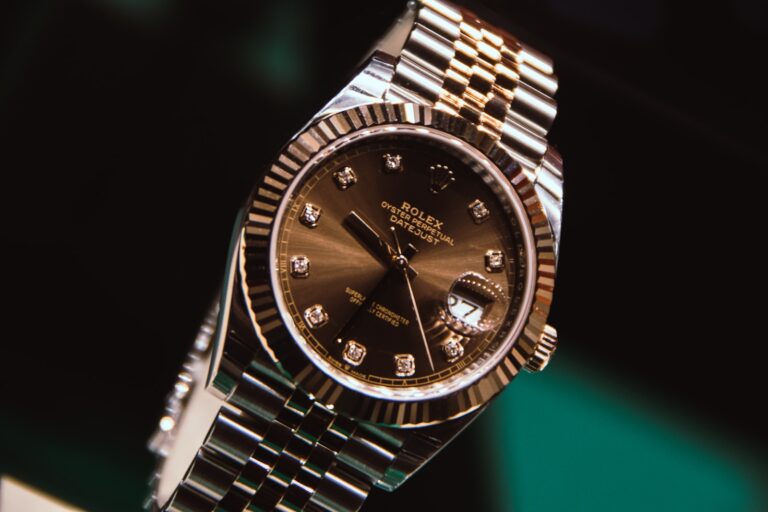
Rolex is the benchmark for the industry. They don’t just make watches; they make cultural icons. The Submariner, Daytona, and GMT-Master are recognized globally, even by people who don’t know a watch from a toaster.
- Why they rule: Vertical integration (they make their own gold, crystals, and movements), legendary durability, and unrivaled resale value.
- Iconic Models: Submariner, Daytona, Datejust, GMT-Master II.
- The Catch: Buying one at retail is a game of luck and patience.
3. Audemars Piguet: The Royal Oak Revolution
Audemars Piguet (AP) took a risk in 1972 by launching the Royal Oak, a steel sports watch with an integrated bracelet and a price tag higher than most gold watches of the time. It worked.
- Why they rule: They invented the luxury sports watch category. The “Tapiserie” dial and octagonal bezel are instantly recognizable.
- Iconic Models: Royal Oak, Royal Oak Offshore.
- The Catch: The waiting lists are legendary, and the price premiums on the secondary market are steep.
4. Vacheron Constantin: The Oldest Continuous Manufacturer
Founded in 175, Vacheron Constantin is the oldest watch manufacturer in the world to have operated continuously. They are the quiet giant of the “Holy Trinity.”
- Why they rule: Incredible finishing (the “Maltese Cross” hallmark), historical significance, and the Overseas collection which competes directly with the Royal Oak and Nautilus.
- Iconic Models: Overseas, Patrimony, Historiques.
- The Catch: Often overshadowed by Patek and AP in the public eye, despite superior finishing in many cases.
5. Breguet: The Father of Modern Watchmaking
Abraham-Louis Breguet invented the tourbillon and the gimbal (for marine chronometers). He is the grandfather of modern watchmaking.
- Why they rule: Historical innovation, hand-engraved dials, and the iconic “Breguet hands.”
- Iconic Models: Classique, Marine, Tradition.
- The Catch: The brand is part of the Swatch Group now, which some purists feel has diluted its exclusivity.
6. Jaeger-LeCoultre: The Watchmaker’s Watchmaker
JLC doesn’t just make their own watches; they supply movements to Patek Philippe, Audemars Piguet, and Vacheron Constantin (historically). They are the ultimate manufacture.
- Why they rule: The Reverso is a design masterpiece that has survived since 1931. Their Master collection is the gold standard for dress watches.
- Iconic Models: Reverso, Master Control, Atmos.
- The Catch: While respected by collectors, they lack the “hype” of Rolex or AP.
7. A. Lange & Söhne: German Precision Reborn
After the fall of the Berlin Wall, A. Lange & Söhne was resurrected to prove that German watchmaking could rival the Swiss. They assemble each watch twice before it leaves the factory.
- Why they rule: The finishing is arguably the best in the world. The three-quarter plate and gold chatons are signature features.
- Iconic Models: Lange 1, Saxonia, Zeitwerk.
- The Catch: Very low production volume; hard to find in stores.
8. Omega: The Moonwatch and the Speedmaster Legacy
Omega is the brand that went to the moon. The Speedmaster Professional is the only watch certified by NASA for EVA (spacewalks).
- Why they rule: Co-Axial escapement technology reduces friction and maintenance. The Master Chronometer certification ensures resistance to magnetic fields up to 15,0 gauss.
- Iconic Models: Speedmaster Professional, Seamaster Diver 30M, Constellation.
- The Catch: They produce in higher volumes than the top tier, which can dilute exclusivity.
9. Cartier: The Jewelers Who Mastered Time
Cartier started as a jeweler, but their watchmaking is serious business. The Santos and Tank are design icons that transcended the watch world.
- Why they rule: Unbeatable design aesthetics. They make the best dress watches and jewelry watches in the world.
- Iconic Models: Santos, Tank, Ballon Bleu, Crash.
- The Catch: Some entry-level models use quartz movements, which can deter mechanical purists.
10. IWC Schaffhausen: Engineering Mets Elegance
IWC is all about engineering. Their pilot watches are rugged, and their Portugieser line is the epitome of classic elegance.
- Why they rule: The Big Pilot is a legend. They also produce their own Pellaton winding systems and in-house movements.
- Iconic Models: Big Pilot, Portugieser, Aquatimer.
- The Catch: Design can sometimes feel a bit “safe” compared to the avant-garde of Richard Mille.
1. Grand Seiko: The Japanese Art of Zaratsu Polishing
Grand Seiko is the pinnacle of Japanese watchmaking. Their Zaratsu polishing technique creates distortion-free surfaces that rival the best Swiss brands.
- Why they rule: Spring Drive technology offers the smoothest sweep of a seconds hand in existence. Their accuracy is often better than Swiss chronometers.
- Iconic Models: Snowflake (SBGA21), Heritage Collection, Sport Collection.
- The Catch: Brand recognition in the West is still catching up to the quality.
12. Zenith: The El Primero Chronograph Legend
Zenith created the El Primero in 1969, the first high-frequency automatic chronograph movement. It’s still in production today.
- Why they rule: The El Primero beats at 36,0 vibrations per hour (10 beats/sec), allowing for 1/10th of a second precision.
- Iconic Models: Chronomaster Original, El Primero A386.
- The Catch: They have struggled with brand positioning in the past, though the Chronomaster revival has been a huge success.
13. Tudor: The Sibling That Stole the Show
Once the “little brother” of Rolex, Tudor has carved out its own identity. They use in-house movements (like the MT5602) and offer incredible value.
- Why they rule: You get Rolex-level build quality at a fraction of the price. The Black Bay line is a modern classic.
- Iconic Models: Black Bay 58, Pelagos, Ranger.
- The Catch: Resale value is good, but not as strong as Rolex.
14. Longines: Heritage and Value in Every Tick
Longines is the bridge between affordable and luxury. They have a history dating back to 1832 and offer Swiss-made watches with incredible style.
- Why they rule: The Master Collection and HydroConquest offer the best value in the Swiss market.
- Iconic Models: Master Collection, HydroConquest, Spirit.
- The Catch: They use mostly ETA/Sellita movements, not in-house, which matters to some collectors.
15. TAG Heuer: The Spirit of Racing
TAG Heuer is synonymous with motorsports. From F1 to Le Mans, they have a deep racing heritage.
- Why they rule: The Carrera and Monaco are iconic. They were pioneers in the quartz era and now offer solid mechanicals.
- Iconic Models: Carrera, Monaco, Aquaracer.
- The Catch: Brand perception can be hit-or-miss; some see them as “entry-level luxury.”
16. Panerai: Italian Design, Swiss Heart
Panerai started as a supplier to the Italian Navy. Their massive, cushion-shaped cases are unmistakable.
- Why they rule: Unique design language and a cult following. The Luminor crown guard is a signature feature.
- Iconic Models: Luminor, Radiomir.
- The Catch: They are very large (4mm+), which doesn’t suit every wrist.
17. Hublot: The Art of Fusion
Hublot’s philosophy is “fusion” of materials. They were the first to mix gold and rubber.
- Why they rule: Bold, avant-garde designs. They use carbon fiber, sapphire, and ceramic like no one else.
- Iconic Models: Big Bang, Classic Fusion.
- The Catch: Polarizing design; not for the minimalist.
18. Richard Mille: The Billionaire’s Bumper Car
Richard Mille watches are space-age engineering. They are lightweight, incredibly durable, and cost as much as a house.
- Why they rule: They use carbon composites, titanium, and sapphire cases. The movements are skeletonized and visible.
- Iconic Models: RM 01, RM 035.
- The Catch: The price tag is astronomical, and they are often seen as “bling” rather than traditional watchmaking.
19. Blancpain: The 50 Fathoms and the 10-Year Warranty
Blancpain claims to be the oldest watch brand (founded 1735, though Vacheron has the continuous claim). They created the first modern dive watch, the Fifty Fathoms.
- Why they rule: The Fifty Fathoms is the original dive watch. They offer a 10-year warranty on many models.
- Iconic Models: Fifty Fathoms, Villeret.
- The Catch: Brand visibility is lower than Rolex or Omega.
20. Chopard: Happy Diamonds and L.U.C Movements
Chopard is a family-owned brand that balances jewelry with serious watchmaking. Their L.U.C line is a showcase of in-house excellence.
- Why they rule: The Happy Diamonds are iconic, but the L.U.C movements are top-tier.
- Iconic Models: Happy Diamonds, L.U.C, Alpine Eagle.
- The Catch: The jewelry side often overshadows the watchmaking side in public perception.
21. Girard-Peregaux: The Three Gold Bridges
Girard-Peregaux is famous for the Three Gold Bridges movement, a masterpiece of architecture.
- Why they rule: Historical innovation and unique movement design. The Laureato is a strong competitor to the Royal Oak.
- Iconic Models: Three Gold Bridges, Laureato, Vintage 1945.
- The Catch: Niche appeal; not as widely recognized as the big names.
2. Ulyse Nardin: Marine Chronometers and Crazy Hours
Ulyse Nardin was the king of marine chronometers. Today, they are known for the Freak, a watch with no hands or crown.
- Why they rule: The Freak is a marvel of engineering. They use silicon parts to reduce friction.
- Iconic Models: Freak, Marine Torpilleur, Diver.
- The Catch: The design can be too avant-garde for traditionalists.
23. Moser: The Minimalist Disruptor
H. Moser & Cie. is the brand that puts a smiley face on a dial to mock the industry. They are the kings of fumé dials.
- Why they rule: Unmatched finishing, minimalist design, and a rebellious spirit.
- Iconic Models: Endeavour, Pioneer.
- The Catch: Very small production, hard to get.
24. Seiko: The People’s Watchmaker
Seiko is the brand that democratized watchmaking. From the Astron to the G-Shock, they have a watch for everyone.
- Why they rule: Incredible value. The Presage and Prospex lines offer mechanical and automatic watches for a fraction of the cost of Swiss brands.
- Iconic Models: SKX07, Prospex “Turtle”, Presage Cocktail Time.
- The Catch: Quality control can be inconsistent on lower-end models.
25. Casio: The G-Shock That Survived Everything
Casio’s G-Shock is the toughest watch on the planet. It’s a tool, a fashion statement, and a survivor.
- Why they rule: Shock resistance, solar power, and affordability. The DW-560 is a legend.
- Iconic Models: G-Shock DW-560, G-Shock Mudmaster, Edifice.
- The Catch: Not a “luxury” brand in the traditional sense, but a cultural icon.
💎 Understanding Watch Movements: Quartz vs. Automatic vs. Mechanical
You can’t talk about the best watch brands without understanding what makes them tick. The movement is the engine, and choosing the right one is crucial.
Quartz Movements
- How it works: A battery sends an electrical current through a quartz crystal, causing it to vibrate at a precise frequency (32,768 Hz).
- Pros: Extremely accurate (±15 seconds/month), low maintenance, affordable.
- Cons: Requires battery changes, lacks the “soul” of mechanical watches.
- Best for: Daily wearers, divers, and those who value accuracy over tradition.
- Brands to watch: Casio, Seiko, Citizen, Swatch.
Automatic (Self-Winding) Movements
- How it works: A rotor inside the watch moves with your wrist, winding the mainspring.
- Pros: No battery needed, continuous timekeeping if worn regularly, mechanical beauty.
- Cons: Less accurate than quartz (±10 to ±30 seconds/day), requires servicing every 5-7 years.
- Best for: Enthusiasts who want a mechanical watch without the hassle of manual winding.
- Brands to watch: Rolex, Omega, Tudor, Seiko.
Mechanical (Manual Winding) Movements
- How it works: You must wind the crown manually to store energy in the mainspring.
- Pros: Thinner cases, direct connection to the wearer, historical purity.
- Cons: Must be wound daily, less convenient.
- Best for: Dress watches, collectors, and purists.
- Brands to watch: Patek Philippe, A. Lange & Söhne, Breguet.
Pro Tip: If you buy an automatic watch and don’t wear it daily, get a watch winder to keep it running.
📊 Material Matters: Steel, Gold, Titanium, and Ceramic Explained
The case material affects the look, feel, and durability of your watch. Here’s a breakdown of the most common materials used by the best watch brands.
| Material | Pros | Cons | Best For |
|---|---|---|---|
| Stainless Steel | Durable, affordable, classic look, easy to polish. | Can scratch, heavy. | Everyday wear, sports watches. |
| Gold (18k) | Prestigious, warm color, doesn’t tarnish. | Soft (scratches easily), very expensive. | Dress watches, luxury statements. |
| Titanium | Lightweight, hypoallergenic, corrosion-resistant. | Hard to polish, can look “industrial.” | Diving, sports, large watches. |
| Ceramic | Scratch-proof, lightweight, modern look. | Britle (can shatter on impact), expensive. | Modern sports watches, bezels. |
| Carbon Fiber | Ultra-light, unique texture, high tech. | Can look “sporty,” expensive. | Richard Mille, Hublot, racing. |
| Sapphire | Crystal clear, scratch-proof. | Very expensive, can shatter. | High-end luxury, avant-garde. |
Rolex is famous for using 904L steel (Oystersteel), which is more corrosion-resistant than the standard 316L steel used by most other brands. Omega uses Ceragold (a gold-ceramic alloy) for their bezels. Richard Mille uses Carbon TPT and Sapphire cases for their ultra-light, durable designs.
💰 Budget Breakdown: Best Watch Brands by Price Point
Not everyone has a million dollars to spend. Here’s how to find the best watch brands for your budget.
Entry-Level ($50 – $2,0)
- Seiko: The undisputed king of this range. The Prospex and Presage lines offer incredible value.
- Citizen: Eco-Drive technology means no batteries. Great for daily wear.
- Tissot: Swiss-made, reliable, and stylish. The PRX is a modern classic.
- Hamilton: American heritage with Swiss movements. The Khaki Field is a staple.
Mid-Range ($2,0 – $10,0)
- Tudor: The Black Bay series is the best value in luxury.
- Longines: The Master Collection and HydroConquest offer Swiss elegance.
- Omega: The Seamaster 30M and Speedmaster are accessible icons.
- TAG Heuer: The Carrera and Aquaracer are solid choices.
High-End ($10,0 – $50,0)
- Rolex: The Datejust and Submariner (if you can find one) are the benchmarks.
- Cartier: The Santos and Tank are timeless.
- IWC: The Big Pilot and Portugieser are engineering marvels.
- Grand Seiko: The Snowflake and Heritage lines offer unique finishing.
Ultra-Luxury ($50,0+)
- Patek Philippe: The Nautilus and Aquanaut are the holy grail.
- Audemars Piguet: The Royal Oak is a status symbol.
- Vacheron Constantin: The Overseas is a sophisticated alternative.
- Richard Mille: The RM 01 is the ultimate flex.
🛠️ Maintenance and Care: Keeping Your Timepiece Running Smoothly
A watch is a machine, and like any machine, it needs care. Here’s how to keep your best watch brand ticking for generations.
- Regular Servicing: Mechanical watches should be serviced every 5 to 7 years. This involves cleaning, oiling, and regulating the movement.
- Water Resistance Checks: If you swim with your watch, have the gaskets checked annually. Water damage is the #1 killer of watches.
- Avoid Magnets: Modern electronics can magnetize your movement, causing it to run fast. Omega and Rolex have anti-magnetic movements, but it’s still good to be careful.
- Storage: Store your watch in a watch box or winder when not in use. Keep it away from direct sunlight and extreme temperatures.
- Cleaning: Wipe the case with a soft cloth. For metal bracelets, use a soft brush and mild soap.
Warning: Never open the case back yourself unless you are a trained watchmaker. You risk damaging the movement or voiding the warranty.
🔍 How to Spot a Fake: Authentication Tips from the Experts
The market is flooded with fake watches. Here’s how to spot a counterfeit.
- Weight: Fakes are often lighter because they use cheaper materials.
- Movement: Open the case back (if possible). A fake will often have a cheap, stamped movement or a “Chinese clone” that doesn’t look like the real thing.
- Cyclops Lens: On a Rolex Datejust, the cyclops lens magnifies the date 2.5x. On fakes, it’s often 1.5x.
- Serial Numbers: Check the serial number on the case and the papers. They should match.
- Price: If it’s too good to be true, it is. A Rolex Submariner for $2,0 is a fake.
Pro Tip: Always buy from authorized dealers or reputable pre-owned sellers. If you’re buying second-hand, get it authenticated by a professional.
🌍 Independent Watchmakers: The New Guard of Horology
While the big brands dominate the headlines, the independent watchmakers are pushing the boundaries of creativity.
- Furlan Mari: Known for vintage-inspired chronographs with a modern twist.
- Unimatic: Minimalist, tool-focused designs from Italy.
- anOrdain: Scottish brand famous for grand feu enamelled dials.
- Ressence: Uses rotating discs instead of hands for a unique time-telling experience.
- Parmigiani Fleurier: High-end craftsmanship favored by royalty.
These brands often produce in tiny quantities, making them exclusive and highly collectible.
🎓 Watch Collecting 101: Building Your First Collection
So, you want to start collecting? Here’s a step-by-step guide.
- Define Your Budget: Be realistic. Don’t stretch yourself to buy a watch you can’t afford.
- Identify Your Style: Do you like dive watches, dress watches, or pilot watches?
- Research: Read reviews, watch videos, and join forums.
- Start Small: Buy a Seiko or Tudor before jumping to a Patek.
- Buy What You Love: Don’t buy for investment; buy for passion. The market can be unpredictable.
- Network: Join local watch clubs or online communities.
Question: What’s the one watch you’ve always wanted but haven’t bought yet? We’ll reveal the answer in the conclusion.
❓ Frequently Asked Questions About Luxury Watch Brands
How do luxury watch brands maintain their reputation for excellence?
Luxury brands maintain their reputation through strict quality control, in-house manufacturing, and heritage. They invest heavily in R&D and often use the best materials available. Brands like Patek Philippe and Rolex have centuries of history to back up their claims.
What features should I look for in a quality watch brand?
Look for in-house movements, high-quality materials (like sapphire crystal and 904L steel), water resistance, and after-sales service. A good brand will also have a strong warranty and a history of innovation.
Which watch brands offer the best value for investment?
Rolex, Patek Philippe, and Audemars Piguet are the top choices for investment. Their steel sports models often trade above retail. However, investing in watches is risky; buy what you love first.
What are the best affordable watch brands with high quality?
Seiko, Citizen, Tissot, and Hamilton offer the best value. They provide Swiss or Japanese mechanical movements at accessible prices.
How do Swiss watch brands compare to other global watchmakers?
Swiss brands are known for heritage, craftsmanship, and prestige. Japanese brands like Seiko and Casio excel in innovation, durability, and affordability. Both have their place in the world of watches.
Which watch brands are known for their precision and durability?
Omega (Master Chronometer), Rolex (Superlative Chronometer), and Grand Seiko (Spring Drive) are known for precision. Casio (G-Shock) and Seiko (Prospex) are known for durability.
What are the most popular watch brands for men and women?
For men: Rolex, Omega, Tudor, IWC. For women: Cartier, Chopard, Patek Philippe, Longines.
What are the top luxury watch brands in the world?
The top luxury brands are Patek Philippe, Audemars Piguet, Vacheron Constantin, Rolex, and Richard Mille.
What are the top three watch brands?
The “Holy Trinity” of traditional watchmaking are Patek Philippe, Audemars Piguet, and Vacheron Constantin.
What are the top 10 luxury watch brands?
- Patek Philippe
- Rolex
- Audemars Piguet
- Vacheron Constantin
- Breguet
- Jaeger-LeCoultre
- A. Lange & Söhne
- Omega
- Cartier
- IWC
What is the highest quality watch brand?
Patek Philippe is often considered the highest quality due to its complications, finishing, and heritage. However, A. Lange & Söhne and Breguet are also contenders.
🏁 Conclusion

We’ve journeyed through the history, the brands, the movements, and the materials that make up the world of luxury watches. From the humble beginnings of the portable clock to the space-age marvels of Richard Mille, the story of watchmaking is one of human ingenuity and passion.
So, what’s the answer to the question we posed earlier? What’s the one watch you’ve always wanted but haven’t bought yet? For us at Watch Brands™, it’s the Patek Philippe Nautilus 571/1A. It represents the perfect blend of sporty elegance, scarcity, and heritage. But for you, it might be the Rolex Submariner, the Grand Seiko Snowflake, or even a Casio G-Shock.
The best watch brand is the one that speaks to you. Whether you’re drawn to the heritage of Vacheron Constantin, the innovation of Omega, or the durability of Casio, the most important thing is that you love the watch on your wrist.
Final Recommendation:
- For the Collector: Patek Philippe or A. Lange & Söhne.
- For the Daily Driver: Rolex or Tudor.
- For the Value Seeker: Seiko or Tissot.
- For the Adventurer: Omega or Casio.
Remember, a watch is more than just a timekeeper; it’s a statement, a legacy, and a piece of wearable art. Choose wisely, and enjoy the journey.
🔗 Recommended Links
Ready to start your collection? Here are some of the best places to find the best watch brands mentioned in this article.
- 👉 Shop Rolex: Amazon Search: Rolex | Official Rolex Website
- 👉 Shop Patek Philippe: Official Patek Philippe Website
- 👉 Shop Omega: Amazon Search: Omega Watch | Official Omega Website
- 👉 Shop Seiko: Amazon Search: Seiko Watch | Official Seiko Website
- 👉 Shop Casio G-Shock: Amazon Search: Casio G-Shock | Official Casio Website
- 👉 Shop Tudor: Amazon Search: Tudor Watch | Official Tudor Website
- 👉 Shop Grand Seiko: Amazon Search: Grand Seiko | Official Grand Seiko Website
- 👉 Shop Cartier: Amazon Search: Cartier Watch | Official Cartier Website
- 👉 Shop IWC: Amazon Search: IWC Watch | Official IWC Website
- 👉 Shop Longines: Amazon Search: Longines Watch | Official Longines Website
Books to Read:
- Watchmaking by George Daniels
- The Watch Book by Gisbert L. Bruner
- Rolex: A Complete Guide by James M. Dowling
📚 Reference Links
- Time4Diamonds: The 10 Best Watch Brands in the World, Ranked by Sales
- Tedy Baldassare: Best Watch Brands
- GQ: Best Watch Brands in the World
- Rolex Official Website
- Patek Philippe Official Website
- Omega Official Website
- Seiko Official Website
- Casio Official Website
- Vacheron Constantin Official Website
- Audemars Piguet Official Website
- A. Lange & Söhne Official Website
- Grand Seiko Official Website
- Cartier Official Website
- IWC Official Website
- Longines Official Website
- Tudor Official Website
- TAG Heuer Official Website
- Zenith Official Website
- Blancpain Official Website
- Chopard Official Website
- Girard-Peregaux Official Website
- Ulyse Nardin Official Website
- H. Moser & Cie. Official Website
- Richard Mille Official Website
- Hublot Official Website
- Panerai Official Website
- Jaeger-LeCoultre Official Website
- Breguet Official Website
- Citizen Official Website
- Swatch Official Website
- Breitling Official Website
- Bell & Ross Official Website
- Doxa Official Website
- Zodiac Official Website
- Christopher Ward Official Website
- Hamilton Official Website
- Oris Official Website
- NOMOS Glashütte Official Website
- Frédérique Constant Official Website
- Furlan Mari Official Website
- Unimatic Official Website
- anOrdain Official Website
- Ressence Official Website
- Parmigiani Fleurier Official Website