Support our educational content for free when you purchase through links on our site. Learn more
33 Must-Have Watch Features: Your Quality Checklist! ⌚

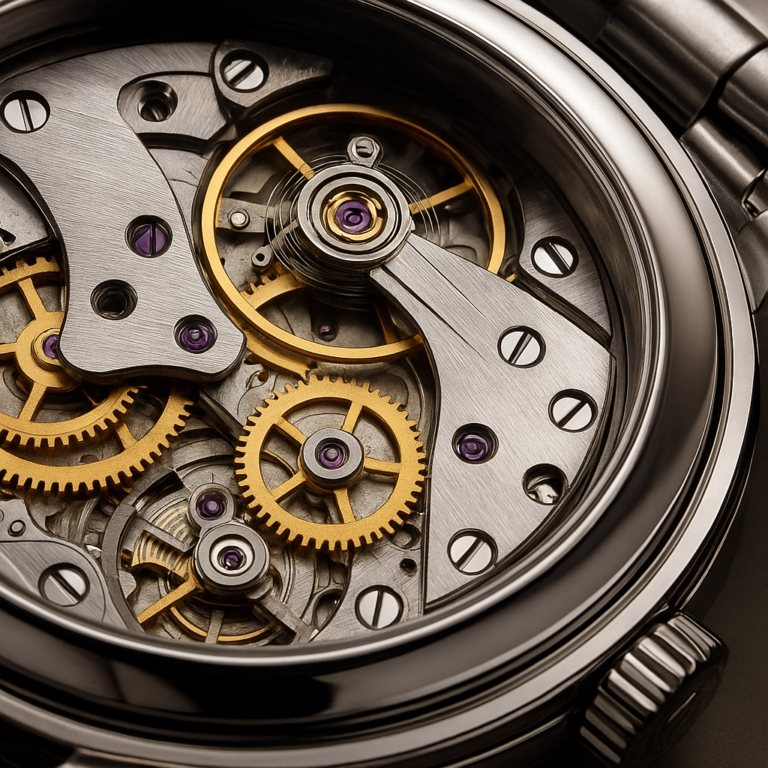
Choosing a high-quality watch isn’t just about the brand name or the price tag; it’s about understanding the intricate dance of its movement,
the resilience of its materials, and the meticulous craftsmanship that brings it to life. So, what are the key features to look for when selecting a high-quality watch? We at Watch Brands™ believe it boils down to a discerning eye for
detail, from the crystal protecting the dial to the very heartbeat within.
I remember my first “luxury” watch purchase – a shiny, expensive piece that looked great but scratched its mineral crystal on day one. That taught me a harsh lesson
: aesthetics alone don’t define quality. True excellence lies in the often-unseen engineering and material choices that ensure longevity and performance.
Did you know that a well-maintained mechanical watch can literally last for centuries, becoming a cherished
heirloom passed down through generations? That’s the kind of enduring quality we’re talking about. Let’s uncover the secrets to finding a timepiece that truly stands the test of time.
Key Takeaways
- Movement
is paramount: Choose between mechanical (automatic/manual for tradition/artistry) and quartz (for precision/durability), or the hybrid Spring Drive for ultimate accuracy. - Material matters: Prioritize 316L
stainless steel for robustness, sapphire crystal for scratch resistance, and consider titanium or ceramic for specific needs. - Water resistance is crucial: Understand ATM/bar ratings to match your lifestyle; 100m
/10 ATM is ideal for swimming, while 200m+ is for serious diving. - Legibility and comfort: A clear dial, effective lume, and a well-fitting strap/bracelet enhance daily wear
ability and enjoyment. - Brand reputation and serviceability: Invest in brands known for quality, accuracy, and accessible after-sales support for long-term value and peace of mind.
Table of Contents
-
🕰️ The Enduring Allure of Timepieces: A Brief History of Horological Excellence
-
🔍 Unveiling Watch Quality: The Essential Features You Can’t Ignore
-
1. ⚙️ The Heartbeat: Understanding Watch Movements (Mechanical vs. Quartz)
-
2. 💪 Case Construction: Material Matters for Durability and Style
-
Precious Metals: Gold, Platinum, and Beyond for Ultimate Luxury
-
3. 💎 Crystal Clarity: Protecting Your View and Enhancing Durability
-
4. 🌊 Water Resistance: Diving Deep or Just Splashing Around?
-
Understanding ATM and Bar Ratings: What Do They Really Mean?
-
Screw-Down Crowns and Pushers: Your First Line of Defense Against Water
-
5. 🎨 Dial Design & Legibility: Reading Time with Ease and Elegance
-
Indices, Numerals, and Hands: Clarity is Key to Quick Time-Telling
-
Finishing and Textures: The Devil in the Details of Dial Craftsmanship
-
6. ✨ Lume Power: Illuminating the Dark for Nighttime Readability
-
Super-LumiNova vs. Tritium: A Bright Comparison of Luminous Materials
-
7. 🔗 Strap & Bracelet Excellence: Comfort, Security, and Personal Style
-
Metal Bracelets: Integrated vs. Standard Lugs for a Seamless Look
-
Rubber and NATO Straps: Sporty, Durable, and Versatile Options
-
Clasps and Buckles: Security, Micro-Adjustments, and Ease of Use
-
8. ⏱️ Complications: Beyond Just Telling Time, Adding Functionality
-
GMT & World Timer: For the Global Traveler and Multi-Time Zone Tracking
-
Annual and Perpetual Calendars: Horological Ingenuity for the Ages
-
9. 🛡️ Brand Heritage & Reputation: Trusting the Legacy of Craftsmanship
-
German Precision, Japanese Innovation, and More: Global Horological Hotbeds
-
10. 🌟 Finishing Touches: The Art of Horological Decoration and Refinement
-
Case Finishing: Polished, Brushed, Satin – A Visual Symphony
-
Movement Decoration: Côtes de Genève, Perlage, Anglage – Beauty Within
-
Dial Appliqués and Printing: Sharpness, Depth, and Attention to Detail
-
11. 🎯 Accuracy & Precision: Keeping Perfect Time, Every Time
-
METAS Certification: The New Standard for Anti-Magnetism and Precision
-
12. 🛠️ Serviceability & Longevity: An Investment for Generations
-
Availability of Parts and Expertise: Ensuring Your Watch Lasts
-
13. 📈 Resale Value: A Smart Investment or a Passion Purchase?
-
Signed Crowns and Ergonomics: A Touch of Class and Usability
-
16. 🔄 Bezel Functionality: More Than Just Decoration, Adding Utility
-
Dive Bezels: Unidirectional and Precise for Underwater Safety
-
17.🧲 Anti-Magnetism: Protecting the Heartbeat from Invisible Forces
-
18.💥 Shock Resistance: Built for Life’s Bumps and Adventures
-
19. 🔋 Power Reserve & Battery Life: Keeping Your Watch Running Smoothly
-
20. 🌍 Origin & Manufacturing: Where Craftsmanship Meets Cultural Heritage
-
21. 📜 Warranty & After-Sales Support: Peace of Mind for Your Investment
-
22. 💰 Value Proposition: What You Get for Your Hard-Earned Investment
-
23. 💖 Style & Aesthetics: Your Personal Statement on the Wrist
-
24. 🖐️ Ergonomics & Wearability: Comfort is King for Everyday Enjoyment
-
25. ⚖️ Weight Distribution: A Balanced Feel for Optimal Comfort
- 29. 🏅 Certification Beyond COSC: Patek Philippe Seal, Geneva Seal, and More
- 30. 🤝 Integrated Bracelets: A Seamless Design Statement and Modern Appeal
- 31. 🎁 Packaging & Presentation: The Unboxing Experience and First Impressions
- 32. 🖋️ Engravings & Personalization: Making It Uniquely Yours, A Timeless Keepsake
- 33. 🌟 Limited Editions & Special Releases: Exclusivity and Collectibility for Enthusiasts
- 🤔 Beyond the Specs: The Intangible Qualities of a Truly Great Watch
- ✅ Making Your Choice: Balancing Features, Budget, and Personal Style
- ❓ Your Burning Questions Answered: Watch Buying FAQ
- 🔚 Conclusion: Your Journey to the Perfect Timepiece
- 🔗 Recommended Links for Further Exploration
- 📚 Reference Links: Our Trusted Sources
⚡️ Quick Tips and Facts for Savvy Watch Buyers
Alright, fellow horology hounds and curious newcomers, let’s kick things off with some rapid-fire wisdom from the Watch Brands™ team! We
‘ve spent countless hours, and probably a few too many paychecks, exploring the intricate world of timepieces, and we’re here to distill that passion into actionable advice for you. So, you’re looking for a high-quality
watch? Fantastic! But what does “high-quality” even mean when you’re staring at a dazzling array of dials and movements?
Here’s the skinny: quality isn’t just about the price tag; it’s a
symphony of craftsmanship, materials, and thoughtful design. Think of it like this: a truly great watch isn’t just a device for telling time; it’s a miniature marvel of engineering, a piece of wearable art, and often, a silent
storyteller.
- Movement Matters, But Not Always How You Think: While mechanical movements are often lauded for their artistry, a quartz movement can offer superior accuracy and robustness for everyday wear, especially if your job involves a lot
of bumps and knocks. Don’t let snobbery dictate your practical needs! - Material World: When it comes to the case, 316L stainless steel is your reliable friend –
durable, corrosion-resistant, and a staple in quality watches. But don’t shy away from titanium for its lightweight strength or ceramic for its scratch resistance. - Crystal Clear Choice: Sapphire crystal is
the undisputed champion for scratch resistance, keeping your view of the dial pristine. Mineral crystal is a good, more affordable alternative, but acrylic (Hesalite) is best left for vintage reissues or those who appreciate
its warm aesthetic and easy polishability. - Size Does Count: We’ve seen it countless times – a watch that’s proportionally too large for the wrist just looks… off. “The biggest mistake I
usually see is guys wearing watches that are proportionately way too large,” and we couldn’t agree more. Measure your wrist and consider lug-to-lug distance for the perfect fit.
Brand Value:** While some brands command high prices due to marketing, others, like Japanese giants Seiko, Citizen, and Orient, consistently deliver exceptional value for their quality. Do your homework!
Warranty Wisdom:** For those significant investments, always buy from authorized dealers to secure that precious manufacturer warranty. The gray market might offer tempting discounts, but peace of mind is priceless.
Ready to dive deeper?
Let’s peel back the layers of horological excellence! And if you’re wondering where to even begin with brands, you might want to check out our take on What is the best brand of watch?
🕰️ The Enduring Allure of Timepieces: A Brief History of Horological Excellence

Before we dissect the nitty-gritty of watch features, let’s take a moment to appreciate the journey
that brought these incredible machines to our wrists. It’s a tale of human ingenuity, artistic flair, and an unyielding quest for precision. From rudimentary sundials to the intricate dance of gears and springs, timekeeping has always fascinated us.
The
story of the personal timepiece truly begins with pocket watches in the 16th century, emerging from the workshops of German locksmiths. These early contraptions were more about status than pinpoint accuracy, often losing hours a day! Fast
forward to the 19th century, and the advent of mass production, particularly in Switzerland and America, made pocket watches more accessible and reliable.
But the real revolution? That came with the wristwatch. While early examples existed, often
for women as decorative bracelets, it was the demands of warfare – specifically, the need for soldiers to quickly check the time without fumbling in their pockets – that truly propelled the wristwatch into prominence during World War I. Suddenly, a practical tool
became an indispensable accessory.
Post-war, the wristwatch evolved rapidly. The 1920s saw the birth of the automatic movement (thanks, John Harwood!), eliminating the need for daily winding. The 196
0s brought the quartz crisis, a seismic shift where battery-powered, highly accurate, and affordable quartz watches from Japan threatened to render traditional mechanical watchmaking obsolete. Yet, like a phoenix, mechanical watchmaking rose again, reinventing itself as an
art form, a luxury, and a testament to enduring craftsmanship.
Today, we stand at a fascinating crossroads. Smartwatches offer unparalleled connectivity and health tracking, as seen with the Apple Watch Series 11 and its focus on battery management
, display customization, and health features. Yet, the allure of a beautifully crafted mechanical watch, a tiny engine ticking away on your wrist, remains as strong as ever. It’s a connection to history, a statement of
personal style, and a tangible piece of engineering mastery. This rich history informs every feature we’re about to explore, reminding us that every tick and tock carries centuries of innovation.
🔍 Unveiling Watch Quality: The Essential Features You Can’t Ignore
Alright, buckle up, because this is where we get down
to brass tacks. You want a high-quality watch, and we’re going to arm you with the knowledge to spot one from a mile away. Forget the fluff; these are the core features that truly define a watch’
s quality, longevity, and overall appeal. We’ve broken it down into 33 crucial points, each a stepping stone on your journey to horological enlightenment.
1. ⚙️ The Heartbeat: Understanding Watch Movements (Mechanical vs. Quartz)
The movement is, without a doubt, the **”engine or heart of the watch,”
** the very soul that brings it to life. Understanding the different types is fundamental to appreciating watch quality. It’s the first question we always ask ourselves when evaluating a new piece: what makes it tick?
Automatic Movements: The Self-Winding Marvel
Imagine a watch that winds itself just by the motion of your arm! That’s the magic of an
automatic (or self-winding) mechanical movement. Inside, a weighted rotor spins with your natural movements, transferring energy to the mainspring. This means no batteries and no daily manual winding, as long as you wear it regularly. Brands
like Seiko (with their ubiquitous 4R and 6R movements) and ETA (a powerhouse supplier for many Swiss brands) are renowned for their robust and reliable automatics. We love the smooth, sweeping second hand and
the intricate dance of gears often visible through an exhibition case back. It’s a living, breathing machine on your wrist.
Manual-Wind
Movements: The Purist’s Choice
For the true traditionalists and those who appreciate a daily ritual, the manual-wind mechanical movement is a romantic choice. These watches require you to wind the crown every day (or every other day, depending on the power reserve) to keep them running. It’s a direct connection to the machine, a moment of quiet contemplation. Many classic dress watches and chronographs, like the Omega Speedmaster Professional (the “Moonwatch”), famously use manual-wind movements. They often allow for thinner cases, as there’s no rotor to account for.
Quartz Movements
: Precision and Practicality
Now, let’s talk about the unsung hero of accuracy: quartz movements. Powered by a battery and regulated by a vibrating quartz crystal, these watches are incredibly precise, often only losing a few seconds a month
. They’re also highly durable and require minimal maintenance, usually just a battery change every few years. As the first YouTube video points out, “quartz watches are a good choice for those in manual jobs where the watch may be susceptible to impacts or accurate
time is a necessity.” Brands like Citizen (with their Eco-Drive solar quartz) and Casio (known for their G-Shock toughness) have perfected quartz technology. While they might lack the “soul
” of a mechanical movement for some enthusiasts, their practicality and affordability are undeniable.
Spring Drive: A Hybrid Masterpiece of Accuracy
And then there’s the fascinating outlier: Grand Seiko’s Spring Drive. This unique movement combines the high torque of a mechanical mainspring with the high precision of an electronic regulator. The result? A perfectly smooth, gliding second hand and accuracy
that rivals the best quartz watches, all without a battery. It’s a testament to Japanese innovation and a truly mesmerizing piece of engineering.
Movement Comparison Table
| Feature | Mechanical (Automatic/Manual) | Quartz
| Spring Drive (Grand Seiko) |
| :—————- | :———————————————————- | :—————————————— | :———————————————————- |
| Power Source | Mainspring (wound by rotor or hand) | Battery | Mainspring (wound by rotor or hand) |
| Accuracy | Varies, typically +/- 5-30 seconds/day (COSC certified better) | Excellent, +/- 1
5-30 seconds/month | Exceptional, +/- 1 second/day or +/- 15 seconds/month |
| Second Hand | Smooth “sweep” (typically 6-8 beats per second)
| “Tick” (one beat per second) | Perfectly smooth “glide” |
| Maintenance | Regular servicing (every 5-10 years) | Battery changes (every 2-5 years) | Regular servicing (similar to mechanical) |
| Durability | More susceptible to shock/magnetism | Very robust, less affected by shock/magnetism | Robust, good shock/magnetism resistance
|
| Cost | Generally higher | Generally lower | Premium (often higher than many mechanicals) |
| “Soul” Factor | High, appreciated for craftsmanship | Lower, purely functional
| High, appreciated for innovation and craftsmanship |
Choosing the right movement depends entirely on your priorities. Do you value the artistry and tradition of mechanical watchmaking, or the grab-and-go precision of quartz? For more insights into selecting
the perfect timepiece, explore our Guide to Buying Watches.
2. 💪 Case Construction: Material Matters for Durability and Style
The watch case is the armor protecting its delicate inner workings, but it’s also a huge part of its aesthetic appeal
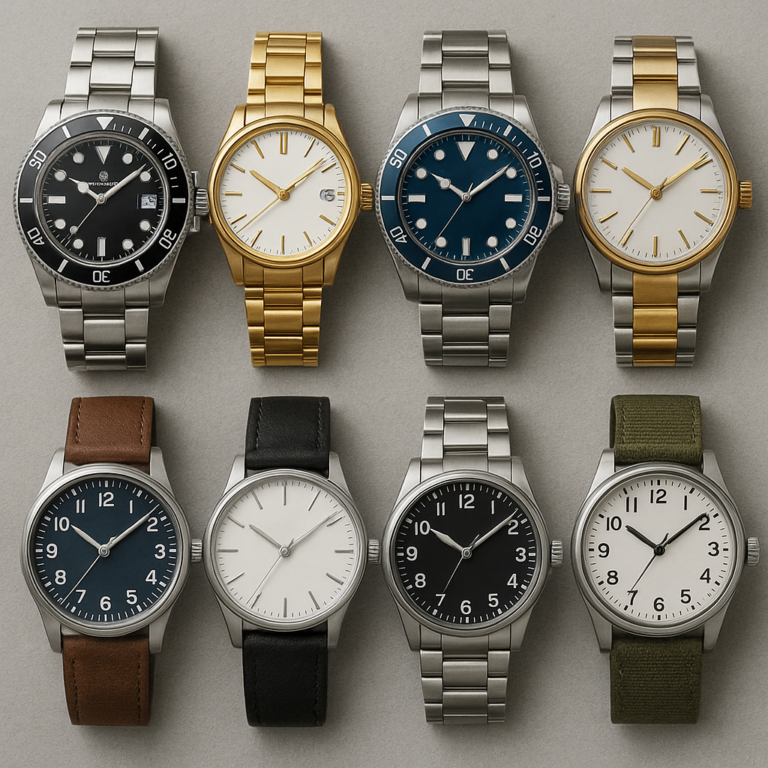
. The material chosen speaks volumes about the watch’s intended purpose, durability, and luxury level. As our first YouTube video notes, “Cases are typically made of stainless steel, brass, or zinc alloy, while lower-end watches may use resin
or plastic.” We’re focusing on the good stuff here!
Stainless Steel: The Robust Workhorse
When we
talk about quality watches, stainless steel is often the first material that comes to mind. Specifically, 316L stainless steel is the industry standard for good reason. It’s incredibly durable, corrosion-resistant (hello, sweat and seawater!), and takes a variety of finishes beautifully – from high-polish to satin brush. “Stainless steel, especially 316L, is common for its durability and corrosion resistance,” and
it’s a fantastic choice for everything from tool watches to elegant dress pieces. Brands like Rolex, Omega, and Tudor build their reputations on exceptional steel cases. It’s a versatile, long-lasting material
that offers excellent value.
👉 Shop Stainless Steel Watches on:
- Seiko 5 Sports: Amazon | Walmart | Seiko Official Website
- Tissot PRX: Amazon
| Tissot Official Website
Titanium: Lightweight, Hypoallergenic, and Tough
If you prioritize comfort and a stealthy, tool-watch aesthetic, titanium is your go-to. It’s significantly lighter
than steel, incredibly strong, and naturally hypoallergenic, making it perfect for those with sensitive skin. Titanium also has a darker, often matte finish that gives watches a more subdued, technical look. Citizen (especially their Super Titanium models) and Grand
Seiko frequently utilize this impressive metal. The only minor drawback? It can be harder to polish out scratches compared to steel.
Precious Metals: Gold, Platinum, and Beyond for Ultimate Luxury
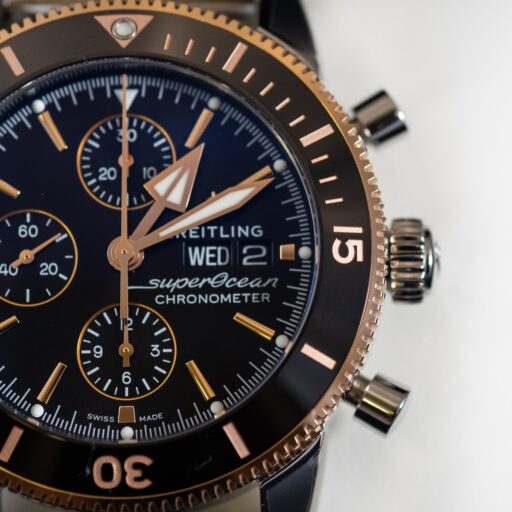
For the pinnacle of luxury and prestige, nothing quite compares to precious metals like gold (yellow, white, rose), platinum, or even palladium. These
materials are chosen for their inherent value, stunning luster, and the exquisite way they can be finished. A Patek Philippe Calatrava in rose gold, or a Rolex Day-Date in platinum, are not just watches; they
are heirlooms. While softer and more prone to scratching than steel, their beauty and exclusivity are unmatched. This is where you truly enter the realm of Luxury Watch Brands.
Ceramic: Scratch-Resistant and Modern Aesthetics
Looking for something modern, sleek, and virtually scratch-proof? Ceramic
** is an increasingly popular choice. Made from zirconium dioxide, ceramic cases are incredibly hard, lightweight, and come in a variety of colors (black and white being the most common). Brands like Rado have built their identity around ceramic, while **
Omega uses it extensively in their Seamaster and Speedmaster lines. The main downside? While scratch-resistant, ceramic can be brittle and shatter if subjected to a sharp, hard impact.
Bronze: The Patina King with Character
For those who love a watch that tells a story and develops a unique character over time, bronze is an irresistible choice
. This alloy, often used in marine applications, reacts with oxygen and moisture to form a distinctive patina – a greenish or brownish layer that gives each watch a one-of-a-kind look. Brands like Tudor (with their Black Bay Bronze) and Oris have championed bronze, creating watches with a rugged, vintage appeal. It’s not for everyone, but for enthusiasts, the evolving patina is a major draw.
3. 💎 Crystal Clarity: Protecting Your View and Enhancing Durability
The crystal is the transparent cover protecting the watch dial.
It’s your window to the time, and its quality significantly impacts both durability and legibility. You want a clear, tough shield, right?
Sapphire Crystal: The Gold Standard for Scratch Resistance
If you want the best protection against scratches, sapphire crystal is the clear winner. It’s synthetically produced, incredibly hard (second only to diamond on the Mohs scale), and virtually impervious to everyday scuffs and scrapes. “Crystals are usually acrylic (scratches easily), mineral (scratch-resistant but can shatter), or sapphire (most durable and scratch-resistant),” and sapphire is definitely the most durable against scratches. Most high-quality and luxury watches, from Longines to Rolex, feature sapphire crystals. The only real drawback is that while scratch-resistant, it can be more prone
to shattering than mineral crystal if subjected to a direct, hard impact. However, for daily wear, its scratch resistance is paramount.
Mineral Crystal: Durable and Cost-Effective Protection
A step up from acrylic, mineral crystal is essentially hardened glass. It offers decent scratch resistance for its price point and is less prone to shattering than sapphire. You’ll find mineral
crystals on many mid-range and Affordable Watches from brands like Seiko (their proprietary Hardlex is a type of mineral crystal) and Citizen.
It’s a solid, practical choice that balances durability with cost.
Acrylic (Hesalite) Crystal: Vintage Charm
and Easy Repair
Often found on vintage watches or modern reissues that aim for a retro feel, acrylic (or Hesalite) is a type of plastic. It’s the least scratch-resistant of the three, easily picking up hairline
marks. However, these scratches can often be buffed out with a little Polywatch. Its main advantage is its shatter resistance – it tends to flex rather than break, which is why it was chosen for the Omega Speedmaster Professional
for space missions. It also offers a warm, distortion-free view of the dial. It’s a choice for those who appreciate its unique character and ease of repair, rather than ultimate toughness.
4. 🌊 Water Resistance: Diving Deep or Just Splashing Around?
Water resistance is one of the most misunderstood features in watchmaking. We’
ve heard countless stories of watches meeting an untimely demise in the swimming pool because their owners misinterpreted the “meters” rating. Let’s clear this up!
Understanding ATM and Bar Ratings: What Do They Really Mean?
Water resistance is typically measured in meters (m), atmospheres (ATM), or bar. Crucially, these ratings **
do not** directly translate to the depth you can take your watch. They refer to the static pressure a watch can withstand in a laboratory setting. Movement in water, like swimming or diving, creates dynamic pressure that far exceeds static pressure.
As
the first YouTube video explains, “Water Resistance: Measured in ATM, bar, or meters, this indicates how well a watch seals against water. 30m/3 ATM is splash resistant, 50m/5 ATM is suitable for accidental
submersion, and 100m/10 ATM is recommended for swimming. Diving watches typically have 200m or more.”
Here’s a handy table to guide you:
**
Water Resistance Guide**
| Rating | Activity
A watch is a small, portable timepiece
. It is typically worn on the wrist, and is used to tell the time. Watches are often considered to be a fashion accessory, and can be made from a variety of materials, including metal, plastic, and leather.