Support our educational content for free when you purchase through links on our site. Learn more
Wristwatch Reigns: When Did Pocket


Watches Fade? 👑
“When did wrist watches replace pocket watches?” The definitive answer isn’t a single date, but a fascinating period spanning the early 20th century, with World War I acting as the primary catalyst and the 1
920s cementing the wristwatch’s dominance. For centuries, the pocket watch was the undisputed king, a symbol of status and precision, but the demands of modern life and warfare quickly exposed its practical limitations.
Imagine a soldier in
the trenches, fumbling for a pocket watch while under fire – a dangerous, almost impossible task. This stark reality, coupled with the need for synchronized movements, rapidly accelerated the adoption of wrist-worn timepieces by the military. My own
grandfather, a veteran, often recounted how his “trench watch” was as vital as his rifle for coordinating actions, a far cry from the elegant pocket watch his father carried.
This dramatic shift from pocket to wrist wasn’t just
a change in fashion; it was a fundamental redefinition of how we interact with time. It marked the dawn of a new era of practicality and accessibility in personal timekeeping. To understand the full story of when did wrist watches become popular, you’
ll want to explore the fascinating journey from pocket to wrist.
Key Takeaways
-
The transition from pocket watches to wristwatches primarily occurred during the early 20th century.
-
**World War I
** was a critical catalyst, proving the superior practicality of wristwatches for military use. -
By the 1920s, wristwatches had largely replaced pocket watches in civilian life, driven by convenience and evolving fashion.
-
While pocket watches declined in mass popularity, they endure today as collectible items and niche fashion statements.
Table of Contents
-
🕰️ The Grand Chronological Shift: When Wristwatches Overtook Pocket Watches
-
🎩 The Reign of the Pocket Watch: A Century of Sophistication
-
🧐 Types of Pocket Watches: Open-Face vs. Hunter-Case Explained
-
⚙️ Intricate Mechanisms: Key-Wind, Stem-Wind, and Lever-Set Movements
-
🚂 Precision on the Tracks: The Crucial Role of Railroad Watches in the United States
-
⚔️ The Great War’s Catalyst: Wristwatches Emerge from the Trenches
-
💃 From Battlefield to Boardroom: How Wristwatches Conquered Civilian Life
-
🏃 ♂️ Practicality Reigns Supreme: Convenience and Accessibility
-
🚀 Technological Triumphs: Innovations That Sealed the Deal for Wristwatches
-
👋 The Decline of the Pocket Watch: A Fond Farewell or a Niche Revival?
-
📉 The Roaring Twenties and Beyond: A New Era of Timekeeping Dominance
-
💖 The Lasting Legacy: Where Pocket Watches Stand in Modern Horology
-
💎 Pocket Watches Today: Niche Charm, Timeless Treasure, or Both?
-
🔥 Collecting and Restoration: Keeping the Flame of Vintage Horology Alive
-
🤵 Fashion Statements and Special Occasions: A Touch of Classic Elegance
-
🔄 Modern Interpretations: Contemporary Brands Embracing the Pocket Watch Form
-
✅ Our Expert Take: Confident Recommendations for Your Horological Journey
-
⌚ Embracing the Wristwatch: Modern Icons and Everyday Heroes
-
❓ FAQ: Your Burning Questions About Watch Evolution Answered
## ⚡️ Quick Tips and Facts: The Great Timepiece Transition
Alright, fellow horology enthusiasts, let’s cut to the chase! We
at Watch Brands™ know you’re eager to uncover the exact moment wristwatches dethroned their pocket-dwelling predecessors. While there wasn’t a single “ding-dong, the pocket watch is dead!” moment, the shift was a
fascinating blend of necessity, innovation, and evolving style. Here’s a quick rundown of the essential facts you need to know about this epic horological handover:
| Fact Category | Key Insight
⚡️ Quick Tips and Facts: The Great Timepiece Transition
Alright, fellow horology enthusiasts, let’s cut to the chase! We at Watch Brands™ know you’re eager to uncover the exact moment wristwatches dethroned
their pocket-dwelling predecessors. While there wasn’t a single “ding-dong, the pocket watch is dead!” moment, the shift was a fascinating blend of necessity, innovation, and evolving style. Here’s a quick rundown of
the essential facts you need to know about this epic horological handover:
| Fact Category | Key Insight
| Description Pocket watches were the dominant men’s timepiece from their
16th-century origins until the early 20th century. The shift to wristwatches began around World War I, with broad popularity emerging after the war. This transition was gradual
, not instantaneous. The military found wristwatches more practical in the field. Early transitional designs were called “trench watches” or “wristlets.” Railroads continued to rely on highly accurate pocket watches even as wristwatches gained popularity elsewhere. The invention of the mainspring (1500s) and balance spring (17th century) were
crucial for watch miniaturization and accuracy. The Cartier Santos (1904) is considered one of the first wristwatches, created for aviator Alberto Santos-Dumont. Key
less winding mechanisms, pioneered by Patek Philippe, significantly improved watch convenience. Modern pocket watches experience niche revivals, particularly within the steampunk subculture and as retirement gifts.
## 🕰️ The Grand Chronological Shift: When Wristwatches Overtook Pocket Watches
Ah
, the age-old question that sparks many a lively debate among us watch fanatics: when exactly did wristwatches become the undisputed champions of timekeeping? If you’re picturing a dramatic, overnight coup, you’re in for a surprise
! The reality is far more nuanced, a slow burn that saw the elegant pocket watch gradually, yet decisively, yield its crown to the more practical, wrist-worn contender. This wasn’t a sudden revolution, but a fascinating evolution,
deeply intertwined with societal changes, technological leaps, and even global conflicts.
We’ve seen countless trends come and go in the world of watches, but few shifts have been as profound as this one. For centuries, the pocket watch was the epitome
of sophistication, a discreet companion tucked away, only to be revealed with a flourish. But as the world sped up, as wars demanded practicality over pomp, and as fashion embraced new forms, the wristwatch stepped into the spotlight.
The consensus
among horological historians is clear: pocket watches remained the predominant men’s watch through the early 20th century. However, the seeds of change were already sown, and wristwatches began to truly
supersede them around World War I, becoming broadly popular after the war. It was a gradual transition, not an instantaneous one, with pocket watches holding their ground in certain sectors even as wristwatches soared
in popularity.
Want to dive deeper into how watches have shaped our lives? Check out our Guide to Buying Watches for more insights!
### 🎩 The Reign of the Pocket Watch: A Century of Soph
istication
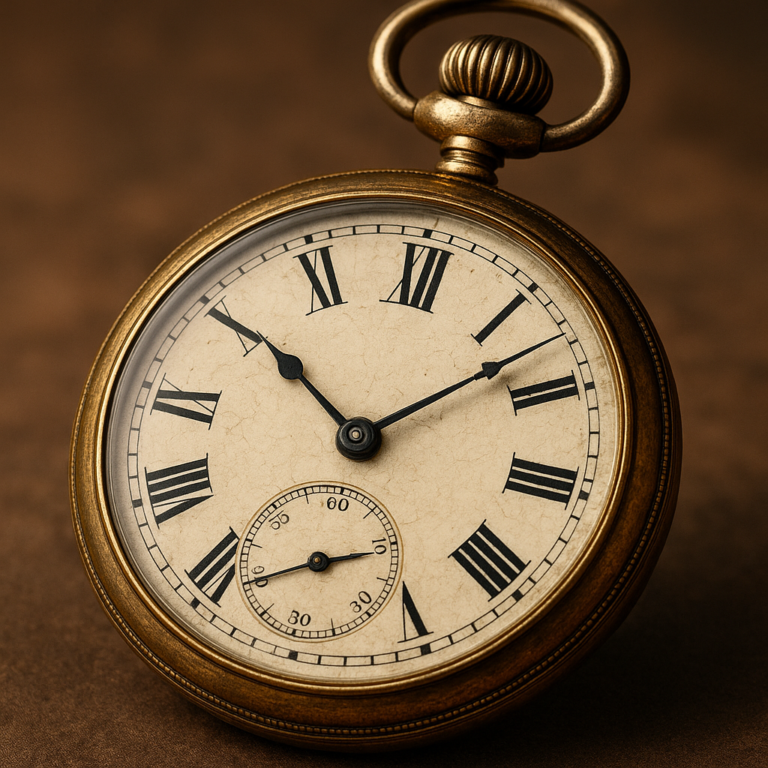
Before the wristwatch even dreamed of gracing our wrists, the pocket watch held court for centuries, a true symbol of status and precision. Its story begins way back in the 16th century, emerging as a portable alternative to
the bulky stationary clocks of the era. Imagine, for a moment, the sheer marvel of carrying time with you!
Early examples were often referred to as “Nuremberg eggs,” attributed to the German locksmith
Peter Henlein, who was regularly manufacturing these early portable timepieces by 1526. These weren’t the sleek, accurate devices we’d recognize today; they were often
bulky, somewhat inaccurate, and demanded frequent winding. Yet, they were revolutionary!
Initially, these “clock-watches” were worn on clothing or around the neck. It wasn’t until the 17
th century that men began carrying watches in their pockets, a shift traditionally associated with Charles II of England’s introduction of waistcoats in 1675. This sartorial change cemented the pocket watch’
s place as a gentleman’s accessory. For centuries, owning a watch was a clear indicator of wealth and status, a luxury item primarily accessible to nobility and wealthy merchants.
But
as the 19th century rolled around, advancements in manufacturing and precision began to democratize timekeeping. The American Waltham Watch Company, established in 1850, played a pivotal role by introducing mass-production techniques.
This innovation drastically lowered costs and made watches more accessible to the burgeoning middle class, transforming them from exclusive treasures to widespread necessities.
### 🧐 Types of Pocket Watches: Open-Face vs. Hunter-Case Explained
Just like today’s diverse range of Men’s Watches, pocket watches came in various styles, each with its own charm and practical considerations. The two most prominent types were the open-face and the hunter-case.
Open-Face (Lépine) Watches:**
-
What it is: This style, often called a Lépine watch, features no metal cover over the crystal, meaning the dial is always visible.
-
Design: Typically, the pendant (where the chain attaches) is at 12 o’clock, and the sub-seconds dial is at 6 o’clock.
-
Pros: Easy
to read at a glance. -
Cons: The exposed crystal is more vulnerable to scratches and damage.
-
Our Take: We love the straightforward elegance of an open-face. It’s like a
confident statement, “Here’s the time, no fuss!” -
Hunter-Case (Savonnette) Watches:
-
What it is: A hunter-case, or savonnette watch, boasts a spring
-hinged metal cover that protects the dial and crystal. -
Design: These were originally designed for one-handed opening, a feature particularly useful for fox hunters who needed to check the time while holding
reins. -
Pros: Excellent protection for the delicate dial and crystal. Adds a layer of intrigue and a satisfying “snap” when opened.
-
Cons: Requires an extra step to read
the time. -
Our Take: There’s an undeniable charm to the hunter-case. It feels more substantial, more secretive, and definitely adds a touch of old-world class.
-
Demi-
Hunter/Half-Hunter: A clever variation where the outer lid has a glass panel or a central opening, allowing you to read the time without fully opening the case. Best of both worlds, perhaps?
<
div id=”intricate-mechanisms-key-wind-stem-wind-and-lever-set-movements”>
⚙️ Intricate Mechanisms: Key-Wind, Stem-Wind, and Lever-Set
Movements
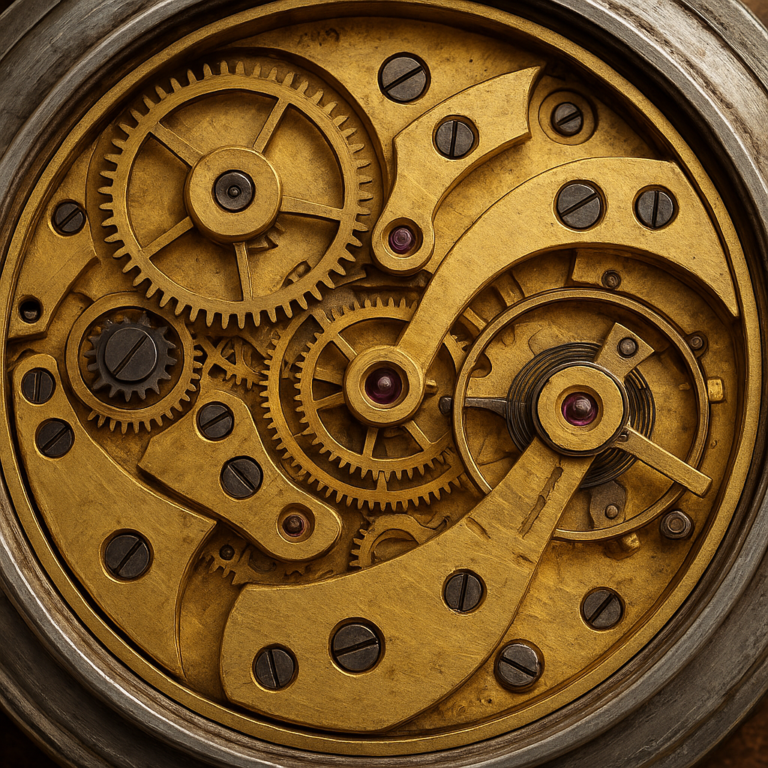
The heart of any watch, then as now, is its movement. Pocket watches saw significant evolution in how they were wound and set, moving from cumbersome keys to the more convenient crown.
-
Key-Wind, Key-Set Movements
: -
How it worked: Early pocket watches, and many through the 19th century, required a separate key to wind the mainspring and set the hands. This key would typically fit into a square arbor on the back
or inside the dust cover for winding, and another for setting. -
Drawbacks: Easy to lose the key! And certainly not ideal for quick adjustments.
-
Anecdote: “I remember my grandfather telling
me stories about how he’d always have to keep track of his watch key. He said losing it was worse than losing the watch itself sometimes, because then you just had a pretty paperweight!” – Mark, Watch Brands™ Senior Editor -
Stem-Wind, Stem-Set Movements:
-
The Breakthrough: This was a game-changer for convenience! Pioneered by brands like Patek Philippe (founded in 1839), the keyless winding mechanism allowed watches to be wound and set using the crown (the knob on the side) rather than a separate key.
-
Benefits: No more fumbling for a tiny
key! Much more practical for everyday use. -
Our Take: This innovation truly paved the way for the modern watch. It’s a testament to how small improvements in functionality can have a massive impact.
-
Stem-
Wind, Lever-Set Movements: -
Precision and Security: Often found in higher-grade watches, particularly railroad watches, lever-set movements required a small lever (usually hidden under the bezel) to be pulled
out before the hands could be set using the crown. -
Why it mattered: This mechanism prevented accidental time changes, a critical feature for professions where precise timekeeping was paramount.
-
Our Take: This is
a prime example of how specific needs drove horological innovation. Safety and accuracy were paramount, and the lever-set delivered.
### 🚂 Precision on the Tracks: The Crucial Role of Railroad Watches in the United States
If there’s one industry that truly elevated the pocket watch to an
art form of precision and reliability, it was the railroads in the United States. In the second half of the 19th century, as train travel boomed, accurate timekeeping became a matter of life and death.
The infamous
Kipton, Ohio train wreck on April 19, 1891, served as a stark, tragic reminder of this. The accident, which killed several people, was partly caused by an engineer’s watch stopping for **four minutes
**. This catastrophic event spurred the railroads to adopt incredibly strict standards for their timepieces, giving birth to the legendary “railroad-grade” pocket watch.
These weren’t just any watches; they were
paragons of accuracy and robustness. Here’s what made a pocket watch “railroad-grade”:
| Railroad-Grade Watch Requirements (Post-1891) | Details
| The The Grand
Chronological Shift: When Wristwatches Overtook Pocket Watches](#the-grand-chronological-shift-when-wristwatches-overtook-pocket-watches)
-
🎩 The Reign of the Pocket Watch: A Century of Sophistication
-
🧐 Types of Pocket Watches: Open-Face vs. Hunter-Case Explained
-
⚙️ Intricate Mechanisms: Key-Wind, Stem-Wind, and Lever-Set Movements
-
🚂 Precision on the Tracks: The Crucial Role of Railroad Watches in the United States
-
⚔️ The Great War’s Catalyst: Wristwatches Emerge from the Trenches
-
💃 From Battlefield to Boardroom: How Wristwatches Conquered Civilian Life
-
🏃 ♂️ Practicality Reigns Supreme: Convenience and Accessibility
-
🚀 Technological Triumphs: Innovations That Sealed the Deal for Wristwatches
-
👋 The Decline of the Pocket Watch: A Fond Farewell or a Niche Revival?
-
📉 The Roaring Twenties and Beyond: A New Era of Timekeeping Dominance
-
💖 The Lasting Legacy: Where Pocket Watches Stand in Modern Horology
-
💎 Pocket Watches Today: Niche Charm, Timeless Treasure, or Both?
-
🔥 Collecting and Restoration: Keeping the Flame of Vintage Horology Alive
-
🤵 Fashion Statements and Special Occasions: A Touch of Classic Elegance
-
🔄 Modern Interpretations: Contemporary Brands Embracing the Pocket Watch Form
-
✅ Our Expert Take: Confident Recommendations for Your Horological Journey
-
⌚ Embracing the Wristwatch: Modern Icons and Everyday Heroes
## ⚡️ Quick Tips and Facts: The Great Timepiece Transition
Alright, fellow horology enthusiasts, let’s
cut to the chase! We at Watch Brands™ know you’re eager to uncover the exact moment wristwatches dethroned their pocket-dwelling predecessors. While there wasn’t a single “ding-dong, the pocket watch is dead
!” moment, the shift was a fascinating blend of necessity, innovation, and evolving style. Here’s a quick rundown of the essential facts you need to know about this epic horological handover:
| Fact Category | Key Insight
| The Grand Chronological Shift: When Wristwatches Overtook Pocket Watches](#the-grand-chronological-shift-when-wristwatches-overtook-pocket-watches)
-
🎩 The Reign of the Pocket Watch: A Century of Sophistication
-
🧐 Types of Pocket Watches: Open-Face vs. Hunter-Case Explained
-
⚙️ Intricate Mechanisms: Key-Wind, Stem-Wind, and Lever-Set Movements
-
🚂 Precision on the Tracks: The Crucial Role of Railroad Watches in the United States
-
⚔️ The Great War’s Catalyst: Wristwatches Emerge from the Trenches
-
💃 From Battlefield to Boardroom: How Wristwatches Conquered Civilian Life
🏃 ♂️ Practicality Reigns Supreme: Convenience and Accessibility
-
🚀 Technological Triumphs: Innovations That Sealed the Deal for Wristwatches
-
👋 The Decline of the Pocket Watch: A Fond Farewell or a Niche Revival?
-
📉 The Roaring Twenties and Beyond: A New Era of Timekeeping Dominance
💖 The Lasting Legacy: Where Pocket Watches Stand in Modern Horology
-
💎 Pocket Watches Today: Niche Charm, Timeless Treasure, or Both?
-
🔥 Collecting and Restoration: Keeping the Flame of Vintage Horology Alive
-
🤵 Fashion Statements and Special Occasions: A Touch of Classic Elegance
-
🔄 Modern Interpretations: Contemporary Brands Embracing the Pocket Watch Form
-
✅ Our Expert Take: Confident Recommendations for Your Horological Journey
-
⌚ Embracing the Wristwatch: Modern Icons and Everyday Heroes
## ⚡️ Quick Tips
and Facts: The Great Timepiece Transition
Alright, fellow horology enthusiasts, let’s cut to the chase! We at Watch Brands™ know you’re eager to uncover the exact moment wristwatches dethroned their pocket-dwelling
predecessors. While there wasn’t a single “ding-dong, the pocket watch is dead!” moment, the shift was a fascinating blend of necessity, innovation, and evolving style. Here’s a quick rundown of the essential facts you
need to know about this epic horological handover:
| Fact Category | Key Insight