Support our educational content for free when you purchase through links on our site. Learn more
🕰️ The Thin Line: History of Dress Watch Aesthetics & Function (2026)


The true essence of a dress watch lies not in its complications, but in its radical restraint and slim silhouette designed to vanish beneath a shirt cuff. As we trace the history of dress watch aesthetics and function, we discover that the most elegant timepieces are those that prioritize silence and simplicity over noise and bulk.
This journey begins in the waistcoat pocket of the 19th century and evolves into the wrist-worn masterpieces of the Art Deco era. Did you know that the first wristwatches were initially mocked as “femine jewelry” by men who refused to abandon their pocket watches? It took the chaos of World War I to force the shift, proving that utility could coexist with refinement.
Today, the dress watch remains the ultimate symbol of understated confidence. Whether it’s the geometric purity of a Cartier Tank or the round minimalism of a Patek Calatrava, the goal is always the same: to tell time without demanding attention.
Key Takeaways
- Silhouette is King: The defining feature of a dress watch is its thin case (often under 10mm), ensuring it slides effortlessly under a formal shirt cuff.
- Simplicity Sells: True elegance comes from clean dials with minimal markers, avoiding the clutter of chronographs or rotating bezels.
- Material Matters: While steel is versatile, precious metals like gold and platinum remain the traditional standard for black-tie occasions.
- The Ritual of Wind: Many purists prefer manual-wind movements for their thinner profiles and the tactile connection they offer the wearer.
- Strap Synergy: A dress watch is incomplete without a leather strap (alligator or calfskin); metal bracelets are generally reserved for sportier interpretations.
Table of Contents
- ⚡️ Quick Tips and Facts
- 🕰️ The Genesis: How Dress Watches Evolved from Pocket to Wrist
- 🎩 The Golden Rules of Dress Watch Aesthetics
- 1. The Art of Minimalism: Why Less is Always More
- 2. Dial Designs: From Roman Numerals to Stick Indices
- 3. Case Profiles: The Thiness Imperative
- 4. Material Matters: Gold, Steel, and Platinum Choices
- 5. Strap Synergy: Leather, Alligator, and Fabric Options
- ⚙️ Function Over Form? The Mechanics of Elegance
- 6. Movements That Whisper: Manual vs. Automatic Dress Calibers
- 7. Complications That Don’t Compromise: Date, Moon Phase, and Power Reserve
- 8. Water Resistance: The Unspoken Limit of Formal Timepieces
- 🏛️ Icons of Industry: Brands That Defined the Dress Watch
- 9. Patek Philippe: The Calatrava Standard
- 10. Jaeger-LeCoultre: The Reverso and the Art of Reversibility
- 1. Vacheron Constantin: The Patrimony of Tradition
- 12. A. Lange & Söhne: German Precision in a Dress Suit
- 13. Cartier: When Jewelry Mets Horology
- 14. Nomos Glashütte: The Modern Bauhaus Take
- 👔 Style Guide: Matching Your Watch to Your Wardrobe
- 15. Black Tie vs. Business Casual: Knowing the Difference
- 16. The Color Game: Dial Hues and Suit Combinations
- 17. Sizing Matters: Wrist Size and Case Diameter Harmony
- 🚀 The Modern Twist: Contemporary Dress Watch Trends
- 18. Sport-Dress Hybrids: Can You Wear a Dress Watch to the Gym?
- 19. Ceramic and Titanium: New Materials for Old Rules
- 20. The Resurgence of Manual Wind in a Digital Age
- 💡 Common Pitfalls: What to Avoid When Buying a Dress Watch
- 📚 Conclusion
- 🔗 Recommended Links
- 📖 Reference Links
⚡️ Quick Tips and Facts
Before we dive into the velvet-lined history of the dress watch, let’s cut through the noise with some hard truths and golden rules that every enthusiast needs to know. We’ve seen too many folks buy a “dress watch” that looks like a diver’s tool in a tuxedo, and it’s a fashion faux pas we’d rather you avoid.
- The Golden Rule of Fit: A true dress watch must slide under a shirt cuff without catching. If you have to roll up your sleeve to see the time, it’s not a dress watch; it’s a statement piece (and probably too thick).
- Simplicity is King: The dial should be clean. If you can count the complications one hand without squinting, you’re on the right track. Date is okay; a perpetual calendar is usually overkill for a black-tie event.
- Material Matters: While steel is versatile, gold, platinum, and rose gold remain the kings of formal wear. They catch the light differently than steel, offering a warmer, more refined glow under chandelier lighting.
- Strap Synergy: Leather is non-negotiable for the classic look. Alligator or calfskin in black, brown, or navy. No rubber, no NATO, and definitely no metal bracelets unless you’re channeling the 1950s “President” look.
- The “Quiet Flex”: Unlike the loud, screaming logos of modern sports watches, a dress watch whispers. It’s for those who know. As one of our senior editors put it, “If you have to explain why your watch is expensive, you probably shouldn’t be wearing it to the gala.”
For a deeper dive into the timeline of how we got here, check out our comprehensive guide on the history of watches.
🕰️ The Genesis: How Dress Watches Evolved from Pocket to Wrist
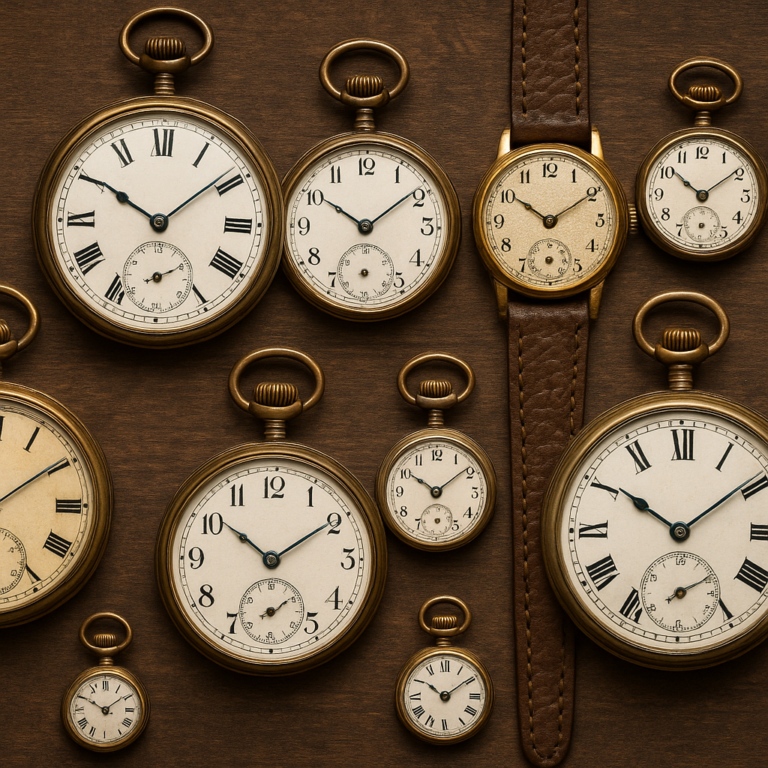
The story of the dress watch is the story of transition. It began not on the wrist, but in the waistcoat pocket. In the 19th century, the pocket watch was the ultimate status symbol, a piece of jewelry that told time and signaled wealth. But the world was changing. The Industrial Revolution demanded precision, and the military demanded durability.
Enter the wristwatch. Initially dismissed by men as “femine” jewelry, the wristwatch gained traction during World War I. Officers needed their hands free to operate artillery and horses, so they strapped pocket watch movements to leather straps. This was the utilitarian birth of the wristwatch.
However, as the dust settled and the Roaring Twenties arrived, the aesthetic shifted. The rough-and-tumble “trench watch” needed to be tamed for the drawing room. The dress watch was born from the need to adapt the robust mechanics of the pocket watch into a slender, elegant form factor that wouldn’t snag on a dinner jacket.
Did you know? The transition wasn’t immediate. Many men continued to wear pocket watches well into the 1920s. It took the cultural shift of the Art Deco movement to make the wristwatch the undisputed king of formal attire.
The evolution wasn’t just about size; it was about philosophy. The pocket watch was a tool of the aristocracy; the dress watch became the tool of the modern gentleman. It had to be thin, legible, and refined.
🎩 The Golden Rules of Dress Watch Aesthetics
If you were to distill the essence of a dress watch into a set of commandments, they would look something like this. These aren’t just suggestions; they are the DNA of the category.
1. The Art of Minimalism: Why Less is Always More
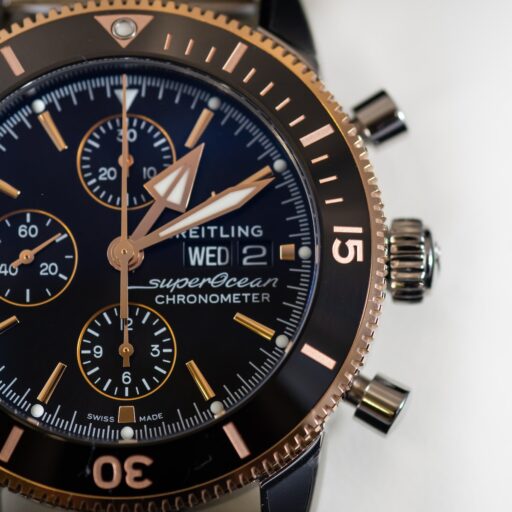
The most striking feature of a dress watch is what it doesn’t have. No rotating bezels, no luminescent markers glowing like a radioactive beacon, no chronograph pushers sticking out like antennas.
- The Dial: A clean, uncluttered face is paramount. The focus is on the time, nothing else.
- The Hands: Slender, elegant hands. Think Dauphine or Feuille (leaf) styles. They should look like they were drawn with a fine-point pen.
- The Indices: Stick indices or elegant Roman numerals. Avoid bold, blocky Arabic numerals unless they are part of a specific heritage design (like the IWC Portuguese).
2. Dial Designs: From Roman Numerals to Stick Indices
The dial is the canvas. The choice of markers defines the character.
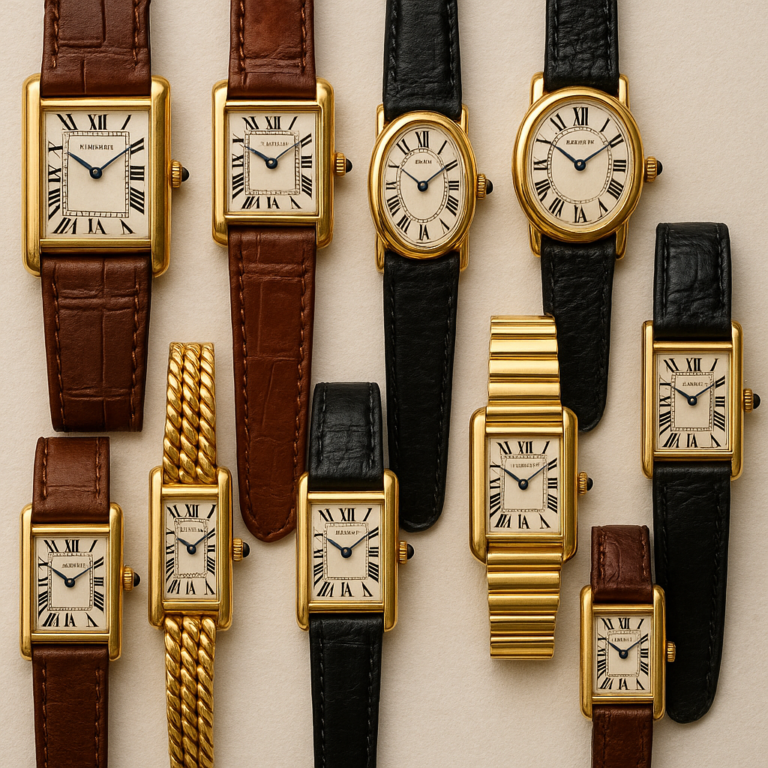
- Roman Numerals: The classic choice. They scream tradition and heritage. Brands like Cartier and Breguet have perfected this.
- Stick Indices: The modernist choice. Clean, geometric, and unpretentious. Patek Philippe often uses this for a stark, Bauhaus-inspired look.
- Dauphine Hands: These triangular, faceted hands catch the light beautifully, adding a touch of sparkle without the need for diamonds.
3. Case Profiles: The Thiness Imperative
This is the non-negotiable rule. A dress watch must be thin.
- Why? To slide under a cuff. A thick case will bunch up your shirt, ruining the silhouette of your suit.
- The Magic Number: Generally, anything under 10mm is considered a true dress watch. The Piaget Altiplano and Jaeger-LeCoultre Master Ultra Thin are masters of this, often dipping below 6mm.
4. Material Matters: Gold, Steel, and Platinum Choices
While stainless steel has become more acceptable in modern “hybrid” dress watches, the traditionalist view holds that precious metals are the only true choice formal wear.
- Yellow Gold: The classic, warm look.
- White Gold/Platinum: The modern, cool look.
- Rose Gold: The contemporary, romantic look.
- Steel: Acceptable for business casual, but often lacks the “heft” and warmth of gold for black-tie events.
5. Strap Synergy: Leather, Alligator, and Fabric Options
The strap is the bridge between the watch and the suit.
- Alligator: The gold standard. Durable, luxurious, and develops a beautiful patina.
- Calfskin: A great alternative, softer and more affordable.
- Color Matching: Black for black tie, brown for day wear or navy suits. Never match the strap to the shoes exactly; aim for a complementary tone.
⚙️ Function Over Form? The Mechanics of Elegance
You might think a dress watch is all about looks, but the mechanics are where the magic happens. A dress watch movement is a feat of engineering, designed to be thin without sacrificing accuracy.
6. Movements That Whisper: Manual vs. Automatic Dress Calibers
- Manual Wind: The purist’s choice. A manual movement is often thinner than an automatic because it lacks the rotor. Winding your watch every morning is a ritual, a connection to the machine. It’s a silent conversation between you and the watch.
- Automatic: More convenient. Modern dress watches often use ultra-thin automatic movements (like the Calibre 9015 or ETA 2892 derivatives) to maintain the slim profile.
- The “Whisper”: A good dress watch movement is quiet. You shouldn’t hear the rotor spinning like a helicopter blade.
7. Complications That Don’t Compromise: Date, Moon Phase, and Power Reserve
Can a dress watch have complications? Yes, but they must be integrated seamlessly.
- Date: A small window at 3 o’clock is standard. A “full calendar” (day, date, month) is acceptable if the dial remains uncluttered.
- Moon Phase: The most elegant complication. It adds a touch of poetry to the dial without breaking the minimalist aesthetic.
- Power Reserve: A subtle indicator that tells you how much energy is left. It’s functional but often hidden or integrated into the dial design.
8. Water Resistance: The Unspoken Limit of Formal Timepieces
Here’s the harsh truth: Dress watches are not for water.
- The Limit: Most dress watches have a water resistance of 30 meters (3 ATM) or less. This is splash-proof, not dive-proof.
- The Risk: Wearing a dress watch in the shower or pool is a recipe for disaster. The seals are often minimal to keep the case thin.
- The Exception: Some modern “sport-dress” hybrids offer better resistance, but for a true classic, keep it dry.
🏛️ Icons of Industry: Brands That Defined the Dress Watch
Let’s talk about the giants. These are the brands that didn’t just make dress watches; they defined the category.
9. Patek Philippe: The Calatrava Standard
If there is a platonic ideal of a dress watch, it is the Patek Philippe Calatrava. Introduced in 1932, it was a response to the Great Depression, embodying the Bauhaus principle of “form follows function.”
- The Look: Round case, clean dial, simple indices.
- The Legacy: It set the standard for restraint. As the saying goes, “The highest form of watchmaking is the restraint to stop designing the moment a watch achieves a simple, legible circle.”
- Why it matters: It proved that a watch doesn’t need to be complicated to be expensive or desirable.
10. Jaeger-LeCoultre: The Reverso and the Art of Reversibility
The Reverso is a masterpiece of Art Deco design. Born from a challenge by British officers in India who needed a watch that could survive polo matches, it features a case that flips over to protect the dial.
- The Innovation: It’s a functional piece of art. The back can be engraved, turning the watch into a personal canvas.
- The Aesthetic: Rectangular, elegant, and instantly recognizable.
1. Vacheron Constantin: The Patrimony of Tradition
Vacheron Constantin, the oldest continuously operating watch manufacturer, offers the Patrimony collection.
- The Vibe: Understated elegance. The Patrimony is all about the purity of the line and the quality of the finish.
- The Movement: Often houses the ultra-thin Calibre 40, a testament to their engineering prowess.
12. A. Lange & Söhne: German Precision in a Dress Suit
While Swiss brands dominate the conversation, A. Lange & Söhne brought a German twist to the dress watch with the Lange 1.
- The Break: It broke the rule of symmetry. The off-center dial and large date display are iconic.
- The Finish: The movement finishing is arguably the best in the world, with hand-engraved balance cocks and gold chatons.
13. Cartier: When Jewelry Mets Horology
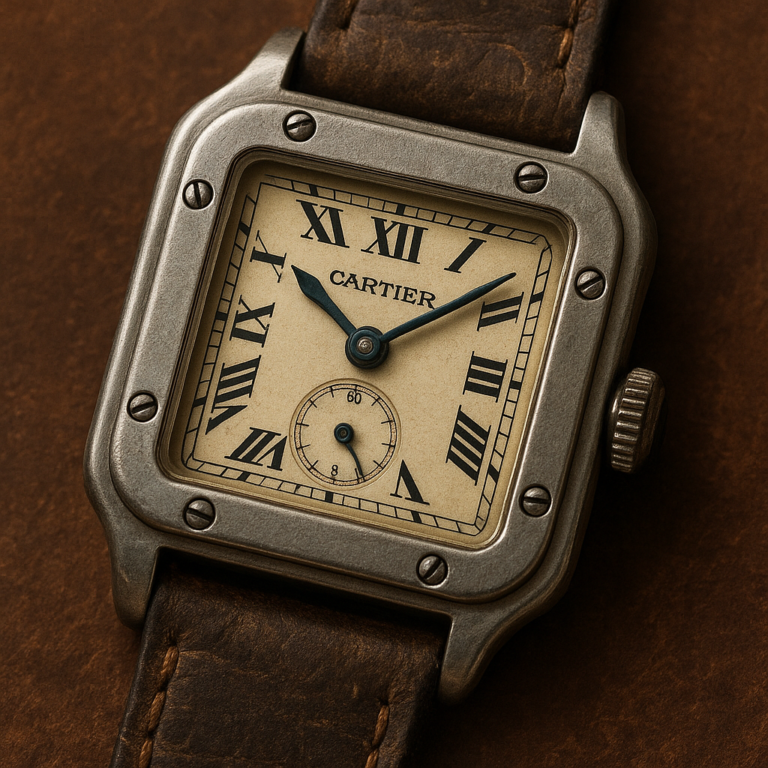
Cartier didn’t just make watches; they made jewelry that told time. The Tank, Santos, and Ballon Bleu are all dress watches in their own right.
- The Tank: Inspired by the top view of a WWI tank, it’s the ultimate rectangular dress watch.
- The Appeal: It’s for those who value design history as much as horology.
14. Nomos Glashütte: The Modern Bauhaus Take
For those who want a dress watch that feels modern and affordable, Nomos is the answer.
- The Style: Clean, minimalist, Bauhaus-inspired.
- The Value: In-house movements at a fraction of the price of the Swiss giants.
👔 Style Guide: Matching Your Watch to Your Wardrobe
You’ve got the watch; now, how do you wear it? The art of styling is just as important as the watch itself.
15. Black Tie vs. Business Casual: Knowing the Difference
- Black Tie: Stick to the classics. A gold or platinum watch with a black alligator strap. No logos, no complications. The Patek Calatrava or Cartier Tank are perfect here.
- Business Casual: You have more freedom. A steel watch with a brown leather strap works well. You can even get away with a sport-dress hybrid like the Omega De Ville.
16. The Color Game: Dial Hues and Suit Combinations
- White/Silver Dial: Versatile. Works with navy, grey, and black suits.
- Black Dial: Dramatic. Best with black or dark grey suits.
- Blue Dial: Modern and fresh. Pairs beautifully with navy or charcoal.
- Cream/Off-White: Vintage charm. Great with brown or tan suits.
17. Sizing Matters: Wrist Size and Case Diameter Harmony
A watch that is too big looks ridiculous on a small wrist, and a watch that is too small looks like a toy on a large wrist.
- Small Wrists (6-7 inches): Aim for 34mm to 38mm.
- Medium Wrists (7-8 inches): 38mm to 40mm is the sweet spot.
- Large Wrists (8+ inches): You can pull off 40mm to 42mm, but remember, thiness is still key.
🚀 The Modern Twist: Contemporary Dress Watch Trends
The world is changing, and so are dress watches. The rigid rules of the past are being bent, if not broken.
18. Sport-Dress Hybrids: Can You Wear a Dress Watch to the Gym?
Technically, no. But the line is blurring. Brands are creating watches that look like dress watches but have sapphire crystals, better water resistance, and ruber straps.
- The Trend: The “Sport-Chic” look. A Rolex Datejust with a Jubilee bracelet is the ultimate example. It’s dressy enough for the office but tough enough for the weekend.
19. Ceramic and Titanium: New Materials for Old Rules
Traditionalists might scoff, but ceramic and titanium are making waves.
- Ceramic: Scratch-resistant and lightweight. Great for a modern, sleek look.
- Titanium: Lighter than steel, hypoallergenic, and has a unique grey hue. Perfect for a contemporary dress watch.
20. The Resurgence of Manual Wind in a Digital Age
In a world of smartwatches and automatics, manual wind is making a comeback.
- Why? It’s a ritual. It connects you to the watch. It’s a tactile experience that digital screens can’t replicate.
- The Appeal: It’s a statement of patience and appreciation for the craft.
💡 Common Pitfalls: What to Avoid When Buying a Dress Watch
We’ve seen it all, and we want to save you from these classic mistakes.
- Mistake 1: Buying a “Dress Watch” with a Rotating Bezel. If it has a rotating bezel, it’s a diver or a pilot watch, not a dress watch.
- Mistake 2: Ignoring the Thickness. A 14mm thick watch will not fit under a cuff. Do your homework on the case thickness.
- Mistake 3: Mixing Metals. Don’t wear a gold watch with a steel bracelet and a leather strap. It looks disjointed.
- Mistake 4: Over-complicating the Dial. A dial with too many sub-dials, text, and logos is not a dress watch. It’s a mess.
- Mistake 5: Wearing it in the Shower. As mentioned, dress watches are not water-resistant. Keep them dry.
📚 Conclusion

So, where does this leave us? The dress watch is more than just a timekeeping device; it’s a symbol of refinement, a testament to history, and a statement of personal style.
We started by asking: Is the dress watch dead? The answer is a resounding no. While the strict dress codes of the past may be fading, the appreciation for elegance remains. The dress watch has evolved from a rigid rulebook to a flexible expression of taste.
Whether you choose the timeless Calatrava, the innovative Reverso, or the modern Nomos, the key is intentionality. A dress watch is about restraint. It’s about knowing that sometimes, the most powerful statement is the one you don’t have to make.
As we navigate the future of horology, the dress watch stands as a reminder that simplicity is the ultimate sophistication. It’s not about how many complications you have; it’s about how well you wear what you have.
Final Recommendation: If you’re looking for your first true dress watch, start with a 38mm round case in steel or gold, with a clean dial and a leather strap. It’s the versatile foundation upon which you can build your collection. And remember, the best watch is the one that makes you feel confident and comfortable.
🔗 Recommended Links
Ready to find your perfect dress watch? Here are some curated links to get you started:
- Patek Philippe Calatrava:
👉 Shop Patek Philippe on: Amazon | Brand Official - Jaeger-LeCoultre Reverso:
👉 Shop JLC Reverso on: Amazon | Brand Official - Cartier Tank:
👉 Shop Cartier Tank on: Amazon | Brand Official - A. Lange & Söhne Lange 1:
👉 Shop Lange 1 on: Brand Official - Nomos Glashütte:
👉 Shop Nomos on: Amazon | Brand Official - Books on Watch History:
- The Watch Book: A Guide to the World’s Finest Timepieces
- Wristwatch: A Guide to the World’s Most Iconic Timepieces
📖 Reference Links
- Reservoir Watch: The Essential Edge: A Guide to Bezels on Luxury Watches
- Timex Blog: Understanding Watch Aesthetics: A Guide to Different Styles
- Swiss Watch Expo: Most Iconic Dress Watches
- Patek Philippe: Calatrava Collection
- Jaeger-LeCoultre: Reverso Collection
- Cartier: Tank Collection
- A. Lange & Söhne: Lange 1 Collection
- Nomos Glashütte: Tangente Collection
FAQ

What defines the classic aesthetic of a dress watch?
The classic aesthetic of a dress watch is defined by simplicity, elegance, and restraint. Key elements include a clean dial with minimal markers (often Roman numerals or stick indices), a thin case that slides under a shirt cuff, and a leather strap (usually alligator or calfskin). The goal is to create a timepiece that is understated yet sophisticated, avoiding the clutter and bulk of sport or tool watches.
Read more about “⌚ Luxury vs. Normal Watches: The Real Difference (2026)”
How did the dress watch evolve from pocket watches?
The dress watch evolved from the pocket watch as the need for hands-free timekeeping arose, particularly during World War I. Officers strapped pocket watch movements to leather straps, creating the first wristwatches. As the 20th century progressed, these wristwatches were refined to be thinner and more elegant to fit the formal attire of the era. The Art Deco movement further influenced the design, leading to the rectangular and geometric shapes seen in iconic models like the Cartier Tank and Jaeger-LeCoultre Reverso.
Read more about “🕰️ Who Was the First Person to Wear a Watch? (2026)”
Why are dress watches typically thinner than sports watches?
Dress watches are thinner than sports watches primarily for comfort and aesthetics. A thin case allows the watch to slide under a shirt cuff without catching on the fabric, which is essential formal wear. Additionally, a thin profile contributes to the elegance and refinement of the watch, aligning with the minimalist design philosophy of the dress watch category. Sports watches, on the other hand, require thicker cases to accommodate water resistance, shock protection, and complications like chronographs or GMT functions.
Read more about “Quartz vs. Mechanical: The Ultimate Watch Showdown ⚔️”
What materials are best for traditional dress watch cases?
Traditional dress watch cases are best crafted from precious metals like gold (yellow, white, or rose), platinum, or silver. These materials offer a luxurious and refined appearance that complements formal attire. While stainless steel is becoming more acceptable in modern dress watches, it is often considered less traditional for black-tie events. The choice of material also affects the weight and feel of the watch, with gold and platinum providing a substantial yet comfortable presence on the wrist.
Read more about “⏳ The Evolution of Watch Case Shapes: 10 Icons That Changed Time (2026)”
How has the function of a dress watch changed over time?
The function of a dress watch has evolved from a purely timekeeping device to a symbol of status and personal style. In the past, the primary function was to tell time accurately and elegantly. Today, while timekeeping remains the core function, dress watches often serve as fashion statements and investment pieces. The rise of smartwatches has also influenced the dress watch, leading to a greater emphasis on aesthetics and craftsmanship rather than just functionality.
Read more about “👑 10 Top Luxury Watch Brands for Women (2026)”
What are the key differences between a dress watch and a field watch?
The key differences between a dress watch and a field watch lie in their design, function, and purpose. A dress watch is characterized by a clean dial, thin case, and leather strap, designed for formal occasions. A field watch, on the other hand, is built for durability and legibility in harsh conditions, featuring a robust case, luminous markers, and often a canvas or nylon strap. While a dress watch prioritizes elegance, a field watch prioritizes functionality and ruggedness.
Read more about “⌚ Premium vs. Luxury Watches: 10 Shocking Differences Revealed (2026)”
Why do dress watches often feature simple dial designs?
Dress watches often feature simple dial designs to maintain legibility and elegance. A clean, uncluttered dial ensures that the time is easily readable at a glance, which is essential formal settings. Additionally, a simple design aligns with the minimalist philosophy of the dress watch, emphasizing restraint and refinement. Complex dials with multiple complications can detract from the sophistication and understated nature of a dress watch, making it less suitable formal occasions.
Read more about “🕰️ Top 7 Watch Brands Offering Customizable Designs (2026)”