Support our educational content for free when you purchase through links on our site. Learn more
24 Top Swiss Watch Brands: Which One Fits You? ⌚

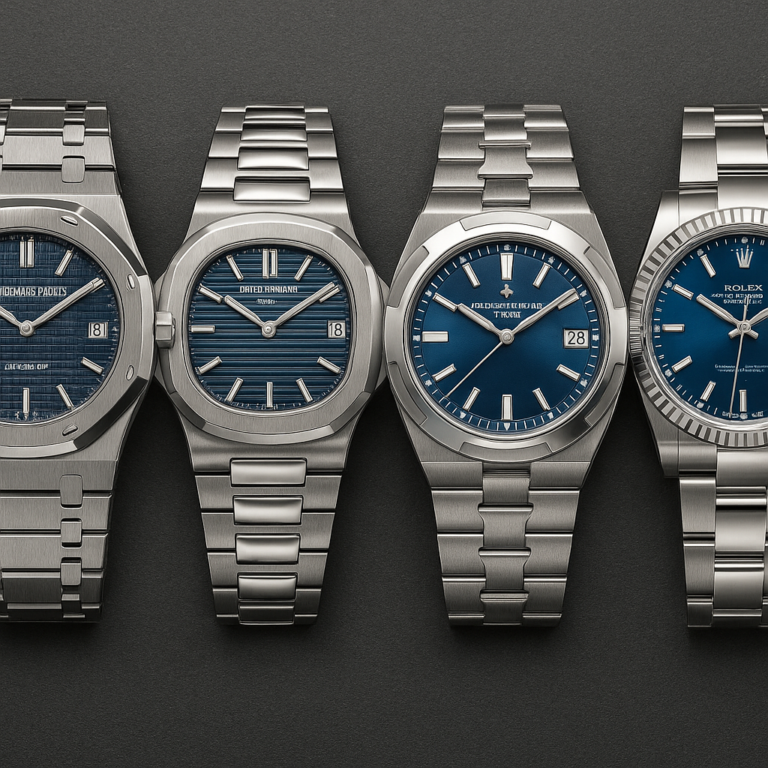
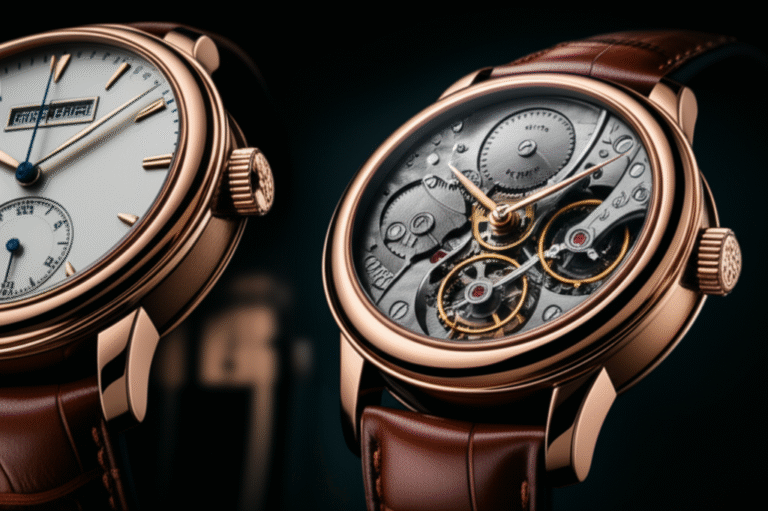
The top Swiss watch brands depend on what you want from your watch: Rolex is a compelling all-rounder, Omega excels in technical sports watches, Jaeger-LeCoultre brings remarkable movement expertise, and Tissot offers an accessible way into Swiss watchmaking. There’s no universal winner—there’s the watch that suits your wrist, your routine, and your taste.
We’ve compared 24 standout brands, from Patek Philippe and Cartier to Tudor, Hamilton, and Oris, looking at heritage, design, movements, everyday wear, and ownership considerations. Swiss watchmaking is also broader than a prestigious label: “Swiss Made” is a regulated designation with specific requirements, not a promise that every component comes from Switzerland.
We’ve seen the right watch win someone over for a surprisingly simple reason: it didn’t snag on a shirt cuff, the dial was easy to read, and they loved wearing it. That kind of everyday satisfaction may not make a headline—but it can make the watch.
Key Takeaways
- There’s no single best Swiss watch brand for everyone. Choose according to your priorities: engineering, design, heritage, versatility, or value.
- Rolex and Omega are strong all-round choices, while Patek Philippe, Audemars Piguet, and Vacheron Constantin sit firmly in high-end horology.
- Tissot, Hamilton, Longines, and Tudor offer appealing options for buyers prioritizing practicality, heritage, or a more approachable entry into Swiss watches.
- “Swiss Made” has legal criteria, but it doesn’t guarantee a specific movement type, level of hand-finishing, or perfect fit.
- Try a watch on and check the details. Case dimensions, comfort, movement, water resistance, warranty, and service access all matter.
- Buy for the pleasure of wearing it, not a resale promise. Owner rankings, expert lists, and personal experience measure different things.
Table of Contents
- ⚡️ Quick Tips and Facts About Swiss Watch Brands
- ⌚ What Makes a Watch Brand Swiss?
- Swiss Made: What the Label Really Means
- Swiss Watchmaking Regions and Their Specialties
- 🕰️ A Brief History of Swiss Watchmaking
- 🏆 Top Swiss Watch Brands: Our Expert Picks
- 1. Rolex (Geneva): The Benchmark for Luxury Sports Watches
- 2. Patek Philippe (Geneva): Collectible Haute Horlogerie
- 3. Omega (Biel/Bienne): Precision, Space, and the Seamaster
- 4. Audemars Piguet (Le Brassus): The Royal Oak Icon
- 5. Vacheron Constantin (Geneva): Centuries of Fine Watchmaking
- 6. Jaeger-LeCoultre (Le Sentier): The Watchmaker’s Watchmaker
- 7. Cartier (Geneva): Design Icons and Swiss Craftsmanship
- 8. Breitling (Grenchen): Swiss Pilot and Chronograph Watches
- 9. TAG Heuer (La Chaux-de-Fonds): Motorsport-Inspired Watches
- 10. Zenith (Le Locle): High-Frequency Chronograph Heritage
- 11. Blancpain (Le Brassus): Traditional Mechanical Watchmaking
- 12. Breguet (L’Orient): Historic Innovation and Elegant Complications
- 13. IWC Schaffhausen: Engineering-Led Swiss Watches
- 14. Longines (Saint-Imier): Heritage and Everyday Versatility
- 15. Tudor (Geneva): Robust Luxury with Strong Value
- 16. Tissot (Le Locle): Accessible Swiss-Made Watches
- 17. Hamilton (Biel/Bienne): American Roots, Swiss Watchmaking
- 18. Oris (Hölstein): Independent Mechanical Watchmaking
- 19. Hublot (Nyon): Bold Materials and Contemporary Design
- 20. Girard-Peregaux (La Chaux-de-Fonds): Innovative Haute Horlogerie
- 21. Chopard (Meyrin): Luxury Watches and Artisan Finishing
- 22. Ulyse Nardin (Le Locle): Marine Chronometers and Innovation
- 23. Richard Mille (Les Breuleux): Avant-Garde High-End Watchmaking
- 24. Frederique Constant (Plan-les-Ouates): Accessible Swiss Luxury
- 🔍 Compare the Best Swiss Watch Brands
- Best Swiss Brands by Budget and Experience Level
- Best Swiss Brands for Dress, Dive, Pilot, and Sports Watches
- Swiss Watch Brands by Movement Type
- ⚙️ Swiss Watch Movements, Complications, and Certifications
- Automatic, Manual-Wind, and Quartz Movements
- COSC Chronometer and METAS Master Chronometer Standards
- Common Watch Complications Explained
- 🛒 How to Choose the Right Swiss Watch Brand
- Set a Budget and Choose Your Priorities
- Pick a Watch Style, Size, and Material
- Consider Servicing, Warranty, and Long-Term Ownership
- ✅ Buying Swiss Watches: New, Pre-Owned, or Vintage
- How to Buy from an Authorized Dealer
- How to Check Authenticity and Avoid Counterfeits
- What to Know About Resale Value and Collectability
- 🧼 Swiss Watch Care and Maintenance
- Conclusion
- 🔗 Recommended Links
- ❓ FAQ
- Which Swiss watch brand is the best overall?
- What are the most prestigious Swiss watch brands?
- Which Swiss watch brands offer the best value?
- Are all Swiss watches made entirely in Switzerland?
- Are Swiss-made watches worth buying?
- Which Swiss watch brands are independently owned?
- 📚 Reference Links
⚡️ Quick Tips and Facts About Swiss Watch Brands
The best Swiss watch brand depends on what you value: engineering, design, durability, heritage, ownership experience, or simply a watch you’ll love wearing on a Tuesday. For a broader global comparison, see our guide to the best watch brands in the world.
| Quick fact | What it means for you |
|---|---|
| “Swiss Made” is a regulated designation | It has legal requirements for the movement, casing, final inspection, and Swiss manufacturing costs. It does not mean every component was made in Switzerland. |
| Swiss brands cover a wide range of styles | From a Tissot PRX to a Patek Philippe Calatrava, there’s no single “Swiss watch” look. |
| Mechanical isn’t automatically better for everyone | Automatic and hand-wound watches offer mechanical appeal; quartz watches are typically more convenient and require less frequent attention. |
| A famous name doesn’t guarantee a perfect fit | Case size, bracelet comfort, legibility, water resistance, service access, and personal style matter just as much as prestige. |
| Owner rankings and expert rankings answer different questions | Editorial lists weigh history and technical reputation; owner reviews reveal how watches feel to live with. Each has blind spots. |
| There’s no universal winner | Rolex is a strong all-rounder, Omega excels in technical sports watches, Tissot offers accessible Swiss variety, and Patek Philippe leads in rarefied haute horlogerie. |
Our quick picks: ✅ Rolex for versatile luxury sports and everyday watches; ✅ Omega for high-performance tool watches and chronographs; ✅ Jaeger-LeCoultre for movement depth and design heritage; ✅ Tissot for accessible Swiss-made variety; ✅ Oris for mechanically minded buyers who value an independent brand.
❌ Don’t buy a watch solely because someone calls it an investment. Buy one you enjoy wearing, then treat resale value as a possible bonus—not a promise. Our watch-buying guides and luxury watch brand coverage can help you compare your priorities.
One useful wrinkle: a brand can be a legendary watchmaker without topping an owner-rating chart. So which kind of “best” are we looking for? We’ll separate reputation, engineering, everyday usefulness, and actual owner sentiment as we go.
⌚ What Makes a Watch Brand Swiss?
“Swiss” can describe a brand’s heritage, its manufacturing location, or a legally controlled label on a particular watch. Those ideas overlap, but they are not interchangeable. A Swiss-founded brand may make watches elsewhere; a Swiss-made watch may use components sourced internationally.
The Swiss Federal Institute of Intellectual Property explains the criteria behind the Swiss Made watch designation. In broad terms, a qualifying watch must have a Swiss movement, be cased up in Switzerland, undergo its final inspection in Switzerland, and have at least 60% of its manufacturing costs generated there. The legal standard is summarized by the Swiss Federal Institute of Intellectual Property.
That rule makes Swiss Made meaningful, but it is not a guarantee of perfection, a particular level of hand-finishing, or an entirely Swiss supply chain. For those details, look at the individual model and movement.
Swiss Made: What the Label Really Means
A Swiss-made designation is a minimum-origin standard, not a medal for every aspect of a watch. It tells you that the watch meets legally defined Swiss production criteria. It does not, on its own, tell you:
- Whether the movement was designed entirely in-house.
- Whether the movement is automatic, manual-wind, or quartz.
- How accurate the watch will be in your real-life wearing conditions.
- How easy it is to service in your country.
- How well the watch fits your wrist—or whether you like looking at it.
The distinction matters when comparing a Swiss watch brand with a Swiss watch model. Brands such as Hamilton have American roots and now produce Swiss-made watches; Bulgari has Italian origins and Swiss watchmaking operations. Brand identity, ownership, design history, and place of manufacture each tell part of the story.
Our advice: Treat “Swiss Made” as useful provenance information, then compare the movement, construction, warranty, and service network. A label starts the conversation; it doesn’t finish it.
Swiss Watchmaking Regions and Their Specialties
Swiss watchmaking clusters around a number of towns and regions. Their reputations reflect generations of specialist skills, although modern brands often work across multiple sites.
| Region or town | Brands associated with it | What enthusiasts often associate with the area |
|---|---|---|
| Geneva | Rolex, Patek Philippe, Vacheron Constantin | Luxury watchmaking, finishing, complications, and international brand identity |
| Biel/Bienne | Omega, Swatch Group operations | Industrial-scale precision and major movement production |
| Le Brassus and the Vallée de Joux | Audemars Piguet, Blancpain | Complicated mechanical watches and traditional manufacture |
| Le Sentier | Jaeger-LeCoultre | Movement design and production across a broad range of complications |
| Le Locle | Tissot, Zenith | Historic watchmaking and established Swiss production |
| La Chaux-de-Fonds | TAG Heuer, Girard-Peregaux | Watchmaking heritage, industry, and design |
| Schaffhausen | IWC | Engineering-led identity and pilot-watch heritage |
| Hölstein | Oris | Independent brand identity and mechanical watchmaking |
| Grenchen | Breitling | Chronographs and aviation-oriented watchmaking |
Some places appear on a dial, in a company name, or in a brand’s story, but the modern manufacturing picture can be more complicated. For example, brand headquarters, movement production, assembly, and final inspection may happen at different sites. Consult each maker’s own information rather than assuming one town tells the whole production story.
🕰️ A Brief History of Swiss Watchmaking

Swiss watchmaking grew through a mix of craftsmanship, trade, innovation, and adaptation. Geneva became an important center for watchmaking, while the Jura region developed a dense network of specialist workshops and manufacturers. Over time, Swiss makers became known for mechanical precision, miniaturization, and the ability to produce everything from practical pocket watches to intricate complications.
The story is not a straight line of uninterrupted luxury. The arrival of quartz technology in the 20th century brought fierce competition and upheaval to traditional mechanical makers. Some brands struggled; others adapted, consolidated, or found new audiences. The Swiss industry’s recovery helped produce today’s mix of large groups, independent companies, heritage houses, and newer brands.
A few milestones help put the modern landscape in perspective:
- 1775: Abraham-Louis Breguet founded his watchmaking business, later associated with innovations including the tourbillon. Breguet’s history is documented by the brand’s official heritage page.
- 1839: Patek Philippe’s origins began in Geneva; the company’s own historical timeline details its development and technical milestones. See Patek Philippe history.
- 1868: IWC was founded in Schaffhausen, building a distinct identity around precision engineering and practical watch design. See IWC’s history.
- 1865: Zenith was founded in Le Locle and later became closely associated with its El Primero chronograph movement. See Zenith’s heritage.
- 1931: Jaeger-LeCoultre introduced the Reverso, whose swiveling case was developed to protect the watch during polo. See the Reverso collection.
- 1957: Omega introduced the Speedmaster, a chronograph that later became part of NASA’s crewed spaceflight history. NASA’s account of the Speedmaster’s qualification for spaceflight gives the official context.
- 1972: Audemars Piguet launched the Royal Oak, helping reshape expectations of the luxury sports watch. See Audemars Piguet’s Royal Oak story.
That history explains why rankings can disagree. One list may reward manufacturing, another cultural recognition, another current owner satisfaction. The watch world is full of firm opinions—and surprisingly few universal scorecards.
🏆 Top Swiss Watch Brands: Our Expert Picks
This is a curated guide, not a mathematically definitive league table. We’re considering heritage, watchmaking, design identity, collection breadth, practical ownership, and the kind of buyer each brand suits. We include established giants and brands offering more approachable entry points because a useful list should help you find a watch, not just admire a velvet-rope display.
Rankings are also sensitive to the question being asked. Montredo’s editorial top-10 list prioritizes a mix of heritage, technical reputation, and brand standing; its own framing acknowledges that softer factors such as public image influence the selection. Dialicious takes a different route: its owner-based rankings use genuine-owner reviews and require a minimum number of reviews for a brand to qualify. Neither method is “wrong.” They measure different things.
1. Rolex (Geneva): The Benchmark for Luxury Sports Watches
Rolex is perhaps the most recognizable Swiss watch brand, but its appeal is more practical than the logo alone suggests. The company built its identity around robust cases, dependable movements, clear designs, and watches meant to be worn. Its catalog spans the Oyster Perpetual, Datejust, Submariner, GMT-Master II, Explorer, and Day-Date.
Rolex tends to favor durable, carefully refined everyday and sports watches rather than chasing the most complicated movement in every category. That’s a deliberate strength: a watch that works smoothly and holds up to regular wear can be more satisfying than one that wins a spec-sheet arms race.
Best suited to: Buyers seeking a recognizable, versatile luxury watch with a strong service network and a broad range of iconic designs.
Standout collections
- Datejust: A versatile everyday watch with a date display.
- Submariner: A landmark dive-watch line.
- GMT-Master II: A travel-oriented model with an additional time-zone display.
- Explorer: A clean, practical design built around legibility.
- Day-Date: A dressier flagship with day and date displays.
✅ Strengths: strong brand recognition, durable construction, clear designs, broad model history.
❌ Trade-offs: high demand can make certain models difficult to obtain; the brand’s popularity may be a drawback if you want something less recognizable.
For official specifications and collection details, visit Rolex. For another perspective, the “15 best” video linked elsewhere in the article presents Rolex as a global benchmark; that’s a useful statement of reputation, not proof that every Rolex fits every wrist or budget.
2. Patek Philippe (Geneva): Collectible Haute Horlogerie
Patek Philippe sits near the top of traditional haute horlogerie, with a reputation built on complicated movements, high finishing standards, long-term brand continuity, and influential designs. The Calatrava, Nautilus, Aquanaut, and Grand Complications collections cover very different moods, from restrained dress watches to high-profile sports models.
The brand is often discussed through rarity and auction headlines. Those can be part of its story, but they are not the best reason to choose a Patek Philippe. Its strongest case is the combination of technical craft, thoughtful design, and a substantial watchmaking archive. Patek Philippe outlines its history and collections on its official website.
✅ Strengths: exceptional finishing, significant technical heritage, recognizable designs, extensive documentation.
❌ Trade-offs: limited access to certain models, costly ownership, and a brand identity that can feel more formal or status-conscious than some buyers prefer.
A collector drawn to complications may see a different “best” than someone seeking a durable daily watch. Patek Philippe is an extraordinary choice for the former; it is not automatically the most practical option for the latter.
3. Omega (Biel/Bienne): Precision, Space, and the Seamaster
Omega combines major historical milestones with a broad, wearable collection. The Speedmaster is tied to NASA’s lunar missions; the Seamaster spans dive and everyday sports watches; the Constellation and De Ville offer more polished options.
Omega’s strongest selling point is its balance: recognizable models, technically ambitious movements, and enough variety to serve a first-time mechanical-watch buyer or a seasoned collector. The brand discusses its Master Chronometer testing standards and model families on its official site.
✅ Strengths: broad selection, distinctive heritage, strong technical focus, robust sports-watch options.
❌ Trade-offs: some models wear larger or thicker than expected; a collection this broad can make choosing the right one less simple.
Good starting points
- Speedmaster Moonwatch: A manual-wind chronograph with spaceflight history.
- Seamaster Diver 300M: A modern dive watch with a recognizable design.
- Aqua Terra: A versatile sports watch with a dressier edge.
- Constellation: A more polished, design-forward option.
Omega’s place in history is unusually well documented: NASA’s account confirms the Speedmaster’s qualification for spaceflight. But a moon story won’t tell you whether a 42 mm watch feels right on your wrist. Try before buying if possible.
4. Audemars Piguet (Le Brassus): The Royal Oak Icon
Audemars Piguet is best known for the Royal Oak, a watch that helped make the luxury steel sports watch a serious high-end category. The angular bezel, integrated bracelet, and carefully finished surfaces give the collection an instantly recognizable profile. The Royal Oak Offshore takes the look in a larger, bolder direction; the Code 11.59 collection offers a different, more contemporary design language.
✅ Strengths: distinctive design, prestigious finishing, deep complications expertise, significant influence on luxury sports watches.
❌ Trade-offs: a strong signature style may not suit everyone, and the brand’s most famous designs can overshadow its broader catalog.
Audemars Piguet traces its history to 1875 and remains closely linked to the Vallée de Joux. Read more about the company and its collections at Audemars Piguet.
5. Vacheron Constantin (Geneva): Centuries of Fine Watchmaking
Founded in 175, Vacheron Constantin is among the oldest continuously operating Swiss watch manufacturers. Its range includes the dress-oriented Patrimony and Traditionelle, the sportier Overseas, and highly complicated Métiers d’Art pieces.
The brand’s appeal often lies in quiet sophistication. Some models are recognizable to enthusiasts but less obvious to everyone else, which is precisely the point for buyers who prefer craft over a billboard on the wrist.
✅ Strengths: historic continuity, refined finishing, extensive complication expertise, varied design families.
❌ Trade-offs: lower everyday visibility than Rolex or Omega; complex pieces can require specialist service and care.
Explore collections and brand history through Vacheron Constantin.
6. Jaeger-LeCoultre (Le Sentier): The Watchmaker’s Watchmaker
Jaeger-LeCoultre has a reputation for technical versatility: it has developed a wide range of movements and complications, while also producing some of the most memorable case designs in Swiss watchmaking. Its Reverso is a design classic; the Master Control line offers more conventional round watches; the Duomètre and other complicated models show the brand’s mechanical range.
The Reverso’s swiveling case is not a gimmick. It began as a practical answer to polo players’ need to protect the dial, then became an enduring Art Deco design. JLC tells the story through its Reverso collection.
✅ Strengths: broad movement expertise, iconic case design, elegant options, serious complications.
❌ Trade-offs: some models are relatively understated; rectangular cases can wear differently from a round watch.
For enthusiasts who want refinement without the flashiest possible logo, JLC is one of our strongest recommendations.
7. Cartier (Geneva): Design Icons and Swiss Craftsmanship
Cartier’s roots are in Parisian jewelry and design, but its modern watchmaking includes significant Swiss production and technical capability. The Tank, Santos, Ballon Bleu, and Panthère each have distinct shapes and personalities. The Santos, in particular, has an important place in the history of wristwatches.
Cartier is a strong choice if you want a watch with a clear design identity rather than a conventional round sports watch. Its lineup includes both jewelry-led pieces and serious mechanical options.
✅ Strengths: instantly recognizable designs, excellent dress and everyday options, distinctive case shapes.
❌ Trade-offs: buyers focused only on movement specifications may find more technical detail elsewhere; some models are chosen primarily for design, which is a feature for many owners and a drawback for others.
See the Cartier watch collection for current lines and specifications. We also cover broader watch fashion trends, where shape and styling are often as important as movement.
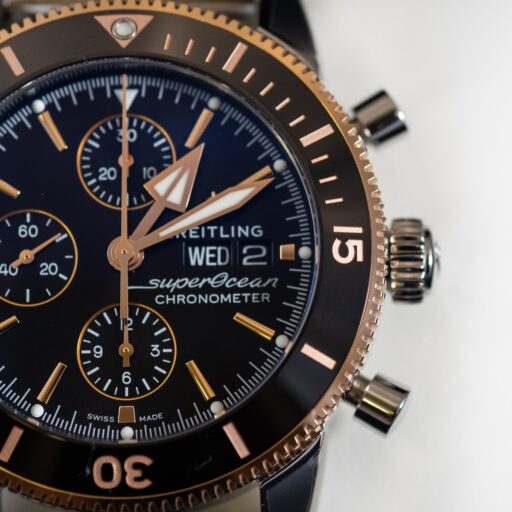
8. Breitling (Grenchen): Swiss Pilot and Chronograph Watches
Breitling built a strong identity around chronographs and aviation. The Navitimer’s rotating slide-rule bezel gives it a distinctive instrument-like appearance; the Chronomat and Avenger offer sportier alternatives, while the Superocean focuses on diving.
A chronograph’s extra pushers can look like cockpit controls, but they’re useful only if you know how to operate them. Breitling offers a Navitimer collection and a broad range of aviation- and sport-inspired models.
✅ Strengths: distinctive chronographs, bold legibility, aviation heritage, a wide sports-watch lineup.
❌ Trade-offs: some designs are large and busy; the slide-rule bezel is more interesting to many owners than necessary for everyday use.
Montredo highlights Breitling’s aviation links and Navitimer functionality in its editorial overview. Those are meaningful parts of the brand’s appeal, though buyers should check the specifications of the specific model rather than assume every watch has the same movement or certification.
9. TAG Heuer (La Chaux-de-Fonds): Motorsport-Inspired Watches
TAG Heuer connects Swiss watchmaking with motorsport, timing, and energetic design. The Carrera, Monaco, and Autavia are central to the brand’s story; the Aquaracer and Formula 1 collections offer more accessible sport-watch styles within its catalog.
The square-cased Monaco has personality to spare. That is either its superpower or the reason you’ll decide it looks like a tiny racing instrument that escaped from the 1970s. There is no neutral reaction, and that’s part of its charm.
✅ Strengths: compelling motorsport history, distinctive chronographs, modern sports-watch options.
❌ Trade-offs: designs can be bold; model specifications vary widely, so compare movement, dimensions, and water resistance closely.
Browse current models at TAG Heuer. Its Carrera and Monaco lines are useful places to begin.
10. Zenith (Le Locle): High-Frequency Chronograph Heritage
Zenith is particularly associated with the El Primero, a high-frequency automatic chronograph movement introduced in 1969. That history gives the brand a strong technical identity, while collections such as Chronomaster, Defy, and Pilot show different sides of its design.
A higher operating frequency can support finer time measurement, but it does not automatically make a watch more accurate in every wearer’s day-to-day use. Accuracy also depends on regulation, construction, condition, and how the watch is worn.
✅ Strengths: notable chronograph history, in-house movement expertise, expressive modern designs.
❌ Trade-offs: some models have busy displays; high-frequency mechanical movements may need careful servicing.
Zenith provides its brand history and current range through the official Zenith site.
11. Blancpain (Le Brassus): Traditional Mechanical Watchmaking
Blancpain’s identity is closely tied to mechanical watchmaking, with the Fifty Fathoms dive watch and Villeret dress collection as its best-known families. The Fifty Fathoms has a significant place in the history of modern dive watches, while the Villeret line leans toward traditional styling and complications.
✅ Strengths: strong mechanical focus, historic dive-watch identity, refined dress-watch options.
❌ Trade-offs: less widely recognized than Rolex or Omega; some designs and complications appeal more to enthusiasts than casual buyers.
The phrase “oldest watch brand” needs care: brand histories can involve reorganizations, interruptions, ownership changes, and differing definitions of continuous operation. Blancpain presents its own heritage on the official site, while independent histories may frame the claim differently. We trust a clearly explained corporate timeline more than a slogan without context.
12. Breguet (L’Orient): Historic Innovation and Elegant Complications
Breguet carries the legacy of Abraham-Louis Breguet, whose inventions and design codes helped shape watchmaking. The brand is associated with the tourbillon, guilloché dials, Breguet numerals, and distinctive open-tipped hands. Its Classique, Marine, Type XX, and Reine de Naples collections span dress, sport, aviation, and jewelry-oriented designs.
Breguet’s history is rich, but the firm’s origins and later Swiss identity are not identical. Dialicious notes that the company was founded in Paris before becoming closely associated with Swiss watchmaking. That nuance is useful: a brand can be Swiss-made today while its founding story began elsewhere.
✅ Strengths: important historical influence, recognizable dial details, refined complications.
❌ Trade-offs: traditional styling may feel formal; the design language can be too ornate for buyers who prefer minimalism.
Read the brand’s history and browse its collections at Breguet.
13. IWC Schaffhausen: Engineering-Led Swiss Watches
IWC stands out for its engineering-minded identity and strong collections in pilot, dress, diving, and sports watches. The Big Pilot and Pilot’s Watch lines are instantly associated with aviation; the Portugieser offers a cleaner, more dress-oriented look; the Aquatimer covers diving.
✅ Strengths: clear collection identities, aviation heritage, strong case and dial presence, broad use cases.
❌ Trade-offs: many models wear large; design language can prioritize boldness over subtlety.
IWC’s own brand history places its founding in Schaffhausen in 1868. Montredo points to the brand’s pilot-watch roots and technical ambition; its account is useful as a broad editorial overview, but individual model claims should always be checked against IWC’s specifications.
14. Longines (Saint-Imier): Heritage and Everyday Versatility
Longines offers one of the broadest combinations of heritage and everyday practicality in Swiss watchmaking. The HydroConquest serves dive-watch buyers; the Spirit collection leans into aviation and exploration; the Master Collection covers dressier mechanical styles; the DolceVita brings a rectangular profile.
✅ Strengths: extensive heritage, a wide range of styles, strong options for everyday and dress wear.
❌ Trade-offs: the breadth can make the lineup confusing; some buyers may want more distinctive movement architecture or a more independent brand identity.
Explore the Longines collections and compare sizing carefully. The best “versatile” watch is the one that fits comfortably with your usual clothes, not the one that claims to do absolutely everything.
15. Tudor (Geneva): Robust Luxury with Strong Value
Tudor makes durable, often sport-oriented watches with a design language rooted in its own history and a close association with Rolex. The Black Bay, Pelagos, Ranger, and 1926 collections cover dive, field, and everyday styles.
The Black Bay line attracts attention, but the Pelagos is worth a look if you want a modern tool watch rather than a retro-inspired one. Tudor’s official collection pages list the technical details for each reference.
✅ Strengths: sturdy sports models, coherent design identity, meaningful technical credentials across selected models.
❌ Trade-offs: vintage-inspired details are not for everyone; model dimensions and features differ enough that “Tudor quality” alone is not a buying specification.
The “Rolex feel without the Rolex price tag” is a common shorthand, including in the first video’s summary. It is catchy, but incomplete: Tudor has its own collections, movements, and character, so buy the watch you prefer rather than a substitute for another brand.
16. Tissot (Le Locle): Accessible Swiss-Made Watches
Tissot is one of the most approachable Swiss brands for buyers who want range: quartz and mechanical watches, classic and sporty designs, and collections such as the PRX, Seastar, Gentleman, and Heritage. It is part of the Swatch Group, whose brand overview provides background on the company.
The PRX is a popular integrated-bracelet design; the Seastar offers dive-watch styling and water-resistance options; the Gentleman is an everyday all-rounder. Tissot also has a long history of technical experimentation, but check the exact model rather than relying on a brand-wide description.
✅ Strengths: broad selection, many practical designs, useful entry point to Swiss watches, quartz and mechanical choices.
❌ Trade-offs: popular models can be common; case size and bracelet fit still need checking; specifications vary considerably.
Teddy Baldassarre’s Swiss-brand overview praises Tissot’s range and history, while the first video frames it as an accessible way to enjoy Swiss watchmaking. Those perspectives align on value and breadth, but neither means every Tissot is automatically the right fit. See our affordable watch coverage for more comparison ideas.
17. Hamilton (Biel/Bienne): American Roots, Swiss Watchmaking
Hamilton was founded in Pennsylvania and is now part of the Swiss watch industry, pairing American design heritage with Swiss production. Its Khaki Field, Khaki Aviation, Jazzmaster, and Ventura collections each have a distinctive identity.
The brand is a particularly good choice if you like military-inspired field watches, cinematic designs, or an accessible first mechanical watch. Dialicious describes Hamilton’s identity as combining “American spirit” with “Swiss precision”; that captures its cross-border story neatly, though a watch’s actual origin designation still belongs to the specific model.
✅ Strengths: varied designs, strong heritage cues, practical field-watch options, broad quartz and mechanical selection.
❌ Trade-offs: some models lean heavily on nostalgic styling; Hamilton’s American roots can be confused with the place of modern production.
See Hamilton’s current collection and compare the Khaki Field Mechanical with the automatic version if you’re choosing a daily field watch.
18. Oris (Hölstein): Independent Mechanical Watchmaking
Oris is a mechanically focused Swiss brand with a distinct independent identity. Its Aquis dive watches, Big Crown aviation-inspired models, ProPilot collection, and Artelier range offer a broad mix of practical and dressier options.
✅ Strengths: clear mechanical-watch focus, strong dive-watch options, distinctive designs, independent character.
❌ Trade-offs: brand recognition is lower than the biggest luxury names; model availability and service access may vary by region.
Oris provides brand and collection details on its official website. If you’re comparing a sports watch, look beyond the name: check water resistance, crown design, clasp adjustment, and whether the bracelet suits your wrist.
19. Hublot (Nyon): Bold Materials and Contemporary Design
Hublot is for people who want a watch to make an entrance. The Big Bang and Classic Fusion collections combine bold case designs with materials such as ceramic, titanium, and gold. The brand is also known for its “Art of Fusion” approach to design and materials.
✅ Strengths: striking appearance, adventurous material choices, strong contemporary identity.
❌ Trade-offs: large, assertive styling is divisive; buyers who prioritize restrained design or subtle branding may prefer another maker.
See Hublot’s official collections. Our personal rule with a bold watch: try it on in natural light and with the clothes you actually wear. Under boutique spotlights, even a lively design can look like it’s auditioning for a music video.
20. Girard-Peregaux (La Chaux-de-Fonds): Innovative Haute Horlogerie
Girard-Peregaux blends a long history with fine movement work and distinctive design. The Laureato is its best-known modern sports watch, while the Bridges collection puts mechanical architecture front and center. The brand is also associated with its Three Bridges design, a hallmark of its visual identity.
✅ Strengths: significant movement heritage, recognizable finishing, attractive alternatives to more familiar luxury sports watches.
❌ Trade-offs: lower mainstream name recognition; the Laureato’s integrated-bracelet style competes in a crowded category.
Browse Girard-Peregaux for the current lineup and brand history. It’s a smart brand to consider if you want serious watchmaking without choosing the most obvious logo in the room.
21. Chopard (Meyrin): Luxury Watches and Artisan Finishing
Chopard spans jewelry, luxury accessories, and mechanical watchmaking. The Alpine Eagle offers a contemporary sports-watch direction; the L.U.C line focuses on high-end mechanical watchmaking; Happy Sport blends watch design with moving diamonds.
✅ Strengths: unusual blend of jewelry and watchmaking expertise, strong finishing in select collections, varied design language.
❌ Trade-offs: buyers may need to distinguish jewelry-led lines from horology-focused offerings; the styling varies greatly across the brand.
See Chopard’s watches. The L.U.C collection is the place to start if movement finishing is your main interest; Happy Sport is more compelling if you want jewelry and watch design to share the stage.
22. Ulyse Nardin (Le Locle): Marine Chronometers and Innovation
Ulyse Nardin has a historic connection to marine chronometers and an unusually adventurous approach to modern design. The Marine collection reflects its nautical identity; Freak models turn conventional watch architecture on its head; Diver offers a sportier route into the brand.
✅ Strengths: distinctive technical concepts, marine heritage, innovative movement designs.
❌ Trade-offs: the Freak’s unconventional display is not for traditionalists; brand recognition and service familiarity vary by market.
The brand’s official history and collections are the best source for current technical details. If the Freak catches your eye, see it in person first: its rotating movement-based time display is fascinating, but it asks you to rethink how you read a watch.
23. Richard Mille (Les Breuleux): Avant-Garde High-End Watchmaking
Richard Mille makes highly distinctive, technically ambitious watches with tonneau-shaped cases, modern materials, and a strong connection to elite sports. It is one of the most recognizable contemporary luxury brands, even though its relatively recent founding gives it a different kind of heritage from houses founded centuries ago.
✅ Strengths: unmistakable design, advanced materials, bold engineering, strong contemporary identity.
❌ Trade-offs: extreme exclusivity and pricing put it beyond most buyers; its visual language is highly polarizing.
Explore Richard Mille’s collections. The first video highlights the brand’s sports partnerships and material innovation; those are useful cues to its character, not a reason to assume every model shares the same construction or performance claims.
24. Frédérique Constant (Plan-les-Ouates): Accessible Swiss Luxury
Frédérique Constant is known for classically styled watches, especially the Classics collection, alongside the sporty Highlife and technically ambitious Manufacture models. It aims to make traditional Swiss luxury styling more accessible than the most exclusive haute horlogerie houses.
✅ Strengths: elegant design, useful range of complications, dress-watch appeal, selected in-house movement offerings.
❌ Trade-offs: the brand has less recognition than the major luxury names; movement architecture and specifications vary by collection.
See the Frédérique Constant collection and check whether a model is part of its Manufacture range before assuming it uses an in-house calibre. That one detail can change the character—and service considerations—of the watch.
🔍 Compare the Best Swiss Watch Brands
A comparison table can narrow the field, but it cannot tell you whether a bracelet pinches or a dial makes you grin. Use this as a shortlist tool, then confirm the specific model’s dimensions, movement, water resistance, and service details.
| Brand | Best known for | Strong collections to explore | Best fit for |
|---|---|---|---|
| Rolex | Versatile luxury sports and everyday watches | Datejust, Submariner, Explorer | Buyers who want a recognizable all-rounder |
| Patek Philippe | Haute horlogerie and complications | Calatrava, Nautilus, Grand Complications | Collectors focused on high-end finishing and legacy |
| Omega | Technical sports watches and chronographs | Speedmaster, Seamaster, Aqua Terra | Buyers who want heritage plus modern capability |
| Audemars Piguet | Luxury integrated-bracelet sports watches | Royal Oak, Royal Oak Offshore | Buyers drawn to distinctive high-end design |
| Vacheron Constantin | Refined high horology | Patrimony, Overseas, Traditionelle | Collectors who value subtle prestige and craft |
| Jaeger-LeCoultre | Movement expertise and the Reverso | Reverso, Master Control, Duomètre | Design- and movement-minded buyers |
| Cartier | Iconic shapes and jewelry-led design | Tank, Santos, Panthère | Buyers who want a design signature |
| Breitling | Aviation chronographs and sports watches | Navitimer, Chronomat, Superocean | Chronograph fans and aviation enthusiasts |
| TAG Heuer | Motorsport-inspired sports watches | Carrera, Monaco, Aquaracer | Buyers drawn to racing history and modern sport style |
| Zenith | High-frequency chronographs | Chronomaster, Defy, Pilot | Mechanical chronograph enthusiasts |
| Longines | Heritage and broad everyday choice | Spirit, HydroConquest, Master Collection | Buyers seeking versatility across styles |
| Tudor | Robust tool watches | Black Bay, Pelagos, Ranger | Buyers seeking capable sports models |
| Tissot | Accessible Swiss-made variety | PRX, Seastar, Gentleman | First-time buyers and practical watch fans |
| Hamilton | Field watches and American heritage | Khaki Field, Jazzmaster, Ventura | Buyers seeking character and everyday utility |
| Oris | Independent mechanical watchmaking | Aquis, Big Crown, ProPilot | Enthusiasts who value mechanical focus |
| Breguet | Historic complications and dial craft | Classique, Marine, Type XX | Traditionalists interested in horological history |
Best Swiss Brands by Budget and Experience Level
Rather than sort brands by prices that change with markets and collections, we group them by the kind of ownership experience they offer. Individual models vary substantially within each brand.
| Buyer profile | Brands worth exploring | Why |
|---|---|---|
| First Swiss watch | Tissot, Hamilton, Longines | Broad catalogs, practical designs, a range of movement types |
| First mechanical watch | Tissot, Hamilton, Oris, Longines | Useful mechanical options across recognizable styles |
| Daily luxury watch | Rolex, Omega, Tudor, Cartier | Strong collection variety and established ownership ecosystems |
| Design-first buyer | Cartier, TAG Heuer, Hublot, Bulgari | Clear, recognizable design languages |
| Complication enthusiast | Patek Philippe, Vacheron Constantin, Jaeger-LeCoultre, Breguet | Deep traditions in mechanical complication and finishing |
| Independent-minded enthusiast | Oris, Ulyse Nardin, select newer makers | More distinctive brand identities and, in some cases, production approaches |
| Vintage-watch collector | Longines, Omega, Zenith, Heuer/TAG Heuer | Rich archives and historically significant models |
“Budget-friendly” is relative in watch collecting. Tissot may be approachable compared with a high-end manufacture, yet a buyer comparing it with a basic quartz watch will see a different equation. Browse affordable watches and decide what you want the watch to do before sorting by brand name.
Best Swiss Brands for Dress, Dive, Pilot, and Sports Watches
| Watch style | Brands and collections to consider | What to compare |
|---|---|---|
| Dress watch | Patek Philippe Calatrava, Jaeger-LeCoultre Master Control, Longines Master Collection, Breguet Classique | Case thickness, dial clarity, strap comfort |
| Dive watch | Omega Seamaster, Rolex Submariner, Tudor Pelagos, Oris Aquis, Blancpain Fifty Fathoms | Water resistance, bezel grip, lume, bracelet adjustment |
| Pilot watch | IWC Pilot’s Watch, Breitling Navitimer, Zenith Pilot, Hamilton Khaki Aviation | Legibility, case size, crown comfort, chronograph layout |
| Chronograph | Omega Speedmaster, Zenith Chronomaster, TAG Heuer Carrera, Breitling Navitimer | Pushers, subdial readability, movement, thickness |
| Everyday sports watch | Rolex Oyster Perpetual, Omega Aqua Terra, Tudor Black Bay, Longines Spirit | Versatility, bracelet comfort, water resistance, thickness |
| Design-led watch | Cartier Tank or Santos, TAG Heuer Monaco, Hublot Big Bang | Shape, wrist fit, strap options, how bold you want to go |
A watch’s category label can be misleading. A “dress watch” can be worn casually, and a “diver” may spend its whole life near a desk. Choose by your actual routine, not by the most dramatic story in the brochure.
Swiss Watch Brands by Movement Type
| Movement type | How it works | Benefits | Trade-offs |
|---|---|---|---|
| Automatic mechanical | A rotor winds the mainspring as you move | No battery; mechanical appeal; convenient for regular wear | Can stop when unworn; requires periodic service |
| Manual-wind mechanical | The crown winds the mainspring | Engaging daily ritual; often enables a slimmer movement | Requires regular winding |
| Quartz | A battery powers an electronic circuit regulated by a quartz crystal | Convenient, typically accurate, often lower maintenance | Battery changes or electronic servicing required |
| Solar quartz | Light charges a rechargeable cell | Convenient, reduced battery changes | Requires exposure to light and eventual component care |
| Connected or smartwatch | Electronic platform with software and sensors | Notifications, activity tracking, connected features | Software support and battery longevity affect useful life |
Do not assume that a mechanical movement is automatically more accurate than quartz. Mechanical watches have a different appeal—craft, motion, sound, and serviceability—but precision, convenience, and ownership ritual are separate qualities.
⚙️ Swiss Watch Movements, Complications, and Certifications
A movement is the engine of the watch, but it is not the whole story. Case design, dial layout, bracelet construction, regulation, and service support all matter. “In-house” can be useful information, but it is not a quality score by itself: a well-made outsourced movement may be an excellent choice, while an in-house calibre still needs good regulation and long-term support.
Automatic, Manual-Wind, and Quartz Movements
- Automatic: Wound partly by a rotor. Ideal if you wear the watch regularly and enjoy the movement of a mechanical watch.
- Manual-wind: Wound by turning the crown. Ideal if a daily winding routine sounds satisfying rather than irritating.
- Quartz: Battery-powered and regulated electronically. Ideal if you want a low-fuss watch that is ready when you are.
When comparing mechanical movements, ask:
- What is the stated power reserve? This tells you how long the watch can run when fully wound and unworn.
- Is the movement certified or tested? Check what the certification covers.
- What is the service recommendation? Follow the brand’s current guidance.
- Can you get it serviced locally? Ask an authorized service center before buying an uncommon model.
- What does the warranty cover? Read the terms, especially for water resistance and accidental damage.
COSC Chronometer and METAS Master Chronometer Standards
COSC is Switzerland’s Official Swiss Chronometer Testing Institute. Its official site explains its testing and certification process at COSC. A chronometer certificate concerns tested timekeeping performance under specified conditions; it does not mean the watch will never gain or lose time once it’s on your wrist.
METAS Master Chronometer certification adds testing beyond movement precision, including resistance to magnetic fields and other performance criteria. Omega describes its testing program on its Master Chronometer page; METAS provides details about its Master Chronometer certification.
| Standard | What it helps establish | What it does not guarantee |
|---|---|---|
| COSC chronometer certification | The tested movement meets specified accuracy criteria during certification | Identical accuracy in every position, temperature, or daily routine |
| METAS Master Chronometer | A wider testing framework that includes accuracy and magnetic resistance | Freedom from maintenance or damage |
| Brand testing | A manufacturer’s own performance standards | Independent verification unless the method is disclosed and certified |
Bottom line: certifications help compare measured performance, but wearing comfort and service support remain personal and practical questions.
Common Watch Complications Explained
A complication is any function beyond displaying hours, minutes, and seconds.
| Complication | What it does | Useful for |
|---|---|---|
| Date | Shows the calendar date | Everyday reference |
| Day-date | Shows day and date | Daily organization |
| Chronograph | Measures elapsed time using a stopwatch function | Timing events, cooking, sports, or just pressing the pushers |
| GMT or dual time | Displays another time zone | Travel and communicating across regions |
| Moon phase | Tracks lunar phases | Visual interest and lunar-calendar enthusiasts |
| Annual calendar | Accounts for most month lengths, usually requiring one correction yearly | Calendar convenience |
| Perpetual calendar | Accounts for varying month lengths and leap years for an extended period | Collectors seeking a high mechanical complication |
| Tourbillon | A rotating regulating assembly designed historically to address positional effects | Mechanical fascination and traditional high horology |
| Minute repeater | Chimes the time on demand | A rare and intricate acoustic complication |
Complications add charm and mechanical interest, but they can also increase complexity and service needs. If you want a watch for everyday use, make sure the complication is one you’ll actually operate. A chronograph you never start is still handsome—but it may be an elaborate way to tell the time.
🛒 How to Choose the Right Swiss Watch Brand
Start with the watch you want to wear, not the logo you think you should want. We’ve seen buyers fall for a celebrated diver, then discover the thick case catches on every shirt cuff. We’ve also seen a quietly chosen field watch become someone’s daily favorite because it simply feels right.
Set a Budget and Choose Your Priorities
Before browsing, rank these priorities:
- Everyday use: Do you need a reliable daily watch or a special-occasion piece?
- Style: Dress, dive, pilot, field, chronograph, or sports watch?
- Movement: Automatic, manual-wind, quartz, or solar quartz?
- Size and fit: What case diameter, lug-to-lug length, and thickness suit your wrist?
- Brand identity: Do you want a household name, a specialist maker, or an independent feel?
- Ownership: Can you access service and spare parts where you live?
- Resale: Is it a factor, or do you intend to keep and wear the watch?
A useful test: If the logo were covered, would you still want the watch? If the answer is no, pause before buying.
For more practical buying advice, visit our Guide to Buying Watches. For style-led options, see men’s watches and our coverage of watch fashion trends.
Pick a Watch Style, Size, and Material
Case diameter is only one measurement. Lug-to-lug length, thickness, bezel width, dial opening, and bracelet taper all affect how a watch wears.
| Feature | What to check |
|---|---|
| Case diameter | Compare with watches you already find comfortable |
| Lug-to-lug | Confirm the lugs do not extend beyond the wrist |
| Thickness | Consider cuffs, desk work, and your preferred profile |
| Bracelet | Check articulation, taper, clasp security, and micro-adjustment |
| Strap | Try leather, rubber, textile, and bracelet options if available |
| Crystal | Sapphire resists scratches well; mineral and acrylic have different repair characteristics |
| Case material | Steel is versatile; titanium is lighter; gold and ceramic create different looks and ownership needs |
| Water resistance | Match the rating and construction to your actual activities; follow the brand’s instructions |
A watch marked with a water-resistance rating is not automatically suitable for every water activity. The rating, condition of seals, crown position, and service history all matter. The British Horological Institute and watchmakers can provide practical guidance, but your specific model’s manual should take priority.
Try this in person: Wear the watch for several minutes. Move your wrist, rest it on a desk, and check the clasp. If you keep adjusting it, that is not a small detail—it is your future ownership experience asking for a rethink.
Consider Servicing, Warranty, and Long-Term Ownership
Before purchase, check:
- Warranty length and conditions: Confirm what is covered and whether registration is required.
- Service availability: Find authorized service providers near you.
- Water-resistance care: Ask whether pressure testing is recommended after seal replacement or case work.
- Bracelet and strap availability: Check whether the brand can supply replacements.
- Movement support: Ask whether the movement has established parts and service access.
- Pre-owned documentation: Review service records, ownership history, and return terms.
Mechanical watches need care, but exact service intervals depend on the movement, use, environment, and brand recommendation. Do not rely on a single universal “every five years” rule. A watch used in water, dust, or hard daily conditions may need attention sooner than a safely stored dress watch.
✅ Buying Swiss Watches: New, Pre-Owned, or Vintage
There is no single right route. New watches offer a clear warranty and known history; pre-owned can open up discontinued references and different designs; vintage can offer remarkable character but demands the most homework.
| Route | Advantages | Risks and checks |
|---|---|---|
| New from authorized retailer | Manufacturer warranty, known condition, clear documentation | Limited access to some in-demand models; confirm dealer authorization |
| Pre-owned from reputable dealer | Wider selection, potential access to discontinued models | Verify authenticity, condition, service records, and return policy |
| Vintage | Historic character, unique designs, collectible references | Parts availability, altered components, uncertain water resistance, restoration quality |
How to Buy from an Authorized Dealer
- Use the brand’s dealer locator. Start from the official brand website, not a search ad.
- Ask for the exact reference number. Brand names alone are not enough; specifications differ by reference.
- Confirm what is included. Request the warranty card, manuals, box, and any model-specific accessories.
- Try the watch on. Check fit and bracelet adjustment before purchase.
- Read the return and warranty terms. Ask what happens if sizing or a fault appears after purchase.
- Keep the paperwork. Save receipts, warranty documents, and service records.
Authorized dealers are particularly helpful for brands with specialized sizing, complex complications, or limited service networks. If a sales pitch emphasizes investment potential more than fit or features, bring the conversation back to the watch.
How to Check Authenticity and Avoid Counterfeits
Counterfeit watches have become increasingly sophisticated. A convincing logo or box proves very little. The Federation of the Swiss Watch Industry FH explains the scale and impact of watch counterfeiting.
Use this checklist:
- Buy from an authorized dealer or a reputable specialist with a clear return policy.
- Match the reference and serial information against the brand’s records where possible.
- Inspect dial printing, hands, alignment, case finishing, bracelet construction, and movement details.
- Check that the paperwork corresponds to the actual watch.
- Ask for recent service documentation on pre-owned mechanical watches.
- Be cautious of a listing with stock photos, vague provenance, or pressure to pay outside a protected platform.
- Get an independent inspection if the purchase is significant and the seller permits it.
Do not open a watch yourself to “check the movement” unless you’re qualified and equipped. You can damage the case seals or movement, and a counterfeit can still contain a plausible-looking calibre.
What to Know About Resale Value and Collectability
Resale value depends on condition, reference, completeness, demand, authenticity, service history, and wider market conditions. Even celebrated watches can lose value, and a hot model can cool off. Auctions and online listings show asking prices or standout sales—not a guaranteed return.
Montredo’s editorial ranking and Dialicious’s owner-based rankings help illustrate the difference between brand reputation and owner satisfaction. In Dialicious’s supplied ranking, Doxa appears high among qualifying brands, while Hamilton and other familiar brands sit lower. That does not prove Doxa is “better” than Hamilton; it reflects a different method, sample, and set of eligible reviews. The page states that only brands with at least 10 reviews qualify and that ranking criteria may change. See Dialicious’s ranking methodology and list.
For a balanced ownership decision:
- Buy for your wrist and your life, not a resale prediction.
- Preserve receipts, service records, and original accessories.
- Avoid polishing or modifying a collectible watch without expert advice.
- Compare completed sales—not optimistic asking prices—when researching a reference.
- Treat owner reviews as useful qualitative evidence, not a substitute for testing the watch yourself.
🧼 Swiss Watch Care and Maintenance
Good care is mostly ordinary: keep the watch clean, protect it from impacts, and follow the manufacturer’s instructions. We’ve found that the most common “watch problem” is not mysterious at all—it’s a crown left unscrewed before a swim or a bracelet that needed a quick professional adjustment.
- Clean the case and bracelet gently with a soft cloth; use water only if the model’s instructions and condition allow it.
- Keep the crown secured before water exposure on watches designed with a screw-down crown.
- Avoid strong magnetic sources unless your watch has been designed and tested to resist them.
- Do not operate pushers underwater unless the manufacturer explicitly permits it.
- Store mechanical watches safely away from heat, moisture, and hard surfaces.
- Have water resistance checked after opening the case or replacing seals.
- Service through a qualified watchmaker using the correct parts and procedures.
- Keep records of repairs and maintenance, particularly for valuable or vintage watches.
Magnetic exposure can affect some mechanical watches, although many modern movements offer improved resistance. If your watch suddenly gains or loses time, magnetism is one possible cause—but it is not the only one. A qualified watchmaker can diagnose the issue. Read the manufacturer’s manual first, because care instructions vary by model and movement.