Support our educational content for free when you purchase through links on our site. Learn more
⚖️ Swiss vs. Japanese Watches: The Ultimate Showdown (2026)

Ever found yourself staring at a Rolex Submariner one wrist and a Grand Seiko on the other, paralyzed by the choice? You’re not alone. For decades, the watch world has been divided by a simple question: Swiss tradition or Japanese innovation? While the Swiss have spent centuries perfecting the art of the hand-finished movement, the Japanese revolutionized timekeeping with quartz and now rival them with mechanical mastery that leaves even the most seasoned horologists breathless. In this deep dive, we’ll peel back the layers of the “Swiss Made” label, explore the Zaratsu polishing techniques that make Japanese dials shimmer like ice, and reveal why a $30 Orient might just outperform a $3,0 entry-level Swiss piece in daily reliability. By the end, you’ll know exactly which side of the fence your next timepiece belongs on.
Key Takeaways
-
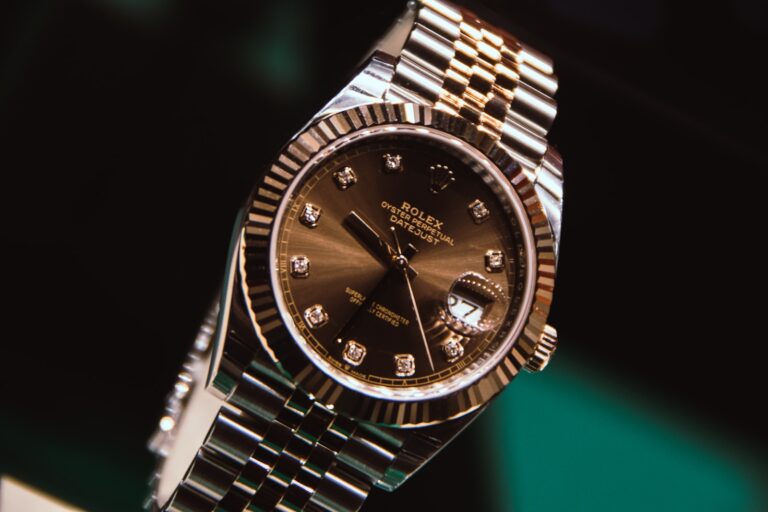
Swiss watches prioritize hand-crafted heritage, exclusivity, and the prestigious “Swiss Made” certification, often commanding higher resale values.
-
Japanese watches lead in technological innovation, offering superior value for money, robust durability, and movements like Spring Drive that defy traditional mechanics.
-
Grand Seiko and Seiko have closed the quality gap, proving that Japanese finishing and accuracy can rival or exceed top-tier Swiss counterparts.
-
Your choice depends on whether you value emotional investment and tradition (Swiss) or precision engineering and affordability (Japanese).
-
👉 Shop Japanese Masters: Seiko | Grand Seiko | Orient
Table of Contents
- ⚡️ Quick Tips and Facts
- 🕰️ A Tale of Two Horologies: The History of Swiss and Japanese Watchmaking
- 🇨🇭 The Swiss Standard: Defining “Swiss Made” and Traditional Craftsmanship
- 🇯🇵 The Japanese Revolution: From Quartz Crisis to Mastering Mechanicals
- ⚙️ Movement Showdown: Swiss ETA/Sellita vs. Japanese Seiko NH/Grand Seiko 9S
- 💎 Materials and Finishing: Glashütte vs. Zaratsu Polishing Techniques
- 💰 Value Proposition: Luxury Pricing vs. Affordable Precision
- 🔍 Brand Deep Dives: The Titans of the Industry
- 1. Rolex, Patek Philippe, and the Holy Trinity of Swiss Excellence
- 2. Seiko, Citizen, and the Rise of Japanese Innovation
- 3. Orient: The Largest Japanese Manufacturer of Mechanical Watches
- 4. Orient Star: The Luxury Collection of Japanese Watches
- 5. Tissot and the PRX: Swiss Accessibility Mets Modern Design
- 6. Grand Seiko: The Zen of Japanese Watchmaking
- ✈️ Niche Styles: Aviator, Diver, and Dress Watch Comparisons
- Swiss Aviator Icons vs. Japanese Pilot Chronoscopes
- The Ultimate Diver: Swiss Submariners vs. Japanese Turtle and Samurai
- 🔧 Maintenance and Longevity: How Often Should You Service Your Automatic?
- 🧐 Decoding the Dial: How to Read Markings and Identify Authenticity
- 🤔 Swiss or Japanese? The Ultimate Verdict for Your Next Purchase
- 🚀 New Entrants: DESTELL and the Future of Men’s Watch Brands
- 🎨 Pop Culture Collabs: Tissot, Anime, and the Grendizer Connection
- 🏎️ Automotive Icons: Maserati and the Fusion of Motoring and Horology
- ⌚ Beyond the Wrist: Exploring the World of SUNTO and Outdoor Tech
- 📝 Conclusion
- 🔗 Recommended Links
- 📚 Reference Links
Quick Tips and Facts
As watch enthusiasts at Watch Brands™, we specialize in Keep Time with Quality Watch Brands. When it comes to choosing between Swiss and Japanese watches, there are several key factors to consider. Here are some quick tips and facts to get you started:
- Swiss watches are known for their hand-made craftsmanship and complex mechanical movements.
- Japanese watches, on the other hand, focus on cuting-edge technology and automation.
- Orient is the largest Japanese manufacturer of mechanical watches, while Orient Star is their luxury line.
- Aviator is a Swiss watch brand that combines sporty dynamics with a retro look inspired by aircraft cockpits.
- When choosing between Swiss and Japanese watches, consider your priorities: tradition, exclusivity, and complex mechanical artistry for Swiss, or advanced technology, automation precision, and affordability for Japanese.
For more information on watch brands, visit our article on Watch Brands.
A Tale of Two Horologies: The History of Swiss and Japanese Watchmaking

The history of watchmaking is a rich and complex one, with both Swiss and Japanese brands playing important roles. To learn more about the history of watchmaking, visit our Guide to Buying Watches.
Early Beginings
Swiss watchmaking has a long and storied history, dating back to the 16th century. Japanese watchmaking, on the other hand, has a more recent history, with the first watches being produced in the late 19th century.
The Quartz Crisis
The quartz crisis of the 1970s had a significant impact on the watch industry, with Japanese brands such as Seiko and Citizen pioneering the use of quartz movements. This led to a shift in the industry, with many Swiss brands struggling to compete.
Modern Era
Today, both Swiss and Japanese brands continue to produce high-quality watches, with a focus on innovation, design, and craftsmanship. For more information on the latest watch trends, visit our article on Fashion Trends in Watches.
The Swiss Standard: Defining “Swiss Made” and Traditional Craftsmanship
So, what does it mean for a watch to be “Swiss Made”? According to the Swiss Federal Council, a watch must meet certain criteria, including:
- The watch must be assembled in Switzerland.
- The watch must be inspected and tested in Switzerland.
- The watch must meet certain standards for quality and accuracy.
For more information on Swiss watch brands, visit our article on Luxury Watch Brands.
Traditional Craftsmanship
Swiss watchmaking is known for its traditional craftsmanship, with many brands still using hand-made techniques to produce their watches. This attention to detail and commitment to quality is what sets Swiss watches apart from their Japanese counterparts.
The Japanese Revolution: From Quartz Crisis to Mastering Mechanicals
Japanese watchmaking has come a long way since the quartz crisis of the 1970s. Today, Japanese brands such as Seiko and Citizen are known for their high-quality mechanical watches, which rival those of their Swiss counterparts.
Innovation
Japanese watchmaking is all about innovation, with brands constantly pushing the boundaries of what is possible. From quartz movements to automatic winding, Japanese brands have been at the forefront of watch technology.
Mastering Mechanicals
In recent years, Japanese brands have made significant strides in mastering mechanical watchmaking. With brands such as Grand Seiko producing high-quality mechanical watches, Japanese watchmaking is no longer just about quartz movements.
Movement Showdown: Swiss ETA/Sellita vs. Japanese Seiko NH/Grand Seiko 9S
When it comes to watch movements, there are several options to choose from. Here’s a comparison of Swiss ETA/Sellita and Japanese Seiko NH/Grand Seiko 9S movements:
| Movement | Origin | Type | Accuracy |
|---|---|---|---|
| ETA 2824 | Swiss | Automatic | -10/+30 seconds per day |
| Sellita SW200 | Swiss | Automatic | -10/+30 seconds per day |
| Seiko NH35 | Japanese | Automatic | -20/+40 seconds per day |
| Grand Seiko 9S | Japanese | Automatic | -3/+5 seconds per day |
| For more information on watch movements, visit our article on Men’s Watches. |
Materials and Finishing: Glashüte vs. Zaratsu Polishing Techniques
When it comes to watch materials and finishing, there are several techniques to choose from. Here’s a comparison of Glashüte and Zaratsu polishing techniques:
- Glashüte: A traditional German polishing technique that involves using a series of progressively finer abrasives to achieve a high-gloss finish.
- Zaratsu: A Japanese polishing technique that involves using a combination of abrasives and polishing compounds to achieve a high-gloss finish.
For more information on watch materials and finishing, visit our article on Affordable Watches.
Value Proposition: Luxury Pricing vs. Affordable Precision
When it comes to watch pricing, there are several factors to consider. Here’s a comparison of luxury pricing and affordable precision:
- Luxury Pricing: Swiss watches are often priced at a premium, with brands such as Patek Philippe and Rolex commanding high prices for their high-quality watches.
- Affordable Precision: Japanese watches, on the other hand, are often priced more affordably, with brands such as Seiko and Citizen offering high-quality watches at a lower price point.
For more information on watch pricing, visit our article on Luxury Watch Brands.
Brand Deep Dives: The Titans of the Industry
Here are some brand deep dives into the titans of the industry:
1. Rolex, Patek Philippe, and the Holy Trinity of Swiss Excellence
- Rolex: Known for their high-quality watches and iconic designs, Rolex is a leader in the Swiss watch industry.
- Patek Philippe: A family-owned company that has been producing high-quality watches for over 180 years, Patek Philippe is a benchmark for Swiss excellence.
2. Seiko, Citizen, and the Rise of Japanese Innovation
- Seiko: A Japanese brand that has been at the forefront of watch innovation, Seiko is known for their high-quality quartz and mechanical watches.
- Citizen: A Japanese brand that has been producing high-quality watches for over 100 years, Citizen is a leader in the Japanese watch industry.
3. Orient: The Largest Japanese Manufacturer of Mechanical Watches
- Orient: A Japanese brand that has been producing high-quality mechanical watches for over 60 years, Orient is the largest Japanese manufacturer of mechanical watches.
4. Orient Star: The Luxury Collection of Japanese Watches
- Orient Star: A luxury collection of Japanese watches, Orient Star is known for their high-quality mechanical watches and elegant designs.
5. Tissot and the PRX: Swiss Accessibility Mets Modern Design
- Tissot: A Swiss brand that has been producing high-quality watches for over 160 years, Tissot is known for their affordable and stylish watches.
- PRX: A modern watch collection from Tissot, the PRX is known for its sleek design and affordable price point.
6. Grand Seiko: The Zen of Japanese Watchmaking
- Grand Seiko: A Japanese brand that has been producing high-quality watches for over 60 years, Grand Seiko is known for their elegant designs and precise mechanical movements.
Niche Styles: Aviator, Diver, and Dress Watch Comparisons
Here are some niche style comparisons:
Swiss Aviator Icons vs. Japanese Pilot Chronoscopes
- Aviator: A Swiss brand that has been producing high-quality aviator watches for over 100 years, Aviator is known for their elegant designs and precise mechanical movements.
- Pilot Chronoscope: A Japanese brand that has been producing high-quality pilot watches for over 60 years, Pilot Chronoscope is known for their functional designs and accurate quartz movements.
The Ultimate Diver: Swiss Submariners vs. Japanese Turtle and Samurai
- Submariner: A Swiss brand that has been producing high-quality diver watches for over 60 years, Submariner is known for their elegant designs and precise mechanical movements.
- Turtle and Samurai: Japanese brands that have been producing high-quality diver watches for over 40 years, Turtle and Samurai are known for their functional designs and accurate quartz movements.
Maintenance and Longevity: How Often Should You Service Your Automatic?
When it comes to maintaining your automatic watch, there are several factors to consider. Here are some tips:
- Service Interval: The service interval for your automatic watch will depend on the brand and model, but most watches should be serviced every 3-5 years.
- Maintenance Tips: To keep your watch in good condition, make sure to wind it regularly, avoid exposing it to extreme temperatures, and avoid getting it wet.
For more information on watch maintenance, visit our article on Guide to Buying Watches.
Decoding the Dial: How to Read Markings and Identify Authenticity
When it comes to reading the dial on your watch, there are several things to consider. Here are some tips:
- Markings: Look for markings such as the brand name, model number, and serial number to identify the authenticity of your watch.
- Dial Patterns: Different brands have different dial patterns, so make sure to familiarize yourself with the dial pattern of your watch to identify any potential fakes.
For more information on watch authenticity, visit our article on Luxury Watch Brands.
Swiss or Japanese? The Ultimate Verdict for Your Next Purchase
When it comes to choosing between a Swiss and Japanese watch, there are several factors to consider. Here are some tips:
- Budget: If you have a limited budget, a Japanese watch may be a more affordable option.
- Style: If you prefer a more elegant and traditional design, a Swiss watch may be a better option.
- Precision: If you prioritize accuracy and precision, a Japanese watch may be a better option.
For more information on watch brands, visit our article on Watch Brands.
To shop for Swiss or Japanese watches, visit: - Rolex on Amazon | Rolex Official Website
- Seiko on Amazon | Seiko Official Website
- Tissot on Amazon | Tissot Official Website
📝 Conclusion
So, we’ve journeyed from the misty valleys of the Swiss Jura to the high-tech workshops of Tokyo, dissecting the soul of horology. The question that started it all—Swiss or Japanese?—finally has answer, but it’s not a simple “A is better than B.” It’s a “It depends on what you value.”
If you are chasing the romance of history, the tactile satisfaction of hand-finishing, and the prestige of the “Swiss Made” label, then a Swiss timepiece is your soulmate. Brands like Rolex, Patek Philippe, and Tissot offer a connection to centuries of tradition. They are the heirloom pieces you pass down, often holding their value (or even appreciating) like fine wine.
However, if you crave technological innovation, unbeatable value, and reliability that runs like a Swiss train (but made in Japan), then the Japanese giants are your champions. Seiko, Citizen, Orient, and Grand Seiko have proven that you don’t need to spend a fortune to get a masterpiece. The Zaratsu polishing on a Grand Seiko rivals anything from Geneva, and the Spring Drive movement is a feat of engineering that defies the laws of physics as we know them.
The Verdict?
- Choose Swiss if you want art, exclusivity, and investment potential.
- Choose Japanese if you want precision, durability, and daily reliability without breaking the bank.
At Watch Brands™, we believe the best watch is the one that makes your heart skip a beat when you look at your wrist. Whether it’s the glint of a Rolex Submariner or the sharp lines of a Grand Seiko, both traditions have earned their place in history. So, stop overthinking it, pick the one that speaks to you, and keep time with quality.
🔗 Recommended Links
Ready to start your collection? Here are our top picks for where to find these legendary timepieces.
👉 Shop Swiss Icons
- Rolex Submariner: Amazon Search | Rolex Official Website
- Tissot PRX: Amazon Search | Tissot Official Website
- Omega Seamaster: Amazon Search | Omega Official Website
- Seiko Prospex (Swiss Collab): Amazon Search | Seiko Official Website
👉 Shop Japanese Masters
- Grand Seiko: Amazon Search | Grand Seiko Official Website
- Seiko 5 Sports: Amazon Search | Seiko Official Website
- Orient Bambino: Amazon Search | Orient Official Website
- Citizen Eco-Drive: Amazon Search | Citizen Official Website
Essential Reading for Watch Enthusiasts
- Watch Time: A Collector’s Guide by Robert M. C. Amazon
- The Watch Book by Gisbert L. Bruner Amazon
- Swiss Watchmaking by Philippe Dufour Amazon
❓ Frequently Asked Questions
Which watch brands are best for collectors: Swiss or Japanese?
Swiss brands like Patek Philippe, Audemars Piguet, and Vacheron Constantin (the “Holy Trinity”) are traditionally the gold standard for collectors due to their scarcity, historical significance, and strong secondary market performance. However, Japanese brands are rapidly gaining traction. Grand Seiko and limited edition Seiko models (like the “Turtle” or “Samurai” divers) are becoming highly sought after by modern collectors who appreciate the unique finishing and innovation.
How does the technology in Japanese watches compare to Swiss watchmaking?
Japanese watchmaking often leads the pack in technological integration. While Swiss brands excel in traditional mechanical refinement, Japanese manufacturers pioneered quartz technology, solar power (Eco-Drive), and Spring Drive (a hybrid of mechanical and quartz). Swiss brands have adopted these technologies but often prioritize mechanical purity over mass-market tech integration.
What are the most popular Swiss and Japanese watch brands?
- Swiss: Rolex, Omega, TAG Heuer, Tissot, Breitling, Cartier.
- Japanese: Seiko, Citizen, Orient, Grand Seiko, Casio (for digital/smart).
Are Swiss watches more durable than Japanese watches?
Not necessarily. Durability depends more on the specific model and movement than the country of origin. Japanese watches are renowned for their robustness and shock resistance (e.g., Seiko’s Diashock). Swiss watches can be equally durable but often require more delicate handling due to intricate hand-finishing. A Seiko Prospex diver is often considered more “beater-proof” than a delicate Swiss dress watch.
How do Swiss and Japanese watch brands differ in design and style?
Swiss design often leans towards classic elegance, minimalism, or sporty luxury with a focus on heritage. Japanese design is more eclectic, ranging from ultra-modern minimalism (Grand Seiko) to retro-futurism (Casio G-Shock) and traditional craftsmanship (Orient). Japanese brands are often more willing to experiment with case shapes and dial textures.
Which offers better value for money, Swiss or Japanese watches?
Japanese watches generally offer superior value for money. You can get a high-quality mechanical watch with an in-house movement from Orient or Seiko for a fraction of the price of an entry-level Swiss watch. Swiss watches command a premium for the brand name, the “Swiss Made” label, and the perceived exclusivity.
What are the key differences between Swiss and Japanese watch craftsmanship?
Swiss craftsmanship emphasizes hand-finishing, beveling, and decorative techniques (like perlage and Geneva stripes) that are often visible through exhibition case backs. Japanese craftsmanship focuses on precision engineering, surface perfection (like the mirror-like Zaratsu polishing), and functional reliability. While Swiss watchmakers might spend hours on a single gear, Japanese watchmakers might spend hours perfecting the light reflection on a dial.
What are the main differences between Swiss and Japanese watch movements?
- Swiss Movements: Often based on ETA or Sellita calibers (or in-house variations). They are known for smooth sweeping seconds hands and high beat rates (28,80 vph).
- Japanese Movements: Range from the ubiquitous Seiko NH35 (robust, hackable, hand-windable) to the revolutionary Spring Drive (ultra-smooth, high accuracy). Japanese movements often have lower beat rates (21,60 vph) in entry-level models but can match Swiss beats in high-end models.
Are Japanese watches as accurate as Swiss watches?
Yes, and often more so. While high-end Swiss chronometers are incredibly accurate, Japanese quartz watches are vastly more accurate than any mechanical watch. Even mechanical Japanese movements, like those in Grand Seiko, can achieve COSC-level accuracy (or better) without the certification cost. The Spring Drive movement is accurate to ±1 second per day, outperforming most mechanical Swiss movements.
Which is better for investment: Swiss or Japanese luxury watches?
Historically, Swiss luxury watches (Rolex, Patek, AP) have been the safer investment due to their established secondary market and brand prestige. However, the market is shifting. Certain limited edition Japanese watches (like Grand Seiko’s “Snowflake” or vintage Seiko divers) are showing strong appreciation potential. For most buyers, a watch should be bought for enjoyment, not investment.
How do the prices of Swiss and Japanese watches compare?
- Entry Level: Japanese ($10 – $50) vs. Swiss ($50 – $1,50+).
- Mid Range: Japanese ($50 – $2,0) vs. Swiss ($2,0 – $10,0).
- Luxury: Japanese ($2,0 – $10,0 for Grand Seiko) vs. Swiss ($10,0 – $10,0+).
Swiss watches generally have a higher price floor due to labor costs and brand positioning.
What are the top Japanese watch brands that rival Swiss manufacturers?
Grand Seiko is the primary rival to high-end Swiss brands, offering comparable finishing and movement quality. Seiko (specifically the Presage and Prospex lines) rivals entry-to-mid-level Swiss brands like Tissot and Hamilton. Citizen competes directly with Swiss quartz and solar offerings.
Do Swiss watches hold their value better than Japanese watches?
Generally, yes. Swiss brands have a longer track record of value retention, especially for iconic models like the Rolex Submariner or Omega Speedmaster. Japanese watches, with the exception of Grand Seiko and specific vintage Seikos, tend to depreciate more quickly upon purchase, though they offer better initial value.
Why are Swiss watches generally more expensive than Japanese ones?
The price difference is driven by labor costs (Swiss watchmakers earn significantly more), marketing and brand heritage, the “Swiss Made” certification requirements, and the exclusivity factor. Japanese brands benefit from vertical integration (making their own movements, cases, and dials in-house) and automation, which drastically reduces production costs.
H4: Can I mix Swiss and Japanese parts in a watch?
While technically possible, it is not recommended for maintaining value or warranty. Mixing a Swiss case with a Japanese movement (or vice versa) can void warranties and confuse collectors. However, the Seiko NH35 is a popular choice for moders who want to build custom watches using Swiss-style cases, proving the compatibility of the two worlds in the DIY community.
📚 Reference Links
- Swiss Federal Council: Ordinance on the use of the designation “Swiss made” for watches
- Seiko Watch Corporation: Official Website
- Grand Seiko: Official Website
- Rolex: Official Website
- Tissot: Official Website
- Orient Watch: Official Website
- Citizen Watch: Official Website
- Watchard: Swiss vs. Japanese: Which Watches Are Better?
- Quora: What’s the difference between Swiss watches and Japanese watches like Seiko, Orient and Citizen? Which one is better for everyday use?