Support our educational content for free when you purchase through links on our site. Learn more
🕰️ What Watch Is Considered Luxury? The 2026 Definitive Guide

A Rolex Submariner, Patek Philippe Nautilus, or Audemars Piguet Royal Oak defines the modern luxury watch, but true luxury is actually about in-house craftsmanship, historical heritage, and scarcity rather than just a high price tag. When you ask what watch is considered luxury, the answer isn’t a single model but a tiered ecosystem where brands like Tudor and Longines serve as the accessible entry points to the “Holy Trinity” of Patek Philippe, Vacheron Constantin, and Audemars Piguet.
Many people assume that spending over $10,0 automatically grants you “luxury” status, yet a $50,0 watch made with generic parts often lacks the soul of a $5,0 piece hand-finished by a master artisan. We once met a collector who wore a battered Omega Speedmaster from the 1960s with more pride than his friend’s brand-new, mass-produced hyper-luxury piece, proving that emotional connection often outweighs the price tag.
Did you know that while the global watch market produces millions of units annually, brands like F.P. Journe produce fewer than 1,0 watches a year, creating a level of exclusivity that money simply cannot buy instantly? This scarcity is a core pillar of what separates a luxury timepiece from a mere accessory.
Key Takeaways
-
True luxury is defined by in-house movements, hand-finishing, and brand heritage, not just the price you pay.
-
The market is tiered, ranging from entry-level luxury (e.g., Tudor, Longines) to the Holy Trinity (e.g., Patek Philippe, Vacheron Constantin).
-
Value retention is rare; only specific models from Rolex, Patek, and AP consistently appreciate, while most luxury watches depreciate.
-
Exclusivity matters: Limited production runs and waitlists often define the “grail” status of a timepiece more than its complications.
-
Buy for love, not investment: The best luxury watch is the one you enjoy wearing every day, regardless of its resale potential.
-
👉 Shop High-End Luxury: Vacheron Constantin | A. Lange & Söhne
Table of Contents
- ⚡️ Quick Tips and Facts
- 🕰️ A Brief History of Time: How the Definition of Luxury Watches Evolved
- 🔍 What Actually Makes a Watch “Luxury”? Decoding the Criteria
- 🏆 The Tiered Hierarchy: From Entry-Level to Holy Grail
- 🥇 Top 15 Luxury Watch Brands You Need to Know in 2024
- 💎 The “Big Three” and Beyond: Understanding Patek Philippe, Audemars Piguet, and Vacheron Constantin
- 🤔 How to Identify a Genuine Luxury Timepiece vs. a Fake
- 💰 Investment Potential: Which Luxury Watches Hold or Increase Their Value?
- 🛒 Buying Guide: New vs. Pre-Owned, Authorized Dealers, and Gray Market
- 🔄 Upgrading Your Collection: When to Sell and When to Hold
- 👔 Best Luxury Watch for the Young Professional: Making a Statement Without Breaking the Bank
- 👩 Best Luxury Watch for Ladies: Elegance, Complications, and Style
- 🌊 Best Luxury Watch for Daily Wear: Durability Mets Sophistication
- 🏖️ Best Luxury Watch for Value: Getting the Most Bang for Your Buck
- 🔧 Maintenance and Care: Keeping Your Luxury Watch Running Like New
- ❓ Frequently Asked Questions About Luxury Watches
- Conclusion
- Recommended Links
- Reference Links
⚡️ Quick Tips and Facts
Before we dive into the deep end of the watch ocean, let’s get the lay of the land. If you’re new to the game, you might think “luxury” just means “expensive.” Spoiler alert: It’s not that simple. A $5,0 watch isn’t automatically a “luxury” piece if it’s made of plastic and assembled by a robot in a factory that churns out 10 million units a year.
Here are the non-negotiables that separate the wheat from the chaff:
- Swiss Made isn’t a Magic Spell: While “Swiss Made” is a badge of honor, it’s a legal standard, not a guarantee of luxury. Many entry-level Swiss watches exist. True luxury often implies in-house manufacturing of the movement.
- The “Holy Grail” Myth: You don’t need a Patek Philippe to own a luxury watch. Brands like Tudor, Oris, and Longines sit comfortably in the “entry-level luxury” tier, offering incredible value without the six-figure price tag.
- Value Retention is Volatile: Just because a watch is luxury doesn’t mean it’s an investment. Only a tiny fraction of models (think Rolex Daytona or Patek Nautilus) consistently appreciate. Most luxury watches depreciate the moment you unbox them.
- The “Sweat Equity” Factor: The most expensive watch in the room isn’t always the most respected. Among enthusiasts, a hand-finished A. Lange & Söhne often commands more awe than a mass-produced Richard Mille, simply due to the craftsmanship involved.
If you’re wondering, “What is a watch luxury brand?” beyond the marketing fluff, you’re in the right place. We break down the heritage, technical prowess, and brand perception that define the category in our deep dive here: What is a watch luxury brand?.
🕰️ A Brief History of Time: How the Definition of Luxury Watches Evolved

To understand where we are, we have to look at where we started. The concept of a “luxury watch” has shifted as dramatically as fashion trends.
The Pocket Watch Era: Status Symbols of the 18th Century
In the 170s, wristwatches didn’t exist. Timekeeping was the domain of pocket watches, which were the ultimate status symbol for the aristocracy. Brands like Breguet and Vacheron Constantin were already crafting masterpieces for kings and emperors. Abraham-Louis Breguet, for instance, invented the tourbillon in 1801 to counteract gravity’s effect on accuracy—a feat of engineering that remains the pinnacle of horological luxury today.
“The timepiece industry is populated by many dozens of companies — a handful of them still independent, many others now members of a larger luxury-goods conglomerate — each with its unique origin story, historical highlights, and technical and aesthetic brand DNA.” — Tedy Baldassare
The Wristwatch Revolution and the Birth of “Sport Luxury”
Fast forward to the early 20th century. The wristwatch emerged, initially as a tool for pilots and soldiers. But it was Cartier that truly democratized the wristwatch for the elite with the Santos in 1904.
The real game-changer for the modern definition of luxury came in 1972. Audemars Piguet released the Royal Oak, designed by Gerald Genta. It was a steel sports watch priced like a gold dress watch. It was controversial, bold, and instantly iconic. This created a new category: Sport Luxury. Suddenly, a steel watch could be more desirable than a gold one, provided it had the right brand DNA and exclusivity.
The Quartz Crisis and the Rebirth of Mechanical Luxury
In the 1970s, the Quartz Crisis nearly wiped out the Swiss watch industry. Cheap, accurate Japanese quartz watches made mechanical watches seem obsolete. But the survivors—Rolex, Patek Philippe, Omega—doubled down on mechanical craftsmanship, heritage, and emotional connection. They redefined luxury not as “accuracy” (quartz won that battle), but as artistry, history, and human ingenuity.
Today, luxury is a blend of these historical pillars and modern innovation. Whether it’s the Spring Drive technology of Grand Seiko or the carbon-composite cases of Richard Mille, the definition continues to evolve.
🔍 What Actually Makes a Watch “Luxury”? Decoding the Criteria
So, you’ve got a watch in your hand. Is it luxury? Or is it just a fancy timekeeper? At Watch Brands™, we break it down into four pillars. If a watch misses one, it might still be great, but it’s not “luxury” in the truest sense.
1. Build Quality and Finishing
This is where the rubber meets the road. A luxury watch isn’t just assembled; it’s hand-finished.
- The Case: Look for satin brushing, polished bevels, and screw-down crowns. The edges should feel smooth, not sharp.
- The Movement: Flip it over. Do you see a mass-produced, unadorned caliber? Or do you see perlage, Geneva stripes, blued screws, and hand-beveled bridges?
- The Dial: Are the indices applied or printed? Is the lume perfectly even? Luxury watches obsess over details you might notice until you hold them for hours.
2. Exclusivity: The Supply/Demand Ratio
Scarcity drives desire. If a brand produces 10 million units a year, it’s hard to call it exclusive.
- Limited Editions: Some brands, like F.P. Journe or MB&F, produce only a few hundred watches a year.
- Waitlists: The infamous Rolex Submariner or Patek Nautilus waitlists are a form of manufactured exclusivity.
- Price Point: While not the only factor, a high price tag often correlates with the cost of materials and labor required for true luxury.
3. Brand Perception and Heritage
You can’t buy a “luxury” brand overnight. It takes decades, sometimes centuries, to build a reputation.
- Historical Significance: Did the brand make the first diver’s watch? The first chronograph? The first wristwatch? Omega (Speedmaster on the moon) and Breitling (Navitimer for pilots) have these stories etched into their DNA.
- Celebrity Endorsement: Who wears it? James Bond wears an Omega. The Pope wears a Patek. These associations shape perception.
4. Uniqueness and Innovation
Does the watch offer something you can’t get elsewhere?
- In-House Movements: Brands that design and build their own calibers (like Rolex, Zenith, Grand Seiko) have a distinct advantage over those using generic ETA or Sellita movements.
- Complications: Features like perpetual calendars, minute repeaters, or tourbillons showcase technical mastery.
🏆 The Tiered Hierarchy: From Entry-Level to Holy Grail
Not all luxury watches are created equal. We like to think of the market as a pyramid. Climbing the tiers means paying more, waiting longer, and often getting a piece of horological history.
| Tier | Description | Price Range (Est.) | Key Brands |
|---|---|---|---|
| Entry-Level Luxury | The gateway. High quality, often Swiss-made, but mass-produced. Great for daily wear. | $1,50 – $5,0 | Longines, Tissot, Oris, Tudor, Nomos |
| Mid-Tier Luxury | The sweet spot. In-house movements, better finishing, stronger brand recognition. | $5,0 – $15,0 | Omega, Breitling, IWC, Jaeger-LeCoultre, Cartier |
| High-End Luxury | The “Big Three” and their peers. Exceptional finishing, complications, and heritage. | $15,0 – $50,0 | Vacheron Constantin, Audemars Piguet, A. Lange & Söhne, Breguet |
| Ultra-Luxury / Holy Grail | The pinnacle. Limited production, extreme complications, investment-grade pieces. | $50,0+ | Patek Philippe, Richard Mille, F.P. Journe, MB&F |
Why the tiers matter:
If you’re just starting, don’t feel pressured to jump to the top. A Tudor Black Bay is a fantastic luxury watch that will serve you well for decades. But if you’re looking for an heirloom piece that might appreciate in value, you need to look at the High-End and Ultra-Luxury tiers.
🥇 Top 15 Luxury Watch Brands You Need to Know in 2024
We’ve narrowed down the field to the 15 brands that define the modern luxury landscape. These aren’t just names; they are institutions.
1. Rolex
The undisputed king. Rolex is synonymous with luxury. Their marketing is flawless, their quality control is legendary, and their resale value is unmatched.
- Iconic Models: Submariner, Daytona, GMT-Master II, Day-Date.
- Why it’s luxury: Vertical integration, Oyster case durability, and a brand perception that transcends watches.
2. Patek Philippe
The “Holy Grail” for many. Patek Philippe is family-owned and produces fewer than 10,0 watches a year. Their slogan, “You never actually own a Patek Philippe. You merely look after it for the next generation,” says it all.
- Iconic Models: Nautilus, Calatrava, Grandmaster Chime.
- Why it’s luxury: Unrivaled finishing, complex complications, and extreme exclusivity.
3. Audemars Piguet
The disruptor. Audemars Piguet changed the game with the Royal Oak. They are known for pushing boundaries in design and materials.
- Iconic Models: Royal Oak, Royal Oak Offshore, Code 1.59.
- Why it’s luxury: Iconic design, family-owned, and a cult following that rivals Rolex.
4. Omega
The people’s luxury. Omega offers incredible value, history, and performance. From the moon to James Bond, they have a story for every occasion.
- Iconic Models: Speedmaster Professional, Seamaster 30M, Constellation.
- Why it’s luxury: Co-Axial escapement technology, Master Chronometer certification, and rich history.
5. Cartier
The jeweler’s watch. Cartier brings a unique blend of jewelry and watchmaking. Their designs are instantly recognizable and timeless.
- Iconic Models: Tank, Santos, Ballon Bleu, Panthère.
- Why it’s luxury: Design heritage, “Mystery” movements, and a strong presence in the jewelry world.
6. Vacheron Constantin
The oldest continuous manufacturer. Vacheron Constantin (founded 175) represents the pinnacle of traditional Swiss watchmaking.
- Iconic Models: Patrimony, Overseas, Historiques.
- Why it’s luxury: Unmatched finishing, historical significance, and the Maltese Cross symbol of quality.
7. A. Lange & Söhne
The German perfectionists. A. Lange & Söhne revived German watchmaking after the war and now rivals the best of Switzerland.
- Iconic Models: Lange 1, Zeitwerk, Odyseus.
- Why it’s luxury: German silver movements, hand-engraved balance cocks, and obsessive attention to detail.
8. Jaeger-LeCoultre
The “Watchmaker of Watchmakers.” JLC has supplied movements to many other luxury brands. They are masters of complications.
- Iconic Models: Reverso, Master Control, Polaris.
- Why it’s luxury: Innovation, versatility, and a history of creating movements for others.
9. IWC Schaffhausen
The engineer’s watch. IWC focuses on aviation, diving, and engineering. Their designs are masculine and functional.
- Iconic Models: Big Pilot’s Watch, Portugieser, Aquatimer.
- Why it’s luxury: Ceratanium cases, in-house movements, and a focus on tool watches.
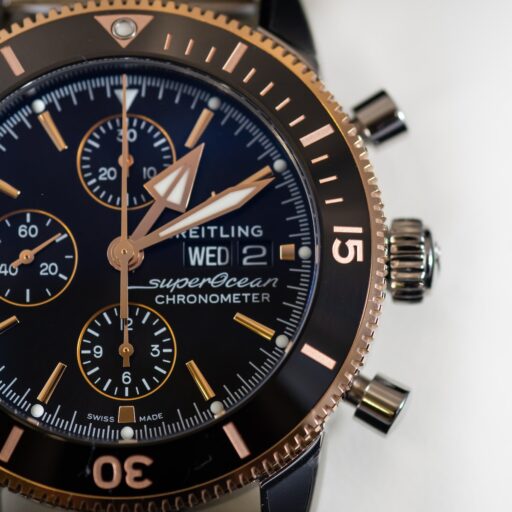
10. Breitling
The pilot’s choice. Breitling is all about aviation and chronographs. They have a rugged, masculine appeal.
- Iconic Models: Navitimer, Chronomat, Superocean.
- Why it’s luxury: Slide rule bezels, in-house B01 movement, and a strong heritage in aviation.
1. Grand Seiko
The Japanese master. Grand Seiko offers a level of finishing and precision that rivals the best Swiss brands, often at a lower price point.
- Iconic Models: Snowflake, Heritage, Evolution 9.
- Why it’s luxury: Zaratsu polishing, Spring Drive technology, and unique Japanese aesthetics.
12. Tudor
Rolex’s little brother. Tudor has carved out its own identity, offering Rolex-level quality at a more accessible price.
- Iconic Models: Black Bay, Pelagos, Ranger.
- Why it’s luxury: In-house movements, robust build quality, and the Rolex pedigree.
13. Longines
The elegant entry. Longines is one of the oldest registered trademarks and offers classic, elegant timepieces.
- Iconic Models: Master Collection, HydroConquest, Spirit.
- Why it’s luxury: Heritage, classic design, and excellent value for money.
14. Panerai
The diver’s icon. Panerai gained fame through Hollywood and its unique, large-cased designs.
- Iconic Models: Luminor, Radiomir, Submersible.
- Why it’s luxury: Distinctive design, Italian heritage, and a cult following.
15. Richard Mille
The billionaire’s toy. Richard Mille is the epitome of modern, extreme luxury. Their watches are lightweight, durable, and incredibly expensive.
- Iconic Models: RM 027, RM 1-03, RM 67.
- Why it’s luxury: Space-age materials, extreme complications, and a price tag that defies logic.
💎 The “Big Three” and Beyond: Understanding Patek Philippe, Audemars Piguet, and Vacheron Constantin
When enthusiasts talk about the “Holy Trinity” of watchmaking, they refer to Patek Philippe, Audemars Piguet, and Vacheron Constantin. These three brands represent the absolute peak of traditional Swiss watchmaking.
Patek Philippe: The Ultimate Heirloom
Patek is the brand you buy to pass down to your grandchildren. Their Nautilus and Aquanaut are the most sought-after sports watches in the world. The Grandmaster Chime holds the record for the most complicated wristwatch ever made.
- Key Insight: Owning a Patek is about joining an exclusive club. The waitlists are years long, and the secondary market prices are astronomical.
Audemars Piguet: The Disruptor
AP is the brand that dared to make a steel sports watch expensive. The Royal Oak is a design icon that has influenced countless other watches. AP is also known for pushing boundaries with the Royal Oak Offshore and the Code 1.59.
- Key Insight: AP is for those who want to stand out. It’s bold, distinctive, and has a massive following among younger collectors.
Vacheron Constantin: The Traditionalist
VC is the oldest continuous manufacturer, and it shows. Their finishing is arguably the best in the industry. The Overseas is their answer to the Royal Oak and Nautilus, offering a more understated, elegant alternative.
- Key Insight: VC is for the conoisseur who appreciates subtle beauty and historical significance over hype.
Beyond the Trinity:
While the “Big Three” dominate the conversation, brands like A. Lange & Söhne and Breguet are equally impressive in terms of craftsmanship. A. Lange & Söhne, in particular, is often considered the “fourth” member of the trinity by serious collectors due to their exceptional finishing and innovation.
🤔 How to Identify a Genuine Luxury Watch vs. a Fake
The market is flooded with fakes, from “super clones” that are nearly indistinguishable to obvious knock-offs. Here’s how to spot a fake:
1. Check the Weight
Luxury watches are heavy. They use solid gold, steel, or titanium. Fakes often use lighter alloys or plated brass. If your Rolex Submariner feels like a toy, it’s a fake.
2. Inspect the Movement
If the watch has a transparent case back, look at the movement. A genuine luxury watch will have hand-finished components, perlage, and Geneva stripes. A fake will have a rough, unadorned, or printed movement.
3. Examine the Dial
Look for aplied indices (raised, not printed), perfect lume application, and crisp printing. Fakes often have sloppy printing, misaligned indices, or incorrect fonts.
4. Listen to the Sweep
Mechanical luxury watches have a smooth sweep of the second hand (usually 8 beats per second). Fakes often use quartz movements that tick once per second, or low-beat mechanical movements that sweep jerkily.
5. Verify the Serial Number
Every luxury watch has a unique serial number. You can verify this with the brand or an authorized dealer.
6. Buy from Reputable Sources
The best way to avoid fakes is to buy from Authorized Dealers (ADs) or reputable pre-owned dealers. If the deal looks too good to be true, it probably is.
💰 Investment Potential: Which Luxury Watches Hold or Increase Their Value?
Let’s be real: most watches lose value. But some are exceptions. If you’re looking to invest, here’s what you need to know.
The “Big Three” Sports Models
- Rolex: Submariner, GMT-Master II, Daytona. These are the gold standard for value retention.
- Patek Philippe: Nautilus, Aquanaut. The Nautilus 571 (discontinued) is a legendary example of value appreciation.
- Audemars Piguet: Royal Oak. The Royal Oak 15202 and 150 are highly sought after.
The “Sleeper” Investments
- Omega: Speedmaster Professional. While not as explosive as Rolex, it holds value well due to its history.
- Tudor: Black Bay. A solid choice for entry-level investment, though appreciation is slower.
- Grand Seiko: Snowflake. A niche but growing market with strong value retention.
The Risks
- Market Volatility: The watch market can be volatile. What goes up can come down.
- Condition Matters: A watch in mint condition with original box and papers will always be worth more.
- Trends Change: What’s hot today might be forgotten tomorrow.
Pro Tip: Don’t buy a watch just to invest. Buy it because you love it. If it appreciates, that’s a bonus.
🛒 Buying Guide: New vs. Pre-Owned, Authorized Dealers, and Gray Market
Where should you buy your luxury watch? Each option has its pros and cons.
Authorized Dealers (ADs)
- Pros: Guaranteed authenticity, full warranty, new condition, access to waitlists.
- Cons: Full retail price, limited availability, strict allocation policies.
- Best For: Buying new, hard-to-find models like Rolex or Patek.
Pre-Owned Market
- Pros: Better prices, immediate availability, access to discontinued models.
- Cons: No warranty (unless from a dealer), potential wear and tear, risk of fakes.
- Best For: Finding deals, buying discontinued models, or getting a “grail” watch without the wait.
Gray Market
- Pros: Lower prices than ADs, immediate availability.
- Cons: No manufacturer warranty (often replaced with dealer warranty), potential issues with service.
- Best For: Getting a discount on a new watch that’s readily available.
Our Recommendation: If you’re new to luxury watches, start with an Authorized Dealer or a reputable pre-owned dealer like Chrono24 or Bob’s Watches. Avoid private sellers unless you’re an expert.
🔄 Upgrading Your Collection: When to Sell and When to Hold
You’ve got a watch you love, but you’re ready for an upgrade. When should you sell?
Signs It’s Time to Sell
- You haven’t worn it in a year.
- You’re holding onto it for the wrong reasons (e.g., “it might go up in value”).
- You need the cash for a better watch.
Signs You Should Hold
- You love wearing it.
- It’s a classic model that holds value well.
- You’re emotionally attached to it.
Strategy: Sell the watch you wear the least to fund the one you wear the most. Don’t let your collection become a graveyard of unworn timepieces.
👔 Best Luxury Watch for the Young Professional: Making a Statement Without Breaking the Bank
You’re climbing the corporate ladder, and you need a watch that says “I made it” without screaming “I’m broke.”
Top Pick: Tudor Black Bay Fifty-Eight
- Why: It’s a Rolex sister brand, so you get the quality and heritage. The 39mm case is perfect for most wrists. It’s versatile enough for the office and the weekend.
- Price Point: Accessible luxury.
- Style: Classic diver with a vintage twist.
Alternative: Longines Master Collection
- Why: Elegant, understated, and perfect for a suit. The Longines name carries weight without the price tag of a Patek.
- Style: Dress watch with a touch of sportiness.
👩 Best Luxury Watch for Ladies: Elegance, Complications, and Style
Luxury isn’t just for men. Women have incredible options that blend elegance with technical prowess.
Top Pick: Cartier Ballon Bleu
- Why: Iconic design, instantly recognizable, and available in a range of sizes and materials.
- Style: Elegant, feminine, and timeless.
Alternative: Vacheron Constantin Patrimony
- Why: For the woman who appreciates high horology. The Patrimony is a masterpiece of minimalism and finishing.
- Style: Sophisticated, understated luxury.
🌊 Best Luxury Watch for Daily Wear: Durability Mets Sophistication
You need a watch that can handle your daily grind, from the office to the gym, without breaking a sweat.
Top Pick: Omega Seamaster 30M
- Why: Co-Axial movement, Master Chronometer certified, and a ceramic bezel that’s scratch-resistant. It’s a tool watch that looks great with a suit.
- Style: Sporty, versatile, and durable.
Alternative: Breitling Superocean
- Why: Built like a tank, with a rotating bezel and excellent legibility.
- Style: Rugged, masculine, and ready for anything.
🏖️ Best Luxury Watch for Value: Getting the Most Bang for Your Buck
You want luxury, but you don’t want to mortgage your house. Here’s where you get the most value.
Top Pick: Tudor Black Bay
- Why: You get Rolex-level quality and heritage at a fraction of the price. The Black Bay is a modern classic.
- Value: High quality, strong resale value, and a cult following.
Alternative: Oris Aquis
- Why: An independent brand that makes only mechanical watches. The Aquis is a fantastic diver with a unique character.
- Value: Great finishing, in-house movement, and a reasonable price.
🔧 Maintenance and Care: Keeping Your Luxury Watch Running Like New
A luxury watch is an investment, and it needs care. Here’s how to keep it running smoothly.
1. Regular Servicing
- Frequency: Every 5-7 years for mechanical watches.
- What to expect: Disassembly, cleaning, oiling, and regulation.
- Cost: Varies by brand, but expect to pay a few hundred to a few thousand dollars.
2. Water Resistance
- Check: Have the water resistance tested annually if you wear it in water.
- Gaskets: Replace gaskets during servicing to maintain water resistance.
3. Storage
- Watch Winder: Useful for automatic watches you don’t wear daily.
- Box: Store in a cool, dry place, away from magnets and extreme temperatures.
4. Cleaning
- Case: Wipe with a soft cloth.
- Bracelet: Clean with mild soap and water (if water-resistant).
- Leather Strap: Avoid water; use a leather conditioner.
❓ Frequently Asked Questions About Luxury Watches
Which watch brands are considered entry-level luxury?
Brands like Longines, Tissot, Oris, Tudor, and Nomos are considered entry-level luxury. They offer Swiss-made quality, in-house or high-quality movements, and strong brand heritage at accessible price points.
What is the most affordable luxury watch brand?
Tissot and Longines are often cited as the most affordable luxury brands. You can find excellent timepieces from these brands starting around $1,0-$2,0.
How do I identify a genuine luxury watch?
Look for weight, finishing, movement quality, and serial numbers. Buy from Authorized Dealers or reputable pre-owned dealers. If it feels light, looks sloppy, or has a rough movement, it’s likely a fake.
What makes a watch qualify as luxury status?
A luxury watch must have high build quality, exclusivity, brand heritage, and uniqueness. It’s not just about the price; it’s about the craftsmanship, history, and emotional connection.
Can I wear a luxury watch every day?
Absolutely! Many luxury watches, like the Rolex Submariner, Omega Seamaster, and Tudor Black Bay, are designed for daily wear. Just ensure you service them regularly and avoid extreme conditions.
Do luxury watches hold their value?
Some do, but most don’t. Rolex, Patek Philippe, and Audemars Piguet sports models tend to hold or increase in value. Most other luxury watches depreciate, so buy for love, not investment.
What is the difference between a luxury watch and a regular watch?
A luxury watch has in-house movements, hand-finishing, brand heritage, and exclusivity. A regular watch is mass-produced, often with generic movements, and lacks the historical or emotional significance.
How often should I service my luxury watch?
Every 5-7 years for mechanical watches. If you wear it daily or in harsh conditions, you might need to service it more often.
Can I buy a luxury watch online?
Yes, but be careful. Buy from reputable online retailers like Chrono24, Bob’s Watches, or the brand’s official website. Avoid unknown sellers.
What is the best luxury watch for a beginner?
The Tudor Black Bay or Omega Seamaster are great starting points. They offer quality, heritage, and versatility without breaking the bank.
Conclusion

So, what watch is considered luxury? The answer isn’t a single brand or a specific price tag. It’s a combination of craftsmanship, heritage, exclusivity, and uniqueness. Whether you’re eyeing a Rolex Submariner, a Patek Philippe Nautilus, or a Tudor Black Bay, the true luxury lies in the story the watch tells and the joy it brings you.
We’ve covered the history, the tiers, the top brands, and the buying strategies. But the most important question remains: What speaks to you?
Don’t get caught up in the hype or the investment potential. Buy the watch that makes you smile when you look at your wrist. That’s the real luxury.
Our Top Recommendation:
- For the Beginner: Tudor Black Bay Fifty-Eight – A perfect blend of heritage, quality, and value.
- For the Enthusiast: Omega Seamaster 30M – A versatile, durable, and historically significant timepiece.
- For the Collector: Patek Philippe Nautilus – The ultimate symbol of luxury and exclusivity.
Remember, a luxury watch is more than just a timekeeper; it’s a piece of art, a story, and a legacy. Choose wisely, wear proudly, and enjoy the journey.
Recommended Links
Ready to start your luxury watch journey? Here are some of our top picks and where to find them.
Top Picks for New Collectors
- Tudor Black Bay Fifty-Eight:
👉 CHECK PRICE on: Amazon | Chrono24 | Tudor Official - Omega Seamaster 30M:
👉 CHECK PRICE on: Amazon | Chrono24 | Omega Official
Top Picks for Enthusiasts
- Rolex Submariner Date:
👉 CHECK PRICE on: Chrono24 | Bob’s Watches | Rolex Official - Patek Philippe Nautilus:
👉 CHECK PRICE on: Chrono24 | Bob’s Watches | Patek Philippe Official
Books for Further Reading
- “The Watch Book” by Gisbert L. Bruner: A comprehensive guide to watch collecting.
- Find on Amazon
- “Wristwatch Annual” by Peter Braun: A yearly guide to the best watches.
- Find on Amazon
Reference Links
- Tedy Baldassare: Top Luxury Watch Brands
- Luxury Bazaar: Top 10 Luxury Watch Brands
- Rolex Official Website: Rolex
- Patek Philippe Official Website: Patek Philippe
- Audemars Piguet Official Website: Audemars Piguet
- Omega Official Website: Omega
- Cartier Official Website: Cartier
- Vacheron Constantin Official Website: Vacheron Constantin
- A. Lange & Söhne Official Website: A. Lange & Söhne
- Jaeger-LeCoultre Official Website: Jaeger-LeCoultre
- IWC Official Website: IWC
- Breitling Official Website: Breitling
- Grand Seiko Official Website: Grand Seiko
- Tudor Official Website: Tudor
- Longines Official Website: Longines
- Panerai Official Website: Panerai
- Richard Mille Official Website: Richard Mille