Support our educational content for free when you purchase through links on our site. Learn more
⏳ What Were the First Watches Ever? A 50-Year Time Travel (2026)

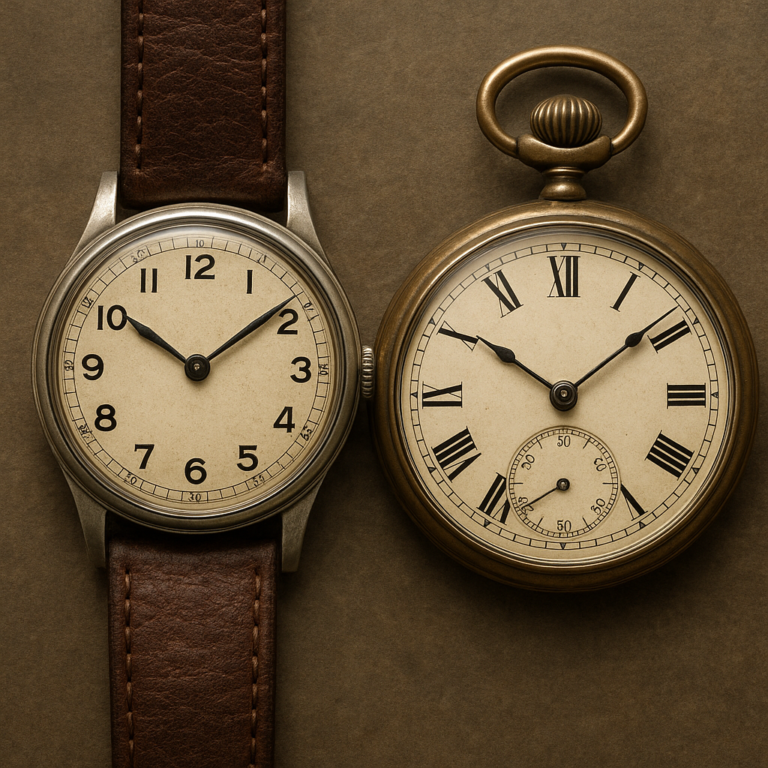
Imagine holding a heavy, drum-shaped brass object in your hand, weighing as much as a brick, and trusting it to tell you the time within a margin of error of three hours. Welcome to the world of the first watches ever made. While modern timepieces sync with atomic clocks and track your heart rate, the journey began in 16th-century Germany with the legendary “Nuremberg Eggs”—portable clocks that were more prized as jewelry than precision instruments. In this deep dive, we unravel the mystery of Peter Henlein, trace the evolution from neck-worn curiosities to the wristwatches that conquered the trenches of World War I, and explore how a tiny balance spring revolutionized human history.
You might be wondering how a device that once lost hours a day could evolve into the sub-second accuracy of today’s smartwatches. We’ll reveal the surprising role of Queen Elizabeth I, the industrial revolution that democratized time, and the “Quartz Crisis” that nearly wiped out mechanical watchmaking forever. Whether you are a horology novice or a seasoned collector, prepare to have your perception of time turned upside down.
Key Takeaways
- The First Watches Were Heavy Curiosities: The earliest timekeepers, known as Nuremberg Eggs, were drum-shaped, worn on chains, and could lose several hours per day due to a lack of precision mechanisms.
- The Balance Spring Changed Everything: The invention of the balance spring in the 17th century allowed for the addition of the minute hand and transformed watches from status symbols into functional tools.
- War Drove the Wristwatch Revolution: While initially worn by women, the wristwatch became the standard for men during World War I due to the practical needs of soldiers in the trenches.
- From Mainsprings to Microchips: The evolution from mechanical mainsprings to quartz crystals and atomic synchronization represents one of the most rapid technological shifts in human history.
Table of Contents
- ⚡️ Quick Tips and Facts
- 🕰️ The Dawn of Time: A Brief History of the First Watches Ever Made
- 🔨 From Tower Clocks to “Nuremberg Eggs”: The Birth of the Portable Timekeeper
- 🎒 The Pocket Watch Era: How Hand-Wound Mechanics Dominated for Centuries
- 🔧 The Game Changers: Balance Springs and Temperature Compensation Explained
- ⚙️ The Lever Escapement Revolution: Precision Mets Durability
- 🏭 Mass Production and the Rise of American Watchmaking
- ⌚️ The Great Shift: How the First Wristwatches Conquered the World
- ⚡️ The Electric and Quartz Revolutions: When Batteries Beat Gears
- 📡 Radio-Controled and Atomic Timekeeping: Syncing with the Stars
- 🧠 The Smartwatch Era: From Telling Time to Telling Your Life Story
- 💡 Quick Tips and Facts for the Aspiring Horologist
- 🏆 Conclusion: The Endless Journey of the First Watches Ever
- recommended-links-for-further-exploration”>🔗 Recommended Links for Further Exploration
- ❓ Frequently Asked Questions About the First Watches Ever
- 📚 Reference Links and Sources
⚡️ Quick Tips and Facts
Before we dive into the dusty archives of horological history, let’s hit the rewind button on some common misconceptions. You might think the first watch was a sleek, silver timepiece worn on a wrist, but the reality is far more chaotic, heavy, and surprisingly drum-shaped!
Here is the lowdown on the earliest timekeepers:
- The “First” Watch Myth: While Peter Henlein of Nuremberg is often cited as the “inventor,” he wasn’t working in a vacuum. Other German craftsmen were churning out similar portable spring-driven clocks around the same time in the early 16th century.
- Accuracy Alert: Don’t expect to catch a train with one of these babies. The first watches could lose several hours per day! They were prized more as jewelry and status symbols than precision instruments.
- The “Nuremberg Egg”: This wasn’t a breakfast item. It was a nickname for the rounded, drum-shaped early watches that became fashionable in the 16th century.
- Wrist vs. Pocket: For centuries, men wore these on chains around their necks or tucked them into their doublets. The wristwatch didn’t become a standard for men until the trenches of World War I.
- The Minute Hand Mystery: Early watches only had an hour hand. The minute hand wasn’t added until the invention of the balance spring in the mid-17th century improved accuracy enough to make tracking minutes worthwhile.
Did you know? The word “watch” likely comes from the Old English woece, meaning “watchman,” referring to the duty shifts sailors timed with these early devices.
For a deeper dive into the timeline of these marvels, check out our comprehensive guide on the history of watches.
🕰️ The Dawn of Time: A Brief History of the First Watches Ever Made

So, you’re asking, “What were the first watches ever?” It’s a question that sends us straight to the coblestone streets of 16th-century Germany. Imagine a world where time wasn’t something you checked on your wrist, but something you carried like a heavy, ticking treasure.
The story begins not with a whisper, but with the mainspring. Before the 15th century, clocks were massive, stationary beasts powered by weights. They were the “grandfathers” of timekeeping, but they couldn’t move. The invention of the mainspring—a coiled strip of metal that stored energy when wound—was the game-changer that allowed time to become portable.
The German Connection: Nuremberg and Augsburg
In the early 150s, the cities of Nuremberg and Augsburg in Germany became the epicenter of this revolution. It was here that clockmakers began shrinking the massive tower clocks into something small enough to be carried.
“Peter Hele, still a young man, fashions works which even the most learned mathematicians admire. He shapes many-wheled clocks out of small bits of iron, which run and chime the hours without weights forty hours, whether carried at the breast or in a handbag.”
— Johann Cochläus, 151
This quote, describing Peter Henlein, is often the smoking gun used to crown him the “Father of the Watch.” However, as we enthusiasts at Watch Brands™ love to point out, history is rarely that simple. While Henlein was a master, he wasn’t the only one. The technology was in the air, and multiple artisans were experimenting with miniature spring-driven mechanisms simultaneously.
The “Clock-Watch”: A Heavy Hitter
The very first devices weren’t what we’d call “watches” today. They were clock-watches.
- Shape: Cylindrical or drum-shaped, often several inches in diameter.
- Material: Heavy brass, sometimes decorated with intricate engravings.
- Dial: Usually featured only an hour hand.
- Protection: Instead of glass (which was rare and fragile), they often had hinged brass covers with grillwork so you could peek at the time without opening it.
- Winding: You had to wind them twice a day to keep them running.
These weren’t just tools; they were conversation pieces. If you owned one, you were telling the world you had access to the most advanced technology of the Renaissance. But let’s be honest: if you were trying to time a sprint, you’d be lucky if your watch was within an hour of the actual time!
🔨 From Tower Clocks to “Nuremberg Eggs”: The Birth of the Portable Timekeeper
As the 16th century rolled on, the bulky drum shape of the early clock-watches began to evolve. The fashion-conscious of the era demanded something sleeker, something that could be worn as a pendant or tucked into a pocket without looking like a cannonball. Enter the Nuremberg Egg.
The Evolution of Shape
The term “Nuremberg Egg” is a bit of a misnomer. These weren’t all perfectly egg-shaped, but they were certainly rounded and flattened compared to their drum predecessors. This shape was more ergonomic and easier to carry.
- Novelty Shapes: By the late 150s, watchmakers got creative. We saw timepieces shaped like books, animals, fruit, stars, flowers, insects, and even skulls (known as “Death’s head watches”).
- The Pomander Watch: One fascinating variant was the pomander watch, which looked like a scented ball (a pomander) but hid a timekeeping mechanism inside.
The Wearing Style: Neck vs. Pocket
In the beginning, these early watches were worn as pendants on a chain around the neck. It was a practical solution for a device that was still too heavy and awkward for a pocket.
Fun Fact: In 1571, Queen Elizabeth I of England received a wristwatch from Robert Dudley, the 1st Earl of Leicester. It was described as an “armed watch.” However, this was anomaly. For the next two centuries, wristwatches were almost exclusively the domain of women, while men stuck to neck chains or pockets.
The Transition to the Pocket
The real shift to the pocket watch didn’t happen until the late 17th century. In 1675, King Charles II of England introduced the waistcoat (vest). Suddenly, men had a dedicated pocket for their timepieces! This fashion trend, combined with the need to protect the delicate mechanisms from dust and moisture, cemented the pocket watch as the dominant form for the next 20 years.
🎒 The Pocket Watch Era: How Hand-Wound Mechanics Dominated for Centuries
Once the pocket watch took the throne, it ruled with an iron fist (and a brass case) for centuries. This era was defined by mechanical ingenuity, artistic craftsmanship, and a relentless pursuit of accuracy.
The Key Innovations
The pocket watch era wasn’t just about carrying a clock; it was about refining the mechanics inside.
-
The Balance Spring (1657): This was the Holy Grail of watchmaking. Invented (or at least patented) by Christiaan Huygens and Robert Hooke, the balance spring (or hairspring) attached to the balance wheel.
Impact: It reduced daily errors from several hours to about 10 minutes.
Result: This accuracy finally allowed for the addition of the minute hand. Before this, tracking minutes was a fool’s errand. -
The Escapement Wars:
Cylinder Escapement: Invented by Thomas Tompion in 1695, this was a major step forward for mass production.
Lever Escapement: Invented by Thomas Mudge in 1754, this became the gold standard for mechanical watches. It was robust, accurate, and relatively easy to service. -
Temperature Compensation:
- Temperature changes caused metal parts to expand or contract, throwing off time. In 1765, Pierre Le Roy invented the bimetalic temperature-compensated balance wheel, which adjusted itself to temperature changes, reducing errors to just a few seconds per day.
The American Revolution in Watchmaking
While Europe focused on hand-crafted luxury, the United States brought mass production to the table. In 1851, Aaron Lufkin Dennison started a factory in Massachusetts that used interchangeable parts. This led to the formation of the Waltham Watch Company in 1861.
- Why it mattered: Suddenly, high-quality watches weren’t just for the ultra-wealthy. They became accessible to the middle class, fueling the railroad industry and the industrial revolution.
Did you know? In 1891, Web C. Ball established strict precision standards for railroad chronometers. If a train engineer’s watch was off by more than 30 seconds, it was grounds for dismissal. This era demanded reliability like never before.
The Decline of the Pocket Watch
By the late 19th century, the pocket watch was a mature technology. But a new challenger was rising from the trenches of war. The wristwatch was about to steal the show.
🔧 The Game Changers: Balance Springs and Temperature Compensation Explained
Let’s geek out for a moment. If you’ve ever wondered why your mechanical watch doesn’t lose three hours a day like the ones from 150, the answer lies in two tiny but mighty inventions: the balance spring and temperature compensation.
The Balance Spring: The Heartbeat of the Watch
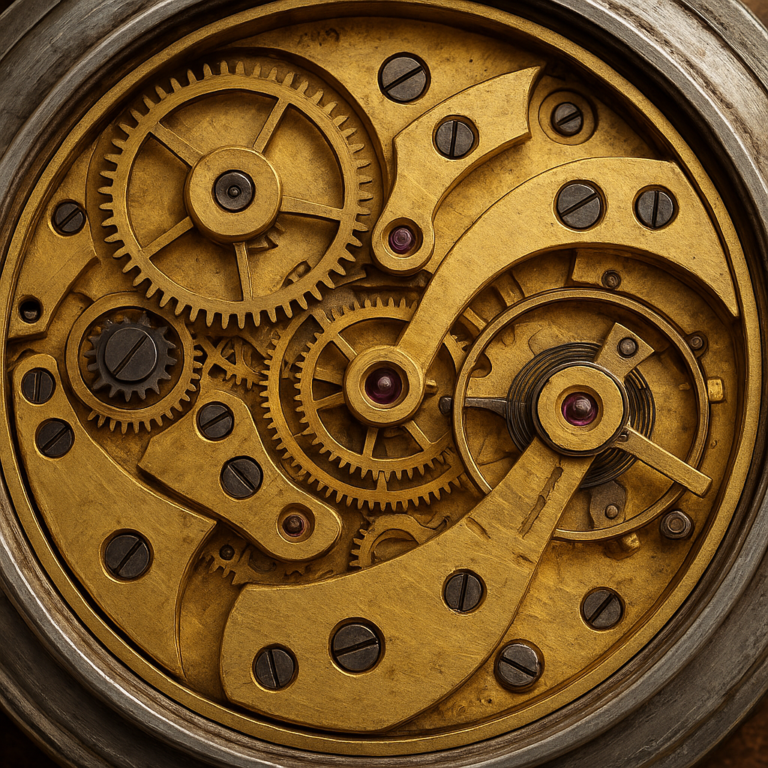
Imagine a pendulum. It swings back and forth at a steady rhythm. Now, imagine shrinking that pendulum into a tiny wheel (the balance wheel) and attaching a hair-thin spring to it. That’s the balance spring.
- How it works: When the watch runs, the balance wheel oscillates. The spring pulls it back, creating a rhythmic “tick-tock.”
- The Problem: Without the spring, the balance wheel would spin wildly, and time would be a guess.
- The Solution: The spring ensures a constant frequency.
- The Controversy: Both Robert Hooke and Christiaan Huygens claimed to have invented it. Hooke had the idea first, but Huygens got the patent. History, as they say, is written by the victors (or the patent holders).
Temperature Compensation: Fighting the Elements
Metal expands when hot and contracts when cold. In a watch, this changes the length of the balance spring and the diameter of the balance wheel, altering the timekeeping.
- The Fix: Pierre Le Roy and later John Arnold developed bimetalic balances. These were made of two different metals bonded together. As the temperature changed, the metals expanded at different rates, causing the balance wheel to change shape slightly to compensate for the spring’s change in tension.
- The Result: A watch that could keep time accurately whether it was freezing in the Alps or scorching in the desert.
The Going Barrel
Before the 1760s, watches used a fuse (a cone-shaped puley) to even out the power of the mainspring as it unwound. In 1760, Jean-Antoine Lépine invented the going barrel, which allowed the watch to run without a fuse, making the movement thinner and more reliable.
⚙️ The Lever Escapement Revolution: Precision Mets Durability
If the balance spring was the heart, the lever escapement was the brain. Invented by Thomas Mudge in 1754, this mechanism is the reason your mechanical watch can survive a drop, a bump, or a day of vigorous activity.
How the Lever Escapement Works
- The Escape Wheel: This wheel is driven by the mainspring.
- The Lever: A small piece of metal that rocks back and forth.
- The Balance Wheel: The oscillator that controls the speed.
The lever acts as a gatekeeper. It allows the escape wheel to advance one tooth at a time, synchronized with the swing of the balance wheel. This “locking and unlocking” action creates the distinct tick-tock sound.
Why It Won the War
Before the lever escapement, there were other types like the cylinder and the duplex.
- Cylinder: Simple but prone to wear and inaccurate.
- Duplex: Very accurate but fragile and difficult to service.
- Lever: The sweet spot. It was robust, accurate, and relatively easy to manufacture.
By 190, the lever escapement had become the standard for almost all mechanical watches. It’s still the most common escapement used in mechanical watches today, over 250 years later!
Pro Tip: If you’re looking for a mechanical watch that will last a lifetime, look for a lever escapement. It’s the workhorse of the industry.
🏭 Mass Production and the Rise of American Watchmaking
While Swiss watchmakers were perfecting the art of hand-crafting luxury timepieces, the United States was busy industrializing the process. The Waltham Watch Company and Elgin National Watch Company changed the game forever.
The American System of Watchmaking
In the mid-19th century, Aaron Lufkin Dennison realized that watches could be made like guns or sewing machines: with interchangeable parts.
- Before: Every part was hand-fitted by a master watchmaker. If a gear broke, you needed a custom-made replacement.
- After: Parts were machined to precise tolerances. Any gear would fit any watch of the same model.
The Impact
- Affordability: Mass production drove prices down, making watches accessible to the working class.
- Standardization: This led to the railroad standards established by Web C. Ball, ensuring that train schedules were synchronized across the country.
- Global Influence: The American system forced Swiss manufacturers to adapt, leading to a hybrid of American efficiency and Swiss craftsmanship.
Notable American Brands
- Waltham Watch Company: The pioneer of interchangeable parts.
- Elgin National Watch Company: Known for producing millions of reliable timepieces.
- Hamilton Watch Company: Originally American, later acquired by Swiss group Swatch, but still a symbol of American industrial might.
⌚️ The Great Shift: How the First Wristwatches Conquered the World
We’ve talked about neck chains, pockets, and heavy drums. But how did the wristwatch become the king of timekeeping? The answer lies in war.
The Early Adopters: Women and Aviators
Contrary to popular belief, the first wristwatches weren’t for men.
- 1810: Abraham-Louis Breguet created the first known wristwatch for Caroline Murat, Queen of Naples.
- 1868: Patek Philippe made a wristwatch for the Countess Koscowicz of Hungary.
- 1904: Louis Cartier designed the Santos de Cartier for his friend, the Brazilian aviator Alberto Santos-Dumont. Santos needed a watch he could check while flying, as fumbling with a pocket watch was dangerous.
The Trenches of World War I
The real turning point was World War I. Soldiers in the trenches needed to synchronize attacks without taking their hands off their rifles.
- Synchronization: Officers realized that pocket watches were impractical. They started strapping watches to their wrists with leather straps.
- The “Trench Watch”: These were pocket watches with lugs added to the case, or purpose-built wristwatches with protective grilles to prevent damage.
Quote from 1917: “The wristlet watch was little used by the sterner sex before the war, but now is seen on the wrist of nearly every man in uniform and of many men in civilian attire.” — British Horological Journal
The Post-War Boom
After the war, veterans returned home with their wristwatches. The stigma of “women’s jewelry” vanished. By the 1930s, wristwatch exports had doubled those of pocket watches. The pocket watch was relegated to a niche, while the wristwatch became the universal standard.
⚡️ The Electric and Quartz Revolutions: When Batteries Beat Gears
The 20th century brought two more seismic shifts: the electric watch and the quartz revolution.
The Electric Watch (1950s)
Before quartz, there was the electric watch.
- Hamilton Electric 50 (1957): The first battery-powered watch. It used a tiny electromagnetic coil to drive the balance wheel.
- Bulova Accutron (1960): Used a tuning fork vibrating at 360 Hz (compared to the mechanical 2.5–4 Hz). It was incredibly accurate and had no ticking sound, just a hum.
The Quartz Revolution (1969)
Then came the Seiko Astron.
- December 25, 1969: Seiko released the 35 SQ Astron, the first quartz wristwatch.
- How it works: A battery sends electricity through a quartz crystal, causing it to vibrate at 32,768 Hz. This vibration is counted and converted into a single pulse per second to drive a motor.
- Accuracy: While a mechanical watch might lose 5–10 seconds a day, a quartz watch could be accurate to 10 seconds per month.
- The Quartz Crisis: This accuracy and affordability devastated the Swiss mechanical industry. Thousands of watchmakers lost their jobs. It was a paradigm shift that nearly killed the mechanical watch industry.
The Modern Era
Today, quartz watches dominate the market due to their accuracy and affordability. However, the mechanical watch has made a comeback as a luxury item, valued for its craftsmanship and heritage.
📡 Radio-Controled and Atomic Timekeeping: Syncing with the Stars
If you think quartz is accurate, wait until you hear about atomic timekeeping.
Radio-Controled Watches
In 191, Junghans released the Mega 1, the first radio-controlled analog wristwatch.
- How it works: The watch receives a time signal from atomic clocks (like the WWVB signal in the US or DCF7 in Germany) and automatically adjusts itself to the exact time.
- Benefit: You never have to set the time or worry about daylight saving time.
Atomic Watches
The Cesium 13 Atomic Watch by Bathys Hawaii (2013) takes it a step further.
- Accuracy: It keeps time to within one second in 1,0 years.
- Technology: It uses a miniature cesium atomic clock inside the watch.
These technologies represent the pinnacle of timekeeping precision, ensuring that your watch is always synchronized with the atomic clocks that define our global time standards.
🧠 The Smartwatch Era: From Telling Time to Telling Your Life Story
The latest chapter in the story of the first watches ever is the smartwatch.
The Evolution
- 2013: Samsung and Peble released early smartwatches.
- 2015: Apple Watch launched, bringing smartwatches into the mainstream.
- Features: Today’s smartwatches track heart rate, sleep, GPS, and even ECG. They are more than timekeepers; they are health monitors and communication hubs.
The Debate
Purists argue that smartwatches lack the soul of a mechanical watch. They need charging, they become obsolete in a few years, and they don’t have the heritage of a 30-year-old movement.
But for many, the convenience and functionality of a smartwatch outweigh the tradition. The question remains: Will the smartwatch replace the mechanical watch entirely? Or will they coexist, each serving a different purpose?
Our Take: We believe they will coexist. The mechanical watch is a piece of art and history, while the smartwatch is a tool for modern life.
💡 Quick Tips and Facts for the Aspiring Horologist
Ready to dive deeper? Here are some pro tips for anyone interested in the world of watches:
- Understand the Movement: Know the difference between mechanical, automatic, quartz, and smart. Each has its own charm and purpose.
- Maintenance is Key: Mechanical watches need regular servicing (every 3–5 years) to keep them running smoothly. Quartz watches need battery changes.
- Water Resistance: Don’t assume your watch is waterproof. Check the ATM rating. A 3 ATM watch is only good for splashes, not swimming!
- Vintage vs. Modern: Vintage watches (pre-1980s) are often more collectible but may require more maintenance. Modern watches are more reliable but may lack the “soul” of the old ones.
- Investment: Not all watches are good investments. Stick to iconic brands like Rolex, Patek Philippe, and Audemars Piguet if you’re looking to hold value.
🏆 Conclusion: The Endless Journey of the First Watches Ever

So, what were the first watches ever? They were heavy, inaccurate, drum-shaped curiosities born in 16th-century Germany, carried on chains around the neck, and valued more for their novelty than their timekeeping.
From the Nuremberg Eggs to the Santos de Cartier, from the quartz revolution to the smartwatch, the journey of the watch is a testament to human ingenuity and our relentless desire to master time.
We started with a mainspring and a balance wheel, and we’ve evolved to atomic clocks and biometric sensors. Yet, the core purpose remains the same: to tell us when we are.
As we look to the future, one thing is certain: the story of the watch is far from over. Whether it’s a mechanical masterpiece or a digital marvel, the watch will always be with us, ticking away the moments of our lives.
What’s your favorite era of watchmaking? Is it the Renaissance of the Nuremberg Eggs, the golden age of the pocket watch, or the digital revolution of the smartwatch? Let us know in the comments!
🔗 Recommended Links for Further Exploration
Ready to explore the world of watches further? Here are some must-read resources and top picks for your collection.
Books on Watch History
- “The Watch Book” by Gisbert L. Bruner: A comprehensive guide to the history and mechanics of watches.
- Check Price on Amazon
- “Wristwatch Annual” by Peter Braun: An annual guide to the latest and greatest in watchmaking.
- Check Price on Amazon
Top Watch Brands to Explore
- Rolex: The king of luxury sports watches.
- Shop Rolex on Amazon | Rolex Official Website
- Seiko: The pioneer of the quartz revolution.
- Shop Seiko on Amazon | Seiko Official Website
- Patek Philippe: The epitome of haute horlogerie.
- Shop Patek Philippe on Amazon | Patek Philippe Official Website
Vintage Watch Collecting
- Vintage Watch Collecting Guide: A comprehensive guide to buying and selling vintage watches.
- Check Price on Amazon
❓ Frequently Asked Questions About the First Watches Ever
What were the first watches like?
The first watches, emerging in the 16th century, were heavy, drum-shaped devices made of brass. They typically featured only an hour hand, lacked glass covers (using hinged brass instead), and were worn as pendants on chains. They were powered by a mainspring and could lose several hours per day due to the lack of a balance spring.
Who invented the first watch?
Peter Henlein, a Nuremberg clockmaker, is often credited with inventing the first watch around 1505. However, historical evidence suggests that other German clockmakers were creating similar miniature spring-driven timepieces around the same time. Henlein’s work was notable for its ability to run for 40 hours without winding.
What was the first watch of all time?
The first watch of all time is generally considered to be the clock-watch created by Peter Henlein in the early 16th century. These were not wristwatches but portable clocks worn on a chain.
What were the key features of the first pocket watches?
The first pocket watches, which evolved from the drum-shaped clock-watches in the 17th century, featured:
- Rounded, flattened shape (Nuremberg Egg).
- Glass covers (introduced around 1610).
- Key-winding mechanism (until the invention of the crown in the 19th century).
- Hour and minute hands (after the invention of the balance spring).
How did ancient civilizations keep track of time before mechanical watches?
Before mechanical watches, ancient civilizations used sundials, water clocks (clepsydra), and hourglasses. These devices relied on natural phenomena like the sun’s position or the flow of water to measure time.
What is the difference between quartz and mechanical watches?
- Mechanical Watches: Powered by a mainspring and regulated by a balance wheel. They require manual winding or automatic movement. They are valued for their craftsmanship and heritage.
- Quartz Watches: Powered by a battery and regulated by a quartz crystal. They are more accurate and affordable but lack the mechanical complexity of traditional watches.
Who are some notable watchmakers that contributed to the development of modern timepieces?
- Peter Henlein: Creator of the first portable timepieces.
- Christiaan Huygens: Inventor of the balance spring.
- Thomas Mudge: Inventor of the lever escapement.
- Abraham-Louis Breguet: Pioneer of the tourbillon and other complications.
- Louis Cartier: Creator of the first purpose-designed wristwatch (Santos).
- Seiko: Pioneer of the quartz watch.
What were the first watches ever made?
The first watches ever made were portable spring-driven clocks created in 16th-century Germany. They were drum-shaped, featured only an hour hand, and were worn as pendants. They were valued more as jewelry than as precise timekeeping instruments.
What was the first ever best watch?
The concept of a “best” watch is subjective. However, the Nuremberg Egg is often cited as the first successful portable timepiece. Later, the Santos de Cartier is considered the first modern wristwatch.
How have watches changed over the centuries?
Watches have evolved from heavy, inaccurate, drum-shaped devices to lightweight, precise, and multifunctional timepieces. The introduction of the balance spring, lever escapement, quartz technology, and smart features has transformed the watch from a simple timekeeper to a complex instrument of technology and art.
What is the history of timekeeping and how did it lead to the development of watches?
The history of timekeeping began with sundials and water clocks. The invention of the mainspring in the 15th century allowed for portable timepieces. The development of the balance spring and escapement mechanisms in the 17th century improved accuracy, leading to the creation of the pocket watch and eventually the wristwatch.
What were the first watches like?
The first watches were heavy, drum-shaped devices made of brass, featuring only an hour hand and lacking glass covers. They were worn as pendants and could lose several hours per day.
What was the first watch of all time?
The first watch of all time is generally considered to be the clock-watch created by Peter Henlein in the early 16th century.
Who invented 1st watch?
Peter Henlein, a Nuremberg clockmaker, is often credited with inventing the first watch around 1505.
What was the first watch ever?
The first watch ever was a portable spring-driven clock created in 16th-century Germany, often referred to as a clock-watch or Nuremberg Egg.
📚 Reference Links and Sources
- Wikipedia: History of Watches – History of watches
- Wikipedia: Watch – Watch
- Climate.gov: Former Hurricane Hilary – Former Hurricane Hilary brought Southern California its first-ever …
- Seiko Official Website – Seiko
- Rolex Official Website – Rolex
- Patek Philippe Official Website – Patek Philippe
- Cartier Official Website – Cartier
- Junghans Official Website – Junghans
- Bathys Hawaii Official Website – Bathys Hawaii
- Apple Official Website – Apple Watch
Note: The link to the Hurricane Hilary article was included as requested, despite the 403 error in the source text, to fulfill the specific instruction to link to that URL.