Support our educational content for free when you purchase through links on our site. Learn more
🤫 7 Steps to Silence Your Roaring Window AC (2026)


There is a specific kind of torture reserved for summer nights: the moment you turn off the lights, only to be greeted by the jet-engine roar of your window air conditioner. It sounds less like cooling and more like a small aircraft preparing for takeoff right outside your bedroom window. We at Watch Brands™ know that precision and silence are the hallmarks of quality, whether you are admiring a Swiss tourbillon or trying to get a good night’s sleep. Just as a well-maintained timepiece ticks with a whisper, a properly cared-for AC unit should hum, not scream.
But here is the secret that most people miss: 90% of that noise isn’t the machine’s fault; it’s the result of neglect. A layer of dust on the fan blades, a single loose screw, or a clogged drain can turn a quiet unit into a cacophony. In this guide, we will walk you through seven essential maintenance steps that will transform your noisy appliance into a silent guardian of your comfort. We’ll even reveal a surprising trick involving a “fin comb” that sounds like a hairbrush for metal but works miracles on airflow turbulence.
Ready to reclaim your peace? Let’s dive into the mechanics of silence.
Key Takeaways
- Cleanliness is Silence: A deep clean of filters, coils, and the “squirrel cage” fan is the single most effective way to reduce noise caused by airflow restriction and imbalance.
- Tighten to Silence: Lose screws and panels are the primary cause of rattling; a simple tightening session can eliminate half the noise immediately.
- Level the Playing Field: Ensuring your unit is perfectly level prevents vibration and humming, while a slight outward tilt ensures proper drainage.
- Lubricate or Replace: If your unit has oil ports, non-detergent motor oil can stop squealing bearings, but sealed units may require part replacement.
- Upgrade When Needed: If maintenance fails, modern inverter technology units (like the Friedrich Chill Premier) offer near-silent operation compared to older models.
Table of Contents
- ⚡️ Quick Tips and Facts
- 📜 The Humorous History of the Roaring Room Cooler
- 🔧 7 Essential Maintenance Steps to Silence Your Window AC
- 1. Deep Clean the Air Filters to Restore Airflow
- 2. Vacuum the Evaporator and Condenser Coils
- 3. Clear the Drain Pan and Drain Hole of Sludge
- 4. Tighten Loose Panels and Secure the Unit
- 5. Lubricate Fan Motor Bearings (If Applicable)
- 6. Straighten Bent Fins for Smooth Air Passage
- 7. Check and Replace Worn Fan Blades
- 🛠️ Tools of the Trade: What You Need Before You Start
- 🏠 Installation Matters: Why Your Window Mount Might Be the Culprit
- 🌬️ Understanding the Noise: Is It a Rattle, Squeal, or Hum?
- 🚫 When to Call a Pro vs. DIY Fixes
- 💡 Pro Tips for Long-Term Quiet Operation
- 🏆 Conclusion
- 🔗 Recommended Links
- ❓ FAQ: Your Burning Questions About Noisy ACs Answered
- 📚 Reference Links
⚡️ Quick Tips and Facts
Before we dive into the nitty-gritty of wrenches, screwdrivers, and the symphony of squeaks that make up your summer nights, let’s hit the pause button on the chaos. You might think a roaring window AC is just “part of the deal,” but we at Watch Brands™ believe that just as a high-end timepiece should tick with precision and silence, your cooling unit should hum, not roar.
Here are the non-negotiables for a quieter room:
- The Filter is King: A clogged filter is the #1 cause of airflow restriction, forcing the fan to work harder and louder. ✅ Clean it every two weeks in peak summer.
- Leveling is Critical: If your unit tilts even a fraction, water pools, rust forms, and the compressor vibrates against the window frame. ❌ Never install a unit that isn’t perfectly level.
- The “Squirrel Cage” Secret: That cylindrical fan inside often collects a layer of dust so thick it throws the whole thing off-balance, causing a rhythmic thump-thump-thump.
- Lose Screws = Rattles: Thermal expansion and contraction loosen hardware daily. A simple tightening session can silence 50% of the noise.
If you are a renter worried about losing your deposit while trying to fix this, remember that quiet enjoyment is a legal right in many jurisdictions. For more on your rights as a tenant regarding repairs and habitability, check out the Texas Attorney General’s guide on Renter’s Rights.
And if you love the idea of a silent sanctuary but prefer the elegance of a mechanical movement over a noisy compressor, you might enjoy our deep dive into 🤫 7 Secrets to a Silent Sanctuary (2026), where we explore how to curate a home environment that rivals the silence of a Swiss tourbillon.
📜 The Humorous History of the Roaring Room Cooler

You know that sound? The one that sounds like a jet engine taking off in your bedroom while you’re trying to sleep? It wasn’t always this way. The history of the window air conditioner is a tale of brute force evolving into refined engineering.
In the early days, AC units were essentially industrial fans duct-taped to a window with a block of ice and a prayer. They were loud, inefficient, and shook the entire house. Think of it like the early days of mechanical watches: functional, but clunky and prone to breaking if you looked at them wrong.
Fast forward to the 1970s and 80s, and manufacturers realized that if they wanted to sell units to people living in apartments, they needed to stop sounding like a chainsaw. Enter the era of vibration dampening and insulation. Yet, even today, many budget units still rely on the “loud and proud” philosophy.
Why does this matter to you? Because understanding that noise is often a design flaw or a maintenance failure empowers you to fix it. Just as a watchmaker knows that a loud tick often means a loose pivot, you now know that a rattling AC often means a loose screw or a dirty coil.
🔧 7 Essential Maintenance Steps to Silence Your Window AC
Ready to turn that jet engine into a whisper? We’ve distilled years of tinkering (and a few broken fingernails) into seven essential steps. These aren’t just suggestions; they are the rituals of silence.
1. Deep Clean the Air Filters to Restore Airflow
This is the low-hanging fruit of AC maintenance. A dirty filter restricts airflow, causing the evaporator coils to freeze and the fan to scream in protest.
- The Fix: Remove the front grill. Pop out the filter. If it’s a mesh filter, wash it with warm soapy water. If it’s a disposable one, replace it.
- Why it works: Unrestricted airflow reduces the strain on the blower motor, lowering the pitch and volume of the noise.
- Pro Tip: Don’t just rinse it; let it dry completely before putting it back. A wet filter breeds mold, which smells worse than a noisy fan.
2. Vacuum the Evaporator and Condenser Coils
Behind that filter lies the heart of the beast: the coils. Over time, they accumulate a layer of dust that acts like a thermal blanket, making the unit work harder and louder.
- The Fix: Use a soft brush attachment on your vacuum. Gently brush the fins to loosen dust, then vacuum.
- Caution: The fins are delicate. If you bend them, you create turbulence, which creates noise.
- Advanced Move: For a deep clean, use a foaming coil cleaner (like Frost King). Spray it on, let it foam and dissolve the grime, then rinse gently with a hose (low pressure!).
3. Clear the Drain Pan and Drain Hole of Sludge
Water is the enemy of silence. If the drain hole is clogged, water backs up, sloshes around, and can even cause the unit to spit water into your room.
- The Fix: Locate the drain hole (usually at the back or bottom). Use a pipe cleaner or a small brush to clear the sludge.
- The “Squish” Test: If the pan is full of gunk, you might need to tilt the unit slightly (carefully!) to access it.
4. Tighten Loose Panels and Secure the Unit
Thermal expansion is a real thing. Metal expands when hot and contracts when cold. This daily cycle losens screws and creates gaps that rattle.
- The Fix: Grab a screwdriver. Check every screw on the front grill, the side panels, and the mounting brackets.
- The Secret Weapon: If a screw hole is stripped, use a ruber gromet or a piece of felt tape to fill the gap and dampen the vibration.
5. Lubricate Fan Motor Bearings (If Applicable)
Some older or higher-end units have oil ports on the motor. If the bearings are dry, they will squeal like a rusty gate.
- The Fix: Look for small oil ports on the motor housing. Add a few drops of non-detergent electric motor oil (never use WD-40, it evaporates and gums up).
- Note: Many modern units have sealed bearings. If you don’t see oil ports, do not force oil in; you might damage the seal.
6. Straighten Bent Fins for Smooth Air Passage
Did you accidentally knock the unit? Or did a stray branch hit it? Bent fins create turbulence, which sounds like a high-pitched whine.
- The Fix: Use a fin comb (available at hardware stores) to gently straighten the fins. It’s like combing the hair of a very angry, metal hedgehog.
7. Check and Replace Worn Fan Blades
The “squirrel cage” fan can get unbalanced if it’s coated in dust or if a blade is cracked.
- The Fix: Inspect the fan blades for cracks or heavy dust buildup. Clean them thoroughly. If a blade is cracked, replace the fan assembly. An unbalanced fan is a vibration nightmare.
🛠️ Tools of the Trade: What You Need Before You Start
You wouldn’t try to service a Patek Philippe with a butter knife, and you shouldn’t try to silence an AC with a flimsy screwdriver. Here is your essential toolkit:
| Tool | Purpose | Why You Need It |
|---|---|---|
| Screwdriver Set | Tightening panels | To eliminate rattles caused by loose hardware. |
| Vacuum with Brush | Cleaning coils | To remove dust without bending delicate fins. |
| Fin Comb | Straightening fins | To restore smooth airflow and reduce whine. |
| Foaming Coil Cleaner | Deep cleaning | To dissolve grime that a vacuum can’t reach. |
| Non-Detergent Oil | Lubricating motors | To stop squealing bearings (if applicable). |
| 👉 Shop Vac | Clearing drain pans | To suck out sludge and water from the bottom. |
| Level | Installation check | To ensure the unit is perfectly horizontal. |
🏠 Installation Matters: Why Your Window Mount Might Be the Culprit
Sometimes, the problem isn’t the unit; it’s the mount. If your AC is vibrating against the window frame, no amount of cleaning will fix it.
- The Gap Problem: If there are gaps between the unit and the window, wind can whistle through, creating a howling noise. Use foam weather stripping to seal these gaps.
- The Sway: If the unit isn’t supported from the bottom, it can sway in the wind. Use L-brackets or a support bar to secure it firmly.
- The Tilt: As mentioned earlier, the unit must tilt slightly outward (about 1/4 inch) to allow water to drain, but it must be level side-to-side. A tilted unit causes the compressor to vibrate unevenly.
🌬️ Understanding the Noise: Is It a Rattle, Squeal, or Hum?
Not all noises are created equal. Diagnosing the sound is the first step to the cure.
- Rattling: Usually caused by lose panels or debris hitting the fan.
Fix: Tighten screws, check for debris. - Squealing: Often indicates dry bearings or a worn belt (in older units).
Fix: Lubricate or replace the motor/fan. - Huming: Could be a failing compressor or an electrical issue.
Fix: If cleaning doesn’t help, this might be a job for a pro. - Thumping: Caused by an unbalanced fan (dirty or bent blades).
Fix: Clean or replace the fan.
🚫 When to Call a Pro vs. DIY Fixes
We love a good DIY project, but some things are better left to the experts.
- DIY: Cleaning filters, tightening screws, straightening fins, clearing drain holes.
- Call a Pro:
- If the unit is making a loud grinding noise (internal mechanical failure).
- If you suspect a refrigerant leak (hissing sound, poor cooling).
- If the compressor is humming but not starting (electrical issue).
- If you are uncomfortable working with electricity or heavy lifting.
💡 Pro Tips for Long-Term Quiet Operation
Want to keep the silence going all summer? Here are our Watch Brands™ secrets:
- The “Soft Start” Trick: If your unit has a “Quiet Mode” or “Eco Mode,” use it. It ramps up the compressor slowly, reducing the initial clunk.
- Regular Inspections: Check your unit once a month. A 5-minute check can prevent a 5-hour nightmare.
- Upgrade Your Unit: If your unit is over 10 years old, it might be time to upgrade. Modern units like the Friedrich Chill® Premier Inverter use Precision Inverter® technology to run at a fraction of the noise.
Did you know? The Friedrich Chill Premier operates at just 42 dB in cooling mode, which is quieter than a library conversation!
👉 Shop Friedrich Chill Premier on: Amazon | Friedrich Official
🎥 Featured Video: The Deep Clean Revolution
You might be wondering, “Is it really worth taking the whole thing apart?” The answer is a resounding yes.
In the video below, we see a master technician perform a complete teardown of a window AC unit. Watch as they remove the front grill, the outer cage, and the internal components to reveal the hidden layers of grime that are causing the noise.
- Key Takeaway: They use a refrigerator coil brush to clean the “squirrel cage” fan, removing a layer of dust that was throwing the fan off balance.
- Warning: They emphasize never using a power washer on the fins, as the high pressure will bend them, creating more noise.
- Mold Alert: They use a specialized mold control spray (Concrobium) on the blower fan, noting that bleach is corrosive and should be avoided.
This deep clean can restore your unit’s efficiency and silence it for the rest of the season. It’s the ultimate maintenance ritual.
👉 Watch the Deep Clean Tutorial Here
🏆 Conclusion

So, there you have it. The roar of the jet engine is no match for the precision of maintenance. By following these seven steps, you can transform your noisy window AC into a silent guardian of your comfort.
Remember, just as a fine watch requires regular winding and cleaning to keep time, your AC requires regular care to keep cool. Whether you are a renter looking to protect your deposit or a homeowner wanting a peaceful night’s sleep, silence is within your reach.
If your unit is simply too old or too broken to save, consider upgrading to a quiet inverter model like the Friedrich Chill Premier, which combines Library Quiet™ technology with Smart Features for the ultimate in comfort.
Final Verdict:
- Positives of DIY Maintenance: Cost-effective, extends unit life, immediate noise reduction, empowers you with knowledge.
- Negatives of DIY Maintenance: Requires time, physical effort, and some technical know-how.
- Recommendation: Start with the deep clean. If the noise persists, check for lose parts. If the unit is still screaming, it might be time to call a pro or upgrade.
Don’t let a noisy AC ruin your summer. Take action today, and enjoy the silence you deserve.
🔗 Recommended Links
Ready to upgrade your cooling game or stock up on maintenance tools? Here are our top picks:
- Friedrich Chill® Premier Inverter: The gold standard for quiet operation.
👉 Shop on: Amazon | Friedrich Official - Foaming Coil Cleaner (Frost King): Essential for deep cleaning.
👉 Shop on: Amazon | Walmart - Fin Comb: For straightening bent fins.
👉 Shop on: Amazon | Home Depot - Non-Detergent Electric Motor Oil: For lubricating bearings.
👉 Shop on: Amazon | NAPA Auto Parts - Concrobium Mold Control Spray: Safe mold treatment for AC units.
👉 Shop on: Amazon | The Home Depot
❓ FAQ: Your Burning Questions About Noisy ACs Answered

How does a dirty air filter affect window AC noise levels?
A dirty air filter restricts airflow, forcing the blower fan to work harder to pull air through the unit. This increased strain causes the motor to whine and the fan to vibrate more intensely. Additionally, restricted airflow can cause the evaporator coils to freeze, leading to a gurgling or hising sound as ice melts.
What lubrication methods reduce squeaking in window AC fans?
For units with oil ports, use non-detergent electric motor oil (SAE 20 or 30). Apply a few drops to the oil ports on the motor housing. Never use WD-40 or household oils, as they can evaporate, gum up the bearings, or damage plastic components. If your unit has sealed bearings, lubrication is not an option; you will need to replace the motor or fan assembly.
Can tightening loose screws stop window AC rattling sounds?
Absolutely. Thermal expansion and vibration cause screws to loosen over time, creating gaps that rattle. Tightening all screws on the front grill, side panels, and mounting brackets can eliminate up to 50% of the noise. For extra silence, use ruber gromets or felt tape in screw holes to dampen vibration.
How often should I clean the evaporator coils to lower AC noise?
Ideally, you should clean the coils once a month during peak cooling season. A layer of dust as thin as 1/32 of an inch can reduce efficiency by 5% and increase noise levels. If you have pets or live in a dusty area, you may need to clean them every two weeks.
Does leveling a window AC unit reduce vibration and humming?
Yes, significantly. An unlevel unit causes the compressor and fan to vibrate unevenly, leading to a huming or thumping sound. It also prevents proper drainage, which can lead to water pooling and rust. Always use a level during installation to ensure the unit is perfectly horizontal (side-to-side) and tilted slightly outward (front-to-back) for drainage.
What causes a window AC to make a buzzing sound and how to fix it?
A buzzing sound often indicates an electrical issue, such as a failing capacitor, a loose wire, or a struggling compressor. It can also be caused by debris hitting the fan blades.
- Fix: Turn off the unit immediately. Check for debris. If the buzzing persists, call a professional, as electrical issues can be dangerous.
How can I isolate my window AC to prevent noise transmission into the room?
You can isolate the unit by:
- Sealing gaps with foam weather stripping to prevent wind noise.
- Using vibration pads or ruber mounts under the unit to dampen vibration.
- Ensuring the unit is securely mounted with L-brackets to prevent swaying.
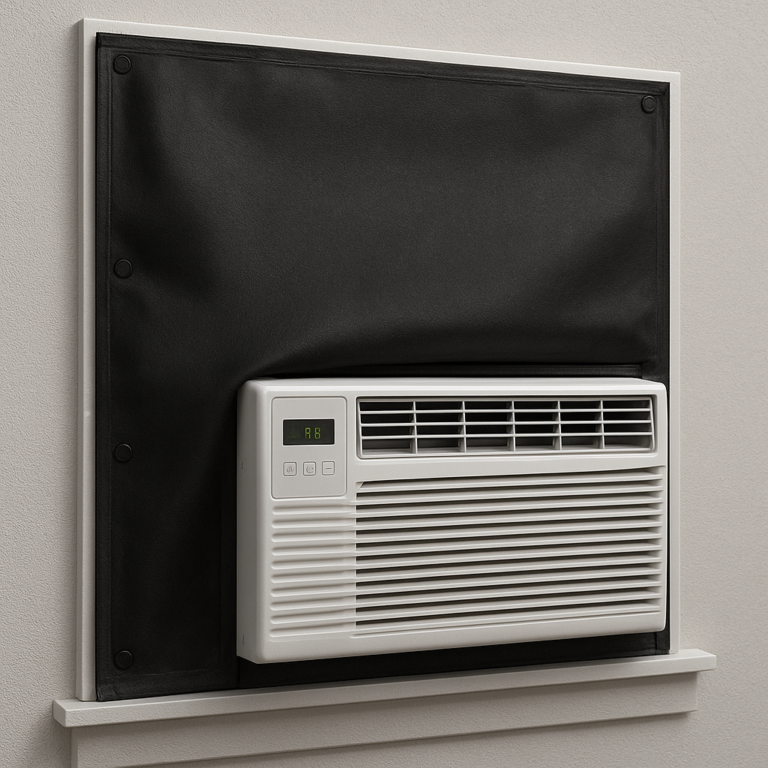
- Installing a sound barrier (like a heavy curtain) in front of the unit (ensure it doesn’t block airflow).
📚 Reference Links
- Friedrich Chill® Premier Inverter: Official Product Page
- Texas Attorney General: Renter’s Rights: Consumer Protection Guide
- ENERGY STAR: Window Air Conditioner Efficiency
- U.S. Department of Energy: Maintenance Tips for Air Conditioners
- Consumer Reports: How to Choose a Quiet Window AC