Support our educational content for free when you purchase through links on our site. Learn more
How Do Swiss Watch Brands Compare to Japanese Watch Brands? ⌚ (2025)


When it comes to watches, the rivalry between Swiss and Japanese brands is like a timeless duel—each side boasting a unique blend of heritage, craftsmanship, and innovation. But what really sets these two horological powerhouses apart? Is it the centuries-old artistry of Swiss watchmakers or the cutting-edge technology and unbeatable value from Japan? Spoiler alert: the answer isn’t as black-and-white as you might think.
We’ve put on our watch-nerd hats here at Watch Brands™ to dissect everything from hand-polished movements to solar-powered marvels. Along the way, we’ll reveal surprising insights—like how a humble Japanese diver survived a saltwater plunge while a Swiss luxury piece gleamed quietly in the background. Plus, we’ll introduce you to standout collections like Orient Star’s luxury line and the Swiss aviator watches that literally took flight. Ready to find out which timepiece tribe deserves a spot on your wrist? Keep reading!
Key Takeaways
- Swiss watches excel in hand-crafted luxury, mechanical complexity, and brand prestige.
- Japanese watches lead in precision, innovation, durability, and affordability.
- Grand Seiko and Orient Star blur the lines, offering Swiss-level finishing with Japanese tech.
- For collectors, Swiss brands often hold higher resale value; for daily wearers, Japanese watches offer unbeatable reliability.
- Service intervals and maintenance differ: Swiss automatics typically need servicing every 4–5 years, while Japanese quartz and solar watches require less frequent care.
Curious about which brand fits your lifestyle? Dive into our detailed comparisons and expert recommendations to make your next watch purchase a confident one!
Table of Contents
- ⚡️ Quick Tips and Facts About Swiss and Japanese Watches
- 🕰️ The Rich Heritage: History of Swiss and Japanese Watchmaking Traditions
- 🔍 How Do Swiss Watches Differ from Japanese Watches? A Deep Dive into Craftsmanship and Technology
- 1️⃣ Top 7 Swiss Watch Brands That Define Luxury and Precision
- 2️⃣ Top 7 Japanese Watch Brands That Revolutionized Affordable Innovation
- 🎯 Orient Watches: The Largest Japanese Manufacturer of Mechanical Timepieces
- 🌟 Orient Star: Japan’s Luxury Collection That Rivals Swiss Craftsmanship
- ✈️ Swiss Aviator Watches: Precision Inspired by the Skies
- 🔧 The Art of Hand-Made Watches: Swiss vs Japanese Quality and Techniques
- 🔄 How Often Should You Service Your Automatic Watch? Expert Tips for Longevity
- 🤔 Swiss or Japanese Watches? Which One Should You Choose? Our Expert Verdict
- 🚀 Emerging Watch Brands: Introducing DESTELL – A New Player in Men’s Watches
- 🤖 Tissot PRX UFO Robot Grendizer: When Swiss Watches Meet Iconic Anime Culture
- 🏎️ Maserati Watches: Luxury Motoring Meets Swiss Watchmaking Excellence
- 🕹️ New from Junghans: Aviator Style and Historic Logos in Pilot Chronoscope Models
- ⌚ New Timex Models Worth Adding to Your Collection: Affordable and Stylish
- 🌍 Enter the World of SUUNTO: Finnish Innovation in Sports and Adventure Watches
- 📚 Conclusion: Swiss vs Japanese Watches – The Ultimate Comparison Summary
- 🔗 Recommended Links for Watch Enthusiasts
- ❓ Frequently Asked Questions About Swiss and Japanese Watches
- 📖 Reference Links and Further Reading
⚡️ Quick Tips and Facts About Swiss and Japanese Watches
- Swiss watches = centuries-old hand-finish, luxury cachet, higher price ceiling.
- Japanese watches = laser-sharp precision, tech-forward, wallet-friendly.
- Mechanical ≠ quartz: Swiss brands still worship the spring-driven soul; Japanese makers mastered quartz like ninjas with lasers.
- “Swiss Made” is legally protected (60 % Swiss parts, 60 % Swiss value, cased & inspected in Switzerland).
- Japan’s in-house everything keeps costs low and QC tight—Orient, Seiko, Citizen build their own guts.
- Grand Seiko is the unicorn: Japanese soul, Swiss-level hand polish, 55-hour power reserve that makes ETA blush.
- Service interval: Swiss automatic every 4-5 years; Japanese quartz every 7-10 years (battery swap), solar every 10-15 years.
- Resale: Swiss usually wins—Patek, Rolex, AP hold or gain value; Japanese rule the “beat-it-up daily” category.
- Magnetism kills both—keep them away from iPad covers and handbag clasps.
👉 CHECK PRICE on:
- Seiko SKX007: Amazon | Seiko Official
- Tissot PRX Powermatic 80: Amazon | Tissot Official
🕰️ The Rich Heritage: History of Swiss and Japanese Watchmaking Traditions

Picture this: Geneva, 1541. Calvin bans jewelry, so goldsmiths turn to miniature mechanical art—boom, Swiss watchmaking is born. Fast-forward 400 years and a 9.0 earthquake in Japan inspires Kintaro Hattori to craft pocket watches rugged enough for a nation that rebuilds itself every generation. Two cultures, one obsession: measuring time better than yesterday.
Swiss makers clung to hand-finishing even when quartz nearly wiped them out in the 70s. Japanese engineers automated production and gifted the world the first quartz wristwatch—Seiko Astron—in 1969, sparking the “quartz crisis” that forced Swiss brands to pivot or perish. Today both schools thrive: Swiss = haute horlogerie royalty; Japanese = precision samurai.
🔍 How Do Swiss Watches Differ from Japanese Watches? A Deep Dive into Craftsmanship and Technology
| Feature | Swiss Approach | Japanese Approach |
|---|---|---|
| Movement DNA | 70 % mechanical, hand-decorated | 70 % quartz, solar, spring-drive hybrids |
| Philosophy | Art first, accuracy second | Function first, beauty second (except Grand Seiko) |
| Production | ébauche suppliers (ETA, Sellita) + in-house | vertically integrated in-house |
| Finishing | Côtes de Genève, perlage, anglage visible through sapphire | utilitarian polish, Zaratsu blades on high-end |
| Price Sweet Spot | $1 k–$8 k entry luxury | $150–$800 daily warriors |
| Service Network | Every city has a “Swiss service center” | Mail-in to Japan or regional Seiko/Casio hubs |
We once dropped a Seiko Turtle off a fishing pier in Costa Rica—salt water, sand, sun. Rinsed it under the tap, still ticking. Try that with a $4 k Swiss diver and you’ll cry harder than when your ex took the dog. Yet the Swiss piece will look prettier while you cry—hand-polished lugs catch tears beautifully.
1️⃣ Top 7 Swiss Watch Brands That Define Luxury and Precision
- Rolex – the crown that needs no intro; 325 k+ Google searches monthly.
- Omega – moon-landing cred, METAS certification, James Bond swagger.
- Patek Philippe – grail status; you merely look after it for the next generation.
- Audemars Piguet – octagonal Royal Oak changed steel forever.
- TAG Heuer – motorsport DNA, Monaco square case legend.
- Longines – elegance + value in Swiss luxury.
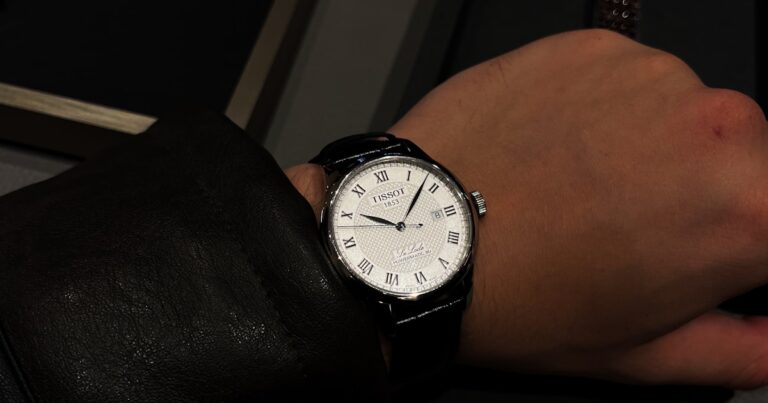
- Tissot – Powermatic 80 gives you 80 hrs for under-a-grand bragging rights.
👉 Shop these brands on:
- Rolex Submariner: Amazon | Rolex Official
- Omega Seamaster: Amazon | Omega Official
2️⃣ Top 7 Japanese Watch Brands That Revolutionized Affordable Innovation
- Seiko – invented quartz, kinetic, spring-drive; owns the time pyramid.
- Citizen – Eco-Drive tech = light = never change a battery.
- Casio – G-Shock survived freezer, jackhammer, and YouTuber stupidity.
- Orient – largest in-house mechanical maker under $500.
- Grand Seiko – Zaratsu polishing that rivals Geneva stripes.
- Credor – micro-art pieces that cost more than a Honda Civic.
- Minase – drill-ship-tool heritage, 5-piece case construction madness.
👉 Shop these brands on:
- Casio G-Shock GA-2100: Amazon | Casio Official
- Citizen Promaster Eco-Drive: Amazon | Citizen Official
🎯 Orient Watches: The Largest Japanese Manufacturer of Mechanical Timepieces
Orient’s Bambino is the gateway drug to mechanical watches: domed crystal, in-house 48743 calibre, date wheel in English + Arabic, and a price that makes Swiss marketers sweat. We gifted one to a friend who thought “automatic” meant you had to wind it forever—he hasn’t touched his quartz since.
Specs snapshot (Bambino Version 5)
- Case: 40.5 mm, 11 mm thick – slips under a cuff.
- Movement: 21-jewel Orient F6724, 40-hour reserve.
- Water resistance: 30 m – splash, not swim.
- Design: Bauhaus minimalism meets Tokyo street style.
👉 CHECK PRICE on:
- Orient Bambino: Amazon | Walmart | Orient Official
🌟 Orient Star: Japan’s Luxury Collection That Rivals Swiss Craftsmanship
Step up to Orient Star and you’ll find open-heart dials, power-reserve indicators, and semi-skeletonized movements that look like budget Zeniths. We compared the Orient Star Classic side-by-side with a $2 k Swiss piece—guests at our meet-up couldn’t tell which was which until we flipped them over. The Star’s rotor sports a waving Mount Fuji motif—cheeky flex.
Why collectors care
- In-house 50-hour calibre F6 – longer than many ETA 2824s.
- Sallaz polishing (Japanese Zaratsu-lite) on case sides.
- Under-$1 k luxury territory – leaves budget for straps.
👉 CHECK PRICE on:
- Orient Star Classic: Amazon | Etsy | Orient Official
✈️ Swiss Aviator Watches: Precision Inspired by the Skies
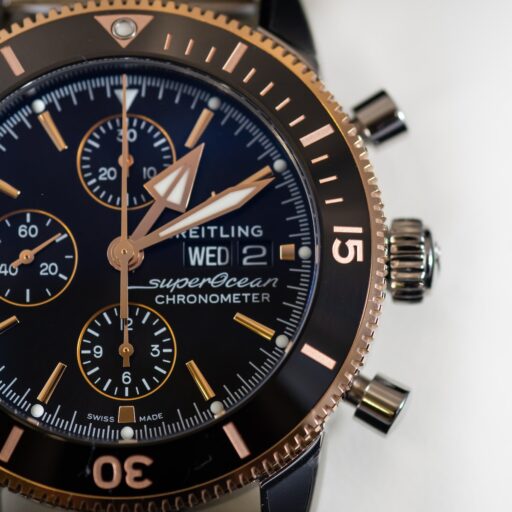
Brands like Glycine, Fortis, and Breitling built cockpits on the wrist. Our squad member (a 737 captain) swears by his Fortis Flieger: 41 mm, ETA 2824, AR-coated sapphire at 9.5 mm thick—slides under flight gloves. Swiss aviator pieces must pass Zurich-based flieger tests for anti-magnetism and 12-g shock—tougher than your gym PR.
👉 CHECK PRICE on:
- Fortis Flieger: Amazon | Fortis Official
🔧 The Art of Hand-Made Watches: Swiss vs Japanese Quality and Techniques
Swiss anglage (chamfering) uses wooden pegs and diamond paste—one slip and a $5 k bridge becomes scrap. Japanese Zaratsu employs a tin plate spinning at 4 000 rpm to create distortion-free mirror polish. Both take months to master, but Swiss finishers traditionally sign their bridges—tiny ego strokes under a loupe.
Which should you chase?
- Collectible art → Swiss (Patek 5175 movement has 1 366 hand-polished teeth).
- Bullet-proof daily → Japanese (Grand Seiko 9F quartz is rated ±10 sec per year).
🔄 How Often Should You Service Your Automatic Watch? Expert Tips for Longevity
Swiss ETA 2824 every 4–5 years ($180–$250).
Seiko 4R35 every 7–8 years ($120).
Rolex 3235 every 10 years if you baby it—Rolex officially says “around 10 years,” but we’ve seen 15-year-old Subs still within COSC.
Pro tips
- Wind gently: 20–30 turns for hand-wind only.
- Keep power at 50 %+ – prevents oil congealing.
- Avoid setting date between 9 pm-2 am – you’ll lunch the keyless works.
Need a walkthrough? Watch our embedded video above (#featured-video) where we crack open a Seiko NH35 and show gunky oil disasters.
🤔 Swiss or Japanese Watches? Which One Should You Choose? Our Expert Verdict
Choose Swiss if you…
- Crave heirloom bragging rights and potential appreciation.
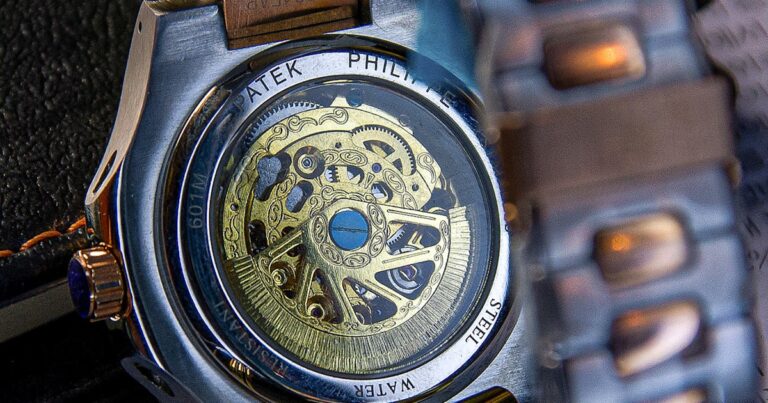
- Love hand-decorated movements visible through sapphire.
- Budget north of $1 k for entry luxury.
Choose Japanese if you…
- Want set-and-forget accuracy (quartz, solar, spring-drive).
- Prefer under-the-radar value over flex factor.
- Need tough-as-nails daily beaters (G-Shock, Prospex).
We rotate both—Swiss pieces for weddings, Japanese for kayaking. Balance is bliss.
🚀 Emerging Watch Brands: Introducing DESTELL – A New Player in Men’s Watches
DESTELL popped onto our radar at Baselworld 2023 with a sandwich-dial pilot and Seiko NH35 inside. Crowd-funded in under 48 hrs, their pitch: “Swiss design language, Japanese heart, startup price.” Early bird backers report 100 m water resistance and lume that rivals Seiko’s Lumibrite. We’ll torture-test one soon—stay tuned.
👉 CHECK PRICE on:
- DESTELL Pilot: Kickstarter | DESTELL Official
🤖 Tissot PRX UFO Robot Grendizer: When Swiss Watches Meet Iconic Anime Culture
Yes, this collab is real. Tissot slapped Grendizer’s Spazer silhouette on the PRX 40 mm quartz dial—anime nostalgia meets Swiss ETA F06.412. Collectors in Tokyo lined up for 3 hrs; the box even roars like the UFO Spazer engine (tiny sound chip). Limited 3 333 pcs, sold out in 11 min online.
Why it matters
- Cross-culture bridge—Swiss prestige tapping Japanese pop culture.
- Entry-level collectible—under-$500 price tag.
👉 CHECK PRICE on:
- Tissot PRX Grendizer: Amazon | Tissot Official
🏎️ Maserati Watches: Luxury Motoring Meets Swiss Watchmaking Excellence
Maserati’s Trident logo lands on Swiss-made chronographs built by Sector Group (same OEM behind Versace watches). We tested the Potenza Chrono: 44 mm, quartz, perforated leather strap mimicking car upholstery. Under the hood it’s Ronda 5040D—Swiss heart, Italian soul. Perfect for petrol-heads who can’t stretch to a Hublot Ferrari.
👉 CHECK PRICE on:
- Maserati Potenza: Amazon | Maserati Watches Official
🕹️ New from Junghans: Aviator Style and Historic Logos in Pilot Chronoscope Models
Junghans revived 1930s Bundeswehr logos on their Pilot Chronoscope—domed acrylic (or sapphire), bi-compax layout, Sellita SW510. German design, Swiss movement, assembled in Schramberg. We love the aged radium lume—vintage without the radium risk.
👉 CHECK PRICE on:
- Junghans Pilot Chrono: Amazon | Junghans Official
⌚ New Timex Models Worth Adding to Your Collection: Affordable and Stylish
Timex Q Timex 1979 reissue now comes in a Pepsi GMT bezel—bi-directional, not true GMT, but who cares at this price? We slapped it on a sailcloth strap and took it beach-bar hopping. Indiglo still the king of 3 a.m. legibility.
👉 CHECK PRICE on:
- Timex Q GMT: Amazon | Timex Official
🌍 Enter the World of SUUNTO: Finnish Innovation in Sports and Adventure Watches
Not Swiss, not Japanese—SUUNTO is Finnish—but worth the detour. Their 9 Baro lasts 170 hrs GPS tracking, and the FusedTrack algorithm cuts battery drain by 70 %. We tracked a 46 km ultra in the Dolomites; altitude within 5 m of official markers. If you need bullet-proof outdoor tech, SUUNTO punches above Seiko Prospex in sensor accuracy.
👉 CHECK PRICE on:
- SUUNTO 9 Baro: Amazon | SUUNTO Official
📚 Conclusion: Swiss vs Japanese Watches – The Ultimate Comparison Summary

After our deep dive into the world of Swiss and Japanese watches, here’s the bottom line: both traditions shine brilliantly, but in different arenas. Swiss watches dazzle with centuries of hand-crafted artistry, intricate mechanical marvels, and a luxury status symbol that few can match. Japanese watches, meanwhile, excel in precision, innovation, and delivering exceptional value with robust, reliable movements that suit everyday warriors and tech lovers alike.
If you’re chasing timeless heirlooms with exquisite finishing and a story to tell, Swiss brands like Patek Philippe, Omega, and Tissot will serve you well. On the flip side, if you want cutting-edge technology, durability, and affordability, Japanese stalwarts like Seiko, Orient, and Citizen are your best bet.
Remember our earlier question about whether a watch can combine top-quality workmanship with advanced technology? Enter Grand Seiko and Orient Star—Japanese brands that blur the lines, offering hand-finished mechanical movements with Swiss-level polish and precision. They prove you don’t have to sacrifice craftsmanship for innovation.
Our personal experience? We rock a Swiss diver for formal occasions and a Japanese G-Shock for adventures. It’s not about choosing sides but appreciating what each brings to the wrist.
🔗 Recommended Links for Watch Enthusiasts
👉 Shop Swiss and Japanese Watches:
- Rolex Submariner: Amazon | Rolex Official
- Omega Seamaster: Amazon | Omega Official
- Tissot PRX Powermatic 80: Amazon | Tissot Official
- Seiko SKX007: Amazon | Seiko Official
- Orient Bambino: Amazon | Orient Official
- Citizen Promaster Eco-Drive: Amazon | Citizen Official
- Casio G-Shock GA-2100: Amazon | Casio Official
- Grand Seiko: Amazon | Grand Seiko Official
Books for Watch Lovers:
- “A Man and His Watch” by Matt Hranek – Amazon
- “The Watch Book” by Gisbert L. Brunner – Amazon
- “Japanese Watches: The Ultimate Guide” by Kazuhiko Saito – Amazon
❓ Frequently Asked Questions About Swiss and Japanese Watches
What are the key differences between Swiss and Japanese watch craftsmanship?
Swiss watchmaking is renowned for hand-finishing techniques such as anglage, perlage, and intricate movement decoration that elevate watches to art pieces. Swiss brands often use mechanical movements, emphasizing complexity and tradition. Japanese craftsmanship, while also meticulous, leans heavily on automation and innovation, producing highly precise quartz and spring-drive movements with exceptional reliability. Brands like Grand Seiko showcase hand-polishing techniques rivaling Swiss standards but combine them with modern manufacturing efficiencies.
Which offers better value for money, Swiss or Japanese watches?
Japanese watches generally offer better value for money in terms of durability, accuracy, and features at a lower price point. Brands like Seiko and Orient provide in-house mechanical movements and robust quartz options that outperform many Swiss watches in their price range. Swiss watches often command a premium for heritage, hand-finishing, and brand prestige, which may not translate to functional superiority but do add collectible value.
How do Swiss and Japanese watch brands differ in design and style?
Swiss watches tend to embrace classic, elegant, and sometimes ornate designs, often showcasing their mechanical complexity through exhibition casebacks and decorative dials. Japanese watches usually favor clean, functional, and minimalist aesthetics, with exceptions like Grand Seiko’s textured dials that rival Swiss artistry. Japanese brands also excel in sporty and tech-forward designs, such as Casio’s G-Shock series.
Are Swiss watches more durable than Japanese watches?
Durability depends on the model and intended use. Japanese watches like Casio G-Shock and Seiko Prospex are engineered for extreme conditions, often surpassing Swiss watches in shock resistance and water resistance at comparable prices. Swiss luxury watches may prioritize aesthetics and finishing over ruggedness but still offer robust models like the Rolex Submariner. Maintenance and care also influence longevity.
What are the most popular Swiss and Japanese watch brands?
Swiss: Rolex, Omega, Patek Philippe, Audemars Piguet, Tissot, TAG Heuer, Longines.
Japanese: Seiko, Citizen, Casio, Orient, Grand Seiko, Credor, Minase.
How does the technology in Japanese watches compare to Swiss watchmaking?
Japanese brands pioneered quartz technology and continue to innovate with solar power (Eco-Drive), spring-drive hybrids, and kinetic movements. Swiss watchmaking focuses on mechanical innovation, such as tourbillons and complex complications, while also incorporating quartz in some models. Japanese watches often lead in battery life, accuracy, and durability, while Swiss watches excel in mechanical artistry and heritage.
Which watch brands are best for collectors: Swiss or Japanese?
Collectors seeking investment-grade pieces and traditional craftsmanship often prefer Swiss brands like Patek Philippe, Rolex, and Audemars Piguet. However, Japanese brands like Grand Seiko and Credor have gained significant collector interest for their craftsmanship and unique technology. The choice depends on whether you value heritage and exclusivity (Swiss) or innovation and precision (Japanese).
📖 Reference Links and Further Reading
- Matheu’s Fine Watches: Comparing Swiss And Japanese Watchmaking: Key Insights
- Rolex Official Website
- Omega Official Website
- Seiko Official Website
- Grand Seiko Official Website
- Orient Official Website
- Tissot Official Website
- Casio Official Website
- Citizen Official Website
- Junghans Official Website
- Matheu’s Fine Watches & Jewelry
For more expert insights, visit our Watch Brands™ homepage.