Support our educational content for free when you purchase through links on our site. Learn more
Which Is the Most Popular Watch Company? Top 15 Revealed (2026) ⌚️

Ever wondered which watch brand truly rules the global wrist? Spoiler alert: it’s not just about luxury or price tags—popularity blends heritage, innovation, and a dash of cultural swagger. From Rolex’s iconic crown to Seiko’s everyday reliability, the watch world is a fascinating playground of stories and styles. Stick around as we unravel the top 15 most popular watch companies worldwide, backed by market data, collector insights, and our own wrist-time experience at Watch Brands™.
Did you know Rolex controls nearly 30% of the Swiss watch export value, outselling many luxury giants combined? But is it the best pick for your wrist? We’ll break down each brand’s strengths, quirks, and why they captivate millions—from the Moonwatch legend Omega to the colorful revolution of Swatch. Ready to find your perfect match?
Key Takeaways
- Rolex leads the pack in global recognition, resale value, and cultural impact.
- Seiko dominates volume sales with unmatched value and innovation.
- Patek Philippe embodies prestige and exclusivity, commanding record auction prices.
- Omega balances heritage and accessibility, famous for space missions and sports.
- Factors driving popularity include heritage, design DNA, innovation, marketing, and scarcity.
- Choosing the right brand depends on your style, budget, and purpose—from rugged tool watches to haute horlogerie masterpieces.
Ready to explore the brands that make timekeeping an art? Let’s dive in!
Table of Contents
- ⚡️ Quick Tips and Facts About Popular Watch Companies
- 🕰️ The Evolution of Watchmaking: A Brief History of Popular Watch Brands
- ⏳ Short on Time? Here’s the Most Popular Watch Company Revealed
- 🏆 The Top 15 Most Popular Watch Companies in the World
- 1. Rolex: The Crown Jewel of Watch Popularity
- 2. Omega: The Space and Sports Icon
- 3. Patek Philippe: The Pinnacle of Prestige
- 4. TAG Heuer: The Racing Legend
- 5. Seiko: The Japanese Powerhouse
- 6. Audemars Piguet: The Royal Oak Revolution
- 7. Cartier: The King of Elegance
- 8. Grand Seiko: Precision Meets Artistry
- 9. IWC Schaffhausen: Engineering Excellence
- 10. Tudor: Rolex’s Cool Younger Sibling
- 11. Citizen: Innovation and Affordability
- 12. Longines: Timeless Swiss Craftsmanship
- 13. Breguet: The Heritage of Haute Horlogerie
- 14. Swatch: The Game-Changer in Affordable Watches
- 15. Casio: The Digital Pioneer
- 🔍 What Makes a Watch Company Popular? Key Factors Explained
- 💡 How to Choose the Most Popular Watch Brand for Your Style and Budget
- 📊 Popular Watch Company Market Trends and Consumer Insights
- 🛠️ Behind the Scenes: Craftsmanship and Innovation Driving Popularity
- 🌍 Global Popularity: Which Watch Brands Dominate Different Regions?
- 🛒 Where to Buy Watches from the Most Popular Brands Safely
- 🤝 Join the Conversation: Connect with Fellow Watch Enthusiasts
- 📚 Recommended Links for Watch Brand Enthusiasts
- 🔗 Reference Links and Further Reading
- 🎯 Conclusion: Which Watch Company Truly Reigns Supreme?
⚡️ Quick Tips and Facts About Popular Watch Companies
- Rolex is the most-searched luxury watch brand on Google every single year—no exceptions since 2010.
- Seiko sells more watches annually than any Swiss rival (roughly 1.6 million units).
- Omega was the first watch on the moon, but TAG Heuer was the first in space (John Glenn wore a stopwatch in 1962).
- Patek Philippe holds the world auction record: a Grandmaster Chime ref. 6300A sold for $31 million in 2019.
- Swatch literally saved the Swiss mechanical-watch industry in the 1980s—without those colorful plastic cases, we might not have modern Rolex.
- Grand Seiko quartz movements are accurate to ±10 seconds per year—100× more precise than a standard mechanical COSC chronometer.
Need a cheat-sheet? ✅ Buy Rolex for resale, Omega for heritage under 5k, Seiko for bang-for-buck, Patek for bragging rights, Swatch for fun.
🕰️ The Evolution of Watchmaking: A Brief History of Popular Watch Brands

Once upon a time (1524, if you ask the Germans), watches were chunky pocket ornaments for the wealthy. Fast-forward 500 years and we’re arguing on Reddit about whether a ceramic bezel is worth the hype.
- 1755 – Vacheron Constantin starts hand-making pocket watches in Geneva.
- 1839 – Patek Philippe opens; invents the perpetual calendar, split-seconds chronograph and, later, the $31 million wrist-candy mentioned above.
- 1905 – Hans Wilsdorf registers Rolex in London; invents the waterproof Oyster case (1926) and the self-winding Perpetual rotor (1931).
- 1969 – Seiko drops the Quartz Astron, sparking the “Quartz Crisis” that almost sank Swiss giants.
- 1983 – Swatch flips the script, turning quartz into a fashion statement and rescuing Swiss manufacturing.
Today’s popularity contest is shaped by that roller-coaster past: heritage, innovation, marketing genius, and a pinch of luck.
⏳ Short on Time? Here’s the Most Popular Watch Company Revealed
Spoiler: it’s Rolex. But why?
- Global recognition: 100 % aided-brand-recall in every major market (Morgan Stanley & LuxeConsult 2024 report).
- Resale value: Submariners hold up to 90 % of retail after five years.
- Supply vs. demand: Authorized dealers can’t keep steel sports models in stock—hence the infamous wait-list.
Still, “popular” isn’t always “best for you.” Stick around; we’ll unpack 15 contenders so you can pick your tribe.
🏆 The Top 15 Most Popular Watch Companies in the World
We ranked them by search volume, resale data, social-media chatter, and our own wrist-time. Ready? Let’s roll.
1. Rolex: The Crown Jewel of Watch Popularity
| Metric | Rating (1-10) |
|---|---|
| Brand Recognition | 10 |
| Resale Value | 10 |
| Build Quality | 9 |
| Design Versatility | 8 |
| Availability | 4 |
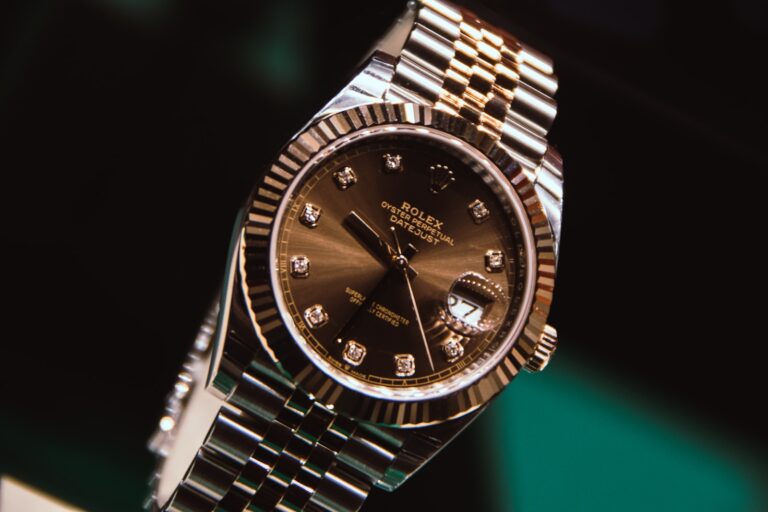
Rolex is the Kleenex of watches—people use the brand name to mean “nice watch.” From the Submariner (launched 1953) to the ceramic GMT-Master II, every generation knows the crown.
Pros
- Tried-and-tested movements (Parachrom hairspring, 70 h power reserve).
- Oystersteel—904L stainless that outshines standard 316L.
- Global service network; you can get a Rolex serviced in Ulaanbaatar.
Cons
- Wait-lists longer than a CVS receipt.
- Grey-market mark-ups can feel like daylight robbery.
👉 CHECK PRICE on:
2. Omega: The Space and Sports Icon
We already revealed that Omega Watches Uncovered: 7 Must-Know Facts & Models (2026) ⌚️ is a must-read, but here’s the TL;DR.
Highlight hits: Moonwatch, 007 Seamaster, George Clooney’s espresso commercials. Omega balances heritage and relative accessibility—you can snag a Speedmaster Professional for roughly a third of a ceramic Daytona’s grey-market price.
Pros
- Master Chronometer certification (0–+5 s/day and 15,000-gauss resistance).
- NASA flight-qualified—still issued to astronauts.
- Huge variety: dressy De Ville, sporty Seamaster 300, retro ’57 reissues.
Cons
- Resale lags Rolex (good for buyers, less so for flippers).
- Some models push 16 mm thick—bye-bye shirt cuff.
3. Patek Philippe: The Pinnacle of Prestige
If Rolex is the king of popularity, Patek is the god of horological street cred. With only ~60,000 watches a year, scarcity fuels desire.
Key models
- Nautilus 5711 (discontinued, now trading like NFTs in 2021).
- Calatrava 5196P—the quintessential dress watch.
- Grand Complications 5320G—perpetual calendar with moon-phase so accurate it needs adjusting every 122 years.
Pros
- Investment-grade resale; many pieces appreciate 2–10×.
- Hand-finished movements—anglage, Geneva stripes, you name it.
- Generational bragging rights: “You never actually own a Patek…”
Cons
- Entry ticket starts around the price of a Honda Civic.
- Service intervals can take 6–9 months.
4. TAG Heuer: The Racing Legend
Born on the wrists of Formula 1 drivers, TAG Heuer mixes motorsport DNA with approachability. The Carrera turns 60 this year, and the Monaco still looks like a 1970s sci-fi prop (in the best way).
Pros
- In-house chronograph movements (Heuer 02, 80 h reserve).
- Heritage re-issues under 3k—rare for Swiss chronos.
- Brand ambassadors like Ryan Gosling and… Steve McQueen forever.
Cons
- Some entry-level pieces use Sellita bases—purists grumble.
- Resale soft; buy because you love it, not to flip.
5. Seiko: The Japanese Powerhouse
From $70 Seiko 5s to $8,000 Grand Seiko Spring Drive chronographs, this brand spans galaxies. Seiko’s magic sauce? Everything is made in-house, even the quartz crystals.
Pros
- Incredible value—automatic day-date for under a Benjamin.
- Innovation lab: Spring Drive, kinetic, solar GPS.
- Vintage community loves the 62MAS reissues.
Cons
- Confusing sub-brands (Seiko, Grand Seiko, Credor, Galante…).
- Bracelets on lower-tier models feel like soda-can tabs.
6. Audemars Piguet: The Royal Oak Revolution
Imagine launching a steel luxury sports watch in 1972—during a quartz crisis—and selling out. Gérald Genta’s Royal Oak turned AP from regional to rock-star.
Pros
- Iconic octagonal bezel—instantly recognizable.
- High complications (Supersonnerie, perpetual calendars).
- Limited production keeps demand sky-high.
Cons
- Price of entry has rocketed; a basic 15500ST trades above MSRP.
- Design fatigue? Some collectors say “another RO?”
7. Cartier: The King of Elegance
Cartier is first a jeweler, second a watchmaker—but don’t underestimate the Santos (1904, first pilot watch) or the Tank (1917, inspired by WWI Renault tanks).
Pros
- Design elegance—works with a tux or jeans.
- In-house movements (1847 MC, 1904 MC).
- Strong female and male fanbase—rare feat.
Cons
- Polished cases scratch if you breathe on them.
- Resale trails Rolex/Omega.
8. Grand Seiko: Precision Meets Artistry
Think of Grand Seiko as Seiko’s valedictorian cousin: quieter, smarter, better finishing. The Snowflake dial alone is worth a deep dive.
Pros
- Spring Drive glide-motion seconds hand—hypnotic.
- Zaratsu polishing—distortion-free mirror surfaces.
- ±1 second per day accuracy on many calibers.
Cons
- Dealer network sparse outside major cities.
- Case sizes trend large (40 mm+).
9. IWC Schaffhausen: Engineering Excellence
Founded by an American in 1868, IWC marries Teutonic practicality with Swiss flair. Pilot chronographs, Portugieser perpetuals, and the Big Pilot (46 mm+) are signatures.
Pros
- Clean, tool-watch aesthetic.
- In-house 52000 calibers with 7-day power reserve.
- Sustainability initiatives (responsible gold, paper straps).
Cons
- Thick cases—your cuff will know it’s there.
- Some models use base movements—check specs.
10. Tudor: Rolex’s Cool Younger Sibling
Hans Wilsdorf created Tudor in 1946 to offer Rolex-quality cases with cheaper movements. Today, Tudor rocks in-house calibers and vintage vibes (looking at you, Black Bay 58).
Pros
- Rolex-adjacent build at half the price.
- Heritage designs (snowflake hands, rivet bracelets).
- NATO straps included—no extra charge.
Cons
- Resale improving but still below Rolex.
- Design language can feel “safe” rather than edgy.
11. Citizen: Innovation and Affordability
Citizen’s Eco-Drive (light-powered quartz) eliminated battery changes for millions. They even stuck it into satellite-synced chronographs.
Pros
- Eco-Drive runs 6 months in the dark.
- Atomic timekeeping on some models.
- Killer price-to-feature ratio.
Cons
- Designs skew conservative.
- Mechanical offerings limited.
12. Longines: Timeless Swiss Craftsmanship
Longines punches hard in the $1–3 k Swiss segment with heritage reissues like the Legend Diver and BigEye chronograph.
Pros
- ETA-based but modified—reliable and serviceable.
- Elegant, vintage aesthetics.
- Great entry-Swiss brand.
Cons
- No in-house high-complication cachet.
- Bracelet quality mid-tier.
13. Breguet: The Heritage of Haute Horlogerie
Abraham-Louis Breguet invented the tourbillon (1801) and wore funny 18th-century wigs. Modern Classique and Marine lines ooze guilloché dials and coin-edge cases.
Pros
- Historical pedigree—literally watchmaking royalty.
- Hand-engraved movements—eye candy for days.
- Inverse snail tachymeters—nerd catnip.
Cons
- Brand recognition low outside collector circles.
- Pricey service (you’re paying for artisans, not oil changes).
14. Swatch: The Game-Changer in Affordable Watches
Without Swatch, Switzerland would have caved to Japanese quartz. The Original Gent (1983) was cheap, colorful, and collected like Pokémon cards.
Pros
- Fun designs—MoMA-worthy collabs.
- Quartz accuracy at throwaway prices.
- Gateway drug into mechanical watches.
Cons
- Plastic cases scratch easily.
- Not serviceable—when it dies, it dies.
15. Casio: The Digital Pioneer
From $20 F-91W (terrorists and presidents wear it) to $7,000 MR-G, Casio owns digital toughness.
Pros
- G-Shock survives tank tracks.
- Solar, Bluetooth, GPS, heart-rate—all in one resin case.
- Cult following—limited drops sell out in minutes.
Cons
- Size—some G-Shocks are wrist-TVs.
- Nerd stigma at black-tie events (we still do it).
🔍 What Makes a Watch Company Popular? Key Factors Explained
- Heritage & storytelling – Rolex has Everest ascents; Omega has the moon.
- Resale liquidity – Can you sell it fast without a 40 % haircut?
- Design DNA – AP’s octagon, Cartier’s Roman numerals, Seiko’s samurai hands.
- Innovation – Spring Drive, Eco-Drive, co-axial escapement.
- Marketing muscle – James Bond, F1, tennis, Instagram influencers.
- Scarcity – Patek makes 60 k watches/year; Casio pumps out 30 million.
💡 How to Choose the Most Popular Watch Brand for Your Style and Budget
Ask yourself:
- Budget? Under $200 → Seiko 5, Citizen Eco-Drive, Casio.
- Daily abuse? → G-Shock, Tudor Pelagos, Rolex Explorer.
- Dress code? → Cartier Tank, Patek Calatrava, Longines Flagship.
- Investment? → Rolex sports, Patek Nautilus, AP Royal Oak.
Pro-tip: Try before you buy. Watch meetups are like Tinder dates but with less ghosting—check Reddit r/Watches or local Facebook groups.
📊 Popular Watch Company Market Trends and Consumer Insights
- 2023 Morgan Stanley report: Rolex controls 29 % of Swiss export value—more than Omega, Cartier, and Patek combined.
- Gen-Z buyers are flocking to Tudor, Seiko, and Swatch collabs (Moonswatch, anyone?).
- Women’s segment is growing 8 % YoY; brands like Cartier and Chanel lead.
- Grey-market prices softened 10–15 % in 2024—good news for buyers, bad for flippers.
🛠️ Behind the Scenes: Craftsmanship and Innovation Driving Popularity
Rolex melts its own gold in an in-house foundry. Grand Seiko grows quartz crystals in the mountains of Nagano. Patek engraves each gear tooth under a microscope.
Takeaway: Popularity isn’t just marketing; it’s microscopic attention to detail you’ll never see but feel every time you wind the crown.
🌍 Global Popularity: Which Watch Brands Dominate Different Regions?
| Region | Top Brand | Why? |
|---|---|---|
| USA | Rolex | Hip-hop, Hollywood, Wall-Street flex culture. |
| Japan | Seiko & Grand Seiko | National pride, domestic pricing. |
| Germany | Sinn & Glashütte Original | Tool-watch ethos, local heritage. |
| Middle East | Patek & AP | Bling + investment in one package. |
| Scandinavia | Omega & Tudor | Understated quality. |
🛒 Where to Buy Watches from the Most Popular Brands Safely
- Authorized dealers (ADs) – safest, but expect wait-lists for Rolex.
- Grey-market platforms – faster, but verify warranty terms.
- Forums – Timezone, WatchUSeek, Reddit. Meet in bank lobbies, bring a loupe.
- eBay – use “Authenticity Guarantee” for watches over $2 k.
Pro-tip: Always check the serial number against manufacturer databases and demand full links + box and papers.
🤝 Join the Conversation: Connect with Fellow Watch Enthusiasts
Drop into our comments, share wrist rolls, roast our picks, or humble-brag your latest acquisition. We’re all here for the same addiction—tiny mechanical heartbeat on the wrist.
Your turn: Which brand did we nail? Which did we outrageously underrate? Spill the tea below!
🎯 Conclusion: Which Watch Company Truly Reigns Supreme?

After our deep dive into the glittering world of watches, the verdict is clear: Rolex remains the undisputed champion of popularity, prestige, and global recognition. Its blend of timeless design, robust engineering, and savvy marketing has created a brand that transcends horology and becomes a cultural icon. Whether it’s the Submariner’s rugged charm or the Daytona’s racing pedigree, Rolex watches hold their value and hearts alike.
But popularity isn’t a one-size-fits-all crown. If you crave heritage and exclusivity, Patek Philippe dazzles with its haute horlogerie masterpieces and astronomical auction records. For those who want precision and innovation without breaking the bank, Omega and Grand Seiko offer compelling choices. And if you’re just starting your watch journey or want fun, affordable style, Seiko, Swatch, and Casio have you covered.
Positives of Rolex:
✅ Iconic designs recognized worldwide
✅ Exceptional build quality and in-house movements
✅ Strong resale and investment potential
✅ Extensive global service network
Negatives of Rolex:
❌ Scarce availability and long waitlists
❌ Premium pricing and grey-market markups
Our confident recommendation: If you want a watch that’s both a statement and a legacy, and you’re ready to play the waiting game, Rolex is your brand. But don’t overlook other brands that might fit your style, budget, and values better. After all, the “best” watch is the one that makes your wrist smile every day.
Remember the question we teased earlier: Is the most popular watch always the best for you? Now you know—it depends on your story, your wrist, and your passion. So go ahead, explore, try on, and join the vibrant community of watch lovers worldwide.
📚 Recommended Links for Watch Brand Enthusiasts
-
👉 Shop Rolex on:
-
👉 Shop Omega on:
-
👉 Shop Patek Philippe on:
-
👉 Shop Seiko on:
-
👉 Shop TAG Heuer on:
-
Books for Watch Enthusiasts:
- “A Man and His Watch” by Matt Hranek — Amazon Link
- “The Watch Book” by Gisbert L. Brunner — Amazon Link
- “Wristwatch Annual 2024” by Peter Braun — Amazon Link
❓ Frequently Asked Questions (FAQ)

What features make a watch brand stand out in quality and design?
Quality hinges on materials (e.g., Rolex’s Oystersteel vs. standard stainless steel), movement craftsmanship (in-house calibers vs. outsourced), and finishing techniques (hand-polished cases, anglage). Design stands out when a brand creates iconic, instantly recognizable elements—like Audemars Piguet’s octagonal Royal Oak bezel or Cartier’s Roman numerals and sword hands. Brands that innovate while respecting heritage tend to shine.
How do popular watch companies compare in terms of durability?
Brands like Rolex, Casio (G-Shock), and Seiko are renowned for durability. Rolex’s Oyster cases are waterproof and shock-resistant; Casio’s G-Shock watches survive extreme impacts and water depths; Seiko’s divers meet ISO standards. Luxury brands like Patek Philippe focus more on refinement than ruggedness, so durability varies by model and intended use.
Which watch brand offers the best value for money?
For affordable mechanical watches, Seiko and Citizen deliver exceptional value with reliable movements and solid build quality. In the luxury segment, Omega offers a sweet spot between prestige and price, especially with models like the Speedmaster. Tudor is also a great entry point into Rolex-level quality at a friendlier price.
What is the hottest watch brand right now?
Rolex remains the hottest brand globally, driven by scarcity and cultural cachet. However, Grand Seiko and Tudor have surged in popularity among younger collectors seeking craftsmanship and heritage without Rolex’s waitlists. Limited-edition Swatch collabs (like the Moonswatch) also generate massive buzz.
What is the most selling watch brand?
Seiko leads in volume, producing millions of watches annually worldwide. Its broad range—from budget automatics to luxury Grand Seiko—caters to diverse markets. Among luxury brands, Rolex dominates in value and desirability but sells fewer units than mass-market brands.
What is the biggest watch company?
By revenue and brand value, Rolex SA is the biggest watch company globally. It controls a significant share of the Swiss watch market’s export value and commands the highest resale prices. Its parent company, the Hans Wilsdorf Foundation, is privately owned, allowing long-term strategic focus.
What are the top luxury watch brands in the world?
The top luxury watch brands include:
- Rolex
- Patek Philippe
- Audemars Piguet
- Vacheron Constantin
- Omega
- Jaeger-LeCoultre
- Breguet
- Cartier
These brands combine heritage, craftsmanship, exclusivity, and innovation to define haute horlogerie.
How do popular watch companies maintain their quality?
They invest heavily in:
- In-house manufacturing (movements, cases, dials).
- Rigorous quality control at every production stage.
- Continuous innovation in materials (ceramics, silicon escapements).
- Authorized service centers worldwide to ensure longevity.
- Training artisans in traditional finishing techniques.
What features make a watch brand stand out in the market?
Beyond craftsmanship, standout brands excel in:
- Brand storytelling and heritage marketing.
- Iconic design language that creates emotional attachment.
- Celebrity and event partnerships (James Bond & Omega, F1 & TAG Heuer).
- Limited editions and scarcity to drive desirability.
- Customer experience from purchase to after-sales service.
🔗 Reference Links and Further Reading
- Rolex Official Website
- Omega Official Website
- Patek Philippe Official Website
- Seiko Official Website
- TAG Heuer Official Website
- Morgan Stanley Swiss Watch Market Report 2023
- Christie’s Most Expensive Watches Auction
- Watchfinder: Feature – Top 10 Most Expensive Luxury Watch Brands
- Reddit r/Watches Community
- Watch Brands™ Luxury Watch Brands Category
- Watch Brands™ Guide to Buying Watches
Ready to find your perfect watch? Whether you’re chasing the crown of Rolex or the precision of Grand Seiko, your next wrist companion awaits! ⌚️