Support our educational content for free when you purchase through links on our site. Learn more
🏁 Evolution of Chronographs in Sports & Racing: The Ultimate Guide (2026)

Imagine standing at the starting line of the 1903 Paris-Madrid race, the air thick with exhaust and anticipation. There are no digital timers, no transponders, and certainly no smartwatches. Just a sea of spectators and a handful officials clutching pocket watches, frantically trying to capture the fleeting moments that would decide victory. Fast forward today, and while the technology has shifted to microchips and satellite tracking, the soul of the race still beats to the rhythm of a mechanical chronograph. From the dusty dirt tracks of early rallies to the moon’s silent surface, the evolution of chronographs in sports and racing is a saga of human ingenuity, precision, and an unyielding obsession with speed.
At Watch Brands™, we’ve spent decades dissecting the gears and springs that made these timepieces legendary. We’ve seen how a simple stopwatch function evolved into the complex flyback and rattrapante mechanisms that define modern luxury. But here’s a secret you won’t find in every history book: the most revolutionary racing watch of the 21st century isn’t a massive, gold-plated beast, but a titanium marvel designed to solve a problem that stumped officials for a century—timing two athletes who start at different moments. We’ll reveal exactly how this “double independent” innovation changes the game later in this guide. Whether you’re a collector hunting for a vintage Heuer, a track day enthusiast needing a reliable tool, or just a speed lover curious about the mechanics of time, this deep dive covers every gear, every scandal, and every triumph in the chronograph’s journey.
Key Takeaways
- From Pocket to Wrist: The transition from dashboard timers to wrist-worn chronographs in the 1930s revolutionized how drivers and officials measured speed, leading to the iconic tachymeter scales we see today.
- The 1969 Arms Race: The race to create the first automatic chronograph movement in 1969 (by Heuer, Zenith, and Seiko) remains one of the most significant chapters in horological history, blending convenience with racing precision.
- Beyond the Track: Chronographs proved their versatility by conquering the skies (aviation), the depths (diving), and even the Moon, with the Omega Speedmaster becoming the first watch worn in space.
- Modern Innovation: Contemporary brands like CYRUS are redefining the category with specialized complications, such as the Klepcys DICE, which solves the unique challenge of timing staggered starts in sports.
- Enduring Legacy: Despite digital dominance, mechanical chronographs remain the ultimate symbol of craftsmanship and heritage, offering a tangible connection to the history of motorsport that no screen can replicate.
👉 Shop the Icons:
- 👉 Shop Vintage Racing Chronographs: Amazon | Chrono24
- 👉 Shop Modern Racing Watches: Amazon | TAG Heuer Official | Omega Official
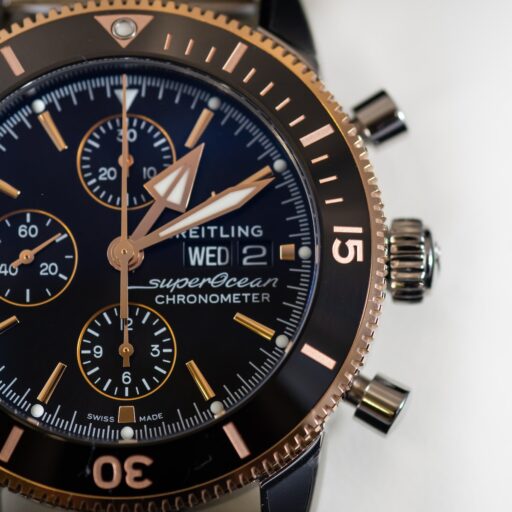
- 👉 Shop Innovative Complications: Cyrus Official | Breitling Official
Table of Contents
- ⚡️ Quick Tips and Facts
- 🏁 The Genesis: How Racing Demanded the First Chronographs
- 🏎️ From the Track to the Wrist: The Golden Age of Motorsport Timepieces
- 🔧 Engineering the Perfect Lap Timer: Key Chronograph Complications Explained
- 🏆 Top 10 Iconic Racing Chronographs That Defined an Era
- 🚀 The Space Race Connection: When Chronographs Went Beyond the Asphalt
- 🌊 Beyond the Circuit: Chronographs in Aviation, Diving, and Rallying
- 🔮 The Future of Speed: Smart Chronographs and Modern Racing Tech
- 🛠️ Mastering Your Machine: Maintenance Tips for High-Performance Chronographs
- 💡 Inspiration: Choosing the Right Racing Chronograph for Your Lifestyle
- 🏁 The Ultimate Showdown: Comparing the Titans of the Track
- 🔍 Deep Dive: The Klepcys DICE Racing and the Art of Racing Horology
- 🌐 Dominion GMT Titanium: A Modern Take on Racing Utility
- 🌪️ Carbon Fiber & Lime: The Klepcys DICE Lime Carbon Titanium Evolution
- ⏪ Retrograde Racing: The Unique Mechanics of the Klepcys GMT Retrograde Titanium
- 🧐 Other Cyrus Watches Worth Your Attention
- 📚 Everything You Need to Know About Cyrus and the Klepcys Line
- 🏁 Conclusion: The Unstoppable Evolution of the Racing Chronograph
- 🔗 Recommended Links
- ❓ FAQ: Your Burning Questions About Racing Chronographs Answered
- 📖 Reference Links
⚡️ Quick Tips and Facts
Welcome, fellow horology enthusiasts and speed demons! Here at Watch Brands™, we live and breathe timepieces that
tell a story, and few tales are as thrilling as the evolution of chronographs in sports and racing. From dusty racetracks to the moon itself, these incredible machines have been at the heart of measuring human endeavor. But before we dive deep
, let’s kick things off with some rapid-fire facts to get your engines revving!
- Chronograph Defined: Simply put, a chronograph is a watch with a stopwatch function. It allows you
to measure elapsed time independently of the main time display. Think of it as two watches in one! - Early Origins: While we often associate chronographs with racing, their roots actually lie in astronomy and scientific observation. The very
first chronographs were pocket watches, used by astronomers to time celestial events. Fascinating, right? - Racing’s Demand: The burgeoning world of motor racing in the early 20th century
created an urgent need for precise timing. Early events often suffered from timekeeping discrepancies, highlighting the crucial role chronographs would come to play. - The Tachymeter Scale: This iconic bezel feature, found
on many racing chronographs, is used to calculate speed over a fixed distance. It’s a staple for any serious gearhead or track enthusiast! - Automatic Revolution: The late
1960s saw a fierce race to develop the world’s first automatic chronograph movement, a significant leap in convenience and engineering. - Beyond the Track: While synonymous with racing, chron
ographs quickly found their way into aviation, diving, and even space exploration, proving their versatility and robustness. - Modern Relevance: Despite digital advancements, mechanical chronographs remain highly sought after for their heritage, craftsmanship
, and the tangible engagement they offer between wearer and machine. As one expert puts it, “Activating a mechanical chronograph allows for a tangible level of engagement with an actual mechanical heart of a watch you can see and feel.”
🏁 The Genesis: How Racing Demanded the First Chronographs
Ah, the early days of motor racing
! Picture it: roaring engines, clouds of dust, and the sheer thrill of speed. But amidst all that exhilarating chaos, there was a problem – how do you accurately measure who’s fastest? This, dear reader, is where the
humble chronograph truly found its calling, evolving from a scientific instrument into an indispensable tool for sports and racing.
Before the widespread adoption of wristwatches, timekeeping at races was, shall we say, a bit rudimentary. Imagine officials with multiple
stopwatches, trying to coordinate times for drivers who didn’t even start simultaneously! It was a logistical nightmare. As the sport grew, the demand for highly accurate timekeeping to track driver performance, lap times, and pit stops became paramount
. This era truly marked a pivotal moment in the history of watches.
The Need for Speed: Why Traditional Timing Fell Short
Early
racing events were plagued by inconsistencies. Hand-held stopwatches, while functional, lacked the precision and ease of use required for the fast-paced, multi-car environment of a race. Think about trying to time several cars crossing the finish line within
fractions of a second – it was a recipe for disputes and inaccuracies. This challenge sparked innovation, pushing watchmakers to adapt existing technologies and invent new ones.
From Pocket to Dashboard: Heuer’s Early Dominance
One brand stands
out prominently in these formative years: Heuer (now TAG Heuer). Before wristwatches became common, Heuer was already making waves with dashboard timers like the Master Time and Monte Carlo. These weren
‘t just pretty faces; they were robust, reliable instruments that navigators in rallies and endurance events depended on. We’ve heard countless anecdotes from vintage car collectors about the sheer joy of finding an original Heuer dashboard timer – it’s like
holding a piece of racing history in your hands!
This early focus on precision timing for automotive sports laid the groundwork for what would become an unbreakable bond between watchmaking and racing. It wasn’t just about telling time anymore; it was about
mastering time, about capturing those fleeting moments that separated victory from defeat.
🏎️ From the Track to the Wrist: The Golden Age of Motorsport Timepieces
As racing roared into its golden age, so too did the chronograph. The 1950s and 60s were a period of incredible
innovation, not just on the track but on the wrists of drivers, team managers, and enthusiasts alike. This was when the chronograph truly transitioned from a specialized tool to a coveted accessory, embodying the spirit of speed and precision.
The
Rise of Wrist Chronographs: A Game Changer
The shift from dashboard timers to wristwatches was revolutionary. Suddenly, drivers and pit crew could have their timing instruments literally at hand, making quick calculations and precise measurements without fumbling. This convenience
, combined with the growing glamour of motorsport, fueled the demand for dedicated racing chronographs.
Heuer’s Unstoppable Momentum:
Heuer, as we’ve already established, was at the forefront. In 1962
, they reinvented their popular Autavia dashboard timer as a wristwatch, which quickly became a collector’s favorite. But they didn’t stop there. The 1960s saw the launch of two
more legends: the Carrera and the Monaco. These watches weren’t just functional; they were stylish, legible, and perfectly captured the era’s racing aesthetic.
We often chat
about the allure of these vintage pieces in our Watch Brands™ office. There’s something undeniably cool about a watch that was genuinely used to time legends like Jo Siffert, who had a close association with Heuer. Imagine the stories those watches could tell!
The Race for the Automatic Chronograph: A Horological Arms Race
The late 1960s witnessed one of horology’s most intense rivalries: the race to develop the **
world’s first automatic chronograph**. Several major players were involved, each pushing the boundaries of mechanical engineering.
- Project 99 / Chronomatic (Heuer, Breitling, Buren, Dubois Dépraz): This consortium famously unveiled the Caliber 11 in 1969, a modular automatic chronograph movement.
- Zenith (El Primero): Zenith also introduced
their groundbreaking El Primero movement in 1969, an integrated automatic chronograph beating at a high frequency for exceptional accuracy. - Seiko: Not to be outdone, Seiko also released its own automatic chronograph,
the 6139, in 1969, primarily for the Japanese market.
This fierce competition resulted in a boom of innovative, self-winding chronographs, making them even more practical for daily wear and professional use. It
was a true testament to human ingenuity and the relentless pursuit of horological excellence.
Icons are Born: The Watches That Defined an Era
This period gave birth to some of the most iconic racing watches that continue to captivate collectors and
enthusiasts today. The Omega Speedmaster, while later famed for its lunar exploits, was originally conceived as a sport and racing chronograph in 1957. It was the first in its family to
feature a triple-register dial, a design that would become synonymous with performance.
And who could forget the Heuer Monaco? Famously worn by Steve McQueen in the 1971 film *
Le Mans*, its distinctive square case and automatic movement cemented its place in pop culture and racing history. It even holds the distinction of being the first square, waterproof automatic chronograph.
This era wasn’t
just about telling time; it was about making a statement. These watches became symbols of speed, precision, and a daring spirit.
🔧 Engineering the Perfect Lap Timer: Key Chronograph Complications Explained
So, you’ve got a chronograph. But do you know what makes it tick, beyond just the basic start/stop function? The true
magic lies in the sophisticated complications that elevate these timepieces from simple stopwatches to precision instruments capable of complex timing tasks. Let’s pull back the curtain and explore the engineering marvels that turn a watch into a perfect lap timer.
The Heart of the Matter: Chronograph Caliber Choices
At the core of every mechanical chronograph is its caliber, the intricate mechanism that powers its functions. Watchmakers face crucial choices when designing these movements:
- Modular vs. Integrated
Systems: - Modular Chronographs: These movements are built by adding a chronograph module on top of a base movement. Think of it like adding an extra layer to an existing cake. While often more cost-effective to produce, they
can sometimes result in a thicker case or a less “direct” feel to the pushers. - Integrated Chronographs: These are movements where the chronograph mechanism is built directly into the main movement architecture. This often leads to thinner
cases, more elegant designs, and a smoother, more tactile pusher feel. The Zenith El Primero is a prime example of an integrated movement. - Cam-Actuated vs. Column-Wheel Movements:
Cam-Actuated Chronographs:** These use a cam system to control the chronograph functions. They are robust and reliable, often found in more affordable watches.
- Column-Wheel Chronographs: Considered the gold standard by many enthusiasts, these movements use a small, intricate column wheel to orchestrate the chronograph’s start, stop, and reset functions. They offer a more precise and tactile user
experience, with a satisfying “click” when the pushers are engaged. Many luxury watch brands opt for column-wheel
designs.
Beyond Start/Stop: Advanced Chronograph Functions
While a basic chronograph measures a single elapsed time, advanced variations offer incredible versatility for complex timing scenarios:
- Tachymeter Scale: ✅ The most common feature on
racing chronographs, printed on the bezel or outer dial. It allows you to estimate speed over a fixed distance (usually 1 kilometer or 1 mile). Simply start the chronograph at the beginning of the distance, stop it at the
end, and the chronograph hand will point to your average speed on the tachymeter scale. Essential for calculating lap speeds! - Flyback Chronograph: ✅ This ingenious complication allows you to
reset and restart the chronograph with a single press of a pusher, without having to stop, reset, and then restart. This is incredibly useful for pilots or rally drivers who need to time multiple consecutive events quickly. Imagine
timing laps back-to-back without missing a beat! - Rattrapante (Split-Seconds) Chronograph: ✅ The ultimate in complex timing! A rattrapante chronograph features two central chronograph seconds hands. It
allows you to time two simultaneous events that start together but end at different times, or to time intermediate laps while the main timing continues. You can “split” one hand to record a lap time, while the other continues
to run, catching up with the first hand once the split time is no longer needed. It’s a marvel of micro-mechanics! - Telemeter Scale: ❌ Less common in racing, but historically
significant. This scale is used to measure the distance to an event based on the speed of sound, often for artillery or observing thunderstorms. - Pulsometer Scale: ❌ Used by doctors to quickly
measure a patient’s heart rate. - Regatta Timer: ❌ A specialized countdown timer, often found on sailing watches, used to time the pre-start sequence of a yacht race.
The Evolution of Precision: From Simple to Sophisticated
The journey of chronograph complications mirrors the increasing demands of competitive sports. From the early days of simple start/stop functions, watchmakers have continuously innovated, driven by the need for
greater accuracy, efficiency, and versatility. This relentless pursuit of perfection is what makes collecting and appreciating these mechanical marvels so rewarding. It’s a tangible link to human ingenuity and the spirit of competition.
🏆 Top 10 Iconic Racing Chronographs That Defined an Era
Alright, gearheads and watch fanatics, this is where the rubber meets the road
! We’ve talked about the history and the tech, but now it’s time to celebrate the true legends – the watches that didn’t just tell time, but made history on and off the track. These are the chronographs that
have become synonymous with speed, style, and the thrill of the race.
Here at Watch Brands™, our team has debated, reminisced, and perhaps even shed a tear or two over this list. It’s tough to narrow it down, but
these ten timepieces truly stand out as icons of racing horology.
1. Rolex Daytona
No list of racing chronographs is complete without the Rolex Daytona. Born in 1963, it quickly became the
watch of choice for racing drivers, most famously associated with Paul Newman. Its robust Oyster case, reliable chronograph movement, and iconic tachymeter bezel made it a powerhouse on the track. The Daytona’s enduring appeal lies in its perfect blend of sport
iness and elegance, making it a staple for any serious collector.
Why it’s iconic:
- Paul Newman Connection: The “Paul Newman Daytona” dial variations are legendary and highly sought after.
Robustness:** Built to withstand the rigors of racing.
- Timeless Design: Its aesthetic has remained largely consistent, proving its enduring appeal.
👉 Shop Rolex Daytona on: Amazon | Rolex Official Website
2. Omega Speedmaster
While
the Speedmaster is globally renowned as the “Moonwatch,” its origins are firmly rooted in racing. Launched in 1957, it was designed as a sport and racing chronograph, featuring a triple-
register dial and a tachymeter bezel. Its legibility and robust construction made it perfect for timing laps. It’s a testament to its exceptional design and engineering that a watch built for the racetrack could
conquer space!
Why it’s iconic:
- Dual Heritage: Successfully transitioned from racing icon to space exploration legend.
- “First Watch Worn on the Moon”:
A powerful narrative that resonates with enthusiasts. - Co-Axial Movement: Modern Speedmasters boast Omega’s advanced Co-Axial movements for superior accuracy and durability.
👉 Shop Omega Speedmaster on: Amazon | Omega Official Website
3. TAG Heuer Carrera
Named after the notoriously dangerous Carrera Panamericana road race, the Heuer Carrera (now TAG Heuer Carrera) was introduced in 1963 by Jack Heuer. It was designed for maximum legibility, with a clean dial
and a focus on the chronograph registers. Its sleek, no-nonsense design appealed directly to drivers who needed to read times at a glance. The Carrera has seen numerous iterations, including the Carrera Jack Heuer Limited Edition
, but its racing spirit remains undimmed.
Why it’s iconic:
- Legibility: Designed with drivers in mind, prioritizing clear timekeeping.
- Racing Heritage: Directly inspired by
one of the most challenging races. - Continuous Evolution: A staple in TAG Heuer’s lineup, constantly updated with new tech and designs.
👉 Shop TAG Heuer Carrera on: Amazon | TAG Heuer Official Website
4
. TAG Heuer Monaco
The Heuer Monaco, launched in 1969, broke all the rules with its square, waterproof case and the world’s first automatic chronograph movement (Caliber 11). Its avant-garde design and association with Steve McQueen in Le Mans made it an instant legend. It’s a bold statement piece that perfectly encapsulates the rebellious spirit of 1970s motorsport.
Why it’s iconic:
- Revolutionary Design: The first square, waterproof automatic chronograph.
- Steve McQueen: Its appearance on the wrist of the “King of Cool” cemented its legendary status.
Distinctive Aesthetic: Instantly recognizable and a true design icon.
👉 Shop TAG Heuer Monaco on: Amazon | TAG Heuer Official Website
5. Breitling Navitimer
While often associated with aviation, the Breitling
Navitimer (introduced in 1952) also has a strong connection to racing due to its complex slide rule bezel, which allowed pilots (and by extension, anyone needing quick calculations) to perform various mathematical operations. Its
intricate dial and robust chronograph function made it a favorite among those who appreciated its technical prowess. We’ve seen many racing enthusiasts adopt the Navitimer for its sheer utility and iconic design.
Why it’s iconic:
*
Functional Complexity: The slide rule bezel offers incredible utility.
- Distinctive Design: A busy, tool-watch aesthetic that stands out.
- Pilot/Racing Crossover: Appeals to those who appreciate technical
instruments.
👉 Shop Breitling Navitimer on: Amazon | Breitling Official Website
6. Chopard Mille Miglia
Named after “the world’s most beautiful vintage car race”, the Chopard Mille Miglia collection perfectly
blends automotive passion with haute horology. These watches are inspired by classic cars, featuring vintage-style dials, engine-turned patterns, and often unique strap designs that evoke racing tires. It’s a celebration of automotive heritage on the wrist.
Why it’s iconic:
- Direct Racing Inspiration: Named after a legendary vintage car race.
- Vintage Aesthetic: Captures the romance and style of classic motoring.
- Limited Editions: Often released
in special editions tied to the race, making them highly collectible.
👉 Shop Chopard Mille Miglia on: Amazon |
Chopard Official Website
7. Zenith El Primero
The Zenith El Primero, launched in 1969,
is a true horological marvel. It was one of the first automatic chronographs and, notably, the first high-frequency automatic chronograph, beating at 36,000 vibrations per hour (5 Hz).
This higher frequency allows for greater precision, capable of measuring time to 1/10th of a second. Its technical prowess and smooth chronograph action make it a favorite among connoisseurs.
Why it’s iconic:
*
High-Frequency Movement: Exceptional accuracy for a mechanical chronograph.
- Pioneering Automatic Chronograph: A significant milestone in watchmaking history.
- Integrated Movement: A testament to sophisticated engineering.
**
Shop Zenith El Primero on:** Amazon | Zenith Official Website
8. Longines Heritage Classic Chronograph
Longines has a rich history in sports timing, including being an official timekeeper for Formula 1 events. Their **
Heritage Classic Chronograph** models often draw inspiration from their archives, featuring elegant, vintage-inspired designs that harken back to the early days of racing. These watches offer a refined take on the racing chronograph, proving that speed and sophistication can go
hand-in-hand.
Why it’s iconic:
- Deep Heritage: Longines’ long-standing involvement in sports timing.
- Vintage Aesthetics: Beautifully reinterprets classic designs.
Understated Elegance: A more formal approach to the racing chronograph.
👉 Shop Longines Heritage Classic Chronograph on: Amazon | Longines Official Website
9. Autodromo Group B Chronograph
For something a bit more contemporary
but still deeply rooted in racing, the Autodromo Group B Chronograph stands out. Autodromo is known for its watches inspired by classic motorsport, and the Group B series pays homage to the wild, high-tech rally cars of the
1980s. These watches feature distinctive, often colorful designs and integrated bracelets, capturing the raw, aggressive spirit of rally racing.
Why it’s iconic:
- Niche Inspiration: Directly inspired by
the iconic Group B rally era. - Modern Design with Vintage Flair: A fresh take on racing watch aesthetics.
- Enthusiast-Driven Brand: Created by and for automotive enthusiasts.
👉 Shop Autodromo
Group B Chronograph on: Amazon | Autodromo Official Website
10. Sinn 910 SRS Flyback Chronograph
Sinn is renowned for its highly functional, tool-oriented watches, and the Sinn 910 SRS Flyback Chronograph is no
exception. This watch features a flyback chronograph function, making it incredibly practical for sequential timing, much like a pilot or rally driver would need. Its robust construction, clear readability, and no-nonsense design make it a serious contender for those
who prioritize pure functionality and durability in their racing timepiece.
Why it’s iconic:
- Tool Watch Philosophy: Built for extreme functionality and robustness.
- Flyback Functionality: Highly practical for rapid,
consecutive timing. - German Engineering: Known for precision and durability.
👉 Shop Sinn 910 SRS Flyback Chronograph on: Amazon | Sinn Official Website
Each of these chronographs tells a unique
story, but all share a common thread: a passion for precision, a love for speed, and an undeniable connection to the thrilling world of sports and racing. Which one captures your imagination?
🚀 The Space Race Connection: When Chronographs Went Beyond the Asphalt
You might be thinking, “Space? What does that have to do with
racing chronographs?” Ah, my friends, prepare for a plot twist worthy of a Hollywood blockbuster! The journey of the chronograph is far more expansive than just the racetrack. It’s a tale of unexpected turns, where a tool forged in
the crucible of speed found its ultimate test in the vacuum of space.
The Omega Speedmaster: From Racetrack to Moonwalk
We’ve already touched upon the Omega Speedmaster‘s origins as a dedicated sport
and racing chronograph in 1957. It was a robust, legible, and reliable timepiece, perfectly suited for timing laps and athletic events. But its destiny was far grander.
In the early 196
0s, as the space race intensified, NASA began quietly searching for a reliable chronograph to equip its astronauts. They needed a watch that could withstand extreme temperatures, zero gravity, and intense vibrations – a true test of endurance. After rigorous,
clandestine testing of several brands, the Omega Speedmaster was officially qualified by NASA in 1965 for all manned space missions.
This was a monumental shift. What began as a watch dedicated to the
realms of sport and racing evolved into an indispensable tool for astronautical missions. It became the “Moonwatch,” famously worn during the first American spacewalk and, of course, on the lunar surface during the Apollo
11 mission. Wally Schirra even wore his personal Speedmaster during the Mercury-Atlas 8 Sigma 7 mission in 1962, predating its official NASA qualification.
Why the Speed
master? The Qualities That Transcended Earth
What made the Speedmaster so uniquely suited for space, given its racing pedigree?
- Robustness: Its sturdy construction, designed to endure the knocks and vibrations of racing, proved equally
effective against the harsh conditions of space. - Legibility: The clear, high-contrast dial and luminous hands, crucial for reading times at a glance on the track, were perfect for dimly lit spacecraft cabins.
Reliability: A mechanical chronograph, free from batteries, offered a dependable backup system in an environment where electronic failures could be catastrophic.
- Chronograph Functionality: The ability to time critical events – engine burns, oxygen consumption
, mission segments – was just as vital in space as timing laps on a circuit.
The Speedmaster’s journey from the asphalt to the stars is a powerful testament to the versatility and inherent quality of well-engineered mechanical chron
ographs. It highlights how the demands of one extreme environment can inadvertently prepare a tool for another, even more challenging one. It’s a story that continues to inspire us at Watch Brands™ and reminds us that sometimes, the most unexpected paths
lead to the greatest achievements.
🌊 Beyond the Circuit: Chronographs in Aviation, Diving, and
Rallying
While racing might be the chronograph’s most famous playground, these versatile time-measuring instruments have spread their wings (and plunged into the depths!) far beyond the asphalt. The core functionality – precise measurement of elapsed time – makes
them invaluable in a myriad of demanding fields. Let’s explore how chronographs have adapted and excelled in other adrenaline-fueled environments.
The Wild Blue Yonder: Chronographs in Aviation ✈️
Pilots, much like race
car drivers, require precise timing for navigation, fuel calculations, and executing flight plans. The chronograph became an essential tool in the cockpit, especially before the advent of sophisticated digital flight computers.
- Flight Time Calculation: Pilots use chronographs to time
legs of a journey, holding patterns, and approaches. - Fuel Consumption: By timing how long an engine runs at a certain power setting, pilots can estimate fuel usage.
- Navigation: In conjunction with a slide
rule bezel (like on the Breitling Navitimer), chronographs can help calculate speed, distance, and fuel burn.
Brands like Breitling, with its iconic Navitimer, and Longines, with its historical pilot
‘s watches, have long been synonymous with aviation chronographs. These watches often feature large, legible dials, oversized pushers for gloved hands, and specialized scales for flight calculations.
Beneath the Waves: Chronographs in Diving
🐠
While dive watches are primarily known for their water resistance and rotating bezels for timing dives, chronographs have also found a niche in the underwater world.
- Decompression Stops: Divers can use the chronograph function to precisely
time decompression stops during ascent, a critical safety measure. - Underwater Tasks: For professional divers or those performing specific tasks, a chronograph can time the duration of underwater work.
However, it’s worth noting that using a chronograph underwater can
be tricky. Most chronograph pushers are not designed to be operated when wet, as it can compromise water resistance. This is why dedicated dive watches often rely on the simpler, more robust rotating bezel for timing. Still, some specialized dive chronographs,
like those from Seiko or Citizen, do exist, often with screw-down pushers for added security.
The Gritty Terrain: Chronographs in Rallying ⛰️
Rallying is a unique beast in motorsport. Unlike
circuit racing, it involves navigating challenging terrains over long distances, often with staggered starts. This is where the chronograph’s ability to measure elapsed time for different starting points truly shines.
- Stage Timing: Co-drivers rely heavily on chronographs
to time each stage of a rally, ensuring they meet target times and stay on schedule. - Interval Timing: For events with staggered starts, a chronograph (or even two!) is essential for measuring the time between competitors. This is precisely
the challenge that led to innovations like the CYRUS Klepcys DICE Racing, which we’ll delve into later. As the summary of the competing article highlights, the Klepcys DICE Racing was “designed to address the specific timing challenges in sports
where athletes or drivers do not start simultaneously.” - Speed Calculation: While less about precise lap times, rally co-drivers use chronographs in conjunction with speed tables to maintain average speeds over varied terrain.
Heuer’s early dashboard timers, like the Monte Carlo, were instrumental in rally navigation. Rally chronographs often feature robust cases, clear dials, and sometimes even angled cases to make them easier to read
without taking hands off the steering wheel.
The adaptability of the chronograph across these diverse and demanding environments underscores its fundamental utility. It’s not just a fancy complication; it’s a testament to precision engineering designed
to meet real-world challenges, whether in the air, under the sea, or battling the clock on a dirt track.
## 🔮 The Future of Speed: Smart Chronographs and Modern Racing Tech
We’ve journeyed through the glorious past of mechanical chronographs, celebrating their ingenuity and timeless appeal. But what about the future? In an age dominated
by digital technology, where do our beloved mechanical racing chronographs fit in? It’s a fascinating question, and one that sparks lively debate among us at Watch Brands™.
The Digital Revolution: A New Era of Timing
Let’s be honest
: modern racing, especially at the professional level, no longer relies on a driver’s wrist-mounted chronograph for official timing. Advanced trackside systems, GPS, transponders, and highly sophisticated digital timing equipment
have taken over. These systems offer unparalleled accuracy, often down to thousandths of a second, and can track multiple cars simultaneously with incredible efficiency.
So, does this mean the mechanical chronograph is obsolete? Absolutely not!
Mechanical vs. Digital:
A Question of Purpose
Here’s our take:
- ❌ Professional Race Timing: For official, hyper-accurate timing in professional motorsport, digital systems reign supreme. They are faster, more precise, and can handle the complexity
of modern races with ease. - ✅ Enthusiast Engagement & Heritage: For the enthusiast, the collector, the weekend track warrior, and anyone who appreciates the art of mechanical engineering, the traditional chronograph remains king. As the video summary states
, “Despite being functionally superseded by digital technology and smartphones, mechanical chronographs remain highly sought after for their heritage and the ‘tangible level of engagement’ they provide between the wearer and the machine.” There’s a profound
satisfaction in activating a mechanical chronograph, feeling the pushers engage, and watching the hands sweep. It’s a connection to history, craftsmanship, and a tangible piece of engineering.
The Rise of the “Smart” Chronograph?
While fully digital smartwatches can offer chronograph functions, they often lack the soul and heritage of a mechanical timepiece. However, we are seeing interesting developments:
- Hybrid Approaches: Some brands are experimenting with hybrid watches that combine traditional
analog displays with smart functionalities, including advanced timing features. Imagine a classic-looking racing chronograph with a subtle digital display for lap splits or biometric data. - Connected Chronographs: We might see more mechanical chronographs that can connect to smartphone
apps to log timing data, analyze performance, or even share results with racing communities. This bridges the gap between the tactile experience of a mechanical watch and the analytical power of digital platforms.
The Enduring Allure of the Mechanical
Ultimately, the
future of the racing chronograph isn’t about replacing the mechanical marvels with digital screens. It’s about coexistence and evolution. The mechanical chronograph has carved out an impressive niche in the marketplace, transcending the idea of simply acting as a stopwatch
on your watch to become something more altogether. It’s a symbol of passion, a testament to enduring design, and a celebration of human ingenuity.
We believe that as technology advances, the appreciation for the craftsmanship
and heritage of mechanical chronographs will only grow stronger. They are not just tools; they are wearable art, steeped in history, and a constant reminder of the thrill of the race.
🛠️ Mastering Your Machine: Maintenance Tips for High-Performance Chronographs
You’ve invested in a magnificent racing chronograph – a complex marvel of micro-mechanics.
Now, how do you keep that engine purring like a finely tuned race car? Proper maintenance is absolutely crucial for ensuring the longevity, accuracy, and performance of your high-performance timepiece. Think of it as your pit stop strategy for hor
ological excellence!
Here at Watch Brands™, we’ve seen countless chronographs come through our doors, and we can tell you, a little care goes a long, long way.
The Essentials: Daily Care and Handling
Keep it Clean: Regularly wipe down your watch with a soft, dry microfiber cloth to remove dust, sweat, and fingerprints. For stainless steel cases and bracelets, a slightly damp cloth with mild soap can be used, followed by a thorough drying
.
- Avoid Extreme Temperatures: Just like a race car engine, your watch doesn’t like extremes. Avoid leaving it in direct sunlight for prolonged periods or exposing it to sudden, drastic temperature changes (e.g., going from a hot sauna to a cold shower).
- Water Resistance Wisdom: Always check your watch’s water resistance rating. If it’s a dive chronograph, ensure the crown and pushers are fully screwed down before any water exposure. **
Never operate chronograph pushers underwater** unless the watch is specifically designed for it (and even then, exercise caution!). Water ingress is a common and costly issue. - Magnetic Fields are the Enemy: Modern life is full of magnetic fields –
speakers, smartphones, laptops, even certain clasps. Strong magnetic fields can magnetize the hairspring of your watch, leading to significant inaccuracies. Keep your chronograph away from strong magnetic sources. If you suspect your watch is magnetized, a watch
maker can easily demagnetize it.
Servicing: The Regular Pit Stops
Mechanical watches, especially complex chronographs, require periodic professional servicing. Think of it as a complete engine overhaul for your timepiece.
-
Service
Intervals: Most manufacturers recommend a service every 3-5 years for mechanical movements. This interval can vary depending on the brand, movement, and how often you wear the watch. Check your watch’s manual for specific recommendations. -
What Happens During a Service?
-
Disassembly: The watch is completely taken apart.
-
Cleaning: All components are meticulously cleaned in specialized solutions.
-
Inspection: Each part is
inspected for wear and tear; worn components are replaced with genuine parts. -
Lubrication: The movement is carefully reassembled and lubricated with fresh oils, crucial for reducing friction.
-
Regulation: The movement
is regulated to ensure optimal accuracy. -
Case & Bracelet Refurbishment: The case and bracelet are often cleaned and polished (unless you prefer to keep the “patina” of wear).
-
Water
Resistance Testing: Gaskets are replaced, and the watch is tested to ensure its water resistance is intact.
Using Your Chronograph Wisely
- Smooth Operation: When engaging the chronograph pushers, use a firm, deliberate
press. Avoid “mashing” them, which can put undue stress on the delicate mechanisms. - Don’t Leave it Running: While it might seem harmless, leaving the chronograph running continuously for extended periods can cause unnecessary wear on the chronograph
components and potentially affect the watch’s power reserve. Use it when you need it, and reset it when you’re done.
By following these simple yet effective maintenance tips, you’ll not only preserve the beauty of your high
-performance chronograph but also ensure its precision and functionality for generations to come. It’s an investment in time, both literally and figuratively!
💡 Inspiration: Choosing the Right Racing Chronograph for Your Lifestyle
So, you’re ready to embrace the thrill of a racing chronograph? Excellent choice! But with so many incredible options out there, how do
you pick the perfect one that truly resonates with your personal style and needs? It’s not just about telling time; it’s about making a statement, connecting with a legacy, and finding a companion for your adventures. Let’s explore
how to navigate the exciting world of racing chronographs and find your ideal match.
1. The Purist: Understated Elegance and Classic Appeal
If you’re drawn to the timeless designs and the sheer mechanical artistry,
you might be a purist. You appreciate watches that prioritize function but do so with an undeniable sense of style.
- What to look for: Clean dials, classic two- or three-register layouts, perhaps a simple tachym
eter scale, and a focus on the movement’s heritage. Think manually wound movements and traditional case shapes. - Our Recommendation: A TAG Heuer Monaco (perhaps a basic two-register version) or a vintage-inspired Longines Heritage Classic Chronograph. These watches offer an understated design, classic styling, and often a low-maintenance movement. They are perfect for those who appreciate the roots of racing horology
. - Why it works: These pieces offer a direct link to the golden age of motorsport without being overly flashy. They are versatile enough for both casual wear and more formal occasions.
2. The Weekend Track Warrior:
Functionality Meets Durability
You’re not just admiring from afar; you’re getting your hands dirty, maybe even hitting the track yourself. You need a watch that can keep up, offering robust functionality, excellent legibility, and
the durability to handle some bumps and scrapes.
- What to look for: High-contrast “panda” or “reverse panda” dials for maximum readability, a full tachymeter scale, and durable case materials like titanium or
ceramic. A slim or contoured case can also be a plus for comfort under a cuff or during active pursuits. - Our Recommendation: A TAG Heuer Carrera Jack Heuer Limited Edition or a modern Omega Speedmaster Racing Co-Axial Chronograph. These watches offer the functionality and legibility needed for active use, often with advanced movements for precision.
- Why it works
: These are true tool watches, built to perform. They combine the thrill of racing aesthetics with practical features for those who live an active, fast-paced life. Consider exploring our Men’s Watches section for more robust options.
3. The Collector & Connoisseur: Eye-Catching, Premium, and Unique
You’re not just buying a watch; you’re acquiring
a piece of art, a statement, or a rare gem. You appreciate intricate movements, premium materials, and designs that truly stand out.
- What to look for: Two-tone or precious metal cases, intricate dials,
metal bracelets, three-register chronographs, and often in-house movements. Limited editions or watches with unique complications (like a rattrapante or flyback) will also appeal. - Our Recommendation: A **
Rolex Daytona** (especially a sought-after variation), a Breitling Bentley 24H Limited Edition, or a Zenith El Primero. These watches are eye
-catching, fast-paced, and feature premium materials and exceptional movements. - Why it works: These are investment pieces, often appreciating in value. They represent the pinnacle of racing watch design and horological innovation, perfect for those who demand
the absolute best.
4. The Budget-Conscious Enthusiast: Style Without Breaking the Bank
You love the look and feel of a racing chronograph but need a more accessible option. The good news is, there are fantastic choices
that capture the spirit of racing without compromising on style or quality.
- What to look for: Quartz chronographs, micro-brand offerings inspired by vintage racing, or entry-level mechanical chronographs from reputable brands.
Our Recommendation: Brands like Seiko, Citizen, and even some offerings from Timex provide excellent, reliable chronographs with racing aesthetics. Look for models with tachymeter bezels and clear sub-dials.
- Why
it works: These watches allow you to enjoy the racing chronograph aesthetic and functionality without a significant financial outlay. Check out our Affordable Watches category for more ideas
!
No matter your lifestyle or budget, there’s a racing chronograph out there waiting for you. It’s about finding that perfect blend of history, engineering, and personal connection that makes you smile every time you glance at your wrist.
So, which category do you fall into?
🏁 The Ultimate Showdown: Comparing the Titans of the Track
We’ve highlighted some incredible individual racing chronographs, but how do they stack up when pitted against each other? Choosing between these horological heavyweights can be a delightful dilemma! Here at Watch Brands™, we love a good comparison, so
let’s put some of the most iconic racing chronographs side-by-side and see where their strengths lie.
For this showdown, we’ll focus on three perennial favorites that represent different facets of the racing chronograph world: the **
Rolex Daytona**, the Omega Speedmaster Professional, and the TAG Heuer Carrera.
Comparison Table: Racing Chronograph Titans
| Feature / Model | Rolex Daytona | Omega Speedmaster Professional | TAG Heuer Carrera |
|---|---|---|---|
| Primary Origin | Dedicated Racing Chronograph | Racing/Sports Chronograph (later Space) | Racing Chronograph |
| Iconic Association | Paul Newman, Motorsport | Moon Landing, NASA | Jack Heuer, Carrera Panamericana |
| Movement Type (Modern) | In-house Automatic Chronograph (Caliber 4130) | Manual-wind (Caliber 3861), Co-Axial Automatic | Automatic Chronograph (Caliber02) |
| Bezel Feature | Tachymeter | Tachymeter | Tachymeter |
| Case Material Options | Steel, Gold, Platinum, Two-tone | ||
| Steel, Gold, Sedna Gold | Steel, Titanium, Gold, Carbon | ||
| Water Resistance | 100m (Oyster Case) | 50m (Moonwatch), 1 | |
| 00m+ (Modern Automatics) | 100m | ||
| Key Design Elements | Three registers, contrasting sub-dials, Oyster bracelet | Three registers, black dial, Hesalite | |
| /Sapphire crystal | Clean dial, often pump pushers, various case shapes | ||
| “Feel” on Wrist | Solid, refined, luxurious | Tool-watch, robust, comfortable | Sporty, versatile |
| , modern | |||
| Investment Potential | High (especially vintage/rare) | Strong (especially Moonwatch) | Good (especially heritage models) |
Deep Dive into the Differences:
- Heritage
& Narrative: - Daytona: Pure racing pedigree. It’s the watch of champions, embodying the glamour and intensity of motorsport. Its association with Paul Newman elevates it to an almost mythical status.
Speedmaster:** A unique dual heritage. It started as a racing watch but gained unparalleled fame as the “Moonwatch.” This dual narrative makes it incredibly compelling for collectors interested in both earthly and extraterrestrial adventures.
-
Carrera: A direct link to the daring road races of the past. It represents the functional, legible side of racing chronographs, designed for drivers who needed clear information at speed.
-
Movement Philosophy:
Daytona: Rolex’s in-house Caliber 4130 is a marvel of efficiency and reliability, known for its robust column-wheel chronograph and impressive power reserve.
-
Speedmaster: The
classic Moonwatch retains its manual-wind movement (now the Caliber 3861), a nod to its space-faring past. Modern automatic Speedmasters feature Omega’s Co-Axial escapement, a significant technological
advancement for accuracy and durability. -
Carrera: Modern Carreras often feature TAG Heuer’s in-house Caliber 02, a column-wheel automatic chronograph known for its solid performance and 80-hour power
reserve. -
Design Language:
-
Daytona: Often characterized by its polished bezel, contrasting sub-dials, and the iconic Oyster bracelet. It’s a blend of sportiness and luxury.
Speedmaster: The classic Moonwatch has a utilitarian, tool-watch aesthetic with a matte black dial, often a Hesalite crystal, and a robust bracelet. It’s all about function.
- Carrera: More
varied in its design, from vintage-inspired pump pushers and clean dials to more modern, aggressive designs with skeletonized movements. It offers a broader range of aesthetic choices.
Which One for You?
- For the Ultimate
Status Symbol & Investment: The Rolex Daytona is often seen as the pinnacle, especially if you’re looking for a watch with strong investment potential. - For the History Buff & Space Enthusiast: The Omega Speedmaster
Professional offers an unparalleled story, linking racing to the greatest adventure of mankind. - For the Pure Racing Enthusiast & Design Versatility: The TAG Heuer Carrera provides a direct connection to motorsport heritage with a wide array of
modern and vintage-inspired designs to suit different tastes.
Ultimately, the “best” racing chronograph is a deeply personal choice. Each of these titans offers a unique blend of history, engineering, and style. The real winner is you, for
having such fantastic options to choose from!
🔍 Deep Dive: The Klepc
ys DICE Racing and the Art of Racing Horology
Now, let’s shift gears and explore a truly innovative and compelling timepiece that pushes the boundaries of racing chronographs: the CYRUS Klepcys DICE Racing. This isn’t just another
pretty face; it’s a testament to ingenious engineering, specifically designed to tackle a unique challenge in the world of competitive sports.
CYRUS Klepcys DICE Racing: At a Glance
| Aspect | Rating (1-10) | Notes
| Movement Type: Single manufactured mechanical self-winding movement housing two independent monopusher chronographs.
with the introduction of the first wrist-mounted chron
ographs in 1913 by Longines. This innovation meant that timing could be performed directly from the wrist, freeing up hands and revolutionizing sports officiating.
The Independent Pusher System: Breitling’s Breakthrough
Before the 1930s, chronographs typically had a single pusher integrated into the crown, which controlled all three functions: start, stop, and reset. This made precise interval timing incredibly difficult. Then came Breitling.
In 1934, Breitling introduced the independent pusher system, separating the start/stop function from the reset function. This seemingly simple change was a game-changer, allowing for much more practical and accurate
timing of events. It quickly became the industry standard and remains so today.
The Golden Age of Complications: 1950s and 60s
The mid-20th century was a fertile ground for chronograph innovation
, fueled by the booming popularity of motorsports and aviation. This era saw the release of truly iconic models that would define the look and feel of the racing chronograph for decades:
- Breitling Navitimer (1952): While primarily an aviation watch, its slide rule bezel and robust chronograph made it a versatile tool, often adopted by racing enthusiasts.
- Omega Speedmaster (1957): As we’ve discussed, initially
conceived as a sport and racing chronograph, it featured a triple-register dial and an external tachymeter bezel for speed calculations. - Rolex Daytona (1963): Designed specifically for racing
drivers, it became synonymous with the world of motorsport and endurance racing. - Heuer Carrera (1963): Jack Heuer’s vision for a clean, legible racing chronograph, named after the dangerous Carrera Panamericana race
.
These watches weren’t just about telling time; they were about mastering it, providing drivers and enthusiasts with the tools to quantify speed and performance.
The Automatic Revolution of 1969
The year 1969 was a watershed moment in chronograph history. It witnessed a fierce, high-stakes industry race to develop the first automatic chronograph movement. Several players were involved, each claiming victory:
Heuer, Breitling, Buren, Dubois Dépraz (Project 99 / Chronomatic): Unveiled the modular Caliber 11.
- Zenith (El Primero): Introduced the integrated
, high-frequency El Primero. - Seiko: Released its own automatic chronograph, the 6139.
This innovation brought unprecedented convenience to the chronograph, making it self-winding and eliminating the need for manual
winding, further cementing its place as a practical, everyday complication for many.
Modern Materials and Continued Innovation
Today, chronographs continue to evolve. Modern materials like grade 5 titanium and carbon fiber are being used for
cases and bezels, offering enhanced durability and lighter weight. Brands like CYRUS, with their Klepcys DICE Racing, are pushing the boundaries of functionality, addressing specific timing challenges in sports with staggered starts.
From its humble beginnings as a scientific instrument to its indispensable role in racing and beyond, the chronograph has truly carved out an impressive niche in the marketplace, transcending the idea of simply acting as a stopwatch on your watch to become something
more altogether. It’s a testament to enduring human ingenuity and our ceaseless desire to measure, quantify, and conquer time itself.
🌐 Dominion GMT Titanium: A Modern Take on Racing Utility
While our focus has largely been on chronographs, it’s worth taking a moment to appreciate other complications that offer significant utility
in the fast-paced world of racing and travel. Enter the CYRUS Dominion GMT Titanium. While not a chronograph itself, a GMT watch is an invaluable tool for anyone involved in international motorsport, from team principals coordinating across time zones to drivers
traveling the globe for races.
The Global Nature of Racing
Modern motorsport is a truly global affair. Formula 1, endurance racing, and rally championships span continents, requiring teams and individuals to constantly adjust to different time zones. This
is where a GMT (Greenwich Mean Time) complication becomes incredibly useful.
What is a GMT Watch?
A GMT watch displays at least two time zones simultaneously:
- Local Time: Shown by the standard
hour, minute, and second hands. - Second Time Zone (Reference Time): Indicated by an independent 24-hour hand, often read against a 24-hour bezel. This can be set
to Greenwich Mean Time (GMT) or any other desired reference time zone.
CYRUS Dominion GMT Titanium: Features and Benefits
The CYRUS Dominion GMT Titanium offers a modern, robust take on this essential complication.
| Aspect
| Rating (1-10) | Notes
| Movement Type | Single manufactured mechanical self-winding movement housing two independent monopusher chronographs.
|
| Operation | Features two monopusher crowns to allow independent or synchronous measurement of two short time intervals while preventing unwanted manipulation. |
| Materials | Case: Grade 5 titanium. Bezel: All-new black
matt carbon fiber (first time used by the Maison). |
| Dial Features | 30-minute counter (at 3 o’clock): Features two mirrored hands (one red, one blue). Central Seconds: Two
central seconds hands matching the red/blue color scheme. Flange: Printed with two parallel scales in red and blue to track the respective seconds. |
| Creator | Jean-François Mojon, honored at the Grand Prix de la Haute Hor
logerie of Geneva in 2010 as “best independent master watchmaker.” |
| Philosophy | The watch is the result of “a deep reflection on the role of timing in sports competitions.” |
| Ideal
For | Motorsport enthusiasts, rally organizers, and sports officials needing to track split times for staggered starts. Eliminates the need for multiple devices. |
| Innovation | Addresses specific timing challenges in sports where athletes or drivers do not start simultaneously
. |
The Problem with Staggered Starts
Imagine a rally race, a biathlon, or even a marathon. Athletes don’t all start at the same time. Traditionally, to accurately measure the elapsed time between two consecutive participants
, you’d need two separate chronographs. One to time the first, and another to start immediately after the second. It’s cumbersome, prone to error, and frankly, not very elegant. As the competing article summary aptly states, “In
many sports, it’s often important to measure elapsed times with different starting times.”
The DICE Solution: Double Independent Chronograph Evolution
This is precisely the problem that Jean-François Mojon, the mastermind behind
all CYRUS creations and a celebrated independent master watchmaker, set out to solve with the Klepcys DICE. The acronym DICE stands for Double Independent Chronograph Evolution, and it’s a perfect description of its core
innovation.
The Klepcys DICE Racing houses a single manufactured mechanical self-winding movement that cleverly integrates two independent monopusher chronographs. This means you have two entirely separate stopwatch functions operating within one
watch!
How It Works: A Symphony of Timing
The genius lies in its operation:
- Two Monopusher Crowns: The watch features two distinct monopusher crowns. This design is
crucial, as it allows for independent or synchronous measurement of two short time intervals while preventing unwanted manipulation. - Independent Timing: You can start one chronograph for the first competitor. Then, when the second competitor starts
, you can activate the second chronograph. Both run independently, allowing you to easily read the elapsed time for each. - Clear Readability: The dial is ingeniously designed for clarity. It features a 30-
minute counter at 3 o’clock with two mirrored hands (one red, one blue). Similarly, two central seconds hands match this red/blue color scheme, and the flange is printed with two parallel scales to
track the respective seconds. This color-coding makes it incredibly intuitive to differentiate between the two timings.
Materials and Aesthetics: Racing DNA
The “Racing” version of the Klepcys DICE, first introduced in
2021 and revamped with new materials, truly embodies its name. The case is crafted from Grade 5 titanium, known for its lightness and durability. For the bezel, CYRUS has used an all-
new black matt carbon fiber, a first for the Maison, adding to its sporty, high-tech appeal.
Benefits for Motorsport Enthusiasts and Officials
The CYRUS Klepcys DICE Racing is an ideal
timepiece for motorsport enthusiasts, rally organizers, and sports officials who need to track split times for staggered starts. It streamlines the timing process, eliminating the need for multiple devices and providing a clear, accurate, and incredibly satisfying
mechanical solution to a complex timing challenge. As Mojon himself stated, the watch is the result of “a deep reflection on the role of timing in sports competitions.”
This watch is a prime example of how hor
ological innovation continues to serve the specific, evolving needs of the sporting world, proving that mechanical ingenuity is far from a relic of the past.
👉 Shop Cyrus Watches on: Amazon | Cyrus Official Website
🌪️ Carbon Fiber & Lime: The Klepcys DICE Lime Carbon Titanium Evolution
Building on the groundbreaking innovation of the original DICE, CYRUS continues to push the envelope with vibrant and technically advanced iterations. The Klepcys DICE Lime
Carbon Titanium & Carbon Fiber is a fantastic example of this evolution, injecting a fresh aesthetic and utilizing cutting-edge materials to enhance both performance and visual impact.
A Splash of Color, A Dash of Performance
While the core functionality of
the double independent chronograph remains the same ingenious solution for staggered starts, the “Lime” version brings a new level of flair and material sophistication. This isn’t just a watch; it’s a statement piece that screams speed and modernity.
Key Features and Enhancements:
| Aspect | Rating (1-10) | Notes
| Movement Type | Single manufactured mechanical self-winding movement housing two independent monopusher chronographs. |
| Operation | Features two monopusher
crowns to allow independent or synchronous measurement of two short time intervals while preventing unwanted manipulation. |
| Materials | Case: Grade 5 titanium. Bezel: All-new black matt carbon fiber (first time used by the Maison). |
| Dial Features | 30-minute counter (at 3 o’clock): Features two mirrored hands (one red, one blue). Central Seconds: Two central seconds hands matching the red/blue color scheme
. Flange: Printed with two parallel scales in red and blue to track the respective seconds. |
| Creator | Jean-François Mojon, honored at the Grand Prix de la Haute Horlogerie of Geneva in 2
010 as “best independent master watchmaker.” |
| Philosophy | The watch is the result of “a deep reflection on the role of timing in sports competitions.” |
| Ideal For | Motorsport enthusiasts,
rally organizers, and sports officials needing to track split times for staggered starts. Eliminates the need for multiple devices. |
| Innovation | Addresses specific timing challenges in sports where athletes or drivers do not start simultaneously. |
|
Aesthetic Enhancements | Vibrant lime green accents on the dial and straps, enhancing sportiness and visibility. |
The Allure of Carbon Fiber and Titanium
The Klepcys DICE Lime takes the already robust Grade 5 titanium case
and pairs it with a black matt carbon fiber bezel. Carbon fiber isn’t just for looks; it’s incredibly lightweight and strong, making it a perfect material for high-performance sports watches. This combination of
materials ensures the watch is not only visually striking but also exceptionally durable and comfortable on the wrist.
A Pop of Lime: Visibility and Style
What truly sets the “Lime” version apart is its vibrant use of lime green accents. This
isn’t just a random color choice; it’s a deliberate design decision that enhances both the watch’s sporty aesthetic and its legibility. The lime green is often used for elements like the chronograph hands, sub-dial markers, or stitching
on the strap, creating a dynamic contrast against the dark carbon fiber and titanium.
This kind of bold color application is a growing trend in fashion trends in watches, especially in the sports watch segment, where visibility and a distinctive look are highly valued.
Evolution in Design and Function
The Klepcys DICE Lime Carbon Titanium & Carbon Fiber represents a continuous evolution of the DICE concept. While the
ingenious dual chronograph mechanism remains the star, the choice of materials and color palette demonstrates CYRUS’s commitment to refining their designs and offering diverse options to enthusiasts. It’s a testament to how even highly specialized complications can be presented with fresh
, contemporary appeal.
For those who appreciate cutting-edge materials, bold aesthetics, and a truly unique horological solution to a real-world sporting challenge, the Klepcys DICE Lime is an incredibly compelling choice. It’s a watch that not
only performs at the highest level but also makes a powerful visual statement.
👉 Shop Cyrus Klepcys DICE Watches on: Amazon | Cyrus Official Website
⏪ Retrograde Racing: The Unique Mechanics of the Klepcys GMT Retrograde Titanium
We’ve explored chronographs and GMTs, but what happens when you combine the utility of a second
time zone with a truly mesmerizing mechanical display? The CYRUS Klepcys GMT Retrograde Titanium offers a fascinating answer, showcasing a unique retrograde complication that adds both visual drama and practical functionality for the global traveler and racing enthusiast.
What is a Retrograde Display?
In traditional watchmaking, hands move in a continuous circle. A retrograde display, however, is different. Instead of completing a full circle, the hand travels along an arc and, upon
reaching the end of its scale, snaps back instantly to its starting point. It’s a captivating mechanical ballet that adds a dynamic element to the dial.
The Klepcys GMT Retrograde: A Dual Time Zone Spect
acle
The CYRUS Klepcys GMT Retrograde Titanium leverages this retrograde mechanism to display a second time zone.
| Aspect | Rating (1-10) | Notes