Support our educational content for free when you purchase through links on our site. Learn more
15 Watch Brands With Exceptional Movements ⚙️

Which watch brands are known for their high-quality movements? Rolex, Omega, Grand Seiko, Seiko, Citizen, Zenith, Jaeger-LeCoultre, and Tudor are among the standouts—but “high quality” can mean different things. Some excel at mechanical durability and precision, while others deliver remarkable quartz accuracy or beautifully finished complications.
We’ve seen enthusiasts obsess over the sweep of a seconds hand, then discover that a well-made quartz watch can be far more accurate with much less fuss. That’s the fun of watch movements: there’s no single winner, just a better fit for how you want your watch to work.
Key Takeaways
- For dependable mechanical movements: Consider Rolex, Omega, Tudor, Grand Seiko, and Seiko.
- For outstanding accuracy: Explore Citizen, Grand Seiko 9F, Breitling SuperQuartz, and Casio.
- For high-end movement craft: Patek Philippe, A. Lange & Söhne, Jaeger-LeCoultre, and Vacheron Constantin stand out.
- In-house doesn’t automatically mean better. Compare accuracy, durability, serviceability, and the exact caliber.
- Match the movement to your habits: Quartz and solar are convenient; mechanical watches offer hands-on engineering and traditional appeal.
👉 Shop brands mentioned: Amazon | Rolex Official | Omega Official | Grand Seiko Official | Citizen Official | Seiko Official
Table of Contents
- ⚡ Quick Tips and Facts
- ⌚ What Makes a Watch Movement High-Quality?
- Mechanical, Automatic, and Quartz Movements Explained
- Accuracy, Reliability, Finishing, and Serviceability
- 🕰️ A Brief History of Fine Watch Movements
- 🏆 15 Watch Brands Known for High-Quality Movements
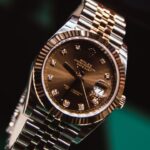
- 1. Rolex: Robust, Precisely Regulated In-House Calibers
- 2. Patek Philippe: Haute Horlogerie and Refined Finishing
- 3. Jaeger-LeCoultre: A Deep Legacy of Movement Making
- 4. A. Lange & Söhne: German Engineering and Hand-Finished Calibers
- 5. Omega: Co-Axial Escapements and Master Chronometer Testing
- 6. Grand Seiko: Precision Spring Drive and 9F Quartz
- 7. Zenith: High-Frequency El Primero Chronographs
- 8. Citizen: Eco-Drive and the Caliber 010
- 9. Seiko: In-House Movements Across Every Tier
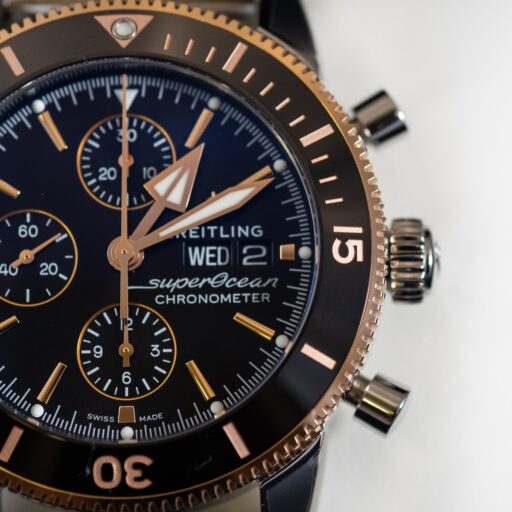
- 10. Breitling: COSC-Certified Chronometers and SuperQuartz
- 11. Tudor: Dependable, Modern Manufacture Calibers
- 12. Vacheron Constantin: Traditional Craft and Complicated Movements
- 13. Audemars Piguet: High-End Movement Design and Finishing
- 14. IWC Schaffhausen: Purpose-Built Calibers and Engineering
- 15. Hamilton: Reliable Swiss Movements at Accessible Levels
- 🔬 Standout Watch Movements Worth Knowing
- Citizen Caliber 010: Exceptional Quartz Accuracy
- Zenith Defy Lab: A New Approach to the Oscillator
- Breitling SuperQuartz: Thermocompensated Precision
- Grand Seiko 9F Quartz: High-End Quartz Craftsmanship
- ETA Movements: Proven Swiss Calibers and Thermocompensation
- Omega Co-Axial Master Chronometer Calibers
- Rolex Perpetual Calibers: Built for Daily Reliability
- ⚙️ In-House vs. Third-Party Watch Movements
- What “In-House” Really Means
- Why Brands Use Sellita, ETA, and Other Suppliers
- Does an In-House Movement Mean Better Quality?
- 🎯 How to Compare Watch Movement Quality
- Accuracy Ratings, COSC Certification, and METAS Testing
- Power Reserve, Beat Rate, and Winding Efficiency
- Shock Resistance, Anti-Magnetism, and Water Resistance
- Movement Finishing and Decoration
- Maintenance, Parts Availability, and Long-Term Service
- 📈 What Affects Watch Movement Accuracy and Longevity?
- 💰 Best Watch Brands for High-Quality Movements Under $500
- 🧭 Choosing the Right Movement for Your Needs
- Best Movements for Everyday Wear
- Best Movements for Accuracy
- Best Movements for Collectors and Complications
- Best Low-Maintenance and Long-Life Options
- 🛠️ Watch Movement Care and Servicing Tips
- Conclusion
- Recommended Links
- FAQ
- Reference Links
⚡ Quick Tips and Facts
The short answer to “Which watch brands are known for their high-quality movements?” includes Rolex, Omega, Grand Seiko, Seiko, Citizen, Zenith, Jaeger-LeCoultre, Patek Philippe, A. Lange & Söhne, and Nomos Glashütte. But “high quality” can mean exceptional accuracy, robust construction, fine finishing, easy servicing, or thoughtful engineering—and those qualities don’t always arrive together.
If you’re also weighing reputation, value, and everyday usability, our guide to what are the best brand of watch? is a useful companion.
| What matters most to you | Brands and movement families to investigate |
|---|---|
| Mechanical precision and testing | Omega Master Chronometer, Rolex Superlative Chronometer, Grand Seiko 9S |
| Quartz accuracy | Citizen, Grand Seiko 9F, Breitling SuperQuartz, Casio |
| Innovative hybrid engineering | Grand Seiko Spring Drive |
| High-end hand finishing | A. Lange & Söhne, Patek Philippe, Vacheron Constantin |
| Reliable everyday mechanics | Seiko, Tudor, Hamilton, Citizen, Rolex |
| Widely serviceable third-party calibers | ETA, Sellita, Miyota |
A few useful facts before we get into the gears:
- Quartz is generally more accurate than mechanical timekeeping, while mechanical watches offer a different kind of appeal: intricate, spring-powered engineering. As watch writer Teddy Baldassarre puts it, quartz watches remain “vastly more accurate than mechanical ones.” Read his accuracy overview.
- “In-house” is not a quality grade. A well-regulated Sellita or Miyota movement can make excellent sense; a proprietary caliber may offer special engineering but cost more to service.
- Certification is useful, not magical. COSC tests movements against defined accuracy criteria; METAS adds tests for the completed watch, including magnetic resistance and performance in different positions. COSC · METAS Master Chronometer
- The first featured video makes a helpful distinction between quartz, manual, and automatic movements. Its “engine” analogy is spot-on; its broad claim that quartz watches are usually not built to last needs nuance. A serviceable quartz watch can run for decades, although battery changes and electronic-component availability matter.
- A smooth seconds hand doesn’t prove superior accuracy. It mostly reflects a movement’s beat rate or display design.
✅ Our quick recommendation: For an all-round mechanical watch, start with Rolex, Omega, Tudor, Grand Seiko, or Seiko, depending on your priorities. For precision above all, consider Citizen, Grand Seiko quartz, Breitling SuperQuartz, or Casio. For movement artistry, look to the high-end Swiss and German makers.
⌚ What Makes a Watch Movement High-Quality?
A movement is the mechanism that keeps time and powers a watch’s functions. The best one for you isn’t necessarily the most complicated or the most expensive. We look at how well it performs its intended job—and how practical it is to own.
Mechanical, Automatic, and Quartz Movements Explained
| Movement type | How it works | Advantages | Trade-offs |
|---|---|---|---|
| Manual mechanical | Turning the crown winds a mainspring, which releases energy through gears and an escapement | Direct, traditional interaction; often slimmer than an automatic counterpart | Needs regular hand-winding; accuracy varies by caliber and regulation |
| Automatic mechanical | A rotor winds the mainspring as the wearer moves | Convenient for frequent wear; retains mechanical construction | Can be thicker; still needs winding if left unworn |
| Quartz | A battery powers an electronic circuit that vibrates a quartz crystal and drives the hands | Usually highly accurate, low-maintenance, and practical | Battery or capacitor replacement; electronic parts may complicate long-term repair |
| Solar quartz | Light charges a rechargeable cell that powers a quartz movement | Long intervals between power-cell changes; convenient daily wear | Needs light exposure; rechargeable cell eventually ages |
| Spring Drive | A mainspring supplies energy, while an electronic regulator controls the glide wheel | Mechanical power source with highly precise electronic regulation and a distinctive seconds-hand glide | Specialized technology and service requirements |
The featured video explains the basic energy paths clearly: a manual watch stores energy in a wound spring, an automatic adds a rotor to wind that spring, and quartz uses a battery-powered crystal oscillator. One detail worth clarifying: mechanical watches do not all beat at the same rate. Many common calibers run at 28,800 vibrations per hour, or eight beats per second, but lower and higher rates exist.
Accuracy, Reliability, Finishing, and Serviceability
We judge movement quality across several dimensions:
- Accuracy: How much time the watch gains or loses under specified conditions.
- Reliability: Whether it continues working consistently through normal wear.
- Durability: How well it handles shocks, magnetism, temperature changes, and everyday use.
- Finishing: The quality of visible decoration and craftsmanship. Beautiful finishing can be a pleasure, but it doesn’t automatically make a watch more accurate.
- Serviceability: Whether trained watchmakers can obtain parts and maintain the movement over time.
- Power reserve: How long a mechanical watch runs after being fully wound.
- Suitability: Whether the caliber’s size, complications, and maintenance needs fit the watch and its owner.
A robust movement with widely available parts may be a smarter daily companion than a rare, exquisite caliber that requires specialist service. For more practical buying advice, browse our guide to buying watches.
🕰️ A Brief History of Fine Watch Movements

The story of high-quality movements isn’t a simple march from “old and handmade” to “new and electronic.” Watchmaking has advanced along several tracks: precision regulation, rugged mass production, miniaturization, and increasingly inventive ways to measure time.
Swiss makers such as ETA developed movement families used across many brands, while specialist suppliers—including Sellita, Soprod, and Vaucher—helped power watches at different levels of the market. Japan reshaped the industry with Seiko’s quartz technology and later built a formidable range of mechanical, solar, and high-accuracy quartz calibers. Germany developed its own distinctive tradition, especially in Glashütte, with makers such as A. Lange & Söhne, Glashütte Original, and Nomos.
The so-called quartz crisis changed what consumers expected from accuracy and convenience. Quartz did not make mechanical watches obsolete; it gave buyers another strong option. Today, brands such as Grand Seiko demonstrate that the categories can overlap: Spring Drive uses a mainspring as its energy source and electronic regulation to control timekeeping. Grand Seiko explains Spring Drive.
That history also explains why a movement’s origin alone can mislead. A caliber’s design, execution, testing, regulation, and service support all matter. A respected manufacturer can make movements for several brands, while a brand may use both proprietary and supplier-made calibers.
🏆 15 Watch Brands Known for High-Quality Movements
These brands earn their place for different reasons. Some excel at precision; others at finishing, durability, or movement development. We’re not pretending a hand-finished haute horlogerie caliber and a rugged Japanese solar movement solve the same problem. They don’t—and that’s exactly why this list is useful.
| Brand | Movement strengths | Best suited to |
|---|---|---|
| Rolex | Durable in-house automatic calibers, strict regulation | Everyday luxury and long-term ownership |
| Patek Philippe | Complicated calibers and refined finishing | Collectors and traditional haute horlogerie |
| Jaeger-LeCoultre | Broad manufacture expertise and technical variety | Movement history and complications |
| A. Lange & Söhne | Hand-finished German manufacture calibers | High-end movement craftsmanship |
| Omega | Co-Axial technology, Master Chronometer testing | Precision-focused daily and sports watches |
| Grand Seiko | Spring Drive, 9F quartz, and 9S mechanical families | Precision and careful execution |
| Zenith | High-frequency El Primero chronographs | Chronograph enthusiasts |
| Citizen | Solar Eco-Drive and high-accuracy quartz technology | Practical, low-maintenance accuracy |
| Seiko | Broad in-house mechanical, quartz, and solar range | Reliable options across many watch styles |
| Breitling | COSC-certified chronometers and SuperQuartz | Precision-minded aviation and sports-watch fans |
| Tudor | Modern manufacture calibers and COSC-tested models | Robust mechanical value |
| Vacheron Constantin | Traditional finishing and complex calibers | High-end collectors |
| Audemars Piguet | Distinctive high-end caliber development | Luxury sports-watch collectors |
| IWC Schaffhausen | Purpose-built calibers and practical engineering | Technical designs and complications |
| Hamilton | Dependable Swiss movements and strong everyday utility | Accessible mechanical watches |
1. Rolex: Robust, Precisely Regulated In-House Calibers
Rolex is a natural pick for dependable automatic movements. Its current calibers are designed for daily use, with features such as automatic winding, a Parachrom hairspring in many models, and the brand’s own Superlative Chronometer designation. Rolex describes its watches as tested to −2/+2 seconds per day after casing—a standard that applies to the finished watch rather than just the movement. Rolex Superlative Chronometer.
Why we like it: Rolex prioritizes consistency, durability, and practical ownership. Its movements are not usually showy through a display back, but they’re built to work.
Consider: A strong reputation doesn’t remove the need for periodic servicing. And the brand’s proprietary ecosystem can limit independent access to certain parts or repair procedures.
- Strengths: Robust construction, strong regulation, broad model support.
- Trade-offs: Less emphasis on visible movement decoration; servicing can be brand-specific.
2. Patek Philippe: Haute Horlogerie and Refined Finishing
Patek Philippe is known for finely finished movements and technically ambitious complications, including perpetual calendars, chronographs, and minute repeaters. Its Patek Philippe Seal sets standards for the finished watch, including precision and finishing. Patek Philippe Seal.
A Patek caliber is not simply a timekeeping component; it can be a showcase of careful construction and finishing. That matters to collectors who enjoy looking through a caseback and studying the work. It matters less if you want a no-fuss watch to wear while fixing a bicycle.
Strengths: High craftsmanship, complicated watchmaking, strong identity.
Trade-offs: Complexity can mean more involved servicing, and the movement’s artistry comes with expectations of careful ownership.
Patek Philippe Official Website
3. Jaeger-LeCoultre: A Deep Legacy of Movement Making
Jaeger-LeCoultre has a long history of producing movements and complications, including the iconic Reverso’s many variations. The brand offers everything from comparatively simple automatic calibers to highly complex mechanisms. That breadth makes it a particularly interesting name for people who enjoy watchmaking itself, rather than just a logo on the dial.
Our perspective: JLC’s strength is range. It has the technical depth to make serious complications, while its classic models remain wearable.
Trade-offs: As with any complex or proprietary caliber, ask about service intervals, support, and authorized repair options before buying.
Jaeger-LeCoultre movements and watchmaking
4. A. Lange & Söhne: German Engineering and Hand-Finished Calibers
A. Lange & Söhne’s movements are celebrated for their German-silver components, distinctive three-quarter plates, and meticulous finishing. The brand’s Lange 1 is a memorable example of a watch whose dial design and movement architecture feel connected rather than assembled from unrelated ideas.
The appeal is tactile and visual: beveled edges, carefully treated surfaces, and a strong sense of mechanical order. These are not merely decorative touches, though they don’t make the watch immune to the realities of maintenance.
Strengths: Exceptional finishing, strong technical identity, impressive manufacture work.
Trade-offs: Specialist craftsmanship generally means specialist service and a more demanding ownership proposition.
A. Lange & Söhne Official Website
5. Omega: Co-Axial Escapements and Master Chronometer Testing
Omega’s Co-Axial escapement is intended to reduce sliding friction in the escapement, while its Master Chronometer program tests complete watches for precision, performance, and resistance to magnetic fields. The METAS process includes testing at 15,000 gauss of magnetic exposure. METAS certification overview.
This makes Omega a compelling choice for people who want modern mechanical technology with robust testing. Its current movement families include calibers used in Seamaster, Speedmaster, and Constellation models.
Strengths: Strong anti-magnetic performance in certified models, thoughtful mechanical engineering, clear testing standards.
Trade-offs: Not every Omega has the same caliber or certification, so check the reference rather than assuming the badge tells the whole story.
Omega Master Chronometer information
6. Grand Seiko: Precision Spring Drive and 9F Quartz
Grand Seiko is unusual in the best possible way: it has serious mechanical, quartz, and Spring Drive offerings. Its 9F quartz family is designed specifically for high-end watchmaking, while Spring Drive pairs mechanical energy with electronic regulation. The brand’s mechanical 9S calibers offer another route for traditional watch fans. Grand Seiko movement overview.
Why enthusiasts care: Grand Seiko doesn’t treat quartz as a disposable afterthought. The brand focuses on precision, legibility, and finishing across different movement types.
Trade-offs: Spring Drive is not a conventional mechanical escapement, and its specialized architecture may not appeal to purists who want a traditional ticking balance.
7. Zenith: High-Frequency El Primero Chronographs
Zenith’s El Primero is famous for its high-frequency automatic chronograph design, operating at 36,000 vibrations per hour in well-known versions. That high beat rate allows the chronograph to measure short intervals at a finer resolution than many lower-frequency designs. Zenith El Primero history and movement information.
High frequency is a technical choice, not a blanket guarantee of superior real-world accuracy. It can bring benefits, but the movement still needs good construction, regulation, and maintenance.
Strengths: A landmark automatic chronograph lineage and distinctive technical character.
Trade-offs: Chronographs are more complex than simple time-only watches and can require more involved servicing.
8. Citizen: Eco-Drive and the Caliber 010
Citizen is best known for Eco-Drive, which converts light into power and stores energy in a rechargeable cell. That means many owners can avoid routine battery replacement. Citizen’s Caliber 010 is a high-accuracy quartz movement rated by the brand to ±1 second per year. Citizen Caliber 010.
Our take: Citizen proves that movement quality doesn’t have to mean visible gears. For daily wear, solar convenience and strong accuracy are serious virtues.
Trade-offs: Eco-Drive watches still depend on an aging rechargeable cell, and repairs to specialized electronics may be less straightforward than basic mechanical servicing.
9. Seiko: In-House Movements Across Every Tier
Seiko makes movements for watches across a remarkably broad range, from practical quartz and solar calibers to mechanical and Spring Drive technology within the wider Seiko group. The Seiko 5 family is a popular entry point to automatic ownership, while higher-end Seiko and Grand Seiko models showcase more specialized engineering.
Strengths: Extensive experience, broad movement selection, and a strong reputation for practical watches.
Trade-offs: Seiko’s movement families vary considerably. Don’t assume every caliber has the same accuracy rating, finishing, or feature set.
For accessible everyday options, explore our affordable watches category.
10. Breitling: COSC-Certified Chronometers and SuperQuartz
Breitling has long emphasized chronometer-certified models. Its SuperQuartz movements use thermocompensation to improve quartz accuracy as temperatures change. The technology is a particularly compelling choice if you like the accuracy and convenience of quartz but want something more specialized than a basic battery-powered caliber.
Strengths: Strong precision focus, capable chronograph movements, and a clear connection to aviation timekeeping.
Trade-offs: “SuperQuartz” is a technology family, not a promise that every Breitling uses the same movement. Check the specific model and its certification.
11. Tudor: Dependable, Modern Manufacture Calibers
Tudor’s manufacture calibers, developed with movement expertise from Kenissi, offer modern power reserves and robust construction in several collections. Some models are COSC-certified, but certification varies by watch and caliber. Tudor manufacture calibers.
Why it works for many owners: Tudor combines a practical, tool-watch sensibility with current movement development. It’s often a compelling choice if you want a capable mechanical watch without prioritizing elaborate movement decoration.
Trade-offs: Model references differ, so verify the movement and stated performance for the exact watch.
12. Vacheron Constantin: Traditional Craft and Complicated Movements
Vacheron Constantin is among the most storied Swiss watchmakers, with a focus on high-end movement craftsmanship and complications. Its calibers are made for collectors who value traditional techniques, beautiful finishing, and refined construction.
Strengths: High-level movement finishing, ambitious complications, and a deep history of watchmaking.
Trade-offs: These are specialist luxury watches. Ownership, servicing, and practical wear all require more thought than with a simple everyday caliber.
Vacheron Constantin Official Website
13. Audemars Piguet: High-End Movement Design and Finishing
Audemars Piguet develops movements for watches ranging from time-only models to complicated pieces, with particular recognition for the Royal Oak and Royal Oak Offshore families. The brand’s current collection includes manufacture calibers with technical and decorative approaches suited to high-end watchmaking. Audemars Piguet watchmaking.
Strengths: Distinctive design, high-end finishing, and serious complications.
Trade-offs: The appeal and ownership proposition are strongly tied to the luxury sports-watch market; a beautifully finished movement is not necessarily the best fit for rough daily use.
Audemars Piguet Official Website
14. IWC Schaffhausen: Purpose-Built Calibers and Engineering
IWC’s movement story is tied to functional design: pilot’s watches, chronographs, and complicated models all have different engineering demands. The brand uses both manufacture calibers and movements sourced from specialist makers across its range, so the precise caliber is worth checking by reference.
Strengths: Practical model design, a history of technical watchmaking, and a varied movement portfolio.
Trade-offs: Don’t infer movement origin from the brand name alone. Some references use proprietary calibers; others use supplier movements.
15. Hamilton: Reliable Swiss Movements at Accessible Levels
Hamilton offers a practical introduction to Swiss mechanical watches, with automatic models using movements from the Swatch Group’s broader movement ecosystem. The brand’s H-10 family is known for an extended power reserve in many models, while quartz options suit buyers who want straightforward convenience.
Strengths: Everyday usability, recognizable designs, and movement options that make mechanical ownership approachable.
Trade-offs: Specifications vary by collection and reference; confirm the movement rather than assuming every Hamilton shares the same reserve or features.
🔬 Standout Watch Movements Worth Knowing
A brand name gives you a starting point. The caliber tells you what’s actually inside the watch. Here are movement families that illustrate why the details matter.
| Movement | Type | What stands out | Key caveat |
|---|---|---|---|
| Citizen Caliber 010 | High-accuracy quartz | Brand-rated ±1 second per year | Specialized quartz service |
| Zenith El Primero | Automatic chronograph | High-frequency 36,000 vph versions | Chronograph complexity |
| Breitling SuperQuartz | Thermocompensated quartz | Designed to improve accuracy across temperatures | Model specifications differ |
| Grand Seiko 9F | High-end quartz | Carefully developed quartz construction | Not the same experience as mechanical watchmaking |
| ETA 2824 / Sellita SW200 family | Automatic | Familiar, widely used architecture | Exact grade and regulation vary |
| Miyota 9015 | Automatic | Slim Japanese caliber used by multiple brands | Configuration and adjustment differ by watch |
| Grand Seiko Spring Drive | Mainspring-powered, electronic regulation | Smooth glide and precise regulation | Distinct from a traditional escapement |
Citizen Caliber 010: Exceptional Quartz Accuracy
Citizen rates Caliber 010 to ±1 second per year, a remarkable target for a wristwatch movement. That is far beyond the everyday accuracy of most mechanical watches, though performance still depends on use and condition. Citizen Caliber 010 specifications.
This is a strong option for someone who wants a precision instrument rather than a watch that needs regular adjustment. The compromise is the same as with many advanced quartz movements: if specialized components fail, repair may depend on the brand’s support network.
Zenith Defy Lab: A New Approach to the Oscillator
The Defy Lab became notable for its monolithic silicon oscillator, a departure from the conventional balance-and-hairspring assembly. Zenith’s experimental design aimed to reduce sensitivity to position, temperature, and magnetic effects. Zenith Defy Lab information.
It is best understood as a significant technical experiment, not a movement family that defines every current Zenith watch. The lesson is broader: watchmaking innovation sometimes comes from changing the architecture, not merely polishing the old one more brightly.
Breitling SuperQuartz: Thermocompensated Precision
Quartz crystals can shift frequency as temperature changes. Thermocompensated quartz uses electronics to account for that change, improving accuracy compared with many standard quartz movements. Breitling uses the SuperQuartz name for high-performance quartz calibers in selected models.
That makes SuperQuartz attractive for people who value precision, low day-to-day maintenance, and a serious sports-watch specification. It remains quartz, though, so the hands and battery-powered electronics—not a mainspring—provide the timekeeping.
Grand Seiko 9F Quartz: High-End Quartz Craftsmanship
The Grand Seiko 9F family shows how much engineering can go into quartz. Grand Seiko highlights features such as a Twin Pulse Control Motor and a backlash auto-adjust mechanism in its 9F designs. Grand Seiko 9F movement details.
Our enthusiast take: A 9F is for people who want quartz accuracy without the feeling that quartz must be cheap or disposable. It’s a refreshing antidote to the “battery watch equals boring” assumption.
ETA Movements: Proven Swiss Calibers and Thermocompensation
ETA makes mechanical and quartz movements for the Swatch Group and a range of applications. Calibers such as the 2824 and 2892 have become familiar reference points in discussions of Swiss automatic movements, while the Valjoux 7750 is a well-known chronograph architecture. ETA movement catalog.
Claims that ETA simply stopped supplying all outside brands in 2019 are too broad. Availability depends on caliber, customer, production arrangements, and market conditions. Watch brands have also diversified toward Sellita and other suppliers, which can make the overall picture look like a single cutoff when it is not.
Omega Co-Axial Master Chronometer Calibers
Omega combines Co-Axial escapement technology with METAS testing in certified Master Chronometer models. The certification evaluates the finished watch, including exposure to strong magnetic fields. METAS certification standards.
The key distinction: not every Omega is a Master Chronometer, and “Co-Axial” alone does not tell you the full accuracy specification. Check the exact model’s movement and testing status.
Rolex Perpetual Calibers: Built for Daily Reliability
Rolex’s automatic calibers prioritize dependable winding and consistent timekeeping. The brand’s Superlative Chronometer standard sets a stricter accuracy target for completed watches than the COSC movement test alone. Rolex movement and chronometer standards.
That doesn’t mean every watch will perform identically on every wrist. Activity, position, magnetism, knocks, and service condition still matter. A certification is a strong starting point—not a force field.
⚙️ In-House vs. Third-Party Watch Movements
“In-house” sounds like a gold star. Sometimes it signals real technical distinction; sometimes it mainly describes who makes the movement. The label alone cannot tell you how well a watch keeps time or how easy it will be to service.
What “In-House” Really Means
There is no single universal definition used consistently by every watch brand. A brand may design a movement but rely on outside partners for components or assembly. Another may manufacture most parts itself but use specialist suppliers for hairsprings, jewels, or escapement components.
When a brand calls a caliber in-house, ask:
- Who designed the caliber?
- Where are components made?
- Who assembles and regulates it?
- Is the movement exclusive to the brand?
- Are parts and servicing available long-term?
A proprietary movement can bring useful advantages: a special complication, a thinner profile, improved magnetic resistance, or a longer power reserve. It can also make repairs more brand-dependent.
Why Brands Use Sellita, ETA, and Other Suppliers
Movement suppliers let watch brands focus on cases, dials, design, and quality control without developing every caliber from scratch. Swiss suppliers include ETA, Sellita, Soprod, Vaucher, and Ronda; Japanese makers include Miyota, Seiko, and Citizen. Their products range from basic quartz to refined mechanical and high-end movements.
A supplier movement is not automatically a shortcut. Well-established calibers can be dependable and easier for independent watchmakers to service. Sellita’s SW200 family, for example, is commonly compared with the ETA 2824 architecture, but a specific watch’s grade, regulation, and assembly quality still matter.
For a broader survey of movement manufacturers, see A Guide to Watch Movement Manufacturers. Its broad map of Swiss, Japanese, German, and Chinese producers is useful, but individual claims about brand usage and supply arrangements should be checked against manufacturers’ current specifications.
Does an In-House Movement Mean Better Quality?
Not by itself. “In-house” describes a production relationship, not an objective quality score. A supplier-made caliber can be more practical than a proprietary movement if it is accurately regulated, durable, supported, and easy to maintain.
| Consideration | In-house movement | Supplier movement |
|---|---|---|
| Design control | Often gives the brand more control | May use an established standard architecture |
| Technical identity | Can enable distinctive features | May be shared across brands |
| Service access | May require brand-trained specialists | Often more familiar to independent watchmakers |
| Parts availability | Depends on brand policy | Can be strong for common calibers |
| Quality verdict | Depends on execution | Depends on execution |
Our rule: compare the movement’s real specifications, service plan, and performance—not the marketing label alone.
🎯 How to Compare Watch Movement Quality
Use the checklist below when comparing two watches. It helps separate meaningful specifications from attractive-sounding jargon.
Accuracy Ratings, COSC Certification, and METAS Testing
- COSC tests the uncased movement over several days and positions under controlled conditions. Its mechanical chronometer standard allows an average daily rate between −4 and +6 seconds per day. COSC standards.
- METAS Master Chronometer tests the completed watch across multiple criteria, including magnetic resistance and performance. METAS overview.
- Rolex Superlative Chronometer is the brand’s own post-casing standard, which Rolex states as −2/+2 seconds per day. Rolex standard.
- Manufacturer accuracy claims differ. Compare the stated test conditions and whether the figure applies to a bare movement or a complete watch.
A certification is valuable evidence, but it does not guarantee that an older, magnetized, damaged, or poorly maintained watch still meets the same standard.
Power Reserve, Beat Rate, and Winding Efficiency
| Specification | What it tells you | What it doesn’t tell you |
|---|---|---|
| Power reserve | How long a fully wound mechanical watch can run | Whether it keeps excellent time throughout that reserve |
| Beat rate | How frequently the balance oscillates | Whether the movement is automatically more accurate |
| Winding system | How the mainspring is replenished | Whether your daily activity is enough to keep it fully wound |
| Rotor direction | Whether the rotor winds in one or both directions | How efficiently it winds in your specific wearing routine |
A higher beat rate can support finer chronograph measurement and a smoother-looking seconds hand, but it can also increase energy demands. Power reserve is similarly practical, not a quality crown: a shorter reserve may still be perfectly suitable if you wear the watch daily.
Shock Resistance, Anti-Magnetism, and Water Resistance
- Shock protection: Look for the movement’s shock-protection design and the watch’s intended use. A rugged case helps, but no mechanical watch is indestructible.
- Anti-magnetism: Magnetic fields from speakers, bags, phones, clasps, and appliances can affect some mechanical movements. METAS-certified watches are tested against strong magnetic exposure; Rolex uses a Parachrom hairspring in many models.
- Water resistance: This is a property of the complete watch—case, crown, seals, and crystal—not just its movement. Check the manufacturer’s water-resistance guidance and service recommendations.
If a mechanical watch suddenly runs unusually fast, magnetism is one possible cause. A watchmaker can test and demagnetize it quickly in many cases—but don’t assume every timing issue has the same fix.
Movement Finishing and Decoration
Finishing can include perlage, striping, polished screw heads, beveled edges, and decorated bridges. High-end makers often devote extensive handwork to these surfaces.
✅ Finishing is meaningful when you value craftsmanship and visual pleasure.
❌ It is not a substitute for performance data.
A beautifully beveled bridge does not automatically make a watch more accurate, just as a plain movement is not automatically inferior. Judge finishing as a craft feature, then assess timekeeping and serviceability separately.
Maintenance, Parts Availability, and Long-Term Service
Before buying, find out:
- Who can service the watch? Manufacturer, authorized service center, or qualified independent watchmaker?
- Are parts available? Proprietary calibers can have restrictions.
- What does the brand recommend? Service intervals vary by movement, environment, and use.
- What happens if electronics fail? This matters particularly for specialized quartz and hybrid designs.
- Does the watch have service history? Especially important for pre-owned mechanical watches.
For long-term ownership, a movement that is easy to maintain can be a better choice than a more prestigious caliber with uncertain support. Explore our luxury watch brands and men’s watches categories for more buying context.
📈 What Affects Watch Movement Accuracy and Longevity?
A watch’s advertised specification is only part of the story. Real-world performance depends on condition, environment, and how the watch is used.
| Factor | Possible effect | What you can do |
|---|---|---|
| Magnetism | Can disrupt some mechanical watches’ rate | Keep watches away from strong magnetic sources; have suspected magnetism checked |
| Position | Mechanical watches may run differently dial-up, crown-up, or in other positions | Compare timing over several days in normal wear |
| Temperature | Can affect lubricants, materials, and quartz frequency | Avoid prolonged extreme heat or cold |
| Shock | May disturb regulation or damage components | Remove delicate mechanical watches for high-impact activity |
| Winding | Low power or inconsistent winding can affect behavior | Wind according to the brand’s guidance |
| Age and lubrication | Dried or degraded lubricants can increase wear | Follow appropriate service guidance |
| Moisture and dust | Can damage the movement if seals fail | Check gaskets and water resistance periodically |
Mechanical accuracy is best assessed over several days, not after one glance at the time. Set the watch against a reliable reference, wear it as usual, and record the difference at the same time each day. If the rate changes suddenly, the watch stops unexpectedly, or moisture appears under the crystal, arrange professional inspection.
Anecdotally, many of us have experienced the “mystery fast watch” that turns out to have spent a week next to a magnetic clasp or desk accessory. It’s a small reminder that even an excellent movement lives in the real world, not a laboratory.
💰 Best Watch Brands for High-Quality Movements Under $500
A lower budget does not mean settling for a poor movement. It means choosing carefully and prioritizing reliability, value, and easy ownership over exotic finishing. We’re not listing prices here; availability and prices change, so compare current models through reputable retailers.
| Brand | Movement options to look for | Why it’s worth considering | Check before buying |
|---|---|---|---|
| Seiko | Automatic, quartz, solar | Broad selection and established movement expertise | Exact caliber and stated accuracy |
| Citizen | Eco-Drive, quartz, automatic | Solar convenience and practical technology | Rechargeable cell support and model features |
| Casio | Quartz, solar, digital | Dependable, low-maintenance timekeeping | Whether the model’s features suit your needs |
| Orient | In-house automatic models | Mechanical watches with strong everyday appeal | Movement specification and service access |
| Timex | Quartz and select mechanical models | Straightforward, practical designs | Specific movement and water-resistance rating |
| Swatch | Quartz and automatic collections | Distinctive designs and accessible ownership | Case construction and serviceability |
| Hamilton | Quartz and mechanical options | Swiss-brand mechanical choices and useful designs | Exact caliber and maintenance expectations |
Our recommendations by priority:
- Most practical: Citizen Eco-Drive or Casio solar quartz.
- For learning mechanical ownership: Seiko or Orient automatic models.
- For a simple daily quartz watch: Casio, Citizen, Timex, or Swatch.
- For an accessible Swiss mechanical option: Look at Hamilton models and compare the exact caliber.
Anecdotal buyer feedback often praises Seiko and Citizen for being easy to wear and dependable, while owners of budget automatics sometimes mention greater variation in daily accuracy than they expected. That’s normal: a mechanical watch can be reliable without matching the precision of quartz. For more choices, visit our affordable watches section.
🧭 Choosing the Right Movement for Your Needs
The best movement is the one whose strengths match your habits. Ask yourself three questions:
- Do you want maximum convenience or mechanical interaction?
- Does accuracy matter more than traditional watchmaking?
- Are you comfortable with specialist servicing, or do you want common parts and easy maintenance?
Best Movements for Everyday Wear
For a watch you can pick up and wear without much thought, consider:
- Solar quartz: Citizen Eco-Drive or Casio Tough Solar.
- Practical automatic: Rolex, Tudor, Seiko, Hamilton, or selected Omega models.
- Work-and-travel watch: A durable model with useful anti-magnetic and water-resistance specifications.
If you rotate among several watches, remember that an automatic may stop while it sits unworn. A quartz or solar model can be more convenient when you want to grab a watch and leave.
Best Movements for Accuracy
For accuracy-first buyers, quartz is the sensible place to start. Citizen Caliber 010, Grand Seiko 9F, and Breitling SuperQuartz are notable options; high-end Casio models also offer useful features and precise quartz timekeeping.
If you prefer a mechanical watch, look for a clearly stated performance standard: METAS Master Chronometer, COSC certification, or a brand’s documented accuracy target. Mechanical accuracy is impressive, but it remains a different league of precision from the most accurate quartz technology.
Best Movements for Collectors and Complications
Collectors who enjoy mechanical architecture may gravitate toward:
- Chronographs: Zenith El Primero, Omega, Breitling, and other established chronograph makers.
- Perpetual calendars and repeaters: Patek Philippe, Vacheron Constantin, Jaeger-LeCoultre, and A. Lange & Söhne.
- Distinctive regulation: Grand Seiko Spring Drive.
- Traditional finishing: A. Lange & Söhne, Patek Philippe, Vacheron Constantin, and select Jaeger-LeCoultre models.
The more complications a movement contains, the more there is to admire—and the more important it becomes to understand servicing and careful use.
Best Low-Maintenance and Long-Life Options
For a watch that asks little of you:
- Choose solar quartz if you wear it regularly and can expose it to light.
- Choose standard quartz if you prefer simple, reliable timekeeping and don’t mind occasional battery service.
- Choose a common mechanical caliber if you value mechanical construction and want a movement familiar to experienced watchmakers.
- Choose a proprietary caliber when its special technology genuinely matters to you—and confirm service support first.
For style-led options and wearable trends, see our fashion trends in watches category. Style may get the first glance; the movement determines what happens after the honeymoon.
🛠️ Watch Movement Care and Servicing Tips
Good care is mostly simple and consistent. It won’t turn a movement into a different caliber, but it can help prevent avoidable problems.
Mechanical watch care
- Wind it gently. Follow the brand’s instructions and stop if the crown feels unusually resistant.
- Set complications carefully. Many watches have restricted periods for changing the date or calendar; check the manual first.
- Avoid strong impacts. Even sport watches have limits.
- Watch for magnetism. A sudden rate change is worth investigating.
- Service it when needed. Don’t rely one universal interval; manufacturer recommendations and watch condition differ.
- Keep water resistance current. Seals age, especially if the watch is frequently exposed to water.
Quartz and solar watch care
- Replace batteries or rechargeable cells through a competent service provider.
- Keep solar watches exposed to suitable light rather than storing them in darkness for long periods.
- If a quartz watch stops, leaks, or shows condensation, address it promptly.
- Ask whether the movement is repairable or typically replaced as a module.
A watch’s service history can be as valuable as its brand name when buying pre-owned. If the seller cannot provide documentation, budget time for an independent inspection before treating the watch as ready for daily wear.