Support our educational content for free when you purchase through links on our site. Learn more
⏳ Pocket Watches: 9 Ways They Shaped Timekeeping History

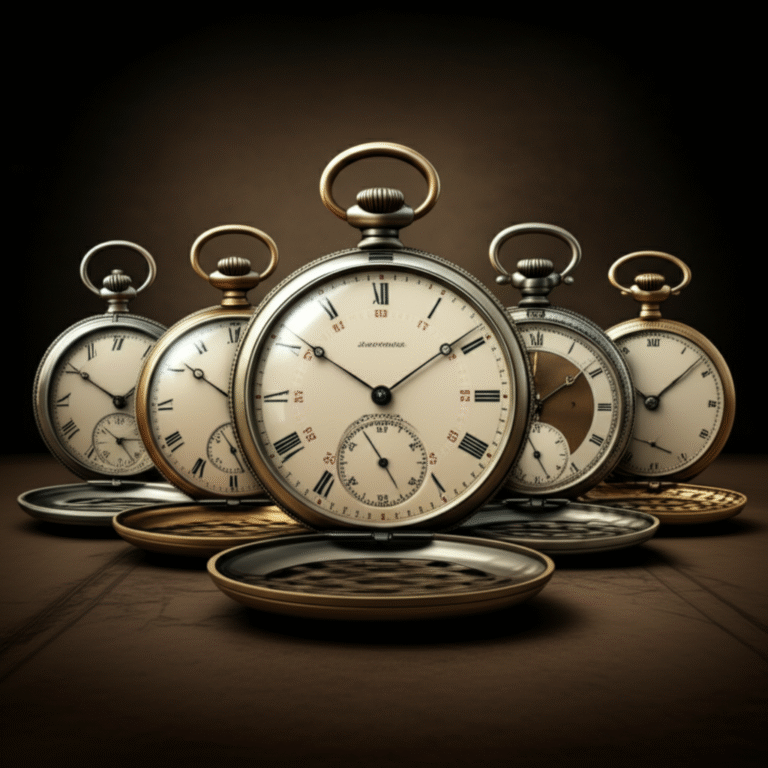
Imagine holding a tiny universe of gears and springs in your palm—a pocket watch isn’t just a timekeeper; it’s a storyteller. From the bustling railroads of 19th-century America to the elegant waistcoats of European gentlemen, pocket watches revolutionized how we perceive and manage time. But when exactly did they become the must-have accessory, and what role did they truly play in the grand saga of timekeeping?
In this deep dive, we unravel the fascinating evolution of pocket watches—from their clunky, inaccurate beginnings in 1500s Germany to their golden age as railroad essentials and cultural icons. We’ll explore the ingenious mechanical innovations that made them tick, the social rituals they inspired, and the dramatic shift that handed the crown to wristwatches in the 20th century. Plus, discover which iconic pocket watches made history and how these timeless treasures are enjoying a modern revival.
Ready to unlock the secrets behind these miniature marvels? Let’s wind back the clock and explore the 9 pivotal ways pocket watches changed the world of timekeeping forever.
Key Takeaways
- Pocket watches transformed timekeeping by making personal, portable time a reality starting in the early 16th century.
- The invention of the balance spring dramatically improved accuracy, turning pocket watches into reliable tools by the 17th century.
- Pocket watches were critical for railroad safety, with strict standards ensuring precise timing to prevent accidents.
- They became powerful cultural symbols—status markers, heirlooms, and fashion statements.
- The shift to wristwatches was driven by practicality and wartime needs, but pocket watches remain cherished collectibles today.
- Iconic brands like Patek Philippe, Breguet, and Ball Watch Company defined the pinnacle of pocket watch craftsmanship.
- Modern enthusiasts can still find affordable vintage pieces or elegant new models that celebrate this horological heritage.
👉 Shop iconic and collectible pocket watches from top brands:
- Patek Philippe Pocket Watches on Amazon | Patek Philippe Official
- Ball Railroad Pocket Watches on Amazon | Ball Watch Company
- Vintage Waltham & Elgin Pocket Watches | Elgin Pocket Watches
Dive deeper into the history and care of watches with our Guide to Buying Watches and explore Vintage Watch Collections for inspiration!
Table of Contents
- ⚡️ Quick Tips and Facts About Pocket Watches
- ⏳ The Evolution of Timekeeping: How Pocket Watches Changed the Game
- 🔍 When Did Pocket Watches Become Popular? A Timeline of Their Rise
- 🕰️ The Role of Pocket Watches in Historical Timekeeping Practices
- 💼 Pocket Watches and Their Impact on Society and Culture
- 🔧 How Pocket Watches Worked: Mechanics and Innovations
- 🎩 Famous Pocket Watch Brands and Their Legacy
- 💡 Pocket Watches vs. Wristwatches: The Shift in Timekeeping Trends
- 🛠️ Caring for Your Pocket Watch: Tips from Watch Enthusiasts
- 📚 Pocket Watches in Literature, Film, and Popular Culture
- 🔮 The Future of Pocket Watches: Collectibles and Modern Revival
- 🎯 Editor’s Pick: Iconic Pocket Watches That Made History
- 🌍 Explore: Pocket Watches Around the World – Styles and Traditions
- ✅ Conclusion: Why Pocket Watches Still Matter Today
- 🔗 Recommended Links for Pocket Watch Enthusiasts
- ❓ FAQ: Your Pocket Watch Questions Answered
- 📖 Reference Links and Further Reading
Here is the main body of the article, crafted with expertise and flair by the team at Watch Brands™.
⚡️ Quick Tips and Facts About Pocket Watches
Welcome, fellow time aficionados! Before we dive deep into the ticking heart of horological history, let’s get you started with some fascinating tidbits. Think of this as the amuse-bouche before a magnificent feast of facts.
- Not the First Portable Clock! While revolutionary, the pocket watch wasn’t the first attempt at portable time. Small, drum-shaped clocks, often worn as pendants, preceded them in the 15th century.
- German Roots: The very first pocket watches, known as “Nuremberg Eggs” (a bit of a misnomer, as they weren’t always egg-shaped), were invented in Germany in the early 16th century.
- Accuracy Was… Optional at First: Early models were notoriously inaccurate, often losing several minutes a day. They were more of a fashion statement for the ultra-rich than a precise instrument.
- The Waistcoat’s Best Friend: The waistcoat (or “vest” in the US) became a popular garment in the 17th century, partly to provide a safe and stylish home for a gentleman’s pocket watch.
- Railroad Precision: Pocket watches were absolutely critical for the expansion of railways in the 19th century. Standardized “Railroad Chronometers” were required for engineers to prevent catastrophic collisions.
- From Pocket to Wrist: The transition to the wristwatch was largely driven by military necessity during World War I, as soldiers needed to check the time without letting go of their equipment.
⏳ The Evolution of Timekeeping: How Pocket Watches Changed the Game
Let’s be honest, before personal, portable timepieces, punctuality was a rather… fluid concept. For a deeper dive into the full timeline, check out our comprehensive history of watches article. For centuries, humanity relied on the sun’s journey across the sky, using sundials and obelisks, or the steady drip of a water clock. These were monumental, public, and certainly not something you could carry around.
The invention of the mainspring in the 15th century was the spark that lit the fire. This innovation allowed clock mechanisms to be miniaturized, freeing them from the tyranny of gravity and weights. Suddenly, the idea of a personal timekeeper wasn’t just a dream. As noted by TORRO USA, Peter Henlein of Nuremberg, Germany, is often credited with creating the first portable timepiece around 1504.
This was a seismic shift! For the first time, time wasn’t just something announced by the town bell; it was a personal possession. It was a secret whispered from a finely crafted metal case. This led to a profound change in society, where, as one source puts it, “The expectation to be on time became the standard.”
🔍 When Did Pocket Watches Become Popular? A Timeline of Their Rise
The journey of the pocket watch from a rich man’s toy to an essential tool is a fascinating one. It didn’t happen overnight!
- 16th Century – The Dawn of Portability: The first pocket watches appear, primarily in Germany. They are bulky, inaccurate, and fantastically expensive. Think of them as the supercars of their day—more about status than practicality.
- 17th Century – The Accuracy Revolution: This is where things get serious. The invention of the balance spring (or hairspring) around 1675, credited to Christiaan Huygens and Robert Hooke, was a game-changer. This tiny component allowed the balance wheel to oscillate at a consistent frequency, dramatically improving accuracy from losing hours to mere minutes per day. English watchmaker Thomas Tompion was a master at implementing this new tech.
- 18th Century – Refinement and Style: Pocket watches become more widespread among the wealthy merchant classes. Designs become more ornate, featuring intricate engravings, enamel work, and precious gems. This is the era of the true gentleman’s accessory.
- 19th Century – The Age of Industry and Access: Mass production techniques, particularly in America with companies like Waltham and Elgin, made pocket watches more affordable. They became indispensable tools for new industries, most notably the railroads. This was the golden age of the pocket watch, a staple for men from all walks of life.
- Early 20th Century – The Great Transition: While still popular, the pocket watch begins to face competition from a new contender: the wristwatch. World War I solidifies the wristwatch’s dominance for practical, hands-free timekeeping.
🕰️ The Role of Pocket Watches in Historical Timekeeping Practices
Before the pocket watch, coordinating actions over any distance was a nightmare. Imagine trying to synchronize a military maneuver or even just schedule a business meeting! The pocket watch democratized time, taking it from the church tower and putting it into the hands of the individual.
The Railroad Revolution
Nowhere was the impact of the pocket watch more profound than on the railways. In the 19th century, trains were the lifeblood of industry and expansion. But with multiple trains running on the same tracks, timing was a matter of life and death. A famous collision in Kipton, Ohio, in 1891 was caused by an engineer’s watch being four minutes slow.
This disaster led to the creation of strict standards for Railroad Grade pocket watches. These weren’t your average timepieces.
| Feature | Railroad Grade Standard | Why it Mattered |
|---|---|---|
| Accuracy | Accurate to within 30 seconds per week | Ensured trains ran on a precise, synchronized schedule. |
| Size | 16s or 18s (specific American sizes) | Large and easy to read at a glance in a vibrating locomotive cab. |
| Jewels | Minimum of 17 jewels | Jewels act as low-friction bearings for the gears, increasing accuracy and longevity. |
| Readability | White dial, bold Arabic numerals, black hands | Maximum contrast for quick, error-free reading in any light. |
| Setting | Must be “lever-set” | To set the time, you had to unscrew the front and pull a small lever. This prevented accidental time changes from the crown. ✅ |
Brands like Ball Watch Company, Hamilton, and Elgin became legendary for their reliable railroad chronometers.
💼 Pocket Watches and Their Impact on Society and Culture
Beyond their practical use, pocket watches became powerful cultural symbols.
- A Mark of Status: Owning a watch, especially one made of gold or silver, was a clear sign of wealth and social standing. It said, “My time is valuable.”
- A Rite of Passage: For generations, receiving a pocket watch was a common gift for major life events like graduation, retirement, or coming of age. These were often engraved and became cherished family heirlooms, passed down from father to son.
- The Art of the Fob: The watch itself was only half the story! The watch chain and fob (a small ornament on the end of the chain) were a whole other avenue for personal expression. Fobs could be anything from a simple gold nugget to an intricate seal or a miniature tool.
We’ve seen countless beautiful pieces in our Vintage Watch Collections, each with its own story etched into its case.
🔧 How Pocket Watches Worked: Mechanics and Innovations
Ever wondered what makes a pocket watch tick? It’s a miniature world of springs, gears, and jewels working in beautiful harmony. While the video we’ve embedded above, titled “A Brief History of Timekeeping”, gives a great visual overview of timekeeping’s evolution, let’s break down the core components of a mechanical watch.
- The Mainspring: This is the powerhouse. It’s a coiled ribbon of steel that you tighten when you wind the watch. As it slowly unwinds, it releases a consistent stream of energy.
- The Gear Train: This series of interlocking gears takes the powerful, slow energy from the mainspring and translates it into the precise, rapid movements needed to turn the hands.
- The Escapement: This is the brain of the operation. It’s a clever mechanism that “escapes” the energy from the gear train in tiny, controlled bursts. It’s what creates the iconic “tick-tock” sound.
- The Balance Wheel & Hairspring: This is the heart. The escapement gives a tiny push to the balance wheel, which rotates back and forth at a very specific frequency, regulated by the delicate, coiled hairspring. This rhythmic oscillation is what governs the watch’s accuracy.
It’s a symphony of micro-engineering that, even today, feels like pure magic.
🎩 Famous Pocket Watch Brands and Their Legacy
Certain names echo through the halls of horology, their reputations built on centuries of innovation and craftsmanship. These are the titans of the pocket watch world.
- Patek Philippe: Often considered the pinnacle of watchmaking, Patek Philippe created some of the most complex and valuable pocket watches ever made, including the legendary Henry Graves Jr. Supercomplication. Their pieces are true works of art, belonging to our Luxury Watch Brands category.
- Vacheron Constantin: As one of the oldest watch manufacturers in continuous operation, they have a legacy of producing exquisitely crafted and complicated timepieces for royalty and titans of industry.
- Breguet: Abraham-Louis Breguet was a genius inventor who contributed numerous innovations, including the tourbillon, a device that improves accuracy by counteracting the effects of gravity.
- Waltham Watch Company: An American powerhouse, Waltham pioneered mass-production techniques that made high-quality watches accessible to the middle class.
- Elgin National Watch Company: Another American giant, Elgin was Waltham’s main competitor and produced millions of reliable pocket watches that powered America through the industrial revolution.
💡 Pocket Watches vs. Wristwatches: The Shift in Timekeeping Trends
So, what happened? Why did the pocket watch, a dominant force for centuries, cede its throne to the wristwatch? The answer is a mix of practicality, technology, and war.
While women had worn decorative “wristlets” for some time, men considered them feminine. As Wikipedia notes, “The wristwatch was typically only worn by women, but during World War I they became symbols of masculinity and bravado.”
The Tipping Point: War and Aviation
- Aviation: Early aviators like Alberto Santos-Dumont found it impossible to fumble for a pocket watch while wrestling with the controls of a primitive aircraft. His friend, Louis Cartier, solved this problem by creating the Cartier Santos, arguably the first purpose-built men’s wristwatch, in 1904.
- World War I: In the trenches, synchronized timing was crucial for attacks. Soldiers couldn’t afford to let go of their rifles to check a pocket watch. They began strapping their watches to their wrists, creating “trench watches.” This battlefield necessity shattered the perception of wristwatches as feminine and cemented their place as practical, essential tools for Men’s Watches.
The convenience was undeniable. The pocket watch, for all its charm and history, began its slow fade from a daily necessity to a cherished classic.
🛠️ Caring for Your Pocket Watch: Tips from Watch Enthusiasts
Have you inherited a family heirloom or picked up a beauty from an antique shop? Congratulations! You own a piece of history. Here at Watch Brands™, we believe in preserving these treasures. Here’s our expert advice from our Guide to Buying Watches and caring for them.
- Winding: Wind your watch gently every day, preferably around the same time. Stop when you feel resistance—never force it! ❌
- Storage: Keep it in a dry, clean place. A soft pouch or a domed glass display case is ideal. Avoid leaving it face down on hard surfaces.
- Cleaning: Use a soft, dry cloth to gently wipe the case and crystal. Avoid moisture and harsh chemicals at all costs.
- Servicing: A mechanical watch is a machine. It needs professional servicing every 5-7 years to be cleaned, oiled, and calibrated. This is non-negotiable if you want it to run well. ✅
- Magnetism: Keep your watch away from strong magnetic fields (like speakers or electronics), as they can magnetize the hairspring and wreak havoc on its accuracy.
📚 Pocket Watches in Literature, Film, and Popular Culture
The pocket watch is more than a timekeeper; it’s a powerful storytelling device, a symbol of precision, nostalgia, or impending doom.
- The White Rabbit (Alice’s Adventures in Wonderland): The frantic, time-obsessed rabbit is never without his pocket watch, exclaiming, “I’m late! I’m late! For a very important date!”
- Sherlock Holmes: The brilliant detective often uses a character’s pocket watch to make astonishing deductions about their life and habits.
- Pulp Fiction (1994): The film features a now-infamous monologue about a gold pocket watch passed down through generations, highlighting its role as a deeply personal and significant heirloom.
- Peaky Blinders: Tommy Shelby and his cohort are rarely seen without their pocket watches, a key part of their sharp, early 20th-century style.
🔮 The Future of Pocket Watches: Collectibles and Modern Revival
Is the pocket watch dead? Not by a long shot! While it’s no longer a mainstream accessory, it has found a vibrant new life.
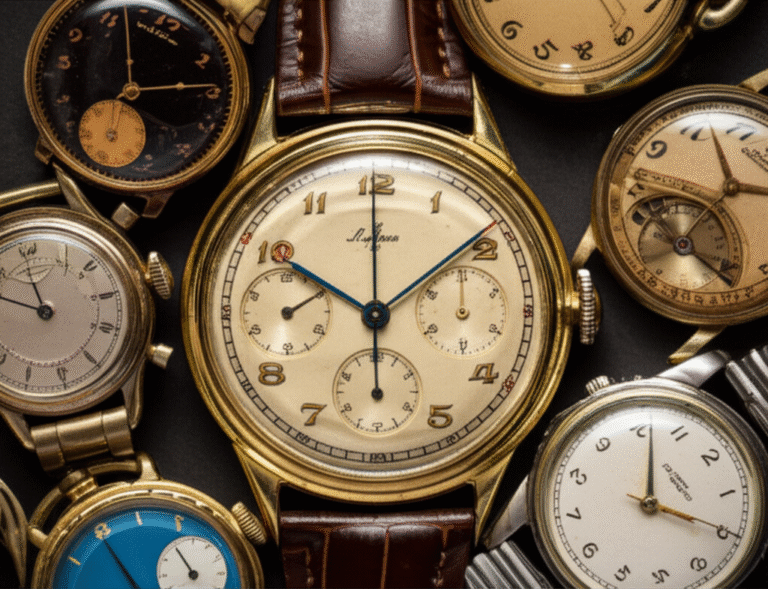
- The Collector’s Dream: For horology enthusiasts, vintage pocket watches are a fascinating and often accessible entry point into the world of mechanical timekeeping. You can find beautiful, well-made pieces from brands like Elgin or Waltham that fall into the Affordable Watches category, offering incredible historical and mechanical value.
- A Niche of Style: The pocket watch is making a comeback as a statement accessory, particularly in formal wear and subcultures like steampunk. It’s a way to stand out and show an appreciation for classic craftsmanship.
- Modern Interpretations: High-end brands occasionally release new pocket watches as a showcase of their technical prowess. Tissot, for example, offers a range of modern quartz and mechanical pocket watches, blending classic style with contemporary reliability.
The pocket watch has gracefully transitioned from a necessary tool to a cherished object of art and history.
🎯 Editor’s Pick: Iconic Pocket Watches That Made History

Some watches aren’t just watches; they’re legends. Here are a couple of the all-time greats that we, the enthusiasts at Watch Brands™, still drool over.
- The Patek Philippe Henry Graves Jr. Supercomplication (1933): This is the “Mona Lisa” of watches. Commissioned by a New York banker in a horological arms race with automaker James Ward Packard, it was the most complicated watch in the world for over 50 years, boasting 24 different functions (complications). It was sold at auction for a staggering amount, solidifying its legendary status.
- The “Breguet Marie-Antoinette” (Completed 1827): Commissioned in 1783 for the French queen, this watch was designed to be the most spectacular and complicated timepiece possible at the time. Tragically, both Marie Antoinette and Abraham-Louis Breguet died before its completion. The original was stolen in 1983 and only recovered in 2007, adding to its mystique.
🌍 Explore: Pocket Watches Around the World – Styles and Traditions
The pocket watch wasn’t a monolithic entity; different regions developed their own distinct styles and manufacturing philosophies.
- Germany (Nuremberg): The birthplace! Early German watches were often ornate, drum-shaped, and focused on artistry as much as timekeeping.
- England (London & Liverpool): The English school of watchmaking was defined by robust, full-plate movements and the use of the verge escapement for many years. They were known for their solidity and high-quality finishing.
- Switzerland (Geneva): The Swiss championed a different style, using bridge-style movements that were thinner and more elegant. They mastered miniaturization and complex complications, eventually coming to dominate the watchmaking world.
- United States (Waltham & Elgin): The American contribution was industrial innovation. They pioneered the concept of mass-producing interchangeable parts, which allowed them to make highly accurate and reliable watches at a scale and price point the European artisans couldn’t match. This “American System” of manufacturing revolutionized the industry.
✅ Conclusion: Why Pocket Watches Still Matter Today

So, what have we learned on this fascinating journey through the history and impact of pocket watches? These elegant timepieces were more than just tools — they were catalysts of societal change, symbols of status, and marvels of mechanical ingenuity. From their humble beginnings in 16th-century Germany to their golden age during the Industrial Revolution, pocket watches shaped how we perceive and organize time.
While early models struggled with accuracy, innovations like the balance spring and lever-set mechanisms transformed them into reliable instruments, essential for everything from railroad safety to military coordination. Their cultural significance is undeniable, immortalized in literature, film, and fashion.
But the story doesn’t end there. The rise of the wristwatch, propelled by technological advances and wartime necessity, marked a shift in timekeeping habits. Yet, pocket watches have never truly disappeared. Today, they live on as cherished collectibles, heirlooms, and even modern luxury statements.
If you’re wondering whether a pocket watch is worth your attention in the age of smartwatches and quartz precision, our answer is a resounding yes — if you appreciate craftsmanship, history, and a touch of timeless style. They remind us that timekeeping is as much about art and culture as it is about seconds and minutes.
Curious about which pocket watches stand out? Our Editor’s Picks showcase some of the most iconic and technically impressive models ever made. And if you’re inspired to start your own collection or simply want to learn how to care for these mechanical gems, our tips have you covered.
So, whether you’re a seasoned horologist or a newcomer enchanted by the tick-tock of history, the pocket watch remains a fascinating chapter in the story of time — one that continues to tick on.
🔗 Recommended Links for Pocket Watch Enthusiasts
Ready to explore or add a pocket watch to your collection? Here are some trusted sources and products to get you started:
-
Patek Philippe Pocket Watches:
Amazon Search: Patek Philippe Pocket Watch | Patek Philippe Official Website -
Cartier Santos Wristwatch (for wristwatch history enthusiasts):
Amazon Search: Cartier Santos | Cartier Official Website -
Ball Railroad Pocket Watches:
Amazon Search: Ball Railroad Pocket Watch | Ball Watch Company Official -
Waltham and Elgin Vintage Pocket Watches:
Amazon Search: Waltham Pocket Watch | Amazon Search: Elgin Pocket Watch -
Tissot Modern Pocket Watches:
Amazon Search: Tissot Pocket Watch | Tissot Official Website -
Recommended Books on Watch History and Collecting:
- “A Man and His Watch” by Matt Hranek — Amazon Link
- “The Pocket Watch Handbook” by Roy Ehrhardt — Amazon Link
- “Watchmaking” by George Daniels — Amazon Link
❓ FAQ: Your Pocket Watch Questions Answered

How did pocket watches influence the development of modern wristwatches?
Pocket watches laid the foundation for portable personal timekeeping. Their miniaturized mechanical movements, dial designs, and craftsmanship directly influenced early wristwatch development. The transition was accelerated by practical needs during World War I, where soldiers required hands-free timekeeping. Wristwatches inherited many mechanical innovations from pocket watches, including the balance spring and escapement mechanisms, but adapted them for wearability and durability.
Read more about “Who Invented the Wristwatch in 1904? The Untold Story ⌚️”
When were pocket watches first invented and who created them?
The earliest pocket watches appeared in the early 16th century, with Peter Henlein, a locksmith and clockmaker from Nuremberg, Germany, often credited as the inventor around 1504. These early timepieces were bulky, drum-shaped, and primarily ornamental due to their limited accuracy.
Read more about “11 Watchmaking Pioneers Who Changed Time Forever ⏳ (2025)”
What technological advancements did pocket watches introduce to timekeeping?
- The mainspring: Allowed clocks to be portable by replacing weights.
- Balance spring (hairspring): Greatly improved accuracy by regulating oscillations.
- Lever-set mechanism: Prevented accidental time changes, crucial for railroad safety.
- Jeweling: Use of jewels as bearings reduced friction and wear, enhancing longevity and precision.
Read more about “The Fascinating History of Watches: 9 Milestones You Must Know ⌚️ (2025)”
Why did pocket watches decline in popularity and get replaced by wristwatches?
The decline was driven by practicality and changing lifestyles. Wristwatches offered hands-free convenience, essential for military personnel and later for everyday wear. The wristwatch’s smaller size, ease of use, and evolving fashion trends made it the preferred choice by the early 20th century. Additionally, wristwatches adapted better to technological advances like waterproofing and shock resistance.
How did pocket watches impact daily life and society in the 18th and 19th centuries?
Pocket watches democratized timekeeping, making punctuality a social expectation rather than a privilege of the elite. They were essential for coordinating work schedules, transportation (especially railroads), and military operations. As status symbols, they influenced fashion and social rituals, such as gifting watches for milestones.
What are the key features that made pocket watches reliable timekeeping devices?
- Precision engineering: Balance springs and jeweled movements.
- Standardized sizes and dials: For readability and compatibility with accessories.
- Robust cases: Often made of precious metals or sturdy alloys to protect delicate mechanisms.
- Regulated setting mechanisms: Lever-set designs prevented accidental misadjustments.
Which watch brands are known for producing high-quality pocket watches historically?
- Patek Philippe: Renowned for complicated, luxurious pieces.
- Vacheron Constantin: Masters of craftsmanship and innovation.
- Breguet: Pioneers of key horological inventions like the tourbillon.
- Waltham and Elgin: American leaders in mass production of reliable, affordable watches.
- Ball Watch Company: Famous for railroad-grade precision and standards.
How can I start collecting pocket watches today?
Start by educating yourself on brands, movements, and historical periods. Focus on reputable brands and watches with documented provenance. Condition and service history are crucial. Join collector forums, visit vintage watch fairs, and consult experts. Our Vintage Watch Collections category is a great resource.
Read more about “What Is the History of the Wristwatch? ⌚️ 10 Milestones You Must Know (2025)”
Are modern pocket watches still made, and are they worth buying?
Yes! Brands like Tissot and some luxury houses produce modern pocket watches, often blending classic aesthetics with contemporary reliability. They make excellent gifts and collector’s items, though they rarely replace wristwatches for daily use. Their value lies in craftsmanship and style rather than practicality.
Read more about “The 30 Most Iconic Watches of All Time and the Case for Their Icon Status … ⌚”
📖 Reference Links and Further Reading
- History of Timekeeping Devices – Wikipedia
- All the Time in the World – Popular Beethoven
- A Brief History of Timekeeping and the Wristwatch – TORRO USA
- Patek Philippe Official Website
- Cartier Official Website
- Ball Watch Company Official
- Tissot Official Website
- Waltham National Watch Company – Wikipedia
- Elgin National Watch Company – Wikipedia
We hope this comprehensive guide has satisfied your curiosity and sparked a passion for the timeless charm of pocket watches. Ready to explore more? Dive into our Luxury Watch Brands and Guide to Buying Watches for expert advice and inspiration! ⌚✨