Support our educational content for free when you purchase through links on our site. Learn more
🕰️ How Brand Reputation Dictates Watch Resale Value (2026)


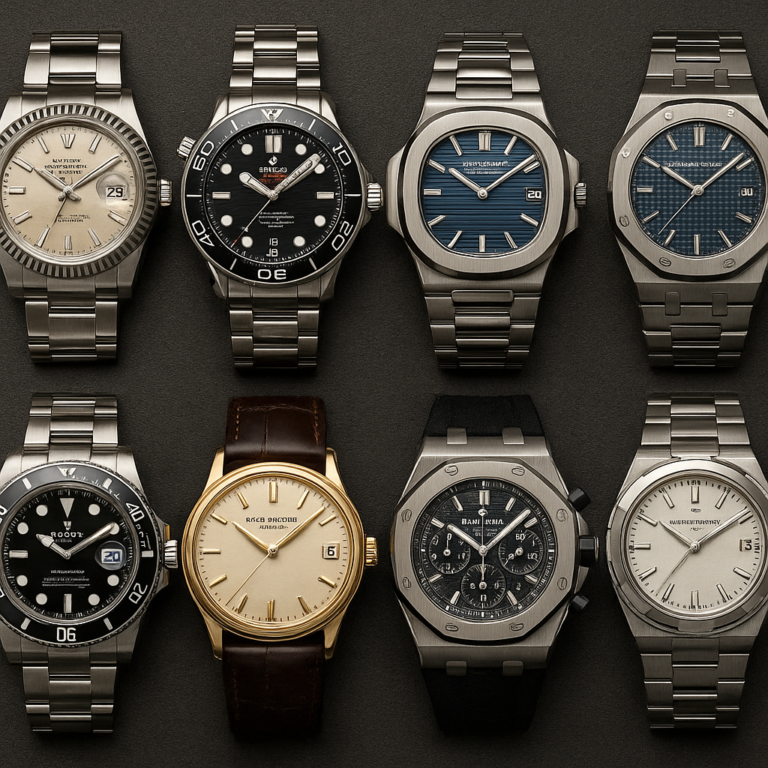
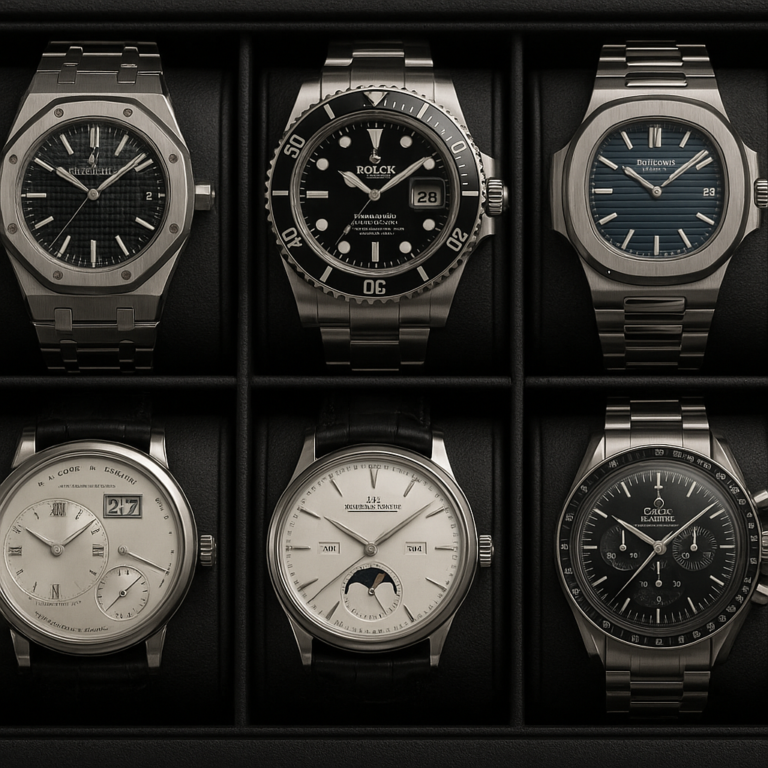
Ever wonder why a Rolex Submariner can sell for double its original price while a similarly priced TAG Heuer sits on a shelf for pennies on the dollar? It’s not magic; it’s the invisible hand of brand reputation. At Watch Brands™, we’ve seen collectors lose fortunes chasing “hot” trends from obscure labels, only to watch their assets evaporate, while others quietly built generational wealth with a simple Patek Philippe or Audemars Piguet. The truth is, in the secondary market, the name on the dial matters more than the movement inside.
In this deep dive, we’re peling back the layers of the luxury watch resale market for 2026. We’ll expose the “Holy Trinity’s” dominance, reveal why scarcity is the ultimate currency, and show you exactly which brands are holding their value against the odds. We’ll even share the shocking story of how a discontinued model skyrocketed in value overnight, proving that history and hype are just as valuable as gold. By the end, you’ll know exactly how to spot a future classic and avoid the value killers that drain your wallet.
Key Takeaways
- Brand Reputation is King: Only the top 15 brands out of nearly 1,0 consistently hold or increase their value; the rest depreciate rapidly.
- Scarcity Drives Price: Limited production runs and waiting lists from brands like Patek Philippe and Rolex create the artificial demand that fuels resale premiums.
- Model Matters More Than Brand: Even within top brands, iconic sports models (e.g., Nautilus, Submariner) appreciate, while dress watches often depreciate.
- Condition & Provenance are Critical: A full set with original box and papers can add 20-30% to a watch’s resale value compared to a “naked” piece.
- Liquidity is Value: Brands with high global recognition like Rolex offer the fastest resale times, making them the safest “cash-equivalent” assets.
Table of Contents
- ⚡️ Quick Tips and Facts
- 🕰️ The Historical Evolution of Watch Brand Prestige and Market Value
- 📉 The Core Mechanics: How Brand Reputation Dictates Secondary Market Prices
- 🏆 The Holy Trinity: Why Patek Philippe, Audemars Piguet, and Vacheron Constantin Rule Resale
- 👑 The King of the Hill: Why Rolex Continues to Dominate the Luxury Watch Resale Market
- 🔥 The Cult Following: How Audemars Piguet Maintains Insane Demand and Value
- 📊 Top 10 Luxury Watch Brands That Hold Their Value Best in 2026
- 🔢 The Scarcity Factor: How Limited Editions and Discontinued Models Skyrocket in Value
- 📜 The Paper Trail: Why Box, Papers, and Service History Are Non-Negotiable for Resale
- 🛠️ Condition Matters: How Wear, Polishing, and Originality Impact Your Watch’s Worth
- 💎 Beyond the Big Names: Which Niche and Independent Brands Are Surprising Investors?
- 🚫 The Value Killers: Brands and Models That Deprecate Rapidly (And Why)
- 🧠 The Psychology of Collecting: How Hype, Marketing, and Celebrity Endorsements Drive Prices
- 🛒 Smart Buying Strategies: How to Choose a Luxury Watch That Holds Its Value
- 🔄 The Pre-Owned Market: Are Second-Hand Luxury Watches a Safe Investment in 2026?
- 📈 Market Trends: Analyzing the Shifts in Watch Resale Values Over the Last Decade
- ❓ Frequently Asked Questions About Watch Brand Reputation and Resale Value
- 💡 Conclusion
- 🔗 Recommended Links
- 📚 Reference Links
⚡️ Quick Tips and Facts
Before we dive into the deep end of the watch market ocean, let’s hit the pause button and grab a life vest. Here are the absolute non-negotiables you need to know about how brand reputation dictates your wallet’s future.
- The “15% Rule”: Out of the roughly 975 watch brands in existence, only about 15 consistently hold or increase their value over time. The rest? They depreciate faster than a new car leaving the dealership.
- Brand is King: A Patek Philippe or Rolex isn’t just a timekeeper; it’s a currency. Their reputation for quality, scarcity, and heritage creates a “safety net” for resale value that no other brand can match.
- The “Holy Trinity” Dominance: Patek Philippe, Audemars Piguet, and Vacheron Constantin (plus the undisputed king, Rolex) control the lion’s share of the secondary market. If you want value retention, these names are your first stop.
- Condition is Currency: A pristine, unpolished watch with its original box and papers can fetch 20% to 50% more than a “driver’s watch” without them.
- Scarcity = Value: Brands that intentionally limit production (like Patek with their “You never actually own a Patek” slogan) create artificial scarcity that drives prices up.
- The “Custodian” Mindset: As one expert dealer noted, “You are simply the custodian for the next generation.” This mindset applies to the top tier; you aren’t buying to sell immediately, but to hold an asset that appreciates.
Pro Tip: Never buy a luxury watch solely for investment. Buy it because you love it. If it holds value, that’s a fantastic bonus. If you treat it like a stock, you’ll likely miss the joy of wearing it.
🕰️ The Historical Evolution of Watch Brand Prestige and Market Value
To understand why a Rolex Submariner from 195 can cost more today than it did when it was new, we have to look back at the history of watchmaking prestige. It wasn’t always about hype; it was about survival, innovation, and the relentless pursuit of perfection.
The Birth of the “Big Names”
In the 19th and early 20th centuries, watchmaking was a fragmented industry. However, a few families and firms began to distinguish themselves through horological innovation.
- Patek Philippe (1839): Founded by Antoni Patek and Adrien Philippe, this brand quickly became synonymous with complications (complex mechanisms like perpetual calendars and minute repeaters). Their reputation was built on craftsmanship so superior that royalty and industrialists flocked to them.
- Rolex (1905): Hans Wilsdorf didn’t just make watches; he made them reliable. The invention of the Oyster case (the first waterproof wristwatch) in 1926 changed everything. It proved that a watch could survive the depths of the ocean, cementing Rolex’s reputation for robustness.
- Audemars Piguet (1875): While smaller, AP focused on high-end complications and later, in 1972, revolutionized the industry with the Royal Oak, the first luxury sports watch made of steel. This move was a gamble that paid off, creating a new category of value.
The Quartz Crisis and the Rise of Mechanical Prestige
The 1970s brought the Quartz Crisis, where cheap, accurate quartz watches from Japan decimated the Swiss mechanical industry. Many brands died. Those that survived—Rolex, Patek, Omega, Breitling—did so by doubling down on mechanical heritage and luxury positioning.
This period is crucial for resale value. It created a dichotomy:
- Disposable Quartz: Brands that couldn’t pivot to luxury lost their value forever.
- Enduring Mechanical: Brands that leaned into their history of craftsmanship became heirloms.
Did you know? The Omega Speedmaster gained its legendary status not just from marketing, but because it was the first watch on the moon in 1969. This historical event turned a tool watch into a piece of history, ensuring its value would never depreciate significantly.
From Utility to Asset Class
Over the last two decades, the narrative shifted. Watches moved from being accessories to alternative assets. The 208 financial crisis saw investors looking for tangible assets outside the stock market. Luxury watches, particularly from brands with strong reputations, became a safe haven.
As we explore further, you’ll see how this historical prestige translates directly into the secondary market prices we see today. But why do some brands with similar histories fail to hold value? Let’s break down the mechanics.
📉 The Core Mechanics: How Brand Reputation Dictates Secondary Market Prices
So, you’ve bought a beautiful watch. You wear it for a year, and now you want to sell it. Why does a Rolex sell for 150% of its retail price, while a TAG Heuer or Longines might sell for 40%? It’s not magic; it’s economics driven by brand reputation.
1. The Trust Factor: Authenticity and Reliability
When you buy a pre-owned luxury watch, you are buying trust.
- Rolex: If you see a Rolex, you know it’s likely genuine, well-made, and will last another 50 years. This perceived reliability reduces the risk for the buyer, allowing the seller to command a premium.
- Niche Brands: With lesser-known brands, the buyer fears counterfeits, por movement quality, or a lack of service support. This fear drives the price down.
2. The Scarcity Equation
Reputation drives demand. High demand + Low Supply = High Resale Value.
- Rolex produces roughly 1 million watches a year (estimates vary), but the demand is estimated at 5-10 million. This gap creates a waiting list that forces buyers to the secondary market, driving prices up.
- Patek Philippe produces only about 60,0 watches a year. The scarcity is extreme, making their watches appreciating assets.
3. The “Cool Factor” (Brand Equity)
Brand reputation is also about cultural relevance.
- Audemars Piguet became a status symbol in the hip-hop community and among tech moguls. This cultural cachet keeps demand high, regardless of the economy.
- Cartier maintains value through its association with royalty and elegance.
4. The Liquidity Premium
A Rolex is the most liquid luxury asset in the world. You can sell a Submariner in minutes. A Bulgari or Girard-Peregaux might take months. This liquidity is baked into the price. Buyers are willing to pay more for an asset they can easily convert back to cash.
The Catch: Not all models from a “good” brand hold value. A Rolex Cellini (dress watch) often sells for less than retail, while a Rolex Daytona sells for double. Model selection is just as important as brand reputation.
🏆 The Holy Trinity: Why Patek Philippe, Audemars Piguet, and Vacheron Constantin Rule Resale
In the world of high horology, there is a term you must know: The Holy Trinity. These three Swiss manufacturers—Patek Philippe, Audemars Piguet, and Vacheron Constantin—are the pinnacle of watchmaking. They share a history of in-house manufacturing, complications, and uncompromising quality.
Patek Philippe: The Ultimate Heirloom
- Reputation: “You never actually own a Patek Philippe. You merely look after it for the next generation.” This slogan isn’t just marketing; it’s a reflection of their resale reality.
- Value Drivers:
Extreme Scarcity: They produce fewer watches than Rolex.
Complications: Their perpetual calendars, minute repeaters, and split-seconds chronographs are engineering marvels.
Auction Records: Patek holds the record for the most expensive watch ever sold at auction (the Henry Graves Supercomplication). - Key Models: Nautilus (Ref. 571), Aquanaut, Calatrava.
- Resale Insight: A stainless steel Nautilus can sell for 3x to 5x its retail price. Even discontinued models like the 571/1A have seen astronomical appreciation.
Audemars Piguet: The Disruptor
- Reputation: Known for innovation and bold design. The Royal Oak (1972) was the first luxury sports watch in steel, breaking all the rules.
- Value Drivers:
Design Icon: The octagonal bezel and integrated bracelet are instantly recognizable.
Limited Production: AP produces fewer than 40,0 watches a year.
Celebrity Endorsement: Favored by athletes and musicians, keeping the brand in the spotlight. - Key Models: Royal Oak (various sizes and materials), Royal Oak Offshore.
- Resale Insight: The Royal Oak is often called the “other Rolex.” It holds value incredibly well, with steel models often trading well above retail.
Vacheron Constantin: The Gentle Giant
- Reputation: The oldest continuously operating watch manufacturer (founded 175). Known for elegance and finishing.
- Value Drivers:
Heritage: A history spanning nearly 30 years.
Quality: Often considered to have the best finishing in the industry.
Value Proposition: Historically, VC watches sold for less than Patek or AP, but this is changing. They are gaining traction as “undervalued” Holy Trinity members. - Key Models: Patrimony, Overseas, Historiques.
- Resale Insight: While they don’t always hit the sky-high multiples of Patek, the Overseas line has seen significant value retention, often trading near or above retail.
| Brand | Est. Annual Production | Key Value Driver | Resale Multiplier (Steel Sports) |
|---|---|---|---|
| Patek Philippe | ~60,0 | Scarcity & Complications | 3.0x – 5.0x |
| Audemars Piguet | ~40,0 | Iconic Design | 2.0x – 3.5x |
| Vacheron Constantin | ~25,0 | Heritage & Finishing | 1.0x – 1.5x |
Watch Brands™ Insight: While the Holy Trinity is the gold standard, Vacheron Constantin is currently the “sleeper” pick. As collectors seek alternatives to the inflated prices of Patek and AP, VC is seeing a surge in demand.
👑 The King of the Hill: Why Rolex Continues to Dominate the Luxury Watch Resale Market
If the Holy Trinity are the kings of complications, Rolex is the emperor of the mass market luxury sector. No other brand has achieved the perfect storm of brand recognition, reliability, and scarcity quite like Rolex.
The “Safe Haven” Asset
Rolex has outperformed the S&P 50 over the last decade. Why?
- Consistency: A Submariner from 1980 looks almost identical to a 2024 model. This timeless design ensures they never go “out of style.”
- Durability: Rolex movements are robust. They can take a beating and keep ticking. This reliability makes them a safe bet for second-hand buyers.
- Global Recognition: Everyone knows what a Rolex is. This universal recognition creates a massive pool of potential buyers, ensuring liquidity.
The Model Hierarchy
Not all Rolexes are created equal. The brand has a clear hierarchy of value retention:
- Professional Models (Sports): Submariner, GMT-Master II, Daytona, Explorer II. These are the kings. They often sell for 150% to 30% of retail.
- Classic Models (Dress): Datejust, Day-Date. These hold value well (often 80-10% of retail) but rarely appreciate significantly unless they are rare vintage pieces or special editions.
- Cellini: The dress-only line. These often depreciate, as they lack the “sporty” cachet.
The Waiting List Phenomenon
Rolex’s strategy of controlled production is masterful. They produce enough to meet demand, but not enough to satisfy it. This creates waiting lists at authorized dealers (ADs) that can last 5 to 10 years for popular models like the GMT-Master II “Pepsi”.
- Result: Buyers are forced to the grey market, where prices are driven up by competition.
- Quote: “Rolex watches maintain exceptional resale value because of strong global demand, limited supply, and timeless designs.” – Raymond Lee Jewelers
The Twist: Even Rolex isn’t immune to market corrections. In 202-2023, prices for some steel sports models dipped slightly from their 202 peaks. However, they remain far above retail, proving their resilience.
🔥 The Cult Following: How Audemars Piguet Maintains Insane Demand and Value
While Rolex is the “safe” choice, Audemars Piguet (AP) is the “cool” choice. The Royal Oak has a cult following that borders on religious devotion.
The Gerald Genta Legacy
The Royal Oak was designed by Gerald Genta in 1972. It was a radical departure from the norm: a steel watch with a price tag of a gold watch.
- Risk: It was a massive risk. Critics called it a “flop.”
- Reward: It created a new category: the Luxury Sports Watch. Today, it is the most iconic watch design of the 20th century.
The “AP” Effect
- Exclusivity: AP produces fewer watches than Rolex. The Royal Oak is the only model that really drives the brand’s value.
- Design Consistency: Like Rolex, the Royal Oak hasn’t changed much since 1972. This design continuity makes vintage and modern models equally desirable.
- The “Offshore” Factor: The Royal Oak Offshore, introduced in 193, brought a more aggressive, sporty look that appealed to a younger demographic, further boosting the brand’s value.
Resale Reality
- Steel vs. Gold: Unlike many brands where gold holds value better, steel Royal Oaks often outperform gold models in terms of percentage appreciation.
- The “Jumbo” (Ref. 15202/16202): The 39mm “Jumbo” is the holy grail. It often sells for 3x to 4x retail.
- Limited Editions: AP releases many limited editions (e.g., Royal Oak “Frosted Gold”), which often sell out instantly and trade at a premium.
Watch Brands™ Story: We once met a collector who bought a Royal Oak Offshore in 2015 for retail. He wore it every day, scratched the bezel, and sold it in 2023 for double what he paid. The wear didn’t matter; the brand and model did the work.
📊 Top 10 Luxury Watch Brands That Hold Their Value Best in 2026
Based on market data, auction results, and secondary market trends, here are the top 10 brands that are crushing it in the resale market.
| Rank | Brand | Key Strength | Best Value Models | Est. Retention (Steel Sports) |
|---|---|---|---|---|
| 1 | Rolex | Liquidity & Recognition | Submariner, Daytona, GMT-Master II | 150% – 30% |
| 2 | Patek Philippe | Scarcity & Complications | Nautilus, Aquanaut | 20% – 50% |
| 3 | Audemars Piguet | Design Icon | Royal Oak, Royal Oak Offshore | 150% – 350% |
| 4 | Omega | Heritage & History | Speedmaster Moonwatch, Seamaster 30M | 80% – 120% |
| 5 | Tudor | Rolex Sibling Value | Black Bay 58, Pelagos | 90% – 10% |
| 6 | Cartier | Design & Prestige | Santos, Tank, Ballon Bleu | 80% – 10% |
| 7 | Vacheron Constantin | Heritage & Finishing | Overseas, Patrimony | 90% – 10% |
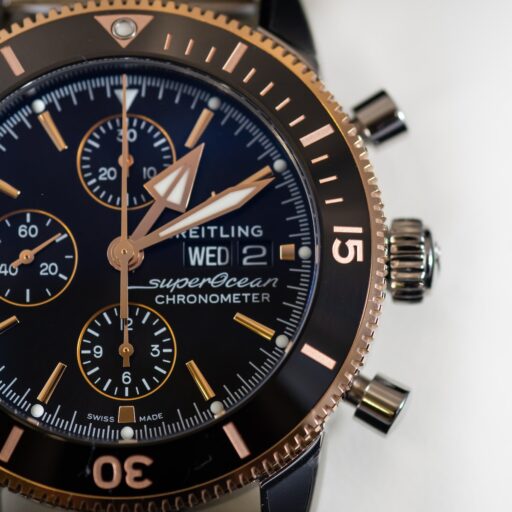
| 8 | Breitling | Aviation DNA | Navitimer, Superocean | 70% – 90% |
| 9 | IWC Schaffhausen | Pilot & Dress Icons | Pilot’s Watch, Portugieser | 70% – 90% |
| 10 | Jaeger-LeCoultre | Complications & History | Reverso, Master Control | 60% – 80% |
Deep Dive into the Top Contenders
4. Omega: The People’s Champion
- Why it holds value: The Speedmaster Moonwatch is the only watch worn on the moon. This historical significance is unmatched.
- Trend: The Seamaster 30M (James Bond watch) also holds value well.
- Caveat: While they hold value, they rarely appreciate significantly unless they are vintage or limited editions.
5. Tudor: The Smart Entry
- Why it holds value: Owned by Rolex, Tudor uses Rolex-derived movements and shares the same quality standards.
- Key Model: The Black Bay 58 is a modern classic. It often sells for close to retail, and some vintage models have appreciated.
- Strategy: Tudor is the best way to get into the “luxury sports” game without the Rolex price tag.
6. Cartier: The Dress Watch King
- Why it holds value: Timeless design. The Santos and Tank have been around for a century.
- Trend: Vintage Cartier watches are seeing a resurgence. The Pasha and Ballon Bleu also hold value well.
7. Vacheron Constantin: The Rising Star
- Why it holds value: As mentioned, the Overseas is gaining traction. It’s a Holy Trinity member at a slightly lower price point.
8. Breitling: The Aviator’s Choice
- Why it holds value: The Navitimer is an icon of aviation. The brand has rebranded successfully in recent years, boosting demand.
9. IWC: The Engineer’s Watch
- Why it holds value: The Pilot’s Watch and Portugieser are staples. They hold value well, especially in steel.
10. Jaeger-LeCoultre: The Watchmaker’s Watch
- Why it holds value: JLC makes movements for many other brands (including Patek and AP). Their own watches, like the Reverso, are highly respected.
Note: This list focuses on value retention. Some brands like Seiko (specifically vintage) or Swatch (MoonSwatch) have seen massive spikes, but they are often volatile. Stick to the established names for long-term stability.
🔢 The Scarcity Factor: How Limited Editions and Discontinued Models Skyrocket in Value
Scarcity is the engine of the luxury watch market. When a brand says “limited edition,” they mean it. And when they discontinue a model, the value often skyrockets.
The Psychology of “Fear of Missing Out” (FOMO)
Collectors are driven by the fear that a watch will disappear forever.
- Limited Editions: A watch produced in a run of 50 pieces will always be more valuable than one produced in 50,0.
- Discontinued Models: When a model is discontinued, the supply is fixed. If demand remains, prices rise.
Case Studies in Scarcity
1. Patek Philippe Nautilus 571/1A
- The Story: In 2021, Patek announced the discontinuation of the stainless steel Nautilus 571.
- The Result: Prices jumped from ~$30,0 retail to $150,0+ on the secondary market almost overnight.
- Why: It was the perfect storm of iconic design, scarcity, and discontinuation.
2. Rolex “Paul Newman” Daytona
- The Story: The vintage Daytona with the “Paul Newman” dial was discontinued in the 1980s.
- The Result: A single example sold for $17.8 million at auction in 2017.
- Why: Celebrity association (Paul Newman wore one) + Scarcity + Vintage appeal.
3. Omega x Swatch MoonSwatch
- The Story: A collaboration between Omega and Swatch to celebrate the moon landing.
- The Result: Retail price was ~$260. It sold out instantly and traded for $50-$70 on the secondary market.
- Why: Hype, accessibility, and limited availability at launch.
How to Spot a Future Classic
- Look for “End of Life” Announcements: When a brand hints at discontinuing a model, buy it.
- Follow the “Waitlist”: If a model has a 5-year waitlist, it’s likely to appreciate.
- Check the Production Numbers: Brands like AP and Patek rarely release numbers, but rumors and auction data give clues.
Warning: Not all limited editions are good investments. Some are just marketing gimmicks. Stick to iconic models from top brands.
📜 The Paper Trail: Why Box, Papers, and Service History Are Non-Negotiable for Resale

You can have the most beautiful watch in the world, but if you don’t have the box and papers, you’re leaving money on the table.
The “Full Set” Premium
A full set (watch, box, papers, warranty card, service records) can add 10% to 30% to the resale value.
- Box: Protects the watch and proves authenticity.
- Papers: The warranty card and certificate of authenticity are crucial for verifying the watch’s age and origin.
- Service Records: Proof that the watch has been maintained by the brand or a reputable watchmaker.
The “Naked” Watch Discount
A watch without papers is often called a “naked” watch.
- Risk: Buyers fear it might be stolen, fake, or mismatched (parts from different watches).
- Price: “Naked” watches often sell for 15% to 20% less than full sets.
Service History: The Maintenance Log
- Official Service: Service records from the brand (e.g., Rolex Service Center) are the gold standard.
- Independent Service: A reputable independent watchmaker can also provide value, but official service is preferred for high-value pieces.
- Over-servicing: Be careful! Over-servicing a vintage watch can actually decrease its value if original parts are replaced.
Pro Tip: If you lose your papers, contact the brand. Some brands can issue a duplicate if you have the serial number and proof of purchase. It’s worth the effort!
🛠️ Condition Matters: How Wear, Polishing, and Originality Impact Your Watch’s Worth
Condition is the second most important factor after brand and model. A scratched, polished watch is worth significantly less than a pristine one.
The Polishing Trap
Many owners take their watches to jewelers to have them polished to remove scratches.
- The Problem: Polishing removes metal, altering the original lines of the case and bracelet.
- The Impact: A polished vintage watch can lose 20% to 40% of its value. Collectors prefer unpolished watches with honest wear.
Originality: The Holy Grail
- Dial: A refinished dial (repainted) is a dealbreaker for collectors. It must be original.
- Hands: Original hands are crucial.
- Bezel: A replaced bezel insert can hurt value.
- Movement: The movement should be original and unmodified.
Grading the Condition
- Mint: Never worn, perfect condition.
- Excellent: Light wear, no scratches, original parts.
- Very Good: Visible wear, minor scratches, original parts.
- Good: Significant wear, scratches, may have replaced parts.
- Fair: Heavy wear, damaged parts, needs service.
Watch Brands™ Advice: If your watch has scratches, leave them. They tell a story. A polished watch looks “new” but feels “fake” to a collector.
💎 Beyond the Big Names: Which Niche and Independent Brands Are Surprising Investors?
While Rolex and Patek dominate, there is a growing market for independent watchmakers. These brands often produce fewer than 1,0 watches a year, creating extreme scarcity.
The Rising Stars
- F.P. Journe: Known for in-house movements and unique designs. Their watches often appreciate significantly.
- A. Lange & Söhne: The German rival to Patek. Known for exceptional finishing. The Lange 1 and Datograph are highly sought after.
- Richard Mille: The “billionaire’s handshake.” Their watches are ultra-modern, lightweight, and extremely expensive. They often sell for double or triple retail.
- MB&F (Maximilian Büsser & Friends): Known for avant-garde designs. Their Horological Machines are art pieces.
- H. Moser & Cie: Known for minimalist designs and smoked dials. They are gaining a cult following.
Why They Hold Value
- Scarcity: Production is tiny.
- Inovation: They push the boundaries of watchmaking.
- Exclusivity: Owning one is a status symbol.
Caution: Independent brands are volatile. Their value can fluctuate wildly. Only invest if you are a true enthusiast and understand the brand.
🚫 The Value Killers: Brands and Models That Deprecate Rapidly (And Why)
Not every luxury watch is a good investment. Some brands and models are value killers.
The Depreciation Traps
- Entry-Level Luxury: Brands like Longines, Tissot, and Mido are great watches, but they depreciate 50% to 70% immediately.
- Fashion Brands: Gucci, Versace, Armani. These are fashion accessories, not investments. They lose value rapidly.
- Overproduced Models: If a brand produces too many of a model, it loses exclusivity.
- Complex Complications (Non-Holy Trinity): A Grand Complication from a lesser-known brand may not hold value because the brand lacks the reputation to support it.
Why They Depreciate
- Lack of Scarcity: Mass production.
- Low Brand Equity: Not enough demand in the secondary market.
- Poor Resale Liquidity: Hard to sell.
Rule of Thumb: If you buy a watch for $5,0 and it sells for $2,0 in two years, it’s a depreciating asset. Stick to the top 10 brands for value retention.
🧠 The Psychology of Collecting: How Hype, Marketing, and Celebrity Endorsements Drive Prices
The watch market is driven by human psychology. Hype, marketing, and celebrity endorsements can send prices soaring.
The Power of Hype
- Social Media: Instagram and YouTube have created a new generation of collectors. A single video can send a model’s price up.
- Waitlists: The longer the waitlist, the more desirable the watch.
- Collaborations: Partnerships with designers, artists, or brands (e.g., Rolex x Tiffany, Omega x Swatch) create instant hype.
Celebrity Endorsements
- Paul Newman: His Daytona made the model a legend.
- Tom Cruise: Wearing an Omega Speedmaster in Mission: Impossible boosted sales.
- LeBron James: Wearing a Rolex or Audemars Piguet drives demand among fans.
The “Cool” Factor
- Hip-Hop Culture: Audemars Piguet and Richard Mille are staples in hip-hop. This has driven their value up significantly.
- Tech Moguls: Steve Jobs (Apple Watch aside) and Elon Musk have influenced the market.
The Danger: Hype can be temporary. A model that is hot today might be cold tomorrow. Always buy what you love, not just what is hyped.
🛒 Smart Buying Strategies: How to Choose a Luxury Watch That Holds Its Value
Ready to buy? Here’s your cheat sheet for choosing a watch that holds its value.
1. Stick to the “Big Three”
Focus on Rolex, Patek Philippe, and Audemars Piguet. They are the safest bets.
2. Choose Iconic Models
- Rolex: Submariner, Daytona, GMT-Master II.
- Patek: Nautilus, Aquanaut.
- AP: Royal Oak.
3. Buy Steel, Not Gold
Stainless steel sports models often appreciate more than gold models due to higher demand and lower supply.
4. Get the Full Set
Always buy with box and papers. It’s worth the extra cost.
5. Buy from Reputable Sources
- Authorized Dealers (ADs): Best for new watches, but you might have to wait.
- Grey Market: Faster, but prices are higher.
- Auctions: Great for vintage, but be careful of condition.
6. Do Your Research
- Check Chrono24, WatchRecon, and Auction Results for current prices.
- Read forums like WatchUSeek and Reddit (r/Watches).
Final Tip: Don’t rush. The best deals come to those who wait.
🔄 The Pre-Owned Market: Are Second-Hand Luxury Watches a Safe Investment in 2026?
The pre-owned market is booming. In 2026, it’s projected to be $45 billion. But is it safe?
The Pros
- Better Value: You can often buy a watch for less than retail (if you’re lucky) or at a fair market price.
- Immediate Availability: No waiting lists.
- Vintage Appeal: You can own a piece of history.
The Cons
- Risk of Fakes: The market is flooded with counterfeits.
- Condition Issues: Hidden damage or previous repairs.
- Market Volatility: Prices can fluctuate.
How to Stay Safe
- Buy from Reputable Dealers: Look for dealers with guarantes and return policies.
- Get an Independent Inspection: Have a watchmaker check the watch before buying.
- Check the Papers: Verify the serial number and warranty card.
Verdict: The pre-owned market is safe if you do your homework. It’s the best way to get into the luxury watch game without paying retail.
📈 Market Trends: Analyzing the Shifts in Watch Resale Values Over the Last Decade
The watch market has seen boom and bust cycles. Let’s look at the trends.
2010-2019: The Steady Rise
- Rolex and Patek prices rose steadily.
- Vintage watches became more popular.
- Online marketplaces (Chrono24) made it easier to buy and sell.
2020-202: The Pandemic Boom
- Lockdowns led to more people buying watches.
- Supply chain issues reduced production, creating scarcity.
- Prices skyrocketed. Some models doubled in value.
2023-2026: The Correction
- Prices dipped slightly from their 202 peaks.
- Demand remains strong, but supply is catching up.
- Stability is returning.
Future Outlook
- Long-term growth is expected.
- Vintage and limited editions will continue to appreciate.
- New brands may emerge, but the top 10 will likely remain dominant.
Watch Brands™ Insight: The market is maturing. The “get rich quick” mentality is fading. People are buying for passion again.
❓ Frequently Asked Questions About Watch Brand Reputation and Resale Value
How does watch brand reputation affect buyer trust in resale transactions?
Brand reputation acts as a proxy for quality and authenticity. A Rolex or Patek Philippe carries an inherent trust that a lesser-known brand does not. Buyers are willing to pay a premium for this peace of mind, knowing the watch is genuine, well-made, and will hold its value. This trust reduces the risk associated with second-hand purchases, directly boosting resale prices.
What role does brand prestige play in secondhand watch sales?
Prestige is the primary driver of demand. High-prestige brands like Audemars Piguet and Vacheron Constantin create a sense of exclusivity and status. This demand, coupled with limited supply, drives up prices. Prestige also ensures liquidity, meaning these watches can be sold quickly at fair market value.
Can lesser-known watch brands gain resale value over time?
Yes, but it’s rare. Brands like F.P. Journe, A. Lange & Söhne, and H. Moser & Cie have gained value due to scarcity, innovation, and growing reputation. However, most lesser-known brands will depreciate. To gain value, a brand must establish a cult following and maintain high production standards.
How do watch brand histories impact their resale demand?
History creates narrative. A brand with a long history of innovation (e.g., Omega and the moon landing) or royal patronage (e.g., Cartier) has a built-in story that collectors love. This historical significance adds emotional value, which translates to higher resale prices.
Do limited edition watches from top brands have higher resale value?
Absolutely. Limited editions create artificial scarcity. When a brand releases a limited run, demand often exceeds supply, driving prices up. Discontinued models are even more valuable, as the supply is fixed. However, not all limited editions are good investments; stick to iconic models from top brands.
Which watch brands hold their value best in the resale market?
The top 10 brands are: Rolex, Patek Philippe, Audemars Piguet, Omega, Tudor, Cartier, Vacheron Constantin, Breitling, IWC, and Jaeger-LeCoultre. Among these, Rolex, Patek, and AP are the undisputed leaders.
How does brand reputation influence the resale price of luxury watches?
Reputation influences demand, liquidity, and perceived value. A strong reputation means more buyers, faster sales, and higher prices. It also reduces the risk for buyers, allowing sellers to command a premium.
How does Rolex reputation impact resale value compared to other brands?
Rolex has the highest brand recognition in the world. This universal recognition creates a massive pool of buyers, ensuring liquidity. While Patek and AP may have higher appreciation potential, Rolex offers the best stability and resale speed.
Do limited edition watches hold value better due to brand prestige?
Yes. Brand prestige amplifies the effect of scarcity. A limited edition from Rolex or Patek will hold value better than one from a lesser-known brand because the brand itself adds value.
Which luxury watch brands have the highest resale value retention?
Patek Philippe and Audemars Piguet often have the highest percentage retention (sometimes 20%+ of retail). Rolex has the highest absolute value retention due to its massive market share.
How does brand history influence second-hand watch prices?
History adds narrative value. A watch with a historical connection (e.g., Omega Speedmaster and the moon) is more desirable, leading to higher prices. Vintage pieces from brands with deep roots (e.g., Vacheron Constantin) are particularly valuable.
Does the reputation of a watchmaker affect its long-term investment potential?
Yes. A strong reputation ensures long-term demand. Brands with a history of quality and innovation are more likely to hold value over decades. Independent watchmakers with growing reputations can also be good investments, but they carry more risk.
Are independent watch brands gaining resale value due to growing reputation?
Yes. Brands like F.P. Journe, MB&F, and H. Moser & Cie are seeing their values rise as they gain recognition for innovation and quality. However, they are still volatile compared to the big names.
How do consumer perceptions of brand quality affect the used watch market?
Perception is reality. If consumers believe a brand is high quality, they are willing to pay more. This perception drives demand and prices. Conversely, if a brand is perceived as low quality, prices will drop.
💡 Conclusion

We’ve journeyed through the history, mechanics, and psychology of the luxury watch market. From the Holy Trinity to the King of the Hill, it’s clear that brand reputation is the single most important factor in determining resale value.
Key Takeaways:
- Stick to the Top 10: Rolex, Patek, AP, Omega, Tudor, Cartier, VC, Breitling, IWC, JLC.
- Focus on Iconic Models: Submariner, Nautilus, Royal Oak, Speedmaster.
- Get the Full Set: Box and papers are non-negotiable.
- Buy What You Love: Don’t just chase the numbers. The best investment is a watch you’ll enjoy wearing.
The Unresolved Question:
We asked earlier: “Why do some brands with similar histories fail to hold value?” The answer lies in scarcity and cultural relevance. Rolex and Patek mastered the art of controlled production and brand storytelling. Other brands, even with great history, failed to create the hype or exclusivity needed to drive demand.
Final Recommendation:
If you’re looking for a safe investment, buy a steel sports model from Rolex, Patek, or AP. If you’re looking for unique value, explore independent brands like F.P. Journe or A. Lange & Söhne. But remember: buy what makes you smile. The value is a bonus.
🔗 Recommended Links
👉 Shop Luxury Watches on:
- Rolex: Search Rolex on Amazon | Rolex Official Website
- Patek Philippe: Search Patek Philippe on Amazon | Patek Philippe Official Website
- Audemars Piguet: Search Audemars Piguet on Amazon | Audemars Piguet Official Website
- Omega: Search Omega on Amazon | Omega Official Website
- Tudor: Search Tudor on Amazon | Tudor Official Website
Books on Watch Collecting:
- The Watch Book: A Guide to Buying, Selling, and Collecting Watches
- Rolex: A Complete Guide to the World’s Most Famous Watch
Internal Resources:
📚 Reference Links
- Luxury Of Watches – Luxury Watches That Hold Value Over Time
- Raymond Lee Jewelers – Top Luxury Watch Brands That Hold Their Value in 2026
- Top Cash Buyer – Which Watch Brands Hold Their Value The Best
- Rolex Official Website
- Patek Philippe Official Website
- Audemars Piguet Official Website
- Omega Official Website
- Chrono24 – The World’s Largest Watch Marketplace
- WatchUSeek Forums