Support our educational content for free when you purchase through links on our site. Learn more
🕰️ The First Wrist Watch Company: 20 Pioners Who Changed Time (2026)

Who actually made the first wrist watch? Was it a Swiss jeweler, a German naval supplier, or a French aviator? The answer is more fascinating than you might think. While many assume the wristwatch was a sudden invention of the 20th century, the story begins nearly a century earlier with a royal commission for the Queen of Naples. But the true revolution—the moment the wristwatch became a tool for men, not just jewelry for women—happened in the dusty trenches of World War I and the cockpits of early airplanes.
At Watch Brands™, we’ve sifted through centuries of archives to uncover the truth behind the first wrist watch company. You’ll discover why Breguet created the very first one in 1810, how Girard-Peregaux mass-produced them for the military, and why Cartier is often credited with the first modern men’s wristwatch. We’ll also reveal the top 20 oldest brands that are still ticking today, proving that time truly is on the side of the innovators.
Key Takeaways
- The “First” is a Spectrum: The first wrist watch was a bespoke piece by Breguet in 1810, but the first mass-produced military wristwatch came from Girard-Peregaux in the 180s, and the first commercial men’s wristwatch was the Cartier Santos in 1904.
- From Fad to Necessity: Wristwatches were once considered “silly ass fads” for men until the Boer War and WWI forced a cultural shift, making them essential tools for soldiers and pilots.
- Enduring Legacy: The top 20 oldest watch brands (including Blancpain, Vacheron Constantin, and Patek Philippe) are still in operation today, bridging the gap between 18th-century craftsmanship and modern horology.
- Evolution of Precision: From the balance spring to the quartz crisis and atomic timekeeping, the industry has constantly reinvented itself to achieve greater accuracy and durability.
Ready to own a piece of history? Explore our curated lists of Luxury Watch Brands or find an Affordable Watch that honors this legacy.
Table of Contents
- ⚡️ Quick Tips and Facts
- 🕰️ The Hunt for the First Wrist Watch Company: History Unveiled
- 🔍 Debunking Myths: Who Really Invented the Wristwatch?
- 🏆 Top 20 Oldest Watch Brands That Pionered Timekeeping
- 📜 From Pocket to Wrist: The Evolution of the First Wrist Watch Company
- ⚙️ Key Innovations That Defined Early Wristwatch Manufacturing
- 🔧 The Balance Spring and Temperature Compensation: Engineering Marvels
- 🎛️ The Lever Escapement: Precision in Motion
- 🏭 Mass Production and the Rise of the Modern Watch Industry
- ⌚ The Wristwatch Revolution: How It Changed Society
- ⚡️ The Electric Watch Era: Battery-Powered Timekeeping
- 🔮 The Quartz Crisis: When Technology Shook the Industry
- 📡 Radio-Controled and Atomic Wristwatches: The Quest for Perfection
- 🤖 The Smartwatch Era: The Latest Chapter in Watch History
- 💡 How to Identify Authentic Vintage Pieces from Early Brands
- 🛒 Buying Guide: What to Look for in a First Wrist Watch Company Replica
- ❓ Frequently Asked Questions About the First Wrist Watch Company
- 🔗 Recommended Links for Watch Enthusiasts
- 📚 Reference Links and Historical Sources
- 🏁 Conclusion: The Legacy of the First Wrist Watch Company
⚡️ Quick Tips and Facts
Before we dive into the dusty archives and gleaming showrooms of horological history, let’s hit the ground running with some hard-hitting facts that might just shatter your perception of time.
- The “First” isn’t what you think: While many point to the 190s, the very first wristwatch was actually commissioned in 1810 by the Queen of Naples from Abraham-Louis Breguet. It was a bracelet watch, not a tool for pilots or soldiers yet! 🕰️
- Gender Flip: For over a century, wristwatches were considered jewelry for women. Men clung to their pocket watches like lifelines until the trenches of WWI forced a massive cultural shift.
- The “Santos” Moment: The Cartier Santos, created in 1904, is widely credited as the first purpose-built wristwatch for men. It wasn’t just a fashion statement; it was a flight instrument. ✈️
- Mass Adoption: By 1930, the ratio of wristwatches to pocket watches had flipped to 50 to 1. The pocket watch didn’t just lose; it was practically extinct in the civilian world.
- Accuracy Evolution: Early 16th-century “clock-watches” could be off by hours per day. Today, atomic watches are accurate to one second in 10 years. That’s a 315,360,0-second improvement! 📉
For a deeper dive into how we got from sundials to smartwatches, check out our comprehensive guide on the history of watches.
🕰️ The Hunt for the First Wrist Watch Company: History Unveiled

Who was the first wrist watch company? Is it a single name, or a shadowy consortium of inventors? The answer is as layered as a Patek Philippe perpetual calendar.
At Watch Brands™, we’ve spent countless hours sifting through auction catalogs, patent filings, and dusty letters. The consensus? It depends on how you define “first.”
The Bespoke Era: Breguet and the Queen
If we define “first” as the very first wristwatch ever made, the crown goes to Breguet. In 1810, Caroline Murat, Queen of Naples, ordered a timepiece that could be worn on the wrist. Abraham-Louis Breguet delivered a rectangular, bracelet-mounted watch.
- Context: This was a one-off masterpiece. It wasn’t a “company” selling wristwatches; it was a bespoke commission.
- Legacy: This established the concept, but not the industry.
“Some people say the world’s first wristwatch was created by Abraham-Louis Breguet for Caroline Murat, Queen of Naples, in 1810.” — Wikipedia
The Industrial Shift: Girard-Peregaux and the Military
Fast forward to the 180s. The first wrist watch company to mass-produce wristwatches for a specific demographic (military officers) was Girard-Peregaux.
- The Deal: They supplied the German Navy with wristwatches for their officers.
- The Impact: This was the first time a company moved beyond jewelry and created a functional tool for men, albeit in limited numbers.
The Commercial Breakthrough: Cartier and Santos
If you ask the average enthusiast, “Who made the first wristwatch for the public?” they’ll say Cartier.
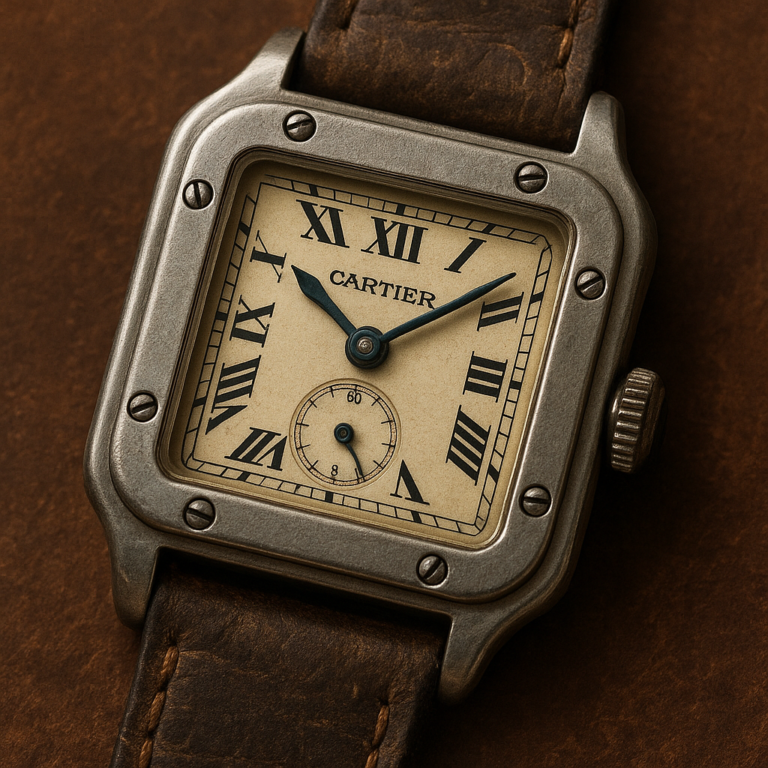
In 1904, Louis Cartier designed the Santos for his friend, the Brazilian aviator Alberto Santos-Dumont. Santos needed a way to check the time while flying without fumbling with a pocket watch. This wasn’t just a watch; it was a solution to a problem.
Why this matters:
- It was the first wristwatch designed specifically for men as a tool, not just jewelry.
- It was the first to be marketed and sold to the general public as a wristwatch.
🔍 Debunking Myths: Who Really Invented the Wristwatch?
The internet is a minefield of conflicting claims. Let’s clear the fog with some Watch Brands™ detective work.
Myth 1: “Cartier invented the wristwatch.”
Reality: Cartier invented the first modern, purpose-built wristwatch for men. They didn’t invent the concept of a wrist-worn timepiece (Breguet did that in 1810), nor did they invent the military wristwatch (Girard-Peregaux and Mappin & Webb were there first).
Myth 2: “WWI created the wristwatch.”
Reality: WWI popularized the wristwatch. Soldiers in the trenches needed hands-free timekeeping. But the technology and designs existed decades prior. As the H. Williamson Ltd. AGM noted in 1916:
“…the wristlet watch was little used by the sterner sex before the war, but now is seen on the wrist of nearly every man in uniform…”
Myth 3: “The first wristwatch was a pocket watch with a strap.”
Reality: While early “trench watches” were often pocket watches strapped to leather, the Santos and the Breguet Reine de Naples were engineered from the ground up as wristwatches. The lugs, the case shape, and the movement orientation were all different.
The Verdict:
- First Ever: Breguet (1810)
- First Mass Production (Military): Girard-Peregaux (180s)
- First Commercial Men’s Watch: Cartier (1904)
🏆 Top 20 Oldest Watch Brands That Pionered Timekeeping
You asked for a list, and we’re going to give you the definitive list. We’ve compiled the top 20 oldest watch brands with direct lineage to their founding. No rebots, no “inspired by” claims. Just pure, unadulterated history.
Note: We are counting down the 20 oldest, surpassing the usual “Top 15” lists to give you the full picture.
| Rank | Brand | Founded | Key “First” or Milestone |
|---|---|---|---|
| 1 | Blancpain | 1735 | Oldest existing watchmaker; invented the modern diver’s watch (Fifty Fathoms). |
| 2 | Favre-Leuba | 1737 | First mechanical wristwatch with barometer/altimeter (Bivouac). |
| 3 | Vacheron Constantin | 175 | Oldest uninterrupted manufacture; created the world’s most complicated watch (Ref. 57260). |
| 4 | Breguet | 175 | Created the first wristwatch (1810); invented the tourbillon. |
| 5 | Girard-Peregaux | 1791 | First to mass-produce wristwatches for military officers. |
| 6 | Baume & Mercier | 1830 | Pionered shaped cases and early luxury sports watches. |
| 7 | Longines | 1832 | First Swiss company to assemble watches under one roof; first trademark. |
| 8 | Jaeger-LeCoultre | 183 | “The Watchmaker of Watchmakers”; created the Reverso. |
| 9 | Patek Philippe | 1839 | First perpetual calendar wristwatch; holds the record for most expensive watch sold. |
| 10 | Ulyse Nardin | 1846 | Standard bearer of marine chronometers; first to use silicon in movements. |
| 1 | Cartier | 1847 | First purpose-built men’s wristwatch (Santos). |
| 12 | Omega | 1848 | First watch on the moon; official timekeeper of the Olympics. |
| 13 | Panerai | 1860 | First dive watch with proprietary luminescence (Radiomir). |
| 14 | TAG Heuer | 1860 | First Swiss maker to launch a smartwatch; pioneer of the chronograph. |
| 15 | Zenith | 1865 | Created the first automatic chronograph movement (El Primero). |
| 16 | IWC Schaffhausen | 1868 | Pionered large pocket watches for engineers; first pilot watches. |
| 17 | Piaget | 1874 | Master of ultra-thin movements and jewelry watches. |
| 18 | Audemars Piguet | 1875 | Created the Royal Oak, the first luxury sports steel watch. |
| 19 | Bulova | 1875 | First American watch brand; created the Accutron (first electronic watch). |
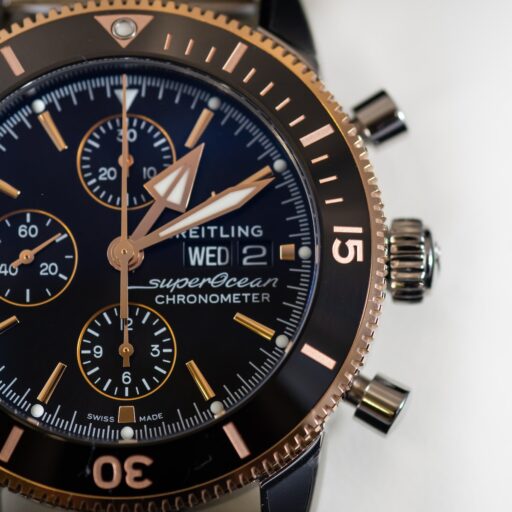
| 20 | Breitling | 184 | First chronograph with a slide rule; essential for aviation. |
Want to explore more? Check out our curated lists on Luxury Watch Brands or Affordable Watches to find your perfect match.
📜 From Pocket to Wrist: The Evolution of the First Wrist Watch Company
How did we get from a gentleman checking his pocket to a pilot checking his wrist? It wasn’t an overnight switch. It was a revolution.
The “Silly Ass Fad” Era (180s–190)
In the 19th century, a man wearing a watch on his wrist was often mocked. It was seen as effeminate or a “silly ass fad.” Men carried pocket watches in their vests, attached by a chain. The “first wrist watch company” had to fight a cultural war just to get men to wear them.
The Military Catalyst (1890s–1918)
The turning point came with the Boer War and WWI.
- Mappin & Webb began producing “campaign watches” for the Sudan campaign in 1898.
- Soldiers needed to coordinate attacks. Fumbling for a pocket watch meant death.
- H. Williamson Ltd. noted in 1916 that “one soldier in every four wears a wristlet watch.”
The Post-War Shift (1920s–1930)
After the war, veterans returned home wearing their wristwatches. The stigma vanished. By 1930, the 50-to-1 ratio was established. The first wrist watch company that could adapt to this shift (like Rolex and Omega) became the titans of the industry.
⚙️ Key Innovations That Defined Early Wristwatch Manufacturing
The transition from pocket to wrist required engineering miracles. You can’t just strap a pocket watch to a wrist; the mechanics are all wrong.
1. The Lugs
The invention of standard wire lugs by Dimier Frères & Cie in 1903 was a game-changer. It allowed straps to be easily attached and removed, standardizing the wristwatch form factor.
2. The Movement Orientation
Pocket watch movements are designed to sit flat. Wristwatch movements had to be re-enginered to handle shock and vibration from walking and running. This led to the development of shock-resistant systems like the Incabloc.
3. Waterproofing
Early wristwatches were vulnerable to sweat and rain. Rolex changed the game in 1926 with the Oyster, the first waterproof wristwatch. This was crucial for the “first wrist watch company” to survive in the real world.
🔧 The Balance Spring and Temperature Compensation: Engineering Marvels
Before we can talk about the wristwatch, we must respect the heart of the watch: the balance spring.
The Balance Spring (1675)
Invented by Christiaan Huygens (and disputed by Robert Hooke), the balance spring reduced error from hours to minutes per day. Without this, a wristwatch would be useless.
Temperature Compensation (1765)
Metal expands and contracts with heat. Pierre Le Roy invented temperature compensation, reducing error to a few seconds per day. This was vital for wristwatches, which are constantly exposed to body heat and outdoor temperatures.
Did you know?
Modern watches still use these principles. The Silicon balance spring used by brands like Ulyse Nardin and Patek Philippe is the modern evolution of Le Roy’s invention, offering immunity to magnetism and temperature changes.
🎛️ The Lever Escapement: Precision in Motion
If the balance spring is the heart, the lever escapement is the brain.
- Invented by: Thomas Mudge (1750s).
- Function: It regulates the release of energy from the mainspring, ensuring the watch ticks at a precise rate.
- Why it matters: It made watches reliable and accurate enough for daily wear.
The lever escapement is still the standard in mechanical watches today. Brands like Jaeger-LeCoultre and Omega have refined it to near perfection, but the core concept remains unchanged since the 18th century.
🏭 Mass Production and the Rise of the Modern Watch Industry
The first wrist watch company to truly master mass production was Waltham Watch Co. in the USA.
- Interchangeable Parts: Waltham pioneered the use of interchangeable parts, allowing for assembly-line production.
- Affordability: This made watches accessible to the masses, not just the elite.
- Swiss Response: The Swiss industry, led by brands like Longines and Omega, eventually adopted these methods while maintaining high craftsmanship.
The Result: By the 1920s, you could buy a reliable wristwatch for a fraction of the cost of a bespoke piece. This democratization of timekeeping changed society forever.
⌚ The Wristwatch Revolution: How It Changed Society
The wristwatch didn’t just tell time; it redefined time.
- Synchronization: It allowed for the synchronization of trains, factories, and military operations.
- Personal Time: It shifted time from a communal concept (church bells) to a personal one.
- Fashion: It became a status symbol, a piece of jewelry, and a tool of utility all at once.
As the New York Times noted in 1916, the wristwatch was no longer a fad. It was a necessity.
⚡️ The Electric Watch Era: Battery-Powered Timekeeping
The mechanical wristwatch reigned supreme until the 1950s, when the electric watch arrived.
- Bulova Accutron (1960): The first electric watch, using a tuning fork instead of a balance wheel. It was accurate to 2 seconds per day.
- Impact: It proved that electronics could outperform mechanics, setting the stage for the quartz revolution.
Fun Fact: The Accutron was so accurate it was used by NASA for space missions!
🔮 The Quartz Crisis: When Technology Shook the Industry
In 1969, Seiko released the 35 SQ Astron, the first quartz watch.
- Accuracy: It was accurate to 5 seconds per month (vs. 15 seconds per day for mechanical).
- The Crisis: The Swiss watch industry, reliant on mechanical movements, nearly collapsed. This period is known as the Quartz Crisis.
- The Recovery: Swiss brands pivoted to luxury and craftsmanship, while quartz took over the mass market.
The Lesson: Innovation is dangerous, but it’s also necessary. The first wrist watch company that adapts survives.
📡 Radio-Controled and Atomic Wristwatches: The Quest for Perfection
If you want perfect time, look no further than the atomic wristwatch.
- Junghans MEGA 1 (190): The first radio-controlled analog wristwatch.
- Bathys Cesium 13 (2013): The first watch with an internal atomic clock.
- Accuracy: These watches are accurate to one second in 10 years.
How it works: They receive a signal from atomic clocks (like the NIST in the US or the DCF7 in Germany) and adjust themselves automatically.
🤖 The Smartwatch Era: The Latest Chapter in Watch History

The journey from Breguet’s 1810 bracelet to the Apple Watch is a testament to human ingenuity.
- Steve Mann (1980s): Developed the first “Linux Watch.”
- Samsung SPH-WP10 (19): The first watch phone.
- Apple Watch (2015): Redefined the smartwatch as a fashion and health device.
The Future: Smartwatches are now capable of EKGs, blood oxygen monitoring, and even detecting falls. The first wrist watch company of the future might not even be a watch company at all.
💡 How to Identify Authentic Vintage Pieces from Early Brands
So, you want to own a piece of history? Here’s how to spot a fake.
1. Check the Lugs
Early wristwatches often had soldered lugs or unique wire lugs. If the lugs look too modern or perfectly symetrical, be wary.
2. Examine the Movement
Authentic vintage pieces will have hand-finished movements. Look for engraved serial numbers and Swiss hallmarks.
3. Verify the Dial
Dials from the early 190s often have patina and tropical aging. A perfectly white dial on a 1920s watch is a red flag.
4. Consult an Expert
Always get a vintage piece authenticated by a professional. Brands like Cartier and Rolex have archives that can verify the history of your watch.
Need help? Check out our Guide to Buying Watches for more tips.
🛒 Buying Guide: What to Look for in a First Wrist Watch Company Replica
Note: We do not endorse replicas. This section is for educational purposes to understand the market.
If you are looking for a homage or a reissue of an early wristwatch, here’s what to look for:
- Movement: Look for reliable automatic movements (e.g., Seiko NH35, Miyota 9015).
- Case Material: Stainless steel is the standard. Avoid plated metals that will tarnish.
- Crystal: Sapphire crystal is a must for durability.
- Water Resistance: At least 50 meters for daily wear.
Top Recommendations:
- Cartier Santos-Dumont Reissue: A faithful homage to the 1904 original.
- Rolex Oyster Perpetual: A modern take on the 1926 waterproof watch.
- Seiko Presage: Affordable mechanical watches with vintage aesthetics.
👉 Shop
- Cartier: Cartier Official Website | Amazon Search
- Rolex: Rolex Official Website | Authorized Dealers
- Seiko: Seiko Official Website | Amazon Search
❓ Frequently Asked Questions About the First Wrist Watch Company
What are some of the most popular luxury wrist watch brands that originated from early wrist watch companies?
Brands like Cartier, Rolex, Patek Philippe, and Vacheron Constantin all trace their roots back to the early days of wristwatch production. They have evolved from the “first wrist watch company” era into global luxury giants.
How have wrist watches evolved since the establishment of the first wrist watch company?
From jewelry for women to tools for men, then to quartz and smartwatches. The evolution has been driven by technology, military needs, and fashion.
What were some of the key innovations of the first wrist watch company?
- Lugs: For attaching straps.
- Waterproofing: For durability.
- Shock resistance: For daily wear.
- Mass production: For affordability.
What are some of the oldest wrist watch companies still in operation today?
Blancpain (1735), Vacheron Constantin (175), Breguet (175), and Girard-Peregaux (1791) are among the oldest.
Which company is credited with inventing the first practical wristwatch?
Cartier is credited with the first practical men’s wristwatch (Santos, 1904). Girard-Peregaux is credited with the first mass-produced military wristwatch.
How did the first wrist watch company change the face of timekeeping?
It shifted timekeeping from a communal activity (pocket watches) to a personal one (wristwatches), revolutionizing how we live, work, and fight.
What was the first wristwatch brand in the world and when was it established?
Breguet created the first wristwatch in 1810, but Cartier was the first to market it as a brand in 1904.
Who is the oldest wrist watch maker?
Blancpain, founded in 1735, is the oldest existing watchmaker.
What is the oldest registered watch company?
Longines, founded in 1832, was the first Swiss company to register a trademark for a watch.
What was the first watch company?
The concept of a “watch company” is complex. Breguet (175) and Blancpain (1735) are among the earliest.
Which company made first wrist watch?
Breguet made the first wristwatch (1810). Girard-Peregaux made the first mass-produced wristwatch (180s). Cartier made the first commercial men’s wristwatch (1904).
Is Cartier the first wrist watch?
Cartier made the first purpose-built men’s wristwatch (Santos, 1904), but not the first wristwatch ever (Breguet, 1810).
What is the first watch brand in the world?
Blancpain (1735) is often cited as the oldest brand.
What company made the first watch?
The first mechanical watch was made in the 16th century, but the first wristwatch was made by Breguet in 1810.
What was the worlds first wrist watch?
The Breguet No. 173 (1810) for the Queen of Naples.
🔗 Recommended Links for Watch Enthusiasts
Ready to dive deeper? Here are some essential resources:
- Books:
- Watch Time: A History of Timekeeping
- The Watch Book: The Definitive Guide to Luxury Watches
- Categories:
- Luxury Watch Investments
- Men’s Watches
- Brands:
- Cartier Official Website
- Rolex Official Website
- Seiko Official Website
📚 Reference Links and Historical Sources
For those who want to verify the facts, here are our trusted sources:
- Wikipedia: History of Watches
- The 1916 Company: Invention of the Wristwatch
- Tedy Baldassare: Oldest Watch Brands
- Cartier: The Santos Story
- Breguet: Reine de Naples
🏁 Conclusion: The Legacy of the First Wrist Watch Company

So, who was the first wrist watch company? The answer is a tapestry of Breguet’s bespoke genius, Girard-Peregaux’s military pragmatism, and Cartier’s commercial brilliance.
We started this journey asking if the first wristwatch was a fad or a necessity. The answer is clear: it was a necessity that became a fashion icon. From the Queen of Naples to the trenches of WWI, and from the cockpit of a plane to the wrist of a CEO, the wristwatch has been the ultimate symbol of human progress.
Our Recommendation:
If you’re looking to own a piece of this history, the Cartier Santos is the ultimate choice. It bridges the gap between the first wrist watch company and the modern era perfectly. It’s a watch that tells a story, not just the time.
Final Thought:
The next time you glance at your wrist, remember: you’re wearing a piece of history that started with a queen, was forged in war, and perfected by aviators. That’s not just a watch; that’s legacy.
Ready to find your perfect timepiece? Explore our Guide to Buying Watches or browse our Luxury Watch Brands collection.
👉 CHECK PRICE on:
- Cartier Santos: Cartier Official Website | Amazon Search
- Rolex Oyster Perpetual: Rolex Official Website | Authorized Dealers
- Seiko Presage: Seiko Official Website | Amazon Search