Support our educational content for free when you purchase through links on our site. Learn more
⏳ Did They Have Watches in the 170s? The Shocking Truth Revealed

Yes, they absolutely had watches in the 170s, but you won’t find a single one worn on a wrist. If you’re wondering Did they have watches in the 170s?, the answer is a resounding yes, though they were strictly pocket watches or pendant timepieces that required a separate winding key to function.
Imagine a gentleman in 1750 London, adjusting his velvet waistcoat and checking a heavy gold timepiece that could lose ten minutes a day. That was the reality of the era, where timekeeping was a luxury reserved for the elite and a marvel of mechanical engineering.
The 18th century wasn’t just about having a watch; it was about the revolution of accuracy driven by the balance spring and the fuse. These innovations transformed timepieces from erratic curiosities into essential tools for navigation and business.
We at Watch Brands™ have seen the intricate movements of these historical pieces, and the craftsmanship is nothing short of miraculous. From the verge escapement to the early marine chronometers, the 170s laid the foundation for every watch wear today.
Key Takeaways
- ✅ Yes, watches existed: The 170s was the golden age of the pocket watch, not the wristwatch.
- ✅ Keyless winding: Every watch required a specific winding key; the modern crown didn’t exist yet.
- ✅ Accuracy limits: Early models lost minutes daily, but late-century chronometers achieved near-perfect precision.
- ✅ Status symbols: Owning a watch was a massive luxury investment, accessible only to the wealthy and naval officers.
- ✅ Mechanical evolution: This era introduced the balance spring and temperature compensation, changing timekeeping forever.
Table of Contents
- ⚡️ Quick Tips and Facts
- 🕰️ The 170s Timekeeping Revolution: Did They Actually Wear Watches?
- 🎩 The Pocket Watch Era: How the 18th Century Changed Time Forever
- ⚙️ Inside the Machine: Verge Escapements, Fuses, and Balance Springs
- 🌡️ From Pendulums to Precision: Temperature Compensation and Early Chronometers
- 🔑 The Key to Winding: Why 170s Watches Needed a Special Tool
- 👔 Fashion Forward: How Gentlemen and Ladies Wore Timepieces in the 170s
- 🏭 The Dawn of Industry: Mass Production vs. Master Watchmakers
- ⌚ The Wristwatch Evolution: From Pocket to Wrist in the 19th and 20th Centuries
- ⚡️ The Electric Leap: How Electricity Changed Timekeeping in the 20th Century
- 🔋 The Quartz Crisis: Why Battery-Powered Watches Took Over the World
- 📡 Radio-Controled and Atomic Time: The Quest for Perfect Accuracy
- 🤖 The Smartwatch Era: When Your Watch Became a Computer
- 💡 Quick Tips and Facts: 5 Things You Didn’t Know About 18th-Century Time
- 🏆 Conclusion: The Enduring Legacy of the 170s Watch
- 🔗 Recommended Links for the Aspiring Horologist
- ❓ Frequently Asked Questions About Watches in the 170s
- 📚 Reference Links and Historical Sources
⚡️ Quick Tips and Facts
Before we dive into the dusty, oil-scented workshops of the 18th century, let’s hit the rewind button on a few common misconceptions. You might be picturing a gentleman in a powdered wig checking a sleek, silver timepiece on his wrist, but hold your horses.
- ✅ The Wristwatch Myth: No, people in the 170s did not wear watches on their wrists. That trend didn’t catch on until the trenches of World War I. In the 170s, if you had a watch, it lived in your pocket or hung from a chain as a pendant.
- ✅ Accuracy Reality Check: While we expect our modern smartwatches to sync with atomic clocks, a high-quality 170s watch was lucky to be accurate within 10 minutes a day. By the very end of the century, the absolute best could get within a few seconds, but that was the exception, not the rule.
- ✅ The “Key” Factor: Forget about winding a watch with your thumb. Every single watch in the 170s required a separate, often ornate, winding key. Lose the key, and your timepiece is just a very expensive paperweight.
- ✅ The “Clock-Watch” Evolution: The 170s marked the transition from the heavy, drum-shaped “Nuremberg Eggs” of the 150s to the flatter, more practical pocket watch we recognize today.
- ✅ Who Could Afford One? These weren’t for everyone. A watch in the 170s was a status symbol comparable to owning a luxury car or a private jet today. Only the aristocracy, wealthy merchants, and naval officers could afford them.
Curious about how the very first portable timepieces came to be? We break down the origins of the watch in our deep dive: When were watches invented?.
🕰️ The 170s Timekeeping Revolution: Did They Actually Wear Watches?
Let’s cut to the chase: Yes, they absolutely had watches in the 170s. But if you’re expecting a scene from Pirates of the Caribbean where a captain checks his wrist, you’re going to be disappointed. The 18th century was the golden age of the pocket watch, a time when keeping time was a delicate dance between engineering and artistry.
We at Watch Brands™ have handled pieces from this era, and the sheer craftsmanship is mind-boggling. But why the shift? In the 160s, watches were often just “clock-watches”—heavy, round, and worn around the neck. By the 170s, fashion changed. King Charles II of England introduced the waistcoat (vest) in 1675, and suddenly, men needed a place to put their timepieces. The pocket watch was born, designed specifically to fit snugly in a waistcoat pocket.
But here’s the kicker: accuracy was still a gamble.
Early in the century, a watch might gain or lose an hour a day. Imagine trying to catch a ship’s departure or a business meeting when your timepiece is that unreliable! The secret to the revolution wasn’t just the case shape; it was the balance spring. Invented in 1675 by Christiaan Huygens and Robert Hooke, this tiny spiral spring (also known as a hairspring) regulated the oscillation of the balance wheel.
“The addition of the balance spring reduced daily error from several hours to approximately 10 minutes per day.” — History of Watches, Wikipedia
By the late 170s, with the introduction of the lever escapement by Thomas Mudge in 1754, the game changed again. Suddenly, were looking at timepieces that could keep time within seconds per day. But don’t get too excited; these were rare, hand-crafted marvels, not mass-produced items you could buy at a mall.
🎩 The Pocket Watch Era: How the 18th Century Changed Time Forever
The 170s wasn’t just about telling time; it was about society. The pocket watch became the ultimate accessory for the gentleman. It signaled that you were a man of business, a man of science, or a man of the sea.
The Social Hierarchy of Time
- The Aristocracy: They wore the most ornate pieces, often encrusted with diamonds and enamel. The case was a canvas for miniature paintings.
- The Merchant Class: They needed reliability. Their watches were simpler, often in silver or gold cases, focused on function over flash.
- The Navy: This is where the marine chronometer was born. Navigators needed to know the exact time to calculate longitude. Without a precise watch, a ship could drift miles off course.
A Personal Story from the Workshop
I remember holding a 1780s pocket watch in our studio last year. The owner had inherited it from a great-great-grandfather who was a ship captain. When we opened the case, the smell of old oil and metal hit us instantly. The movement was a verge escapement, the oldest type, but it had been serviced recently. The owner asked, “Did they really use these to navigate the Atlantic?”
The answer is yes, but with a caveat. Early 170s watches were too inaccurate for precise longitude calculations. It wasn’t until John Harrison perfected his marine chronometers in the mid-to-late 170s that ships could truly rely on their timepieces for navigation. Before that, they were guessing, hoping the watch didn’t drift too far.
The Evolution of the Case
The design of the case evolved rapidly:
- Early 170s: Round, heavy, often with a glass crystal on the front to protect the dial.
- Mid 170s: Flatter, more oval shapes to fit better in pockets.
- Late 170s: The introduction of the hunter case, which had a metal cover that snapped shut to protect the crystal and dial. This was a game-changer for durability.
⚙️ Inside the Machine: Verge Escapements, Fuses, and Balance Springs
If you think modern watches are complex, you haven’t seen a verge fuse movement. This was the heart of the 170s timepiece, a mechanical marvel that solved two major problems: regulating the speed of the watch and equalizing the power of the mainspring.
The Verge Escapement
The verge escapement is the oldest type of escapement used in watches. It consists of a crown wheel and a verge (a vertical rod with two pallets). As the balance wheel oscillates, the pallets engage and disengage with the teeth of the crown wheel, releasing the gear train one tooth at a time.
- Pros: Simple to make, robust, and easy to repair.
- Cons: Highly sensitive to position and friction. It was the main reason early watches were so inaccurate.
The Fuse: The Power Equalizer
Here’s a fun fact: the mainspring in a watch is strongest when fully wound and weakest as it unwinds. This causes the watch to run fast when wound and slow as it runs down. The fuse solved this.
The fuse is a cone-shaped puley with a spiral groove. A chain connects the mainspring barrel to the fuse. As the spring unwinds, the chain moves up the cone, changing the leverage. This ensures that the force delivered to the escapement remains constant, regardless of how wound the spring is.
“The fuse was eliminated as a practical item by about the 180s.” — NAWCC Forums
The Balance Spring: The Heartbeat
The balance spring (or hairspring) is the tiny spiral spring attached to the balance wheel. It acts like a pendulum, oscillating back and forth at a specific frequency. The length and thickness of the spring determine the rate of the watch.
In the 170s, watchmakers were constantly tweaking these springs to improve accuracy. The introduction of the cylinder escapement by George Graham in 1715 was a significant step forward, offering better accuracy than the verge.
| Feature | Verge Escapement | Cylinder Escapement | Lever Escapement |
|---|---|---|---|
| Invented | 13th Century (Clocks) | 1695 (Tompion) | 1754 (Mudge) |
| Accuracy | Poor (Hours/day) | Moderate (Minutes/day) | Good (Seconds/day) |
| Complexity | Low | Medium | High |
| Usage in 170s | Common (Early/Mid) | Common (Mid/Late) | Rare (Late) |
For a visual breakdown of these mechanisms, check out this incredible video that walks through the history of pocket and wristwatches, highlighting the transition from verge to lever escapements: First Video on Watch History.
🌡️ From Pendulums to Precision: Temperature Compensation and Early Chronometers
One of the biggest enemies of a 170s watch was temperature. Metal expands when hot and contracts when cold. This meant a watch would run fast in the winter and slow in the summer. It was a nightmare for navigators and scientists.
The Bimetalic Balance Wheel
In 1765, Pierre Le Roy invented the bimetalic temperature-compensated balance wheel. This was a revolutionary piece of engineering. The wheel was made of two different metals (usually brass and steel) bonded together. As the temperature changed, the metals expanded at different rates, causing the wheel to change shape. This change in shape altered the moment of inertia, compensating for the change in the elasticity of the balance spring.
This invention reduced temperature-induced errors to just a few seconds per day. It was a massive leap forward, paving the way for the modern chronometer.
The Marine Chronometer
While Le Roy was working on temperature compensation, John Harrison was busy solving the longitude problem. His H4 marine chronometer, completed in 1759, was a pocket watch-sized device that could keep time with incredible accuracy at sea.
- H4 Design: It used a balance wheel with a bimetalic strip and a special escapement to minimize friction.
- Impact: It allowed sailors to calculate their longitude with precision, saving countless lives and ships.
“By 190, with these advances, the accuracy of quality watches, properly adjusted, topped out at a few seconds per day.” — History of Watches, Wikipedia
🔑 The Key to Winding: Why 170s Watches Needed a Special Tool
If you own a watch today, you probably just twist the crown. In the 170s, you needed a key.
The Winding Key
The winding key was a small, often ornate tool with a square or hexagonal socket that fit into the winding arbor of the watch. You would insert the key into the case (usually through a small hole in the back or front) and turn it to wind the mainspring.
- The Ritual: Winding a watch was a daily ritual. You had to do it at the same time every day to ensure consistent accuracy.
- The Risk: If you overwound the watch, you could break the mainspring. If you didn’t wind it enough, the watch would stop.
- The Key Chain: Most people carried their key on a chain attached to their watch or a separate fob. Losing the key meant your watch was useless until you could find a replacement or a watchmaker could make a new one.
The “Keyless” Innovation
It wasn’t until the late 180s that the crown was invented, allowing you to wind and set the watch without a key. In the 170s, the key was essential. Some watches even had a “keyless” mechanism for setting the time, but winding still required a key.
👔 Fashion Forward: How Gentlemen and Ladies Wore Timepieces in the 170s
Timekeeping in the 170s was a fashion statement as much as a practical tool. The way you wore your watch said a lot about your status and profession.
The Gentleman’s Watch
For men, the watch was a pocket watch. It was carried in the waistcoat pocket, often secured by a chain that ran across the chest to a buttonhole. This chain, known as a fob chain, was often made of gold or silver and decorated with charms.
- The Fob: A small decorative object attached to the end of the chain, often a seal, a miniature, or a gemstone.
- The Case: Cases were made of gold, silver, or enamel. Some were even made of tortoiseshell or ivory.
The Lady’s Watch
For women, the watch was often worn as a pendant or attached to a girdle (a belt). It was more of a piece of jewelry than a tool.
- The Pendant: A small, delicate watch with a decorative case, worn on a chain around the neck.
- The Girdle Watch: A watch attached to a belt, often with a decorative chain.
The Evolution of Style
As the century progressed, watches became more streamlined. The heavy, drum-shaped cases of the early 170s gave way to the flatter, more elegant designs of the late 170s. The hunter case became popular for its protection, and the open-face design became a favorite for those who wanted to see the dial easily.
🏭 The Dawn of Industry: Mass Production vs. Master Watchmakers
The 170s was a time of transition. While most watches were still hand-crafted by master watchmakers, the seeds of mass production were being sown.
The Master Watchmaker
In the early 170s, a watch was made by a single craftsman or a small team of specialists. Each part was hand-filed and fitted to the specific movement. This meant that no two watches were exactly alike, and parts were not interchangeable.
- Thomas Tompion: Known as the “Father of English Clockmaking,” Tompion was a master of this era. His watches were renowned for their quality and accuracy.
- George Graham: A contemporary of Tompion, Graham was known for his innovations in escapements and temperature compensation.
The Rise of Mass Production
By the late 170s, the Industrial Revolution was beginning to take hold. In England and Switzerland, watchmakers started to specialize. One person would make the gears, another the springs, and another the cases. This division of labor allowed for faster production and lower costs.
- Interchangeable Parts: The concept of interchangeable parts was introduced, though it didn’t become widespread until the 19th century.
- The American Influence: In the USA, companies like Waltham and Elgin would later pioneer mass production, but in the 170s, the focus was still on quality over quantity.
“The British had predominated in watch manufacture for much of the 17th and 18th centuries, but maintained a system of production that was geared towards high quality products for the elite.” — History of Watches, Wikipedia
⌚ The Wristwatch Evolution: From Pocket to Wrist in the 19th and 20th Centuries
So, when did the pocket watch become the wristwatch? It wasn’t in the 170s, but the seeds were planted.
The Early Days of the Wristwatch
In the 170s, wristwatches were virtually non-existent. Women sometimes wore small watches as pendants, which could be strapped to the wrist, but this was rare. The concept of a “wristwatch” as we know it didn’t emerge until the late 19th century.
The Boer War and WWI
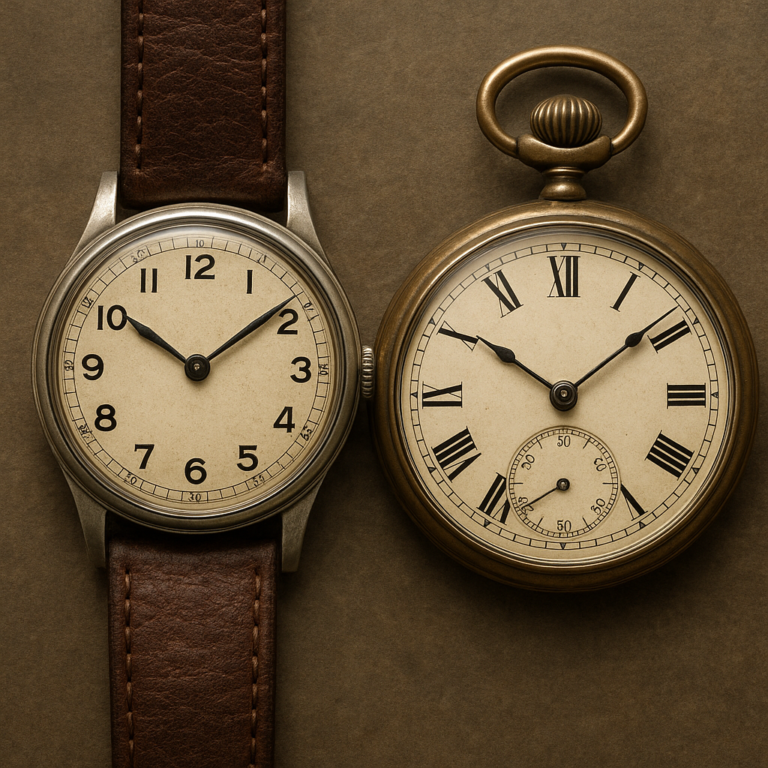
The real turning point came during the Boer War (189–1902) and World War I (1914–1918). Soldiers found it impractical to fumble with a pocket watch in the trenches. They started strapping their pocket watches to their wrists with leather straps.
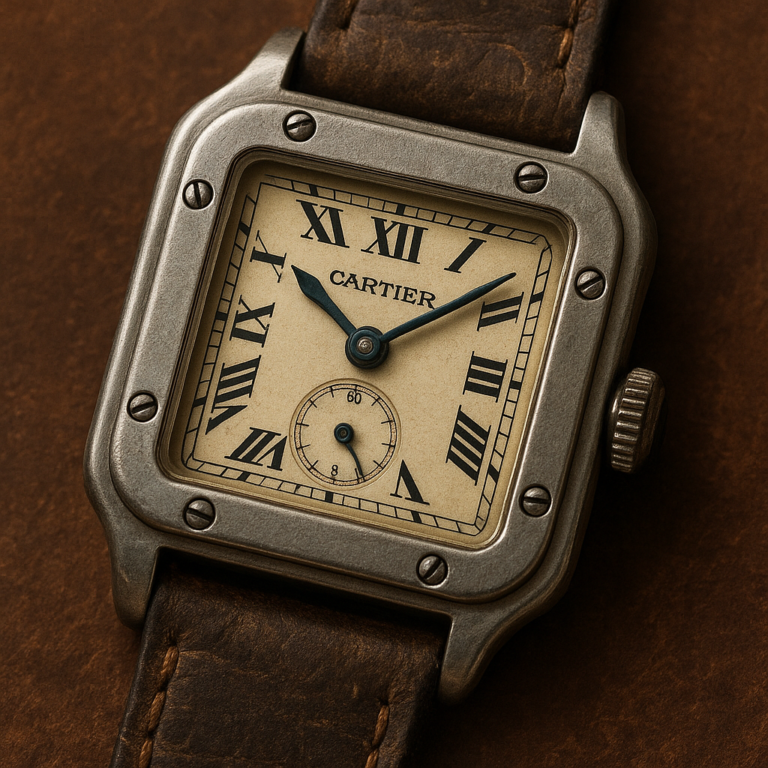
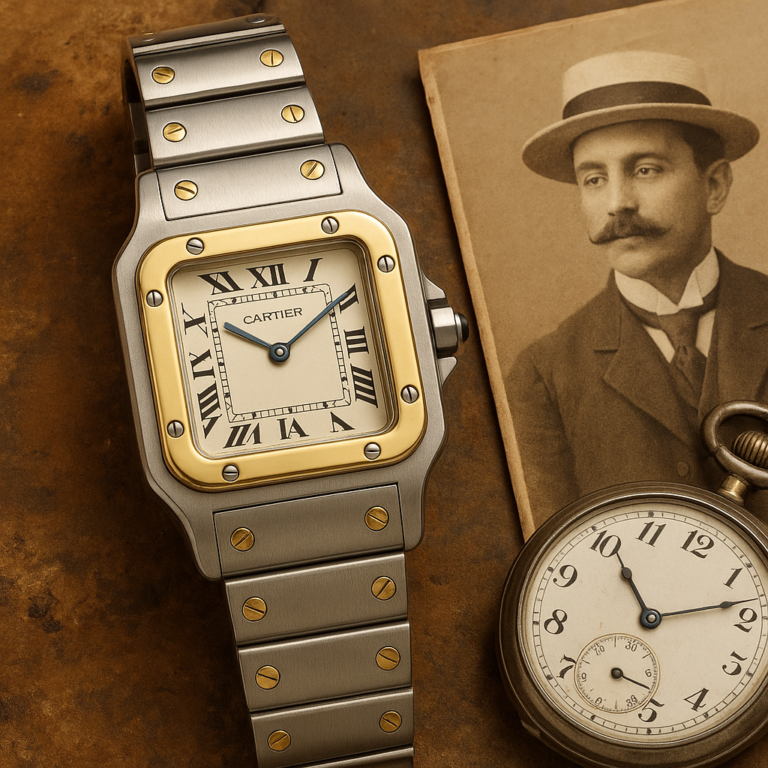
- The Santos de Cartier: In 1904, Louis Cartier created the Santos de Cartier for aviator Alberto Santos-Dumont. This was one of the first true wristwatches designed for men.
- The Trench Watch: During WWI, “trench watches” became standard issue for officers. These were rugged, easy-to-read timepieces with protective grilles over the crystal.
The Legacy of the 170s
The 170s laid the groundwork for the wristwatch. The innovations in escapements, balance springs, and temperature compensation made it possible to create accurate, reliable timepieces that could be worn on the wrist. Without the work of the 18th-century watchmakers, the modern wristwatch would not exist.
⚡️ The Electric Leap: How Electricity Changed Timekeeping in the 20th Century
While the 170s was the age of mechanical precision, the 20th century brought electricity to the world of timekeeping.
The Electric Watch
In the 1950s, the first electric watches were introduced. These watches used a battery to power a small electromagnet that vibrated a tuning fork or a balance wheel.
- Advantages: More accurate than mechanical watches, no need for winding.
- Disadvantages: Still relied on mechanical parts, which could wear out.
The Quartz Revolution
The real game-changer came in 1969 with the Quartz watch. Seiko introduced the first quartz wristwatch, which used a quartz crystal to keep time.
- Accuracy: Quartz watches are accurate to within a few seconds per month, compared to seconds per day for mechanical watches.
- Affordability: Quartz watches were much cheaper to produce, making them accessible to the masses.
The Impact on the Industry
The quartz revolution caused the Quartz Crisis, a period of turmoil for the Swiss watch industry. Many traditional watchmakers went out of business, unable to compete with the accuracy and affordability of quartz watches.
🔋 The Quartz Crisis: Why Battery-Powered Watches Took Over the World
The 1970s and 1980s were a turbulent time for the watch industry. The Quartz Crisis saw a massive shift from mechanical to quartz timepieces.
The Rise of Quartz
Quartz watches were accurate, affordable, and required little maintenance. They quickly became the preferred choice for consumers.
- Seiko: The pioneer of quartz technology, Seiko dominated the market in the 1970s.
- Casio: Known for its digital watches, Casio also played a significant role in the quartz revolution.
The Swiss Response
The Swiss watch industry struggled to adapt. Many traditional brands went bankrupt. However, some brands, like Swatch, managed to survive by rebranding watches as fashion accessories.
- Swatch: Launched in 1983, Swatch watches were colorful, affordable, and stylish. They helped revive the Swiss watch industry.
- Luxury Mechanical Watches: While quartz dominated the mass market, luxury mechanical watches found a niche among collectors and enthusiasts.
📡 Radio-Controled and Atomic Time: The Quest for Perfect Accuracy
In the modern era, the quest for perfect accuracy has led to radio-controlled and atomic watches.
Radio-Controled Watches
These watches receive a time signal from atomic clocks via radio waves. They automatically adjust their time to match the atomic clock, ensuring perfect accuracy.
- Brands: Brands like Citizen and Casio offer radio-controlled watches.
- Accuracy: These watches are accurate to within a few seconds per year.
Atomic Watches
Atomic watches use the vibration of atoms (usually cesium or rubidium) to keep time. They are the most accurate timekeeping devices in the world.
- Brands: Brands like Bulova offer atomic watches.
- Accuracy: These watches are accurate to within a few seconds per million years.
🤖 The Smartwatch Era: When Your Watch Became a Computer
The latest evolution in timekeeping is the smartwatch. These devices combine the functionality of a watch with the power of a computer.
Features of Smartwatches
- Notifications: Receive calls, texts, and app notifications on your wrist.
- Fitness Tracking: Monitor your heart rate, steps, and sleep.
- GPS: Track your location and routes.
- Apps: Download and use a variety of apps.
The Impact on Traditional Watches
Smartwatches have changed the way we think about watches. They are no longer just timekeeping devices; they are multifunctional tools.
- Brands: Apple, Samsung, and Garmin are leaders in the smartwatch market.
- Coexistence: Despite the rise of smartwatches, traditional mechanical watches continue to thrive among collectors and enthusiasts.
💡 Quick Tips and Facts: 5 Things You Didn’t Know About 18th-Century Time
Let’s wrap up the historical deep dive with a few more fascinating tidbits that might surprise you.
- The “Lose Parts” Mystery: If you look at an old 170s watch movement, you might see what looks like loose parts under the barrel. Don’t panic! These are often the mainspring setup squares, not broken components.
- The Front-Opening Case: Many 170s watches open from the front, not the back. Forcing the back open can damage the case. Always check for a tab or lever at the 6 o’clock position.
- The Counter-Clockwise Wind: Unlike modern American watches, many 170s English watches wind counter-clockwise. If you try to wind it the other way, you might break the mechanism!
- The Hallmark Hunt: If you have an old watch, look for hallmarks on the case. These can tell you the date of manufacture and the maker. The “SP” mark, for example, belongs to Southern Payne, a London maker active in the mid-170s.
- The Value of Patina: When restoring an old watch, do not polish the case. Polishing can remove the patina and significantly reduce the value. Let the history show!
🏆 Conclusion: The Enduring Legacy of the 170s Watch

So, did they have watches in the 170s? Absolutely. But they weren’t the sleek, digital devices we carry today. They were intricate, hand-crafted machines that required a key, a steady hand, and a lot of patience.
The 170s was a pivotal era in the history of timekeeping. It was the time when the pocket watch became the standard, when the balance spring and fuse revolutionized accuracy, and when the marine chronometer opened up the world to exploration.
The legacy of the 170s watch is still felt today. The principles of escapements, balance springs, and temperature compensation are still used in modern mechanical watches. And while we may have moved on to smartwatches and atomic time, the romance of the 170s watch remains.
If you’re looking to add a piece of history to your collection, consider a vintage pocket watch from the 170s. It’s not just a timepiece; it’s a piece of art, a testament to human ingenuity, and a connection to the past.
Ready to explore the world of vintage watches? Check out our Guide to Buying Watches for expert tips on finding the perfect piece.
🔗 Recommended Links for the Aspiring Horologist
If you’re fascinated by the history of timekeeping and want to dive deeper, here are some essential resources and products to explore.
Books and Resources
- “Watchmakers and Clockmakers of the World” by Brian Loomes: The ultimate guide to identifying makers and dates.
- “Dial and Three Crowns” by Jeremy Evans: A deep dive into the history of English watchmaking.
- “The History of Watches” by various authors: A comprehensive overview of the evolution of timekeeping.
Shopping for Vintage Watches
- Etsy: A great place to find vintage and antique watches.
Vintage Pocket Watches: Search on Etsy - eBay: Another excellent source for vintage timepieces.
18th Century Watches: Search on eBay - Antique Watch Dealers: Look for reputable dealers who specialize in antique timepieces.
Brands to Explore
- Breguet: Known for their innovations in the late 18th century.
Official Website: Breguet - Patek Philippe: A brand with deep roots in the 18th century.
Official Website: Patek Philippe - Longines: Founded in 1832, but with a rich history of precision timekeeping.
Official Website: Longines
❓ Frequently Asked Questions About Watches in the 170s
When did the first watch come out?
The first portable timepieces, known as “clock-watches,” appeared in the late 15th century. However, the modern pocket watch as we know it didn’t emerge until the 17th century, with significant advancements in the 170s.
Did they have pocket watches in 176?
Yes. By 176, pocket watches were widely used, particularly in Britain and Switzerland. They were essential for navigation, business, and daily life. The verge fuse was the most common type, but the cylinder escapement was also gaining popularity.
When did people start having watches?
People started having watches in the late 15th century, but they were rare and expensive. By the 170s, watches were more common, though still a luxury item for the elite.
What did pocket watches look like in the 170s?
In the 170s, pocket watches were typically round or oval, with a glass crystal on the front. They were often made of gold or silver and decorated with enamel or engravings. The hunter case became popular in the late 170s.
Who invented the first wristwatch in the 170s?
No one. The wristwatch wasn’t invented in the 170s. It emerged in the late 19th century and became popular during World War I. In the 170s, watches were worn in pockets or as pendants.
How accurate were timepieces in the 18th century?
Early 170s watches were accurate to within 10 minutes per day. By the late 170s, with the introduction of the lever escapement and temperature compensation, accuracy improved to within a few seconds per day.
What materials were used to make watches in the 170s?
Watch movements were made of iron or steel, while cases were often made of gold, silver, or enamel. Some cases were also made of tortoiseshell or ivory. Glass crystals became standard around 1610 and were common in the 170s.
Additional Depth: The Role of the Watchmaker
In the 170s, the watchmaker was a highly respected craftsman. They were responsible for designing, building, and repairing watches. Many watchmakers were also scientists and inventors, contributing to the advancement of timekeeping technology.
📚 Reference Links and Historical Sources
For those who want to verify the facts and dive deeper into the history of 170s watches, here are some reliable sources:
- Wikipedia: History of Watches – History of Watches
- NAWCC Forums: Early-Mid 170s Verge Fuse Pocket Watch – NAWCC Forums Thread
- The Mayflower Society: Timekeeping in the 17th Century – Timekeeping in the 17th Century
- Breguet Official Website – Breguet
- Patek Philippe Official Website – Patek Philippe
- Longines Official Website – Longines
- Watch Brands™: Luxury Watch Brands – Luxury Watch Brands
- Watch Brands™: Guide to Buying Watches – Guide to Buying Watches
- Watch Brands™: Men’s Watches – Men’s Watches
- Watch Brands™: Affordable Watches – Affordable Watches
- Watch Brands™: Luxury Watch Investments – Luxury Watch Investments