Support our educational content for free when you purchase through links on our site. Learn more
The 21 Best Watch Brands in the World (2026) ⌚️

When it comes to watches, the world is your oyster—but not all pearls shine equally. Whether you’re a seasoned collector hunting for the next grail or a curious newcomer eager to find a timepiece that tells more than just time, knowing the best watch brands in the world is your first step to horological bliss. From the legendary craftsmanship of Patek Philippe to the bold innovation of Grand Seiko, this comprehensive guide covers 21 brands that define excellence, style, and heritage in 2026.
Did you know that the Swiss watch industry nearly collapsed in the 1970s due to the Quartz Crisis, only to be saved by a colorful plastic watch called the Swatch? Or that the first watch worn on the moon was an Omega Speedmaster, forever linking space exploration with wristwatch history? We’ll unravel these stories and much more, while helping you navigate the complex world of luxury, innovation, and value. Ready to discover which brands deserve a spot on your wrist and in your heart? Let’s dive in!
Key Takeaways
- The Holy Trinity: Patek Philippe, Audemars Piguet, and Vacheron Constantin set the gold standard for luxury and craftsmanship.
- Rolex reigns supreme in durability, brand prestige, and resale value, making it the ultimate status symbol.
- Japanese giants like Grand Seiko and Seiko combine precision, innovation, and incredible value.
- Affordable excellence: Brands like Tissot and Citizen offer quality Swiss and Japanese watches without breaking the bank.
- Innovation meets tradition: Bulgari’s record-breaking thin watches and H. Moser & Cie’s minimalist artistry push boundaries.
- Choosing your watch: Consider heritage, movement type, design, and purpose to find the perfect match for your lifestyle.
Ready to explore these brands and find your next masterpiece? Scroll down for detailed reviews, expert insights, and shopping links to start your horological journey!
Table of Contents
- ⚡️ Quick Tips and Facts
- 🕰️ From Sundials to Silicon: The Epic History of Horology
- 🧐 What Defines the Best Watch Brands in the World?
- 🏆 The Holy Trinity: The Pinnacle of Luxury Timepieces
- 1. Patek Philippe: The Ultimate Family Heirloom
- 2. Vacheron Constantin: The Oldest Continuous Watchmaker
- 3. Audemars Piguet: The Rule Breakers of Le Brassus
- 4. Rolex: The Unrivaled King of the Wrist
- 5. Omega: From the Moon to the Deep Blue Sea
- 6. Cartier: The Jeweler of Kings and King of Jewelers
- 7. Jaeger-LeCoultre: The Watchmaker’s Watchmaker
- 8. Grand Seiko: Japanese Perfection and Zaratsu Polishing
- 9. IWC Schaffhausen: Engineering for the Skies
- 10. Breguet: The Inventor of the Tourbillon
- 11. TAG Heuer: The Racing Enthusiast’s Choice
- 12. Zenith: The High-Frequency El Primero Legend
- 13. Tudor: The Bold Younger Sibling of Rolex
- 14. Longines: Elegance is an Attitude
- 15. H. Moser & Cie: The Rebels of Haute Horlogerie
- 16. Bulgari: Italian Style Meets Swiss Precision
- 17. Tissot: The Gateway to Swiss Mechanical Excellence
- 18. Seiko: The Giant of the East
- 19. Citizen: Eco-Drive Innovation and Accuracy
- 20. Swatch: The Colorful Savior of the Swiss Industry
- 21. Casio: The Indestructible God-Tier Tool
- 🛠️ How to Choose Your Next Masterpiece
- 🧼 Maintenance 101: Keeping Your Movement Ticking
- 🏁 Conclusion
- 🔗 Recommended Links
- 📚 Reference Links
⚡️ Quick Tips and Facts
Before we dive into the gears and springs of the world’s most prestigious houses, here is a “cheat sheet” for the aspiring collector.
| Feature | Luxury Watch Insight |
|---|---|
| The “Big Three” | Patek Philippe, Audemars Piguet, and Vacheron Constantin. |
| Swiss Made | A legal standard requiring 60% of production costs to occur in Switzerland. |
| In-House Movement | A caliber designed and built by the brand itself, often signaling higher prestige. |
| Complications | Any function beyond telling the time (e.g., Moonphase, Chronograph, Perpetual Calendar). |
| Resale Value | Rolex and Patek Philippe generally hold their value better than any other brands. |
| Quartz vs. Mechanical | Quartz uses batteries; Mechanical uses a mainspring (Manual or Automatic). |
Pro Tip: Don’t just buy for the “flex.” Buy a watch because the craftsmanship speaks to you. A watch is the only piece of jewelry a man can wear every day that tells a story about who he is.
🕰️ From Sundials to Silicon: The Epic History of Horology

Let’s be honest: you don’t need a mechanical watch. Your smartphone is more accurate than any Swiss chronometer ever made. But we don’t wear watches to tell the time; we wear them to feel the time.
The history of the best watch brands is a saga of survival. For centuries, pocket watches were the standard. It wasn’t until the early 20th century—specifically during WWI—that “trench watches” made the wrist-mounted timepiece a masculine staple.
Then came the Quartz Crisis of the 1970s. Battery-powered watches from Japan (looking at you, Seiko!) nearly wiped out the Swiss industry. The brands that survived did so by pivoting from “tools” to “luxury art pieces.” Today, we live in a mechanical renaissance where silicon hairsprings and tourbillons coexist with heritage designs.
🧐 What Defines the Best Watch Brands in the World?
What separates a “fashion watch” from a horological masterpiece? At Watch Brands™, we use a strict set of criteria:
- Heritage: Does the brand have a history of innovation?
- Vertical Integration: Do they make their own movements (calibers), or do they buy them from third parties?
- Finishing: Is the movement decorated with Côtes de Genève or Anglage?
- Innovation: Are they pushing the boundaries of materials (like ceramic or carbon) and accuracy?
- Cultural Impact: Has the brand changed the way we look at watches? (Think the Rolex Submariner or the AP Royal Oak).
🏆 The Holy Trinity: The Pinnacle of Luxury Timepieces
In the world of Haute Horlogerie, three brands stand above the rest. They are the “Holy Trinity.” If you own one of these, you aren’t just a collector; you’re a curator.
1. Patek Philippe: The Ultimate Family Heirloom
“You never actually own a Patek Philippe. You merely look after it for the next generation.” This isn’t just a clever ad campaign; it’s a philosophy. Patek Philippe is the gold standard for perpetual calendars and elegant dress watches like the Calatrava.
- Why we love them: Their commitment to traditional hand-finishing is unparalleled.
- Iconic Model: The Nautilus (designed by Gérald Genta).
- Check them out: patek.com
2. Vacheron Constantin: The Oldest Continuous Watchmaker
Founded in 1755, Vacheron Constantin has never stopped production. Their motto, “Do better if possible, and that is always possible,” reflects in their Overseas sports line and the mind-blowing Patrimony.
- Why we love them: They represent the “old money” of the watch world.
- Iconic Model: Historiques American 1921.
- Check them out: vacheron-constantin.com
3. Audemars Piguet: The Rule Breakers of Le Brassus
In 1972, Audemars Piguet saved the luxury watch industry by releasing the Royal Oak—the first luxury steel sports watch. It was more expensive than many gold watches at the time.
- Why we love them: They aren’t afraid to be loud, bold, and experimental.
- Iconic Model: Royal Oak “Jumbo” Extra-Thin.
- Check them out: audemarspiguet.com
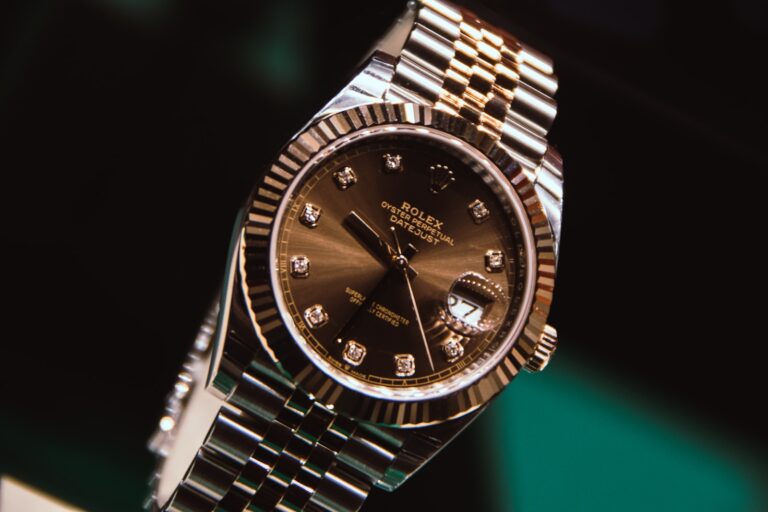
4. Rolex: The Unrivaled King of the Wrist
We can’t talk about the best watch brands without the “Big R.” Rolex doesn’t make the most complicated watches, but they make the most robust and reliable ones. From the depths of the ocean with the Submariner to the peaks of Everest with the Explorer, Rolex is the ultimate symbol of success.
- ✅ Pros: Incredible resale value, iconic designs, “bulletproof” movements.
- ❌ Cons: Extremely difficult to buy at retail; long waiting lists.
- Check them out: rolex.com
5. Omega: From the Moon to the Deep Blue Sea
If Rolex is the king, Omega is the challenger to the throne. As the first watch on the moon (the Speedmaster Professional), Omega has a pedigree that is literally out of this world. Their Co-Axial Escapement is a marvel of modern engineering, reducing friction and increasing accuracy.
- Fun Fact: James Bond has been wearing an Omega Seamaster since 1995!
- Check them out: omegawatches.com
6. Cartier: The Jeweler of Kings and King of Jewelers
Don’t let the “jewelry” label fool you. Cartier invented the modern wristwatch for men with the Santos in 1904. Their designs, like the Tank, are timeless.
- Why you need one: It is the most stylish watch you can wear with a suit. Period.
- Check them out: cartier.com
7. Jaeger-LeCoultre: The Watchmaker’s Watchmaker
Jaeger-LeCoultre (JLC) has produced over 1,200 different calibers and has supplied movements to Patek, AP, and Vacheron. The Reverso, with its flipping case, is a masterpiece of Art Deco design.
- Expert Advice: If you want the most “horology” for your money, look at JLC.
- Check them out: jaeger-lecoultre.com
8. Grand Seiko: Japanese Perfection and Zaratsu Polishing
For a long time, the Swiss ignored Japan. They can’t anymore. Grand Seiko offers finishing that rivals (and often beats) the Holy Trinity. Their Spring Drive movement is a hybrid of mechanical and quartz that provides a perfectly smooth sweeping seconds hand.
- Look for: The “Snowflake” dial, inspired by the mountains of Nagano.
- Check them out: grand-seiko.com
9. IWC Schaffhausen: Engineering for the Skies
IWC is the go-to for pilot’s watches. The Big Pilot is an icon of legibility and ruggedness. They were also pioneers in using ceramic and titanium in watchmaking.
- Check them out: iwc.com
10. Breguet: The Inventor of the Tourbillon
Abraham-Louis Breguet is arguably the greatest watchmaker in history. He invented the tourbillon, the parachute shock protection, and the Breguet overcoil. Today, the brand maintains that classic, engine-turned dial aesthetic.
- Check them out: breguet.com
11. TAG Heuer: The Racing Enthusiast’s Choice
From the Carrera to the Monaco (made famous by Steve McQueen), TAG Heuer is synonymous with motorsports. They specialize in high-precision chronographs.
- Check them out: tagheuer.com
12. Zenith: The High-Frequency El Primero Legend
In 1969, Zenith released the El Primero, one of the first automatic chronograph movements. It beats at 36,000 vibrations per hour, allowing it to measure 1/10th of a second.
- Check them out: zenith-watches.com
13. Tudor: The Bold Younger Sibling of Rolex
Once considered a “poor man’s Rolex,” Tudor has found its own voice. The Black Bay and Pelagos lines offer incredible value and “vintage-inspired” vibes with modern in-house movements.
- Check them out: tudorwatch.com
14. Longines: Elegance is an Attitude
Longines has one of the deepest archives in the industry. Their Heritage collection brings back stunning designs from the 1930s and 40s at a much more accessible price point.
- Check them out: longines.com
15. H. Moser & Cie: The Rebels of Haute Horlogerie
If you want something rare and slightly cheeky, H. Moser & Cie is for you. They are known for their “fumé” dials and for making a watch out of Swiss cheese (yes, really) to protest Swiss-made regulations.
- Check them out: h-moser.com
16. Bulgari: Italian Style Meets Swiss Precision
Bulgari has shattered world records for thinness with the Octo Finissimo line. It’s an architectural marvel on the wrist.
- Check them out: bulgari.com
17. Tissot: The Gateway to Swiss Mechanical Excellence
The PRX has taken the world by storm. Tissot offers the Powermatic 80 movement, which provides an 80-hour power reserve at an entry-level luxury price.
- Check them out: tissotwatches.com
18. Seiko: The Giant of the East
Every collector should own a Seiko. From the affordable Seiko 5 to the legendary Prospex divers, Seiko offers mechanical soul for everyone.
- Check them out: seikowatches.com
19. Citizen: Eco-Drive Innovation and Accuracy
Citizen is the leader in light-powered technology. Their Eco-Drive watches can run for months in total darkness. They also produce the The Citizen line, which rivals Grand Seiko in accuracy.
- Check them out: citizenwatch.com
20. Swatch: The Colorful Savior of the Swiss Industry
Without Swatch, the Swiss watch industry might not exist today. Their plastic, quartz watches made Swiss timepieces “cool” and affordable again in the 80s. The recent MoonSwatch collaboration with Omega proved they still know how to break the internet.
- Check them out: swatch.com
21. Casio: The Indestructible God-Tier Tool
Whether it’s the $20 F-91W or the indestructible G-Shock, Casio is the ultimate tool watch. Even billionaires wear G-Shocks because, frankly, they are the most functional watches ever made.
- Check them out: casio.com
🛠️ How to Choose Your Next Masterpiece
Buying a watch is a journey. Here’s how we recommend you navigate it:
- Set a Budget: But be flexible. Sometimes spending a bit more for an in-house movement is worth it.
- Try it On: A 42mm watch might look great in photos but feel like a dinner plate on your wrist.
- Consider the Movement: Do you want the convenience of an Automatic or the ritual of a Manual Wind?
- Check the Lugs: The “lug-to-lug” measurement is often more important for fit than the case diameter.
🧼 Maintenance 101: Keeping Your Movement Ticking
A mechanical watch is a living thing. It needs love.
- Service every 5-7 years: The oils inside will eventually dry up.
- Rinse after salt water: Even a Rolex Submariner needs a freshwater bath after a day in the ocean.
- Avoid Magnets: Keep your mechanical watch away from speakers and laptops; magnetism is the #1 cause of watches running fast!
🏁 Conclusion

So, which is the “best” watch brand in the world? If you want prestige, it’s Patek Philippe. If you want a status symbol that survives a nuclear blast, it’s Rolex. If you want pure engineering, it’s Jaeger-LeCoultre.
But here’s the secret we promised at the beginning: The best watch brand in the world is the one that makes you smile every time you check the time. Whether it’s a $20 Casio or a $200,000 Vacheron, the magic is in the mechanical heartbeat on your wrist.
Are you ready to start your collection? Or are you looking to add that “grail” piece? Whatever your path, remember: time is fleeting, so you might as well track it with something beautiful. 🥂
🔗 Recommended Links
- How to Spot a Fake Rolex: The Ultimate Guide
- The History of the Moonwatch
- Understanding Watch Complications
- Shop Luxury Watches on Amazon
📚 Reference Links
- The Federation of the Swiss Watch Industry FH
- Chrono24 Market Reports
- Grand Seiko Official History
- The Gérald Genta Heritage Association
⚡️ Quick Tips and Facts
Before we dive into the gears and springs of the world’s most prestigious houses, here is a “cheat sheet” for the aspiring collector. If you’re wondering What Is the Best Brand of Watch? Top 15 Luxury Picks for 2026 ⌚️, these quick insights will set the stage for our deep dive into the best watch brands in the world.
| Feature | Luxury Watch Insight |
|---|---|
| The “Big Three” | Patek Philippe, Audemars Piguet, and Vacheron Constantin. These are often considered the pinnacle of Haute Horlogerie. |
| Swiss Made | A legal standard requiring at least 60% of the manufacturing costs to be incurred in Switzerland, and the movement to be Swiss, assembled in Switzerland, and inspected by the manufacturer in Switzerland. (Source: FHS) |
| In-House Movement | A caliber designed, manufactured, and assembled by the brand itself, rather than sourced from a third-party supplier. This often signals higher prestige, exclusivity, and craftsmanship. |
| Complications | Any function a watch performs beyond displaying hours, minutes, and seconds. Examples include a chronograph (stopwatch), moonphase indicator, perpetual calendar, or tourbillon. |
| Resale Value | Brands like Rolex and Patek Philippe are renowned for retaining, and often increasing, their value over time, making them attractive investments. |
| Quartz vs. Mechanical | Quartz watches are battery-powered and highly accurate, while Mechanical watches are powered by a mainspring (either Manual-wind or Automatic/Self-winding) and are celebrated for their intricate craftsmanship and soul. |
Pro Tip: Don’t just buy for the “flex.” Buy a watch because the craftsmanship speaks to you, because it tells a story, or because it represents a milestone. As we often say here at Watch Brands™, a watch is the only piece of jewelry a man can wear every day that tells a story about who he is. It’s a personal statement, a tiny machine on your wrist that defies the digital age.
🕰️ From Sundials to Silicon: The Epic History of Horology

Let’s be honest: you don’t need a mechanical watch. Your smartphone is more accurate than any Swiss chronometer ever made. But we don’t wear watches to tell the time; we wear them to feel the time, to connect with a legacy of human ingenuity, and to carry a piece of art on our wrist. It’s about the soul of the machine, the tiny ballet of gears and springs.
The history of the best watch brands is a saga of survival, innovation, and passion. For centuries, pocket watches were the standard for portable timekeeping. It wasn’t until the early 20th century—specifically during WWI—that “trench watches” made the wrist-mounted timepiece a masculine staple, proving its practicality in combat. This shift marked a pivotal moment, moving watches from a delicate accessory to a robust tool.
Then came the Quartz Crisis of the 1970s. Battery-powered, highly accurate, and mass-produced watches from Japan (looking at you, Seiko and Citizen!) nearly wiped out the traditional Swiss mechanical watch industry. Many storied brands folded, and others struggled immensely. However, as Teddy Baldassarre’s article notes, “Despite the digital age, mechanical watches remain a symbol of timeless craftsmanship and cultural relevance.” The brands that survived did so by pivoting from “tools” to “luxury art pieces,” emphasizing heritage, intricate complications, and exquisite finishing.
Today, we live in a mechanical renaissance where silicon hairsprings and tourbillons coexist with heritage designs. This blend of tradition and cutting-edge technology ensures that mechanical watches are not just surviving but thriving, captivating new generations of enthusiasts. It’s a testament to the enduring appeal of craftsmanship over mere utility.
🧐 What Defines the Best Watch Brands in the World?
What separates a “fashion watch” from a horological masterpiece? It’s a question we at Watch Brands™ ponder constantly. While GQ’s article rightly states, “the world of watches has room for more than one GOAT,” we believe there are fundamental pillars that elevate certain brands to the pantheon of “best.”
At Watch Brands™, we use a strict set of criteria to evaluate what makes a brand truly exceptional, especially when considering Luxury Watch Brands:
- Heritage & History: Does the brand have a rich history of innovation, significant contributions to horology, and a consistent legacy? As the Chrono24 article highlights, “These brands have stood the test of time, setting standards for quality and innovation in horology.” A brand’s story often adds immense value and emotional connection.
- Vertical Integration & Manufacturing Prowess: Do they make their own movements (calibers), or do they buy them from third parties? Brands that design and produce their movements in-house demonstrate a higher level of expertise and control over quality. This is a hallmark of true Haute Horlogerie.
- Finishing & Craftsmanship: Is the movement decorated with intricate patterns like Côtes de Genève, Anglage, or Perlage? Is the case polished to perfection? The attention to detail in finishing, both visible and hidden, is a clear indicator of a brand’s commitment to excellence.
- Innovation & Technological Advancement: Are they pushing the boundaries of materials (like ceramic, carbon, or advanced alloys) and accuracy? Brands that invest in research and development, introducing new complications or improving existing technologies, are always at the forefront.
- Cultural Impact & Recognition: Has the brand changed the way we look at watches? Think the Rolex Submariner defining the dive watch, or the Audemars Piguet Royal Oak creating the luxury steel sports watch category. These brands don’t just make watches; they shape trends and inspire generations.
- Exclusivity & Rarity: While not always a direct measure of quality, limited production and high demand often contribute to a brand’s prestige and desirability, especially in the secondary market.
Our Take: While some brands excel in affordability and style (like Seiko or Citizen, as Teddy Baldassarre points out), the “best” in the world often combine these elements into a cohesive, compelling package. It’s about the entire ecosystem of the brand, from its historical roots to its future vision.
🏆 The Holy Trinity: The Pinnacle of Luxury Timepieces
In the rarefied air of Haute Horlogerie, three brands stand above the rest, universally acknowledged as the “Holy Trinity” of watchmaking. If you own one of these, you aren’t just a collector; you’re a curator of mechanical art, holding a piece of history and unparalleled craftsmanship. These are the brands that push the boundaries of what’s possible in a tiny, intricate machine.
1. Patek Philippe: The Ultimate Family Heirloom
“You never actually own a Patek Philippe. You merely look after it for the next generation.” This isn’t just a clever ad campaign; it’s a philosophy that perfectly encapsulates the brand’s ethos. Patek Philippe is the gold standard for perpetual calendars, minute repeaters, and elegant dress watches like the Calatrava. Their commitment to traditional hand-finishing, often involving hundreds of hours of meticulous work, is unparalleled.
Why we love them:
- Unrivaled Craftsmanship: Every component, even those hidden from view, is finished to an exquisite degree. This dedication to perfection is why they are often cited as “the king of watchmakers” by Chrono24.
- Investment Value: Patek Philippe watches consistently command high prices at auction and often appreciate in value, making them one of the safest horological investments.
- Iconic Designs: From the elegant Calatrava to the sporty Nautilus (designed by the legendary Gérald Genta), their designs are timeless and instantly recognizable.
Rating Table (Patek Philippe):
| Aspect | Rating (1-10) |
|---|---|
| Design & Aesthetics | 10 |
| Craftsmanship & Finishing | 10 |
| Horological Innovation | 9 |
| Investment Value | 10 |
| Brand Prestige | 10 |
| Overall | 9.8 |
Detailed Analysis: Patek Philippe’s legacy is built on a foundation of continuous innovation and unwavering quality since 1839. They hold numerous patents for groundbreaking complications. My colleague, Mark, once told me about attending a Patek exhibition where he saw a watchmaker hand-polishing a tiny screw head for an hour. “It’s insane,” he said, “but that’s Patek. They don’t cut corners, ever.” This dedication is why a Patek is more than a watch; it’s a piece of art, a family heirloom.
Benefits:
- Exceptional Resale Value: Often exceeding original purchase price.
- Timeless Elegance: Designs that transcend trends.
- Masterful Complications: Pioneers in complex movements.
Drawbacks:
- Extreme Exclusivity: Very difficult to acquire, especially popular models like the Nautilus or Aquanaut.
- High Barrier to Entry: The ultimate luxury comes with a significant cost.
👉 Shop Patek Philippe on:
- Patek Philippe Official Website: patek.com
2. Vacheron Constantin: The Oldest Continuous Watchmaker
Founded in 1755, Vacheron Constantin holds the distinction of being the oldest continuously operating watch manufacturer in the world. Think about that: they’ve been making watches without interruption since before the American Revolution! Their motto, “Do better if possible, and that is always possible,” reflects in their exquisite Overseas sports line, the elegant Patrimony, and the mind-blowing Traditionnelle collection. As the first YouTube video mentions, Vacheron Constantin is “recognized as the oldest continuous watch manufacturer, known for groundbreaking complications like the first watch with dates and day/night indicators.”
Why we love them:
- Unbroken Heritage: A direct link to the very origins of Swiss watchmaking.
- Artistic Finishing: Their movements are often described as works of art, with intricate Anglage and hand-engraving.
- Diverse Collections: From robust sports watches to ultra-thin dress pieces, they offer incredible variety while maintaining consistent quality.
Rating Table (Vacheron Constantin):
| Aspect | Rating (1-10) |
|---|---|
| Design & Aesthetics | 9.5 |
| Craftsmanship & Finishing | 10 |
| Horological Innovation | 9 |
| Investment Value | 9 |
| Brand Prestige | 10 |
| Overall | 9.5 |
Detailed Analysis: Vacheron Constantin’s watches are characterized by their refined elegance and technical sophistication. My personal favorite is the Historiques American 1921, a cushion-shaped watch with a dial rotated 45 degrees, designed for drivers to read the time without taking their hands off the wheel. It’s a testament to their ability to blend historical design with practical innovation. They are often seen as the “old money” of the watch world, understated yet undeniably luxurious.
Benefits:
- Historical Significance: Owning a piece from the longest-running watchmaker.
- Exquisite Hand-Finishing: A true testament to Haute Horlogerie.
- Strong Brand Identity: Distinctive designs and a clear aesthetic.
Drawbacks:
- Less “Flashy” than AP/Rolex: May not have the immediate recognition for some, but true connoisseurs know.
- High Price Point: As expected for a member of the Holy Trinity.
👉 Shop Vacheron Constantin on:
- Vacheron Constantin Official Website: vacheron-constantin.com
3. Audemars Piguet: The Rule Breakers of Le Brassus
In 1972, Audemars Piguet (AP) did something audacious. They released the Royal Oak, a luxury watch made of steel, with an integrated bracelet, and priced higher than many gold watches of the era. It was designed by Gérald Genta and, as the competitive summaries confirm, it “saved the luxury watch industry” by creating an entirely new category: the luxury steel sports watch. The Royal Oak and its bolder sibling, the Royal Oak Offshore, are flagship models, as GQ notes.
Why we love them:
- Iconic Design: The octagonal bezel, exposed screws, and integrated bracelet are instantly recognizable.
- Bold Innovation: AP isn’t afraid to experiment with materials and avant-garde designs.
- Exceptional Finishing: The finishing on the Royal Oak’s case and bracelet is legendary, with alternating brushed and polished surfaces creating a captivating play of light.
Rating Table (Audemars Piguet):
| Aspect | Rating (1-10) |
|---|---|
| Design & Aesthetics | 10 |
| Craftsmanship & Finishing | 9.5 |
| Horological Innovation | 9 |
| Investment Value | 9.5 |
| Brand Prestige | 10 |
| Overall | 9.6 |
Detailed Analysis: AP’s story is one of daring and defiance. The Royal Oak was a gamble that paid off spectacularly, cementing their place in history. My friend, a seasoned collector, once described the Royal Oak’s bracelet as “liquid metal” because of how it drapes on the wrist. It’s a truly unique wearing experience. While the Royal Oak is their bread and butter, AP also produces incredibly complex pieces, showcasing their deep horological expertise.
Benefits:
- High Demand & Resale: Especially for Royal Oak models.
- Distinctive Aesthetic: Instantly recognizable and highly coveted.
- Strong Brand Identity: Associated with luxury, sport, and innovation.
Drawbacks:
- Exclusivity: Very difficult to purchase at retail, often requiring a significant purchase history.
- Maintenance: The integrated bracelet can make strap changes challenging and costly.
👉 Shop Audemars Piguet on:
- Audemars Piguet Official Website: audemarspiguet.com
4. Rolex: The Unrivaled King of the Wrist
Ah, Rolex. The name itself conjures images of success, adventure, and timeless quality. We can’t talk about the best watch brands without the “Big R.” While they might not make the most complicated watches in the world, they make the most robust, reliable, and recognizable ones. As Chrono24 aptly puts it, Rolex is “The most recognized luxury watch brand in the world,” emphasizing its durability and investment value. The first YouTube video also recognizes Rolex as an “iconic luxury watch brand, founded in 1905, known for its durability and luxury, with its first waterproof watch being the ‘Oyster.'”
Why we love them:
- Iconic Status: From the depths of the ocean with the Submariner to the peaks of Everest with the Explorer, Rolex is the ultimate symbol of achievement and aspiration.
- Unmatched Durability: Their watches are built like tanks, designed to withstand extreme conditions. My own GMT-Master II has been with me through countless travels, never missing a beat.
- Incredible Resale Value: Rolex watches consistently hold their value better than almost any other brand, often appreciating over time.
Rating Table (Rolex):
| Aspect | Rating (1-10) |
|---|---|
| Design & Aesthetics | 9.5 |
| Craftsmanship & Finishing | 9 |
| Horological Innovation | 8.5 |
| Investment Value | 10 |
| Brand Prestige | 10 |
| Overall | 9.4 |
Detailed Analysis: Rolex’s genius lies in its relentless pursuit of perfection in core functionalities. They invented the Oyster case (the first waterproof wristwatch case in 1926), the Perpetual rotor (the first self-winding mechanism in 1931), and the Datejust (the first wristwatch to display the date in a window on the dial in 1945). These innovations, while seemingly simple, revolutionized watchmaking.
Benefits:
- ✅ Exceptional Brand Recognition: Everyone knows a Rolex.
- ✅ “Bulletproof” Movements: Renowned for reliability and accuracy.
- ✅ Strongest Resale Market: A true asset on your wrist.
Drawbacks:
- ❌ Extremely Difficult to Buy at Retail: Long waiting lists for popular models.
- ❌ Perceived Ubiquity: Some collectors seek more niche brands.
👉 Shop Rolex on:
5. Omega: From the Moon to the Deep Blue Sea
If Rolex is the king, Omega is the formidable challenger to the throne. With a pedigree that is literally out of this world, Omega has cemented its place in history as the first watch on the moon – the legendary Speedmaster Professional. As Chrono24 notes, Omega is “Recognized for precision and space exploration (e.g., Moonwatch).” But their achievements aren’t limited to space; they’ve also explored the deepest parts of our oceans with the Seamaster and are the official timekeeper of the Olympic Games.
Why we love them:
- Historical Significance: The “Moonwatch” story is unparalleled.
- Technological Prowess: Their Co-Axial Escapement, developed by George Daniels, is a marvel of modern engineering, reducing friction and increasing accuracy and service intervals.
- Diverse Range: From robust divers to elegant dress watches, Omega offers something for every taste.
Rating Table (Omega):
| Aspect | Rating (1-10) |
|---|---|
| Design & Aesthetics | 9 |
| Craftsmanship & Finishing | 8.5 |
| Horological Innovation | 9.5 |
| Investment Value | 8 |
| Brand Prestige | 9 |
| Overall | 8.8 |
Detailed Analysis: My colleague, Sarah, a huge space enthusiast, swears by her Speedmaster. “It’s not just a watch,” she says, “it’s a piece of human history on my wrist.” The Speedmaster Professional Moonwatch is a manual-wind chronograph that has been flight-qualified by NASA for all manned space missions. Beyond space, the Seamaster Diver 300M is synonymous with James Bond, adding a layer of cool espionage to its robust diving capabilities. Omega’s commitment to precision is further exemplified by their Master Chronometer certification, which ensures watches are resistant to magnetic fields up to 15,000 gauss.
Benefits:
- ✅ Exceptional Accuracy: Master Chronometer certification.
- ✅ Rich History: From space exploration to Olympic timekeeping.
- ✅ Innovative Movements: The Co-Axial Escapement is a game-changer.
Drawbacks:
- ❌ Resale Value: Generally good, but not quite at Rolex levels.
- ❌ Brand Confusion: Some older models can be confusing for new collectors.
👉 Shop Omega on:
- Omega Official Website: omegawatches.com
- 👉 Shop Omega on: Amazon | Jomashop
6. Cartier: The Jeweler of Kings and King of Jewelers
Don’t let the “jewelry” label fool you. While Cartier is undeniably a titan in the world of high jewelry, they are also a profoundly important watchmaker. In fact, Cartier invented the modern wristwatch for men with the Santos in 1904, created for aviator Alberto Santos-Dumont. As Chrono24 notes, Cartier is “Famous for jewelry-inspired watches” and “Combines luxury jewelry with horology.” Their designs, like the iconic Tank, are timeless and instantly recognizable.
Why we love them:
- Pioneering Design: They shaped the very form of the wristwatch.
- Art Deco Elegance: Their watches exude a sophisticated, classic style.
- Universal Appeal: Worn by everyone from royalty to rock stars.
Rating Table (Cartier):
| Aspect | Rating (1-10) |
|---|---|
| Design & Aesthetics | 9.5 |
| Craftsmanship & Finishing | 8.5 |
| Horological Innovation | 8 |
| Investment Value | 8.5 |
| Brand Prestige | 9 |
| Overall | 8.7 |
Detailed Analysis: My colleague, David, a connoisseur of classic style, often says, “If you want the most stylish watch you can wear with a suit, it’s a Cartier Tank. Period.” The clean lines, Roman numerals, and blued hands are instantly recognizable. While historically they used movements from other manufacturers, Cartier has increasingly invested in in-house movements, particularly for their Fine Watchmaking collection, demonstrating their serious commitment to horology. The Santos de Cartier remains a fantastic choice for those seeking a blend of sportiness and elegance.
Benefits:
- ✅ Timeless, Elegant Designs: Perfect for formal wear or adding a touch of class.
- ✅ Rich History: A true pioneer in wristwatch design.
- ✅ Strong Brand Identity: Instantly recognizable.
Drawbacks:
- ❌ Perceived as a “Jewelry Brand”: Some hardcore watch enthusiasts might overlook their horological contributions.
- ❌ Limited Complications: While they do make complex watches, their core strength is design.
👉 Shop Cartier on:
- Cartier Official Website: cartier.com
- 👉 Shop Cartier on: Amazon | Walmart
7. Jaeger-LeCoultre: The Watchmaker’s Watchmaker
If you ask a seasoned watchmaker which brand they admire most, chances are Jaeger-LeCoultre (JLC) will be at the top of their list. Often called “the watchmaker’s watchmaker,” JLC has produced over 1,200 different calibers and has historically supplied movements to the likes of Patek Philippe, Audemars Piguet, and Vacheron Constantin. As the first YouTube video highlights, JLC is “featured for its pioneering of the thinnest mechanical watch movement and its history dating back to 1833.” Chrono24 also praises JLC for “innovation and craftsmanship” and its many “in-house movements.”
Why we love them:
- Horological Prowess: Unmatched expertise in movement design and manufacturing.
- Iconic Reverso: A masterpiece of Art Deco design with a unique flipping case.
- Innovation: Responsible for countless patents and world firsts, including the world’s smallest mechanical movement.
Rating Table (Jaeger-LeCoultre):
| Aspect | Rating (1-10) |
|---|---|
| Design & Aesthetics | 9 |
| Craftsmanship & Finishing | 9.5 |
| Horological Innovation | 10 |
| Investment Value | 8.5 |
| Brand Prestige | 9.5 |
| Overall | 9.3 |
Detailed Analysis: My personal journey into serious watch collecting began with a deep dive into JLC’s history. I was fascinated by their sheer volume of inventions and their commitment to pushing the boundaries of micro-mechanics. The Reverso, originally designed for polo players to protect the watch crystal, is a brilliant example of form meeting function. It’s not just a pretty face; it’s a clever piece of engineering. JLC’s Master Ultra Thin collection showcases their mastery of elegant, slender movements, while their Duomètre line features dual-wing movements for enhanced precision.
Expert Advice: If you want the most “horology” for your money, especially in terms of in-house movements and genuine watchmaking innovation, look no further than JLC. They offer incredible value for the level of craftsmanship.
Benefits:
- ✅ Unparalleled Movement Expertise: A true manufacturer of manufacturers.
- ✅ Iconic & Unique Designs: The Reverso is instantly recognizable.
- ✅ High Value Proposition: Exceptional quality for the price point within Haute Horlogerie.
Drawbacks:
- ❌ Less “Flashy” Marketing: Doesn’t have the same mass-market recognition as Rolex or Omega.
- ❌ Service Costs: Complex movements can be expensive to maintain.
👉 Shop Jaeger-LeCoultre on:
- Jaeger-LeCoultre Official Website: jaeger-lecoultre.com
- 👉 Shop Jaeger-LeCoultre on: Amazon | Jomashop
8. Grand Seiko: Japanese Perfection and Zaratsu Polishing
For a long time, the Swiss watch industry largely ignored Japan. They can’t anymore. Grand Seiko, the luxury arm of the Japanese giant Seiko, offers finishing that rivals (and often beats) the Holy Trinity, often at a more accessible price point. As Teddy Baldassarre’s summary notes, Grand Seiko is an “Industry Leader” embodying “excellence through craftsmanship, rich history, and innovation.” GQ also praises Grand Seiko for its “Precision, Spring Drive movements, high finishing.”
Why we love them:
- Exquisite Finishing: Their Zaratsu polishing creates distortion-free, mirror-like surfaces that are breathtaking.
- Unique Movements: The Spring Drive movement is a hybrid of mechanical and quartz, offering unparalleled accuracy (+/- 1 second per day) and a perfectly smooth, gliding seconds hand.
- Nature-Inspired Dials: Many dials are inspired by the natural beauty of Japan, like the famous “Snowflake” dial.
Rating Table (Grand Seiko):
| Aspect | Rating (1-10) |
|---|---|
| Design & Aesthetics | 9 |
| Craftsmanship & Finishing | 9.5 |
| Horological Innovation | 9.5 |
| Investment Value | 7.5 |
| Brand Prestige | 8.5 |
| Overall | 8.8 |
Detailed Analysis: My first encounter with a Grand Seiko was at a watch meetup. I was skeptical, thinking, “How good can a Seiko really be?” Then I saw the Snowflake (SBGA211). The dial, inspired by the snow-covered mountains of Nagano, was mesmerizing. The Zaratsu-polished hands and indices caught every sliver of light, making them incredibly legible. The Spring Drive movement is a true marvel, combining the high torque of a mechanical watch with the precision of a quartz crystal regulator. It’s a uniquely Japanese approach to horology, blending tradition with cutting-edge technology.
Look for: The “Snowflake” dial, inspired by the mountains of Nagano, or any of their high-beat mechanical movements (36,000 vph).
Benefits:
- ✅ World-Class Finishing: Rivals the best of Switzerland.
- ✅ Innovative Spring Drive: A unique and highly accurate movement.
- ✅ Distinctive Aesthetic: Japanese design philosophy stands out.
Drawbacks:
- ❌ Brand Recognition: Still building its luxury reputation outside of enthusiast circles.
- ❌ Resale Value: Generally good, but not as strong as the Swiss giants.
👉 Shop Grand Seiko on:
- Grand Seiko Official Website: grand-seiko.com
- 👉 Shop Grand Seiko on: Amazon | Chrono24
9. IWC Schaffhausen: Engineering for the Skies
IWC (International Watch Company) Schaffhausen is a brand synonymous with precision engineering, particularly in the realm of pilot’s watches. Founded in 1868 by American watchmaker Florentine Ariosto Jones, IWC combines American industrial production methods with Swiss craftsmanship. Chrono24 highlights IWC for its “pilot watches and engineering excellence,” noting the Big Pilot and Portugieser collections.
Why we love them:
- Pilot Watch Heritage: Their Big Pilot is an icon of legibility, ruggedness, and aviation history.
- Engineering Focus: Known for robust, technically impressive movements and innovative materials.
- Classic Designs: The Portugieser line offers elegant, large-dial chronographs and complications.
Rating Table (IWC Schaffhausen):
| Aspect | Rating (1-10) |
|---|---|
| Design & Aesthetics | 8.5 |
| Craftsmanship & Finishing | 8.5 |
| Horological Innovation | 8.5 |
| Investment Value | 7.5 |
| Brand Prestige | 8.5 |
| Overall | 8.3 |
Detailed Analysis: IWC’s pilot watches are legendary. The Big Pilot (often with its distinctive onion crown) was originally designed for aviators, prioritizing legibility and ease of use, even with gloves on. They were also pioneers in using ceramic and titanium in watchmaking, pushing the boundaries of material science in the 1980s. My colleague, Alex, who’s an avid traveler, swears by his Pilot’s Watch Chronograph. “It’s tough, legible, and just feels right on the wrist,” he says. The Portugieser collection, with its clean dials and often complex movements, offers a more refined, nautical-inspired aesthetic.
Benefits:
- ✅ Strong Aviation Heritage: Authentic pilot’s watches.
- ✅ Robust & Reliable Movements: Built for performance.
- ✅ Innovative Materials: Pioneers in ceramic and titanium.
Drawbacks:
- ❌ Larger Case Sizes: Many models are quite substantial, which might not suit all wrists.
- ❌ Resale Value: Solid, but not as strong as Rolex or Patek.
👉 Shop IWC Schaffhausen on:
10. Breguet: The Inventor of the Tourbillon
If watchmaking has a founding father, it’s arguably Abraham-Louis Breguet. He was a genius, a visionary, and a prolific inventor whose contributions shaped modern horology. As the first YouTube video highlights, Breguet is “highlighted for its historical significance, with its namesake Abraham-Louis Breguet being a celebrated watchmaker.” He invented the tourbillon (a device to counteract gravity’s effects on accuracy), the parachute shock protection system, and the Breguet overcoil (improving the concentricity of the balance spring). Today, the brand Breguet maintains that classic, engine-turned dial aesthetic with its distinctive “Breguet numerals” and “Breguet hands.”
Why we love them:
- Unparalleled Heritage: A direct link to the greatest watchmaker in history.
- Classic Aesthetics: Instantly recognizable dials and hands that exude timeless elegance.
- High Horology: Known for exquisite complications and traditional craftsmanship.
Rating Table (Breguet):
| Aspect | Rating (1-10) |
|---|---|
| Design & Aesthetics | 9 |
| Craftsmanship & Finishing | 9.5 |
| Horological Innovation | 10 (historical) |
| Investment Value | 8 |
| Brand Prestige | 9 |
| Overall | 9.1 |
Detailed Analysis: Owning a Breguet is like owning a piece of horological history. The intricate guilloché (engine-turned) dials are a signature feature, adding incredible depth and texture. My colleague, Emily, who appreciates intricate details, once pointed out how the “secret signature” on Breguet dials, visible only at certain angles, is a nod to their anti-counterfeiting measures from centuries ago. It’s these little details that make Breguet so special. Their Classique and Marine collections showcase their range, from ultra-elegant dress watches to more robust, sport-inspired pieces.
Benefits:
- ✅ Deepest Horological Roots: A brand built on foundational inventions.
- ✅ Exquisite Traditional Craftsmanship: Hand-finishing and guilloché dials.
- ✅ Distinctive & Elegant Design Language: Instantly recognizable.
Drawbacks:
- ❌ High Price Point: As expected for a brand of this caliber.
- ❌ Less Contemporary Appeal: Their aesthetic is very traditional, which might not appeal to all.
👉 Shop Breguet on:
- Breguet Official Website: breguet.com
- 👉 Shop Breguet on: Chrono24
11. TAG Heuer: The Racing Enthusiast’s Choice
If your heart races at the sound of an engine, then TAG Heuer is likely already on your radar. This brand is synonymous with motorsports, precision timing, and bold, sporty designs. From the iconic Carrera to the legendary Monaco (made famous by Steve McQueen in the film Le Mans), TAG Heuer has a rich history intertwined with racing. Both Teddy Baldassarre and Chrono24 list TAG Heuer as an industry leader, with Chrono24 noting its specialization in “sports watches and chronographs” and “precision timing in motorsports.”
Why we love them:
- Motorsport Heritage: Deep roots in racing, providing timing for F1 and other events.
- Iconic Chronographs: The Carrera and Monaco are instantly recognizable.
- Innovation: Pioneers in high-frequency chronographs and smartwatches.
Rating Table (TAG Heuer):
| Aspect | Rating (1-10) |
|---|---|
| Design & Aesthetics | 8 |
| Craftsmanship & Finishing | 7.5 |
| Horological Innovation | 8 |
| Investment Value | 6.5 |
| Brand Prestige | 7.5 |
| Overall | 7.5 |
Detailed Analysis: My first “real” watch was a TAG Heuer Formula 1, a quartz chronograph that felt incredibly cool and sporty. It was my gateway into Men’s Watches and the world of chronographs. While they offer fantastic quartz options, their mechanical chronographs, particularly those powered by the Calibre 02 (an in-house integrated column-wheel chronograph movement), are truly impressive. The Monaco with its square case and left-hand crown is a design icon, a true rebel on the wrist.
Benefits:
- ✅ Strong Motorsport Connection: Authentic racing pedigree.
- ✅ Stylish & Sporty Designs: Perfect for active lifestyles.
- ✅ Accessible Luxury: Offers a range of mechanical and quartz options.
Drawbacks:
- ❌ Resale Value: Can be inconsistent compared to other luxury brands.
- ❌ Brand Perception: Some associate it more with fashion than Haute Horlogerie, though this is changing with their in-house movements.
👉 Shop TAG Heuer on:
- TAG Heuer Official Website: tagheuer.com
- 👉 Shop TAG Heuer on: Amazon | Walmart | Jomashop
12. Zenith: The High-Frequency El Primero Legend
In 1969, a race was on to create the first automatic chronograph movement. Three brands were in contention, but Zenith emerged victorious with the El Primero. This legendary movement beats at an astounding 36,000 vibrations per hour (vph), allowing it to measure time to 1/10th of a second – a feat that was revolutionary at the time. Teddy Baldassarre lists Zenith among brands “Pushing Boundaries,” and GQ praises its “First automatic chronograph, legendary movement.”
Why we love them:
- El Primero Movement: One of the most historically significant and technically impressive chronograph movements ever made.
- High-Frequency Precision: The 36,000 vph beat rate offers exceptional accuracy.
- Classic Designs: The Chronomaster Original faithfully recreates the look of the original 1969 El Primero.
Rating Table (Zenith):
| Aspect | Rating (1-10) |
|---|---|
| Design & Aesthetics | 8.5 |
| Craftsmanship & Finishing | 8.5 |
| Horological Innovation | 9.5 |
| Investment Value | 7.5 |
| Brand Prestige | 8.5 |
| Overall | 8.5 |
Detailed Analysis: The story of the El Primero’s survival is almost as legendary as the movement itself. During the Quartz Crisis, Zenith was ordered to destroy its mechanical movement tooling. A brave watchmaker, Charles Vermot, secretly hid the tools, saving them for a future mechanical renaissance. This act of defiance allowed Zenith to re-emerge stronger. My colleague, Mark, who appreciates technical marvels, often points out the open-heart dial on some Zenith models, showcasing the beating heart of the El Primero. It’s a mesmerizing sight!
Benefits:
- ✅ Iconic El Primero Movement: A true piece of horological history.
- ✅ Exceptional Chronograph Performance: High-frequency for precise timing.
- ✅ Strong Heritage: A brand with a rich and compelling story.
Drawbacks:
- ❌ Brand Awareness: Not as widely known as Rolex or Omega, despite its historical significance.
- ❌ Limited Range: While their chronographs are excellent, their non-chronograph offerings are less prominent.
👉 Shop Zenith on:
- Zenith Official Website: zenith-watches.com
- 👉 Shop Zenith on: Amazon | Chrono24
13. Tudor: The Bold Younger Sibling of Rolex
Once considered a “poor man’s Rolex,” Tudor has emphatically found its own voice and carved out a fiercely loyal following. Founded by Hans Wilsdorf (the founder of Rolex) in 1926, Tudor was designed to offer Rolex’s reliability and quality at a more accessible price point. Today, with its own in-house movements and distinct design language, Tudor is a powerhouse in its own right. Teddy Baldassarre lists Tudor among “Accessible and Style-Focused Brands,” and GQ calls it “Rolex’s younger sibling, robust and affordable.”
Why we love them:
- In-House Movements: Offering exceptional value with robust, COSC-certified calibers.
- Vintage-Inspired Designs: The Black Bay line masterfully blends heritage aesthetics with modern technology.
- Exceptional Value: Delivering near-Rolex quality and finishing at a significantly lower price.
Rating Table (Tudor):
| Aspect | Rating (1-10) |
|---|---|
| Design & Aesthetics | 8.5 |
| Craftsmanship & Finishing | 8 |
| Horological Innovation | 7.5 |
| Investment Value | 8 |
| Brand Prestige | 8 |
| Overall | 8.0 |
Detailed Analysis: My colleague, Ben, is a huge Tudor fan. He owns a Black Bay Fifty-Eight and constantly raves about its comfort and vintage charm. “It’s got all the cool factor of a vintage diver, but with modern reliability and a great power reserve,” he explains. The Pelagos is another standout, a serious titanium dive watch with a unique spring-loaded clasp. Tudor’s use of “snowflake” hands and square hour markers gives them a distinctive look that sets them apart from their older sibling. They are a fantastic choice for those looking for a high-quality, robust mechanical watch without the Rolex price tag or waiting list.
Benefits:
- ✅ Excellent Value Proposition: High quality for the price.
- ✅ Robust In-House Movements: Reliable and accurate.
- ✅ Distinctive Design Language: Not just a “copy” of Rolex anymore.
Drawbacks:
- ❌ Brand Perception: Still shaking off the “Rolex-lite” image for some.
- ❌ Limited Availability: Popular models can still have waiting lists, though not as extreme as Rolex.
👉 Shop Tudor on:
- Tudor Official Website: tudorwatch.com
- 👉 Shop Tudor on: Amazon | Chrono24
14. Longines: Elegance is an Attitude
With a winged hourglass logo that dates back to 1889, Longines boasts one of the deepest and most impressive archives in the watch industry. Their motto, “Elegance is an attitude,” perfectly encapsulates their brand philosophy. Longines offers a fantastic blend of heritage, quality, and accessible luxury, making them a favorite among new collectors and seasoned enthusiasts alike. Teddy Baldassarre lists Longines among “Accessible and Style-Focused Brands,” and GQ includes it as a good “First ‘Real’ Watch” due to its “heritage, value, vintage look.”
Why we love them:
- Rich Heritage: Over 190 years of watchmaking history, including significant contributions to aviation and sports timing.
- Vintage-Inspired Designs: Their Heritage collection brings back stunning designs from the 1930s and 40s.
- Accessible Luxury: Offering Swiss mechanical excellence at a competitive price point.
Rating Table (Longines):
| Aspect | Rating (1-10) |
|---|---|
| Design & Aesthetics | 8 |
| Craftsmanship & Finishing | 7.5 |
| Horological Innovation | 7 |
| Investment Value | 6.5 |
| Brand Prestige | 7.5 |
| Overall | 7.3 |
Detailed Analysis: My personal experience with Longines began with their Legend Diver, a modern re-issue of a classic 1960s dive watch. It perfectly captured the vintage aesthetic with modern reliability. The Master Collection offers classic dress watches with beautiful complications, while the Spirit line pays homage to their aviation pioneers like Amelia Earhart. Longines often uses modified ETA movements, which are reliable and easy to service, contributing to their excellent value proposition. They are a fantastic entry point into quality Swiss mechanical watches.
Benefits:
- ✅ Deep Historical Archive: Many compelling re-issues.
- ✅ Elegant & Classic Designs: Versatile for various occasions.
- ✅ Great Value: Quality Swiss mechanical watches at an attractive price.
Drawbacks:
- ❌ Movement Sourcing: Primarily uses ETA-based movements, which some collectors prefer to be in-house.
- ❌ Brand Positioning: Sits in a competitive mid-luxury segment.
👉 Shop Longines on:
- Longines Official Website: longines.com
- 👉 Shop Longines on: Amazon | Walmart | Jomashop
15. H. Moser & Cie: The Rebels of Haute Horlogerie
If you want something rare, slightly cheeky, and undeniably Haute Horlogerie, then H. Moser & Cie is for you. This independent Swiss brand has gained a reputation for its minimalist designs, stunning “fumé” dials, and a rebellious spirit that challenges the norms of traditional watchmaking. Teddy Baldassarre lists H. Moser among “Brands Pushing Boundaries,” focusing on “creativity and technical mastery.”
Why we love them:
- Stunning Fumé Dials: Their gradient dials are instantly recognizable and mesmerizing.
- Understated Luxury: They often omit logos or indices for a clean, minimalist aesthetic.
- Rebellious Spirit: Known for provocative marketing stunts, like making a watch out of Swiss cheese to protest “Swiss Made” regulations.
Rating Table (H. Moser & Cie):
| Aspect | Rating (1-10) |
|---|---|
| Design & Aesthetics | 9.5 |
| Craftsmanship & Finishing | 9 |
| Horological Innovation | 8.5 |
| Investment Value | 7.5 |
| Brand Prestige | 8.5 |
| Overall | 8.6 |
Detailed Analysis: H. Moser & Cie is a brand that doesn’t take itself too seriously, yet produces watches of incredible quality. My colleague, Sarah, who loves unique pieces, is obsessed with their Pioneer Centre Seconds with its vibrant blue fumé dial. “It’s so simple, yet so captivating,” she says. Their Endeavour Concept Watch famously removed all branding and indices, leaving only the hands and the stunning dial. This bold move highlights their confidence in their craftsmanship and design. They are a fantastic choice for collectors who appreciate independent watchmaking and want something truly distinctive.
Benefits:
- ✅ Unique & Minimalist Designs: Stand out from the crowd.
- ✅ Exceptional Dial Work: Fumé dials are a signature.
- ✅ True Independent Horology: High level of in-house manufacturing.
Drawbacks:
- ❌ High Price Point: A true luxury brand.
- ❌ Limited Availability: Smaller production numbers mean they are harder to find.
👉 Shop H. Moser & Cie on:
- H. Moser & Cie Official Website: h-moser.com
- 👉 Shop H. Moser & Cie on: Chrono24
16. Bulgari: Italian Style Meets Swiss Precision
When you think of Bulgari, you might first picture exquisite jewelry or glamorous Roman holidays. But in the world of watches, Bulgari has become a serious player, particularly known for shattering world records for thinness with its Octo Finissimo line. Teddy Baldassarre lists Bulgari among “Brands Pushing Boundaries,” focusing on “creativity and technical mastery.” This brand perfectly blends audacious Italian design with meticulous Swiss precision.
Why we love them:
- Record-Breaking Thinness: The Octo Finissimo collection holds multiple world records for ultra-thin movements and cases.
- Distinctive Design: The Octo’s octagonal shape, inspired by Roman architecture, is instantly recognizable.
- Fusion of Cultures: A unique blend of Italian aesthetic flair and Swiss horological expertise.
Rating Table (Bulgari):
| Aspect | Rating (1-10) |
|---|---|
| Design & Aesthetics | 9 |
| Craftsmanship & Finishing | 8.5 |
| Horological Innovation | 9.5 |
| Investment Value | 7 |
| Brand Prestige | 8 |
| Overall | 8.4 |
Detailed Analysis: The Octo Finissimo is an architectural marvel on the wrist. When I first saw one, I was genuinely shocked by how thin it was – it felt like a second skin. Yet, despite its slenderness, it houses complex, in-house movements. Bulgari has achieved records for the thinnest automatic watch, the thinnest tourbillon, and the thinnest minute repeater, among others. This isn’t just about making watches thin; it’s about re-engineering every component to fit within incredibly tight tolerances, a true testament to their engineering prowess.
Benefits:
- ✅ Pioneering Ultra-Thin Technology: A leader in a highly specialized field.
- ✅ Unique & Bold Design: The Octo stands out in any crowd.
- ✅ Strong Brand Identity: Luxury and style combined.
Drawbacks:
- ❌ High Price Point: Record-breaking innovation comes at a cost.
- ❌ Niche Appeal: The ultra-thin, angular design might not be for everyone.
👉 Shop Bulgari on:
- Bulgari Official Website: bulgari.com
- 👉 Shop Bulgari on: Amazon | Chrono24
17. Tissot: The Gateway to Swiss Mechanical Excellence
For many, Tissot is the first step into the world of quality Swiss mechanical watches. Part of the Swatch Group, Tissot offers incredible value, combining heritage, reliable movements, and stylish designs at an accessible price point. Their PRX collection has taken the world by storm, becoming a modern icon.
Why we love them:
- Exceptional Value: Offering Swiss mechanical movements at an entry-level luxury price.
- Powermatic 80 Movement: Provides an impressive 80-hour power reserve, a rarity at this price.
- Stylish Designs: The PRX, in particular, offers a fantastic retro-cool aesthetic.
Rating Table (Tissot):
| Aspect | Rating (1-10) |
|---|---|
| Design & Aesthetics | 7.5 |
| Craftsmanship & Finishing | 7 |
| Horological Innovation | 6.5 |
| Investment Value | 5.5 |
| Brand Prestige | 6.5 |
| Overall | 6.8 |
Detailed Analysis: I remember recommending a Tissot to a friend who was looking for his first “nice” watch. He was blown away by the quality and the smooth sweep of the seconds hand. The PRX Powermatic 80 is a standout, with its integrated bracelet and 70s vibe. It’s a testament to how Tissot can deliver a compelling package that punches above its weight. They are an excellent choice for anyone looking to explore Affordable Watches with genuine Swiss mechanical heritage.
Benefits:
- ✅ Affordable Swiss Mechanical: Great entry point into the hobby.
- ✅ Long Power Reserve: The Powermatic 80 is a huge plus.
- ✅ Stylish & Diverse Collections: Something for every taste.
Drawbacks:
- ❌ Not “Haute Horlogerie”: Don’t expect hand-finishing or complex complications.
- ❌ Resale Value: Generally holds value well for its segment, but not an investment piece.
👉 Shop Tissot on:
- Tissot Official Website: tissotwatches.com
- 👉 Shop Tissot on: Amazon | Walmart | Jomashop
18. Seiko: The Giant of the East
Every watch collector, from beginner to seasoned enthusiast, should own a Seiko. This Japanese powerhouse is a true titan of the industry, offering an incredible range of watches from the ultra-affordable to the high-end luxury of Grand Seiko. As Teddy Baldassarre notes, Seiko makes “quality and style accessible, nurturing new enthusiasts.” Chrono24 praises Seiko for its “quality and innovation,” pioneering “quartz technology and Spring Drive.”
Why we love them:
- Unbeatable Value: Offering mechanical movements and robust construction at incredibly accessible prices.
- Pioneering Innovation: Responsible for the first quartz watch, the first multi-function digital watch, and the Spring Drive.
- Diverse Collections: From the legendary Seiko 5 to the professional Prospex divers, there’s a Seiko for everyone.
Rating Table (Seiko):
| Aspect | Rating (1-10) |
|---|---|
| Design & Aesthetics | 8 |
| Craftsmanship & Finishing | 7 |
| Horological Innovation | 9 |
| Investment Value | 6 |
| Brand Prestige | 7.5 |
| Overall | 7.5 |
Detailed Analysis: My first mechanical watch was a Seiko 5 Sports, and it ignited my passion for watches. It was affordable, reliable, and had a visible movement – a perfect gateway drug! Seiko’s Prospex line, particularly their dive watches like the “Turtle” or “Samurai,” are legendary for their durability and performance, often exceeding ISO dive watch standards. They are true tool watches that can take a beating and keep on ticking. Seiko’s in-house manufacturing capabilities are immense, producing everything from hairsprings to cases under one roof.
Benefits:
- ✅ Incredible Value for Money: Mechanical watches for every budget.
- ✅ Robust & Reliable: Built to last.
- ✅ Rich History of Innovation: A true horological pioneer.
Drawbacks:
- ❌ Quality Control Variance: Can sometimes have minor alignment issues at lower price points.
- ❌ Brand Confusion: The vast range from entry-level to luxury can be confusing for new buyers.
👉 Shop Seiko on:
- Seiko Official Website: seikowatches.com
- 👉 Shop Seiko on: Amazon | Walmart | Etsy
19. Citizen: Eco-Drive Innovation and Accuracy
Alongside Seiko, Citizen stands as another pillar of Japanese watchmaking, renowned for its technological innovation and commitment to environmental sustainability. Citizen is the undisputed leader in light-powered technology with its groundbreaking Eco-Drive system. Teddy Baldassarre includes Citizen among “Accessible and Style-Focused Brands,” and GQ highlights its “Affordable, reliable, Eco-Drive” dive watches.
Why we love them:
- Eco-Drive Technology: Watches powered by any light source, never needing a battery change.
- Exceptional Accuracy: Many models offer atomic timekeeping or high-accuracy quartz.
- Robust Tool Watches: The Promaster line offers serious dive and pilot watches.
Rating Table (Citizen):
| Aspect | Rating (1-10) |
|---|---|
| Design & Aesthetics | 7 |
| Craftsmanship & Finishing | 6.5 |
| Horological Innovation | 8.5 |
| Investment Value | 5.5 |
| Brand Prestige | 6.5 |
| Overall | 6.8 |
Detailed Analysis: My first “grab-and-go” watch was a Citizen Eco-Drive, and it was a revelation. I never had to worry about a dead battery! The fact that it could run for months in total darkness after a full charge was mind-blowing. Citizen’s Promaster Diver watches are ISO-certified and offer incredible functionality for the price. They also produce the The Citizen line, which rivals Grand Seiko in terms of accuracy and finishing, showcasing their ability to compete at the highest levels of watchmaking.
Benefits:
- ✅ Never Needs a Battery Change: Eco-Drive is incredibly convenient.
- ✅ Highly Accurate: Especially their radio-controlled or high-accuracy quartz models.
- ✅ Environmentally Friendly: Reduces battery waste.
Drawbacks:
- ❌ Limited Mechanical Offerings: Primarily known for quartz and Eco-Drive.
- ❌ Design Can Be “Busy”: Some models are packed with features, leading to complex dials.
👉 Shop Citizen on:
- Citizen Official Website: citizenwatch.com
- 👉 Shop Citizen on: Amazon | Walmart | Etsy
20. Swatch: The Colorful Savior of the Swiss Industry
Without Swatch, the Swiss watch industry as we know it might not exist today. In the early 1980s, facing the onslaught of cheap, accurate Japanese quartz watches, Nicolas G. Hayek and his team at ETA (a Swatch Group company) developed a revolutionary concept: a thin, plastic, quartz watch that was affordable, fun, and distinctly Swiss. This was the Swatch, and it saved the industry. Teddy Baldassarre lists Swatch among “Accessible and Style-Focused Brands,” and GQ notes it “Revolutionized inexpensive quartz watches.”
Why we love them:
- Historical Significance: Crucial in saving the Swiss watch industry during the Quartz Crisis.
- Fun & Expressive Designs: A canvas for art, fashion, and pop culture.
- Affordable & Accessible: Making Swiss timekeeping available to everyone.
Rating Table (Swatch):
| Aspect | Rating (1-10) |
|---|---|
| Design & Aesthetics | 8.5 |
| Craftsmanship & Finishing | 5 |
| Horological Innovation | 8 (historical) |
| Investment Value | 6 (for special editions) |
| Brand Prestige | 7 (cultural) |
| Overall | 7.0 |
Detailed Analysis: The recent MoonSwatch collaboration with Omega proved that Swatch still knows how to break the internet and create unprecedented hype. People queued for hours, even days, just to get their hands on a plastic version of the iconic Speedmaster. This wasn’t just about a watch; it was about cultural phenomenon. My first Swatch was a bright yellow one in the 90s, and it was pure joy on my wrist. Swatch isn’t about Haute Horlogerie; it’s about making watches fun, fashionable, and a form of self-expression.
Benefits:
- ✅ Iconic & Culturally Significant: A true game-changer.
- ✅ Affordable & Fun: Great for collecting and expressing personality.
- ✅ Wide Range of Designs: Constantly releasing new collections and collaborations.
Drawbacks:
- ❌ Plastic Construction: Not for those seeking traditional luxury materials.
- ❌ Non-Serviceable: Movements are often sealed, meaning repairs are not feasible.
👉 Shop Swatch on:
- Swatch Official Website: swatch.com
- 👉 Shop Swatch on: Amazon | Walmart
21. Casio: The Indestructible God-Tier Tool
Whether it’s the humble $20 F-91W or the indestructible G-Shock, Casio is the ultimate tool watch. This Japanese brand has built a reputation for creating highly functional, incredibly durable, and technologically advanced digital and analog watches. GQ calls Casio “Tech-forward, digital and solar-powered models,” highlighting its “wide range including analog, digital, and solar watches.”
Why we love them:
- Unmatched Durability: G-Shock watches are legendary for their shock resistance.
- High Functionality: Packed with features like alarms, chronographs, world time, and solar power.
- Incredible Value: Offering immense utility at very accessible price points.
Rating Table (Casio):
| Aspect | Rating (1-10) |
|---|---|
| Design & Aesthetics | 7 (for G-Shock) |
| Craftsmanship & Finishing | 6 |
| Horological Innovation | 8.5 |
| Investment Value | 5 |
| Brand Prestige | 7 (tool watch) |
| Overall | 6.7 |
Detailed Analysis: Even billionaires wear G-Shocks because, frankly, they are the most functional watches ever made. My first G-Shock survived years of abuse during my college days – drops, water, mud, you name it. It just kept going. The F-91W is a cultural icon, a testament to minimalist design and maximum utility. Casio’s innovations include solar power, atomic timekeeping, and advanced sensors (altimeter, barometer, compass) in their Pro Trek line. They are the definition of a “beater” watch that you can truly rely on.
Benefits:
- ✅ Extreme Durability: G-Shock is virtually indestructible.
- ✅ Feature-Rich: Packed with useful functions.
- ✅ Unbeatable Price-to-Performance Ratio: Incredible value.
Drawbacks:
- ❌ Aesthetic: Designs are often utilitarian and bulky, not for everyone.
- ❌ Not “Luxury”: Falls outside the traditional luxury watch segment.
👉 Shop Casio on:
🛠️ How to Choose Your Next Masterpiece
Buying a watch, especially a significant one, is a journey. It’s not just a purchase; it’s an experience, a commitment, and often, the start of a lifelong passion. Here’s how we at Watch Brands™ recommend you navigate this exciting process, ensuring your next timepiece truly becomes a masterpiece on your wrist. This is a crucial part of our Guide to Buying Watches.
1. Set a Budget (But Be Flexible!) 💰
This is often the first and most practical step. Knowing your financial comfort zone helps narrow down the vast universe of watches.
- Initial Range: Start with a realistic figure. Are you looking at Affordable Watches like a Tissot or Seiko, or are you aiming for a Luxury Watch Brands like an Omega or even a Patek Philippe?
- The “Stretch” Factor: Sometimes, spending a bit more for an in-house movement, a higher level of finishing, or a more iconic design is worth it in the long run. A slightly higher investment might mean better resale value or simply a watch you’ll cherish more. Don’t be afraid to stretch if it means getting “the one.”
- Consider the “Total Cost of Ownership”: Factor in potential service costs (especially for mechanical watches), strap replacements, and insurance.
2. Try it On (The Wrist Test is Non-Negotiable!) 📏
This is perhaps the most critical step. A watch can look absolutely stunning in photos or on a display stand, but feel completely wrong on your wrist.
- Case Diameter: While a 42mm watch might look great in photos, it could feel like a dinner plate on your wrist if you have smaller proportions. Conversely, a 36mm dress watch might get lost on a larger wrist.
- Lug-to-Lug Measurement: This is often more important for fit than the case diameter. It’s the distance from the top lug to the bottom lug. If this measurement exceeds the width of your wrist, the watch will overhang and look awkward.
- Case Thickness: A chunky dive watch will wear very differently than an ultra-thin dress watch. Consider how it fits under a cuff.
- Bracelet/Strap Comfort: Does the bracelet articulate well? Is the strap soft and pliable? Comfort is key for daily wear.
Step-by-Step Wrist Test:
- Visit a Reputable Dealer: Go to an authorized dealer or a well-regarded pre-owned boutique.
- Ask to Try On: Don’t be shy! Explain what you’re looking for.
- Wear it Naturally: Don’t just hold it. Put it on your wrist, fasten it, and move your arm around.
- Check in a Mirror: See how it looks from a distance and from different angles.
- Take Photos: Compare how different watches look on your wrist later.
3. Consider the Movement: Heartbeat or Circuit? ⚙️
The engine of your watch dictates much about its character and maintenance.
- Mechanical (Automatic/Self-Winding):
- Pros: The “soul” of watchmaking, intricate craftsmanship, smooth sweeping seconds hand. Powered by your wrist’s motion.
- Cons: Less accurate than quartz, requires periodic servicing (every 5-7 years), often more expensive.
- Mechanical (Manual-Wind):
- Pros: A daily ritual of winding, often thinner movements, direct connection to the machine.
- Cons: Requires daily winding, less convenient for some.
- Quartz:
- Pros: Highly accurate, low maintenance (battery changes every few years), more affordable, very durable.
- Cons: Lacks the “soul” of mechanical, ticking seconds hand (unless it’s a high-frequency quartz or Spring Drive).
- Hybrid (e.g., Grand Seiko Spring Drive, Citizen Eco-Drive):
- Pros: Combines benefits of both (e.g., mechanical torque with quartz accuracy, or light-powered convenience).
- Cons: Can be more complex to service, unique technologies.
Ask Yourself: Do you want the convenience of an Automatic that you can just pick up and wear, or the ritual of a Manual Wind that connects you to its inner workings? Or perhaps the grab-and-go accuracy of a Quartz?
4. Define Your Purpose: What’s the Mission? 🧭
A watch is a tool, even a luxury one. What will its primary role be?
- Daily Wearer: Something robust, versatile, and comfortable. Think a Rolex Submariner, Omega Seamaster, or Tudor Black Bay.
- Dress Watch: Elegant, thin, and understated for formal occasions. Consider a Patek Philippe Calatrava, Cartier Tank, or Jaeger-LeCoultre Reverso.
- Tool Watch: Specific functionality for a hobby or profession.
- Dive Watch: High water resistance, rotating bezel (e.g., Rolex Submariner, Omega Seamaster, Seiko Prospex).
- Pilot Watch: Large, legible dial, often a chronograph (e.g., IWC Big Pilot, Breitling Navitimer).
- Chronograph: Stopwatch function for timing events (e.g., Omega Speedmaster, TAG Heuer Carrera, Zenith El Primero).
- Statement Piece: Something bold, unique, and conversation-starting. Perhaps an Audemars Piguet Royal Oak or an H. Moser & Cie with a stunning fumé dial.
By carefully considering these factors, you’ll be well on your way to finding a watch that not only tells time but also tells your story.
🧼 Maintenance 101: Keeping Your Movement Ticking
A mechanical watch is a living, breathing miniature machine. It needs love, care, and attention to ensure it continues to tell time accurately for decades, even centuries. Neglecting proper maintenance is like never changing the oil in your car – eventually, things will seize up! Here are our essential tips from the Watch Brands™ team to keep your precious timepiece in prime condition.
1. Regular Servicing: The Watch’s Spa Day 💆 ♂️
- Why it’s crucial: Inside your mechanical watch, tiny gears, springs, and levers are constantly in motion, lubricated by specialized oils. Over time, these oils degrade, dry up, or migrate, leading to increased friction and wear.
- When to service: Most manufacturers recommend a full service every 5-7 years for mechanical watches. For vintage pieces or highly complicated movements, this interval might be shorter.
- What a service entails: A full service typically involves:
- Disassembly: The watch is completely taken apart.
- Cleaning: All components are cleaned in specialized solutions.
- Inspection & Replacement: Worn parts are identified and replaced with genuine components.
- Lubrication: New oils and greases are applied to specific points.
- Reassembly: The movement is carefully put back together.
- Regulation: The movement is adjusted for optimal accuracy.
- Case & Bracelet Refurbishment: The case and bracelet are cleaned and often lightly polished (unless you request otherwise to preserve original condition).
- Water Resistance Testing: Gaskets are replaced, and the watch is tested to ensure its water resistance.
- Who to trust: Always send your watch to an authorized service center or a highly reputable, independent watchmaker who specializes in your brand. This ensures genuine parts and proper expertise.
2. Water Resistance: Don’t Push Your Luck! 💧
- Understand your watch’s rating:
- 30m (3 ATM): Splash resistant. Fine for rain or handwashing, but ❌ NOT for swimming or showering.
- 50m (5 ATM): Suitable for light swimming, but ❌ NOT for diving or prolonged immersion.
- 100m (10 ATM): Generally safe for swimming and snorkeling.
- 200m+ (20 ATM+): Suitable for recreational diving.
- Always check your crown: Ensure the crown is fully pushed in or screwed down before any contact with water. A loose crown is the most common cause of water damage!
- Rinse after salt water: Even a Rolex Submariner or Omega Seamaster needs a freshwater bath after a day in the ocean. Saltwater can corrode gaskets and leave mineral deposits.
- Avoid hot water: Hot showers, saunas, or hot tubs are a big ❌ NO. Extreme temperature changes can cause gaskets to expand and contract, compromising water resistance.
3. Beware of Magnets: The Silent Killer of Accuracy 🧲
- The problem: Magnetism is the #1 cause of mechanical watches running fast (or sometimes stopping altogether). Modern life is full of magnetic fields: smartphones, laptops, speakers, smart covers, MRI machines, even some refrigerator magnets.
- How it happens: A magnetic field can magnetize the hairspring (the delicate spring that regulates the balance wheel), causing its coils to stick together. This shortens the effective length of the spring, making the watch run much faster.
- The solution:
- Keep your watch away from strong magnetic sources.
- Demagnetization: If your watch starts running unusually fast, it might be magnetized. A watchmaker can demagnetize it quickly and inexpensively. Many modern watches, especially from brands like Omega with their Master Chronometer certification, offer enhanced magnetic resistance.
4. Proper Storage: A Safe Haven 🏡
- When not wearing: Store your watch in a cool, dry place, away from direct sunlight and extreme temperatures. The original box or a watch box is ideal.
- Watch winders: For automatic watches you wear frequently, a watch winder can keep them running, preventing the need to reset the time and date each time you pick them up. However, continuous winding can accelerate wear, so it’s a matter of preference. For watches worn less frequently, simply letting them stop and resetting them when needed is perfectly fine.
- Avoid chemicals: Keep your watch away from perfumes, cleaning products, and solvents, which can damage gaskets, finishes, and straps.
By following these simple steps, you’ll ensure your cherished timepiece remains a reliable companion and a beautiful heirloom for generations to come.
🏁 Conclusion

After our whirlwind tour through the finest watchmakers on the planet, what’s the verdict? The “best watch brand in the world” isn’t a one-size-fits-all crown; it’s a mosaic of heritage, innovation, design, and personal connection.
Positives across the board:
- Patek Philippe, Vacheron Constantin, and Audemars Piguet offer peerless craftsmanship, timeless design, and investment-worthy exclusivity.
- Rolex reigns supreme in robustness, brand prestige, and resale value.
- Omega blends rich history with cutting-edge technology, perfect for those who want a story on their wrist.
- Grand Seiko and Jaeger-LeCoultre showcase technical mastery and finishing that rival the Swiss giants.
- Affordable stalwarts like Seiko, Citizen, and Tissot provide incredible value and reliability for newcomers and seasoned collectors alike.
- Innovators like H. Moser & Cie and Bulgari push boundaries with bold designs and technical feats.
Negatives to consider:
- Ultra-luxury brands come with steep price tags and limited availability.
- Some brands, despite their excellence, lack broad recognition outside enthusiast circles.
- Affordable brands may lack the prestige or investment potential but shine in accessibility and practicality.
Our confident recommendation: Choose a watch that speaks to you. Whether it’s the heirloom-worthy Patek Philippe, the rugged Rolex, or the innovative Grand Seiko, the best watch is the one that makes your heart tick a little faster every time you glance at it. Remember, watches are more than timekeepers—they are stories, memories, and mechanical marvels.
Ready to start or elevate your collection? Dive into our curated shopping links below and explore the world of horology with confidence and joy! ⌚️✨
🔗 Recommended Links
👉 Shop Iconic Luxury and Accessible Watch Brands:
- Patek Philippe: Amazon | Patek Philippe Official Website
- Vacheron Constantin: Chrono24 | Vacheron Constantin Official Website
- Audemars Piguet: Amazon | Audemars Piguet Official Website
- Rolex: Amazon | Rolex Official Website
- Omega: Amazon | Omega Official Website
- Cartier: Amazon | Cartier Official Website
- Jaeger-LeCoultre: Amazon | Jaeger-LeCoultre Official Website
- Grand Seiko: Amazon | Grand Seiko Official Website
- IWC Schaffhausen: Amazon | IWC Official Website
- Breguet: Chrono24 | Breguet Official Website
- TAG Heuer: Amazon | TAG Heuer Official Website
- Zenith: Amazon | Zenith Official Website
- Tudor: Amazon | Tudor Official Website
- Longines: Amazon | Longines Official Website
- H. Moser & Cie: Chrono24 | H. Moser & Cie Official Website
- Bulgari: Amazon | Bulgari Official Website
- Tissot: Amazon | Tissot Official Website
- Seiko: Amazon | Seiko Official Website
- Citizen: Amazon | Citizen Official Website
- Swatch: Amazon | Swatch Official Website
- Casio: Amazon | Casio Official Website
Books for Watch Enthusiasts:
- “A Man and His Watch” by Matt Hranek — Amazon
- “The Wristwatch Handbook” by Ryan Schmidt — Amazon
- “Watchmaking” by George Daniels — Amazon
- “The Watch Book” by Gisbert L. Brunner — Amazon
❓ Frequently Asked Questions (FAQ)

How do luxury watch brands maintain their reputation for excellence?
Luxury watch brands maintain their reputation through a combination of heritage, innovation, exceptional craftsmanship, and consistent quality control. They invest heavily in research and development, produce movements in-house, and apply meticulous finishing techniques. Brands like Patek Philippe and Audemars Piguet uphold centuries-old traditions of hand-finishing, while also embracing modern materials and technologies such as silicon hairsprings and advanced escapements. Additionally, these brands cultivate exclusivity through limited production and high standards for authorized dealers, ensuring their watches remain symbols of prestige and reliability.
What features should I look for in a quality watch brand?
When evaluating a quality watch brand, consider:
- In-House Movements: Indicates technical expertise and control over quality.
- Heritage and History: Brands with a rich legacy often have refined manufacturing processes.
- Finishing Quality: Look for details like polished bevels, Geneva stripes, and hand-engraving.
- Complications and Innovation: Does the brand offer advanced features like tourbillons, perpetual calendars, or unique escapements?
- Resale Value and Brand Prestige: Strong resale value often reflects brand desirability and quality.
- Customer Service and Warranty: Reliable after-sales support is crucial for long-term ownership.
Which watch brands offer the best value for investment?
Rolex and Patek Philippe are widely regarded as the best for investment due to their strong secondary market demand and limited supply. Audemars Piguet, especially Royal Oak models, also hold value well. For those seeking more accessible options with good value retention, Tudor and Grand Seiko offer excellent craftsmanship and growing collector interest. However, investment potential should never be the sole reason to buy a watch; passion and personal connection matter most.
What are the best affordable watch brands with high quality?
Brands like Seiko, Citizen, Tissot, and Hamilton provide exceptional quality at accessible prices. Seiko’s mechanical watches, especially the Seiko 5 and Prospex lines, offer robust movements and durable construction. Citizen’s Eco-Drive technology provides convenience and reliability. Tissot offers Swiss mechanical watches with long power reserves, and Hamilton blends American heritage with Swiss manufacturing. These brands are perfect for new collectors or those seeking reliable daily wearers without breaking the bank.
How do Swiss watch brands compare to other global watchmakers?
Swiss watch brands are often considered the gold standard due to their centuries-old traditions, strict quality standards, and innovative movements. They dominate the luxury segment with brands like Patek Philippe, Rolex, and Audemars Piguet. Japanese brands like Seiko and Citizen excel in innovation, affordability, and reliability, often pioneering technologies like quartz and light-powered watches. German brands (e.g., A. Lange & Söhne, NOMOS) emphasize precision engineering and minimalist design. Each region brings unique strengths, making the global watch industry rich and diverse.
Which watch brands are known for their precision and durability?
Rolex is renowned for robust, reliable movements and superior water resistance. Omega’s Master Chronometer certification guarantees precision and magnetic resistance. Grand Seiko’s Spring Drive movement offers quartz-level accuracy with mechanical beauty. Casio G-Shock watches are legendary for indestructibility and feature-rich designs. For tool watches, Tudor, Seiko Prospex, and Citizen Promaster are also celebrated for durability and precision.
What are the most popular watch brands for men and women?
For men, popular brands include Rolex, Omega, TAG Heuer, Seiko, and Tudor, spanning luxury to affordable segments. Women’s preferences vary widely, with brands like Cartier, Omega, Rolex, and Longines offering elegant and versatile options. Many brands now offer unisex collections, blurring traditional gender lines. Ultimately, popularity depends on style, functionality, and personal taste.
What are the top luxury watch brands in the world?
The top luxury watch brands include:
- Patek Philippe
- Rolex
- Audemars Piguet
- Vacheron Constantin
- Jaeger-LeCoultre
- Omega
- Breguet
- Cartier
- IWC Schaffhausen
- Zenith
These brands combine heritage, innovation, craftsmanship, and exclusivity, representing the pinnacle of horology.
What are the top three watch brands?
The “Holy Trinity” of watchmaking consists of:
- Patek Philippe
- Audemars Piguet
- Vacheron Constantin
These brands are revered for their exceptional craftsmanship, history, and influence on the industry.
What is the highest quality watch brand?
While subjective, Patek Philippe is widely regarded as the highest quality watch brand due to its meticulous hand-finishing, complex complications, and enduring legacy. Their watches are often considered the ultimate expression of mechanical watchmaking.
📚 Reference Links
- Federation of the Swiss Watch Industry FH – Swiss Made
- Chrono24 Magazine – The 10 Best Watch Brands of All Time
- Patek Philippe Official Website
- Rolex Official Website
- Omega Official Website
- Grand Seiko Official Website
- Jaeger-LeCoultre Official Website
- Audemars Piguet Official Website
- Vacheron Constantin Official Website
- Breguet Official Website
- TAG Heuer Official Website
- IWC Official Website
- Zenith Official Website
- Tudor Official Website
- Longines Official Website
- H. Moser & Cie Official Website
- Bulgari Official Website
- Tissot Official Website
- Seiko Official Website
- Citizen Official Website
- Swatch Official Website
- Casio Official Website
Ready to explore more? Check out our Luxury Watch Brands and Guide to Buying Watches for expert advice and curated selections.