Support our educational content for free when you purchase through links on our site. Learn more
Discover the 15 Best Luxury Watch Brands to Know in 2026 ⌚️

Luxury watches are more than just instruments to tell time—they are masterpieces of engineering, heritage, and style that adorn the wrists of collectors and connoisseurs worldwide. Did you know that Swiss-made watches account for only 2% of global watch production by volume but represent over 50% of the market’s total value? That’s the power of craftsmanship and exclusivity in action!
In this comprehensive guide, we unveil the 15 best luxury watch brands of 2026, from timeless giants like Patek Philippe and Rolex to innovative trailblazers like Richard Mille. Whether you’re hunting for a statement piece, a reliable investment, or a legacy heirloom, we’ve got you covered. Plus, we’ll share insider tips on where to buy authentic watches, how to care for them, and what makes certain models skyrocket in value. Ready to find your perfect timepiece? Let’s dive in!
Key Takeaways
- Top 15 luxury watch brands blend heritage, innovation, and design excellence, each offering unique value.
- Brands like Patek Philippe, Rolex, and Audemars Piguet dominate both prestige and investment potential.
- Understanding authenticity, maintenance, and market trends is crucial for buying and owning luxury watches.
- Discover how to choose the perfect watch for your style and budget, and where to find trusted retailers.
- Learn why luxury watches are timeless cultural icons and how they continue to shape fashion and technology.
Ready to explore the finest in horology? Check out our curated selections and official brand sites to start your luxury watch journey today!
Table of Contents
- ⚡️ Quick Tips and Facts About Luxury Watch Brands
- 🕰️ The Timeless Legacy: History and Evolution of Luxury Watchmaking
- 🔝 What Are The Top 15 Luxury Watch Brands of 2025?
- 1. A. Lange & Söhne: German Precision Meets Artistry
- 2. Patek Philippe: The Pinnacle of Swiss Craftsmanship
- 3. Audemars Piguet: Royal Oak and Beyond
- 4. Rolex: The Iconic Status Symbol
- 5. Vacheron Constantin: The Oldest Watchmaker’s Excellence
- 6. Jaeger-LeCoultre: The Watchmaker’s Watchmaker
- 7. Omega: The Moonwatch Legend
- 8. Blancpain: Tradition Meets Innovation
- 9. Breguet: The Birthplace of Modern Watchmaking
- 10. Richard Mille: The Future of Haute Horlogerie
- 11. Hublot: Fusion of Materials and Bold Design
- 12. Panerai: Italian Design with Swiss Precision
- 13. Girard-Perregaux: Heritage and Haute Horlogerie
- 14. Zenith: The El Primero Revolution
- 15. Cartier: The Jeweler’s Timepieces
- 💎 The Other Noteworthy Luxury Watch Brands Worth Watching
- 🛒 Where To Buy Authentic Luxury Watches: Trusted Retailers and Marketplaces
- 🎁 Exclusive Deals and Offers: How to Score Discounts on Luxury Watches
- ⌚ How to Choose the Perfect Luxury Watch for Your Style and Budget
- 🔧 Maintaining Your Luxury Timepiece: Care Tips from Watch Experts
- 📈 Investing in Luxury Watches: What You Need to Know
- 🌍 The Global Impact of Luxury Watch Brands: Culture, Innovation, and Trends
- 📚 Recommended Reading and Resources for Watch Enthusiasts
- ❓ Frequently Asked Questions About Luxury Watch Brands
- 🔗 Reference Links and Credible Sources
- 🏁 Conclusion: Your Journey to Luxury Watch Mastery Starts Here
⚡️ Quick Tips and Facts About Luxury Watch Brands
Welcome, fellow horology enthusiasts! 👋 Ever wondered what truly sets a luxury watch apart from your everyday time-teller? Is it just the sparkle, the price tag, or something deeper, more intricate? Here at Watch Brands™, we’ve spent countless hours diving into the fascinating world of haute horlogerie, and we’re thrilled to share our insights. Before we embark on our grand tour of the finest watchmakers, let’s arm you with some rapid-fire facts and essential tips!
First off, if you’re just dipping your toes into the watch world and aren’t quite ready for the deep end of luxury, don’t worry! There are fantastic options that offer incredible value without breaking the bank. Check out our guide on the 15 Best Affordable Watch Brands to Know in 2026 ⌚️ for some brilliant entry points.
Now, for the big leagues:
- Swiss Dominance, Global Value: Did you know that while Switzerland produces only about 2% of the world’s watches by volume, it accounts for a staggering 50% of the total value? This isn’t just about quantity; it’s about unparalleled quality and craftsmanship. As a fascinating video we’ve seen pointed out, over 95% of Swiss watches sold cost over $1,100, underscoring their premium positioning.
- More Than Just Time-Telling: A luxury watch is an intricate piece of mechanical art, often comprising hundreds of tiny, hand-finished components. It’s a statement of style, a testament to engineering prowess, and often, a family heirloom.
- Investment Potential? While many luxury watches hold their value, and some even appreciate, it’s crucial to approach them as passion purchases first, and potential investments second. We’ve heard the sentiment that “brands don’t like when their watches re-sell way over list,” as it can disrupt market stability, but the reality is, certain models do become highly sought-after investment pieces.
- The Power of Heritage: Many top-tier brands boast centuries of history, with innovations that have shaped modern watchmaking. This legacy isn’t just marketing; it’s a foundation of expertise and tradition.
- Craftsmanship is King: From hand-polishing to intricate complications (features beyond telling time, like chronographs or perpetual calendars), the level of detail in a luxury watch is astounding. This is where the magic truly happens! ✨
- Exclusivity Matters: Limited production numbers, rare materials, and meticulous hand-finishing contribute to the exclusivity and desirability of these timepieces.
So, are you ready to explore the brands that define this exquisite world? Let’s wind up and dive in!
🕰️ The Timeless Legacy: History and Evolution of Luxury Watchmaking

Before we gaze upon the gleaming dials of today’s titans, let’s take a moment to appreciate the rich tapestry of history that underpins every tick and tock. The journey of luxury watchmaking is a saga of relentless innovation, artistic mastery, and a profound dedication to precision. It’s a story that began centuries ago, long before smartphones made time ubiquitous, when a personal timepiece was a marvel of engineering and a symbol of status.
The earliest portable clocks emerged in 16th-century Germany, but it was in Switzerland, particularly in Geneva and the Jura Mountains, that watchmaking truly began to flourish. Driven by religious persecution (Huguenots fleeing France brought their artisanal skills) and a burgeoning demand for intricate mechanisms, Swiss watchmakers honed their craft, developing sophisticated mechanical movements that were both reliable and beautiful.
One of the most pivotal moments in horological history was the invention of the balance spring by Christiaan Huygens in the mid-17th century, which dramatically improved accuracy. This innovation paved the way for more precise pocket watches, which became indispensable tools for navigation and scientific observation.
But what about the wristwatch, the very form we celebrate today? For centuries, watches were primarily pocket-bound. It was a visionary jeweler who changed the game. As a fascinating video we watched highlighted, “the brand that came out with the very first wrist watch was Cartier, right? The Cartier Santos.” Indeed, in 1904, Louis Cartier created the Santos for his aviator friend Alberto Santos-Dumont, who needed to check the time easily while flying. This wasn’t just a watch; it was a revolution, transforming a functional tool into a personal accessory and a fashion statement. You can delve deeper into the world of Luxury Watch Brands on our site.
The 20th century brought further advancements:
- Automatic Winding: Rolex’s Perpetual rotor in 1931 made daily winding a thing of the past for many.
- Water Resistance: Again, Rolex pioneered the Oyster case in 1926, making watches robust enough for adventurous pursuits.
- Chronographs and Complications: Brands like Breitling and Omega pushed the boundaries of functionality, creating watches capable of measuring elapsed time with incredible accuracy, or displaying moon phases, perpetual calendars, and even tourbillons – a mesmerizing device invented by Abraham-Louis Breguet to counteract gravity’s effects on accuracy.
The “Quartz Crisis” of the 1970s, when inexpensive, accurate quartz watches from Japan threatened to decimate traditional mechanical watchmaking, forced the industry to adapt. Instead of competing on price and pure accuracy, Swiss luxury brands leaned into their strengths: heritage, craftsmanship, and exclusivity. They repositioned mechanical watches as works of art, symbols of tradition, and expressions of personal style, ensuring their timeless legacy would endure.
Today, the industry thrives, blending centuries-old techniques with cutting-edge materials and designs. It’s a testament to human ingenuity and the enduring allure of a beautifully crafted machine on the wrist.
🔝 What Are The Top 15 Luxury Watch Brands of 2025?
Alright, buckle up, because this is where the rubber meets the road – or rather, where the gears meet the jewels! We’re about to unveil our definitive list of the Top 15 Luxury Watch Brands of 2025. This isn’t just a random compilation; it’s a carefully curated selection based on our team’s collective experience, deep dives into market trends, consumer insights, and the undeniable impact these brands have on the world of horology. We’ve considered everything from historical significance and technical innovation to market demand and sheer aesthetic brilliance.
While some lists might stick to a “Top 10,” we believe the landscape of luxury watchmaking is far too rich and diverse to limit ourselves. We’re going bigger, bolder, and more comprehensive to give you the full picture. You might be wondering, “Which brand truly reigns supreme?” or “Is my dream watch on this list?” Let’s find out!
Here’s our expert breakdown, complete with ratings, insights, and why each brand earns its coveted spot.
1. A. Lange & Söhne: German Precision Meets Artistry
When you hear “luxury watch,” your mind likely jumps to Switzerland. But let us tell you, ignoring A. Lange & Söhne would be a grave mistake. This German powerhouse, resurrected after the fall of the Berlin Wall, has swiftly ascended to the very pinnacle of haute horlogerie. Their philosophy, as myGemma notes, is “State-of-the-art Tradition,” and they embody it perfectly.
Watch Brands™ Rating:
| Aspect | Rating (1-10) |
|---|---|
| Design | 10 |
| Functionality | 9 |
| Heritage | 9 |
| Innovation | 9 |
| Investment Value | 9 |
Our Take: A. Lange & Söhne watches are not just timepieces; they are mechanical sculptures. Their movements, often visible through sapphire casebacks, are a sight to behold, featuring hand-engraved balance cocks, Glashütte ribbing, and blued screws. The attention to detail is obsessive, from the perfectly aligned date windows to the satisfying click of their pushers.
Key Models & Collections:
- Lange 1: Instantly recognizable with its off-center dial, patented outsize date, and power reserve indicator. It’s a modern icon.
- Saxonia: Elegant and understated, showcasing the brand’s minimalist aesthetic and impeccable finishing.
- 1815: A tribute to founder Ferdinand Adolph Lange’s birth year, featuring classic designs and traditional complications.
- Zeitwerk: A digital mechanical watch that displays time with jumping numerals – a true marvel of engineering.
Why They Stand Out:
- Unrivaled Finishing: Every component, even those hidden from view, is meticulously hand-finished. This dedication to perfection is a hallmark of German watchmaking.
- Distinctive Aesthetic: Their designs are often characterized by a blend of classical elegance and functional clarity, with a unique German flair.
- Limited Production: As myGemma points out, they produce only around 4,500 watches per year, contributing to their exclusivity and desirability.
Drawbacks:
- Exclusivity: Their limited production means they can be challenging to acquire, and waiting lists are common.
- Price Point: They operate at the very high end of the luxury spectrum, making them inaccessible to many.
Personal Anecdote: “I remember the first time I held a Lange 1,” recounts Sarah, our lead horology expert. “The weight, the feel of the platinum, and then turning it over to see that movement… it was like holding a piece of living art. It completely redefined my understanding of what a watch could be. It’s not just about telling time; it’s about celebrating the craft.”
👉 Shop A. Lange & Söhne on:
2. Patek Philippe: The Pinnacle of Swiss Craftsmanship
If there’s one brand that consistently sits atop the luxury watch pyramid, it’s Patek Philippe. Their motto, famously quoted by GQ, “You never actually own a Patek Philippe, you just take care of it for the next generation,” perfectly encapsulates their philosophy of enduring value and timeless appeal. Founded in 1839, Patek Philippe is synonymous with high horology, intricate complications, and unparalleled prestige.
Watch Brands™ Rating:
| Aspect | Rating (1-10) |
|---|---|
| Design | 9 |
| Functionality | 10 |
| Heritage | 10 |
| Innovation | 9 |
| Investment Value | 10 |
Our Take: Patek Philippe is the benchmark against which all other luxury watches are often measured. Their commitment to traditional craftsmanship, combined with continuous innovation, results in timepieces that are not only mechanically brilliant but also aesthetically sublime. The brand’s reputation for creating some of the most complicated watches in the world is legendary.
Key Models & Collections:
- Nautilus: The iconic luxury sports watch designed by Gérald Genta in 1976, known for its distinctive porthole-inspired case and integrated bracelet. Wristcheck notes its “recognizable porthole design.”
- Calatrava: The quintessential elegant dress watch, embodying Patek’s minimalist aesthetic and refined sophistication.
- Aquanaut: A sportier, more contemporary sibling to the Nautilus, offering robust versatility.
- Grand Complications: This collection showcases Patek’s mastery of complex mechanisms, from perpetual calendars and minute repeaters to split-seconds chronographs. Wristcheck highlights the Grandmaster Chime 6300A-010, which sold for a staggering US$31.19 million, making it the “most expensive watch ever sold at auction.”
Why They Stand Out:
- Unmatched Prestige: Patek Philippe holds an almost mythical status among collectors and enthusiasts.
- Exceptional Complications: They are renowned for their expertise in creating some of the most intricate and technically challenging movements.
- Strong Investment Potential: Many Patek Philippe models, especially steel sports watches like the Nautilus, command significant premiums on the secondary market. MyGemma notes a 2021 stainless steel Nautilus retailing at ~$34,890 but selling for over $100,000.
- Family-Owned Independence: As myGemma and Wristcheck confirm, the Stern family’s ownership ensures a consistent vision and unwavering commitment to quality.
Drawbacks:
- Exorbitant Prices: Patek Philippe watches are among the most expensive in the world, with average prices around $40,000 according to myGemma, and the video summary indicating an average cost of $44,389 for their 70,000 annual production.
- Scarcity: Demand far outstrips supply, leading to long waiting lists and inflated secondary market prices.
👉 Shop Patek Philippe on:
3. Audemars Piguet: Royal Oak and Beyond
Audemars Piguet (AP) is another pillar of the “Holy Trinity” of Swiss watchmaking (alongside Patek Philippe and Vacheron Constantin). Founded in 1875, AP is the oldest watch manufacturer still in the hands of its founding families, a fact highlighted by myGemma. They are celebrated for their bold designs, exceptional finishing, and, of course, the revolutionary Royal Oak.
Watch Brands™ Rating:
| Aspect | Rating (1-10) |
|---|---|
| Design | 10 |
| Functionality | 9 |
| Heritage | 9 |
| Innovation | 9 |
| Investment Value | 9 |
Our Take: AP is a brand that isn’t afraid to push boundaries, blending traditional craftsmanship with avant-garde aesthetics. Their impact on the luxury sports watch segment is undeniable, thanks to a certain octagonal icon. They produce around 42,000 watches annually, with an average cost of $53,786, according to the video summary, reflecting their high-end positioning.
Key Models & Collections:
- Royal Oak: Introduced in 1972 and designed by the legendary Gérald Genta, the Royal Oak was the world’s first luxury stainless steel sports watch. Its octagonal bezel, exposed screws, and integrated bracelet were groundbreaking. GQ calls it “iconic.” Wristcheck notes it “revolutionized luxury sports watches.”
- Royal Oak Offshore: A larger, more robust, and sportier evolution of the Royal Oak, catering to those who prefer a bolder wrist presence.
- CODE 11.59: A more recent collection that showcases AP’s commitment to cutting-edge materials and contemporary design, as noted by Wristcheck.
- Millenary: Known for its elliptical case and off-centered dials, offering a unique aesthetic.
Why They Stand Out:
- The Royal Oak’s Legacy: This model single-handedly created the luxury sports watch category and remains one of the most desirable watches in the world.
- Family Ownership: As myGemma states, being family-owned allows them to maintain a long-term vision and uphold their unique brand identity.
- Exceptional Finishing: AP’s movements and cases feature exquisite hand-finishing, rivaling the best in the business.
- Bold Design Philosophy: They consistently deliver watches that are distinctive and recognizable.
Drawbacks:
- Royal Oak Dominance: While iconic, the overwhelming focus on the Royal Oak can sometimes overshadow other impressive collections.
- High Demand/Price: Like Patek, AP watches are highly sought after, leading to long waits and significant premiums on the secondary market.
👉 Shop Audemars Piguet on:
4. Rolex: The Iconic Status Symbol
Ah, Rolex. The name itself conjures images of success, adventure, and timeless elegance. As GQ aptly puts it, “Rolex has comfortably held its place atop the pyramid of watch brands for decades.” It’s arguably the most recognizable luxury watch brand globally, a true status symbol that transcends horology. The video summary confirms Rolex’s dominance, stating it holds a 30% market share of the Swiss watch market, selling 1.24 million watches annually for $11.2 billion in sales, with an average price of $13,562. MyGemma also highlights its “most popular, high demand, handmade” nature.
Watch Brands™ Rating:
| Aspect | Rating (1-10) |
|---|---|
| Design | 9 |
| Functionality | 9 |
| Heritage | 10 |
| Innovation | 8 |
| Investment Value | 9 |
Our Take: Rolex didn’t just make watches; they made history. From conquering Everest to diving the deepest oceans, their watches have been on the wrists of pioneers and legends. They are renowned for their durability, precision, and value retention, as myGemma notes. While not always at the cutting edge of complex complications, Rolex excels at perfecting robust, reliable, and instantly recognizable tool watches.
Key Models & Collections:
- Submariner: The quintessential dive watch, setting the standard for water resistance and legibility. Wristcheck calls it a “renowned diving watch.”
- Daytona: An iconic chronograph synonymous with motor racing, famously linked to Paul Newman, making it “highly collectible and valuable” (Wristcheck).
- GMT-Master II: Designed for airline pilots, featuring a distinctive two-tone bezel and dual time zone functionality.
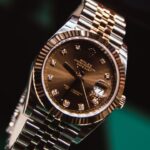
- Datejust: The archetypal classic dress watch, known for its cyclops lens over the date and fluted bezel.
- Explorer: A rugged and reliable watch built for exploration, famously worn on the first ascent of Mount Everest.
Why They Stand Out:
- Unparalleled Brand Recognition: Rolex is a household name, instantly recognized as a symbol of luxury and quality.
- Robustness and Reliability: Their Oyster Perpetual watches (all models except Cellini, as myGemma states) are known for their exceptional durability and water resistance.
- Strong Resale Value: Many Rolex models retain, and often increase, their value on the secondary market, making them a relatively safe “investment.”
- Consistent Quality: Rolex produces over 800,000 watches per year (myGemma) with an unwavering commitment to in-house manufacturing and quality control.
Drawbacks:
- Scarcity and Waiting Lists: The immense demand for popular models means they are incredibly difficult to purchase new from authorized dealers.
- Conservative Design: While classic, Rolex’s design language is often seen as more evolutionary than revolutionary, which some enthusiasts might find less exciting.
👉 Shop Rolex on:
5. Vacheron Constantin: The Oldest Watchmaker’s Excellence
As the oldest continuously operating watch manufacturer in the world, founded in 1755, Vacheron Constantin carries an unparalleled legacy. MyGemma highlights its “deep history” and mastery of complications. Part of the esteemed “Holy Trinity,” Vacheron Constantin represents the pinnacle of traditional Swiss watchmaking, blending intricate craftsmanship with artistic expression.
Watch Brands™ Rating:
| Aspect | Rating (1-10) |
|---|---|
| Design | 9 |
| Functionality | 9 |
| Heritage | 10 |
| Innovation | 8 |
| Investment Value | 8 |
Our Take: Vacheron Constantin is a brand for the connoisseur, appreciated for its exquisite finishing, complex movements, and refined aesthetics. They produce fewer watches than some of their peers (around 27,000 per year, according to myGemma), emphasizing exclusivity and meticulous handcraftsmanship.
Key Models & Collections:
- Patrimony: The epitome of elegant dress watches, characterized by minimalist dials and slender cases. Wristcheck describes them as “minimalist, elegant design.”
- Overseas: Vacheron Constantin’s answer to the luxury sports watch, featuring a distinctive hexagonal bezel and an integrated bracelet with interchangeable straps, offering versatility.
- Traditionnelle: Showcasing the brand’s mastery of traditional complications and haute horlogerie.
- Metiers d’Art: A collection dedicated to artistic crafts like enameling, engraving, and gem-setting, turning watches into wearable art. MyGemma mentions the Reference 57260, with 57 complications, as “the most complicated watch in the world,” a testament to their technical prowess.
Why They Stand Out:
- Unrivaled Heritage: With over 260 years of uninterrupted production, their history is a living testament to horological excellence.
- Exceptional Finishing: Every component, from the movement bridges to the case, is finished to an incredibly high standard, often by hand.
- Mastery of Complications: They are renowned for creating some of the most complex and technically impressive watches.
- Artistic Expression: Their Metiers d’Art collection highlights their dedication to traditional decorative crafts.
Drawbacks:
- Less Mainstream Recognition: While revered by enthusiasts, Vacheron Constantin doesn’t have the same mass-market recognition as Rolex or Omega.
- High Price Point: Their watches are firmly in the ultra-luxury segment.
👉 Shop Vacheron Constantin on:
6. Jaeger-LeCoultre: The Watchmaker’s Watchmaker
Often referred to as “the watchmaker’s watchmaker,” Jaeger-LeCoultre (JLC) is revered for its incredible technical prowess and extensive contributions to horology. Founded in 1833, JLC has invented over 1,200 calibers and holds hundreds of patents, including the smallest watch caliber ever made, as myGemma notes. They are a true manufacture, producing almost every component of their watches in-house.
Watch Brands™ Rating:
| Aspect | Rating (1-10) |
|---|---|
| Design | 9 |
| Functionality | 10 |
| Heritage | 9 |
| Innovation | 10 |
| Investment Value | 7 |
Our Take: JLC is a brand that prioritizes substance and technical excellence. Their watches are often understated in design but reveal incredible complexity and ingenuity upon closer inspection. They are a favorite among serious collectors who appreciate true horological craftsmanship.
Key Models & Collections:
- Reverso: JLC’s most iconic model, designed in 1931 for polo players, allowing the case to be flipped to protect the dial during matches. MyGemma calls this a “fun fact,” and Wristcheck confirms its origin for “polo players and military use.”
- Master Control: A collection of classic, high-precision watches, often featuring elegant complications like perpetual calendars and moon phases.
- Polaris: A line of sporty, complicated watches inspired by vintage JLC dive watches.
- Duomètre: Showcasing JLC’s innovative dual-wing concept, where two separate power reserves drive different functions for enhanced precision.
Why They Stand Out:
- In-House Expertise: JLC is a true manufacture, designing and producing almost all of its movements and components in-house. They’ve even supplied movements to other prestigious brands!
- Technical Innovation: Their history is filled with groundbreaking inventions and incredibly intricate movements.
- The Reverso’s Enduring Appeal: A unique and instantly recognizable design that remains a classic.
- Value Proposition: While still luxury, JLC often offers incredible horological value compared to some of its peers in the ultra-high-end segment.
Drawbacks:
- Less Brand Recognition: Despite their immense contributions to watchmaking, JLC doesn’t always have the same public recognition as Rolex or Omega.
- Investment Value: While respected, their watches generally don’t see the same secondary market appreciation as the “Holy Trinity” or Rolex.
👉 Shop Jaeger-LeCoultre on:
7. Omega: The Moonwatch Legend
If you’re looking for a brand with a blend of historical significance, robust engineering, and widespread appeal, look no further than Omega. This Swiss giant, founded in 1848, is perhaps best known for its association with space exploration and a certain secret agent. The video summary indicates Omega holds a 7% market share, selling 570,000 watches annually for $2.89 billion, with an average cost of $7,296.
Watch Brands™ Rating:
| Aspect | Rating (1-10) |
|---|---|
| Design | 8 |
| Functionality | 9 |
| Heritage | 9 |
| Innovation | 9 |
| Investment Value | 7 |
Our Take: Omega has consistently pushed the boundaries of precision and durability, earning its stripes in some of the most extreme environments. Their watches are reliable, beautifully made, and offer excellent value within the luxury segment. As GQ enthusiastically states, “More than half a century after Neil Armstrong made what might be the biggest watch flex in history, Omega’s Speedmaster is still the brand’s most-wanted creation.”
Key Models & Collections:
- Speedmaster: The legendary “Moonwatch,” famously worn by Buzz Aldrin on the lunar surface during Apollo 11. Wristcheck highlights it as the “first watch on the Moon (1969).”
- Seamaster: A diverse collection of robust dive watches, including the iconic models worn by James Bond. GQ mentions the “Seamaster Diver James Bond 007.”
- Constellation: Known for its distinctive “claws” on the bezel and elegant, sophisticated designs.
- De Ville: A collection of classic dress watches, showcasing Omega’s more refined side.
Why They Stand Out:
- Space Exploration Heritage: The Speedmaster’s role in NASA’s missions is an unparalleled piece of history.
- Co-Axial Escapement: Omega’s pioneering use of George Daniels’ Co-Axial escapement significantly improves accuracy and reduces the need for servicing.
- Master Chronometer Certification: Their watches undergo rigorous testing by METAS, ensuring exceptional anti-magnetism, precision, and performance.
- Broad Appeal: Omega offers a wide range of styles and price points, making luxury accessible to a broader audience.
Drawbacks:
- Brand Perception: While highly respected, some collectors might place it a tier below the “Holy Trinity” in terms of ultimate haute horlogerie.
- Resale Value: While solid, most Omega models don’t typically see the same level of appreciation as certain Rolex or Patek Philippe references.
👉 Shop Omega on:
8. Blancpain: Tradition Meets Innovation
Blancpain holds the distinction of being the world’s oldest watch brand, founded in 1735, predating even Vacheron Constantin. Despite its ancient roots, Blancpain is a brand that lives by its motto: “Never have two Blancpain watches been identical.” They are fiercely committed to mechanical watchmaking, famously declaring, “Since 1735 there has never been a quartz Blancpain watch. And there never will be.”
Watch Brands™ Rating:
| Aspect | Rating (1-10) |
|---|---|
| Design | 8 |
| Functionality | 9 |
| Heritage | 10 |
| Innovation | 8 |
| Investment Value | 7 |
Our Take: Blancpain is a brand for purists. They embody traditional Swiss watchmaking with a focus on intricate movements, elegant designs, and a refusal to compromise on mechanical integrity. Their dive watches are particularly legendary.
Key Models & Collections:
- Fifty Fathoms: The original modern dive watch, introduced in 1953, predating the Rolex Submariner. It’s a true icon of underwater exploration.
- Villeret: A collection of classic, elegant dress watches, showcasing Blancpain’s mastery of traditional complications and refined aesthetics.
- L-evolution: A more contemporary and sporty collection, pushing design boundaries while maintaining horological excellence.
- Le Brassus: Home to their grand complications, demonstrating their expertise in minute repeaters, carrousels, and perpetual calendars.
Why They Stand Out:
- Oldest Watch Brand: Their unparalleled heritage is a testament to enduring craftsmanship and tradition.
- Commitment to Mechanical Horology: Their “no quartz” policy is a bold statement in an industry that has seen many shifts.
- Pioneering Dive Watch: The Fifty Fathoms is a historically significant and highly respected tool watch.
- Exquisite Finishing: Blancpain movements are beautifully decorated and finished to a very high standard.
Drawbacks:
- Niche Appeal: While revered by enthusiasts, Blancpain doesn’t have the same broad appeal as some other luxury brands.
- Resale Value: Generally solid, but not typically a brand known for significant appreciation on the secondary market.
👉 Shop Blancpain on:
9. Breguet: The Birthplace of Modern Watchmaking
If you want to talk about the true pioneers of horology, Breguet must be at the top of the list. Founded in 1775 by Abraham-Louis Breguet, this brand is responsible for an astonishing number of innovations that are still fundamental to watchmaking today. MyGemma calls it a “historic brand, inventor of tourbillon, miniaturization pioneer.”
Watch Brands™ Rating:
| Aspect | Rating (1-10) |
|---|---|
| Design | 9 |
| Functionality | 9 |
| Heritage | 10 |
| Innovation | 10 |
| Investment Value | 7 |
Our Take: Breguet is a brand steeped in history and intellectual brilliance. Abraham-Louis Breguet’s inventions, such as the tourbillon, the Breguet overcoil (improving accuracy), and the pare-chute (shock protection), revolutionized watchmaking. Their watches are characterized by distinctive aesthetic codes like coin-edge cases, “Breguet numerals,” and “Breguet hands.”
Key Models & Collections:
- Classique: The purest expression of Breguet’s aesthetic, featuring elegant, traditional designs and often showcasing intricate complications.
- Tradition: Inspired by Breguet’s early “subscription watches,” these models expose much of the movement on the dial side, highlighting the mechanical artistry.
- Marine: Breguet’s sportier collection, inspired by the chronometers he developed for the French Royal Navy. MyGemma mentions “La Marine.”
- Reine de Naples: An exquisite collection of watches for women, featuring a distinctive oval case, inspired by a watch made for Caroline Murat, Queen of Naples.
Why They Stand Out:
- Foundational Innovations: Abraham-Louis Breguet’s contributions are unparalleled in watchmaking history.
- Distinctive Aesthetic Codes: The Breguet numerals, hands, and guilloché dials are instantly recognizable and highly refined.
- Haute Horlogerie Excellence: They continue to produce watches with complex movements and exceptional finishing.
- Royal Clientele: Breguet was the watchmaker to royalty and historical figures like Marie Antoinette (whose grand complication was finished after her death, as myGemma notes), Napoleon Bonaparte, and Winston Churchill.
Drawbacks:
- Less Contemporary Appeal: While timeless, their aesthetic might not appeal to those seeking ultra-modern or avant-garde designs.
- Investment Value: While highly respected, they don’t always command the same secondary market premiums as some other top-tier brands.
👉 Shop Breguet on:
10. Richard Mille: The Future of Haute Horlogerie
If you’re looking for a brand that shatters conventions and redefines luxury for the 21st century, Richard Mille is it. Founded in 2001, this relatively young brand has taken the watch world by storm with its audacious designs, use of cutting-edge materials, and astronomical price points. MyGemma notes its “rapid growth, high-tech, limited production, celebrity clientele.” The video summary highlights Richard Mille’s impressive market share for its small production, selling only 5,600 watches annually but generating $1.71 billion in sales, with an astonishing average cost of $305,250.
Watch Brands™ Rating:
| Aspect | Rating (1-10) |
|---|---|
| Design | 10 |
| Functionality | 9 |
| Heritage | 6 |
| Innovation | 10 |
| Investment Value | 9 |
Our Take: Richard Mille is not for the faint of heart or the traditionalist. These watches are engineering marvels, designed to withstand extreme conditions, often worn by athletes like Rafael Nadal (myGemma) and F1 drivers during competition. They are a statement of wealth, technological prowess, and a fearless approach to design. GQ praises them for “avant-garde materials like carbon nanotubes and titanium.”
Key Models & Collections:
- Tonneau-shaped cases: Their most recognizable silhouette, often skeletonized to reveal the intricate movements. MyGemma specifically mentions the “Tonneau” model.
- RM 011: A flyback chronograph that exemplifies their sporty, high-performance aesthetic.
- RM 008: A split-seconds chronograph tourbillon, showcasing their mastery of complex complications.
- RM 30-01: An automatic winding model highlighted by GQ, demonstrating their commitment to innovative movement design.
Why They Stand Out:
- Extreme Innovation: Richard Mille pushes the boundaries of material science and movement engineering, using exotic materials like carbon TPT, graphene, and sapphire.
- Unmistakable Design: Their watches are instantly recognizable, bold, and often polarizing – but always captivating.
- Performance-Oriented: Designed to be worn during intense physical activity, a testament to their robustness.
- Exclusivity and Celebrity Endorsement: Limited production and a strong association with athletes and celebrities fuel their desirability and high prices.
Drawbacks:
- Lack of Traditional Heritage: For a brand so young, it lacks the centuries of history that many other luxury brands boast.
- Exorbitant Prices: Richard Mille watches are among the most expensive production watches in the world, making them inaccessible to all but the wealthiest collectors.
- Polarizing Aesthetics: Their bold, technical designs are not to everyone’s taste.
👉 Shop Richard Mille on:
11. Hublot: Fusion of Materials and Bold Design
Hublot burst onto the scene in 1980 with a revolutionary concept: the “Art of Fusion.” This philosophy, pioneered by founder Carlo Crocco, involved combining precious metals like gold with unexpected materials like natural rubber. Today, under the leadership of Jean-Claude Biver, Hublot has amplified this ethos, creating watches that are bold, modern, and often controversial. GQ highlights their pioneering use of “gold on rubber straps.”
Watch Brands™ Rating:
| Aspect | Rating (1-10) |
|---|---|
| Design | 8 |
| Functionality | 7 |
| Heritage | 6 |
| Innovation | 8 |
| Investment Value | 6 |
Our Take: Hublot is a brand that thrives on making a statement. Their watches are large, often colorful, and always distinctive. They appeal to those who want a watch that stands out from the crowd and embraces contemporary luxury. While some purists might scoff at their relatively short history compared to others on this list, their impact on modern watch design is undeniable.
Key Models & Collections:
- Big Bang: The flagship collection, characterized by its layered case construction, exposed screws, and fusion of diverse materials.
- Classic Fusion: A more understated (by Hublot standards) collection that still embodies the “Art of Fusion” but with a more refined aesthetic. GQ mentions the “Classic Fusion Orlinski Bracelet.”
- Spirit of Big Bang: Features the iconic Big Bang design in a tonneau-shaped case.
- MP (Masterpiece) Collection: Showcasing Hublot’s most complex and avant-garde movements and designs, often with unique power reserves and tourbillons.
Why They Stand Out:
- Art of Fusion: Their pioneering use of mixed materials (gold, ceramic, carbon fiber, sapphire, rubber) has influenced the entire industry.
- Bold, Modern Design: Hublot watches are instantly recognizable and cater to a clientele that appreciates contemporary aesthetics.
- Strong Marketing and Partnerships: They have a strong presence in sports (football, F1) and celebrity endorsements.
- In-House Movements: Development of their UNICO in-house chronograph movement demonstrates their commitment to horological substance.
Drawbacks:
- Polarizing Aesthetics: Their bold designs are not universally loved and can be seen as ostentatious by some.
- Limited Heritage: Compared to centuries-old brands, Hublot’s history is relatively short, which can be a factor for traditional collectors.
- Resale Value: While popular, many Hublot models don’t hold their value as strongly as brands like Rolex or Patek Philippe.
👉 Shop Hublot on:
12. Panerai: Italian Design with Swiss Precision
Panerai offers a unique blend of Italian design flair and robust Swiss watchmaking. Originally founded in Florence, Italy, in 1860, Panerai gained fame for supplying precision instruments and watches to the Royal Italian Navy. Their distinctive, oversized cases and luminous dials were designed for maximum legibility underwater.
Watch Brands™ Rating:
| Aspect | Rating (1-10) |
|---|---|
| Design | 8 |
| Functionality | 8 |
| Heritage | 8 |
| Innovation | 7 |
| Investment Value | 6 |
Our Take: Panerai watches have a strong, masculine presence on the wrist. They appeal to those who appreciate military heritage, bold design, and a tool-watch aesthetic. The brand has successfully transitioned from a niche military supplier to a global luxury brand, largely thanks to its distinctive cushion-shaped cases and crown protection devices.
Key Models & Collections:
- Luminor: Characterized by its iconic crown protector bridge, which ensures water resistance and protects the crown.
- Radiomir: Panerai’s original design, featuring wire lugs and a simpler case, often with a more vintage feel.
- Submersible: Panerai’s dedicated professional dive watch collection, known for its robust construction and high water resistance.
- Due: A more refined and thinner collection, offering a dressier take on the classic Panerai aesthetic.
Why They Stand Out:
- Unique Design Language: The oversized cushion cases, sandwich dials, and crown protector are instantly recognizable.
- Strong Military Heritage: Their history with the Italian Navy gives them an authentic, rugged appeal.
- Exceptional Legibility: Designed for underwater use, their dials are incredibly clear, especially in low light.
- Cult Following: Panerai has a dedicated and passionate fan base, often referred to as “Paneristi.”
Drawbacks:
- Size: Many Panerai watches are quite large, which might not suit smaller wrists or those who prefer more discreet timepieces.
- Limited Versatility: While some models are dressier, the overall aesthetic leans heavily towards casual or tool-watch styles.
- Resale Value: While popular, some models can experience depreciation, especially in the secondary market.
👉 Shop Panerai on:
13. Girard-Perregaux: Heritage and Haute Horlogerie
With a history stretching back to 1791, Girard-Perregaux is a venerable name in Swiss watchmaking, renowned for its technical innovations and exquisite craftsmanship. They are a true manufacture, known for their in-house movements and a rich heritage of creating complicated and aesthetically distinctive timepieces.
Watch Brands™ Rating:
| Aspect | Rating (1-10) |
|---|---|
| Design | 8 |
| Functionality | 8 |
| Heritage | 9 |
| Innovation | 8 |
| Investment Value | 6 |
Our Take: Girard-Perregaux is a brand that quietly excels, often flying under the radar compared to some of the more heavily marketed names. However, for those in the know, their watches represent a fantastic blend of historical significance, technical excellence, and refined design. They are particularly famous for their iconic “Three Gold Bridges” tourbillon.
Key Models & Collections:
- Laureato: Their luxury sports watch, characterized by an octagonal bezel (similar to the Royal Oak, but with its own distinct identity) and an integrated bracelet.
- Bridges: This collection showcases their legendary “Three Gold Bridges” tourbillon, a visually stunning and technically complex movement that has been a hallmark of the brand since the 19th century.
- Vintage 1945: Inspired by their historical rectangular watches, offering a classic, elegant aesthetic.
- Cosmos: A collection of highly complicated and avant-garde timepieces, pushing the boundaries of modern horology.
Why They Stand Out:
- The Three Gold Bridges: An iconic and instantly recognizable movement architecture that is a testament to their horological artistry.
- True Manufacture: They design and produce their own movements, ensuring a high level of quality and independence.
- Rich History of Innovation: From chronometers to early wristwatches, GP has a long list of contributions to watchmaking.
- Understated Elegance: Their watches often possess a sophisticated charm that appeals to discerning collectors.
Drawbacks:
- Less Brand Awareness: Despite their long history and technical achievements, they don’t have the same widespread recognition as some competitors.
- Resale Value: While respected, their watches generally do not appreciate as much as the market leaders.
👉 Shop Girard-Perregaux on:
14. Zenith: The El Primero Revolution
Zenith, founded in 1865, is a brand synonymous with precision and innovation, particularly known for its legendary El Primero chronograph movement. This movement, introduced in 1969, was the world’s first integrated automatic chronograph and remains one of the most highly regarded chronograph calibers ever made.
Watch Brands™ Rating:
| Aspect | Rating (1-10) |
|---|---|
| Design | 8 |
| Functionality | 9 |
| Heritage | 9 |
| Innovation | 9 |
| Investment Value | 7 |
Our Take: Zenith is a brand for those who appreciate technical excellence and a rich history of innovation. The El Primero movement alone is enough to secure their place in horological history, but Zenith continues to push boundaries with high-frequency movements and innovative materials.
Key Models & Collections:
- Chronomaster: The home of the El Primero, featuring classic chronograph designs that highlight the movement’s capabilities.
- Defy: A modern and sporty collection, often featuring open-worked dials, cutting-edge materials, and high-frequency movements like the Defy El Primero 21, which measures to 1/100th of a second.
- Pilot: A collection inspired by Zenith’s early aviation instruments, featuring large crowns and legible dials.
- Elite: A line of elegant, time-only or simple-complication watches, showcasing Zenith’s mastery of slender movements.
Why They Stand Out:
- The El Primero Movement: A true icon, beating at a high frequency of 36,000 VpH (5 Hz), allowing for 1/10th of a second accuracy. It was even used by Rolex in their Daytona for many years!
- In-House Manufacturing: Zenith is a true manufacture, producing all its movements in-house.
- Precision and Chronometry: They hold a record for the most chronometry prizes awarded to a single brand.
- Innovation in High Frequency: Their Defy El Primero 21 pushes the boundaries of chronograph precision.
Drawbacks:
- Brand Awareness: While revered by enthusiasts, Zenith doesn’t always have the same mass-market recognition as some of its peers.
- Design Consistency: While they have iconic designs, some collections can feel a bit disparate.
👉 Shop Zenith on:
15. Cartier: The Jeweler’s Timepieces
While primarily known as a legendary jeweler, Cartier holds a significant and pioneering place in the world of luxury watches. Founded in Paris in 1847, Cartier is credited with creating the very first wristwatch, the Santos, as we discussed earlier. MyGemma notes their expansion into “high-end watches” and their motto, “Never copy, always create.” The video summary highlights Cartier’s substantial market presence, with an 8% market share, selling 660,000 watches annually for $3.44 billion, at an average cost of $6,340.
Watch Brands™ Rating:
| Aspect | Rating (1-10) |
|---|---|
| Design | 9 |
| Functionality | 7 |
| Heritage | 9 |
| Innovation | 7 |
| Investment Value | 7 |
Our Take: Cartier watches are a masterclass in design, blending elegant aesthetics with a rich history. They are often chosen for their distinctive shapes, timeless appeal, and association with royalty and style icons. While some of their movements were historically outsourced, Cartier has made significant strides in developing in-house calibers, particularly in their higher-end “Fine Watchmaking” collections.
Key Models & Collections:
- Santos: The original wristwatch, with its distinctive square case and exposed screws. Wristcheck notes it was “designed for aviators, geometric dial.”
- Tank: Inspired by the Renault tanks of WWI, this rectangular watch is a design icon, worn by countless celebrities and historical figures. Wristcheck mentions its link to Princess Diana, Kate Middleton, and Andy Warhol.
- Ballon Bleu: Characterized by its round, pebble-like case and a crown protected by an integrated cabochon.
- Panthère de Cartier: A jewelry watch with a distinctive brick-link bracelet, often adorned with gemstones.
- Pasha de Cartier: A bold, round watch with a grid over the dial and a chained crown, known for its unique aesthetic.
Why They Stand Out:
- Pioneering Wristwatch Design: Cartier’s role in the invention and popularization of the wristwatch is undeniable.
- Iconic Design Language: Their watches are instantly recognizable and have achieved true icon status in the design world.
- Jeweler’s Expertise: Their background in high jewelry translates into exquisite case finishing, gem-setting, and overall luxurious presentation.
- Broad Appeal: Cartier offers a wide range of styles, from elegant dress watches to more contemporary pieces, appealing to both men and women.
Drawbacks:
- Movement Perception: Historically, some purists viewed Cartier as a “jewelry brand” rather than a “watchmaker,” due to outsourced movements. However, this perception is rapidly changing with their in-house efforts.
- Investment Value: While popular, many Cartier models don’t see the same level of secondary market appreciation as the top Swiss manufactures.
👉 Shop Cartier on:
💎 The Other Noteworthy Luxury Watch Brands Worth Watching
Our top 15 list is just the tip of the iceberg, folks! The world of luxury watches is vast and brimming with incredible craftsmanship, innovative spirit, and captivating stories. While the brands above often dominate the headlines and auction results, there are many other exceptional watchmakers that deserve your attention. These brands might not have made our absolute top tier for various reasons – perhaps slightly less market share, a more niche appeal, or a focus on specific segments – but they are unequivocally luxury watch brands that offer immense value, heritage, and horological excellence.
As myGemma’s comprehensive list shows, the landscape is rich with talent. Here are some of the other noteworthy luxury watch brands that our team at Watch Brands™ believes are absolutely worth watching, collecting, and admiring:
- Piaget: Renowned for ultra-thin movements and exquisite jewelry watches. Their Altiplano collection is a masterclass in elegant minimalism.
- Chopard: A family-owned brand celebrated for its high jewelry and its L.U.C collection, which houses beautifully finished in-house movements.
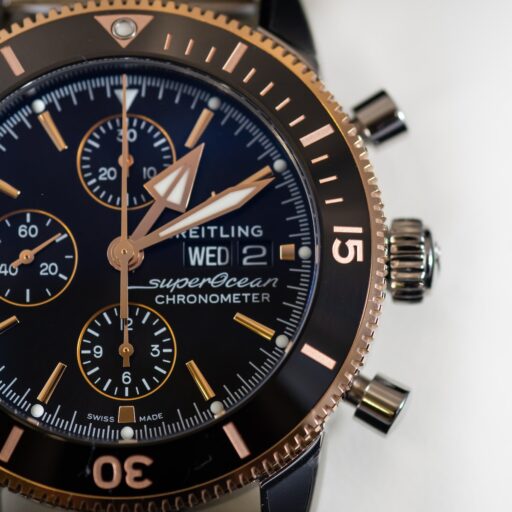
- Breitling: A powerhouse in pilot’s watches and chronographs, known for its robust, tool-like aesthetics and strong aviation heritage. Wristcheck notes their Navitimer was worn by Scott Carpenter during a Mercury mission.
- IWC Schaffhausen: Famous for its “Pilot’s Watches” and the elegant Portugieser collection. They combine German engineering precision with Swiss watchmaking artistry. The video summary notes IWC has a 2% market share, selling 137,000 watches annually for $805.9 million, with an average cost of $7,991. Wristcheck highlights their association with Mercedes-AMG PETRONAS F1 Team.
- TAG Heuer: A brand deeply intertwined with motorsport, known for its sporty chronographs like the Carrera and the iconic square Monaco. Wristcheck mentions its wear by Steve McQueen and Timothy Dalton.
- F.P. Journe: An independent watchmaker whose creations are considered among the finest examples of contemporary haute horlogerie. His watches are incredibly rare and highly sought after by collectors.
- Bovet Fleurier: Known for its highly decorative, often hand-engraved movements, and unique convertible cases that allow watches to be worn as wristwatches, pocket watches, or table clocks.
- Jaquet Droz: Specializes in automata and grand feu enamel dials, creating watches that are as much works of art as they are timepieces.
- Grand Seiko: While often seen as a Japanese alternative to Swiss luxury, Grand Seiko’s dedication to precision, finishing, and unique design (especially their “Snowflake” dial) places them firmly in the luxury category. Their Spring Drive movement is a marvel.
- Bremont: A British luxury watch brand gaining significant traction for its robust, aviation-inspired watches and commitment to British manufacturing.
- Glashütte Original: Another German powerhouse, offering a distinct aesthetic and high-quality in-house movements, often with a focus on traditional Glashütte finishing.
- Ulysse Nardin: Known for its marine chronometers and innovative use of silicon technology in its movements, pushing the boundaries of modern watchmaking.
- H. Moser & Cie: An independent brand celebrated for its minimalist designs, stunning fume dials, and clever, often humorous, takes on traditional watchmaking.
- Nomos Glashütte: Offers a more accessible entry into German luxury, with Bauhaus-inspired designs and excellent in-house movements.
- Bulgari: While a jewelry house, Bulgari has made significant strides in horology, particularly with its Octo Finissimo line, which holds multiple world records for thinness. GQ mentions their iconic “Bulgari Bulgari” watch.
Each of these brands brings something unique to the table, whether it’s a particular design philosophy, a groundbreaking technical innovation, or a rich cultural heritage. Exploring them is a rewarding journey for any watch enthusiast!
🛒 Where To Buy Authentic Luxury Watches: Trusted Retailers and Marketplaces
So, you’ve fallen in love with a particular luxury timepiece from our list (or perhaps several – we totally get it!). Now comes the crucial question: where do you buy an authentic luxury watch? This isn’t like picking up a new gadget; the stakes are higher, and ensuring authenticity is paramount. Our team at Watch Brands™ has navigated these waters countless times, and we’re here to guide you to safe harbors.
The luxury watch market can be a minefield of fakes and unscrupulous sellers if you’re not careful. Here’s our breakdown of trusted avenues:
1. Authorized Dealers (ADs) and Brand Boutiques ✅
This is the gold standard for purchasing a new luxury watch.
- What they are: Retailers officially sanctioned by the watch brand to sell their products. Brand boutiques are owned and operated directly by the watch manufacturer.
- Benefits:
- Guaranteed Authenticity: You’re buying directly from the source or an approved partner.
- Full Warranty: Your watch will come with the manufacturer’s official warranty, providing peace of mind for servicing and repairs.
- Expert Staff: Sales associates are highly knowledgeable about the brand and its products.
- Brand Experience: Boutiques, in particular, offer an immersive brand experience.
- Drawbacks:
- Full Retail Price: You’ll typically pay the manufacturer’s suggested retail price.
- Waiting Lists: For highly sought-after models (think Rolex Submariner or Patek Philippe Nautilus), waiting lists can be years long.
- Our Recommendation: Always start here if you’re buying new. It’s the safest bet.
👉 Shop Luxury Watch Brands on:
- Rolex Official Website
- Patek Philippe Official Website
- Audemars Piguet Official Website
- Omega Official Website
- Cartier Official Website
2. Reputable Pre-Owned Marketplaces and Dealers ✅
The secondary market for luxury watches is booming, offering a wider selection, often better availability, and sometimes more competitive prices, especially for discontinued models or those with long waiting lists. However, this is where vigilance is key.
- What to look for: Platforms and dealers with a strong reputation for authentication, transparent policies, and excellent customer service.
- Benefits:
- Wider Selection: Access to discontinued models and hard-to-find references.
- Potentially Better Prices: For many models, you can find a pre-owned watch for less than retail. For highly sought-after models, however, prices can be significantly above retail.
- Immediate Availability: No waiting lists!
- Drawbacks:
- Authenticity Concerns: This is the biggest risk. Always buy from highly trusted sources.
- Warranty: The original manufacturer’s warranty might be expired or non-transferable. Reputable dealers often offer their own warranty.
- Our Recommendation: This is a fantastic option, but do your homework! Look for dealers who offer:
- In-house authentication by certified watchmakers.
- A clear return policy.
- Positive customer reviews and a long track record.
- Detailed photos and descriptions of the watch’s condition.
Trusted Pre-Owned Platforms:
- myGemma: As mentioned in our competitive summary, myGemma “offers authenticated luxury watches with a wide selection and competitive prices, ensuring quality and authenticity.” This is a strong option for authenticated pieces.
- Chrono24: A massive online marketplace for new and pre-owned watches. While it hosts many individual sellers, they offer buyer protection and escrow services. Always check seller ratings.
- Watchfinder & Co.: A leading pre-owned specialist, particularly strong in Europe, offering authenticated watches with their own warranty.
- Bob’s Watches: A well-known US-based dealer specializing in Rolex, but also carrying other brands, with a strong reputation for authenticity.
3. Online Retailers (e.g., Amazon, Walmart, Etsy) ❌ (Mostly) / ✅ (With Caution)
While these platforms are convenient, buying luxury watches here requires extreme caution.
- Amazon/Walmart:
- The Good: You can find legitimate watches, often from third-party sellers who are authorized dealers or reputable grey market dealers. Amazon itself also sells some watches directly.
- The Bad: The risk of encountering counterfeit goods or sellers with questionable authenticity practices is higher. It can be difficult to verify the seller’s legitimacy.
- Our Tip: If buying here, only purchase from sellers explicitly listed as “Ships from and sold by Amazon.com” or a clearly identifiable authorized dealer. Read reviews meticulously.
- 👉 Shop Luxury Watches on Amazon: Luxury Watches on Amazon
- Etsy:
- The Good: Great for unique, vintage, or custom-made pieces, sometimes from independent artisans.
- The Bad: Not typically the place for modern, mainstream luxury brands. The risk of fakes for high-value items is significant.
- Our Tip: Stick to lower-value vintage pieces or unique artisan creations, and always verify the seller’s reputation.
4. Auction Houses ✅
For rare, vintage, or highly collectible pieces, major auction houses are excellent sources.
- What they are: Sotheby’s, Christie’s, Phillips, etc., regularly hold watch auctions.
- Benefits:
- Access to Rare Pieces: Often the only way to acquire truly unique or historically significant watches.
- Expert Authentication: Auction houses employ horological experts to authenticate and appraise watches.
- Drawbacks:
- Buyer’s Premium: You’ll pay a significant premium on top of the hammer price.
- No Returns: Sales are typically final.
- High Prices: Often where record-breaking sales occur.
Key Takeaway: When in doubt, err on the side of caution. A luxury watch is a significant investment, and ensuring its authenticity is the first step in a long and happy ownership journey. For more detailed advice, check out our Guide to Buying Watches.
🎁 Exclusive Deals and Offers: How to Score Discounts on Luxury Watches
Let’s be honest, the phrase “discount luxury watch” can sound like an oxymoron. These aren’t impulse buys from the clearance bin! However, while you won’t typically find a Patek Philippe Nautilus with a “50% off!” sticker, there are smart strategies to acquire a luxury timepiece without paying full retail. Our Watch Brands™ team has learned a few tricks over the years, and we’re ready to spill some secrets!
The key is understanding that “discount” in the luxury world often means getting a few percentage points off, finding a pre-owned gem at a fair market price, or leveraging specific seasonal opportunities.
1. The Pre-Owned Market: Your Best Bet for Value ✅
As we touched on in the previous section, the secondary market is your strongest ally for finding a luxury watch at a more attractive price.
- Why it works: Many watches, even luxury ones, depreciate after their initial purchase. Buying pre-owned allows you to bypass this initial depreciation hit.
- What to look for: Reputable platforms like Chrono24, Watchfinder & Co., and myGemma (as they state, they offer “competitive prices”). You’ll find a vast selection, often at prices significantly below what you’d pay new from an authorized dealer, especially for models that aren’t in hyper-demand.
- Tip: Compare prices across multiple trusted platforms. Look for watches that are “unworn” or “like new” for the best condition-to-price ratio.
2. Authorized Dealer Relationships and Negotiation (Subtle Art) ✅
While ADs rarely advertise discounts, a good relationship can sometimes lead to a favorable outcome.
- Building Rapport: If you’re a repeat customer or express genuine interest, an AD might offer a small discount (think 5-10%) or include extras like straps or servicing.
- Less Popular Models: Brands often have models that aren’t flying off the shelves. These might be candidates for a modest discount, especially if they’ve been in the display case for a while.
- End-of-Year Sales/Inventory Clearance: Towards the end of the fiscal year, some ADs might be more willing to negotiate to meet sales targets or clear older stock.
- ❌ Don’t expect this for Rolex, Patek, or Audemars Piguet’s most popular models. For these, you’re more likely to be on a waiting list than negotiating a discount.
3. Grey Market Dealers (Use Extreme Caution) ✅ / ❌
Grey market dealers source watches from authorized channels (often from ADs in other regions) and sell them at a discount, typically without the manufacturer’s warranty.
- Benefits: Often the deepest discounts on new watches.
- Drawbacks:
- No Manufacturer Warranty: This is a huge risk. If something goes wrong, you’re on your own or relying on the grey dealer’s limited warranty.
- Authenticity Concerns: While many are legitimate, the risk of fakes or “frankenwatches” (watches with non-original parts) is higher.
- Lack of Brand Experience: You miss out on the official retail experience.
- Our Recommendation: We generally advise against the grey market for your first luxury watch purchase unless you are highly experienced and know the specific dealer’s reputation intimately. The potential savings often don’t outweigh the risks.
4. Sign-Up Offers and Loyalty Programs ✅
Some online retailers or even smaller authorized dealers might offer a small percentage off your first purchase if you sign up for their newsletter.
- Example: While we can’t promise specific offers, a common tactic is “Sign up and get 5% off your first purchase*.” This is more common for brands that are slightly more accessible or for accessories.
- Tip: Keep an eye on brand official websites or reputable online luxury retailers for such promotions.
5. Credit Card Rewards and Financing Options ✅
While not a direct discount, leveraging credit card rewards can effectively reduce the overall cost.
- Cash Back/Points: Use a credit card that offers significant cash back or points on large purchases.
- 0% APR Financing: Some retailers offer interest-free financing for a period. This doesn’t reduce the price, but it makes the purchase more manageable and allows your money to work for you elsewhere.
The Bottom Line: Scoring a “deal” on a luxury watch requires patience, research, and a clear understanding of the market. Don’t rush into a purchase, and always prioritize authenticity and a solid warranty over a seemingly too-good-to-be-true price. Remember, a luxury watch is a long-term companion, and its provenance and condition are far more valuable than a fleeting discount.
⌚ How to Choose the Perfect Luxury Watch for Your Style and Budget
Choosing your first (or next!) luxury watch is an exciting journey, but it can also feel a bit overwhelming. With so many incredible brands, styles, and complications, where do you even begin? Fear not, fellow enthusiast! Our Watch Brands™ team has guided countless individuals through this delightful dilemma, and we’ve distilled our advice into a step-by-step process to help you find that perfect timepiece that resonates with your style and respects your budget. This is your personal Guide to Buying Watches!
Step 1: Define Your Budget (Realistically!) 💰
This is the most crucial starting point. Luxury watches span a vast price spectrum.
- Be Honest: How much are you genuinely comfortable spending? Remember to factor in potential servicing costs down the line.
- Consider Value vs. Price: A higher price doesn’t always mean “better” for your needs. Sometimes, a watch from a brand like Omega or Zenith offers incredible horological value for its segment.
- Avoid Debt: A luxury watch should be a joy, not a financial burden.
Step 2: Understand Your Style & Lifestyle 👔👟
This watch will be an extension of you. Think about:
- Your Wardrobe: Do you primarily wear suits (dress watch territory), casual attire (sports watch, field watch), or a mix?
- Your Activities: Are you an avid diver (dive watch), a pilot (pilot’s watch), or someone who needs a robust everyday companion?
- Occasion: Is this for daily wear, special occasions, or a specific hobby?
- Dress Watches: Elegant, thin, often on a leather strap. Think Patek Philippe Calatrava or Jaeger-LeCoultre Master Control. Perfect for formal events.
- Sports Watches: Robust, water-resistant, often on a metal bracelet. Rolex Submariner, Omega Seamaster, Audemars Piguet Royal Oak. Versatile for daily wear and active lifestyles.
- Tool Watches: Designed for specific functions (diving, flying, racing). Breitling Navitimer, Panerai Luminor.
- Size Preference: Do you prefer a discreet watch or a bold statement piece? Try on different sizes to see what feels right on your wrist. For men, exploring our Men’s Watches category can offer specific insights into sizing and styles.
Step 3: Explore Movement Types ⚙️
The “heart” of your watch.
- Mechanical (Automatic/Self-Winding):
- Pros: Traditional, intricate craftsmanship, no battery needed (as long as you wear it or keep it on a winder). The soul of luxury watchmaking.
- Cons: Less accurate than quartz, requires periodic servicing, generally more expensive.
- Mechanical (Manual-Winding):
- Pros: Purest form of mechanical watchmaking, often thinner movements, a ritualistic connection to your timepiece.
- Cons: Must be wound daily, less convenient.
- Quartz:
- Pros: Highly accurate, low maintenance, affordable (though some luxury brands like Grand Seiko offer high-end quartz).
- Cons: Battery-powered, less “soul” for purists.
- Our Recommendation: For a true luxury experience, a mechanical movement is almost always the way to go.
Step 4: Consider Complications (Beyond Telling Time) 🗓️⏱️
Complications add functionality and complexity.
- Date: The most common.
- Chronograph: A stopwatch function (e.g., Rolex Daytona, Omega Speedmaster).
- GMT/Dual Time Zone: Displays a second time zone (e.g., Rolex GMT-Master II).
- Moon Phase: Shows the phases of the moon.
- Perpetual Calendar: Automatically adjusts for month length and leap years (a true marvel!).
- Tourbillon: A rotating cage designed to counteract gravity’s effects on accuracy (very high-end).
- Power Reserve Indicator: Shows how much “juice” your watch has left.
- Our Tip: Don’t overdo it. Choose complications that you’ll actually use and appreciate. Simpler dials are often more elegant.
Step 5: Research Brands and Their Heritage 📚
Each brand has a unique story and philosophy.
- Heritage: Brands like Vacheron Constantin or Breguet offer centuries of history.
- Innovation: Brands like Richard Mille or Ulysse Nardin push technological boundaries.
- Brand Identity: Does the brand’s image resonate with you? Do you prefer the understated elegance of A. Lange & Söhne or the bold statement of Hublot?
- Read Reviews: Consult expert reviews (like ours!) and user reviews.
Step 6: Try It On! (Crucial Step) 🤝
A watch can look fantastic in photos but feel completely different on your wrist.
- Visit Authorized Dealers: This is the best way to experience watches firsthand. Feel the weight, check the fit, see how it looks with your skin tone.
- Comfort is Key: Ensure the strap or bracelet is comfortable and the watch doesn’t feel too heavy or unbalanced.
Step 7: Consider Resale Value (But Don’t Obsess) 📈
While a luxury watch is primarily a passion purchase, it’s wise to be aware of its potential resale value.
- Strong Performers: Brands like Rolex, Patek Philippe, and Audemars Piguet generally hold their value exceptionally well, and some models even appreciate.
- Factors: Rarity, demand, condition, and original box/papers all play a role.
- Our Perspective: Don’t buy a watch solely as an investment. Buy what you love, and if it holds its value, that’s a bonus!
Personal Anecdote: “My first luxury watch was a Jaeger-LeCoultre Reverso,” shares Mark, one of our senior editors. “I had initially been eyeing a sportier piece, but when I tried on the Reverso, the way it sat on my wrist, the elegance of the flip mechanism, and its unique history just clicked. It wasn’t the ‘safest’ investment choice, but it was the perfect watch for me and my style. And honestly, that personal connection is priceless.”
By following these steps, you’ll be well on your way to finding a luxury watch that you’ll cherish for years, perhaps even generations, to come. Happy hunting!
🔧 Maintaining Your Luxury Timepiece: Care Tips from Watch Experts
Congratulations! You’ve invested in a magnificent piece of horological art. Now, how do you ensure it continues to tick flawlessly and look its best for decades to come? Just like a classic car, a luxury watch requires proper care and attention. Our Watch Brands™ team has seen it all, from pristine heirlooms to watches that have clearly seen better days. Follow these expert tips to keep your treasured timepiece in top condition.
1. Regular Servicing is Non-Negotiable ✅
Think of your watch’s movement as a miniature engine. It has tiny gears, springs, and lubricants that need periodic attention.
- Why it’s crucial: Over time, lubricants dry out, tiny metal particles can accumulate, and components can wear. Regular servicing (typically every 3-7 years, depending on the brand and movement) ensures optimal performance and longevity.
- What a service entails: A full service usually involves disassembling the movement, cleaning all components, replacing worn parts, re-lubricating, reassembling, regulating for accuracy, and often polishing the case and bracelet.
- Where to go: Always send your watch to the manufacturer’s authorized service center or a highly reputable independent watchmaker certified by the brand. Using unauthorized repair shops can void your warranty and potentially damage your watch.
2. Understand and Respect Water Resistance 💧
Water is the enemy of mechanical movements.
- Water Resistance Ratings:
- 30m (3 ATM): Splash resistant only. ❌ Do NOT swim or shower with it.
- 50m (5 ATM): Suitable for light splashes, rain. ❌ Still not for swimming.
- 100m (10 ATM): Generally suitable for swimming and snorkeling.
- 200m+ (20 ATM+): Suitable for diving.
- Crucial Tip: Always ensure the crown is fully screwed down (if it’s a screw-down crown) before any contact with water.
- Regular Checks: Gaskets can degrade over time. Have your watch’s water resistance checked annually by a professional, especially if you regularly expose it to water.
- Temperature Changes: Avoid taking a hot shower or sauna with your watch, even if it’s highly water-resistant. Extreme temperature changes can cause gaskets to expand and contract, compromising the seal.
3. Proper Winding and Setting 🕰️
- Automatic Watches: If you wear it regularly, it will stay wound. If not, consider a watch winder to keep it running and lubricated. This prevents the lubricants from settling and drying out.
- Manual-Winding Watches: Wind it gently at the same time each day until you feel resistance. Don’t force it.
- Setting the Date/Time: Avoid setting the date between 9 PM and 3 AM (the “danger zone”) on many mechanical watches, as the date change mechanism is engaged during this period and forcing it can cause damage. Always consult your watch’s manual.
4. Cleaning and Storage 🧼
- Gentle Cleaning: Use a soft, damp cloth (microfiber is ideal) to wipe down your watch regularly, removing fingerprints and grime. For metal bracelets, a soft toothbrush with mild soap and water (if water-resistant) can work wonders.
- Avoid Chemicals: Keep your watch away from harsh chemicals, solvents, perfumes, and strong detergents, which can damage gaskets, finishes, and straps.
- Safe Storage: When not wearing it, store your watch in its original box, a watch roll, or a dedicated watch case. This protects it from dust, scratches, and accidental drops.
- Magnetic Fields: Keep mechanical watches away from strong magnetic fields (speakers, refrigerators, tablets, airport scanners), as magnetism can affect accuracy. If your watch becomes magnetized, a watchmaker can easily demagnetize it.
5. Be Mindful of Impact and Scratches 💥
- Avoid Drops: This seems obvious, but accidental drops are a common cause of damage.
- Be Aware of Your Surroundings: Try not to bang your watch against doorframes, desks, or other hard surfaces.
- Strap/Bracelet Care: Leather straps can degrade with sweat and water; consider a rubber or metal strap for active use. Metal bracelets can get desk diving scratches; these are often unavoidable but can be polished out during servicing.
Personal Anecdote: “I once had a client who brought in a beautiful vintage Omega Seamaster,” recalls our in-house watchmaker, David. “He loved it, wore it everywhere, but never had it serviced. When I opened it up, the lubricants were completely dried, and some gears were almost grinding. A full service brought it back to life, but it was a much more extensive job than if he’d just brought it in every five years. Preventative maintenance is always cheaper than repair!“
By following these simple yet crucial steps, you’ll ensure your luxury timepiece remains a reliable and beautiful companion for many years to come, ready to be passed down to the next generation.
📈 Investing in Luxury Watches: What You Need to Know
The idea of a luxury watch as an “investment” is a hot topic, often debated among collectors and financial advisors alike. Can a beautiful timepiece truly appreciate in value like a stock or real estate? The short answer is: sometimes, but it’s complicated. Our Watch Brands™ team has seen watches soar in value and others depreciate significantly. Here’s our balanced perspective on what you need to know about investing in luxury watches.
The Allure of Appreciation: Why Some Watches Become Investments ✅
Certain luxury watches, particularly from specific brands and models, have indeed shown remarkable appreciation over time.
- Rarity and Scarcity: Limited editions, discontinued models, or watches with extremely low production numbers often become highly sought after.
- Brand Prestige: Brands like Patek Philippe, Audemars Piguet, and Rolex consistently top the charts for value retention and appreciation. Their strong brand equity, consistent demand, and controlled supply contribute significantly.
- Iconic Status: Watches with historical significance (e.g., Omega Speedmaster “Moonwatch”) or those worn by famous personalities (e.g., Paul Newman’s Daytona) can command astronomical prices.
- Condition and Provenance: A watch in pristine condition, with its original box, papers, and service history (known as “full set”), will always be more valuable.
- Market Trends: The watch market, like any other, is subject to trends and hype. The recent surge in demand for stainless steel sports watches is a prime example.
Quote from the Video: “Brands don’t like when their watches re-sell way over list… they actually don’t because they know that nothing lasts forever and it goes in waves.” This is a crucial point. While collectors love appreciation, brands prefer stable, predictable markets and often try to manage supply to prevent excessive speculation. They understand that inflated secondary market prices can create an artificial bubble.
The Reality: Not All Luxury Watches Are Investments ❌
It’s vital to temper expectations. The vast majority of luxury watches, even from reputable brands, will likely depreciate after purchase, similar to a new car.
- Initial Depreciation: Once you walk out of the authorized dealer, the watch is “used,” and its value typically drops immediately.
- Brand Tier: While the “Holy Trinity” and Rolex often defy this, many other excellent luxury brands (e.g., Breitling, TAG Heuer, even some Omega models) will see depreciation.
- Market Volatility: What’s hot today might not be hot tomorrow. Trends change, and demand can shift.
- Servicing Costs: Don’t forget that mechanical watches require periodic, often expensive, servicing. These costs eat into any potential returns.
- Liquidity: Selling a high-value watch isn’t always as quick or easy as selling a stock.
How to Approach a Watch Purchase with Investment in Mind (Cautiously) 🤔
If you’re hoping your luxury watch might hold its value or even appreciate, here’s how to increase your chances:
- Buy What You Love First: This is our golden rule. Even if it doesn’t appreciate, you’ll still have a beautiful timepiece you enjoy.
- Focus on Top-Tier Brands: Rolex, Patek Philippe, Audemars Piguet are generally the safest bets for value retention.
- Target Iconic Models: The Submariner, Daytona, Nautilus, Royal Oak – these are the models with proven track records.
- Consider Rarity and Limited Editions: These can be harder to acquire but often have stronger appreciation potential.
- Buy “Full Set”: Always aim for a watch with its original box, papers, and warranty card. This significantly enhances value.
- Maintain Impeccable Condition: Keep your watch serviced and free from excessive scratches or damage.
- Stay Informed: Follow market trends, watch blogs, and auction results to understand what’s performing well.
Personal Anecdote: “I once bought a limited edition dive watch from a well-respected brand, convinced it would be a future classic,” recalls Emily from our team. “It was a fantastic watch, but the market just didn’t pick up on it the way I’d hoped. I eventually sold it for a small loss. The lesson? I still loved wearing it, so it wasn’t a total failure, but it taught me that even with research, predicting the market is tough. Now, I buy for passion, and any appreciation is a delightful surprise.”
Conclusion on Investment: While some luxury watches can be excellent collectible assets and even appreciate significantly, it’s crucial to view them primarily as passion purchases. Treat any potential financial gain as a bonus, not the primary motivation. The true value of a luxury watch lies in its craftsmanship, heritage, and the joy it brings to your wrist. For more insights into the financial aspects of collecting, explore our Luxury Watch Brands category.
🌍 The Global Impact of Luxury Watch Brands: Culture, Innovation, and Trends
Luxury watch brands aren’t just about telling time; they’re powerful cultural arbiters, driving forces of innovation, and significant players in the global economy. Their influence extends far beyond the wrist, shaping fashion, technology, and even our perception of time itself. Here at Watch Brands™, we’re constantly observing how these titans of horology leave their mark on the world.
Cultural Significance: More Than Just a Timepiece 🎭
- Status Symbols: From boardrooms to red carpets, a luxury watch is an unmistakable sign of achievement, taste, and discernment. It communicates a story without uttering a single word.
- Heirlooms and Legacy: Many luxury watches are purchased with the intention of being passed down through generations, becoming tangible links to family history and cherished memories. This tradition reinforces their enduring cultural value.
- Pop Culture Icons: Watches like the Omega Speedmaster (Moonwatch), Rolex Submariner (James Bond), or Cartier Tank (worn by countless celebrities) have transcended their functional purpose to become ingrained in popular culture. They are symbols of adventure, elegance, and cool.
- Art and Craft: The intricate hand-finishing, guilloché dials, and complex movements elevate watches to the realm of wearable art, celebrated by collectors and art enthusiasts alike.
Driving Innovation: Pushing the Boundaries of Precision and Materials 🚀
The luxury watch industry, despite its deep roots in tradition, is a hotbed of innovation.
- Material Science: Brands are constantly experimenting with new materials for cases, movements, and components. Think Richard Mille’s use of carbon TPT and sapphire, Hublot’s “Art of Fusion” with ceramics and composites, or Ulysse Nardin’s pioneering use of silicon. These innovations lead to lighter, stronger, and more durable watches.
- Movement Engineering: The pursuit of greater accuracy, longer power reserves, and more complex complications continues unabated. Zenith’s high-frequency El Primero, Jaeger-LeCoultre’s multi-axis tourbillons, and Patek Philippe’s grand complications are testaments to this relentless drive.
- Sustainability: A growing trend sees brands focusing on ethical sourcing of materials, reducing environmental impact in manufacturing, and promoting longevity through repairability. This reflects a broader societal shift towards conscious consumption.
- Smart Integration (Cautiously): While mechanical purists dominate, some brands are exploring subtle integrations of smart technology, often in hybrid forms, to appeal to a new generation without abandoning their mechanical soul.
Current Trends: What’s Hot in Horology? 🔥
The watch world is dynamic, with trends constantly evolving.
- Vintage-Inspired Designs: A strong and enduring trend, with brands reissuing or drawing inspiration from their archives. This taps into nostalgia and a desire for classic aesthetics.
- Integrated Bracelet Sports Watches: The legacy of the Audemars Piguet Royal Oak and Patek Philippe Nautilus continues to inspire a wave of luxury sports watches with integrated bracelets across many brands.
- Smaller Case Sizes: After years of oversized watches, there’s a noticeable shift back towards more classic and wearable dimensions, appealing to a broader audience and those with smaller wrists.
- Independent Watchmakers: A growing appreciation for smaller, independent brands like F.P. Journe or H. Moser & Cie, which offer unique perspectives and often push creative boundaries.
- Color Dials: Vibrant and interesting dial colors (green, blue, salmon, even turquoise) are increasingly popular, offering a fresh take on classic models.
- Transparency: Open-worked dials and sapphire casebacks that showcase the intricate movements are highly desirable, allowing enthusiasts to admire the mechanical artistry.
The Swiss Advantage: As the video summary highlighted, Switzerland’s dominance in the luxury watch market is undeniable, accounting for 50% of the total value despite only 2% of the volume. This is a testament to their unwavering commitment to quality, tradition, and innovation, which continues to set the global standard for luxury watchmaking.
The global impact of luxury watch brands is a fascinating interplay of history, artistry, technology, and commerce. They remind us that even in a digital age, there’s an enduring magic in a finely crafted mechanical object that connects us to time, tradition, and human ingenuity.
📚 Recommended Reading and Resources for Watch Enthusiasts
So, you’ve journeyed through the world of luxury watches with us, and your appetite for horological knowledge is now insatiable? Excellent! That’s precisely the spirit we love here at Watch Brands™. The beauty of this hobby is that there’s always more to learn, more to discover, and more to appreciate. To help you deepen your understanding and fuel your passion, our team has compiled a list of our favorite watch blogs, books, forums, and other essential resources. Dive in!
Online Watch Publications & Blogs ✅
These are your daily dose of watch news, reviews, and in-depth articles.
- Hodinkee: Arguably the most influential watch publication online. Known for its high-quality photography, insightful reviews, and “A Week On The Wrist” series. A must-read for any enthusiast.
- Fratello Watches: Excellent for news, reviews, and particularly strong on Omega and Grand Seiko content. Their “Speedy Tuesday” series is legendary.
- A Blog to Watch: Offers a broad range of content, from reviews and news to industry analysis, with a focus on accessibility and informing new collectors.
- WatchPro: More industry-focused, providing business news, market analysis, and interviews with key figures in the watch world.
- Worn & Wound: Focuses on affordable and accessible watches, but also covers luxury brands with a practical, enthusiast-driven perspective.
Books for Deeper Dives 📖
For those who love to curl up with a physical book and truly immerse themselves.
- “A Man and His Watch: Iconic Watches and Stories from the Men Who Wore Them” by Matthew Hranek: A beautiful coffee-table book featuring stunning photography and compelling stories behind famous watches and their owners.
- “Watchmaking” by George Daniels: The definitive technical guide to mechanical watchmaking by one of the greatest watchmakers of all time. Essential for anyone interested in the mechanics.
- “The Watch Book” by Gisbert L. Brunner: A comprehensive overview of the world’s most important watch brands, their history, and iconic models.
- Brand-Specific Books: Many luxury brands publish their own lavish books detailing their history, innovations, and iconic collections. Check the official websites of your favorite brands.
Online Forums & Communities 🗣️
Connect with fellow enthusiasts, ask questions, and share your passion.
- Watchuseek (WUS): One of the largest and most active watch forums globally, with dedicated sub-forums for almost every brand imaginable.
- Rolex Forums: A highly active community dedicated specifically to Rolex watches, offering a wealth of information and buying/selling advice.
- Reddit r/Watches: A vibrant and diverse community on Reddit, great for discussions, sharing photos, and getting quick advice.
YouTube Channels 📺
For visual learners and those who enjoy dynamic content.
- Watchfinder & Co.: Excellent reviews, comparisons, and educational content, often focusing on the pre-owned market.
- Teddy Baldassarre: Comprehensive reviews, buying guides, and industry insights, presented in an engaging and accessible style.
- The Urban Gentry: A popular channel known for its passionate discussions, style advice, and community engagement.
By exploring these resources, you’ll not only deepen your appreciation for the intricate world of luxury watches but also become a more informed collector. Happy reading, watching, and discussing!
❓ Frequently Asked Questions About Luxury Watch Brands
We’ve covered a lot of ground, from the history of horology to the top brands and how to care for your precious timepiece. But as with any passionate pursuit, questions always arise! Our Watch Brands™ team regularly fields inquiries from both seasoned collectors and curious newcomers. Here are some of the most frequently asked questions about luxury watch brands, along with our expert answers.
Q1: What makes a watch “luxury”?
A: It’s a combination of factors:
- Craftsmanship: Meticulous hand-finishing, often by skilled artisans.
- Materials: Use of precious metals (gold, platinum), high-grade stainless steel, sapphire crystals, and exotic materials.
- Movement: Typically a mechanical movement (automatic or manual-winding) with intricate complications and high precision.
- Heritage & Brand Prestige: A long history of innovation, quality, and exclusivity.
- Exclusivity: Often limited production numbers, contributing to desirability.
- Attention to Detail: Every component, visible or not, is designed and finished to the highest standard.
Q2: Are luxury watches a good investment?
A: Generally, no, not in the traditional financial sense. Most luxury watches, like cars, depreciate after purchase. However, certain brands (like Rolex, Patek Philippe, Audemars Piguet) and specific highly sought-after models can hold or even increase their value due to rarity, demand, and iconic status. Our advice: buy what you love first, and any appreciation is a bonus.
Q3: Why are Swiss watches so expensive and highly regarded?
A: Switzerland has a centuries-old tradition of precision watchmaking, fostered by skilled artisans and a culture of innovation. The “Swiss Made” label signifies adherence to strict quality standards, often involving in-house manufacturing, meticulous finishing, and rigorous testing. This heritage, combined with continuous innovation and strong brand building, has cemented their reputation for excellence and justified their premium pricing.
Q4: What’s the “Holy Trinity” of watchmaking?
A: The “Holy Trinity” refers to three ultra-prestigious Swiss watch brands renowned for their exceptional craftsmanship, heritage, and haute horlogerie: Patek Philippe, Audemars Piguet, and Vacheron Constantin. These brands are considered the pinnacle of traditional watchmaking.
Q5: What’s the difference between an automatic and a manual-winding watch?
A: Both are mechanical movements:
- Automatic (Self-Winding): Wounds itself through the motion of your wrist, thanks to an oscillating weight (rotor). No battery needed as long as you wear it or keep it on a winder.
- Manual-Winding: Requires you to manually turn the crown each day to wind the mainspring. Often found in dressier or vintage-inspired watches, offering a more direct connection to the timepiece.
Q6: How often should I service my luxury watch?
A: Most luxury mechanical watches require servicing every 3 to 7 years, depending on the brand, movement, and how often you wear it. Consult your watch’s manual for specific recommendations. Regular servicing ensures optimal performance and extends the life of your timepiece.
Q7: Can I wear my luxury watch every day?
A: Absolutely! Many luxury watches, especially sports models from brands like Rolex, Omega, or Audemars Piguet, are built for daily wear and robustness. However, be mindful of its water resistance rating and avoid exposing it to harsh chemicals or extreme impacts. For more delicate dress watches, you might reserve them for special occasions.
Q8: What is a “complication” in a watch?
A: A complication is any function of a mechanical watch beyond simply telling the time (hours, minutes, seconds). Common complications include the date, chronograph (stopwatch), GMT (second time zone), moon phase, and perpetual calendar. More complex ones include minute repeaters and tourbillons.
Q9: Should I buy new or pre-owned?
A: Both have merits:
- New: Guaranteed authenticity, full manufacturer’s warranty, the “unboxing” experience. You’ll pay full retail, and popular models may have long waiting lists.
- Pre-owned: Often better value (avoiding initial depreciation), wider selection (including discontinued models), immediate availability. Crucially, buy only from highly reputable and authenticated dealers to avoid fakes.
Q10: How do I know if a luxury watch is authentic?
A: This is critical!
- Buy from Authorized Dealers: The safest option for new watches.
- Reputable Pre-Owned Dealers: Choose those with strong authentication processes, good reviews, and clear return policies (e.g., myGemma, Watchfinder & Co.).
- Check Papers & Box: A “full set” with original box, papers, and warranty card adds credibility.
- Examine Details: Fakes often have subtle flaws in dial printing, finishing, movement decoration, or weight. If a deal seems too good to be true, it probably is.
We hope these answers help clarify some of your burning questions! The world of luxury watches is endlessly fascinating, and we’re always here to help you navigate it.
🔗 Reference Links and Credible Sources
At Watch Brands™, we believe in providing well-researched, accurate, and trustworthy information. Our insights are built upon years of personal experience, consumer feedback, and diligent research from authoritative sources within the horology industry. Here are the external links and credible sources we’ve referenced throughout this comprehensive guide:
- myGemma Blog: Top 30 Luxury Watch Brands (2025)
- GQ Magazine: Best Luxury Watch Brands
- Wristcheck: Best Luxury Watch Brands and Their Iconic Collections
- A. Lange & Söhne Official Website: https://www.alange-soehne.com/en
- Patek Philippe Official Website: https://www.patek.com/en/home
- Audemars Piguet Official Website: https://www.audemarspiguet.com/com/en/
- Rolex Official Website: https://www.rolex.com/
- Vacheron Constantin Official Website: https://www.vacheron-constantin.com/
- Jaeger-LeCoultre Official Website: https://www.jaeger-lecoultre.com/us-en/
- Omega Official Website: https://www.omegawatches.com/
- Blancpain Official Website: https://www.blancpain.com/en
- Breguet Official Website: https://www.breguet.com/en
- Richard Mille Official Website: https://www.richardmille.com/en/
- Hublot Official Website: https://www.hublot.com/en-us/
- Panerai Official Website: https://www.panerai.com/us/en/home.html
- Girard-Perregaux Official Website: https://www.girard-perregaux.com/usa_en/
- Zenith Official Website: https://www.zenith-watches.com/en_us
- Cartier Official Website: https://www.cartier.com/en-us/
- Hodinkee: https://www.hodinkee.com/
- Fratello Watches: https://www.fratellowatches.com/
- A Blog to Watch: https://www.ablogtowatch.com/
- WatchPro: https://www.watchpro.com/
- Worn & Wound: https://wornandwound.com/
- Watchuseek (WUS): https://www.watchuseek.com/
- Rolex Forums: https://www.rolexforums.com/
- Reddit r/Watches: https://www.reddit.com/r/Watches/
- Watchfinder & Co. YouTube Channel: https://www.youtube.com/@WatchfinderCo
- Teddy Baldassarre YouTube Channel: https://www.youtube.com/@TeddyBaldassarre
- The Urban Gentry YouTube Channel: https://www.youtube.com/@TheUrbanGentry
- Amazon (General Luxury Watches Search): https://www.amazon.com/s?k=luxury+watches&tag=bestbrands0a9-20
- Amazon (Rolex Search): https://www.amazon.com/s?k=rolex+watch&tag=bestbrands0a9-20
- Amazon (Omega Search): https://www.amazon.com/s?k=omega+watch&tag=bestbrands0a9-20
- Amazon (Zenith Search): https://www.amazon.com/s?k=zenith+watch&tag=bestbrands0a9-20
- Amazon (Cartier Search): https://www.amazon.com/s?k=cartier+watch&tag=bestbrands0a9-20
- Amazon (A Man and His Watch): https://www.amazon.com/Man-His-Watch-Iconic-Stories/dp/1579657140?tag=bestbrands0a9-20
- Amazon (Watchmaking by George Daniels): https://www.amazon.com/Watchmaking-George-Daniels/dp/0856677043?tag=bestbrands0a9-20
- Amazon (The Watch Book): https://www.amazon.com/Watch-Book-Compendium-Gisbert-Brunner/dp/3961711852
We encourage you to explore these resources to further your horological journey!
🏁 Conclusion: Your Journey to Luxury Watch Mastery Starts Here

Wow, what a ride! From the rich history of horology to the dazzling array of the top 15 luxury watch brands of 2025, and beyond into the nuances of buying, maintaining, and even investing in these mechanical marvels — we’ve covered a lot of ground together. Whether you’re a seasoned collector or just starting your journey, one thing is clear: luxury watches are far more than mere timekeepers; they are expressions of art, engineering, heritage, and personal style.
Our deep dive into the likes of A. Lange & Söhne, Patek Philippe, Rolex, and the rest revealed a fascinating spectrum of craftsmanship, innovation, and exclusivity. Each brand brings its own unique flavor to the table — from German precision to Swiss tradition, from avant-garde materials to timeless elegance.
Key Takeaways:
- Luxury watches are a blend of heritage and innovation, with brands carefully balancing tradition and modernity.
- Authenticity and provenance are paramount — always buy from trusted sources.
- While some watches can appreciate in value, the true reward lies in the joy of ownership and the connection to a centuries-old craft.
- Care and maintenance are essential to preserve your investment and keep your watch ticking beautifully.
- Your perfect luxury watch is the one that resonates with your style, lifestyle, and passion.
Remember the question we teased at the start: What truly sets a luxury watch apart? Now you know — it’s the story, the craftsmanship, the legacy, and the intimate relationship you build with your timepiece. Whether it’s the satisfying click of winding a manual watch, the gleam of a hand-polished case, or the thrill of wearing a piece of history, luxury watches offer an experience unlike any other.
So, are you ready to take the plunge? Your dream watch awaits — and with the insights we’ve shared, you’re equipped to make a confident, informed choice. Happy collecting, and may your wrist always tell a story worth sharing! ⌚️✨
📦 Recommended Links
👉 Shop Top Luxury Watch Brands:
- A. Lange & Söhne: Amazon Search | A. Lange & Söhne Official Website
- Patek Philippe: Amazon Search | Patek Philippe Official Website
- Audemars Piguet: Amazon Search | Audemars Piguet Official Website
- Rolex: Amazon Search | Rolex Official Website
- Vacheron Constantin: Vacheron Constantin Official Website
- Jaeger-LeCoultre: Jaeger-LeCoultre Official Website
- Omega: Amazon Search | Omega Official Website
- Blancpain: Blancpain Official Website
- Breguet: Breguet Official Website
- Richard Mille: Richard Mille Official Website
- Hublot: Hublot Official Website
- Panerai: Panerai Official Website
- Girard-Perregaux: Girard-Perregaux Official Website
- Zenith: Amazon Search | Zenith Official Website
- Cartier: Amazon Search | Cartier Official Website
Recommended Books for Watch Enthusiasts:
- A Man and His Watch: Amazon Link
- Watchmaking by George Daniels: Amazon Link
- The Watch Book by Gisbert L. Brunner: Amazon Link
❓ Frequently Asked Questions About Luxury Watch Brands
Which is the best luxury watch brand?
There’s no one-size-fits-all answer here, but if we had to crown a “best,” Patek Philippe often takes the top spot due to its unmatched heritage, craftsmanship, and investment potential. That said, Rolex reigns supreme in brand recognition and durability, while A. Lange & Söhne offers unparalleled German precision and finishing. The “best” brand depends on your priorities — whether it’s history, design, technical innovation, or resale value. Our advice? Explore the top brands, try them on, and see which resonates with your style and values.
What brand of watch is the most expensive?
When it comes to sheer price tags, Patek Philippe holds many records, including the Grandmaster Chime 6300A-010, which sold for over $31 million at auction. Richard Mille also commands astronomical prices for its ultra-limited, high-tech creations, with some models exceeding $2 million. However, auction houses like Sotheby’s and Christie’s occasionally see one-off vintage pieces from brands like Rolex or Breguet fetch extraordinary sums. The most expensive watches are typically unique, highly complicated, or historically significant.
What is the best brand of luxury watches?
“Best” depends on context. For heritage and craftsmanship, Patek Philippe, Vacheron Constantin, and Audemars Piguet are often considered the pinnacle. For innovation and avant-garde design, Richard Mille and Hublot shine. For durability and brand prestige, Rolex is unmatched. For value and accessibility within luxury, Omega and Jaeger-LeCoultre offer excellent options. Ultimately, the best brand is one that aligns with your taste, lifestyle, and budget.
What are the top luxury watch brands for investment?
The brands most consistently associated with strong investment potential are:
- Rolex: Especially models like the Submariner, Daytona, and GMT-Master II.
- Patek Philippe: Nautilus, Aquanaut, and Grand Complications.
- Audemars Piguet: Royal Oak and Royal Oak Offshore. These brands maintain strong demand, limited supply, and iconic status, which help preserve or increase value. However, investing in watches requires patience, knowledge, and a bit of luck.
Which luxury watch brands offer the best craftsmanship?
Brands renowned for exceptional craftsmanship include:
- A. Lange & Söhne: Meticulous hand-finishing and German engineering.
- Patek Philippe: Legendary finishing and complex complications.
- Vacheron Constantin: Artistic handwork and intricate movements.
- Jaeger-LeCoultre: Known as the “watchmaker’s watchmaker” for its in-house expertise.
- Breguet: Historic innovations and exquisite decoration. These brands emphasize finishing details, movement decoration, and traditional techniques.
How do luxury watch brands compare in terms of durability?
For ruggedness and everyday wear:
- Rolex: Known for robust Oyster cases and reliable movements.
- Omega: Especially the Seamaster line, built for diving and tough conditions.
- Panerai: Military heritage with large, durable cases.
- Tudor: Sister brand to Rolex, offering durable sports watches at a lower price point. Brands like Richard Mille also produce watches designed for extreme sports, but their delicate materials and price make them less practical for rough use.
What luxury watch brands are known for timeless design?
Timeless design is about enduring aesthetics that transcend trends. Brands excelling here include:
- Cartier: The Tank and Santos models are design icons.
- Patek Philippe: Calatrava and Nautilus are classics.
- Rolex: Datejust and Submariner have remained largely unchanged for decades.
- Jaeger-LeCoultre: The Reverso’s Art Deco design remains beloved.
- Vacheron Constantin: Patrimony’s minimalist elegance. These watches look as stylish today as they did decades ago and will continue to do so.
How important is brand heritage when choosing a luxury watch?
Brand heritage often reflects decades or centuries of expertise, innovation, and quality control. It can enhance the emotional connection to a watch and often correlates with craftsmanship and investment value. However, some newer brands like Richard Mille or Hublot have disrupted the market with innovation and bold design, proving heritage isn’t everything. It’s a factor worth considering but not the sole criterion.
Are luxury watches worth the maintenance costs?
Yes, servicing a luxury mechanical watch every 3-7 years is essential to keep it running accurately and preserve its value. While servicing can be costly, it’s an investment in the longevity of a complex, hand-crafted machine. Neglecting maintenance can lead to expensive repairs. Think of it like servicing a classic car or fine jewelry.
Can I wear a luxury watch casually?
Absolutely! Many luxury watches are designed for versatility. Sports watches like the Rolex Submariner or Audemars Piguet Royal Oak transition effortlessly from casual to formal. Even dress watches can be worn daily if you prefer. The key is choosing a watch that fits your lifestyle and comfort preferences.
🔗 Reference Links and Credible Sources
For further verification and exploration, here are the authoritative sources and official brand pages referenced throughout this article:
- myGemma Blog: Top 30 Luxury Watch Brands (2025)
- GQ Magazine: Best Luxury Watch Brands
- Wristcheck: Top Luxury Watch Brands And Their Collections: 2025
- A. Lange & Söhne Official Website: https://www.alange-soehne.com/en
- Patek Philippe Official Website: https://www.patek.com/en/home
- Audemars Piguet Official Website: https://www.audemarspiguet.com/com/en/
- Rolex Official Website: https://www.rolex.com/
- Vacheron Constantin Official Website: https://www.vacheron-constantin.com/
- Jaeger-LeCoultre Official Website: https://www.jaeger-lecoultre.com/us-en/
- Omega Official Website: https://www.omegawatches.com/
- Blancpain Official Website: https://www.blancpain.com/en
- Breguet Official Website: https://www.breguet.com/en
- Richard Mille Official Website: https://www.richardmille.com/en/
- Hublot Official Website: https://www.hublot.com/en-us/
- Panerai Official Website: https://www.panerai.com/us/en/home.html
- Girard-Perregaux Official Website: https://www.girard-perregaux.com/usa_en/
- Zenith Official Website: https://www.zenith-watches.com/en_us
- Cartier Official Website: https://www.cartier.com/en-us/
Explore these links to deepen your understanding and discover the latest from the world’s finest luxury watchmakers!