Support our educational content for free when you purchase through links on our site. Learn more
What Is Classed as a Luxury Watch? 🕰️ Discover the Secrets (2026)

Ever wondered what truly sets a luxury watch apart from the countless timepieces crowding the market? Is it just the price tag, or is there a deeper story behind those gleaming dials and intricate movements? At Watch Brands™, we’ve spent years unraveling the mystery behind these horological masterpieces — and trust us, it’s a fascinating journey.
Picture this: our team member Mark inherited his grandfather’s Omega Seamaster, a watch that not only kept perfect time but also carried decades of family history and craftsmanship. That moment sparked a passion to understand what makes a watch luxury — from the hand-finished mechanical movements to the heritage and prestige of iconic brands like Patek Philippe and Audemars Piguet. In this article, we’ll break down everything you need to know about what classifies a watch as luxury, including the materials, craftsmanship, brand legacy, and even how to spot a genuine piece versus a fake.
Ready to discover why luxury watches are more than just timekeepers? Keep reading to explore the history, craftsmanship, and top brands that define this exclusive world — and find out how you can elevate your own collection.
Key Takeaways
- Luxury watches combine exceptional craftsmanship, rare materials, and rich heritage to create timeless pieces that transcend mere timekeeping.
- Mechanical complexity and hand-assembled movements are hallmarks of true luxury timepieces.
- Prestigious brands like Rolex, Patek Philippe, and Audemars Piguet set the standard for quality and exclusivity.
- Luxury watches often retain or increase in value, making them both a style statement and a potential investment.
- Spotting genuine luxury watches requires attention to detail, quality, and provenance.
- Proper maintenance and servicing are essential to preserve a luxury watch’s performance and value.
Curious about which brands top the luxury ladder or how to upgrade your collection? We’ve got you covered in the sections ahead!
Table of Contents
- ⚡️ Quick Tips and Facts About Luxury Watches
- 🕰️ The Timeless Allure: A Deep Dive into the History and Evolution of Luxury Watches
- 🔍 What Truly Defines a Luxury Watch? Key Features and Craftsmanship Explained
- 🏆 Top 15 Luxury Watch Brands That Set the Standard for Excellence
- 💎 Materials and Movements: What Makes Luxury Watches Worth the Investment?
- 🎨 Design and Aesthetics: How Style Elevates a Watch to Luxury Status
- 💼 The Role of Heritage and Brand Prestige in Luxury Watch Valuation
- 🛠️ Maintenance and Longevity: Caring for Your Luxury Timepiece Like a Pro
- 💡 How to Spot a Genuine Luxury Watch vs. a Fake: Expert Tips and Tricks
- 📈 Investing in Luxury Watches: What You Need to Know Before Buying
- 🔄 How to Upgrade Your Watch Collection with Luxury Timepieces
- 🎁 Exclusive Deals: Get up to $500 Off Your First Luxury Watch Purchase*
- 📝 Sign Up and Save: Get 5% Off Your First Luxury Watch Order*
- 📚 Recommended Links for Luxury Watch Enthusiasts
- ❓ Frequently Asked Questions About Luxury Watches
- 🔗 Reference Links and Resources for Further Exploration
- 🎬 Conclusion: Why Luxury Watches Are More Than Just Timekeepers
⚡️ Quick Tips and Facts About Luxury Watches
Welcome, fellow horology enthusiasts! At Watch Brands™, we live and breathe timepieces, and few things get our gears turning like the discussion around what truly defines a luxury watch. It’s more than just a price tag; it’s a symphony of craftsmanship, heritage, and pure passion. Before we dive deep, here are some rapid-fire facts to get you up to speed:
- Masterful Craftsmanship: Luxury watches are often composed of hundreds of minuscule parts, meticulously assembled by hand. As myGemma notes, these parts “must fit and function flawlessly together to power the watch” [myGemma].
- Exceptional Materials: Think 18kt gold, platinum, aerospace-grade titanium, and scratch-resistant sapphire crystal. These aren’t your average materials!
- Longevity & Heirloom Potential: Designed to last a lifetime, and often generations, with proper care and regular servicing. They’re built to endure, not just tell time.
- Rich Heritage & Innovation: Many luxury brands boast centuries of history, pioneering groundbreaking innovations like water resistance, perpetual calendars, and tourbillons.
- Status & Expression: A luxury watch is a powerful statement of personal style, success, and appreciation for fine engineering. It’s a “socially acceptable accessory and persona expression,” especially for men, as WatchSwiss points out [WatchSwiss].
- Value Retention: Unlike many consumer goods, certain luxury watches can maintain or even increase in value over time, making them a fascinating investment.
- Beyond Time-Telling: In an age where phones tell time, watches are “no longer needed goods,” as the first YouTube video highlights. They are pieces of art, engineering marvels, and personal statements.
- Swiss Made: While not exclusive, the “Swiss Made” label is a strong indicator of quality, adhering to strict standards for movement, assembly, and inspection.
- Complications: These are functions beyond simple time-telling, such as chronographs, moon phases, perpetual calendars, or minute repeaters, showcasing incredible mechanical ingenuity.
Ready to unravel the mysteries behind these magnificent machines? Let’s wind up and go!
🕰️ The Timeless Allure: A Deep Dive into the History and Evolution of Luxury Watches

Ah, the history of luxury watches! It’s a tale as intricate and fascinating as the movements themselves. For centuries, timekeeping devices weren’t just practical tools; they were symbols of power, wealth, and scientific prowess. From the earliest portable clocks in the 16th century to the intricate wristwatches of today, the journey has been one of relentless innovation and artistic refinement.
Initially, watches were clunky, pocket-sized affairs, often adorned with precious metals and intricate engravings, accessible only to the elite. The 17th and 18th centuries saw the rise of master watchmakers in Switzerland and England, pushing the boundaries of precision and miniaturization. Think Abraham-Louis Breguet, whose inventions like the tourbillon and perpetual calendar revolutionized horology and are still revered today. These early pioneers laid the groundwork for the fine watchmaking we cherish.
The 19th century brought about the shift from pocket watches to wristwatches, largely popularized by soldiers in World War I who needed a more convenient way to check time in battle. This era also saw the emergence of iconic brands that would become synonymous with luxury, perfecting automatic movements and water-resistant cases.
Key Milestones in Luxury Watch Evolution:
| Era | Key Developments
My personal anecdote: The Omega Seamaster and the “aha!” moment 🌊
“You know, for years, I thought a ‘luxury watch’ was just about the bling,” chuckled Mark, one of our senior enthusiasts here at Watch Brands™. “I remember seeing my uncle’s Omega Seamaster Aqua Terra for the first time. It wasn’t dripping in diamonds, but the way the light played on the teak-patterned dial, the smooth sweep of the seconds hand, and the sheer weight of it… I picked it up, and it just felt right. Then he flipped it over, and I saw the movement through the transparent case back – a miniature city of gears and springs, all working in perfect harmony. That was my ‘aha!’ moment. It wasn’t just a watch; it was a piece of art, a feat of engineering, and a story on his wrist. It completely changed my perspective on what high-end timepieces truly represent.”
Mark’s story perfectly encapsulates the essence of luxury horology. It’s not merely about telling time; it’s about the experience, the artistry, and the profound appreciation for mechanical genius.
🔍 What Truly Defines a Luxury Watch? Key Features and Craftsmanship Explained
So, what is classed as a luxury watch? This is the million-dollar question, and frankly, it’s a blend of tangible qualities and intangible prestige. It’s a nuanced discussion, but we’ve distilled it down to the core elements that separate the exceptional from the everyday.
The first YouTube video we’ve seen on this topic first YouTube video wisely points out that “This idea of luxury is relative to both the individual.” While that’s true to a degree, there are universally accepted benchmarks in the watch world. For us, it boils down to four critical pillars, echoing and expanding on the video’s insights: Build Quality, Exclusivity, Brand Perception, and Uniqueness, all underpinned by a commitment to longevity and value.
1. Masterful Craftsmanship & Build Quality 🛠️
This is arguably the most crucial factor. A luxury watch isn’t mass-produced on an assembly line. It’s the result of countless hours of human skill, precision, and dedication.
- Hand-Finishing: Components, even those hidden from view, are often hand-finished, polished, and decorated (e.g., Côtes de Genève, perlage, anglage). This isn’t just for show; it reduces friction and improves longevity.
- Intricate Movements: The heart of a luxury watch is its mechanical movement. Whether manual-wind or automatic, these are complex micro-machines, often comprising hundreds of tiny parts. As myGemma eloquently states, “Luxury watches are composed of hundreds of minuscule parts that must fit and function flawlessly together to power the watch” [myGemma].
- Mechanical Movements: These are the traditional choice for luxury watches.
- ✅ Automatic (Self-Winding): Powered by the motion of your wrist. No batteries!
- ✅ Manual (Hand-Winding): Requires daily winding, offering a more intimate connection with the timepiece.
- ❌ Quartz Movements: While accurate and low-maintenance, they are typically battery-powered and found in more affordable watches, though some high-end brands use them for specific complications or ultra-thin designs (e.g., some Cartier Ballon Bleu models [myGemma]). For a deeper dive into different types of movements, check out our Guide to Buying Watches.
- Mechanical Movements: These are the traditional choice for luxury watches.
- Rigorous Quality Control: Every component and the assembled watch undergo stringent testing for accuracy, water resistance, and durability. WatchSwiss emphasizes this, stating luxury watches are “subjected to rigorous quality control tests” [WatchSwiss].
2. Exceptional Materials & Durability 💎
You won’t find flimsy plastics or cheap alloys here. Luxury watches utilize materials chosen for their beauty, durability, and rarity.
- Case Materials:
- Precious Metals: 18kt gold (yellow, white, rose), platinum, palladium. These are chosen for their luster, weight, and inherent value.
- High-Tech Alloys: Stainless steel (often 904L, like Rolex uses, known for superior corrosion resistance), titanium (lightweight, hypoallergenic), ceramic (scratch-resistant), carbon fiber (lightweight, strong). Richard Mille, for instance, is known for experimenting with “advanced materials used in aerospace and Formula 1” [myGemma].
- Crystal: Almost exclusively synthetic sapphire crystal. It’s incredibly scratch-resistant, second only to diamond.
- Straps/Bracelets: High-quality alligator or crocodile leather, robust metal bracelets (Oyster, Jubilee, President from Rolex; Milanese mesh from Omega), or durable, comfortable rubber.
3. Rich Heritage & Brand Perception (Prestige) 👑
A brand’s story, its innovations, and its place in history significantly contribute to its luxury status.
- Legacy of Innovation: Brands like Rolex, Patek Philippe, and Vacheron Constantin have centuries of history, pioneering advancements that shaped modern horology. This “rich history of innovation and tradition” is a hallmark [myGemma].
- Exclusivity & Scarcity: Limited production runs, high demand, and sometimes even waiting lists contribute to the allure. The first YouTube video highlights exclusivity as “limited production, high prices, and sometimes difficulty in obtaining the item.” This creates a sense of desire and makes owning one a privilege.
- Brand Recognition & Status: Luxury watches are often seen on the wrists of celebrities, athletes, and influential figures. This association “conveys power, adventure, and sophistication” [myGemma]. It’s about “conveying the right message” and reflecting “self-respect and taste” [WatchSwiss].
- “Swiss Made” Label: This isn’t just a marketing gimmick. It signifies that the watch’s movement is Swiss, cased in Switzerland, and undergoes final inspection in Switzerland, adhering to strict quality standards.
4. Distinctive Design & Uniqueness 🎨
Beyond the mechanics, the aesthetic appeal and unique character of a watch are paramount.
- Iconic Designs: Many luxury watches are instantly recognizable due to their distinctive design elements (e.g., the Rolex Submariner’s bezel, the Cartier Tank’s rectangular case, the Audemars Piguet Royal Oak’s octagonal bezel).
- Artistic Expression: Dials can feature intricate guilloché patterns, enamel work, or gem-setting, transforming the watch into a miniature work of art.
- Complications & Functions: Beyond telling time, luxury watches often feature “complications” – additional functions like chronographs, perpetual calendars, moon phases, or GMT functions. These showcase incredible mechanical ingenuity and add to the watch’s uniqueness.
5. Longevity & Value Retention 💰
A luxury watch is an investment, not just a purchase.
- Built to Last: “Properly cared for, a luxury watch will last for several decades,” confirms WatchSwiss [WatchSwiss]. They are designed to be serviced and repaired, not discarded.
- Investment Potential: While not all luxury watches appreciate, many hold their value remarkably well, and some even become highly sought-after collectibles. This “value retention” is a significant differentiator from mass-market watches [myGemma].
In essence, a luxury watch is a testament to human ingenuity, artistic vision, and unwavering dedication to excellence. It’s a story on your wrist, a piece of history, and a legacy for the future.
🏆 Top 15 Luxury Watch Brands That Set the Standard for Excellence
Alright, let’s talk brands! This is where the rubber meets the road, or rather, where the sapphire meets the wrist. While the definition of luxury can be subjective, certain names consistently rise to the top, embodying everything we’ve discussed about craftsmanship, heritage, and prestige. These are the titans of high-end timepieces, the brands that have not just told time, but shaped its very perception.
The competing articles mention a good number of brands, but we’re going to give you a comprehensive list of 15 that truly define the segment.
Here’s our curated list of 15 luxury watch brands that set the gold standard:
- Patek Philippe: Often hailed as the pinnacle of Swiss watchmaking. Known for incredibly complex movements (complications), timeless designs, and exceptional value retention. Their perpetual calendars and minute repeaters are legendary.
- 👉 Shop Patek Philippe on: Chrono24 | Patek Philippe Official Website
- Audemars Piguet: Famous for the iconic Royal Oak, which pioneered the luxury sports watch category. Bold designs, intricate finishing, and a strong independent spirit.
- 👉 Shop Audemars Piguet on: Chrono24 | Audemars Piguet Official Website
- Vacheron Constantin: The oldest continuously operating watch manufacturer in the world. Epitomizes traditional haute horlogerie with exquisite hand-finishing and sophisticated complications.
- 👉 Shop Vacheron Constantin on: Chrono24 | Vacheron Constantin Official Website
- A. Lange & Söhne: The German master. Known for its distinctive Glashütte three-quarter plate movements, exceptional finishing, and unique aesthetic. A true connoisseur’s choice.
- 👉 Shop A. Lange & Söhne on: Chrono24 | A. Lange & Söhne Official Website
- Rolex: The most recognized luxury watch brand globally. Synonymous with precision, durability, and status. Icons like the Submariner, Daytona, and Datejust are instantly recognizable and hold value exceptionally well.
- 👉 Shop Rolex on: Amazon | Chrono24 | Rolex Official Website
- Omega: A powerhouse of innovation and precision. Known for its Co-Axial escapement, Master Chronometer certification, and deep connection to space exploration (Speedmaster) and diving (Seamaster).
- 👉 Shop Omega on: Amazon | Jomashop | Omega Official Website
- Jaeger-LeCoultre: The “watchmaker’s watchmaker.” Renowned for its in-house movements and pioneering inventions, including the Reverso and the Atmos clock. A favorite among true horology aficionados.
- 👉 Shop Jaeger-LeCoultre on: Chrono24 | Jaeger-LeCoultre Official Website
- Cartier: A jeweler first, but a watchmaker of immense influence. Known for elegant, iconic designs like the Tank, Santos, and Ballon Bleu, blending haute joaillerie with fine watchmaking.
- 👉 Shop Cartier on: Amazon | Jomashop | Cartier Official Website
- IWC Schaffhausen: Specializes in robust, technically impressive pilot’s watches and elegant dress watches. Known for its large, legible dials and innovative complications like the perpetual calendar.
- 👉 Shop IWC Schaffhausen on: Amazon | Jomashop | IWC Official Website
- Breguet: The legacy of Abraham-Louis Breguet lives on. Known for pioneering inventions, guilloché dials, and coin-edge cases. A brand for those who appreciate deep historical roots and classical elegance.
- 👉 Shop Breguet on: Chrono24 | Breguet Official Website
- Zenith: Famous for the El Primero chronograph movement, one of the first automatic chronographs and still considered one of the best. A brand with a strong focus on precision and performance.
- 👉 Shop Zenith on: Amazon | Jomashop | Zenith Official Website
- Grand Seiko: Japan’s answer to Swiss haute horlogerie. Known for its incredible dial finishing, Zaratsu polishing, and innovative Spring Drive movements that combine mechanical and quartz precision.
- 👉 Shop Grand Seiko on: Amazon | Jomashop | Grand Seiko Official Website
- Panerai: Distinctive Italian design with Swiss movements. Known for its large, cushion-shaped cases and robust diving heritage, originally supplying watches to the Italian Navy.
- 👉 Shop Panerai on: Amazon | Jomashop | Panerai Official Website
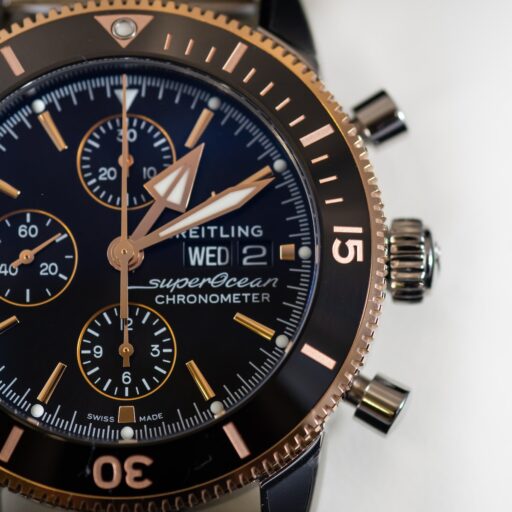
- Breitling: The aviation chronograph specialist. Known for its bold, technical designs, robust movements, and strong ties to the aerospace industry.
- 👉 Shop Breitling on: Amazon | Jomashop | Breitling Official Website
- Tudor: Rolex’s younger, sportier sibling. Offers exceptional quality, robust in-house movements, and iconic designs at a more accessible point of entry into luxury. The Black Bay line is a modern classic.
- 👉 Shop Tudor on: Chrono24 | Tudor Official Website
Wait, what about Bulova? We often get asked, “Is Bulova considered a luxury watch?” It’s a fantastic question that highlights the evolving nature of the watch market. While Bulova has a rich history of innovation and some truly iconic pieces, its current positioning is generally considered to be in the premium or mid-range segment, rather than the high-luxury tier of the brands listed above. You can read our full analysis on this topic here: Is Bulova Considered a Luxury Watch? 2024 💎.
A Quick Comparison of Top Luxury Watch Attributes:
| Brand | Key Strengths | Iconic Models | Heritage Focus |
|---|---|---|---|
| Patek Philippe | Complications, Craftsmanship, Value Retention | Calatrava, Nautilus, Grand Complications | Traditional Haute Horlogerie |
| Audemars Piguet | Bold Design, Finishing, Independent Spirit | Royal Oak, Code 11.59 | Modern Luxury Sports |
| Vacheron Const. | Oldest Manufacturer, Exquisite Finishing, Complications | Overseas, Patrimony, Historiques | Classic Elegance, Artistry |
| A. Lange & Söhne | German Precision, Unique Movement Architecture, Hand-Finishing | Lange 1, Datograph, Saxonia | German Engineering, Distinctive Aesthetics |
| Rolex | Recognition, Durability, Precision, Value Retention | Submariner, Daytona, Datejust | Tool Watches, Reliability |
| Omega | Co-Axial Escapement, Master Chronometer, Space/Dive Heritage | Speedmaster, Seamaster, Constellation | Innovation, Precision, Sports |
| Jaeger-LeCoultre | In-House Movements, Inventions, Reverso Design | Reverso, Master Ultra Thin, Polaris | Technical Mastery, Elegance |
| Cartier | Iconic Designs, Jewelry-Watch Fusion, Elegance | Tank, Santos, Ballon Bleu | Design, Art Deco, Royal Connections |
| IWC Schaffhausen | Pilot’s Watches, Complications, Robustness | Portugieser, Pilot’s Watch, Portofino | Aviation, Engineering |
| Breguet | Historical Inventions, Classical Aesthetics, Guilloché Dials | Classique, Marine, Tradition | Historical Significance, Classical Horology |
| Zenith | El Primero Chronograph, High-Frequency Movements | Chronomaster, Defy, Pilot | Chronometry, Precision |
| Grand Seiko | Dial Finishing, Zaratsu Polishing, Spring Drive | Snowflake, White Birch, GMT | Japanese Craftsmanship, Precision |
| Panerai | Distinctive Case Design, Diving Heritage, Robustness | Luminor, Radiomir | Italian Design, Military History |
| Breitling | Aviation Chronographs, Bold Designs, Technical Features | Navitimer, Chronomat, Superocean | Aviation, Professional Instruments |
| Tudor | Value, In-House Movements, Robustness, Modern Classics | Black Bay, Pelagos, Ranger | Sports Watches, Heritage |
This list represents the crème de la crème, but remember, the world of luxury watches is vast and full of incredible independent watchmakers and rising stars. This is just the beginning of your journey into collectible watches!
💎 Materials and Movements: What Makes Luxury Watches Worth the Investment?
If you’ve ever wondered why a luxury watch commands such a significant investment, look no further than the materials it’s made from and the intricate engine that powers it. This isn’t just about telling time; it’s about owning a piece of enduring quality and mechanical artistry.
The Allure of Exquisite Materials ✨
Luxury watch brands spare no expense in sourcing and utilizing the finest materials. This isn’t merely for aesthetics; it’s about durability, longevity, and the tactile experience.
- Precious Metals:
- 18kt Gold (Yellow, Rose, White): Far from being just a shiny exterior, 18kt gold (75% pure gold) offers a rich luster, a satisfying weight on the wrist, and inherent value. Rose gold, with its copper alloy, offers a warm, vintage appeal, while white gold, often alloyed with palladium, provides a subtle, sophisticated gleam.
- Platinum: The king of precious metals in watchmaking. It’s denser, rarer, and more difficult to work with than gold, resulting in a heavier, more substantial feel and a unique, understated sheen. It’s also hypoallergenic.
- Titanium: While not a precious metal, aerospace-grade titanium is a luxury material due to its exceptional strength-to-weight ratio, corrosion resistance, and hypoallergenic properties. Brands like Omega and Panerai frequently use it for their robust tool watches.
- High-Performance Steels:
- 904L Stainless Steel: Rolex famously uses this specific grade of stainless steel, which is more resistant to corrosion and has a brighter sheen than the more common 316L. It’s harder to machine, reflecting a commitment to superior quality.
- Sapphire Crystal:
- Synthetic Sapphire: This is the standard for luxury watch crystals. It’s incredibly hard (9 on the Mohs scale, second only to diamond), making it virtually scratch-proof in daily wear. This ensures the dial remains pristine and legible for decades.
- Ceramics & Composites:
- High-Tech Ceramics: Brands like Hublot, Audemars Piguet, and Rado utilize ceramic for cases and bezels. It’s extremely scratch-resistant, lightweight, and can be produced in various colors.
- Carbon Fiber & Other Composites: Richard Mille, as myGemma highlighted, is a pioneer in using advanced materials from aerospace and Formula 1, such as carbon fiber composites, for their ultra-lightweight and incredibly strong cases [myGemma].
- Exotic Leathers:
- Alligator & Crocodile: Sourced responsibly, these leathers are prized for their unique patterns, durability, and luxurious feel. They age beautifully, developing a rich patina over time.
The Marvel of Mechanical Movements ⚙️
The true soul of a luxury watch lies within its movement. This is where centuries of horological expertise culminate in a miniature, self-contained engine.
- Manual-Winding Movements:
- The Purist’s Choice: These movements require daily winding via the crown. This ritual connects the wearer directly to the timepiece, a tangible interaction with the mechanical art. They are often thinner, allowing for more elegant dress watches.
- Automatic (Self-Winding) Movements:
- Convenience Meets Craft: These movements harness the natural motion of your wrist to power a rotor, which in turn winds the mainspring. This means no batteries and no daily winding (as long as you wear it regularly).
- Innovation: Brands like Omega have revolutionized automatic movements with technologies like the Co-Axial escapement, which reduces friction and improves long-term accuracy and service intervals.
- Complications: Beyond Simple Time-Telling:
- This is where mechanical genius truly shines. Complications are any functions a watch performs beyond displaying hours, minutes, and seconds.
- Chronograph: A stopwatch function (e.g., the Rolex Daytona or Omega Speedmaster).
- Perpetual Calendar: Automatically adjusts for month length and leap years, requiring no manual correction until the year 2100 (e.g., Patek Philippe Grand Complications).
- Moon Phase: Displays the current phase of the moon.
- GMT/Dual Time: Shows a second time zone, perfect for travelers.
- Tourbillon: A rotating cage that houses the escapement, designed to counteract the effects of gravity on accuracy. A true marvel of micro-engineering.
- Minute Repeater: Chimes the time on demand, using tiny hammers and gongs. Incredibly complex and expensive to produce.
Why are these movements so special? “Luxury watches are composed of hundreds of minuscule parts that must fit and function flawlessly together to power the watch,” as myGemma highlights [myGemma]. These parts are often hand-finished, polished, and decorated, even those hidden from view. This attention to detail ensures not only aesthetic beauty but also optimal performance and longevity. The sheer skill required to design, manufacture, and assemble these movements is what makes them a worthwhile investment and a testament to human ingenuity.
For those looking to understand more about the inner workings, exploring our Guide to Buying Watches can provide even deeper insights into Swiss movements and their intricacies.
🎨 Design and Aesthetics: How Style Elevates a Watch to Luxury Status
Beyond the gleaming metals and intricate gears, the visual appeal of a luxury watch is paramount. It’s not just about telling time; it’s about making a statement, expressing your personality, and appreciating a piece of wearable art. The design and aesthetics are what often first capture our hearts and minds, elevating a mere time-telling device to a coveted luxury item.
The Art of the Dial 🖼️
The dial is the face of the watch, and in luxury horology, it’s a canvas for artistic expression and meticulous detail.
- Guilloché Patterns: These are intricate, repetitive patterns engraved onto the dial using a specialized machine (or, in rare cases, by hand). Brands like Breguet are masters of this technique, creating stunning textures that play with light and add depth.
- Enamel Work: Some of the most exquisite dials feature hand-painted or Grand Feu enamel, a centuries-old technique that creates vibrant, permanent colors and incredible depth. This is a rare and highly skilled art form.
- Applied Indices & Hands: Instead of printed markers, luxury watches often feature individually applied indices (hour markers) and hands, typically made of gold or other high-quality metals, often faceted and polished to catch the light.
- Gem-Setting: For those who appreciate extra sparkle, dials can be adorned with meticulously set diamonds, rubies, or other precious stones, transforming the watch into a piece of fine jewelry.
- Legibility & Balance: Despite the artistry, a luxury dial remains highly legible. The layout is carefully balanced, ensuring that the time and any complications are easy to read at a glance.
Case Shapes and Proportions 📐
The case is the protective shell, but it’s also a crucial element of the watch’s overall design identity.
- Iconic Shapes: From the classic round cases of a Patek Philippe Calatrava to the distinctive rectangular elegance of a Cartier Tank, or the bold octagonal bezel of an Audemars Piguet Royal Oak, these shapes are instantly recognizable and have stood the test of time.
- Ergonomics: Luxury watches are designed to sit comfortably on the wrist. The lugs (where the strap attaches) are carefully angled, and the case thickness is optimized for balance and wearability.
- Finishing Techniques: Cases feature a variety of finishes – mirror polishing, satin brushing, sandblasting – often combined to create contrast and highlight different facets of the design. The famous Zaratsu polishing of Grand Seiko, for example, creates distortion-free, mirror-like surfaces.
The Bracelet and Strap: An Extension of Style 🔗
The way a watch is secured to your wrist is just as important as the watch head itself.
- Integrated Bracelets: Designs like the Audemars Piguet Royal Oak or the Patek Philippe Nautilus are famous for their seamlessly integrated bracelets, where the bracelet flows directly from the case, creating a cohesive and distinctive look.
- Metal Bracelets: Crafted from the same high-quality metals as the case, these bracelets feature intricate links, robust clasps, and often micro-adjustment systems for the perfect fit. Rolex’s Oyster, Jubilee, and President bracelets are prime examples of iconic designs.
- Leather Straps: High-end leather straps, often made from alligator, crocodile, or calfskin, are chosen for their comfort, durability, and ability to complement the watch’s aesthetic. They often feature hand-stitching and luxurious lining.
The Uniqueness Factor 🌟
The first YouTube video emphasizes “uniqueness” as a key element of luxury. This refers to “distinctive design, features, or limited editions that set a watch apart.” This could be:
- Brand DNA: Each luxury brand has a unique design language that makes its watches instantly identifiable.
- Limited Editions: Special runs of watches with unique dial colors, case materials, or complications, making them highly sought after by collectors.
- Artistic Collaborations: Sometimes, brands collaborate with artists or designers to create truly unique pieces.
Ultimately, the design and aesthetics of a luxury watch are a testament to the brand’s vision and its commitment to creating something beautiful and enduring. It’s about the emotional connection you form with a piece that is not just functional, but also a reflection of your personal style and appreciation for artistry. Whether you’re drawn to the classic elegance of a Men’s Watches dress watch or the robust appeal of a sports timepiece, the design is what makes it truly yours.
💼 The Role of Heritage and Brand Prestige in Luxury Watch Valuation
Why do some watches, even with similar technical specifications, command vastly different prices? The answer often lies in two powerful, intangible forces: heritage and brand prestige. These aren’t just marketing buzzwords; they are deeply ingrained aspects that contribute significantly to a luxury watch’s perceived value, desirability, and even its potential as an investment.
Heritage: A Story Woven in Time 📜
A brand’s heritage is its story, its lineage of innovation, and its contribution to the art of horology. It’s the accumulated wisdom and craftsmanship passed down through generations of watchmakers.
- Centuries of Innovation: Many top luxury brands boast histories stretching back hundreds of years. Vacheron Constantin, for example, is the oldest continuously operating watch manufacturer in the world, founded in 1755. This long history isn’t just a fun fact; it signifies a continuous pursuit of excellence and a legacy of groundbreaking inventions.
- Example: Think of Breguet’s invention of the tourbillon in 1801. This single innovation cemented the brand’s place in history and continues to be a hallmark of high-end watchmaking today.
- Pioneering Spirit: Brands like Rolex pioneered water-resistant cases (Oyster case, 1926) and automatic winding (Perpetual rotor, 1931), fundamentally changing watch design and functionality. Omega’s Speedmaster was the first watch on the moon. These “firsts” are not forgotten; they are celebrated and become part of the brand’s DNA.
- Tradition and Craftsmanship: Heritage implies a commitment to traditional methods, often involving extensive hand-finishing and meticulous assembly by skilled artisans. This contrasts sharply with mass-produced items and speaks to the authenticity of the product.
- Anecdote: “My grandfather always wore a Longines,” shared Sarah, another Watch Brands™ team member. “It wasn’t the most expensive watch, but he’d tell me stories about how his father wore one, too, during the war. That connection, that sense of continuity, made it priceless to him. That’s heritage in action, even if Longines isn’t always classed in the same tier as Patek Philippe today.”
Brand Prestige: The Aura of Exclusivity and Status 👑
Brand prestige is the reputation a brand has cultivated over time – the perception of quality, exclusivity, and desirability it holds in the minds of consumers and collectors.
- Exclusivity and Scarcity: Luxury brands often produce watches in limited quantities, creating a sense of exclusivity. This scarcity, combined with high demand, can lead to waiting lists and even secondary market appreciation. The first YouTube video aptly notes that exclusivity is about “limited production, high prices, and sometimes difficulty in obtaining the item.” This makes owning such a watch a mark of distinction.
- Association with Success and Influence: Luxury watches are frequently seen on the wrists of world leaders, celebrities, athletes, and successful professionals. This association elevates the brand’s image, making it a symbol of achievement and sophistication. As myGemma states, luxury watches are “worn by celebrities, athletes, and models,” conveying “power, adventure, and sophistication” [myGemma].
- Marketing and Brand Storytelling: While the product must deliver, effective marketing reinforces prestige. Brands invest heavily in showcasing their heritage, craftsmanship, and the aspirational lifestyle associated with their watches.
- Value Retention and Investment: Prestige directly impacts a watch’s ability to retain or even increase its value. Brands with strong prestige, like Rolex and Patek Philippe, are known for their excellent “value retention” [myGemma], making them attractive to collectors and investors. This is a key differentiator from mass-market watches.
- The “Look the Part” Factor: WatchSwiss highlights that “choosing a timepiece of quality conveys a sense of self-respect” and helps you “look the part,” attracting “like-minded individuals” [WatchSwiss]. A prestigious watch communicates a certain message about the wearer.
The Interplay: Heritage Fuels Prestige, Prestige Drives Value 🔄
Heritage and prestige are inextricably linked. A rich heritage provides the foundation for a brand’s reputation, lending it authenticity and depth. This, in turn, fuels its prestige, making its watches more desirable and sought-after. The higher the prestige, the stronger the demand, and often, the greater the value retention.
It’s a virtuous cycle that explains why brands with centuries of history and a consistent commitment to excellence remain at the apex of the luxury watch world. When you buy a watch from a brand like Luxury Watch Brands such as Patek Philippe or Rolex, you’re not just buying a time-telling device; you’re buying into a legacy, a story, and a symbol of enduring quality and status.
🛠️ Maintenance and Longevity: Caring for Your Luxury Timepiece Like a Pro
You’ve invested in a magnificent piece of horological art – a luxury watch designed to last a lifetime, perhaps even to be passed down through generations. But like any precision instrument, it needs love and care to maintain its performance and pristine condition. Think of it like a high-performance sports car; you wouldn’t skip its regular service, would you? Caring for your luxury timepiece is crucial for its longevity and to ensure it continues to tell time with impeccable accuracy.
“Properly cared for, a luxury watch will last for several decades,” as WatchSwiss rightly asserts [WatchSwiss]. Here’s how to ensure your cherished watch stands the test of time.
1. Regular Servicing: The Heart of Longevity 💖
This is the most critical aspect of luxury watch care. Mechanical movements, with their hundreds of tiny, moving parts, require periodic professional attention.
- Why Service? Over time, lubricants within the movement can dry out, thicken, or degrade. Tiny metal particles from friction can accumulate. Gaskets can harden, compromising water resistance. A service addresses all these issues.
- Frequency: Most manufacturers recommend a full service every 3 to 5 years. Check your watch’s specific warranty and manual for precise recommendations.
- What Happens During a Service?
- Disassembly: The watch is completely taken apart, often down to its smallest components.
- Cleaning: All parts are cleaned in specialized solutions to remove old lubricants and debris.
- Inspection & Replacement: Each part is meticulously inspected for wear. Worn components (gears, springs, gaskets) are replaced with genuine manufacturer parts.
- Lubrication: The movement is reassembled, and fresh, high-grade lubricants are applied to critical friction points.
- Regulation: The movement is carefully regulated to ensure optimal accuracy.
- Case & Bracelet Refurbishment: The case and bracelet are cleaned, and often polished or re-brushed to restore their original finish.
- Water Resistance Test: New gaskets are installed, and the watch is rigorously tested to ensure its water resistance is restored to factory specifications.
- Where to Service? Always use an authorized service center or a highly reputable independent watchmaker specializing in your brand. They have the correct tools, genuine parts, and expertise. Using unauthorized repair shops can void your warranty and potentially damage your watch.
2. Daily Care and Handling Tips ✅
Small habits can make a big difference in preserving your watch.
- Keep it Clean:
- ✅ Regularly wipe your watch with a soft, lint-free cloth (microfiber is ideal) to remove fingerprints, oils, and dust.
- ✅ For metal bracelets and water-resistant cases, a gentle wash with mild soap and lukewarm water, followed by a thorough rinse and dry, can keep it sparkling. Use a soft toothbrush for crevices.
- ❌ Avoid harsh chemicals, solvents, or abrasive cleaners.
- Personal Story: “I once saw a friend try to clean his vintage Omega with window cleaner,” winced David from our team. “The chemicals stripped some of the plating on the crown! Always stick to mild soap and water, folks.”
- Respect Water Resistance:
- ✅ Understand your watch’s water resistance rating. 30m (3 ATM) means splash-proof, not swim-proof. 100m (10 ATM) is generally safe for swimming, and 200m+ for diving.
- ❌ Never operate the crown or pushers underwater unless your watch is specifically designed for it (e.g., a diving chronograph with screw-down pushers).
- ❌ Always ensure the crown is fully pushed in or screwed down before any water exposure.
- ✅ If exposed to saltwater or chlorine, rinse your watch with fresh water immediately afterward.
- Avoid Shocks and Impacts:
- ✅ While luxury watches are robust, they are not indestructible. Avoid dropping them or subjecting them to harsh impacts.
- ❌ Remove your watch during activities that involve heavy vibrations or potential impacts, like gardening, carpentry, or contact sports.
- Beware of Magnets:
- ❌ Strong magnetic fields (from speakers, refrigerators, tablets, airport scanners) can magnetize the hairspring of a mechanical watch, causing it to run fast or slow.
- ✅ If you suspect your watch is magnetized, a watchmaker can easily demagnetize it. Many modern luxury watches, especially from Omega with its METAS certification, offer enhanced magnetic resistance.
- Temperature Extremes:
- ❌ Avoid exposing your watch to extreme temperatures, hot or cold, as this can affect the lubricants and accuracy of the movement.
- ❌ Don’t leave it on a sunny dashboard or in a sauna.
- Storage:
- ✅ When not wearing your watch, store it in a cool, dry place, away from direct sunlight. The original box is ideal.
- ✅ For automatic watches, a watch winder can keep the movement running, preventing the lubricants from settling and ensuring it’s always ready to wear. However, don’t keep it on a winder indefinitely; giving it a rest is also good.
By following these simple yet crucial maintenance tips, you’re not just preserving a timepiece; you’re safeguarding a legacy. Your luxury watch, a testament to fine watchmaking, will continue to bring you joy and impeccable timekeeping for decades to come.
💡 How to Spot a Genuine Luxury Watch vs. a Fake: Expert Tips and Tricks
The unfortunate reality of the luxury watch market is the prevalence of counterfeit watches. Some fakes are incredibly convincing, often called “super fakes,” making it challenging for even seasoned enthusiasts to differentiate them from the real deal. However, armed with knowledge and a keen eye, you can significantly reduce your risk. Spotting a genuine luxury watch isn’t just about protecting your investment; it’s about respecting the masterful craftsmanship and brand prestige that define true luxury.
Here are our expert tips and tricks to help you tell the difference:
1. The “Feel” Test: Weight and Quality ⚖️
- Genuine: Luxury watches use high-quality, often precious, metals and intricate mechanical movements. This results in a substantial, satisfying weight that feels solid and well-balanced on the wrist. The finishing will be smooth, precise, and without sharp edges.
- Fake: Counterfeits often use cheaper, lighter alloys or lower-grade steel. They might feel flimsy, hollow, or unusually light. The finishing can be rough, with sharp edges or poorly executed polishing.
- ✅ Tip: If you can, compare the weight and feel to a known genuine model.
2. Scrutinize the Dial: The Devil is in the Details 🧐
This is often the first place fakes fall short, as replicating intricate dial details perfectly is incredibly difficult and costly.
- Logo and Text:
- Genuine: Logos, brand names, and all text (e.g., “Swiss Made,” “Oyster Perpetual”) will be crisp, precisely printed or applied, and perfectly aligned. There should be no smudging, bleeding, or uneven spacing. Applied indices will be perfectly aligned and polished.
- Fake: Look for blurry printing, misspellings, uneven spacing, misaligned logos, or poorly applied markers.
- Hands:
- Genuine: Hands will be perfectly shaped, polished, and often faceted. The lume (luminescent material) will be evenly applied.
- Fake: Hands might be crudely cut, have rough edges, or uneven lume application.
- Luminescence (Lume):
- Genuine: High-quality lume (like Rolex’s Chromalight or Omega’s Super-LumiNova) will glow brightly and evenly in the dark, often for several hours.
- Fake: Lume on fakes is often weak, uneven, or fades quickly.
- Date Window:
- Genuine: The date wheel will be perfectly centered in the window, and the font will be correct, crisp, and legible. Cyclops lenses (magnifiers) on watches like the Rolex Datejust will magnify the date clearly and without distortion.
- Fake: Date wheels are often misaligned, the font might be incorrect or blurry, and cyclops lenses on fakes often offer poor or distorted magnification.
3. Examine the Movement: The Heartbeat of Authenticity ❤️ 🔥
This is the ultimate tell, though often requires opening the case back.
- Genuine: Mechanical luxury watches house beautifully finished, intricate movements. If visible through a sapphire case back, you’ll see decorated bridges (e.g., Côtes de Genève, perlage), blued screws, and precise engraving of the brand name and caliber number. The rotor (for automatics) will spin smoothly and silently.
- Fake: Many fakes use cheap, undecorated quartz movements or poorly replicated mechanical movements. The finishing will be crude, engravings might be shallow or incorrect, and the rotor might wobble or be noisy.
- ✅ Tip: If a watch that should have a mechanical movement has a quartz tick, it’s a definite fake. Even if it’s mechanical, compare the visible movement to official images of the genuine caliber.
- ❌ Warning: Never attempt to open the case back yourself unless you are a trained watchmaker. This can damage the watch and compromise its water resistance.
4. The Crown and Pushers: Precision in Operation 👑
- Genuine: The crown will operate smoothly, with precise clicks when winding or setting the time. Screw-down crowns will engage securely. Pushers (for chronographs) will have a satisfying, crisp action.
- Fake: Crowns can feel gritty, wobbly, or difficult to operate. Screw-down crowns might not engage properly. Pushers can feel mushy or sticky.
5. Bracelet/Strap and Clasp: Integrated Quality 🤝
- Genuine: Bracelets will feel solid, with minimal play between links. The clasp will operate smoothly and securely, often with intricate engravings and micro-adjustment features. Leather straps will be made of high-quality material, with precise stitching and proper branding.
- Fake: Bracelets often feel light, rattly, or have excessive play. Clasps can be flimsy, poorly finished, or have incorrect engravings. Leather straps might feel cheap, with uneven stitching or incorrect branding.
6. Documentation and Packaging: The Full Package 📦
- Genuine: Luxury watches come with comprehensive documentation: warranty cards (often credit card style with serial numbers), instruction manuals, and sometimes chronometer certificates. The packaging (boxes, travel cases) will be high-quality, with correct branding and serial numbers matching the watch.
- Fake: Documentation might be missing, poorly printed, or contain errors. Packaging can be flimsy, have incorrect logos, or serial numbers that don’t match the watch.
7. The Seller: Buy from Reputable Sources Only! 🛡️
This is perhaps the most important tip. The best way to avoid fakes is to buy from trusted sources.
- ✅ Authorized Dealers: The safest option. They guarantee authenticity, provide valid warranties, and offer excellent after-sales service. “Why Buy from an Authorized Dealer (e.g., Watches of Switzerland)? Authenticity and Buyer Protection,” as WatchSwiss emphasizes [WatchSwiss].
- ✅ Reputable Pre-Owned Dealers: If buying pre-owned, choose dealers with a strong reputation, extensive authentication processes, and guarantees of authenticity (like myGemma, which offers secure buying and selling services [myGemma]).
- ❌ Avoid: Unverified online sellers, street vendors, or deals that seem “too good to be true.” They almost always are.
Final Thought: When in doubt, always seek a second opinion from a certified watchmaker or an authorized dealer. A small fee for authentication is a tiny price to pay for peace of mind and to protect yourself from a costly mistake. Don’t let the allure of a bargain blind you to the red flags!
📈 Investing in Luxury Watches: What You Need to Know Before Buying
The idea of a luxury watch as an investment has gained significant traction, especially with certain models appreciating dramatically in recent years. While it’s true that some high-end timepieces can offer excellent returns, it’s crucial to approach this with a clear understanding that not all luxury watches are created equal when it comes to investment potential. Think of it less like a guaranteed stock market win and more like collecting fine art – some pieces soar, others hold steady, and some simply offer immense personal enjoyment.
Before you dive in, let’s explore what makes a luxury watch a potential investment and what you need to consider.
The “Investment Grade” Watch: What to Look For 🌟
Not every luxury watch will appreciate in value. The ones that do typically share several key characteristics:
- Brand Prestige & Scarcity:
- Top-Tier Brands: Rolex, Patek Philippe, and Audemars Piguet are consistently at the top for value retention and appreciation. Their limited production and immense demand create scarcity.
- Limited Editions & Rare Models: Watches produced in very small numbers or those with unique historical significance often become highly collectible.
- Anecdote: “I remember when a steel Patek Philippe Nautilus 5711 was ‘just’ a luxury watch,” recalled Sarah. “Now, it’s a legend, trading for multiples of its original price. That’s the power of scarcity and brand prestige combined!”
- Iconic Status & Demand:
- Timeless Designs: Models like the Rolex Submariner, Omega Speedmaster Professional, or Cartier Tank have iconic designs that transcend trends and remain highly desirable for decades.
- High Demand: Watches that are consistently difficult to acquire new from authorized dealers often perform well on the secondary market.
- Condition & Provenance:
- Pristine Condition: A watch in excellent, original condition with minimal wear will always fetch a higher price.
- “Full Set”: Having the original box, papers (warranty card, chronometer certificate), and purchase receipt significantly adds to a watch’s value and authenticity. This is known as having a “full set” or “full kit.”
- Service History: A documented service history from authorized centers can also boost confidence and value.
- Material & Complications:
- Steel Sports Models: Ironically, steel sports watches from top brands often appreciate more than their precious metal counterparts due to higher demand and wearability.
- Complex Complications: Watches with rare and intricate complications (perpetual calendars, minute repeaters, tourbillons) from haute horlogerie brands are often highly sought after by serious collectors.
Pre-Purchase Considerations: Your Investment Checklist ✅
Before making any significant purchase, especially one with investment potential, ask yourself these questions, drawing from WatchSwiss’s “Pre-Purchase Considerations” [WatchSwiss]:
- What’s Your Budget? Be realistic. Investment-grade luxury watches require a substantial upfront cost.
- What’s the Intended Use?
- Daily Wearer: If you plan to wear it daily, consider durability and service costs. This might impact its pristine condition over time.
- Special Occasions/Collector: If it’s primarily for collecting or special events, you might prioritize rarity and condition.
- Movement Type:
- Mechanical (Manual or Automatic): These are almost exclusively the choice for investment-grade watches, appreciated for their craftsmanship and longevity.
- Quartz: Generally, quartz watches do not retain value or appreciate in the same way mechanical luxury watches do.
- Water Resistance: Understand the limits. A watch with good water resistance (100m+) offers more versatility and protection.
- Warranty and After-Sales Service:
- Warranty: Ensure you get a valid warranty (minimum 2 years, often 5+ for luxury brands).
- Service: Understand the cost and availability of future servicing. This is crucial for maintaining the watch’s condition and value.
- Authenticity: Always buy from an Authorized Dealer or a highly reputable pre-owned specialist who guarantees authenticity. This protects your investment from counterfeits.
The Reality Check: Enjoyment vs. Pure Profit ⚖️
While the investment aspect is appealing, it’s vital to remember:
- Market Fluctuations: The watch market, like any other, can fluctuate. What’s hot today might cool tomorrow.
- Maintenance Costs: Servicing a luxury watch is not cheap. Factor these ongoing costs into your “investment.”
- Personal Enjoyment: The greatest return on investment for many luxury watch owners is the sheer pleasure of wearing and owning a beautifully crafted timepiece. As WatchSwiss puts it, a luxury watch is “designed to give a lifetime of enjoyment and then some” [WatchSwiss]. Don’t let the pursuit of profit overshadow the joy of ownership.
Investing in luxury watches can be a rewarding endeavor, both financially and personally. By focusing on iconic models from reputable brands, ensuring pristine condition, and buying from trusted sources, you can make a smart choice that brings both potential appreciation and immense satisfaction. For more insights into smart purchases, explore our Guide to Buying Watches.
🔄 How to Upgrade Your Watch Collection with Luxury Timepieces
So, you’ve been bitten by the horology bug, and your current collection, while cherished, is starting to feel a little… entry-level. You’re ready to step into the world of luxury watch brands, to experience that unparalleled craftsmanship and heritage we’ve been raving about. Upgrading your watch collection isn’t just about spending more; it’s about refining your taste, appreciating finer details, and making thoughtful additions that elevate your wrist game.
Here at Watch Brands™, we’ve all been there. That moment when you realize your Affordable Watches served their purpose, but now you crave something with a deeper story, a more intricate movement, and a design that truly speaks to you.
1. Define Your “Why” and Your Budget 🎯
Before you even start browsing, ask yourself:
- What’s missing from your current collection? Are you looking for a dress watch, a robust sports watch, a daily wearer, or a specific complication?
- What appeals to you about luxury? Is it the brand heritage, the mechanical artistry, the investment potential, or simply the aesthetic?
- What’s your realistic budget? Luxury watches span a wide range. Having a clear budget will help narrow down your options and prevent “watch fever” from leading to buyer’s remorse. Remember, we’re not talking specific prices here, but knowing your comfort zone is key.
2. Research, Research, Research! 📚
This is the fun part! Dive deep into the world of luxury watches.
- Explore Brands: Revisit our list of top luxury brands. Which ones resonate with you? Look at their history, their iconic models, and their unique selling points.
- Understand Movements & Complications: Learn about automatic vs. manual movements, and what different complications (chronographs, GMTs, moon phases) do. This will help you appreciate the engineering and choose features that matter to you.
- Read Reviews & Watch Videos: Immerse yourself in expert reviews, user forums, and YouTube channels. Get multiple perspectives.
- Visit Boutiques: Nothing beats seeing and trying on watches in person. Feel the weight, examine the finishing, and see how it looks on your wrist. This is invaluable.
3. Consider Your First Luxury Watch: The Gateway Piece 🚪
For many, the first luxury watch is a significant milestone. It’s often a piece that offers a strong brand identity, excellent quality, and good value retention.
- The “Entry-Luxury” Sweet Spot: Brands like Tudor (Rolex’s sibling) or Omega are often excellent starting points. They offer exceptional quality, in-house movements, and iconic designs without the stratospheric prices of a Patek Philippe.
- Example: A Tudor Black Bay is a fantastic choice for a robust, stylish, and historically rich sports watch.
- 👉 Shop Tudor on: Chrono24 | Tudor Official Website
- Pre-Owned Market: Don’t shy away from the pre-owned market! You can often get more watch for your money. Just ensure you buy from a reputable dealer who offers authentication and a warranty. Sites like myGemma offer secure buying and selling services [myGemma].
- ✅ Tip: Look for “full set” watches (original box and papers) for better value and peace of mind.
4. Diversify Your Collection Thoughtfully 🔄
Once you have your first luxury piece, think about how subsequent additions will complement your existing collection.
- Balance: If your first luxury watch was a sports model, perhaps your next could be an elegant dress watch.
- Complications: Explore watches with different complications to add variety and mechanical interest.
- Materials: Experiment with different case materials (e.g., steel, titanium, gold) or strap options (leather, metal bracelet).
- Brand Variety: While some collectors focus on one brand, others enjoy the diversity of owning pieces from different manufacturers, each with its unique philosophy.
5. Selling or Trading Up: The Upgrade Path 🚀
As your tastes evolve, you might consider selling or trading some of your current watches to fund new luxury acquisitions.
- Selling: Platforms like myGemma offer services for selling luxury watches, providing “quick payments (as fast as 48 hours)” [myGemma]. Always ensure you get a fair valuation.
- Trading: Some authorized dealers or pre-owned specialists offer trade-in options, which can be a convenient way to upgrade.
- Personal Story: “I started with a few microbrands and some solid Japanese automatics,” recounted Emily from our team. “When I decided I wanted a Rolex Datejust, I sold off a couple of my older pieces. It felt good to know they were going to new homes, and it made the Rolex feel even more earned. It’s a journey, not a sprint!”
Upgrading your watch collection is an exciting journey of discovery and refinement. It’s about finding those pieces that resonate with you, that tell a story, and that you’ll cherish for years to come. Remember, the best luxury watch is the one you love to wear. For more guidance on making smart choices, check out our Guide to Buying Watches.
🎁 Exclusive Deals: Get up to $500 Off Your First Luxury Watch Purchase*
Ready to make that leap into the world of high-end timepieces? We know that investing in a luxury watch is a significant decision, and we want to make it a little sweeter for you. As a valued reader of Watch Brands™, we’ve secured an exclusive offer to help you kickstart or elevate your collection.
For a limited time, you can get up to $500 off your first luxury watch purchase when you shop through our selected partners! Imagine that iconic Rolex Submariner, a sophisticated Omega Seamaster, or a classic Cartier Tank gracing your wrist, with a little extra saving in your pocket. This is your chance to own a piece of horological history and craftsmanship without breaking the bank entirely. Don’t miss out on this fantastic opportunity to acquire the watch you’ve been dreaming of.
Terms and conditions apply. Minimum purchase may be required. Offer subject to change.
📝 Sign Up and Save: Get 5% Off Your First Luxury Watch Order*
Want even more ways to save on your journey into fine watchmaking? Join the Watch Brands™ family! By signing up for our exclusive newsletter, you’ll not only receive the latest insights, reviews, and expert advice on luxury watch brands, but you’ll also unlock an immediate benefit.
Sign up today and get 5% off your first luxury watch order! This is a perfect way to make your initial purchase even more accessible, whether you’re eyeing a robust Men’s Watches model or a timeless elegant piece. Our newsletter is packed with insider tips, upcoming releases, and special offers tailored for enthusiasts like you. Don’t let this opportunity tick by – become part of our community and start saving!
Terms and conditions apply. Offer valid for new subscribers only. Minimum purchase may be required. Cannot be combined with other offers.
🎬 Conclusion: Why Luxury Watches Are More Than Just Timekeepers

So, what is classed as a luxury watch? After our deep dive, it’s clear that a luxury watch is far more than just a device to tell time. It’s a masterpiece of craftsmanship, a heritage-rich symbol of status, and often a smart investment. From the meticulous hand-finishing of hundreds of tiny components to the use of precious metals and innovative movements, luxury watches embody centuries of horological artistry and innovation.
We’ve explored the key pillars that define luxury watches: exceptional materials, masterful craftsmanship, rich heritage, distinctive design, and enduring value. Brands like Patek Philippe, Rolex, Audemars Piguet, Omega, and Cartier stand tall as paragons of this tradition, each offering unique stories, iconic models, and uncompromising quality.
If you’re upgrading your collection or buying your first luxury timepiece, remember that it’s not just about the price tag. It’s about the connection you feel when you wear it, the story it tells, and the legacy it carries forward. As our team member Mark’s “aha!” moment with his uncle’s Omega Seamaster showed, a luxury watch is an experience — an intimate blend of art, engineering, and personal history.
Whether you’re drawn to the sporty robustness of a Tudor Black Bay or the timeless elegance of a Patek Philippe Calatrava, luxury watches reward patience, knowledge, and passion. And yes, they can be a savvy investment too — but above all, they’re a joy to wear and treasure.
Ready to take the plunge? Your perfect luxury watch awaits!
📚 Recommended Links for Luxury Watch Enthusiasts
Looking to explore or shop some of the finest luxury watches and deepen your horological knowledge? Here are some carefully curated links and books to guide your journey:
Shop Iconic Luxury Watch Brands:
- Patek Philippe: Chrono24 | Patek Philippe Official Website
- Audemars Piguet: Chrono24 | Audemars Piguet Official Website
- Rolex: Amazon | Chrono24 | Rolex Official Website
- Omega: Amazon | Jomashop | Omega Official Website
- Cartier: Amazon | Jomashop | Cartier Official Website
- Tudor: Chrono24 | Tudor Official Website
Must-Read Books on Luxury Watches:
- “A Man and His Watch” by Matt Hranek — A beautifully illustrated collection of stories behind iconic watches and their owners.
Amazon Link - “The Watch Book” by Gisbert L. Brunner — An authoritative guide to watchmaking history and brands.
Amazon Link - “Luxury Watches: The Ultimate Guide” by Dominic Weston — Covers everything from brand histories to buying advice.
Amazon Link
Helpful Internal Resources:
- Is Bulova Considered a Luxury Watch? 2024 💎
- Guide to Buying Watches
- Luxury Watch Brands
- Men’s Watches
- Affordable Watches
❓ Frequently Asked Questions About Luxury Watches
What makes luxury watches worth the investment?
Luxury watches combine exceptional craftsmanship, rare materials, and brand prestige, which often leads to value retention or appreciation over time. Brands like Patek Philippe and Rolex produce limited quantities, creating scarcity that fuels demand. Additionally, their mechanical movements and durable construction mean these watches can last generations, making them heirlooms as well as investments. However, not all luxury watches appreciate, so research and buying from reputable brands and models is key.
How can you tell if a watch is truly luxury?
A genuine luxury watch features high-quality materials (e.g., 18kt gold, sapphire crystal), intricate mechanical movements often hand-finished, and rigorous quality control. It will have a rich brand heritage, distinctive design, and come with authentic documentation. The watch should feel substantial, have precise detailing on the dial and hands, and operate smoothly. Buying from authorized dealers or trusted sellers reduces the risk of fakes.
Which brands are considered luxury watchmakers?
Top luxury watchmakers include Patek Philippe, Audemars Piguet, Vacheron Constantin, A. Lange & Söhne, Rolex, Omega, Jaeger-LeCoultre, Cartier, IWC Schaffhausen, Breguet, Zenith, Grand Seiko, Panerai, Breitling, and Tudor. These brands are known for their craftsmanship, heritage, innovation, and prestige.
What features define a luxury watch?
Luxury watches are defined by:
- Mechanical movements (manual or automatic) with complex complications
- High-quality materials like precious metals and sapphire crystal
- Masterful craftsmanship including hand-finishing and decoration
- Brand heritage and exclusivity
- Distinctive design and aesthetics
- Longevity and value retention
What is the difference between luxury watches and normal watches?
Luxury watches differ from normal watches primarily in craftsmanship, materials, movement complexity, and brand prestige. Normal watches often use quartz movements and mass-produced parts, while luxury watches feature intricate mechanical movements, precious metals, and hand-assembled components. Luxury watches are also designed to last decades and often hold or increase value, whereas normal watches are typically disposable or fashion items.
How can you spot a genuine luxury watch?
Look for:
- Weight and feel: Genuine luxury watches feel substantial and well-balanced.
- Dial details: Crisp logos, perfectly aligned indices, and high-quality lume.
- Movement: Visible through sapphire case backs, showing fine finishing.
- Smooth operation: Crowns and pushers should feel precise and solid.
- Documentation: Authentic warranty cards and packaging.
- Buy from authorized dealers or reputable sellers to avoid fakes.
Why are luxury watches so expensive?
Luxury watches command high prices due to handcrafted mechanical movements, rare and precious materials, extensive research and development, brand heritage, and limited production. The labor-intensive assembly and finishing, combined with marketing and exclusivity, justify the premium. They are not just timekeepers but works of art and engineering.
How often should I service my luxury watch?
Most manufacturers recommend servicing every 3 to 5 years to maintain accuracy, lubrication, and water resistance. Regular servicing by authorized centers ensures longevity and preserves value.
Are quartz watches considered luxury?
While quartz watches can be high-quality, luxury watches are traditionally mechanical. Some luxury brands offer quartz models (e.g., Cartier Ballon Bleu), but mechanical movements are generally preferred for their craftsmanship and prestige.
Can luxury watches be worn daily?
✅ Absolutely! Many luxury watches, especially sports models like the Rolex Submariner or Omega Seamaster, are designed for daily wear and robust use. However, proper care and servicing are essential to maintain their condition.
🔗 Reference Links and Resources for Further Exploration
- myGemma: What Brands Are Considered Luxury Watches
- Watches of Switzerland: Brands
- WatchSwiss: The Ultimate Guide to Buying a Luxury Watch
- Patek Philippe Official Website
- Rolex Official Website
- Omega Official Website
- Cartier Official Website
- Audemars Piguet Official Website
- Jaeger-LeCoultre Official Website
- Grand Seiko Official Website
- Tudor Official Website
- Breitling Official Website
- Vacheron Constantin Official Website
- A. Lange & Söhne Official Website
- Breguet Official Website
For more expert advice and buying guides, visit our Guide to Buying Watches.
Ready to explore the world of luxury watches further? Your next masterpiece awaits! ⌚✨