Support our educational content for free when you purchase through links on our site. Learn more
👑 12 Luxury Watch Brands with Vintage Collections You Must Know (2026)

Step into the timeless world of vintage luxury watches—a realm where history, craftsmanship, and style converge on your wrist. Whether you’re a seasoned collector or just starting your horological journey, discovering the best luxury watch brands with vintage collections is like uncovering hidden treasures that tell stories of decades past. Did you know that some vintage Rolex models have appreciated over 500% in value over the last two decades? That’s not just a watch; it’s a legacy and an investment rolled into one.
In this article, we’ll unveil the top 12 luxury watch brands renowned for their iconic vintage collections—from the rugged charm of Tudor’s “Snowflake” Submariners to the elegant sophistication of Patek Philippe’s Calatravas. Along the way, we’ll share insider tips on authentication, maintenance, and how to navigate the vintage market like a pro. Ready to find your next heirloom? Let’s dive in!
Key Takeaways
- Vintage watches combine heritage, rarity, and timeless design, making them highly desirable for collectors and investors alike.
- Top brands like Rolex, Patek Philippe, Omega, and Audemars Piguet dominate the vintage market with iconic models that have proven value retention.
- Authenticating vintage pieces is crucial—beware of Frankenwatches, redials, and over-polishing to protect your investment.
- Proper servicing and care extend the life and value of your vintage timepiece, so choose skilled watchmakers familiar with older movements.
- Emerging trends highlight growing interest in Japanese vintage watches (Grand Seiko) and “neo-vintage” models from the 1990s and 2000s.
Curious about which vintage watch brand suits your style or investment goals? Keep reading to uncover the stories behind these legendary timepieces and expert advice to make your vintage watch journey a success!
Table of Contents
- ⚡️ Quick Tips and Facts
- 🕰️ The Allure of Yesteryear: A Deep Dive into Vintage Luxury Watches
- 💖 Why Embrace the Past? The Irresistible Charm of Vintage Timepieces
- 🔍 Decoding the Decades: Vintage vs. Antique Watches – What’s the Difference?
- 🗺️ Navigating the Market: Where to Find Your Next Vintage Treasure
- 👑 Top Luxury Watch Brands with Iconic Vintage Collections
- 1. Rolex: The Crown Jewel of Vintage Horology
- 2. Omega: From Moonwatches to Seamasters, A Rich Heritage
- 3. Patek Philippe: The Pinnacle of Collectible Vintage
- 4. Audemars Piguet: Beyond the Royal Oak’s Vintage Roots
- 5. Jaeger-LeCoultre: The Watchmaker’s Watch with a Storied Past
- 6. Cartier: Elegance and Design Through the Decades
- 7. Breitling: Aviation Heritage and Robust Chronographs
- 8. IWC Schaffhausen: Engineering Excellence in Vintage Form
- 9. Vacheron Constantin: The Oldest Continuously Operating Legacy
- 10. Zenith: High-Frequency History and El Primero’s Legacy
- 11. Tudor: Rolex’s Younger Sibling with Its Own Vintage Charm
- 12. Grand Seiko: The Rise of Japanese Vintage Horology
- ✅ The Art of Authentication: Ensuring Your Vintage Watch is the Real Deal
- 🛡️ Beyond the Purchase: Comprehensive Warranty and Aftercare for Vintage Watches
- 🧼 Caring for Your Classic: Essential Tips for Maintaining Your Vintage Timepiece
- 📈 Investment or Passion? Understanding the Value Proposition of Vintage Luxury Watches
- 🕵️ The Thrill of the Hunt: Strategies for Scoring Rare Vintage Gems
- ❌ Common Pitfalls to Avoid When Buying Vintage Watches
- 🔮 The Future of the Past: Trends in the Vintage Watch Market
- 🔚 Conclusion
- 🔗 Recommended Links
- ❓ FAQ
- 📚 Reference Links
⚡️ Quick Tips and Facts
Welcome, fellow horology enthusiasts! At Watch Brands™, we live and breathe watches, and few things get our hearts racing like the timeless charm of a vintage luxury timepiece. Before we dive deep into the captivating world of yesteryear’s masterpieces, here are some rapid-fire insights to get you started on your journey to finding that perfect classic.
- What is “Vintage”? Generally, a watch is considered vintage if it’s 20-30 years old, though some purists might push that to 50 years. Anything over 100 years old typically falls into the “antique” category.
- Investment Potential: Many vintage luxury watches, especially from top-tier brands like Patek Philippe and Rolex, have shown significant appreciation over time, often outperforming traditional investments.
- Rarity & Exclusivity: Vintage pieces offer a unique opportunity to own something truly special – often discontinued models or limited editions that are no longer produced.
- Authentication is Key: Always, always ensure your vintage watch is certified authentic. Look for reputable dealers, comprehensive documentation, and expert appraisals.
- Condition Matters: Originality is paramount. A watch with its original dial, hands, and movement (even with patina) is often more valuable than one with replacement parts or heavy restoration.
- Servicing is Essential: Vintage watches require regular maintenance. Factor in the cost of a professional service from a skilled watchmaker specializing in older movements.
- Water Resistance Warning: Assume zero water resistance for most vintage watches unless explicitly stated and recently tested by a professional. Don’t risk it! ☔️
- “Frankenwatches” are a No-Go: Beware of watches assembled from various non-original parts. These are often less valuable and can be problematic.
- Patina vs. Damage: Learn to distinguish between desirable patina (natural aging) and actual damage or corrosion. Patina can add character and value!
- Do Your Homework: Research the specific model you’re interested in. Understand its history, common variations, and market value before making a purchase. Knowledge is power! 💪
🕰️ The Allure of Yesteryear: A Deep Dive into Vintage Luxury Watches
There’s a certain magic that emanates from a vintage watch, isn’t there? It’s more than just a time-telling device; it’s a miniature time capsule, a whisper from a bygone era, and a tangible piece of history strapped to your wrist. Here at Watch Brands™, we’ve spent countless hours poring over catalogs, attending auctions, and sharing stories about these magnificent machines, and we can tell you, the appeal is profound.
Why are so many of us, from seasoned collectors to first-time luxury buyers, drawn to these older pieces? Is it the unique design language that often feels more soulful than modern counterparts? Is it the thrill of the hunt, seeking out a rare reference that few others possess? Or is it the sheer craftsmanship, a testament to an era where watches were built to last not just years, but generations?
The truth is, it’s all of that and more. A vintage luxury watch isn’t just an accessory; it’s a statement. It tells a story, not just of its own journey through time, but also of the brand’s heritage and the historical context in which it was created. Imagine wearing a Rolex Submariner from the 1960s, knowing it might have graced the wrist of an explorer, a diver, or even a secret agent! Or a Patek Philippe Calatrava from the 1940s, a silent witness to grand ballrooms and pivotal moments in history.
This article, crafted from our collective passion and deep expertise at Watch Brands™, aims to be your definitive guide to navigating the thrilling, sometimes complex, but always rewarding world of luxury watch brands with vintage collections. We’ll uncover the secrets, share our personal anecdotes, and arm you with the knowledge to make an informed and exciting purchase. So, buckle up, because we’re about to embark on a horological adventure! 🚀
💖 Why Embrace the Past? The Irresistible Charm of Vintage Timepieces
So, you’re wondering why you should consider a vintage watch when there’s a dazzling array of brand-new luxury timepieces available? That’s a fair question, and one we hear often. But trust us, the reasons to delve into the vintage market are as compelling as the watches themselves.
A Legacy on Your Wrist: More Than Just a Watch
As the experts at Wixon Jewelers aptly put it, “Each piece tells a story and offers historical significance.” This isn’t just marketing fluff; it’s the absolute truth. When you wear a vintage watch, you’re not just wearing a mechanism; you’re wearing a piece of history. You’re connecting with the past, with the original owners, and with the artisans who meticulously crafted it decades ago. It’s a tangible link to a different era, a conversation starter, and a personal statement that transcends fleeting trends.
Rare and Valuable: The Exclusivity Factor
One of the most significant draws of vintage watches is their rarity and exclusivity. Unlike modern production pieces, vintage models often had limited runs, and many have been lost, damaged, or simply disappeared over time. This scarcity creates a unique appeal. As Goldammer.me notes, “Limited production and discontinued models ensure exclusivity.” You’re unlikely to bump into someone else wearing the exact same watch, giving you a sense of individuality that’s hard to achieve with contemporary models. This exclusivity often translates into lasting value, making them attractive to collectors and investors alike.
Timeless Appeal and Unique Aesthetics
Modern watches, while technologically advanced, sometimes lack the distinct character and charm of their vintage predecessors. Vintage designs often feature:
- Unique Dial Patina: The natural aging of a dial, known as patina, can create beautiful, one-of-a-kind effects, from tropical dials (browned by UV exposure) to spiderweb cracking. This isn’t a flaw; it’s a feature!
- Smaller Case Sizes: Many vintage watches boast more modest case diameters, offering a refined elegance that suits a wider range of wrists and preferences, often feeling more comfortable and less ostentatious.
- Distinctive Design Elements: From specific hand shapes (e.g., Mercedes hands on vintage Rolex) to unique bezel inserts and lug designs, vintage watches often feature details that have been altered or discontinued in modern iterations.
- “Elegance in Subtlety”: As Goldammer.me highlights, vintage pieces often possess an understated refinement admired by connoisseurs. They don’t scream for attention; they command it with quiet confidence.
Investment Potential: A Smart (and Stylish) Asset
While we always advocate buying a watch you love first and foremost, the investment potential of certain vintage luxury watches is undeniable. Peter Machlup, Director of Peter Machlup Fine Wristwatches, emphasizes this point, stating, “I deal in watches which hold values.” He specifically highlights brands like Patek Philippe, Rolex, and Cartier as strong contenders.
Factors contributing to investment potential:
- Brand Heritage: Established brands with a long history of innovation and quality tend to retain value.
- Rarity: Limited production models or those with unique features are highly sought after.
- Condition: Original, unpolished, and well-maintained examples fetch higher prices.
- Provenance: A documented history of ownership or significant events can add immense value.
- Market Demand: Popular models from iconic lines often see consistent demand.
Of course, not every vintage watch will skyrocket in value, and the market can fluctuate. But for many, the joy of owning a beautiful, historically significant timepiece that also happens to be a sound asset is the ultimate win-win.
Environmental Consciousness: The Sustainable Choice ♻️
In an increasingly eco-conscious world, choosing a vintage watch is also a nod to sustainability. By giving a pre-owned item a new lease on life, you’re participating in a circular economy, reducing demand for new manufacturing, and appreciating the longevity of well-made goods. It’s a stylish way to be green!
So, are you ready to explore the depths of these horological treasures? We certainly are!
🔍 Decoding the Decades: Vintage vs. Antique Watches – What’s the Difference?
When you first step into the world of pre-owned timepieces, you’ll quickly encounter terms like “vintage,” “antique,” and “pre-owned.” While they all refer to watches that aren’t brand new, there are crucial distinctions, especially between vintage and antique. Understanding these differences is key to setting your expectations, appreciating the historical context, and making an informed purchase.
Let’s break it down, with a little help from our friends in the industry.
Vintage Watches: The Sweet Spot (Generally 20-100 Years Old)
The consensus among collectors and dealers, including Goldammer.me, is that a watch is generally considered vintage if it is 20-30 years old. However, this isn’t a hard and fast rule, and the definition can stretch up to 100 years.
Key Characteristics of Vintage Watches:
- Age Range: Typically manufactured between the 1920s and the early 2000s. This broad range means you can find everything from Art Deco pieces to watches from the quartz crisis era and beyond.
- Technological Evolution: Vintage watches showcase significant advancements in watchmaking, from early automatic movements and water-resistant cases to the development of chronographs and dive watches. They often represent a period where mechanical watchmaking was at its zenith before the widespread adoption of quartz technology.
- Design Aesthetics: Reflect the design trends of their respective decades. Think the robust tool watches of the 60s and 70s, the elegant dress watches of the 40s and 50s, or the bold designs of the 80s.
- Availability of Parts & Service: Generally, it’s easier to find parts and skilled watchmakers for vintage watches compared to true antiques. Many brands still offer service for models from several decades ago, or independent watchmakers have the expertise.
- Collectibility & Investment: This is often the sweet spot for collectors looking for both aesthetic appeal and potential investment value. Iconic models from the 1950s-1980s are particularly sought after.
Example: A Rolex Submariner Ref. 5513 from the 1970s would be a classic vintage watch.
Antique Watches: A Glimpse into the Distant Past (Over 100 Years Old)
The definition of an antique watch is much clearer: it must be over 100 years old. This means we’re typically looking at pieces from the early 20th century or earlier, often pocket watches, or some of the very first wristwatches.
Key Characteristics of Antique Watches:
- Age Range: Manufactured before approximately 1924 (as of 2024).
- Historical Significance: These watches are true historical artifacts. They predate many modern watchmaking conventions and often represent the pioneering days of portable timekeeping.
- Early Innovations: You’ll find early forms of escapements, winding mechanisms, and case designs. Many are hand-wound pocket watches, and early wristwatches are often converted pocket watch movements or purpose-built but still rudimentary.
- Rarity & Fragility: Antique watches are significantly rarer and often more delicate. Finding them in good, original condition is a challenge.
- Service & Parts: Servicing an antique watch can be a specialized and costly endeavor. Parts are often unavailable and may need to be custom-fabricated by highly skilled horologists.
- Primary Appeal: Their appeal is often more about historical preservation and the sheer artistry of early watchmaking rather than everyday wearability or investment potential in the same way as vintage pieces.
Example: A pocket watch from the late 1800s or an early trench watch from WWI would be considered antique.
The Overlap and Nuance
While the 100-year mark is a good divider, there’s a natural overlap in the market. A watch from 1925 might be considered “vintage” by some and “approaching antique” by others. The key is to understand what you’re buying and what that age implies for its condition, serviceability, and value.
Table: Vintage vs. Antique Watch Comparison
| Feature | Vintage Watch | Antique Watch |
|---|---|---|
| Age | 20-100 years old (typically 20-50 for “true” vintage) | Over 100 years old |
| Era | Early 1900s to early 2000s | Pre-early 1900s |
| Design | Reflects specific decade trends (Art Deco, Mid-Century, Tool Watch) | Early horological designs, often ornate or utilitarian |
| Technology | Mechanical movements (manual, automatic), early quartz | Primarily mechanical (manual wind), often pocket watches |
| Serviceability | Generally easier to service, more parts available | Highly specialized, parts often custom-made |
| Wearability | Often suitable for regular wear | More delicate, often for occasional wear or display |
| Investment Focus | Strong potential for appreciation in iconic models | More about historical preservation, niche collecting |
Both offer unique investment opportunities, with rarity and condition being key factors, as Goldammer.me points out. However, the market for vintage is generally broader and more active for daily wearers and collectors seeking a blend of history and practicality.
🗺️ Navigating the Market: Where to Find Your Next Vintage Treasure
Alright, you’re convinced! The allure of a vintage luxury watch has captured your imagination. But now comes the crucial question: where do you actually find these elusive beauties? The vintage watch market is a vibrant, diverse, and sometimes tricky landscape. From brick-and-mortar boutiques to online marketplaces, knowing where to look – and what to look for – is paramount.
1. Reputable Authorized Dealers and Boutiques 🏢
This is often the safest bet, especially for those new to vintage collecting. Many high-end jewelers and watch boutiques, like Wixon Jewelers, specialize in “vintage and pre-owned luxury timepieces.”
- Benefits:
- Certified Authenticity: Dealers often have in-house experts or relationships with horologists to verify authenticity. Wixon Jewelers emphasizes “quality assurance and certified authenticity.”
- Comprehensive Warranty: Many offer their own warranties on pre-owned watches, providing peace of mind.
- Serviced & Ready to Wear: Watches are typically inspected, serviced, and restored to excellent working condition before sale. “Many watches are fully serviced and ready to wear,” according to Wixon Jewelers.
- Expert Advice: You get personalized guidance from knowledgeable staff who can help you find the right watch for your needs and budget.
- Physical Inspection: You can physically examine the watch, feel it on your wrist, and ask questions in person.
- Drawbacks:
- Generally higher prices due to the overhead, expertise, and guarantees provided.
- Selection might be more curated, meaning fewer “hidden gems.”
Recommended:
- Wixon Jewelers: Visit Wixon Jewelers Vintage & Pre-Owned Watches
- Bob’s Watches: A well-known online dealer specializing in pre-owned Rolex. Shop Rolex on Bob’s Watches
- WatchBox: Offers a vast selection of certified pre-owned luxury watches. Explore WatchBox
2. Online Marketplaces and Platforms 🌐
The internet has revolutionized vintage watch buying, offering unparalleled selection. However, it also requires a higher degree of caution and due diligence.
- Chrono24: The largest online marketplace for luxury watches, both new and pre-owned. Goldammer.me utilizes Chrono24’s extensive database for market analysis.
- Benefits: Massive selection, competitive pricing, escrow service for secure transactions.
- Drawbacks: You’re buying from individual dealers or private sellers worldwide, so quality and authenticity guarantees vary. Buyer beware!
- 👉 Shop Vintage Watches on: Chrono24
- eBay: A treasure trove for vintage finds, but also a minefield for fakes and “Frankenwatches.”
- Benefits: Potential for incredible deals, rare finds, and auction excitement.
- Drawbacks: High risk of misrepresentation, lack of authenticity guarantees (unless from a reputable seller with eBay’s authentication program), requires extensive research.
- 👉 Shop Vintage Watches on: eBay
- Reddit (r/Watchexchange): A community-driven marketplace where enthusiasts buy, sell, and trade.
- Benefits: Often good prices, direct communication with sellers, community vetting.
- Drawbacks: No official escrow or authentication, relies heavily on seller reputation and community trust.
- Amazon/Etsy: While not primary vintage watch hubs, you can sometimes find interesting pieces, particularly from smaller, independent sellers or those specializing in refurbished vintage.
- Benefits: Buyer protection, reviews.
- Drawbacks: Limited selection of true luxury vintage, often more “fashion vintage” or lower-tier brands.
- 👉 Shop Vintage Watches on: Amazon Vintage Watches | Etsy Vintage Watches
3. Auction Houses gavel
For truly rare, high-value, or historically significant pieces, auction houses are the go-to. Think Christie’s, Sotheby’s, Phillips, and smaller regional houses.
- Benefits: Access to museum-quality pieces, often with impeccable provenance and expert authentication. The thrill of the auction!
- Drawbacks: High buyer’s premiums (additional fees), no returns, intense competition, and prices can soar.
- Recommended: Keep an eye on the watch departments of major auction houses for their upcoming sales.
4. Watch Forums and Collector Groups 🤝
Becoming part of the watch community is invaluable. Forums like WatchUSeek, Rolex Forums, and various Facebook groups dedicated to vintage watches are excellent resources.
- Benefits: Learn from experienced collectors, get advice on specific models, identify reputable sellers, and sometimes find private sales.
- Drawbacks: Requires time and engagement to build trust and knowledge.
5. Physical Watch Fairs and Shows 🎪
Attending local or international watch fairs (like Windup Watch Fair, or larger antique shows) allows you to meet dealers, see watches in person, and network with other enthusiasts.
- Benefits: Hands-on experience, direct negotiation, immediate purchase.
- Drawbacks: Limited by location and event schedule.
Our Expert Tip: No matter where you decide to hunt for your vintage treasure, due diligence is your best friend. Research the seller, ask for high-resolution photos, request service history, and if possible, get a second opinion from an independent watchmaker. The journey to finding your perfect vintage watch is part of the fun, so enjoy the process!
👑 Top Luxury Watch Brands with Iconic Vintage Collections
Now for the main event! At Watch Brands™, we’ve spent years admiring, collecting, and dissecting the finest timepieces ever made. When it comes to vintage luxury watches, certain brands consistently rise to the top, not just for their enduring quality and design, but for their rich history and significant impact on horology. These are the titans, the legends whose vintage collections continue to captivate collectors and enthusiasts worldwide.
We’ve curated a list of our top 12 brands, each offering a unique slice of history and an undeniable charm. For each, we’ll provide a quick rating of their vintage collections based on several key aspects, followed by a deeper dive into what makes them so special.
1. Rolex: The Crown Jewel of Vintage Horology
When you think “luxury watch,” chances are Rolex is one of the first names that springs to mind. And for good reason! Rolex’s vintage market is arguably the most robust and sought-after, a testament to their unwavering quality, iconic designs, and brilliant marketing. Goldammer.me rightly points out Rolex’s “dominance” in the secondary market, especially for dress casual and dive segments.
Vintage Rolex Collection Rating (1-10):
| Aspect | Rating |
|---|---|
| Vintage Design Appeal | 10 |
| Investment Potential | 10 |
| Historical Significance | 9 |
| Availability of Parts/Service | 8 |
| Overall Collectibility | 10 |
Iconic Vintage Models and Their Enduring Appeal
Rolex’s vintage catalog is a veritable hall of fame. Their commitment to incremental evolution rather than radical redesigns means that many vintage models are instantly recognizable and share a strong aesthetic lineage with their modern counterparts.
- Rolex Submariner: The quintessential dive watch. Early references like the 5513, 6538 (the “Big Crown” worn by James Bond), and 1680 (the first Submariner with a date function) are highly coveted. Their faded bezels, creamy lume, and robust tool-watch aesthetic are simply irresistible.
- 👉 Shop Rolex Submariner on: Amazon | Chrono24 | Rolex Official Website
- Rolex GMT-Master: Born from the needs of Pan Am pilots in the 1950s, the GMT-Master with its iconic two-tone “Pepsi” or “Root Beer” bezels (references like 1675) is a globetrotter’s dream. The ability to track multiple time zones was revolutionary.
- 👉 Shop Rolex GMT-Master on: Amazon | Chrono24 | Rolex Official Website
- Rolex Daytona: The legendary chronograph, especially manual-wind “Paul Newman” Daytonas (references like 6239, 6241, 6263, 6265) with their exotic dials, command astronomical prices. These racing-inspired chronographs are the holy grail for many collectors.
- 👉 Shop Rolex Daytona on: Amazon | Chrono24 | Rolex Official Website
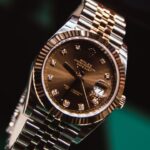
- Rolex Datejust: The archetypal dress-casual watch. Vintage Datejusts (e.g., 1601, 1603, 16014) offer incredible value, featuring classic fluted bezels, Jubilee bracelets, and a timeless aesthetic that works for any occasion.
- 👉 Shop Rolex Datejust on: Amazon | Chrono24 | Rolex Official Website
- Rolex Explorer: The ultimate adventure watch, famously worn by Sir Edmund Hillary on Everest. Early Explorers (like the 1016) are rugged, legible, and embody the spirit of exploration.
- 👉 Shop Rolex Explorer on: Amazon | Chrono24 | Rolex Official Website
Why Rolex Vintage Holds Its Value
“Rolex is so strongly dominating the secondary market that most genres are heavily skewed by some of their collections,” notes Goldammer.me. This isn’t an accident.
- Brand Recognition: Rolex is one of the most recognized luxury brands globally, ensuring consistent demand.
- Durability: Their “Oyster” case, introduced in 1926, revolutionized water resistance, making their watches incredibly robust and long-lasting.
- Consistent Design Language: Rolex’s evolutionary design approach means vintage models often look very similar to current ones, maintaining a timeless appeal.
- Limited Production (relative to demand): While not as limited as some haute horology brands, Rolex’s production numbers are carefully controlled, contributing to scarcity in the secondary market.
- Strong Service Network: While vintage parts can be tricky, Rolex maintains a robust service network, and many independent watchmakers specialize in their movements.
Personal Anecdote: Our very own Mark, a seasoned collector, once found a stunning 1960s Rolex Datejust with a rare “pie-pan” dial at a small estate sale. It needed a full service, but the original condition was impeccable. After restoration, it became one of his most cherished pieces, a true testament to the enduring beauty and value of vintage Rolex. He often says, “It’s not just a watch; it’s a piece of art that tells time and history.”
2. Omega: From Moonwatches to Seamasters, A Rich Heritage
Omega stands as a titan of Swiss watchmaking, renowned for its precision, innovation, and deep historical ties to space exploration and professional diving. “A vintage Omega remains a standout choice,” affirms Goldammer.me, and we couldn’t agree more. Their vintage collections offer incredible diversity and value.
Vintage Omega Collection Rating (1-10):
| Aspect | Rating |
|---|---|
| Vintage Design Appeal | 9 |
| Investment Potential | 8 |
| Historical Significance | 10 |
| Availability of Parts/Service | 7 |
| Overall Collectibility | 9 |
Speedmaster: The Ultimate Vintage Chronograph
No discussion of vintage Omega is complete without the Speedmaster. It’s not just a watch; it’s the Moonwatch.
- Omega Speedmaster Professional: The first watch worn on the Moon. Early references like the CK2915 (the original Broad Arrow), 105.003 (worn by Ed White during the first American spacewalk), and 145.022 (the first to feature the Caliber 861 movement) are highly sought after. The pre-Moon and early Moonwatch Speedmasters are iconic for their robust chronographs, legible dials, and unparalleled history.
- 👉 Shop Omega Speedmaster on: Amazon | Chrono24 | Omega Official Website
Seamaster and Constellation: Elegance Through the Ages
Beyond the Speedmaster, Omega boasts other incredible vintage lines:
- Omega Seamaster: A diverse collection ranging from elegant dress watches to robust dive watches. Vintage Seamasters (e.g., 300, De Ville, Cosmic) offer fantastic value. The Seamaster 300 from the 1960s, a true professional dive watch, is particularly collectible.
- 👉 Shop Omega Seamaster on: Amazon | Chrono24 | Omega Official Website
- Omega Constellation: Known for its “pie-pan” dials and observatory medallion on the case back, vintage Constellations (especially those with the Caliber 5xx movements) are elegant dress watches that exude sophistication. Goldammer.me highlights the “elegant, highly valued” nature of the Constellation.
- 👉 Shop Omega Constellation on: Amazon | Chrono24 | Omega Official Website
- Omega Chronograph Cal. 320 & 321: These movements, particularly the Caliber 321, are legendary. Found in early Speedmasters and other chronographs, they represent the pinnacle of mechanical chronograph movements and are highly prized by collectors for their “mechanical and historical significance,” as Goldammer.me notes.
Expert Insight: Omega’s vintage market offers a fantastic entry point into serious collecting. While Speedmasters can be pricey, many vintage Seamasters and Constellations provide incredible value for their historical significance and quality. Just be mindful of service history, as some older Omega movements can be complex.
3. Patek Philippe: The Pinnacle of Collectible Vintage
If Rolex is the king of the vintage market, Patek Philippe is its emperor. Revered for its unparalleled craftsmanship, intricate complications, and “enduring value,” as Goldammer.me states, vintage Patek Philippe watches are not just timepieces; they are horological masterpieces and serious investments. Peter Machlup eloquently captures the brand’s mystique: “You never really own the Patek Philippe, you’re simply a custodian for the next generation.” This sentiment perfectly encapsulates the brand’s legacy and the long-term view collectors take.
Vintage Patek Philippe Collection Rating (1-10):
| Aspect | Rating |
|---|---|
| Vintage Design Appeal | 10 |
| Investment Potential | 10 |
| Historical Significance | 10 |
| Availability of Parts/Service | 9 |
| Overall Collectibility | 10 |
Grand Complications and Calatravas: Timeless Masterpieces
Patek Philippe’s vintage offerings are often characterized by their elegance, understated design, and incredible mechanical complexity.
- Patek Philippe Calatrava: The quintessential dress watch. Vintage Calatravas (e.g., 96, 570, 2526) are celebrated for their pure, minimalist design, often featuring exquisite enamel dials or subtle complications. The Ref. 2526, with its iconic enamel dial and first automatic movement, is particularly sought after. Goldammer.me highlights the Calatrava as a “classic dress watch.”
- 👉 Shop Patek Philippe Calatrava on: Chrono24 | Patek Philippe Official Website
- Patek Philippe Chronographs and Perpetual Calendars: These are the holy grail for many collectors. References like the 1518 (the world’s first perpetual calendar chronograph produced in series) and the 2499 are legendary, fetching multi-million dollar sums at auction. Their rarity, complexity, and historical significance are unmatched.
- Patek Philippe Golden Ellipse: A bold and distinctive design from the late 1960s, the Golden Ellipse (e.g., 3738) stands out with its unique elliptical case shape. Goldammer.me notes its “bold design and horological excellence.”
- 👉 Shop Patek Philippe Golden Ellipse on: Chrono24 | Patek Philippe Official Website
- Nautilus (Early References): While often associated with modern collecting, early references of the Nautilus (e.g., 3700/1A) designed by Gérald Genta in 1976 are highly prized vintage sports watches. Their integrated bracelet and porthole-inspired case were revolutionary.
The Investment Value of Vintage Patek
As Peter Machlup states in the featured video, Patek Philippe watches are “difficult to acquire and hold extreme value, with some vintage pieces selling for millions.” This isn’t hyperbole.
- Unrivaled Craftsmanship: Patek Philippe’s commitment to haute horology, hand-finishing, and in-house movements is legendary.
- Extreme Rarity: Many vintage Patek models were produced in very limited quantities, especially complicated pieces.
- Historical Provenance: The brand has a storied history of creating watches for royalty, dignitaries, and discerning collectors.
- Consistent Demand: The demand for vintage Patek Philippe far outstrips supply, driving prices ever higher.
- Brand Support: Patek Philippe is known for its exceptional after-sales service, often able to service watches that are over a century old, ensuring longevity.
Expert Advice: Acquiring a vintage Patek Philippe requires significant research, a substantial budget, and often, the guidance of a trusted expert. These are not impulse buys. However, for those who can afford them, they represent the pinnacle of watch collecting and a truly generational asset.
4. Audemars Piguet: Beyond the Royal Oak’s Vintage Roots
Audemars Piguet (AP), one of the “Holy Trinity” of Swiss watchmaking, is synonymous with innovation and craftsmanship. While modern collectors often focus on the Royal Oak, its vintage collections offer a rich tapestry of design and technical brilliance, showcasing a legacy of excellence and distinctive design, as Goldammer.me notes.
Vintage Audemars Piguet Collection Rating (1-10):
| Aspect | Rating |
|---|---|
| Vintage Design Appeal | 9 |
| Investment Potential | 8 |
| Historical Significance | 9 |
| Availability of Parts/Service | 7 |
| Overall Collectibility | 8 |
Early Royal Oak References and Their Significance
The Royal Oak, designed by Gérald Genta and launched in 1972, single-handedly created the luxury sports watch category. Early vintage references are incredibly important.
- Royal Oak Ref. 5402ST (“Jumbo”): This is the original, the icon. Its revolutionary steel case, integrated bracelet, octagonal bezel, and “Tapisserie” dial were groundbreaking. Finding an original “A-series” or “B-series” 5402ST in good condition is a dream for many collectors and represents a significant investment.
- 👉 Shop Audemars Piguet Royal Oak on: Chrono24 | Audemars Piguet Official Website
Other Vintage AP Gems Worth Discovering
While the Royal Oak dominates, AP’s history is filled with other remarkable vintage pieces:
- Vintage Dress Watches: Before the Royal Oak, AP was renowned for its elegant, ultra-thin dress watches, often featuring intricate movements and unique case shapes. These include models like the Audemars Piguet Tank and Ellipse, as mentioned by Goldammer.me, which showcase the brand’s versatility.
- Complicated Pieces: Audemars Piguet has a long history of creating grand complications, including perpetual calendars, minute repeaters, and chronographs. Vintage examples of these highly complex watches are rare and incredibly valuable.
- Early Sports Watches: Beyond the Royal Oak, AP experimented with other sporty designs in the 1970s and 80s, offering a glimpse into the brand’s evolving aesthetic.
Expert Insight: Vintage AP, especially pre-Royal Oak pieces, can offer excellent value compared to the brand’s more famous modern offerings. These earlier models often feature exquisite hand-finishing and unique designs that are distinct from the Royal Oak’s aesthetic. However, due to their complexity and rarity, servicing can be a specialized affair.
5. Jaeger-LeCoultre: The Watchmaker’s Watch with a Storied Past
Often referred to as “the watchmaker’s watchmaker,” Jaeger-LeCoultre (JLC) has an unparalleled legacy of innovation, having developed over 1,200 calibers and holding hundreds of patents. Their vintage collections are a testament to Swiss innovation and craftsmanship, as highlighted by Goldammer.me.
Vintage Jaeger-LeCoultre Collection Rating (1-10):
| Aspect | Rating |
|---|---|
| Vintage Design Appeal | 9 |
| Investment Potential | 7 |
| Historical Significance | 10 |
| Availability of Parts/Service | 7 |
| Overall Collectibility | 8 |
Reverso: An Art Deco Icon
The Reverso is JLC’s most iconic model, designed in 1931 for British polo players in India who needed a watch that could withstand the rigors of the game. Its reversible case, which pivots to protect the dial, is an Art Deco masterpiece.
- Early Reverso References: Vintage Reversos, particularly those from the 1930s to 1960s, are highly sought after. They come in various sizes and dial configurations, often featuring beautiful guilloché work or unique numerals. Owning an original Reverso is owning a piece of design history.
- 👉 Shop Jaeger-LeCoultre Reverso on: Chrono24 | Jaeger-LeCoultre Official Website
Memovox and Futurematic: Innovations of Yesteryear
JLC’s innovative spirit shines through in other vintage models:
- Memovox: The “voice of memory,” the Memovox was one of the first wristwatches with an alarm function. Vintage Memovox models (e.g., E 855, E 875) are beloved for their practical complication and distinctive dual crowns.
- 👉 Shop Jaeger-LeCoultre Memovox on: Chrono24
- Futurematic: A truly groundbreaking watch from the 1950s, the Futurematic was one of the first fully automatic watches without a crown for winding (it was set via a small lever on the case back). Its avant-garde design and technical innovation make it a fascinating collector’s piece.
- Vintage Chronographs: JLC also produced excellent chronographs, often housing movements from other renowned manufacturers or their own. Goldammer.me mentions “Chronograph” as another sought-after vintage JLC.
Personal Story: Our team member, Sarah, inherited a vintage JLC Memovox from her grandfather. It wasn’t in perfect condition, but the alarm still chimed faintly. Getting it serviced by a specialist who appreciated its history was a journey, but now, every time the alarm rings, it’s a beautiful, tangible connection to her family’s past. “It’s more than just a watch,” she says, “it’s a living memory.”
6. Cartier: Elegance and Design Through the Decades
Cartier is not just a watchmaker; it’s a jeweler and a design house that has shaped luxury aesthetics for over a century. Their vintage watches are symbols of timeless elegance and prestige, offering a blend of style and historical craftsmanship, as Goldammer.me beautifully summarizes. Cartier’s influence on wristwatch design, particularly with the introduction of the first men’s wristwatch in 1903, is undeniable.
Vintage Cartier Collection Rating (1-10):
| Aspect | Rating |
|---|---|
| Vintage Design Appeal | 10 |
| Investment Potential | 7 |
| Historical Significance | 9 |
| Availability of Parts/Service | 7 |
| Overall Collectibility | 8 |
Tank and Santos: Enduring Styles
Cartier’s iconic designs have remained largely unchanged for decades, making their vintage pieces instantly recognizable and perpetually stylish.
- Cartier Tank: Inspired by the Renault tanks of WWI, the Tank watch, introduced in 1917, is an Art Deco icon. Vintage Tank models (e.g., Tank Louis Cartier, Tank Cintrée, Tank Normale) are celebrated for their rectangular cases, Roman numerals, and sapphire cabochon crowns. Each piece showcases the brand’s legacy of craftsmanship, as quoted by Goldammer.me.
- 👉 Shop Cartier Tank on: Amazon | Chrono24 | Cartier Official Website
- Cartier Santos: Created in 1904 for aviator Alberto Santos-Dumont, this was arguably the first purpose-built men’s wristwatch. Vintage Santos models, with their distinctive square cases and exposed screws, are a testament to Cartier’s pioneering spirit.
- 👉 Shop Cartier Santos on: Amazon | Chrono24 | Cartier Official Website
- Cartier Panthère: A more recent vintage icon, the Panthère (especially from the 1980s and 90s) is known for its elegant, flexible bracelet and square case, embodying the glamorous spirit of its era.
- 👉 Shop Cartier Panthère on: Chrono24 | Cartier Official Website
The Allure of Vintage Cartier Aesthetics
Vintage Cartier watches are less about complex movements (though they’ve produced some) and more about design, elegance, and cultural significance.
- Unique Case Shapes: Beyond the Tank and Santos, Cartier has a history of creating uniquely shaped watches like the Baignoire, Tortue, and Crash, which are highly collectible in vintage form.
- Art Deco Influence: Many vintage Cartier pieces perfectly capture the Art Deco aesthetic, making them timeless fashion statements.
- Jeweler’s Touch: The attention to detail in the cases, dials, and bracelets reflects Cartier’s heritage as a master jeweler.
Expert Tip: When buying vintage Cartier, focus on the condition of the case and dial, as these are the primary drivers of value. While movements are important, Cartier often used high-quality movements from other manufacturers (like Jaeger-LeCoultre) in its earlier pieces.
7. Breitling: Aviation Heritage and Robust Chronographs
Breitling has long been the pilot’s choice, a brand synonymous with aviation, robust chronographs, and precision instruments. Their vintage collections are a treasure trove for those who appreciate tool watches with a rich history, particularly in the realms of aviation and military-style watches, where Goldammer.me notes they held over 30% market share.
Vintage Breitling Collection Rating (1-10):
| Aspect | Rating |
|---|---|
| Vintage Design Appeal | 8 |
| Investment Potential | 7 |
| Historical Significance | 9 |
| Availability of Parts/Service | 6 |
| Overall Collectibility | 8 |
Navitimer and Chronomat: Pilot’s Classics
Breitling’s most iconic vintage pieces are deeply rooted in its aviation heritage.
- Breitling Navitimer: Introduced in 1952, the Navitimer is arguably the most famous pilot’s chronograph. Its distinctive slide rule bezel allowed pilots to perform complex calculations. Early references (e.g., 806, 809 Cosmonaute) are highly collectible, especially those with “AOPA” (Aircraft Owners and Pilots Association) wings on the dial.
- 👉 Shop Breitling Navitimer on: Amazon | Chrono24 | Breitling Official Website
- Breitling Chronomat: The Chronomat, first appearing in 1941, was another early Breitling chronograph with a slide rule. Vintage Chronomats (e.g., 769, 808) are robust and historically significant, showcasing Breitling’s early innovations in wrist chronographs.
- 👉 Shop Breitling Chronomat on: Amazon | Chrono24 | Breitling Official Website
The Evolution of Breitling’s Tool Watches
Breitling’s history is also marked by other significant tool watches:
- Top Time: A more accessible chronograph line from the 1960s, vintage Top Time models (e.g., 2002, 2003) are gaining popularity, especially after a similar model was worn by James Bond in Thunderball.
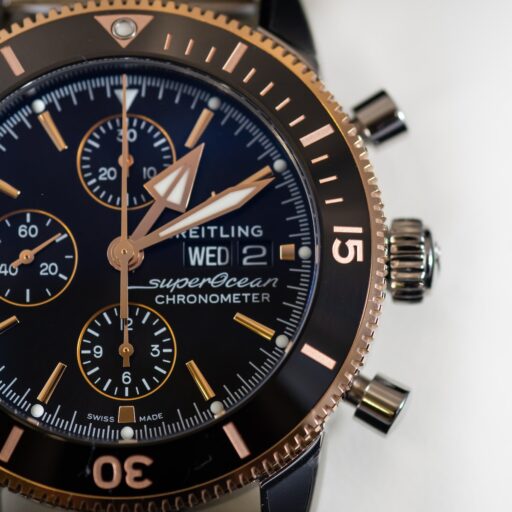
- SuperOcean: Breitling’s dive watch, the SuperOcean, also has a rich vintage history, with early references (e.g., 2005 “Slow Motion”) offering unique designs.
- Unitime and Duograph: Beyond chronographs, Breitling produced other interesting complications like world timers and dual-time watches in its vintage era.
Expert Insight: Vintage Breitling chronographs, particularly the Navitimer, can be complex to service due to their intricate movements and slide rule bezels. Always ensure a reputable watchmaker handles any restoration. The brand’s strong presence in chronographs, with a ~17% market share according to Goldammer.me, makes it a fertile ground for collectors.
8. IWC Schaffhausen: Engineering Excellence in Vintage Form
IWC (International Watch Company) Schaffhausen stands apart with its unique blend of American industrial production methods and Swiss precision. Founded in 1868, IWC has a long-standing reputation for producing durable, versatile, and beautifully engineered watches. Goldammer.me values IWC for its “precision and durability,” making its vintage collections highly appealing.
Vintage IWC Collection Rating (1-10):
| Aspect | Rating |
|---|---|
| Vintage Design Appeal | 8 |
| Investment Potential | 7 |
| Historical Significance | 9 |
| Availability of Parts/Service | 7 |
| Overall Collectibility | 8 |
Pilot’s Watches and Portugieser: Timeless Designs
IWC’s vintage lineup is characterized by its clear, functional designs and robust construction.
- IWC Pilot’s Watches: IWC has a legendary history with aviation, producing watches for military pilots since the 1930s. Vintage Pilot’s Watches (e.g., Mark XI, Big Pilot’s Watch 52 T.S.C.) are highly sought after for their legibility, anti-magnetic properties, and tool-watch aesthetic. The Mark XI, introduced in 1948, is a true icon.
- 👉 Shop IWC Pilot’s Watches on: Chrono24 | IWC Official Website
- IWC Portugieser (formerly Portugieser): Originally created in the late 1930s for two Portuguese businessmen who wanted a large, highly accurate wristwatch, the Portugieser (e.g., Ref. 325) is known for its elegant, minimalist dial and large case size (for its era). Vintage Portugiesers are rare and highly prized.
- 👉 Shop IWC Portugieser on: Chrono24 | IWC Official Website
- IWC Ingenieur SL: Designed by Gérald Genta in the 1970s, the Ingenieur SL (e.g., Ref. 1832) was IWC’s answer to the luxury sports watch trend. Goldammer.me describes it as “rugged yet refined.” Its integrated bracelet and distinctive bezel make it a unique vintage piece.
- 👉 Shop IWC Ingenieur on: Chrono24 | IWC Official Website
Vintage IWC Movements and Craftsmanship
IWC is celebrated for its in-house movements, which are known for their robustness and precision.
- Caliber 89: This manual-wind movement, produced from 1946 to 1997, is a legendary workhorse, found in many vintage IWC dress watches and pilot’s watches. Goldammer.me highlights it as “mid-century Swiss excellence.”
- Pellaton Winding System: Developed by Albert Pellaton in the 1950s, this highly efficient automatic winding system is a hallmark of many vintage IWC automatic movements.
Expert Insight: Vintage IWC offers a fantastic blend of robust engineering, timeless design, and historical significance. Their movements are often built like tanks, making them relatively reliable even decades later. However, finding original parts for some of the older, more obscure references can be a challenge.
9. Vacheron Constantin: The Oldest Continuously Operating Legacy
As the oldest continuously operating watch manufacturer in the world, founded in 1755, Vacheron Constantin (VC) embodies centuries of Swiss craftsmanship. Their vintage collections are symbols of sophistication and tradition, as Goldammer.me notes, offering a deep dive into the very origins of haute horology.
Vintage Vacheron Constantin Collection Rating (1-10):
| Aspect | Rating |
|---|---|
| Vintage Design Appeal | 9 |
| Investment Potential | 9 |
| Historical Significance | 10 |
| Availability of Parts/Service | 8 |
| Overall Collectibility | 9 |
Patrimony and Overseas: From Classic to Sporty Vintage
Vacheron Constantin’s vintage pieces span a wide range, from elegant dress watches to early luxury sports models.
- Vintage Dress Watches (e.g., Patrimony-style): Before the “Patrimony” name was formalized, VC produced exquisite round dress watches that embody the same minimalist elegance. These pieces, often from the 1940s-1960s, feature thin cases, refined dials, and exceptional hand-finished movements. References like the 7291 and various Guilloché models mentioned by Goldammer.me are prime examples of their classic aesthetic.
- 👉 Shop Vacheron Constantin Patrimony on: Chrono24 | Vacheron Constantin Official Website
- Vacheron Constantin 222: This often-overlooked luxury sports watch, designed by Jörg Hysek in 1977 (predating the Overseas), is a rare and highly collectible vintage piece. Its integrated bracelet and distinctive bezel make it a fascinating alternative to the Royal Oak or Nautilus.
- Vintage Chronographs and Complications: VC has a long history of producing highly complicated watches, including chronographs (like the 4072 mentioned by Goldammer.me), perpetual calendars, and minute repeaters. Vintage examples of these are exceedingly rare and command top prices.
The Rarity and Exclusivity of Vintage VC
Vacheron Constantin has always produced watches in much smaller quantities than brands like Rolex or Omega, making their vintage pieces inherently rarer and more exclusive.
- Exceptional Finishing: Every component of a vintage VC movement is meticulously hand-finished to the highest standards of haute horology.
- Historical Provenance: With over 260 years of continuous production, VC watches have graced the wrists of royalty, explorers, and connoisseurs throughout history.
- Strong Brand Support: Like Patek Philippe, Vacheron Constantin is known for its commitment to servicing its historical pieces, often able to restore watches that are centuries old.
Expert Insight: Vintage Vacheron Constantin offers an incredible opportunity to own a piece of horological history from one of the most prestigious brands. While prices can be substantial, they often represent excellent value for the level of craftsmanship and rarity. Be prepared for a thorough search, as these pieces don’t appear on the market as frequently as others.
10. Zenith: High-Frequency History and El Primero’s Legacy
Zenith, founded in 1865, is a brand synonymous with precision, innovation, and, most famously, its legendary El Primero movement. Their vintage collections are a testament to their pioneering spirit, particularly in the realm of chronographs, where Goldammer.me notes they held a ~7% market share.
Vintage Zenith Collection Rating (1-10):
| Aspect | Rating |
|---|---|
| Vintage Design Appeal | 8 |
| Investment Potential | 7 |
| Historical Significance | 9 |
| Availability of Parts/Service | 6 |
| Overall Collectibility | 8 |
El Primero: The Legendary Chronograph Movement
The El Primero is arguably Zenith’s greatest contribution to horology. Launched in 1969, it was one of the first automatic chronograph movements and, crucially, the first high-frequency integrated automatic chronograph, beating at 36,000 vibrations per hour (vph) for superior accuracy.
- Early El Primero References: Vintage El Primero models (e.g., A386, A384, A385) are highly collectible. The A386, with its iconic tri-color sub-dials and round case, is particularly sought after. These watches are not just beautiful; they house a piece of living history.
- 👉 Shop Zenith El Primero on: Amazon | Chrono24 | Zenith Official Website
Defy and Other Vintage Zenith Icons
Beyond the El Primero, Zenith’s vintage catalog includes other noteworthy pieces:
- Zenith Defy: Introduced in 1969, the Defy was Zenith’s answer to robust, water-resistant sports watches. Vintage Defy models, often characterized by their distinctive octagonal cases and “lobster” bracelets, are known for their durability and unique design.
- 👉 Shop Zenith Defy on: Chrono24 | Zenith Official Website
- Vintage Dress Watches and Chronometers: Zenith has a long history of producing highly accurate chronometers and elegant dress watches. Many vintage Zenith movements from the 1950s and 60s won numerous chronometry awards, making them excellent choices for those seeking precision and understated style.
Expert Insight: The El Primero movement is a marvel of engineering, but its high-frequency beat can mean more wear and tear over decades. Ensure any vintage El Primero you consider has a documented service history from a reputable watchmaker familiar with this specific caliber. The historical significance alone makes these watches a compelling addition to any collection.
11. Tudor: Rolex’s Younger Sibling with Its Own Vintage Charm
Founded by Hans Wilsdorf (the visionary behind Rolex) in 1926, Tudor was created to offer Rolex-level quality and reliability at a more accessible price point. For decades, Tudor utilized Rolex cases, crowns, and often bracelets, but housed third-party movements. This unique relationship gives vintage Tudor a distinct charm and growing collectibility, particularly in dive watches, where Goldammer.me notes they held a ~23% market share.
Vintage Tudor Collection Rating (1-10):
| Aspect | Rating |
|---|---|
| Vintage Design Appeal | 8 |
| Investment Potential | 7 |
| Historical Significance | 8 |
| Availability of Parts/Service | 7 |
| Overall Collectibility | 8 |
Submariner and Chronograph: Collectible Tool Watches
Vintage Tudor is most famous for its robust tool watches, which often share a strong aesthetic with their Rolex counterparts but possess unique characteristics.
- Tudor Submariner: These are the most iconic vintage Tudors. References like the 7928, 7016, 79090, and especially the “Snowflake” Submariners (e.g., 7016, 9401/0) with their distinctive square hour markers and snowflake hands, are highly sought after. They offer the classic Submariner look with a unique Tudor twist and often at a more approachable entry point than vintage Rolex Subs.
- 👉 Shop Tudor Submariner on: Chrono24 | Tudor Official Website (for modern equivalent)
- Tudor Chronographs (e.g., Monte Carlo): Vintage Tudor chronographs, particularly the “Monte Carlo” series (e.g., 7031, 7032, 7149, 7159, 7169) from the 1970s, are incredibly distinctive with their vibrant dials and unique sub-dial layouts. These are rare and highly prized by collectors.
- 👉 Shop Tudor Chronograph on: Chrono24 | Tudor Official Website (for modern equivalent)
- Tudor Ranger: An adventure watch similar to the Rolex Explorer, vintage Tudor Rangers (e.g., 7990/0) are known for their clean dials and robust build.
The Growing Appeal of Vintage Tudor
- Rolex DNA at a Lower Price: For many years, vintage Tudor offered a way to get a watch with strong Rolex heritage without the “Rolex premium.” While prices have risen significantly, they often remain more accessible than comparable vintage Rolex.
- Unique Design Elements: Tudor developed its own distinct design language, particularly with the “Snowflake” hands and square hour markers, which are now iconic.
- Military Provenance: Many vintage Tudor Submariners were issued to military forces (e.g., French Marine Nationale), adding to their historical appeal and collectibility.
Personal Anecdote: Our resident dive watch fanatic, Dave, spent years hunting for a “Snowflake” Tudor Submariner. He finally found one with a beautiful faded bezel and original tritium lume. “It’s got all the rugged charm of a vintage Sub,” he beams, “but with that unique Tudor personality that makes it truly mine.”
12. Grand Seiko: The Rise of Japanese Vintage Horology
While often associated with Swiss brands, the world of luxury vintage watches wouldn’t be complete without acknowledging the incredible contributions of Grand Seiko. Launched in 1960 by Seiko to create the “ideal watch,” Grand Seiko quickly established itself as a force in high-precision mechanical watchmaking, rivaling the best of Switzerland. Their vintage pieces represent the pinnacle of Japanese horology.
Vintage Grand Seiko Collection Rating (1-10):
| Aspect | Rating |
|---|---|
| Vintage Design Appeal | 8 |
| Investment Potential | 6 |
| Historical Significance | 8 |
| Availability of Parts/Service | 5 |
| Overall Collectibility | 7 |
Early Grand Seiko References and Their Precision
Vintage Grand Seiko watches are renowned for their exceptional accuracy, exquisite finishing, and understated elegance.
- First Grand Seiko (1960): The original Grand Seiko, with its simple yet refined design and chronometer-grade movement, is a foundational piece.
- Grand Seiko 44GS (1967): This reference introduced the “Grand Seiko Style,” a design philosophy based on sharp angles, flat surfaces, and mirror polishing (Zaratsu polishing) that defines the brand’s aesthetic to this day. It’s a cornerstone of vintage GS collecting.
- Grand Seiko VFA (Very Fine Adjusted): Produced in the early 1970s, VFA models were adjusted to incredibly tight tolerances, guaranteeing accuracy of +/- 2 seconds per day for two years. These are extremely rare and represent the zenith of vintage GS mechanical precision.
- Grand Seiko Hi-Beat Models: Many vintage GS watches featured high-beat movements (36,000 vph), offering superior accuracy and a smoother sweep of the seconds hand.
The Unique Aesthetic of Vintage GS
Vintage Grand Seiko watches offer a distinct aesthetic that sets them apart:
- Zaratsu Polishing: The distortion-free mirror finish achieved through Zaratsu polishing is a hallmark of Grand Seiko, even on vintage models, giving them a jewel-like quality.
- Sharp, Elegant Cases: The cases are often beautifully sculpted with sharp lines and intricate facets.
- Understated Dials: Dials are typically clean, legible, and often feature applied indices and logos that are meticulously finished.
- “Grammar of Design”: This philosophy, established by Taro Tanaka, ensures that every element of the watch is designed for maximum legibility and beauty.
Expert Insight: Vintage Grand Seiko offers incredible value for money in terms of craftsmanship and precision, often at a fraction of the cost of comparable Swiss pieces. However, finding parts and specialized servicing can be more challenging than for mainstream Swiss brands, especially outside of Japan. The market for vintage GS is growing rapidly, so now might be the perfect time to explore these hidden gems.
✅ The Art of Authentication: Ensuring Your Vintage Watch is the Real Deal
You’ve done your research, you’ve fallen in love with a particular model, and you’re ready to make the leap into vintage luxury. But before you hand over your hard-earned cash, there’s one critical step that cannot be overlooked: authentication. The vintage watch market, while thrilling, can also be a minefield of fakes, “Frankenwatches,” and misrepresented pieces. Ensuring your watch is the real deal is paramount to protecting your investment and your passion.
What to Look For: Dials, Movements, and Cases
Authenticating a vintage watch is an art and a science, requiring a keen eye and deep knowledge. Here’s what we, as experts at Watch Brands™, always scrutinize:
1. The Dial: The Face of Authenticity
The dial is often the first thing you see and a primary indicator of authenticity and originality.
- Originality vs. Redial:
- ✅ Original Dial: This is the holy grail. Look for consistent aging (patina), sharp printing, and correct font styles for the era. Even if it shows wear, an original dial is usually more valuable than a redial.
- ❌ Redial: A redial is a refinished dial. While some vintage watches were redialed by the manufacturer during service, many are aftermarket jobs. Look for fuzzy printing, incorrect fonts, misaligned markers, or a finish that looks too “new” compared to the rest of the watch. Redials significantly reduce value.
- Lume (Luminous Material):
- Tritium vs. Radium: Older vintage watches used radium (pre-1960s, often blackens over time) or tritium (1960s-1990s, often develops a creamy patina). Look for consistent aging of the lume on the dial and hands.
- Relumed: If the lume looks too bright, perfectly white, or glows strongly, it might have been relumed, which also impacts originality and value.
- Printing and Markings:
- Examine the brand name, model name, and any other text (e.g., “SWISS MADE,” depth ratings) under magnification. Look for crispness, correct spacing, and accurate font. Compare it to known authentic examples from the same reference and year.
- “Service Dials”: Some brands, like Rolex, issued “service dials” during repairs. These are authentic but may have different markings (e.g., “L” for Luminova instead of “T” for Tritium) and can affect value compared to original production dials.
2. The Movement: The Heart of the Watch
The movement is the engine, and its authenticity is crucial. This often requires opening the case back, which should only be done by a professional.
- Correct Caliber: Ensure the movement’s caliber number matches what should be in that specific model and year.
- Authentic Components: Look for correct engravings (brand name, serial numbers, jewel count) and proper finishing. Counterfeit movements often have rough finishing, incorrect bridges, or missing components.
- Condition: Assess the overall condition of the movement. Is it clean? Are there signs of rust, excessive wear, or amateur repairs?
- Serial Numbers: Cross-reference movement serial numbers with case serial numbers (if available) and brand records to verify production dates.
3. The Case: The Body of the Watch
The case tells a story of its life and can reveal authenticity issues.
- Reference and Serial Numbers: These are usually engraved between the lugs or on the case back. Verify they match the model and are consistent with the watch’s age.
- Lugs and Bezel: Check for signs of over-polishing, which can soften the sharp edges and alter the original profile of the case. A heavily polished case significantly reduces value.
- Crown and Pushers: Ensure they are original and correct for the model. Look for correct logos (e.g., Rolex crown, Omega symbol).
- Water Resistance Markings: While vintage watches rarely retain their original water resistance, the markings on the case back should be correct.
- “Frankenwatches”: Beware of watches where the case, dial, and movement don’t belong together. This is a common pitfall.
4. Documentation and Provenance: The Paper Trail
While not always available for older vintage pieces, original box, papers, and service records add significant value and aid in authentication.
- Original Papers: Warranty certificates, chronometer certificates, and purchase receipts provide invaluable provenance.
- Service Records: Documented service history from authorized service centers or reputable watchmakers adds credibility.
The Role of Certified Pre-Owned (CPO) Programs
For those who want maximum peace of mind, Certified Pre-Owned (CPO) programs offered by brands or highly reputable dealers are an excellent option.
- What is CPO? These watches have been rigorously inspected, authenticated, and often serviced by the brand or a certified watchmaker. They come with a warranty, typically from the seller, and a guarantee of authenticity.
- Benefits:
- Guaranteed Authenticity: The biggest advantage. You know you’re getting a genuine article.
- Warranty: Provides coverage for mechanical issues, similar to a new watch warranty.
- Serviced & Restored: Watches are usually brought back to excellent working condition, often with original parts.
- Transparency: Reputable CPO programs provide detailed reports on the watch’s condition and any replaced parts.
- Drawbacks:
- Higher Price: CPO watches typically command a premium over non-CPO vintage pieces due to the added assurances.
- Limited Selection: Not all vintage models are available through CPO programs.
As Wixon Jewelers states, their focus is on “quality assurance and certified authenticity,” which is exactly what a good CPO program delivers. While CPO might not be available for every obscure vintage reference, it’s a fantastic option for popular models from brands like Rolex, Omega, and Cartier.
Our Recommendation: If you’re new to vintage collecting, start with a reputable dealer or a CPO program. As you gain experience, you can venture into online marketplaces, but always, always get an independent expert opinion before finalizing a purchase. It’s an investment worth protecting!
🛡️ Beyond the Purchase: Comprehensive Warranty and Aftercare for Vintage Watches
Congratulations! You’ve navigated the thrilling hunt, authenticated your chosen timepiece, and now a magnificent vintage luxury watch graces your wrist. But the journey doesn’t end there. Unlike a brand-new watch with a factory warranty, vintage pieces require a different approach to aftercare. Understanding warranties and finding the right service experts is crucial for preserving your watch’s longevity and value.
Understanding Vintage Watch Warranties
When it comes to vintage watches, “warranty” can be a nuanced term. It’s rarely the same as a manufacturer’s warranty on a new watch, which covers defects for several years.
- Dealer Warranties:
- What they cover: Most reputable vintage watch dealers, especially those specializing in certified pre-owned (CPO) pieces, will offer their own warranty. This typically covers the mechanical functionality of the watch for a period (e.g., 6 months to 2 years) from the date of purchase.
- What they don’t cover: Normal wear and tear, accidental damage, water damage (unless explicitly stated and tested), or issues arising from improper use are usually excluded.
- Why they’re important: A dealer warranty is a strong indicator of the seller’s confidence in their product and their commitment to customer satisfaction. It provides crucial peace of mind.
- Manufacturer Warranties (Rare for Vintage):
- Some brands might offer a limited warranty on vintage watches they have fully restored and sold through their own heritage programs (e.g., Vacheron Constantin’s “Les Collectionneurs”). These are rare and typically apply only to watches that have undergone a complete, official restoration.
- Private Seller Purchases:
- Buyer Beware: When buying from private sellers (e.g., on eBay, Reddit), warranties are almost non-existent. You are typically buying “as-is.” This is where independent inspection before purchase is absolutely critical.
- “As-Is” Sales:
- Many vintage watches, especially those sold at lower price points or through less formal channels, are sold “as-is.” This means no warranty is provided, and any issues that arise after purchase are your responsibility. This is a higher-risk option, best suited for experienced collectors or those with a trusted watchmaker on standby.
Our Advice: Always clarify the warranty terms before purchasing a vintage watch. Get it in writing! If no warranty is offered, factor in the potential cost of a full service immediately after purchase.
Finding Reputable Service and Restoration Experts
A vintage watch is a delicate machine, and not just any watchmaker can service it. Finding the right expert is as important as finding the right watch.
1. Authorized Service Centers (Brand-Specific)
- Pros: They have access to original parts, brand-specific tools, and highly trained technicians who know the movements inside out. For high-value pieces like Patek Philippe or Rolex, this is often the preferred route for maintaining authenticity and value.
- Cons: Can be very expensive, and lead times can be long. They may also insist on replacing original parts (e.g., dials, hands) with modern equivalents, which can reduce the “originality” value for some collectors. Always specify your preference for conservation over restoration if you want to retain original components.
- Example: Sending a vintage Omega Speedmaster to Omega’s own heritage department.
2. Independent Vintage Watch Specialists
- Pros: Often the best choice for many vintage watches. These watchmakers specialize in older movements, understand the nuances of patina and originality, and are often more willing to repair rather than replace parts. They can be more affordable and offer a more personalized service.
- Cons: Expertise varies widely. It’s crucial to find someone with a proven track record and excellent references.
- How to Find Them:
- Recommendations: Ask other collectors, watch forum members, or reputable dealers for recommendations.
- Online Reviews: Look for watchmakers with strong online reputations and reviews specifically mentioning vintage watch repair.
- Specialization: Seek out watchmakers who specialize in the brand or type of movement your watch has (e.g., a specialist in vintage chronographs, or a specific brand like Zenith El Primero).
3. What to Look for in a Watchmaker:
- Experience: How long have they been working on vintage watches?
- Tools & Equipment: Do they have the proper tools for older movements?
- Parts Sourcing: How do they source vintage parts? Do they fabricate parts if necessary?
- Transparency: Do they provide detailed estimates and explain the work needed? Do they return old parts?
- Insurance: Are they insured to handle valuable timepieces?
- Communication: Are they responsive and willing to answer your questions?
Our Personal Story: One of our team members, Alex, once bought a beautiful vintage Universal Genève Polerouter. He initially sent it to a general watch repair shop, only to get it back with a polished case and a slightly incorrect crystal. He learned his lesson the hard way! He then found a specialist who only works on vintage Universal Genève and Omega. The difference was night and day. The specialist understood the importance of preserving the original case lines and found a period-correct crystal. “It’s like finding a doctor who specializes in a rare disease,” Alex says, “you wouldn’t trust just anyone with your heart, so don’t trust just anyone with your watch’s heart!”
Investing in a vintage watch is also an investment in its ongoing care. A well-serviced vintage watch will continue to tell its story for generations to come.
🧼 Caring for Your Classic: Essential Tips for Maintaining Your Vintage Timepiece
You’ve acquired a piece of history, a mechanical marvel that has gracefully ticked through decades. Now, the responsibility falls to you to ensure your vintage luxury watch continues its journey for many more years. Proper care isn’t just about preserving its aesthetic appeal; it’s about safeguarding its delicate mechanics and maintaining its value. Think of yourself as a custodian, as Peter Machlup would say for a Patek Philippe, for the next generation.
Storage, Winding, and Water Resistance Wisdom
These are the fundamental pillars of vintage watch care. Get them right, and your watch will thank you.
1. Storage: A Safe Haven for Your Timepiece 🏡
- Keep it Dry and Stable: Store your watch in a cool, dry place, away from direct sunlight, extreme temperatures, and humidity. These elements can accelerate aging of the dial, fade colors, and even cause rust.
- Avoid Magnetic Fields: Keep your watch away from strong magnetic sources like speakers, refrigerators, microwaves, and even some smart devices. Magnetism can severely affect the accuracy of mechanical movements. If your watch starts running erratically, it might be magnetized and need degaussing by a watchmaker.
- Soft Landing: Store your watch on a soft cloth, in a watch box, or a dedicated watch roll. Avoid leaving it loose where it can be scratched or knocked.
- Separate from Other Jewelry: Don’t store your watch with other jewelry that could scratch its case or crystal.
2. Winding: The Rhythm of Life 🎶
- Manual Wind Watches: If your vintage watch is manual wind, wind it daily at roughly the same time. Wind it gently until you feel resistance – never force it. Over-winding is a myth (modern watches have a slip clutch), but forcing a stiff crown can damage the winding mechanism.
- Automatic Watches: For automatic watches, wearing it regularly is usually enough to keep it wound. If you don’t wear it daily, consider a watch winder.
- ✅ Watch Winder Benefits: Keeps the watch running, preventing lubricants from settling and ensuring the movement stays active.
- ❌ Watch Winder Drawbacks: Constant running can lead to faster wear and tear, potentially requiring more frequent servicing. Some collectors prefer to let their watches rest when not worn. It’s a matter of preference, but if you have many watches, a winder can be convenient.
- Setting the Time/Date: Always set the time by moving the hands forward. For watches with a date function, avoid setting the date when the time is between 9 PM and 3 AM, as this is when the date change mechanism is engaged and can be damaged.
3. Water Resistance: Assume the Worst 💧
- The Golden Rule: Assume your vintage watch has NO water resistance, even if it originally did. Gaskets and seals degrade over time, and even a “water-resistant” vintage watch is unlikely to withstand modern water pressure.
- ❌ Avoid Water Contact: This means no swimming, showering, washing dishes, or even getting caught in heavy rain with your vintage watch.
- ✅ Professional Testing: If you absolutely must have some level of water resistance (e.g., for a vintage dive watch), have it professionally tested and re-sealed by a specialist. Even then, exercise extreme caution.
When to Service: Listening to Your Watch 🩺
Just like a classic car, a vintage watch needs regular tune-ups.
- General Service Interval: A good rule of thumb is to have your mechanical watch serviced every 3-5 years. This involves disassembling the movement, cleaning, lubricating, replacing worn parts, and reassembling.
- Signs Your Watch Needs Service:
- Inaccurate Timekeeping: If your watch is consistently running very fast or very slow (more than a minute or two a day, depending on the movement), it’s time for a service.
- Reduced Power Reserve: If your watch isn’t holding its power for as long as it used to.
- Stiff Winding/Setting: If the crown feels unusually stiff or gritty.
- Visible Issues: Any condensation under the crystal, loose hands, or unusual noises.
- The Importance of Lubrication: The oils and greases in a mechanical movement dry out and degrade over time. Running a watch with dry lubricants is like running a car without oil – it causes irreversible damage. Don’t wait until it stops running!
- Finding the Right Watchmaker: As discussed in the previous section, choose a watchmaker who specializes in vintage pieces and understands the importance of preserving originality.
Our Expert Tip: When you send your watch for service, clearly communicate your preferences. Do you want the case polished? (Often, the answer for collectors is NO.) Do you want original parts conserved or replaced? A good watchmaker will respect your wishes and advise you on the best course of action to maintain the watch’s integrity and value. Caring for your vintage watch is a labor of love, but the reward is a timeless companion that continues to tell its story.
📈 Investment or Passion? Understanding the Value Proposition of Vintage Luxury Watches
The question often arises: are vintage luxury watches a sound investment, or are they simply a passion purchase? At Watch Brands™, we believe they can be both, but it’s crucial to understand the nuances. While some pieces have indeed seen astronomical appreciation, the primary driver for most collectors remains the sheer joy of ownership. However, a well-chosen vintage watch can certainly offer a compelling financial return alongside its emotional value.
Factors Influencing Vintage Watch Value
Not all vintage watches are created equal when it comes to investment potential. Several key factors play a significant role:
- Brand Prestige and Heritage:
- High Value: Brands like Patek Philippe, Rolex, Audemars Piguet, and Vacheron Constantin consistently command the highest prices. Their long history, exceptional craftsmanship, and limited production contribute to enduring demand. Peter Machlup emphasizes that out of thousands of brands, only about 15 hold significant value, with Patek Philippe being a prime example of extreme value.
- Emerging Value: Brands like Omega, Jaeger-LeCoultre, and Zenith also have strong heritage and iconic models that perform well.
- Rarity and Scarcity:
- Limited Production: Watches produced in small numbers, or those with unique features that were quickly discontinued, are inherently more valuable. “Limited production and discontinued models ensure exclusivity,” as Goldammer.me highlights.
- Survival Rate: How many examples of a particular reference still exist? The fewer, the more valuable.
- Condition and Originality:
- Originality is King: A watch with its original dial, hands, case, and movement (even with natural patina) is almost always more valuable than one with replacement parts or heavy restoration.
- Unpolished Cases: Sharp case lines and unpolished finishes are highly prized. Over-polishing can significantly reduce value.
- Patina: Desirable aging (e.g., tropical dials, creamy lume) can add character and value, but damage or corrosion detracts.
- Provenance and Documentation:
- “Full Set”: Original box, papers (warranty, chronometer certificates), and service records significantly enhance value and aid in authentication.
- Historical Significance: Watches with a documented history (e.g., military issue, celebrity ownership) can fetch a premium.
- Market Demand and Trends:
- Iconic Models: Certain models (e.g., Rolex Submariner, Omega Speedmaster, Patek Philippe Calatrava) have consistent, strong demand.
- Emerging Trends: The market constantly evolves. What’s undervalued today could be highly sought after tomorrow (e.g., the recent surge in vintage Grand Seiko). Goldammer.me’s analysis of Chrono24 data shows how popularity peaks reflect market availability and trends.
- Complications:
- Watches with desirable complications (e.g., chronographs, perpetual calendars, minute repeaters) are generally more valuable, especially from high-end brands.
Table: Vintage Watch Value Drivers
| Value Driver | High Impact | Moderate Impact | Low Impact (or Detractor) |
|---|---|---|---|
| Brand | Patek, Rolex, AP, VC | Omega, JLC, IWC, Zenith, Tudor, Cartier | Lesser-known or defunct brands |
| Rarity | Limited editions, rare references | Standard production, good condition | Mass-produced, common references |
| Condition | Original, unpolished, light patina | Good, minor wear, light polish | Heavily polished, damaged, “Frankenwatch” |
| Originality | All original components | Minor service parts (correct for era) | Redialed, incorrect hands, non-original movement |
| Provenance | Full set, documented history | Some papers, known service history | No papers, unknown history |
| Market Demand | Iconic models, current trends | Stable demand, niche interest | Out of favor, low interest |
| Complications | Perpetual calendar, chronograph, minute repeater | Date, GMT, alarm | Time-only (unless extremely rare/iconic) |
The Emotional vs. Financial Return
For many, the true value of a vintage watch lies beyond its monetary worth.
- The Emotional Connection: Owning a piece of history, a watch that has lived a life before yours, creates an unparalleled emotional bond. It’s the story, the craftsmanship, the aesthetic that speaks to you. “Each piece tells a story of heritage and craftsmanship,” as Goldammer.me puts it.
- Personal Style: Vintage watches offer unique designs and smaller sizes that often resonate more with individual style preferences than modern, larger watches.
- The Thrill of the Hunt: The process of researching, searching, and finally acquiring a rare vintage piece is a rewarding experience in itself.
- A Tangible Asset: Unlike many luxury goods that depreciate rapidly, a well-chosen vintage watch can retain or even increase its value. It’s a tangible asset that you can enjoy wearing.
Our Perspective: While we appreciate the investment potential, we always advise buying with your heart first. Choose a watch that you genuinely love, one that resonates with your personal taste and story. If it appreciates in value, that’s a fantastic bonus! But if you buy solely for investment, you might miss out on the true joy of collecting. As Peter Machlup says, “I like to buy as many watches as possible and sell them as expensive as possible,” but even he focuses on watches that hold value, implying a long-term perspective rather than quick flips.
Think of it as collecting art. You buy art because you love it, but if it happens to be a masterpiece that appreciates, even better! The same applies to vintage luxury watches.
🕵️ The Thrill of the Hunt: Strategies for Scoring Rare Vintage Gems
The quest for a rare vintage watch is often as rewarding as the acquisition itself. It’s a journey that combines research, patience, and a bit of detective work. At Watch Brands™, we’ve experienced the highs and lows of the hunt, and we’re here to share our strategies for unearthing those elusive, coveted pieces. This isn’t just shopping; it’s an adventure!
Auctions, Dealers, and Online Marketplaces
As we touched upon in “Navigating the Market,” there are several key avenues for finding vintage watches. Each requires a slightly different approach.
1. Auction Houses: For the Pinnacle of Rarity 🏛️
- Strategy: Major auction houses like Phillips, Christie’s, and Sotheby’s are where the most historically significant, rare, and high-value vintage watches often surface.
- How to Approach:
- Follow Catalogs: Regularly check their online catalogs for upcoming watch sales.
- Attend Previews: If possible, attend the pre-sale exhibitions. This is your chance to inspect the watches in person, often with the guidance of auction specialists.
- Set a Budget (and Stick to It!): Auction fever is real. Decide on your maximum bid beforehand and don’t get carried away. Remember the buyer’s premium, which can add 20-30% to the hammer price.
- Due Diligence: While auction houses provide condition reports, it’s wise to get an independent expert opinion on high-value pieces.
- Best For: Museum-quality pieces, unique complications, watches with strong provenance, and ultra-rare references (e.g., a Patek Philippe 1518, a “Paul Newman” Daytona).
2. Reputable Vintage Watch Dealers: The Curated Experience 💎
- Strategy: Dealers, both brick-and-mortar and online, offer a curated selection, often with authentication and a warranty.
- How to Approach:
- Build Relationships: Develop a relationship with a few trusted dealers. They can often source specific watches for you or give you first dibs on new arrivals.
- Ask Questions: Don’t be shy! Inquire about the watch’s history, service records, originality of parts, and warranty.
- Inspect Thoroughly: If buying in person, take your time. If online, request high-resolution photos and videos from all angles.
- Leverage CPO Programs: For popular brands, certified pre-owned programs offer excellent peace of mind.
- Best For: Reliable purchases, popular vintage models (e.g., Rolex Submariner, Omega Speedmaster), and those seeking expert guidance and after-sales support.
3. Online Marketplaces (Chrono24, eBay, etc.): The Wild West 🤠
- Strategy: These platforms offer the widest selection and potential for great deals, but also carry the highest risk.
- How to Approach:
- Research Sellers: Check seller ratings, reviews, and history. Look for established sellers with a track record of selling vintage watches.
- Detailed Photos & Descriptions: Insist on clear, high-resolution photos from multiple angles, and a comprehensive description of the watch’s condition, originality, and any known flaws.
- Ask for Movement Shots: Always ask for a clear photo of the movement.
- Escrow Services: Use platforms that offer escrow services (like Chrono24) to protect your payment until you’ve received and inspected the watch.
- Independent Inspection: For any significant purchase, budget for an independent watchmaker to inspect the watch immediately upon receipt.
- Be Patient: Don’t rush into a purchase. The “deal of a lifetime” often isn’t.
- Best For: Budget-conscious buyers, those seeking less common brands or models, and experienced collectors comfortable with higher risk.
Building Your Network: The Vintage Watch Community 🤝
One of the most enjoyable aspects of vintage watch collecting is the community.
- Watch Forums and Social Media Groups:
- Engage and Learn: Join dedicated vintage watch forums (e.g., WatchUSeek, Rolex Forums, Omega Forums) and Facebook groups. Read threads, ask questions, and learn from experienced collectors.
- Identify Experts: Many seasoned collectors are happy to share their knowledge and even help authenticate pieces.
- Private Sales: Sometimes, members will sell watches directly, often with a level of trust built within the community.
- Local Meet-ups and Watch Fairs:
- Hands-on Experience: Attend local “RedBar” meet-ups or watch fairs. This is a fantastic way to see many different vintage watches in person, handle them, and learn what you like.
- Networking: Meet other collectors and dealers. These connections can lead to future opportunities or valuable advice.
- Newsletters and Blogs:
- Stay Informed: Subscribe to newsletters from reputable vintage dealers (like Goldammer.me’s “Drop Thursday newsletter”) and follow blogs like Watch Brands™ to stay abreast of market trends, new arrivals, and educational content.
Our Personal Anecdote: Our founder, David, once spent nearly a year searching for a specific reference of a vintage Longines chronograph. He scoured online marketplaces, contacted dealers, and posted “want to buy” threads on forums. It was through a casual conversation at a local watch meet-up that he finally connected with a collector who was willing to sell. “The chase was half the fun,” he recalls, “and the community made it possible. It’s a testament to the power of shared passion.”
The thrill of the hunt is real. With a strategic approach and a commitment to due diligence, you can unearth some truly incredible vintage gems. Happy hunting! 🧭
❌ Common Pitfalls to Avoid When Buying Vintage Watches
The world of vintage luxury watches is enchanting, but it’s also fraught with potential traps for the unwary. As seasoned enthusiasts at Watch Brands™, we’ve seen (and sometimes experienced!) many of these pitfalls firsthand. Our goal is to arm you with the knowledge to avoid common mistakes, ensuring your vintage watch journey is one of joy, not regret.
Frankenwatches, Redials, and Over-Polishing
These are some of the most common and value-destroying issues you’ll encounter in the vintage market.
1. Frankenwatches: The Horological Hodgepodge 🧟 ♂️
- What it is: A “Frankenwatch” is a watch assembled from parts that don’t belong together. It might have a genuine case, but a non-original dial, hands, or even a movement from a different model or brand. Sometimes, it’s a completely fake watch with a few genuine parts thrown in to deceive.
- Why it’s a pitfall:
- Significantly Reduced Value: A Frankenwatch is rarely worth what a genuine, original watch is.
- Authenticity Issues: It’s not a true representation of the original model.
- Reliability Problems: Mismatched parts can lead to mechanical issues and poor performance.
- How to avoid:
- Research: Know the specific details of the model you’re interested in (dial text, hand shapes, case engravings, movement caliber).
- Expert Inspection: Always have a reputable watchmaker or expert inspect the watch before purchase, especially if buying from a private seller or less-known online source.
- Compare: Use high-resolution photos of known authentic examples for comparison.
2. Redials: The Face of Deception 🎨
- What it is: A redial is a watch dial that has been refinished or repainted. While some vintage watches were redialed by the manufacturer during service (and these are generally more accepted), many are aftermarket jobs done to make a damaged dial look “new.”
- Why it’s a pitfall:
- Destroys Originality: An original dial, even with patina, is almost always more valuable than a redial.
- Incorrect Details: Aftermarket redials often have incorrect fonts, misaligned markers, or a poor finish that doesn’t match the original factory quality.
- Value Depreciation: A redialed watch will fetch a significantly lower price than an original example.
- How to avoid:
- Examine Closely: Look for fuzzy printing, uneven lume application, incorrect spacing of text, or a glossy finish that seems out of place for a vintage watch.
- Patina vs. Damage: Learn to distinguish between natural, desirable patina and signs of damage that might prompt a redial.
- Ask for Originality Guarantee: Reputable dealers will explicitly state if a dial is original or a service replacement.
3. Over-Polishing: The Loss of Character ✨
- What it is: Polishing a watch case removes scratches and dings, but excessive or improper polishing can remove metal, soften sharp edges, and alter the original lines and proportions of the case.
- Why it’s a pitfall:
- Reduces Value: An unpolished or lightly polished case with its original factory finishes (e.g., brushed vs. polished surfaces) is highly prized by collectors. Over-polishing can significantly devalue a watch.
- Alters Aesthetics: It can make a watch look “blobby” or generic, losing its original character.
- How to avoid:
- Look for Sharp Edges: Examine the lugs, bezel, and case sides for crisp, well-defined edges.
- Original Finishes: Check if the original brushed or polished finishes are still intact.
- Ask for “Unpolished” or “Lightly Polished”: Reputable sellers will disclose the polishing history.
The Importance of Due Diligence and Expert Opinion
Beyond these specific issues, the overarching advice is to exercise extreme caution and thoroughness.
- Do Your Homework (Again!): We can’t stress this enough. Before you even look at a specific watch, become an expert on the model you’re interested in. Understand its history, common variations, correct movements, and typical market value. Read guides like Goldammer.me’s Vintage Watch Guide.
- Ask for High-Resolution Photos and Videos: Don’t settle for blurry or limited images. Request photos of the movement, inside the case back, under the lugs, and from all angles of the dial and case.
- Request Service History and Provenance: While not always available, any documentation (original papers, service receipts) adds credibility.
- Get an Independent Expert Opinion: For any significant purchase, it’s always worth the cost to have an independent, reputable watchmaker or vintage expert inspect the watch. This is especially true if you’re buying from a private seller or an online marketplace without strong guarantees.
- Trust Your Gut (and Your Head): If a deal seems too good to be true, it probably is. Don’t let emotion override common sense. Take your time, don’t feel pressured, and walk away if you have any doubts.
Our Expert Tip: Consider starting your vintage journey with a Certified Pre-Owned (CPO) watch from a reputable dealer. While they might be more expensive, the peace of mind from guaranteed authenticity and a warranty is invaluable for a first-time vintage buyer. As you gain experience and knowledge, you can then venture into the more adventurous parts of the market.
Avoiding these common pitfalls will not only protect your investment but also ensure that the vintage watch you acquire is a genuine piece of horological history that you can cherish for years to come.
🔮 The Future of the Past: Trends in the Vintage Watch Market
The vintage watch market is a dynamic beast, constantly evolving with new trends, shifting collector interests, and emerging brands. What was once overlooked can become a hot commodity, and what was once unattainable might find new accessibility. At Watch Brands™, we’re always keeping an eye on the horizon, trying to predict “the future of the past” to help you make smart choices.
Emerging Brands and Undervalued Classics
While the “Holy Trinity” and Rolex will likely always hold their top spots, the market is broadening, and savvy collectors are looking beyond the usual suspects.
- Japanese Horology on the Rise: We’ve already touched on Grand Seiko, but the broader vintage Japanese market is gaining significant traction. Early Seiko mechanical watches, particularly their divers (e.g., 6105, 6309 “Turtle”) and chronographs (e.g., 6139 “Pogue”), are becoming highly collectible. Their robust movements, unique designs, and historical significance offer incredible value.
- “Neo-Vintage” (1990s-Early 2000s): Watches from this era are bridging the gap between true vintage and modern. They often feature more contemporary sizes, improved water resistance, and still possess a distinct character. Think early Omega Seamaster Professional 300M (the “Bond watch”), Tudor Prince Date Chronographs, or IWC Mark XII. These are often more robust for daily wear and can be found at more accessible price points.
- Forgotten Gems from Established Brands: Within the catalogs of major brands, there are always less-hyped models that offer fantastic value. For example, while Rolex Daytonas are stratospheric, some vintage Rolex Cellini or Precision models (as mentioned by Goldammer.me) offer elegant dress watch aesthetics at a fraction of the cost. Similarly, lesser-known Omega dress watches or early Zenith chronometers can be excellent finds.
- Independent and Niche Brands: Brands like Universal Genève (especially their Polerouter, Uni-Compax, and Tri-Compax models, as highlighted by Goldammer.me), Longines (particularly their vintage chronographs like the 13ZN), and Eterna (known for military and diver watches like the Kontiki Super) are seeing renewed interest. These brands offer exceptional craftsmanship and historical significance without the same price tag as the top-tier players.
Our Prediction: We foresee continued growth in the appreciation for tool watches from the 1970s and 80s, especially those with unique designs or military provenance. Also, the demand for smaller case sizes will likely continue to rise as tastes shift away from oversized watches.
Sustainability and the Appeal of Pre-Owned
Beyond aesthetics and investment, a powerful trend driving the vintage market is sustainability.
- Eco-Conscious Consumption: In an era of increasing environmental awareness, buying pre-owned is inherently more sustainable than buying new. It reduces demand for new resource extraction and manufacturing, lessening the carbon footprint.
- Longevity and Craftsmanship: Vintage luxury watches are testaments to an era of “built to last.” Their enduring quality and repairability stand in contrast to the planned obsolescence of many modern consumer goods. Choosing vintage is a vote for craftsmanship and durability.
- The “Story” Factor: The narrative of a pre-owned item, its journey through time and previous owners, adds a layer of depth that a brand-new item simply cannot match. It’s about appreciating the history and giving an object a second (or third, or fourth) life.
Expert Perspective: The shift towards valuing sustainability and heritage is not a fleeting trend; it’s a fundamental change in consumer behavior. This will only strengthen the appeal of the vintage watch market, making it an even more vibrant and relevant space for collectors and enthusiasts. As Goldammer.me concludes, “Style, trends, and tradition don’t function in a vacuum—they’re driven by the world around them.” The vintage watch market is a living reflection of these broader cultural shifts.
So, whether you’re looking for a shrewd investment, a unique style statement, or a sustainable luxury choice, the future of vintage watches looks incredibly bright. The past, it seems, is more relevant than ever.
🔚 Conclusion

Well, there you have it—a comprehensive journey through the captivating world of luxury watch brands with vintage collections. From the iconic Rolex Submariner to the elegant Patek Philippe Calatrava, and from the innovative Omega Speedmaster to the timeless Cartier Tank, vintage watches offer a unique blend of history, craftsmanship, and style that modern watches often can’t replicate.
We’ve explored why vintage watches are so irresistible: their rarity, timeless design, emotional connection, and even their potential as investments. But remember, the vintage watch market is nuanced and requires careful navigation—authentication, condition, provenance, and expert servicing are all critical to ensuring your purchase is a treasure, not a trap.
To sum up:
✅ Positives of Vintage Luxury Watches:
- Unique designs and patina that tell a story
- Often better value for money compared to new luxury watches
- Strong heritage and collectible appeal
- Potential for appreciation in value
- Sustainable and environmentally friendly choice
❌ Challenges and Considerations:
- Risk of counterfeit or Frankenwatches without proper authentication
- Need for regular servicing and careful maintenance
- Limited or no water resistance in many vintage pieces
- Potentially higher costs for expert servicing and parts
- Market volatility and fluctuating demand
Our confident recommendation? If you’re passionate about watches and appreciate the romance of mechanical artistry, vintage luxury watches are an exceptional choice. Start with reputable dealers or certified pre-owned programs, educate yourself, and embrace the thrill of the hunt. Whether you’re a seasoned collector or a curious newcomer, a vintage watch is more than a timekeeper—it’s a legacy on your wrist.
Remember Mark’s story about the Rolex Datejust found at an estate sale, or Sarah’s Memovox that still rings with family memories. These are the moments that make vintage watches priceless.
Ready to start your own vintage adventure? Dive into the recommended links below and explore the finest selections available today!
🔗 Recommended Links
👉 Shop Vintage Watches from Top Luxury Brands:
-
Rolex Vintage Watches:
Amazon | Chrono24 | Rolex Official Website -
Omega Vintage Watches:
Amazon | Chrono24 | Omega Official Website -
Patek Philippe Vintage Watches:
Chrono24 | Patek Philippe Official Website -
Audemars Piguet Vintage Watches:
Chrono24 | Audemars Piguet Official Website -
Jaeger-LeCoultre Vintage Watches:
Chrono24 | Jaeger-LeCoultre Official Website -
Cartier Vintage Watches:
Amazon | Chrono24 | Cartier Official Website -
Breitling Vintage Watches:
Amazon | Chrono24 | Breitling Official Website -
IWC Vintage Watches:
Chrono24 | IWC Official Website -
Vacheron Constantin Vintage Watches:
Chrono24 | Vacheron Constantin Official Website -
Zenith Vintage Watches:
Amazon | Chrono24 | Zenith Official Website -
Tudor Vintage Watches:
Chrono24 | Tudor Official Website -
Grand Seiko Vintage Watches:
Amazon | Grand Seiko Official Website
Recommended Books on Vintage Watches:
-
Vintage Rolex: The Largest Collection in the World by Martin Skeet & Nick Urul
Amazon Link -
The Watch Book by Gisbert L. Brunner
Amazon Link -
A Man and His Watch: Iconic Watches and Stories from the Men Who Wore Them by Matt Hranek
Amazon Link -
Vintage Wristwatches by Reyne Haines
Amazon Link
Explore Minnesota’s Finest Collection of Vintage and Pre-Owned Watches:
Wixon Jewelers Vintage & Pre-Owned Watches
❓ FAQ

What are the best luxury watch brands for collectors of vintage styles?
The best brands for vintage collectors are those with rich histories, iconic models, and strong market demand. Rolex, Patek Philippe, Omega, Audemars Piguet, and Jaeger-LeCoultre top the list due to their enduring designs and craftsmanship. Brands like Tudor, Zenith, Cartier, and Grand Seiko also offer compelling vintage pieces with unique appeal. These brands have produced watches that combine historical significance, rarity, and timeless aesthetics, making them favorites among collectors.
Are vintage collections from luxury watch brands a good investment?
Yes, many vintage luxury watches have proven to be excellent investments, especially models from top-tier brands like Rolex, Patek Philippe, and Audemars Piguet. Factors such as rarity, condition, originality, and provenance heavily influence investment potential. However, the vintage market can be volatile, so purchasing should primarily be driven by passion and knowledge rather than speculation alone.
How to identify genuine vintage luxury watches from modern replicas?
Authenticating vintage watches involves examining the dial, movement, case, and provenance. Look for original dials with consistent patina, correct movement calibers, matching serial numbers, and proper case engravings. Beware of redials, Frankenwatches, and over-polished cases. Consulting experts, requesting detailed photos, and buying from reputable dealers or certified pre-owned programs significantly reduce the risk of purchasing replicas or altered watches.
What features define a luxury watch vintage collection?
A luxury watch vintage collection typically includes timepieces that are at least 20-30 years old, showcasing the brand’s historical design language, mechanical movements, and craftsmanship. Features include original components, unique dial patinas, classic case designs, and often discontinued or limited-production models that reflect the brand’s heritage and evolution.
Which luxury watch brands offer authentic vintage-inspired timepieces?
Brands like Tudor, Longines, Hamilton, and Seiko offer modern watches inspired by their vintage heritage, combining classic aesthetics with updated technology. Even luxury brands such as Omega and TAG Heuer release vintage reissues that pay homage to iconic models while incorporating modern materials and movements.
How do vintage collections impact the value of luxury watches?
Vintage collections often enhance a brand’s prestige and desirability, creating a halo effect that can increase the value of both vintage and modern watches. Iconic vintage models can drive brand recognition and demand, influencing market prices. Additionally, brands that actively preserve and promote their vintage heritage tend to maintain stronger secondary markets.
What are the top luxury watch brands known for vintage collections?
The top brands known for their vintage collections include Rolex, Patek Philippe, Omega, Audemars Piguet, Jaeger-LeCoultre, Cartier, Breitling, IWC, Vacheron Constantin, Zenith, Tudor, and Grand Seiko. Each offers a rich catalog of historically significant and collectible vintage models.
How do vintage luxury watches compare to modern designs?
Vintage watches often feature smaller case sizes, unique dial patinas, and mechanical movements with historical significance. Modern watches tend to be larger, incorporate advanced materials, and may have quartz or automatic movements with improved accuracy and durability. Vintage pieces offer a nostalgic charm and craftsmanship, while modern watches provide technological innovation and contemporary styling.
How to authenticate vintage luxury watches from top brands?
Authentication involves verifying the originality of the dial, movement, case, and serial numbers, as well as checking for consistent aging and correct model specifications. Consulting brand archives, using expert appraisals, and purchasing from reputable dealers or certified pre-owned programs are essential steps to ensure authenticity.
Where can I buy luxury watches with vintage collections?
You can buy vintage luxury watches from authorized dealers specializing in pre-owned watches, reputable online marketplaces like Chrono24 and Bob’s Watches, auction houses such as Sotheby’s and Phillips, and trusted vintage watch forums and communities. Certified pre-owned programs offered by brands also provide authenticated vintage pieces with warranties.
📚 Reference Links
- Rolex Official Website
- Omega Official Website
- Patek Philippe Official Website
- Audemars Piguet Official Website
- Jaeger-LeCoultre Official Website
- Cartier Official Website
- Breitling Official Website
- IWC Official Website
- Vacheron Constantin Official Website
- Zenith Official Website
- Tudor Official Website
- Grand Seiko Official Website
- Goldammer Vintage Watch Collection & Guide
- Goldammer Vintage Watch Brands Guide
- Wixon Jewelers Vintage & Pre-Owned Watches – Minnesota’s Finest Collection
- Chrono24 – Global Marketplace for Vintage Watches
- Bob’s Watches – Certified Pre-Owned Rolex
- Watch Brands™ Luxury Watch Brands Category
- Watch Brands™ Guide to Buying Watches